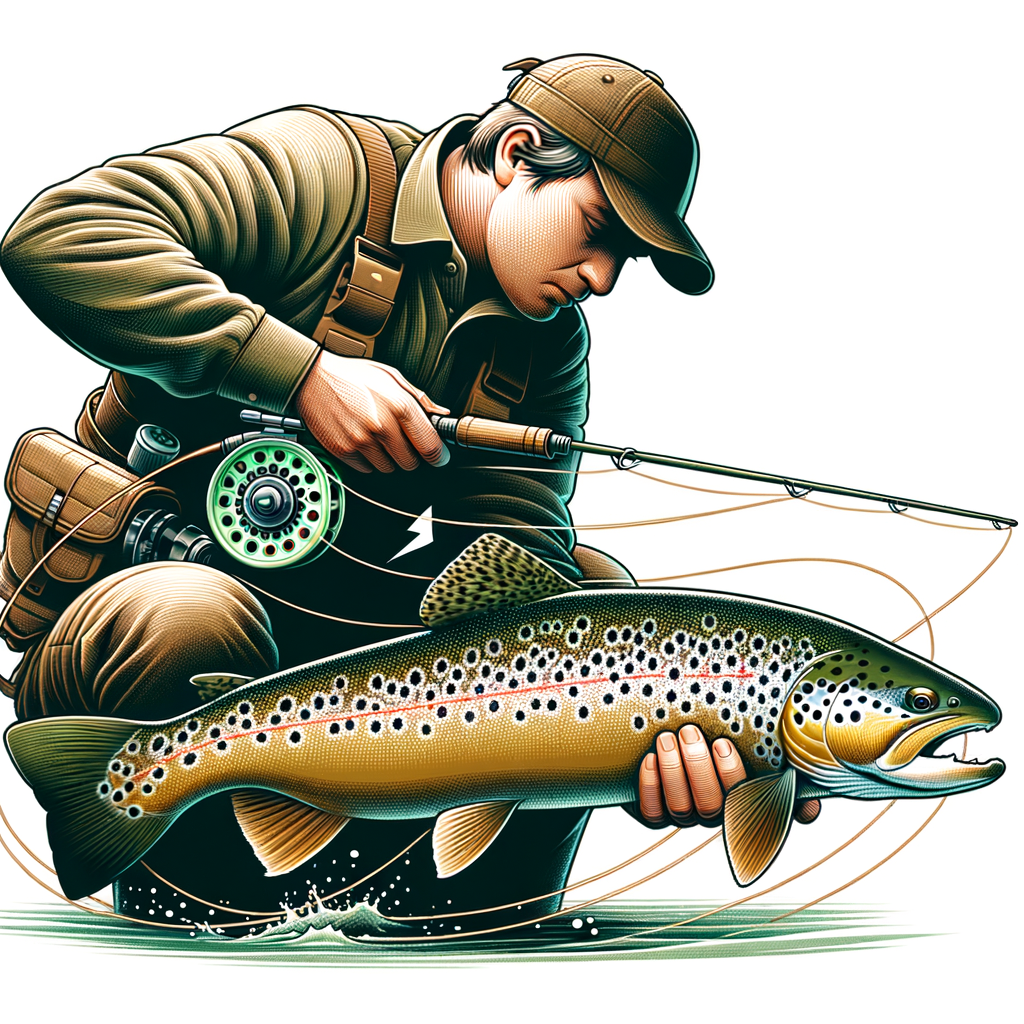
Fly fishing is a revered pastime that marries skill, patience, and a profound appreciation for nature. Among the various environments where this sport can be indulged in, tailwaters hold a distinctive allure. Tailwaters are sections of water located downstream from dams and are characterized by their consistent temperatures and flows. These unique conditions create ideal habitats for trout and many other fish species, making them a prime destination for fly fishing enthusiasts. Understanding fly fishing in tailwaters is significant because it involves specific approaches and strategies unlike those used in freestone rivers or spring creeks. Mastering these methods can enhance one’s success in catching fish and offer a fulfilling experience characterized by both challenge and reward.
Discovering the beauty and complexity of tailwaters can transform regular fishing into an expert endeavor that enhances your understanding of aquatic ecosystems. The environments are engineered to have reliable water flows and stable temperatures, which are factors greatly cherished by trout. This means that these waters can support fish year-round, allowing for consistent fishing opportunities. Anglers who learn to navigate these waters strategically will benefit from the wealth of diverse fish and the picturesque landscapes they inhabit. To fully appreciate the intricacies of fly fishing in tailwaters, it’s crucial to delve into targeted techniques and patterns that optimize chances of a successful catch.
Understanding Tailwaters and Their Ecosystems
The first step to mastering fly fishing in tailwaters is understanding their ecology. Tailwaters are influenced by the dam from which they flow, which regulates temperature and flow, creating stable environments favorable for the proliferation of aquatic life. This consistency means that tailwaters can support a wide variety of insect life, which in turn supports healthy fish populations. By being aware of these key characteristics, anglers can employ specific tactics tailored for tailwaters, rather than applying general fishing techniques that might be less effective.
Consider the Green River in Utah, a classic example of a tailwater with an extraordinary ecosystem. The river is released below Flaming Gorge Dam, offering a steady supply of nutrient-rich, cold water that fosters one of the West’s most prolific fisheries. Anglers visiting the Green River are advised to choose patterns and strategies that mirror the unique attributes of this tailwater, like employing small nymph patterns that accurately replicate the river’s natural insect life.
Choosing the Right Flies
Selecting the right flies is paramount when fishing in tailwaters. Due to the abundance of year-round insect life, fish in these waters often become selective and accustomed to specific insects. Unlike in freestone rivers where fish must capitalize quickly on available food sources, the constant supply of food in tailwaters allows them to be more discerning. This requires anglers to be meticulous in their fly selection.
For instance, the Lees Ferry section of the Colorado River in Arizona demonstrates the demanding nature of fly selection in tailwaters. Here, trout have abundant access to midges throughout the year. Anglers frequenting this location are advised to use midge patterns in various sizes and colors to match the hatching insects precisely. Chartreuse and red San Juan worms are also popular here due to their effectiveness in these waters.
Technical Casting and Presentation
Success in tailwater fly fishing often hinges on precise casting and presentation. Fish residing in these types of waters tend to be being spooky due to the clarity of the water and the numerous anglers pursuing them. Mastery of stealthy approaches and delicate casting can therefore dramatically improve your catch rate. Additionally, adapt your techniques to the conditions – drift accurate presentations, manage your slack line meticulously, and execute delicate rod positioning to avoid spooking the fish.
Suppose you are fishing the Bighorn River in Montana, known for its crystal-clear waters and abundant trout. A strategic presentation here involves casting upstream and mending the line to maintain a natural drift, focusing on the smallest hesitations in your line to set the hook swiftly for a surefire catch.
Interpreting the Hydrology
To maximize success in tailwater fishing, it’s crucial to interpret the hydrology effectively. The variation in flow rates alongside debris levels and aquatic vegetation directly impacts strategies. Experienced anglers prioritize checking current conditions before heading out, because the depth and flow of the water can vary significantly based during dam releases or natural influences. Noting these environmental characteristics allows fly fishers to adapt their plan, thus increasing the catch potential.
- Flow Rate: Understand seasonal variations and dam release schedules for predicting fish behavior.
- Water Clarity: Adjust fly selection to mimic natural prey visibility to the fish.
- Temperature: Note how controlled temperatures favor year-round trout habitation.
On rivers like the South Platte in Colorado, fishers take heed of flow reports from the dam operators before casting their lines. Knowledge about whether water conditions influence fish’s accessibility to eddies, where food is often pooled, and determine the optimal period to target these pockets during lower flow conditions.
Tackling Tailwater Tactics and Timing
Patience and timing go hand-in-hand when it comes to reel in success at tailwaters. Graced with ecosystems capable of supporting high fish populations independent of seasonal variations, timing, on these grounds, can play a pivotal role to discern potential catches. Observing prime feeding windows is vital to capture activity patterns of the fish.
Taking for instance the White River tailwaters in Arkansas, this technique is put into practice by many expert anglers. By observing insect hatch charts, fly fishers can predict which insects might be in abundance at specific times and take the opportunity to engage fish actively feeding during targeted morning or evening hatches.
Adapting to Changing Conditions
The key to longevity in fly fishing is learning and constantly adapting to ever-shifting conditions in tailwaters. Weather, dam operations, and environmental changes can abruptly alter fish habits and feeding patterns. Skilled anglers closely monitor changes in water temperature, flow rates, and available insect populations, making necessary adjustments in their techniques and equipment choices.
For example, the Delaware River’s tailwaters illustrate this adaptability due to its multiple dammed sections and dynamic weather patterns. An adept angler here would consistently monitor flow updates and match hatch activity with flies that mimic local caddisflies with precision, staying ready to adapt their fishing technique to any alterations in environmental conditions that might arise during a day on the river.
Summary and Next Steps
In summary, tailwaters provide an exhilarating challenge for fly fishers, characterized by their controlled environments and the skillful tactics required to succeed. The significant takeaway for anglers targeting these waters is the necessity for understanding the intricate relationships between the consistent water conditions and the aquatic life they support. By choosing the appropriate flies, honing in on casting accuracy, and actively interpreting environmental cues such as flows and hatches, one can increase their chances of a rewarding fishing experience.
Understanding tailwater dynamics not only refines an angler’s technique but also enhances their appreciation for these rich ecosystems. The true benefit lies in strengthening one’s proficiency in fly fishing and enjoying the meditative connection to nature that sunlit days and rhythmic casting bring. The expertise developed while practicing these strategies will empower you to thrive in any fishing scenario you encounter down the line. As you next plan your fishing journey, consider venturing into a local tailwater armed with the strategies discussed. You are encouraged to make detailed observations and deliberate experiments with various patterns as you refine your methods for future successes.
Set out on this journey of learning and discovery, and may each adventure provide you with both challenge and fulfillment on your quest to perfect the art of fly fishing in tailwaters. With careful preparation and dedication, these strategies will ensure you are well-equipped to explore the potential and beauty within these waters, achieving mastery in this intricate pursuit.
Frequently Asked Questions
1. What makes fly fishing in tailwaters different from other types of fly fishing?
Fly fishing in tailwaters is a unique experience due to the specific conditions found in these areas. Tailwaters are located downstream from dams, which means the water is released from the bottom of the reservoir, resulting in a consistent temperature and flow. This stability creates an ideal environment for fish, particularly trout, to thrive. Unlike freestone rivers where temperature and water levels can fluctuate dramatically, tailwaters provide a more predictable scenario for anglers. The consistent conditions lead to stable insect hatches and significant fish populations, resulting in excellent fly fishing opportunities. Furthermore, the stable environment allows fish to grow larger and healthier, often equating to a better chance of landing trophy trout. Because of these distinct attributes, anglers can refine their techniques and tailor their fishing patterns to what is more likely to succeed in these stable waters rather than adapting to changing conditions as they do in other environments.
2. What strategies are effective for fly fishing in tailwaters?
When it comes to strategies for fly fishing in tailwaters, understanding the behavior and patterns of the fish is key. First and foremost, it’s important to do your homework. Studying the specific tailwater before your trip can give you insight into the prevalent insect hatches and fish behaviors specific to the seasons and water conditions. Because tailwaters offer consistent temperatures, fish tend to feed more consistently, allowing for more opportunities throughout different times of the year and day. One common strategy is nymphing, which is particularly effective in tailwaters because trout in these waters predominantly feed on nymphs and larvae below the surface. Using strike indicators coupled with nymphs that replicate local aquatic insects can substantially increase your success rate. Another strategy is sight fishing, which involves watching for fish activity and casting directly to the fish or their feeding lanes. Streamer fishing can also be successful, especially in cooler seasons when fish are more aggressive and pursuing baitfish. Understanding the behavior of local fish and matching your fly patterns and presentation style to mimic local species can make a significant difference.
3. Why are insect hatches crucial for successful fly fishing in tailwaters?
Insect hatches play a vital role in fly fishing success, particularly in tailwaters. The consistent water conditions maintain plentiful and predictable hatches, which are a primary food source for trout. In tailwater fisheries, trout are accustomed to a diet rich in aquatic insects such as midges, caddisflies, and mayflies, thriving due to the nutrient-rich waters that the dams provide. During a hatch, fish become particularly active and more likely to take a fly, as they anticipate and follow the hatches closely. Understanding the timing and nature of these hatches allows anglers to select and present flies that resemble the natural insects present at any given time. Being knowledgeable about the life cycle of these insects can give anglers an edge, knowing when to use emergers, dry flies, or nymphs to match the specific stage of the hatch. This match-the-hatch approach is critical for enticing selective tailwater trout that are accustomed to feeding on the precise forms and sizes of local insects.
4. How do I choose the right fly pattern when fishing in tailwaters?
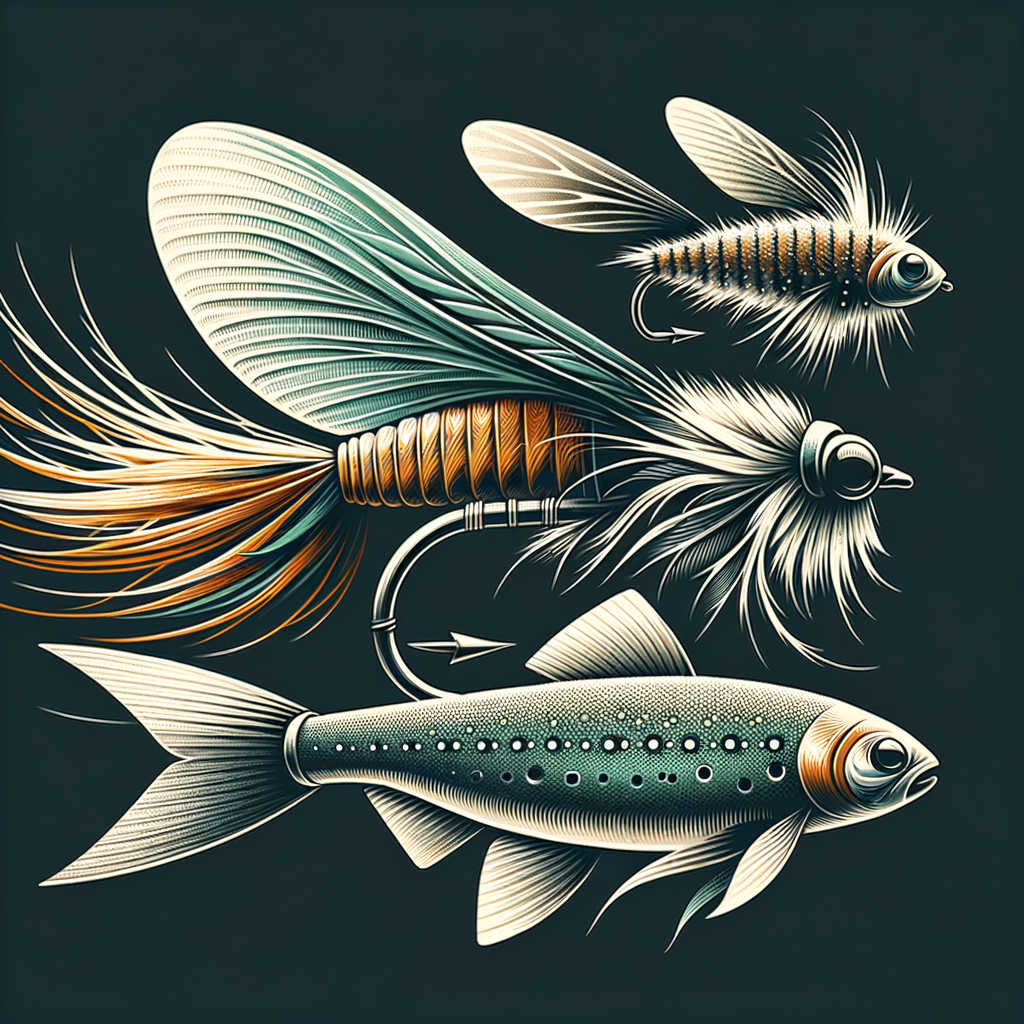
Selecting the right fly pattern in tailwaters takes consideration of several factors, namely the life stage of prevalent insects, water clarity, and fish behavior. Research and observation are fundamental. First, identify what insects are currently or soon-to-be hatching based on the season and water temperature, as these will often dictate the feeding patterns of the trout. Having a range of fly patterns that mimic these insect types and life stages, such as imitations of emergers, nymphs, and adult insects, is essential for success. Tailwater fish often demonstrate a more exacting palate due to their familiarity with abundant food sources, so smaller flies and precise detailing are typically effective. Using realistic patterns like Zebra Midges, RS2s, and Blue Winged Olive mayflies in various life-stage forms helps match the specific aquatic life in the water. Observation is crucial as well; watch for rises or feeding activity that might reveal an ongoing hatch or fish preference. Monitor for any changes in water conditions too, as this can influence fish behavior and the presentation of your fly. Consider local angler knowledge and reports which can offer guidance on the best choice of patterns based on recent conditions and successes.
5. Are there specific gear and equipment recommendations for fly fishing in tailwaters?
Tailwater fly fishing does come with some specific gear recommendations to ensure an optimal experience. Tailwaters often involve technical fishing situations and access considerations, which can impact your equipment choices. A good starting setup includes a medium-fast action rod in the 4 to 6-weight range, paired with a reel that has a durable drag system to handle larger fish that are common in tailwaters. As tailwaters frequently require precise and delicate presentations due to clear water, using a finer leader and tippet – often in the 5X to 7X range – is advisable. This thinner tippet helps in reducing visibility to fish and allows for more natural drifts. A pair of polarized sunglasses is invaluable in spotting fish and observing their behavior under different lighting conditions. A quality pair of breathable waders and good wading boots will keep you comfortable given that access might require moving through cool, clear water with rocky substrates. Moreover, carrying a selection of fly boxes with varied patterns such as midge larvas, mayflies, and caddisflies can cover an array of hatches you might encounter. Lastly, having the right accessories, including strike indicators, split shot weights, and fly floatants, ensures you’re prepared for the versatile needs of tailwater fly fishing opportunities.