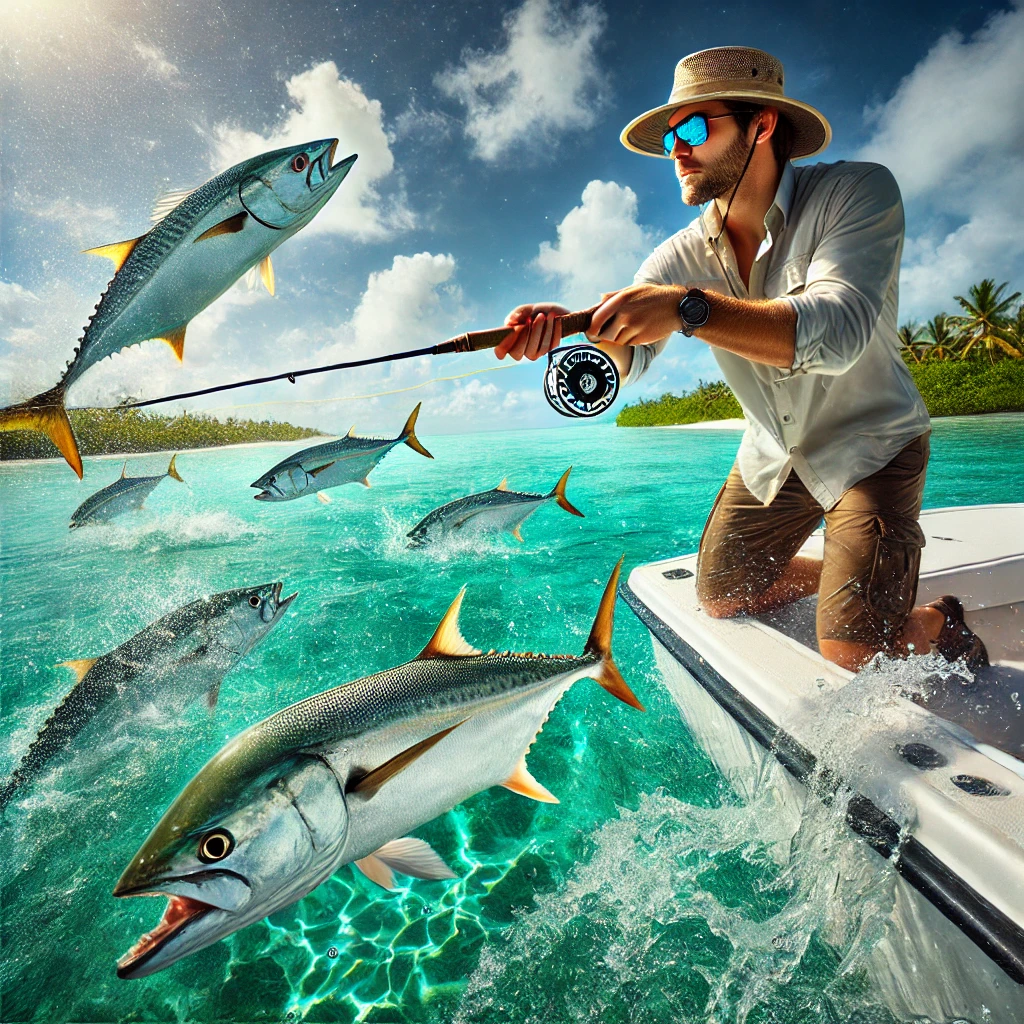
Saltwater fly fishing offers a thrilling adventure that freshwater fishing sometimes can’t match. When you combine the powerful predatory nature of saltwater species with the precision and art of fly fishing, you get an unparalleled fishing experience. One such formidable and exhilarating target species is the Jack. Known for their aggressive strikes and powerful runs, Jacks provide a challenging yet rewarding pursuit for fly anglers. From understanding their behavior and habitat to honing your fly selection and casting techniques, there’s a wealth of knowledge to uncover. In this article, let’s delve into the essentials of targeting Jacks on the fly, providing you with practical tips and indispensable techniques.
Whether you’re a seasoned fly fisherman looking to expand your angling horizons or a newcomer eager to try your hand at saltwater species, targeting Jacks will give you an unparalleled sense of accomplishment. Their sheer strength, combined with their relentless fight, offers a unique and unforgettable experience every angler should aspire to face. Jacks, which include species like the Jack Crevalle and Amberjack, are known for their schooling behavior and can be found in a variety of saltwater environments, ranging from shallow flats to deeper offshore waters. Understanding these environments and how Jacks behave in them is crucial for your success.
In addition to mastering your casting techniques and fly presentations, it’s equally important to know how to read the water, interpret the movement of fish, and adjust your tactics accordingly. Successful fly fishing for Jacks involves a blend of skill, strategy, and a touch of art. The following sections will cover essential aspects such as the behavior and habitat of Jacks, fly selection, casting techniques, and practical tips for increasing your chances of a successful catch.
Understanding Jack Behavior and Habitat
Jacks are versatile and adaptable, making them a popular target for many saltwater anglers. Species such as the Jack Crevalle are known for their aggressive nature and can often be found in diverse habitats ranging from the coastal shallows to the deeper open waters. A key factor in fly fishing for Jacks is understanding their behavioral patterns. Typically, Jacks are schooling fish, which means they often move in large groups. This can work to your advantage; once you hook one, it’s likely that others are nearby, providing multiple opportunities for strikes.
Timing is another critical component when targeting Jacks. They tend to be more active during certain times of the day, particularly during dawn and dusk when they are in pursuit of baitfish. Understanding the tidal movements can also significantly impact your success. Jacks often utilize tidal currents to ambush prey, so fishing during the rising and falling tides can drastically increase your chances of success. These predators are opportunistic and will feed on a variety of smaller fish, crustaceans, and other marine organisms, adapting their hunting techniques to their surroundings.
To locate Jacks, look for signs of feeding activity such as birds diving or baitfish jumping. These are clear indicators that Jacks or other predators are in the area. Additionally, underwater structures like reefs, wrecks, and drop-offs are prime locations where Jacks might congregate. Understanding the specific habitats where Jacks are likely to be found and learning to read the signs of their presence are essential skills for any fly angler targeting this species.
Essential Gear and Fly Selection
Having the right gear is crucial when targeting Jacks. Given their size and strength, a medium to heavy-weight fly rod, generally in the 8 to 10-weight range, is recommended. This ensures you have the power needed to handle their fierce runs and rapid direction changes. Pair your rod with a high-quality reel equipped with a strong drag system. Jacks are known for their powerful, prolonged runs, and having a reliable drag can mean the difference between a successful catch and a lost fish.
Fly selection is another critical aspect of fly fishing for Jacks. These fish are not typically very fussy about the specific type of fly, as long as it imitates their natural prey. Clouser Minnows, Deceiver patterns, and various baitfish imitations in sizes 1/0 to 3/0 are effective choices. It’s also beneficial to carry a variety of flies in different colors and sizes to match the local baitfish and adapt to different water conditions.
Additionally, using flies with enough weight to get down to the right depth quickly is essential, especially when fishing in deeper waters or strong currents. When fishing in clear, shallow waters, unweighted or lightly weighted flies might be more effective. Matching your fly to the prevalent baitfish in the area and adjusting for the specific conditions at hand will increase your chances of success.
Effective Casting Techniques
Casting for Jacks requires a blend of precision and power. Jacks are often found in schools, which can sometimes create a frenzy of activity on the water’s surface. Your goal is to place your fly accurately within this active zone without spooking the fish. Long, accurate casts are often necessary, particularly when fishing in clear water where the fish can be easily spooked.
When you spot a school of Jacks, aim to cast ahead of the moving school and retrieve your fly swiftly to mimic fleeing baitfish. Fast, erratic strips often work best to trigger a Jack’s predatory instinct. Remember that Jacks are aggressive feeders, so don’t be afraid to use a faster retrieval speed than you might with other species. The key is to incite a reaction strike, capitalizing on their instinct to chase down fast-moving prey.
If the fish are playing hard to get, try varying your retrieve. Sometimes slower, more deliberate strips can turn a hesitant fish into an aggressive biter. Practice different retrieval techniques to see what works best under varying conditions. Precision, speed, and adaptability in your casting technique will significantly improve your chances of hooking into a Jack.
Reading the Water and Finding Fish
Success in fly fishing, particularly for a species as dynamic as Jacks, often comes down to your ability to read the water. Look for ripples, swirls, and other disturbances on the surface, as these can be indicators of fish activity below. Birds diving into the water are also a reliable sign that there may be a school of Jacks or other predators feeding on baitfish.
Pay attention to tidal patterns and currents. Jacks will use these natural movements to their advantage, often positioning themselves to ambush prey that gets swept along by the tide. Fishing during tidal movements, especially during the incoming or outgoing tides, can significantly boost your chances of encountering actively feeding Jacks.
Additionally, keep an eye out for changes in underwater structures. Jacks often congregate around reefs, wrecks, and drop-offs where they can find both shelter and food. Using a fish finder can also help you locate schools of Jacks or baitfish, providing a more strategic approach to your fishing.
Handling and Releasing Jacks
After a thrilling battle with a Jack, it’s crucial to handle them with care to ensure a healthy release back into the wild. Use a landing net to help you safely bring the fish in without causing unnecessary stress or injury. Wet your hands before handling the fish to protect its slime coat, which is essential for preventing infections.
Use a pair of needle-nose pliers to remove the fly, being careful not to damage the fish’s mouth or gills. If the hook is deeply embedded, consider cutting the line as close to the hook as possible rather than risking further injury to the fish. Revive the fish by holding it gently in the water, facing into the current, and allowing it to regain its strength before swimming away.
Practicing catch and release not only helps preserve the Jack population but also ensures that other anglers can enjoy the same thrilling experience. By handling and releasing Jacks responsibly, you contribute to the sustainability of this incredible sport.
Conclusion
Fly fishing for Jacks is a challenging yet incredibly rewarding pursuit. Their aggressive nature, powerful runs, and the environments they inhabit make for an exciting and dynamic fishing experience. By understanding their behavior, selecting the right gear and flies, mastering your casting techniques, and learning to read the water, you can significantly increase your chances of success.
Remember, patience and adaptability are key. Conditions can change rapidly in saltwater environments, and being able to adjust your tactics on the fly is crucial. With practice and persistence, you’ll not only improve your skills but also enjoy the thrill and satisfaction that comes with successfully targeting Jacks on the fly.
So, gear up, head out to those promising saltwater spots, and immerse yourself in the adventure of fly fishing for Jacks. Whether you’re seeking the thrill of their fight or the satisfaction of mastering a new challenge, this pursuit is bound to enhance your fly fishing experiences and deepen your appreciation for this incredible sport.