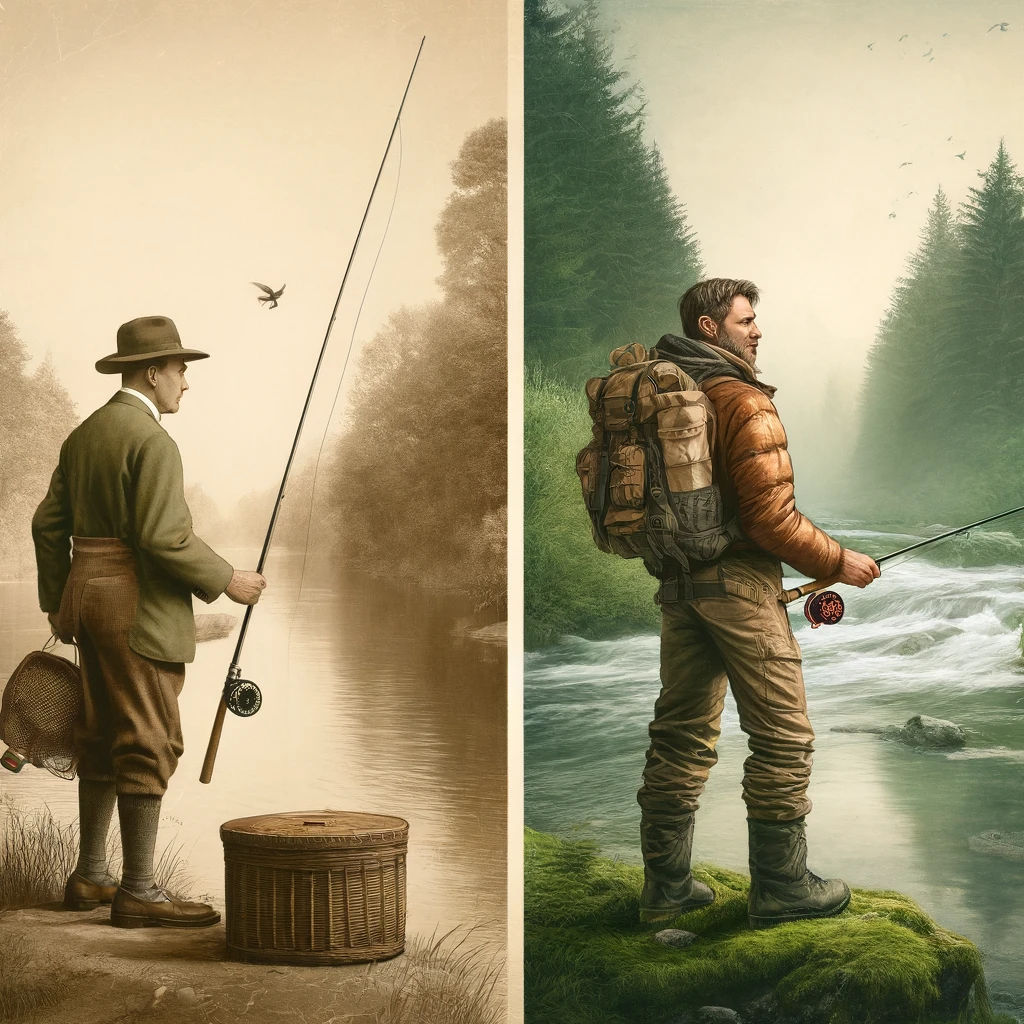
Fly fishing for sea trout can be an exhilarating experience, presenting both unique challenges and incredible rewards for the dedicated angler. Sea trout, also known as ‘salmo trutta’, are one of the most prized saltwater species. They are known for their elusive nature, sporting behavior, and delicious taste. If you’ve ever wanted to perfect your fly fishing techniques or just get started with targeting sea trout, you’re in the right place. This comprehensive guide will take you through the basics, from understanding the species itself to practical strategies for increasing your chances of landing one.
Sea trout can be found in estuaries, coastal bays, and open rivers, areas where both fresh and saltwater environments merge. These habitats provide them with a rich array of prey such as small fish, crustaceans, and insects. Because they live in such diverse settings, the strategies for catching them can vary widely. Understanding these environments and how sea trout behave in them is the first step toward a successful fishing experience.
In the following sections, we will delve deeper into the key elements of fly fishing for sea trout, including the essential gear, effective techniques, best times and conditions for fishing, and helpful tips for selecting and using the right flies. By the end of this guide, you’ll be well-equipped with the knowledge you need to make your next sea trout fishing trip a success.
Essential Gear for Sea Trout Fly Fishing
Having the right gear is crucial for any successful fly fishing expedition, and targeting sea trout is no exception. Your gear should be tailored not only to the kind of fish you’re after but also to the specific grueling conditions of saltwater fishing.
First and foremost, invest in a good quality fly rod and reel. For sea trout, a 6 to 8 weight rod is typically optimal. This range provides the necessary strength to cover longer casts and handle the robust fight that sea trout are known for. The reel should have a reliable drag system to manage the fast, powerful runs that sea trout often make.
Next on the list is the fly line. A weight-forward floating or intermediate line usually works best, allowing for good control and distance. For leaders, a tapered leader ending in a strong tippet—usually around 10 to 15 feet in length—is ideal. This setup provides the precision needed for more accurate casts and effective presentations of your flies.
Don’t forget about your waders and boots. Since you’ll often find yourself wading through estuaries or shallow coastal waters, having waterproof, breathable waders and sturdy boots will keep you comfortable and stable. Polarized sunglasses are another must-have, as they reduce surface glare and help you spot fish more easily.
Finally, ensure that you have a well-organized box of flies. Sea trout can be quite selective, so having a variety of patterns, sizes, and colors at your disposal will enable you to adapt quickly to changing conditions. We’ll cover recommended fly patterns in more detail later on.
Effective Fly Fishing Techniques
Now that you’re equipped with the right gear, it’s time to refine your techniques. There are several approaches to fly fishing for sea trout, each suited to different conditions and behaviors.
One of the most effective techniques is the “dead drift.” This method involves casting your fly upstream and allowing it to drift naturally with the current, imitating a helpless insect. The dead drift is particularly effective in river mouths and estuaries where sea trout often lurk to ambush prey.
Another valuable technique is “swinging the fly.” This is highly effective in tidal zones and deeper waters. Cast your fly across the current and allow it to swing downstream with a steady tension on the line. This movement mimics a swimming baitfish, which can entice predatory strikes from sea trout.
For shallow coastal waters, the “strip retrieve” method is highly recommended. This involves stripping in your line in short, quick pulls to give your fly a darting motion. Sea trout are often attracted to fast-moving prey, so this method can stimulate aggressive strikes.
Don’t forget to stay adaptable. Sea trout can change their feeding habits based on a variety of factors including water temperature, light, and tidal movement. Continually observe their behavior and be prepared to switch techniques as needed.
Best Times and Conditions for Sea Trout Fishing
Timing is everything when it comes to fly fishing for sea trout. While they can be caught year-round, certain times and conditions are more favorable.
Evenings and early mornings are particularly productive. Sea trout are often more active during low-light conditions, which makes these times ideal for fishing. Overcast days can also provide an advantage, as the diffused light encourages sea trout to feed closer to the surface.
Tides play a crucial role in sea trout fishing. Generally, the rising tide (incoming tide) brings in small baitfish and other prey, which attracts sea trout closer to shore. The period just before and after high tide is often the most productive window. Estuary mouths, bays, and river inlets are prime locations during these times as sea trout move in to feed.
Water temperature is another essential factor. Sea trout prefer cooler waters, so fishing during early spring and late fall can be particularly fruitful. However, if you’re fishing during the warmer months, focus on deeper waters where the temperature remains more stable.
Lastly, always pay attention to the wind conditions. While a slight breeze can be beneficial by creating surface disturbance that masks your presence, strong winds can make casting challenging. Select your fishing spots accordingly to balance these factors.
Selecting and Using the Right Flies
Having the right flies in your arsenal can be the difference between a successful trip and coming home empty-handed. Sea trout can be picky eaters, and matching the hatch—or mimicking the natural prey in the area—can significantly improve your chances.
For estuaries and river mouths, nymph and shrimp patterns can be particularly effective. Patterns like the “Muddler Minnow” or “Shrimp Fly” imitate the small crustaceans and minnows that sea trout feed on in these environments.
In coastal waters, baitfish patterns such as Clouser Minnows, Deceiver flies, and Surf Candy are highly effective. These patterns mimic the small fish found in saltwater environments and are designed to produce lifelike swimming action.
During low-light conditions or in turbid water, consider using flies with a bit of flash or in brighter colors to make them more visible. Flies with zonker strips or rubber legs can also add extra movement, increasing their attractiveness.
Don’t be afraid to experiment with different fly sizes. While smaller flies (size 8-12) are usually preferred, especially in clear waters, larger flies (size 4-6) can sometimes be more effective in murky or high-activity conditions.
Location Strategies for Targeting Sea Trout
Identifying the right locations is a critical aspect of sea trout fly fishing. Understanding their behavior and preferred habitats can put you right where the action is.
Estuaries and tidal rivers are often hot spots for sea trout. These areas provide a mix of fresh and saltwater and are rich in food sources. Focus on deeper pools, current seams, and areas with structure where sea trout can ambush prey.
Coastal bays and fjords are also productive, especially during incoming and outgoing tides. Look for areas with varied depths, such as drop-offs, ledges, and sandbars. Sea trout often patrol these areas, searching for schooling baitfish.
If you’re fishing in a river, target the stretches that have a mix of fast and slow currents. Behind large boulders, in eddies, and near submerged logs are all prime spots where sea trout may lay in wait.
Using a chart or map to locate underwater structures can be incredibly beneficial. Understanding the underwater terrain helps in predicting where sea trout are likely to hold. Modern fish finders and GPS devices can also assist in pinpointing these critical areas.
Handling and Conservation Tips
While the thrill of catching sea trout is undeniable, it’s essential to practice responsible fishing to ensure their populations remain healthy and sustainable.
Always wet your hands before handling a caught fish to minimize damage to its protective slime coating. Use a rubberized net to gently cradle the fish rather than lifting it by the line or gills.
If you plan to release the fish, do so quickly and carefully. Hold the fish upright in the water, facing into the current, and allow it to swim away under its own power.
Pay attention to local regulations regarding size and bag limits. These rules are designed to protect vulnerable populations and ensure the longevity of the fishery.
Consider using barbless hooks to make the release process easier and less stressful for the fish. Not only do these hooks penetrate more effectively, they also cause less damage.
Finally, always leave the fishing area as you found it—or better. Pick up any trash, be mindful of the natural habitat, and practice sustainable fishing techniques. Doing so ensures that future generations can also enjoy the thrill of fly fishing for sea trout.
Conclusion
Fly fishing for sea trout is a rewarding pursuit that combines skill, strategy, and a love for the great outdoors. Whether you’re an experienced angler or a novice, the tips and techniques provided in this guide will help you increase your odds of success.
The key to a fruitful sea trout fishing experience lies in understanding the fish’s behavior, selecting the right gear and flies, employing effective techniques, and fishing at the right times and locations. Continuous observation and adaptability will also play significant roles in your success.
Remember to practice ethical and responsible fishing to ensure the sustainability of sea trout populations. Treat the fish and their habitats with respect, and always adhere to local regulations.
With patience, practice, and the insights shared in this guide, you’re well on your way to mastering the art of fly fishing for sea trout. So gear up, hit the water, and enjoy the thrill of the chase!