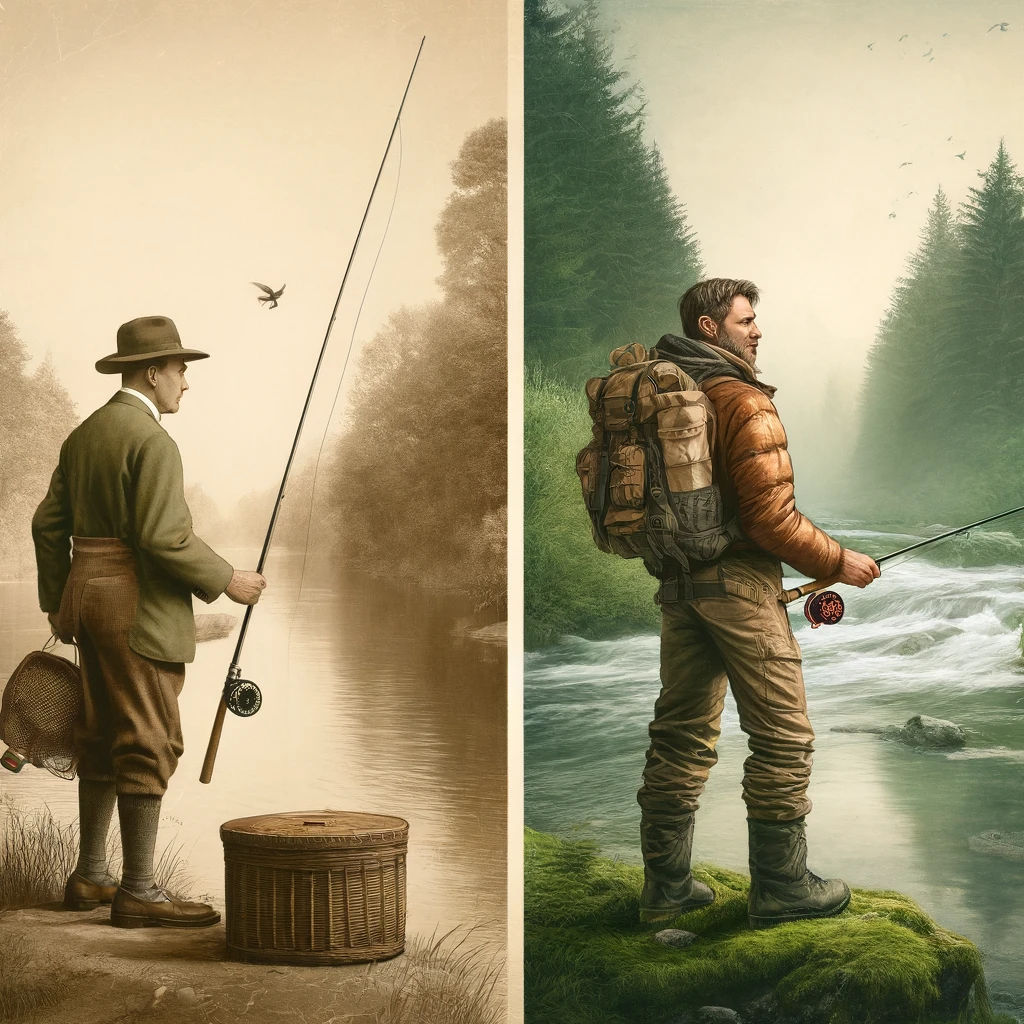
Welcome to our comprehensive guide on fly fishing, specifically tailored for those eager to learn how to catch the elusive and prized Brown Trout. Fly fishing for Brown Trout requires a harmonious blend of skill, knowledge, and patience. Whether you’re a novice angler or someone looking to hone your skills, this guide will take you through the essentials, from understanding the fish’s behavior to advanced techniques for landing that trophy catch. So, let’s dive in and unravel the mysteries behind fly fishing for Brown Trout!
Understanding Brown Trout
Brown Trout (Salmo trutta) are often viewed as the crown jewels of freshwater anglers. Native to Europe, these fish have been successfully introduced into various water systems worldwide, including North America, South America, Africa, and New Zealand. Brown Trout can be found in different environments such as rivers, streams, lakes, and reservoirs, showing incredible adaptability. They are known for their wariness and elusive nature, making them a challenging and rewarding target for fly fishing enthusiasts.
Habitat and Behavior
Brown Trout favor cool, clean, well-oxygenated waters and are commonly found in regions with abundant cover such as rocks, logs, and overhanging vegetation. Understanding the behavior of Brown Trout is key to effectively fishing them. They are opportunistic feeders and their diet varies based on season and availability, typically including insects, crustaceans, smaller fish, and even small mammals and terrestrial insects. They are most active during dawn and dusk, known as the “golden hours,” making these periods ideal for fishing. Despite their elusive nature, Brown Trout can sometimes be spotted rising to feed, providing visual clues to their location.
Physical Characteristics
Recognizing a Brown Trout involves looking for their distinctive brown to olive coloration, adorned with black and red spots surrounded by paler halos. Larger Brown Trout often develop hooked jaws called kypes, especially in males. Their well-defined lateral line and robust body make them powerful fighters, adding to the allure and challenge of catching them.
Essential Gear for Fly Fishing
Equipping yourself with the right gear is the foundation of successful fly fishing for Brown Trout. Here’s a rundown of the essential equipment:
Fly Rods
The choice of fly rod can significantly impact your fishing experience. For Brown Trout, a 9-foot rod in the 4 to 6-weight range is highly recommended. This rod length and weight provide a balance of power and finesse, allowing for delicate presentations and enough backbone to handle larger fish.
Fly Reels
The fly reel should be well-matched to your rod, with a good drag system to manage the powerful runs Brown Trout are known for. A reel with a smooth, adjustable drag will give you an edge when battling larger specimens.
Fly Lines
Selecting the right fly line is crucial. Weight Forward (WF) floating lines are versatile and commonly used for Brown Trout fishing. They allow for longer casts and better control, especially when fishing in rivers and streams. In situations where deeper presentation is necessary, consider using sinking tip lines.
Leaders and Tippets
Leaders and tippets are critical in presenting your fly naturally. A tapered leader with a length between 9 to 12 feet is ideal. Use a tippet with a diameter that matches your fly size; for Brown Trout, a 4X to 6X tippet is generally sufficient.
Fly Patterns for Brown Trout
When it comes to fly selection, matching the hatch – imitating local insect activity – can be the key to success. Here are some effective fly patterns:
Dry Flies
Dry flies remain on the water surface, mimicking adult insects or terrestrials. Some popular dry flies for Brown Trout include:
- Adams: Versatile and effective during mayfly hatches.
- Elk Hair Caddis: Imitates adult caddisflies, perfect for rough water.
Nymphs
Nymphs mimic the immature stages of aquatic insects. Effective nymph patterns include:
- Pheasant Tail Nymph: Resembles various mayfly nymphs.
- Hare’s Ear Nymph: Simulates a wide range of nymphs and is a reliable choice year-round.
Streamers
Streamers represent larger prey such as baitfish and leeches. Essential streamer patterns are:
- Woolly Bugger: Versatile and effective, mimicking leeches, minnows, and other prey.
- Muddler Minnow: Resembles small fish and insects, highly effective in attracting aggressive strikes.
Terrestrials
Terrestrials are insects that accidentally fall into the water. Ideal patterns include:
- Hopper Patterns: Particularly useful in late summer when grasshoppers are abundant.
- Ant Patterns: Simple yet effective when ants are present near the water.

Techniques and Strategies
Understanding the techniques and strategies unique to fishing for Brown Trout will greatly enhance your chances of success.
Reading the Water
Reading the water involves identifying potential holding spots for Brown Trout. Look for:
- Riffles: Shallow areas with faster water, rich in oxygen and food.
- Runs: Deeper stretches with moderate flow, offering cover and feeding opportunities.
- Pools: Deeper, calmer sections where Brown Trout often rest and ambush prey.
Casting Techniques
Successful casting techniques for Brown Trout include:
- Roll Cast: Useful in tight spots with limited backcasting space.
- Double Haul Cast: Extends your casting distance, essential for reaching distant fish.
- Sidearm Cast: Helps in avoiding overhanging obstacles and presenting the fly naturally.
Presentation and Drift
A natural drift is critical in enticing Brown Trout. Ensure your fly drifts at the same speed as the current, avoiding drag. Mend your line accordingly and use techniques such as the reach cast to improve your drift.
Striking and Playing the Fish
Timing your strike is critical; too early or too late can result in missed opportunities. When you see a fish rise, wait a brief moment before setting the hook. Once hooked, play the fish gently, using the rod’s flex and the reel’s drag to tire it out without breaking your line.
Seasonal Considerations
The time of year can significantly influence your fly fishing strategies and success rates.
Spring
Spring is characterized by increased insect activity and snowmelt runoff. Focus on fishing near the banks and in slower water during high flows. Employ nymphs and streamers to catch feeding trout stirred by the influx of food.
Summer
Summer offers diverse fishing opportunities but can also present challenges such as lower water levels and warmer temperatures. Fish early mornings and late evenings when water temperatures are cooler. Use terrestrial fly patterns like hoppers and ants to exploit the abundant land insects that fall into the water.
Fall
Fall is prime time for targeting trophy Brown Trout, as they become more aggressive in preparation for spawning. Streamers are particularly effective during this period when larger prey becomes enticing. Focus on fishing near spawning beds and use brighter fly patterns to attract attention.
Winter
Although challenging, winter fly fishing for Brown Trout can be rewarding. Look for deeper pools and slow runs where trout conserve energy. Nymphing is usually the most effective technique during this cold period, with small and subtle patterns preferred.
Ethical Considerations and Conservation
Ethical fishing practices and conservation efforts play a crucial role in ensuring the sustainability of Brown Trout populations. Always adhere to local fishing regulations, including catch-and-release guidelines, size limits, and seasonal restrictions.
Catch and Release Best Practices
When practicing catch and release, handle the fish as little as possible and avoid touching the gills. Use barbless hooks for easier, less damaging releases. Wet your hands before handling the fish to protect its slime coat, and revive the fish fully before releasing it back into the water.
Conservation Efforts
Participate in and support conservation initiatives aimed at preserving Brown Trout habitats and promoting sustainable fishing practices. Stream restoration projects, clean-up efforts, and advocacy for responsible water management all contribute to the health of trout populations.
Conclusion
Fly fishing for Brown Trout is an exhilarating and deeply satisfying pursuit. The combination of beautiful settings, challenging fish, and the artistry of fly presentation make it a truly unique experience. By understanding the behavior of Brown Trout, equipping yourself with the right gear, mastering various techniques, and adhering to ethical practices, you’ll be well on your way to landing that trophy fish. Whether you are just starting or looking to refine your skills, the journey of learning and mastering fly fishing for Brown Trout is both endless and rewarding. So grab your gear, head to your favorite water, and immerse yourself in the pursuit of these magnificent fish. Tight lines!