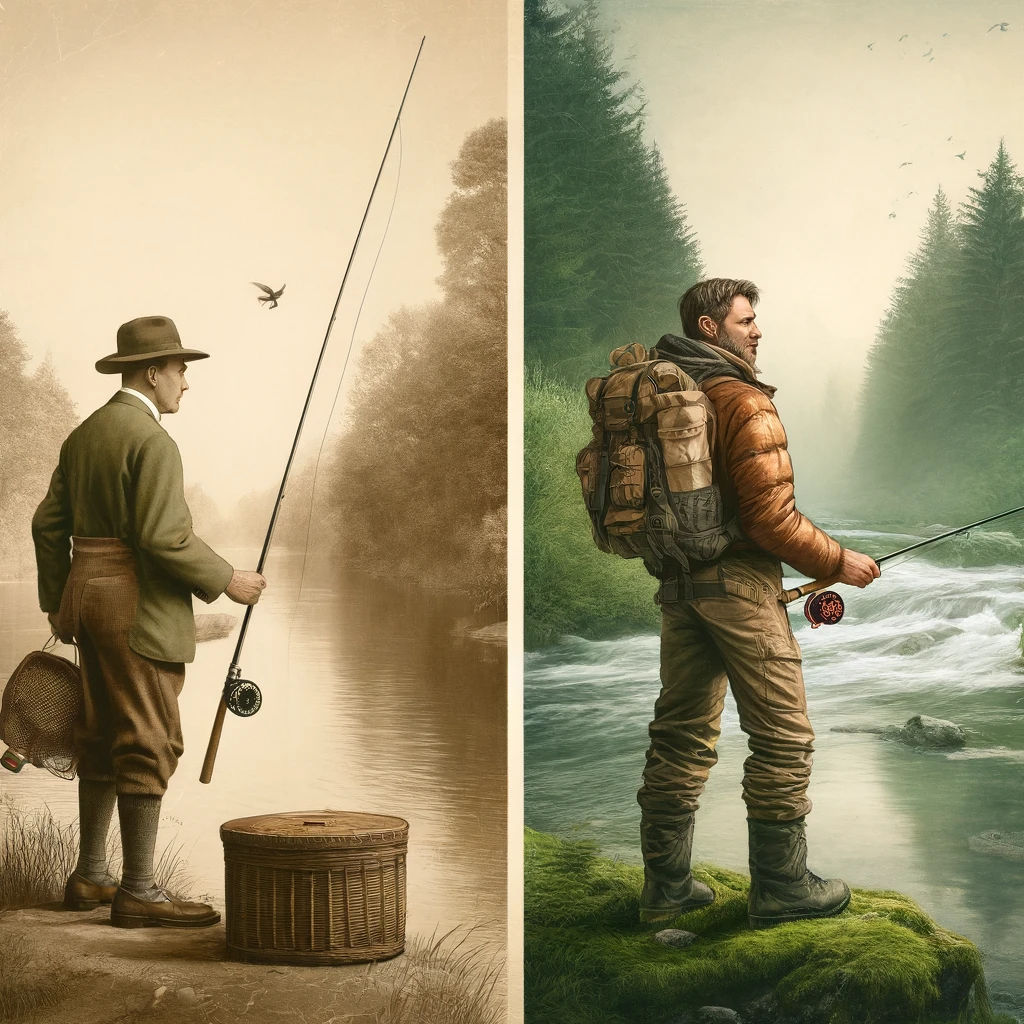
Fly fishing for rainbow trout can be an exhilarating experience, filled with picturesque landscapes, the thrill of the chase, and a deep connection with nature. Rainbow trout are one of the most popular targets for fly fishers, known for their fighting spirit and the sheer joy of landing one. This article will cover the basic tips and strategies essential for catching rainbow trout in freshwater environments. Whether you’re a beginner or looking to hone your skills, these insights will help you improve your chances of success and enhance your overall fly fishing experience.
When they hear the term “rainbow trout,” many anglers envision pristine streams and clear lakes. These fish are recognized for their beautiful appearance, with colors that include shades of green, blue, and silver, often adorned with reddish stripes and black spots. They are native to North America but have been introduced to waters worldwide, making them accessible to fly fishers in various regions.
Understanding the behavior and habits of rainbow trout is crucial to increasing your catch rate. They are typically found in cold, clear waters, thriving in a range of freshwater environments, including rivers, streams, and secluded lakes. Rainbow trout are opportunistic feeders, making them a prime candidate for fly fishing techniques. However, due to their varied diet and alert nature, you need a blend of knowledge, preparation, and technique to be successful. Let’s dive into the fundamental aspects of fly fishing for these vibrant fish.
Choosing the Right Gear
Your gear setup can make or break your fishing trip. For rainbow trout, a versatile rod-and-line combination is critical.
1. Rod: An ideal fly rod for rainbow trout is usually a 9-foot, 5-weight rod. This type of rod offers a balance of power and finesse, allowing you to handle various types of flies and water conditions. If you’re fishing in smaller streams or tighter places, you may opt for a shorter rod ranging from 7.5 to 8.5 feet.
2. Reel: While the reel is often less critical than the rod in trout fishing, it still plays a role, especially when you’re on larger waters or targeting bigger trout. Look for a reel with a reliable drag system, so you can control the fight when you hook into a lively rainbow trout.
3. Line: A floating line works well in most trout-fishing scenarios. Consider a weight-forward floating line for casting distance and accuracy. Some anglers carry extra spools loaded with sink-tip or full-sinking lines for deeper waters or specific nymphing techniques.
4. Leader and Tippet: Using appropriate leaders and tippets is essential. Start with a 9-foot tapered leader, ensuring a smooth transfer of energy from the line to the fly. Tippet size usually ranges from 3X to 6X, with finer tippets used in clear water conditions to avoid spooking the fish.
Selecting Flies
Rainbow trout are known for their diverse diet, feeding on everything from aquatic insects to small fish. Choosing the right fly pattern can significantly impact your success:
1. Dry Flies: These are designed to float on the water’s surface, mimicking adult insects. Popular dry fly patterns include the Adams, Elk Hair Caddis, and Royal Wulff. Use these flies during hatches or when you observe trout rising.
2. Nymphs: Most trout feed below the surface. Nymphs imitate immature aquatic insects and are fished sub-surface. Top patterns include the Pheasant Tail, Hare’s Ear, and Copper John. Employ these when you see no surface activity.
3. Streamers: When targeting larger trout or in deeper waters, streamers are your go-to flies. They replicate baitfish and other larger prey. Woolly Buggers, Muddler Minnows, and Zonkers are among the effective streamer patterns.
4. Terrestrials: During warmer months, trout often feed on land-based insects like ants, beetles, and grasshoppers that fall into the water. Patterns like the Dave’s Hopper and Ant are excellent choices.

Reading the Water
Successful fly fishing for rainbow trout often comes down to reading the water correctly. Knowing where trout are likely to be hiding or feeding helps target your efforts effectively:
1. Riffles: These shallow, fast-moving sections of a river oxygenate the water and provide abundant food. Rainbow trout frequent these areas, especially at the head and tail of riffles.
2. Pools: Deeper, slower-moving sections of water are excellent resting spots for trout. Focus on the head of the pool where the current is strongest, and at the tail where food often collects.
3. Undercut Banks: These natural features offer shade and shelter from predators. Casting near undercut banks can yield significant results, particularly in streams and smaller rivers.
4. Seams: The meeting points of fast and slow currents create “seams” where food is abundant. Trout often position themselves along these seams to conserve energy while intercepting passing prey.
5. Structure: Look for rocks, logs, and reeds that offer shelter and attract insects. Fish around these structures, being careful to present the fly naturally.
Fishing Techniques
To improve your chances of success, employing the right techniques is essential:
1. Dry Fly Fishing: When fishing with dry flies, use a dead drift presentation, mimicking a natural insect floating downstream. Cast upstream and allow the fly to drift down naturally. Watching for subtle rises or swirls that indicate a strike is crucial.
2. Nymphing: This technique involves fishing flies below the surface. Use an indicator to detect bites or tight-line nymphing methods for a more tactile approach. Make sure your nymphs drift naturally and periodically check the fly’s depth to ensure it’s in the strike zone.
3. Streamer Fishing: Streamer fishing is more active. Cast across and downstream, then retrieve with varying speeds and actions. This simulates a moving baitfish or other prey, triggering predatory instincts in larger trout.
4. Euronymphing: A European technique gaining popularity, it uses a longer rod and a tight line for direct control over the fly. This method is highly effective in fast runs and deeper currents.
Understanding Seasonal Behavior
The behavior of rainbow trout can vary greatly with the seasons. Understanding these patterns helps you predict where and when they’ll be more active:
1. Spring: As waters warm, insect hatches increase, and trout become more active. This is an excellent time for dry flies and nymphs. Look for trout in riffles and near the top of pools.
2. Summer: During hot months, trout seek cooler waters. Early mornings and late evenings are prime fishing times. Focus on deeper pools, shaded areas, and faster-moving sections with more oxygen.
3. Fall: Cooler temperatures and spawning instincts make fall a fantastic time for larger trout. Streamer fishing becomes highly effective as fish feed aggressively to prepare for winter.
4. Winter: Fish are less active during winter but can still be caught with nymphs and small streamers. Target deeper waters and move your flies slower to match the trout’s sluggish behavior.
Catch and Release Best Practices
Conservation is crucial to ensuring healthy rainbow trout populations and quality fishing experiences for future generations. Follow these catch and release best practices:
1. Use Barbless Hooks: These cause less damage to the fish and make releasing them easier. Alternatively, crimp the barbs on regular hooks.
2. Handle with Care: Wet your hands before touching the fish to prevent damaging its protective slime. Avoid squeezing the fish and support its body, especially if taking photos.
3. Minimize Air Exposure: Keep the fish in the water as much as possible. If you must remove it, ensure it’s only for a brief moment.
4. Revive Before Release: Hold the fish gently in the water, facing upstream, allowing water to flow over its gills. Once the fish shows signs of strong movement, release it gently.
Conclusion
Fly fishing for rainbow trout is a rewarding pursuit, combining skill, patience, and an appreciation for nature’s beauty. From choosing the right gear and selecting the perfect flies to reading the water and understanding trout behavior, each aspect plays a vital role in your success. By honing your techniques and respecting the environment, you’ll not only increase your catch rate but also contribute to the sustainable enjoyment of this cherished sport.
Whether you’re a beginner or an experienced angler, implementing these tips and strategies will help you connect more deeply with the exhilarating world of fly fishing for rainbow trout. As you practice and adapt to different conditions, your skills will continue to grow, leading to more successful and memorable fishing adventures.
So, grab your gear, tie on your favorite fly, and head to your nearest freshwater stream or lake. The rainbow trout are waiting, and the adventures that lie ahead are worth every moment spent in the pursuit of this vibrant species.