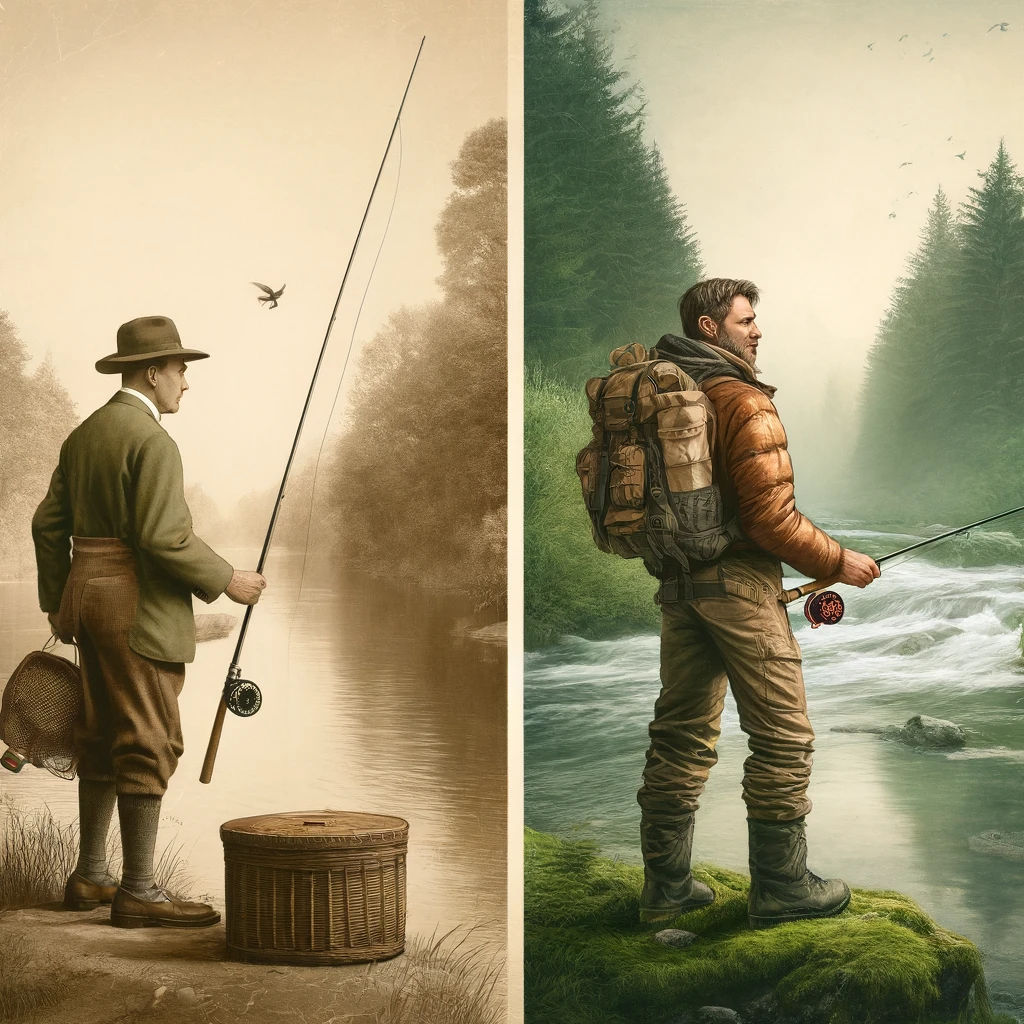
Fly fishing is an age-old method that provides an engaging and dynamic way to connect with nature. One of the most sought-after species for freshwater fly fishing enthusiasts is the brook trout. Known for their vivid colorations and spirited fights, brook trout offer an exhilarating experience for anglers of all levels. In this comprehensive guide, we’ll delve into the essentials of fly fishing for brook trout, including habitat, techniques, gear recommendations, and seasonal tips. Introduction: Understanding Brook Trout
Brook trout, also known as Salvelinus fontinalis, are a native North American fish species found in the cool, clean waters of freshwater streams, rivers, and lakes. These fish are highly prized not just for their beauty but also for their sensitivity to environmental changes, making them an important indicator species for water quality. Known for their sleek bodies adorned with worm-like markings and reddish speckles, brook trout can vary in color, ranging from olive to dark brown, with reddish-orange bellies in males especially during the spawning season. They typically attain lengths of 10-16 inches in the wild, although larger specimens are not unheard of.
Understanding the habitat and behavior of brook trout is crucial for successful fly fishing. These fish prefer cold, clear, well-oxygenated waters. They are often found in streams with plenty of cover like overhanging vegetation, submerged logs, and undercut banks. Furthermore, brook trout are more active during cooler parts of the day, such as early morning and late evening, making these prime times for fishing.
Brook trout primarily feed on aquatic insects, small fish, crustaceans, and terrestrial insects that fall into the water. Understanding their diet can significantly influence your fly selection and fishing technique. In the following sections, we’ll explore the gear, techniques, flies, and strategies needed to enhance your brook trout fly fishing experience.
Essential Gear for Brook Trout Fly Fishing
To effectively fish for brook trout, having the right gear is fundamental. Here’s a rundown of essential equipment:
Rods and Reels
When targeting brook trout, a lightweight setup is ideal. A 3-4 weight rod is typically sufficient for these fish due to their smaller size. Choose a 7.5 to 9-foot rod, which provides a good balance between control and casting distance.
Pair your rod with a quality reel that has a smooth drag system. Although brook trout may not be large enough to test your drag’s limits, having a decent reel ensures that you handle sudden bursts with ease.
Line and Leaders
For line, a weight-forward floating line generally works well for brook trout fly fishing. This type of line provides excellent casting capabilities and is suitable for the lightweight flies typically used for brook trout.
Use tapered leaders of around 7.5 to 9 feet, tapering to a 4x or 5x tippet. These specifications help present your fly naturally and delicately. In tighter, more overgrown streams, shorter leaders can lend more control and precision.
Flies
Given the brook trout’s varied diet, a well-stocked fly box is essential. Effective fly patterns include:
- Dry flies: Adams, Elk Hair Caddis, and Blue Winged Olive.
- Nymphs: Pheasant Tail, Hare’s Ear, and Prince Nymph.
- Streamers: Woolly Bugger, Muddler Minnow, and Black Ghost.
Match your fly selection to the insects prevalent in your fishing area and pay attention to hatches for the best results.
Basic Techniques for Targeting Brook Trout
Mastering the right techniques is pivotal to successful brook trout fly fishing. Here are some basic yet crucial techniques:
Reading the Water
Understanding where brook trout are likely to be found involves reading the water. Look for pools and deeper runs where fish can hide from predators while having access to food. Seams, where faster water meets slower currents, are prime spots as they funnel food directly to waiting trout.
Presentation
Brook trout can be wary and easily spooked, making fly presentation critical. Approach the water cautiously and avoid casting shadows over potential holding areas. Use short, deliberate casts with a gentle presentation to avoid startling the fish.
Drifting
Nymphs and dry flies should be drifted naturally with the current. The goal is to present your fly in a way that mimics the natural movement of insects. Mending your line—correcting its position on the water—helps to achieve a drag-free drift, which is essential for enticing strikes from cautious trout.
Striking and Playing
Setting the hook quickly but gently is crucial, as brook trout have soft mouths. Once hooked, these fish may leap and run, making for an exhilarating experience. Keep your rod tip high and maintain tension to control the fish and prevent it from escaping onto sharp rocks or debris.

Choosing the Perfect Fly
Matching the hatch—choosing flies that resemble the insects in the water—is key to successful fly fishing. Here’s a deeper dive into effective fly choices:
Dry Flies
Brook trout often rise to the surface to feed on insects. Dry flies like the Adams and Blue Winged Olive are exceptional choices during these periods. Pay attention to local hatches and have a variety of patterns in different sizes to match the insects on the water.
Nymphs
Nymphs are a significant part of a brook trout’s diet. Nymph patterns like the Pheasant Tail and Hare’s Ear are proven producers. Fish nymphs below a strike indicator or use a two-fly rig to increase your chances.
Streamers
While brook trout are smaller, they will aggressively chase down streamers like the Woolly Bugger or Muddler Minnow. Streamers mimic small fish or larger aquatic insects and can provoke aggressive strikes, particularly from larger trout.
Experiment with different patterns and retrieval methods. Sometimes a fast, erratic strip will work best; other times, a slow, steady retrieve can be more effective.
Seasonal Tips and Techniques
The behavior of brook trout changes with the seasons, and adjusting your techniques accordingly can make a significant difference:
Spring
During spring, brook trout are feeding heavily post-winter. This is a great time to use nymphs and streamers. Look for them in slower deep pools early in the season when the water is still cold, and gradually target faster waters as temperatures rise.
Summer
In the summer, brook trout can become more elusive, residing in cooler, deeper waters or shaded areas. Early morning and late evening are the best times to fish. Dry flies are particularly effective during summer hatches.
Fall
Fall is a prime time for brook trout fishing, as they prepare for spawning. Larger fish move upstream and become more aggressive. Streamers can be particularly effective as brook trout protect their territory.
Winter
Winter fly fishing for brook trout can be challenging and is not as productive due to their lower activity levels in cold water. If you do venture out, focus on deep pools during the warmest part of the day and use slow-drifting nymphs.
Conservation and Ethical Fishing Practices
Conservation is vital to ensuring that brook trout populations thrive for future generations of anglers:
Always practice catch and release, especially with wild brook trout. Handle fish as little as possible and with wet hands to protect their slime coating. Use barbless hooks to make release easier and quicker.
Follow local regulations and guidelines, including seasonal closures and size or catch limits. Report any environmental issues, such as pollution or poaching, to local authorities.
Consider participating in or supporting local conservation initiatives. Many organizations work to restore and protect brook trout habitats through cleanup efforts, stream restoration, and monitoring water quality.
Conclusion
Brook trout offer a unique and rewarding challenge for fly fishing enthusiasts. Their stunning beauty, spirited fights, and the pristine environments they inhabit make them a favorite target. By understanding their behavior and habitats, selecting the right gear and flies, mastering key techniques, and respecting conservation principles, you can enjoy successful and sustainable brook trout fishing adventures.
Fly fishing for brook trout is not just about the catch; it’s about immersing yourself in nature and appreciating the delicate balance of freshwater ecosystems. With patience, practice, and a dedication to ethical fishing, each outing can become a memorable experience filled with the joy of catching these remarkable fish.