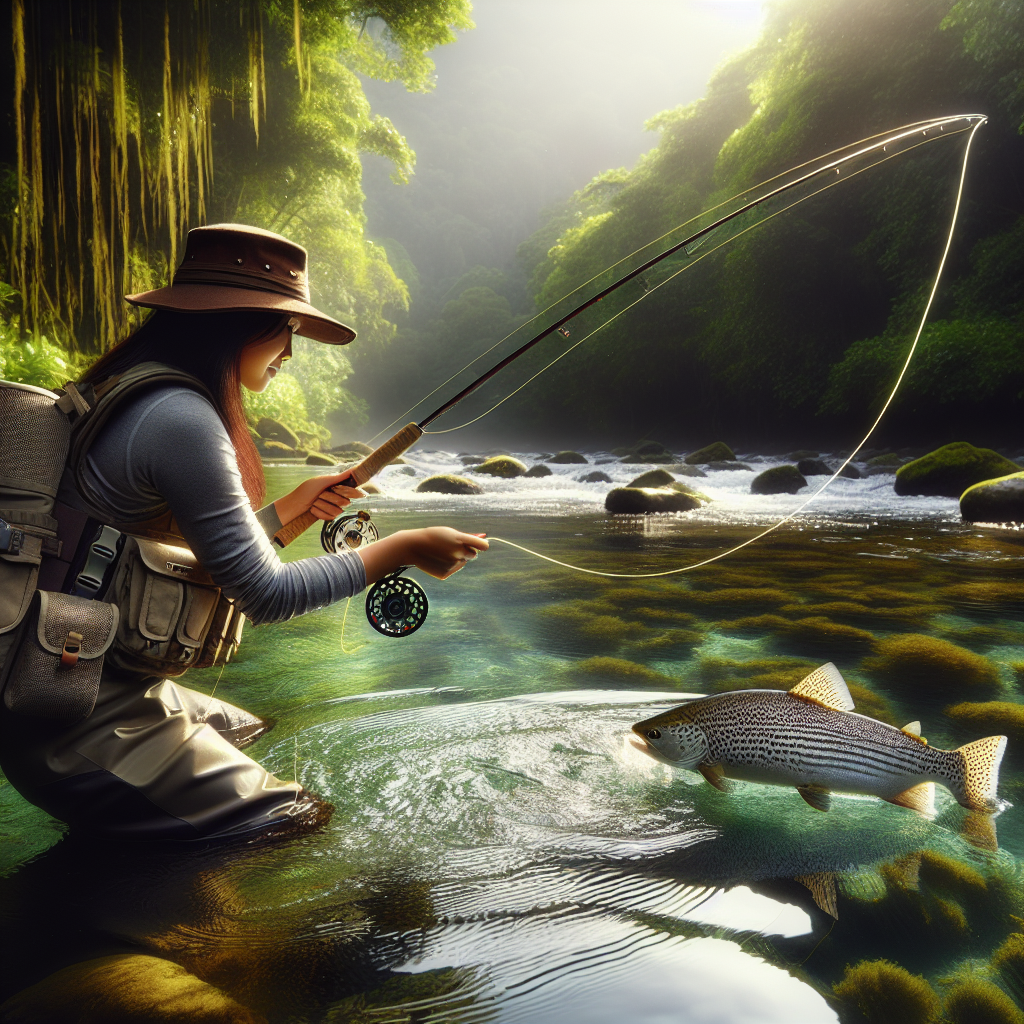
Fly fishing enthusiasts often have their sights set on more popular game fish like trout, bass, or salmon. However, there’s an underrated species that offers a thrilling challenge to any angler willing to look beyond the usual targets: the freshwater drum, also known as sheepshead. Despite their unglamorous reputation, these hardy and abundant fish can provide an exciting and rewarding fly fishing experience.
Freshwater drum are native to North America and are commonly found in a variety of water bodies, including rivers, lakes, and reservoirs. They are one of the few freshwater fish that are members of the drum family, Sciaenidae, which also includes marine species like the red drum and black drum. Known for their distinctive croaking or drumming sound, freshwater drum have developed a reputation as quirky, but often overlooked, quarry.
These fish can grow to impressive sizes, with some individuals reaching over 20 pounds. Their willingness to take flies, coupled with their powerful, determined fight, makes them excellent candidates for fly fishing enthusiasts looking for a new challenge. In this article, we’ll explore the basics of targeting freshwater drum on the fly, including where to find them, what equipment you’ll need, and the best techniques to use.
Understanding Freshwater Drum Habitat
To successfully target freshwater drum on the fly, the first step is to understand their preferred habitats. Freshwater drum are highly adaptable and can thrive in various environments, but they generally prefer areas with moderate to slow-moving water and abundant food sources. Look for them in rivers, streams, lakes, and reservoirs, particularly in areas with sandy or rocky bottoms where they can forage for their primary diet of aquatic insects, small fish, and crustaceans.
One key indicator of a good drum spot is the presence of deep pools or slow-moving channels. Freshwater drum often congregate in deeper water during the day, moving into shallower areas to feed in the early morning and late evening. Pay attention to water temperature; drum are more active in warmer waters, typically between 65-75°F (18-24°C). This means they are most likely to be found in shallower water during the warmer months.
Structure is another crucial factor when searching for freshwater drum. These fish often hang around submerged rocks, fallen trees, and other underwater structures that provide cover and ambush points. This makes them somewhat predictable, as they are likely to return to the same structures repeatedly. Keeping an eye out for these features can significantly increase your chances of finding and hooking into a freshwater drum.
Choosing the Right Fly Fishing Gear
The right gear can make a big difference when targeting freshwater drum on the fly. Start with a medium to heavy fly rod in the 6-8 weight range. This will give you the power to cast larger flies and handle the strong, determined fight of a drum, which can be surprisingly tenacious for their size. A matching fly reel with a good drag system is also essential, as you’ll need to manage the pull of a big drum when it takes off on a run.
For line, opt for a floating line if you’re fishing shallow water or using topwater patterns. However, if you’re targeting drum in deeper sections, a sinking or sink-tip line can help get your flies down to the fish’s level. Leaders should be relatively short and stout, typically about 9 feet with a 10-15 pound test tippet. Drum are not particularly leader-shy, so erring on the side of strength will help you land more fish.
When it comes to flies, think about what freshwater drum naturally feed on. They are opportunistic feeders with a varied diet, so a range of patterns can work. Crayfish and hellgrammite imitations are excellent choices, as they resemble some of the drum’s favorite prey. Streamers that mimic baitfish or leeches, as well as larger nymphs, can also be very effective. Fly colors should reflect the natural forage in your fishing area, with earthy tones like brown, olive, and black being reliable choices.

Techniques for Fly Fishing Freshwater Drum
Once you’ve got the right gear and an understanding of freshwater drum habitat, the next step is to master the techniques that will help you successfully hook and land these fish. One of the most effective methods for targeting drum is to use a slow and deliberate retrieve. Freshwater drum are not typically aggressive feeders, so presenting your fly in a natural and subtle manner is key.
Start by casting your fly into likely holding areas, such as the edges of deep pools, along underwater structures, or in slower-moving channels. Allow your fly to sink to the appropriate depth before beginning your retrieve. A slow, steady strip with occasional pauses is often the most effective approach. This mimics the natural movement of prey and can entice a drum to strike.
Watch your line and be ready for subtle takes. Freshwater drum often strike softly, so it’s crucial to stay alert and set the hook at the slightest sign of a bite. Strip-setting, rather than lifting your rod tip, is the best technique to ensure a solid hookset. Once you’ve hooked a drum, be prepared for a strong fight. These fish may not be the fastest, but they are persistent and will use their weight to their advantage. Keep steady pressure on the fish and be patient, allowing your gear to do the work in tiring it out.
Best Times and Conditions for Fly Fishing Freshwater Drum
Timing and conditions play a significant role in your success when targeting freshwater drum on the fly. Understanding their behavior patterns can help you plan your trips for optimal results. Freshwater drum are most active during the warmer months, typically from late spring through early fall. During this time, water temperatures rise, and drum move into shallower areas to feed, making them more accessible to fly anglers.
Early morning and late evening are the prime times for fishing freshwater drum. These fish tend to be more active and willing to feed during low-light conditions, which also makes them less wary. Night fishing can also be productive, as drum are known to feed heavily after dark. If you’re up for the challenge, consider planning a night outing to target these nocturnal feeders.
Weather conditions can impact drum behavior as well. Overcast days can be particularly good, as the reduced light levels often make fish more comfortable and willing to venture into shallower waters. Conversely, bright, sunny days might push drum into deeper waters or under cover, making them harder to locate and catch. Pay attention to weather patterns and try to time your trips when conditions are most favorable.
Handling and Releasing Freshwater Drum
Once you’ve successfully landed a freshwater drum, proper handling and release techniques are crucial for the fish’s well-being and the overall health of the fishery. Freshwater drum are hardy fish, but they still require careful handling to ensure their survival after release.
Use a soft, wet landing net to cradle the fish and avoid removing the protective slime coating that helps prevent infection. If you need to handle the fish directly, wet your hands first and support its body, particularly around the belly just behind the pectoral fins. Avoid holding the fish by the gills or eyes, as this can cause serious harm.
Quickly and carefully remove the hook using a pair of pliers or a hook-removal tool. If the hook is deeply embedded or difficult to remove, it’s better to cut the line as close to the hook as possible rather than risk injuring the fish further. Once unhooked, support the fish in the water until it shows signs of strong swimming and is ready to swim away on its own.
Conclusion
Targeting freshwater drum on the fly offers an exciting and often overlooked challenge for fly fishing enthusiasts. These adaptable and resilient fish can provide a rewarding experience for anglers who take the time to understand their habitat, choose the right gear, and master the proper techniques. By fishing during the optimal times and conditions and handling your catches responsibly, you can enjoy many successful outings pursuing this underrated species.
So next time you’re planning a fly fishing trip, consider giving freshwater drum a try. With their impressive size, strong fighting ability, and unique behaviors, they can quickly become a favorite target for those willing to explore new waters. Happy fishing!