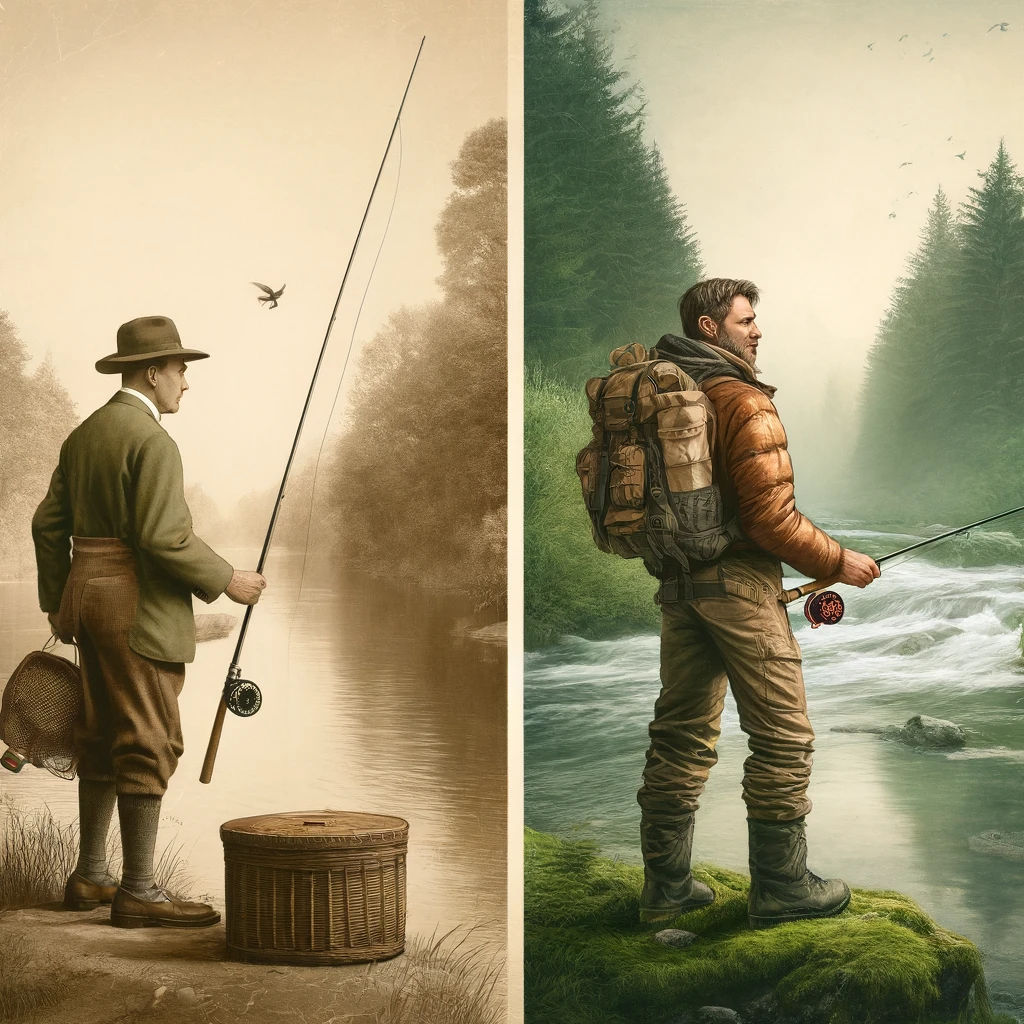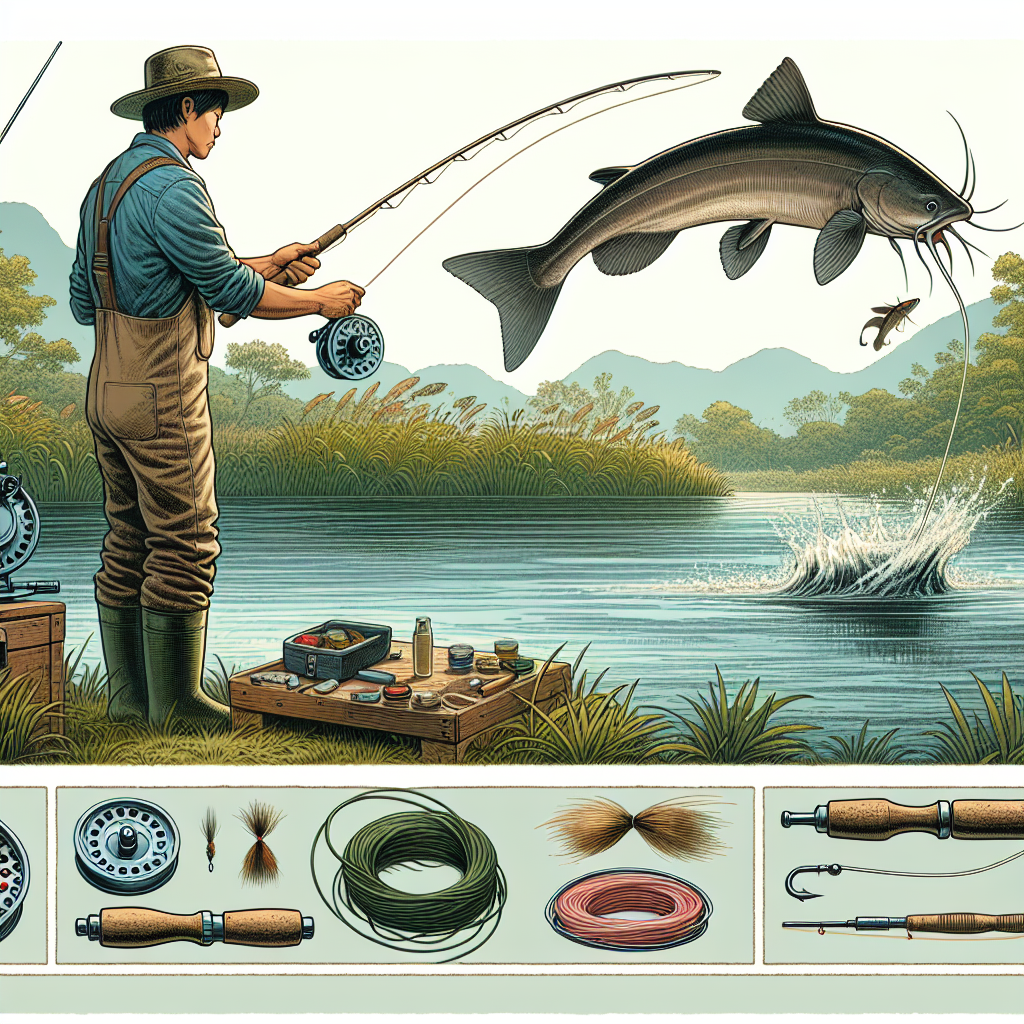
Fly fishing is often associated with sleek trout gliding through pristine mountain streams, but there’s a whole different side to this popular sport that might surprise you: fly fishing for catfish. Yes, you read that right. These bottom-dwelling giants, commonly targeted by conventional bait and tackle fishermen, can also be pursued using a fly rod. It’s an unconventional approach, but one that promises loads of excitement, and potentially, some truly massive catches.
Catfish are often underrated in the fly fishing community, primarily because they aren’t considered traditional fly rod targets. However, these whiskered fish offer a thrilling challenge, and they can be found in a variety of freshwater habitats, from slow-moving rivers to deep reservoirs. Their size, strength, and often aggressive nature make catfish an ideal species for anglers looking to break away from the norm.
This guide will delve into everything you need to know about fly fishing for catfish. Whether you’re a seasoned fly fisher looking to expand your horizons or a newcomer curious about this unique approach, we’ll cover gear recommendations, effective techniques, prime fishing spots, and more. So, let’s dive into the world of fly fishing for catfish and discover why these underrated fighters deserve a place on your fly fishing hit list.
Choosing the Right Gear
When it comes to fly fishing for catfish, selecting the right gear is crucial. Unlike more delicate species, catfish are known for their brute strength and stubbornness, which means your gear needs to be sturdy and reliable. Here are some recommendations to get you started.
Rods: Opt for a medium to heavy-weight rod, typically in the 8-10 weight range. This will give you the backbone needed to battle a large catfish while still providing enough sensitivity to detect subtle bites. A stiff rod with a fast action is ideal as it’ll help you cast large flies and set the hook firmly.
Reels: A large-arbor reel with a strong drag system is essential. Catfish can make powerful runs, so you need a reel that can handle sudden bursts of speed without giving way. Look for reels with a reliable drag and plenty of line capacity.
Lines: Use a floating or intermediate line that matches your rod weight. In addition to your main fly line, consider using a 30-40 pound-test monofilament or fluorocarbon leader, as catfish have abrasive teeth and rough bodies that can easily wear through lighter lines.
Flies: When it comes to fly selection, think big and bold. Catfish are opportunistic feeders and will go after a variety of prey items. Effective fly patterns include large streamers, leeches, crayfish imitations, and even topwater poppers. Go for flies that have plenty of movement and can create vibrations in the water to attract catfish.
Effective Fly Fishing Techniques for Catfish
Once you have your gear sorted, mastering a few effective techniques will vastly increase your chances of success. Catfish are bottom-dwellers, often lurking in deeper waters and around structures, so your approach will need to reflect their habits and preferences.
Deep Water Drifting: One of the most effective methods for fly fishing catfish is drifting your fly through deep holes and channels where catfish are likely to be found. Cast your fly upstream and let it drift naturally with the current. Pay close attention to your line and be ready to set the hook at the slightest sign of a take.
Slow Retrieval: Catfish are not as quick as some other species, so a slow and steady retrieval is usually more effective. Once your fly has hit the bottom, use small, timed strips to bring the fly in. This slow, deliberate movement mimics injured prey, tempting catfish to strike.
Night Fishing: Catfish are often more active at night, making this an excellent time to target them. Use dark-colored flies that stand out against the night sky and rely on their silhouette to attract fish. A headlamp with a red light setting can help you see without spooking fish.
Chumming: Although controversial among purists, chumming can be an effective way to attract catfish to your fishing area. Use cut bait or commercial chum to draw catfish from surrounding waters. Just ensure you follow local regulations regarding chumming.
Where to Fish for Catfish
Knowing where to find catfish is half the battle. These fish can be found in a variety of freshwater environments, but a few key habitats stand out as prime locations for fly fishing.
Rivers and Streams: Look for deep pools, bends, and areas with slower-moving water. Catfish often congregate in these spots, especially around submerged structures like fallen trees, rocks, and ledges where they can ambush prey.
Lakes and Reservoirs: In larger bodies of water, focus on areas with ample structure, such as drop-offs, submerged humps, and points. Catfish tend to stay in deeper water during the day and move into shallower areas to feed at night, so adjust your fishing times accordingly.
Ponds: Don’t overlook smaller ponds, as they can be catfish goldmines. Look for coves, weed edges, and areas with muddy bottoms where catfish can root around for food.
Urban Waters: Urban waterways are often stocked with catfish to provide recreational fishing opportunities. Check local parks, reservoirs, and municipal ponds as these can be surprisingly productive.
Successful fly fishing for catfish requires some scouting and experimentation. Use fish finders or talk to local anglers to get a sense of where catfish are most active. Over time, you’ll develop your own catfish hotspots.
Understanding Catfish Behavior
To consistently catch catfish on a fly, it’s essential to understand their behavior. Catfish are generally bottom-feeders with a keen sense of smell and taste. They use their whisker-like barbels to detect food in murky waters, making them especially adept at finding prey in low-visibility conditions.
Feeding Habits: Catfish are omnivores and will eat just about anything they can find, including fish, insects, crustaceans, and even plant material. This varied diet means you can experiment with different fly patterns to see what triggers a response.
Activity Levels: Catfish are primarily nocturnal but can be active during the day, especially in low-light conditions like overcast days or during dawn and dusk. Adjust your fishing schedule to coincide with their most active periods for the best results.
Temperature Preferences: Catfish are cold-blooded and their activity levels can be influenced by water temperature. They are most active in warmer water but will still feed in cooler conditions, though perhaps less aggressively.
Conservation and Ethical Fishing Practices
When targeting catfish, it’s crucial to follow ethical fishing practices to ensure the sustainability of their populations and the overall health of aquatic ecosystems.
Catch and Release: Whenever possible, practice catch and release, especially with larger, breeding-age fish. Use barbless hooks or crimp the barbs on your flies to make release easier and less stressful for the fish.
Respecting Regulations: Always follow local fishing regulations, including size, bag, and season limits. These rules are in place to protect fish populations and maintain a balanced ecosystem.
Handling Fish Gently: Use wet hands or a soft net to handle catfish and limit the time they spend out of the water. Support their bodies to prevent injury and avoid touching the gills.
Minimizing Impact: Be mindful of your surroundings and avoid disturbing habitats. Avoid trampling vegetation, disturbing sediments, or leaving any trash behind.
Conclusion
Fly fishing for catfish is an exciting and rewarding endeavor that challenges preconceived notions about the sport. By stepping outside of traditional fly fishing targets, anglers can experience the thrill of landing one of these powerful fish on a fly rod. With the right gear, techniques, and understanding of catfish behavior, you’re well on your way to success.
Remember to select a sturdy rod and reel combination, use bold and lively fly patterns, and always be on the lookout for prime fishing habitats like deep pools and structured areas. Experiment with different techniques, from deep-water drifting to slow retrievals, and always fish responsibly to protect these amazing creatures and their environments.