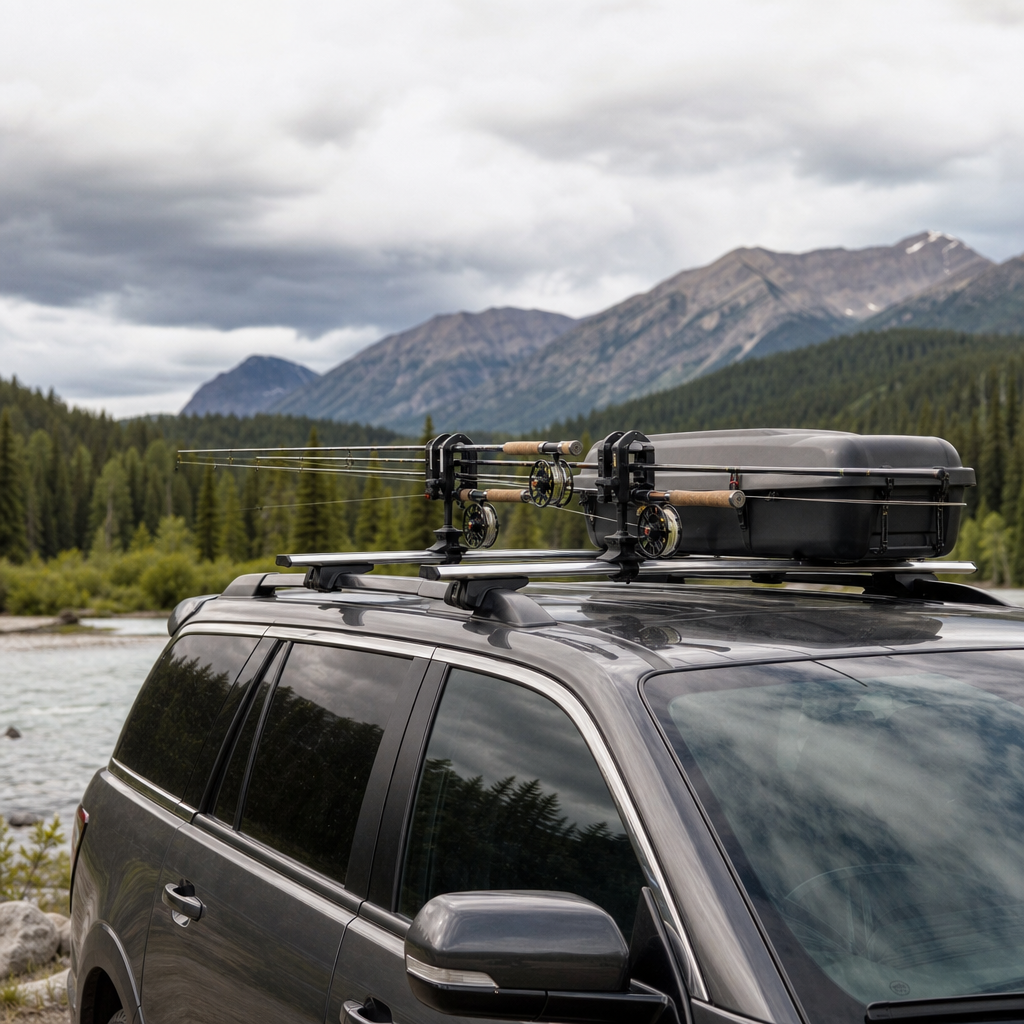
Choosing the best fly fishing roof racks for vehicles is less about buying the most expensive carrier and more about matching rack design, load capacity, vehicle fit, and rod protection to the way you actually fish. In practical terms, a fly fishing roof rack is any external vehicle-mounted system that transports rods, boats, waders, nets, or camping gear safely to and from the water. For anglers who travel before dawn, drive rough forest roads, or move between multiple access points in a day, the right rack is not a convenience accessory; it is core equipment. I have used rod vaults, crossbar systems, cargo boxes, and truck-bed rack combinations across trout rivers, stillwater launches, and salt flats, and the difference between a well-chosen setup and a bad one shows up immediately in broken tips, road noise, theft risk, and wasted time at the launch. This guide serves as a central equipment reviews hub, helping you compare the main rack categories, understand what features matter, and identify which products fit sedans, SUVs, trucks, and vans without guesswork.
The category matters because fly fishing gear is awkwardly shaped, expensive, and vulnerable. A nine-foot four-piece rod in a tube is easy enough to store inside a car, but many anglers prefer keeping rods strung between spots, especially during hopper season, on float trips, or when covering miles of riverbank. Add a drift boat, kayak, raft frame, cooler, and wet storage needs, and rooftop organization becomes part of fishing efficiency. Key terms are straightforward. Crossbars are the horizontal bars attached to factory rails or towers; they form the foundation for carriers. Rod vaults are enclosed tubes or hard cases mounted to the roof that protect assembled rods. Cargo boxes provide weather-resistant storage for soft goods and tackle. Load rating refers to how much weight the roof system can safely hold, while dynamic load means weight during driving and static load means weight when parked. Vehicle fitment covers whether a rack works with flush rails, raised rails, bare roofs, bed rails, or cap systems. Understanding those basics prevents costly mistakes and makes every later review easier to evaluate.
What Makes a Fly Fishing Roof Rack Worth Buying
The best fly fishing roof racks for vehicles solve four problems at once: protection, speed, capacity, and security. Protection means preventing rod breakage from wind whip, low branches, and vibration. Speed means minimizing setup time so you can move from one run to another without rerigging. Capacity covers whether the system also handles boats, coolers, duffels, and camp gear. Security includes lockable components, tamper-resistant mounts, and enough stability that gear does not shift at highway speed. In my experience, anglers often overemphasize headline capacity and ignore clearance, corrosion resistance, and ease of daily use. A rack that looks rugged in a catalog but takes ten minutes to load in sleet will not feel like premium gear after a season.
Materials and construction separate long-lasting systems from disposable ones. Aluminum is the standard for premium crossbars and rod carriers because it balances strength, low weight, and corrosion resistance. Powder-coated steel can be durable, especially on truck systems, but it adds weight and can rust where coating chips. Hardware quality matters more than many buyers realize. Stainless fasteners, reinforced clamps, and thick rubber padding prevent galvanic corrosion, paint damage, and loosening over washboard roads. Wind noise is another genuine performance factor. Aerodynamic bars from Thule and Yakima are noticeably quieter than old square bars, and that matters if you drive two hours to a tailwater every weekend. A system that hums loudly at 65 miles per hour is not a minor annoyance; it increases fatigue and tempts owners to remove it, which defeats the point.
Compatibility is where many reviews fall short, so it deserves direct attention. Vehicle roof racks are modular. You usually buy towers or feet, a fit kit, and bars, then add a rod carrier, cargo box, or boat mounts. Factory rails simplify installation, while bare roofs often require clip-based fit kits with lower load ratings. Trucks add another layer because bed racks, topper tracks, and cab-height systems change reach and rod clearance. Before buying any equipment review winner, verify three things on the manufacturer site: your exact year, make, model, and roof type; the bar spread and overhang allowed; and the rated capacity of both the rack and the vehicle roof. The lower number always wins. That one check prevents overloaded setups and warranty issues.
Best Roof Rack Categories for Fly Fishing Vehicles
Most anglers end up choosing among four rack approaches, each with a distinct use case. Crossbar-only systems are the most versatile. They let you carry rod tubes, cargo boxes, kayak saddles, or raft frames depending on season. For a family SUV that doubles as a daily driver, this is usually the smartest starting point. Dedicated rod vaults are ideal when keeping rods rigged is the top priority. They excel on guide vehicles, western trout road trips, and multi-stop days where quick deployment matters more than maximum cargo flexibility. Cargo boxes suit anglers who travel in bad weather and need dry storage for waders, boots, rain shells, and camp gear. Truck bed racks and topper systems are the best answer for boats, rafts, and heavy mixed loads, especially when bed space is part of the equation.
A useful way to compare options is by how they handle your most valuable gear. If assembled fly rods are the priority, hard-sided carriers such as the Riversmith River Quiver or Yakima TopWater dramatically reduce damage risk compared with loosely strapping rod tubes to crossbars. If broad utility matters more, a Thule WingBar Evo or Yakima JetStream base system with lockable accessories offers better long-term value. For anglers hauling both rods and boats, a truck with a Yakima OverHaul HD or Thule Xsporter Pro can carry a raft frame, dry boxes, and rod storage in one coherent system. The category should fit your fishing style, not the other way around.
| Rack type | Best for | Main advantage | Main tradeoff |
|---|---|---|---|
| Crossbar system | SUVs, wagons, daily drivers | Most versatile accessory platform | Rods usually need separate protection |
| Rod vault or rod carrier | Guides, frequent spot-hopping anglers | Keeps rods assembled and secure | Limited use beyond rod transport |
| Cargo box | Travel, wet weather, family trips | Weatherproof storage for soft gear | Long boxes can interfere with hatch access |
| Truck bed rack | Rafts, drift boats, heavy mixed loads | High capacity and flexible mounting | More expensive and vehicle-specific |
Top Equipment Reviews: Brands and Models Anglers Trust
For base roof rack systems, Thule and Yakima remain the most dependable mainstream choices because their fit guides are accurate, spare parts are easy to source, and aerodynamic bars have matured into quiet, durable platforms. Thule WingBar Evo bars paired with Evo feet are excellent on crossovers and wagons, especially for anglers who want refined road manners and strong accessory support. Yakima JetStream bars with TimberLine or BaseLine towers are equally solid and often easier to adapt across vehicle changes. I have found both brands hold alignment well over long gravel-road mileage if installed to spec and retorqued after the first trip. Rhino-Rack deserves consideration for value and utility, particularly for trucks, vans, and heavier-duty applications where platform racks make sense.
In rod-specific carriers, Riversmith is the standout name. The River Quiver series has become common on guide rigs for a reason: robust aluminum construction, secure locking, and practical fit for fully rigged rods. The shape also sheds weather better than improvised PVC solutions, and the mounting hardware feels purpose-built rather than adapted from generic cargo gear. Yakima TopWater is another strong option, especially for anglers who prefer a lower-profile enclosed rod carrier integrated into an existing crossbar system. It is simpler than a full-length vault and works well for shorter assembled rods, though capacity and rod-length accommodation are narrower than premium vault systems. For anglers transporting break-down rods in tubes, a durable cargo box from Thule, such as the Force or Motion line, can be a more economical upgrade because it stores rods and bulky clothing together while preserving interior passenger space.
Truck owners have the broadest set of equipment reviews to compare. Yakima OverHaul HD and OutPost HD are proven solutions for pickups carrying rafts, fly rods, and camp gear. Their adjustable height is useful: lower settings improve aerodynamics for everyday use, while raised settings create cab clearance for boats or long loads. Thule Xsporter Pro offers similarly high utility with robust aluminum construction and broad compatibility. Leitner Designs and Front Runner appeal to anglers who want overland-style modularity, side mounts, and accessory panels, but those systems are heavier and more involved. They make sense when a fishing truck is also a multi-day expedition platform. For a simple rod-and-boat setup, mainstream truck racks usually provide a better balance of price, ease, and support.
How to Match the Rack to Your Vehicle and Fishing Style
The best fly fishing roof rack for an Outback is not automatically the best one for a Tacoma, 4Runner, Sprinter, or compact sedan. Start with vehicle type. Wagons and SUVs with factory rails are ideal for crossbars plus either a rod carrier or cargo box. Hatch clearance matters here, so check box length and front-to-rear positioning. Sedans can carry rods well, but bare-roof systems often have lower capacities and less flexibility for large boats. Pickups are the easiest platforms for heavy or oversized fishing loads, especially if you use a bed rack and leave the cab roof free. Vans excel for guide service or destination travel because interior volume handles secure storage while the roof can carry boats or overflow gear.
Then assess your fishing pattern honestly. Anglers who fish one river all day and rig once in the morning may not need an expensive rod vault; a quality base rack plus interior rod storage could be enough. Anglers who bounce between tributaries, fish from a drift boat, or guide clients benefit substantially from keeping rods assembled in a locking roof carrier. Saltwater anglers should prioritize corrosion resistance and rinse-friendly hardware. Backcountry and rough-road anglers should look for thick bar walls, strong tower interfaces, and accessories with minimal plastic stress points. Winter anglers need hardware that can be operated with gloves and locks that do not freeze easily. Those small use-case details are where the right rack starts saving time every single trip.
Budget also deserves a realistic framework. Entry-level crossbar systems can handle light duty, but once you add quality locks, rod protection, and weatherproof storage, total cost rises quickly. That does not mean premium is always mandatory. It means buying once around your real use case is cheaper than replacing a noisy, inconvenient setup after one season. I usually advise anglers to spend first on a reliable base system with verified fitment, then add the accessory that solves the biggest pain point: rod storage, boat transport, or dry cargo. Modular growth beats buying a pile of mediocre attachments.
Buying Checklist, Installation Tips, and Long-Term Care
Before ordering, confirm exact fitment, load rating, lock availability, and accessory compatibility. Measure garage height after installation, not before; rod vaults and stacked boat mounts can easily turn a safe clearance into a costly mistake. Review torque specifications and use the included measuring tools rather than eyeballing bar placement. Even premium racks fail when installed unevenly, overtightened, or attached to the wrong contact points. After the first 50 to 100 miles, recheck all hardware. That single maintenance step catches settling and prevents the loosening that often gets blamed on the product rather than the installation.
On the road, secure every loose strap end and avoid side-loading beyond the bar manufacturer’s recommendations. Wind can shred straps, mar rod finishes, and create dangerous flapping at speed. For rods, use sleeves where recommended, and pay attention to reel placement so handles do not rub. In freezing conditions, open locks periodically and use a dry lubricant approved for the mechanism. Near saltwater, rinse bars, feet, and fasteners with fresh water, especially around hidden mounting points. At least twice a season, remove accessories, clean contact surfaces, and inspect for cracked plastic, compressed pads, or corrosion beginning under hardware. Well-maintained racks routinely last for years; neglected ones often fail quietly, through degraded clamps and worn rubber that no longer holds tension.
The main takeaway is simple: the best fly fishing roof racks for vehicles are the ones that fit your exact roof, protect your most valuable gear, and reduce friction every time you head to the water. Crossbar systems from Thule, Yakima, and Rhino-Rack are the backbone for most anglers because they provide flexible, proven platforms. Dedicated rod carriers such as Riversmith River Quiver and Yakima TopWater are the right upgrade when keeping rods assembled saves meaningful time and prevents damage. Truck-specific systems like Yakima OverHaul HD and Thule Xsporter Pro are the leaders for heavy, mixed fishing loads. No single product wins for everyone, but the right category becomes obvious once you account for vehicle type, fishing style, security needs, and budget.
As the hub for equipment reviews within product reviews and recommendations, this page should help you narrow the field and make later product-specific comparisons faster and more useful. Start with fitment and load ratings, move to rod protection and daily convenience, and finish with durability and long-term maintenance. That order keeps the buying decision grounded in real performance rather than marketing. If you are evaluating your next setup now, shortlist one base rack, one rod-carry solution, and one cargo option that match your vehicle, then compare installation requirements and total cost before you buy.
Frequently Asked Questions
What should I look for when choosing the best fly fishing roof rack for my vehicle?
The best fly fishing roof rack is the one that fits both your vehicle and the way you fish, not necessarily the most expensive model on the market. Start with vehicle compatibility. Some systems mount to factory side rails, some require aftermarket crossbars, and others are designed specifically for trucks, SUVs, sedans, or vehicles with naked roofs. If the rack does not match your roof configuration, everything else becomes a compromise. You should also verify weight limits for both the rack and your vehicle’s roof, especially if you plan to carry more than just rods. A setup that works fine for a pair of rod tubes may not be suitable for a raft frame, cargo box, cooler, or multiple pieces of gear stacked together.
Next, think about what you actually transport most often. If your priority is keeping rigged fly rods ready between access points, a locking rod carrier can save time and reduce breakage. If you regularly bring a drift boat, inflatable, or kayak, you may need a modular system with saddles, rollers, or boat-specific mounts. Anglers who combine fly fishing with camping often benefit from crossbars that support both a rod case and a rooftop cargo solution. Material quality matters too. Aluminum components generally resist corrosion well and stay lighter, while steel can be strong but may require more attention in wet or salty conditions. Hardware quality, lock security, weather sealing, and ease of loading are all worth comparing.
Finally, consider road conditions and frequency of use. A rack that feels adequate for occasional local trips may not hold up as well on washboard forest roads, highway driving in bad weather, or constant seasonal use. Look for secure clamping, minimal vibration, and protective interiors if carrying rods. Good padding, enclosed tubes, and locking systems help protect expensive fly gear from impact, moisture, and theft. The right choice comes down to balancing fit, durability, rod protection, ease of access, and expansion options so the rack supports your fishing routine rather than complicating it.
Are locking fly rod roof racks worth it for anglers who travel often?
For many anglers, yes, locking fly rod roof racks are absolutely worth it, especially if they regularly move between multiple fishing spots in one day or travel long distances before sunrise. One of the biggest advantages is convenience. Instead of breaking down rods every time you relocate, a good locking carrier lets you store rigged rods securely and get back on the water faster. That can make a real difference when you are trying to maximize a short hatch window, cover several sections of river, or avoid wasting time in bad weather. It also reduces the chance of rod damage caused by repeated assembly, disassembly, and hurried packing at the roadside.
Security is another major reason anglers choose locking systems. Premium fly rods, reels, and rigged setups represent a significant investment, and an enclosed, lockable roof rack adds a layer of protection when you stop for fuel, food, or lodging. It is important to keep expectations realistic, though. A locking rack is a deterrent, not a guarantee against theft. If you are leaving gear unattended for long periods, especially overnight in unsecured areas, it is still smart to remove valuable items when possible. Even so, a lockable rack is far better than laying rods loose inside a vehicle or strapping them externally without protection.
The best candidates for locking rod carriers are anglers who prioritize speed, organization, and rod safety. They are especially useful on trucks and SUVs where interior rod storage can be awkward, and they can be a game changer for guides, frequent weekend anglers, and anyone covering rough access roads. The key is buying a model long enough for your rod setup, wide enough for your preferred reel size if stored attached, and weather-resistant enough for regular use. If your fishing style includes frequent spot changes and you want your rods protected, organized, and ready to fish, a locking roof rack is usually money well spent.
How do I know if a roof rack can safely carry fly rods, boats, and other fishing gear together?
To know whether a roof rack can safely handle a mixed fishing load, you need to look beyond the rack’s advertised versatility and focus on actual capacity and load distribution. Start with the dynamic weight rating, which is the amount your roof and rack system can safely support while the vehicle is moving. This number matters far more than what a rack might hold while parked. Then compare that limit against the combined weight of your rods, rod carrier, boat mounts, kayak saddles, cargo baskets, dry bags, and anything else you plan to carry. Many anglers underestimate how quickly accessories add up, especially when using multiple attachments on the same set of crossbars.
Just as important as total weight is how that weight is positioned. A properly loaded roof rack spreads gear evenly across the crossbars and keeps heavier items centered and secured. For example, a lightweight fly rod carrier can often ride beside a boat mount without issue, but adding a loaded cargo basket on top of that may create excessive wind resistance, unstable handling, or unsafe leverage on the mounting points. Longer vehicles and wider crossbar spreads typically manage mixed loads better than smaller cars with limited roof space. You also need enough clearance so one accessory does not interfere with another during loading, unloading, or driving.
If you frequently carry both fishing rods and larger gear like kayaks, rafts, or rooftop storage, modular rack systems are usually the smartest choice. They let you configure accessories based on the trip rather than forcing one permanent arrangement. Always double-check tie-down points, strap routing, and the impact of road conditions. Rough roads can amplify movement and stress, even when you are technically under the weight limit. As a rule, if your setup feels crowded, top-heavy, or difficult to secure cleanly, it is probably worth simplifying it. Safe transport depends on realistic weight calculations, proper spacing, high-quality mounts, and disciplined loading habits every time you head to the water.
Will a fly fishing roof rack damage my rods or expose them to weather during transport?
A quality fly fishing roof rack should protect your rods very well, but that protection depends heavily on the design of the carrier and how you use it. Open racks, basic straps, or improvised mounts can leave rods vulnerable to wind vibration, impact, and accidental crushing. Enclosed rod carriers provide the best protection because they shield rods from road debris, reduce direct exposure to rain, and keep delicate rod sections from bouncing around. Models with padded interiors, secure reel compartments, and solid locking closures do the best job of preventing the kinds of micro-damage that can happen over time from repeated transport.
Weather exposure is a real consideration, though, especially for anglers who drive in heavy rain, snow, dust, or coastal environments. Even enclosed carriers are not always fully airtight or waterproof. Moisture can still build up, particularly if you store wet rods for long periods after fishing. That means the rack should be viewed as a transport solution, not long-term storage. At the end of the day, it is smart to remove rods when possible, allow gear to dry, and wipe down metal components to reduce corrosion risk. This is particularly important if your reel remains attached during transport, since reels are more sensitive to prolonged moisture and grit than the rod blank itself.
Rod length and setup also matter. Make sure the carrier is long enough for your rod configuration and that you are not forcing tips, guides, or reels into a cramped space. Poor fit is one of the most common causes of transport damage. Before driving, confirm that all closures are fully latched and that rods are seated exactly as the manufacturer recommends. If you routinely travel rough access roads, check the rack periodically for loosened hardware and signs of shifting. In short, a well-built, properly fitted roof rack can protect rods very effectively, but it still requires smart loading, regular inspection, and basic post-trip care to keep your equipment in top condition.
Is a roof rack better than storing fly fishing gear inside the vehicle?
It depends on the type of gear, the size of your vehicle, and how you fish, but for many anglers a roof rack is the better solution for at least part of their setup. Roof racks excel when interior space is limited or when you want to keep rods rigged and organized between stops. They are especially useful in smaller SUVs, sedans, and vehicles packed with coolers, waders, boots, nets, and camping equipment. Moving bulky or awkward gear to the roof can free up cabin space, improve comfort on longer drives, and make it easier to travel with fishing partners. For anglers who change access points often, exterior storage can also speed up transitions and reduce the hassle of unpacking and repacking gear all day.
That said, interior storage still has clear advantages for delicate or high-value items. Rods stored safely inside the vehicle are usually better protected from theft, weather, and road grime, assuming you have adequate space and a secure way to prevent them from being bent or crushed. Reels, electronics, fly boxes, and anything especially sensitive to temperature or moisture often belong inside whenever practical. A roof rack is not automatically better across the board; it is simply more practical for certain gear categories and travel styles. The most efficient setups often combine both approaches, using the roof for rods, boats, or oversized equipment while keeping fragile essentials in the cabin.
The real question is not whether roof storage