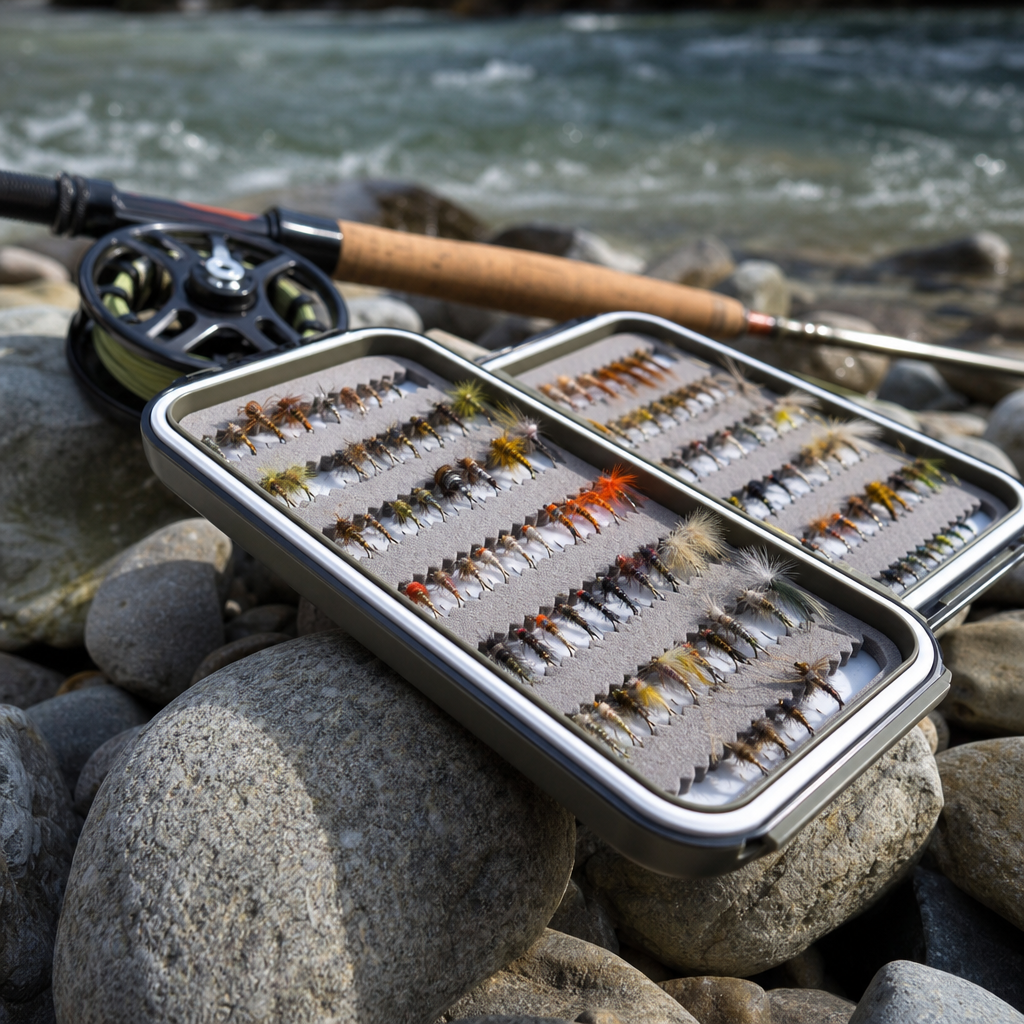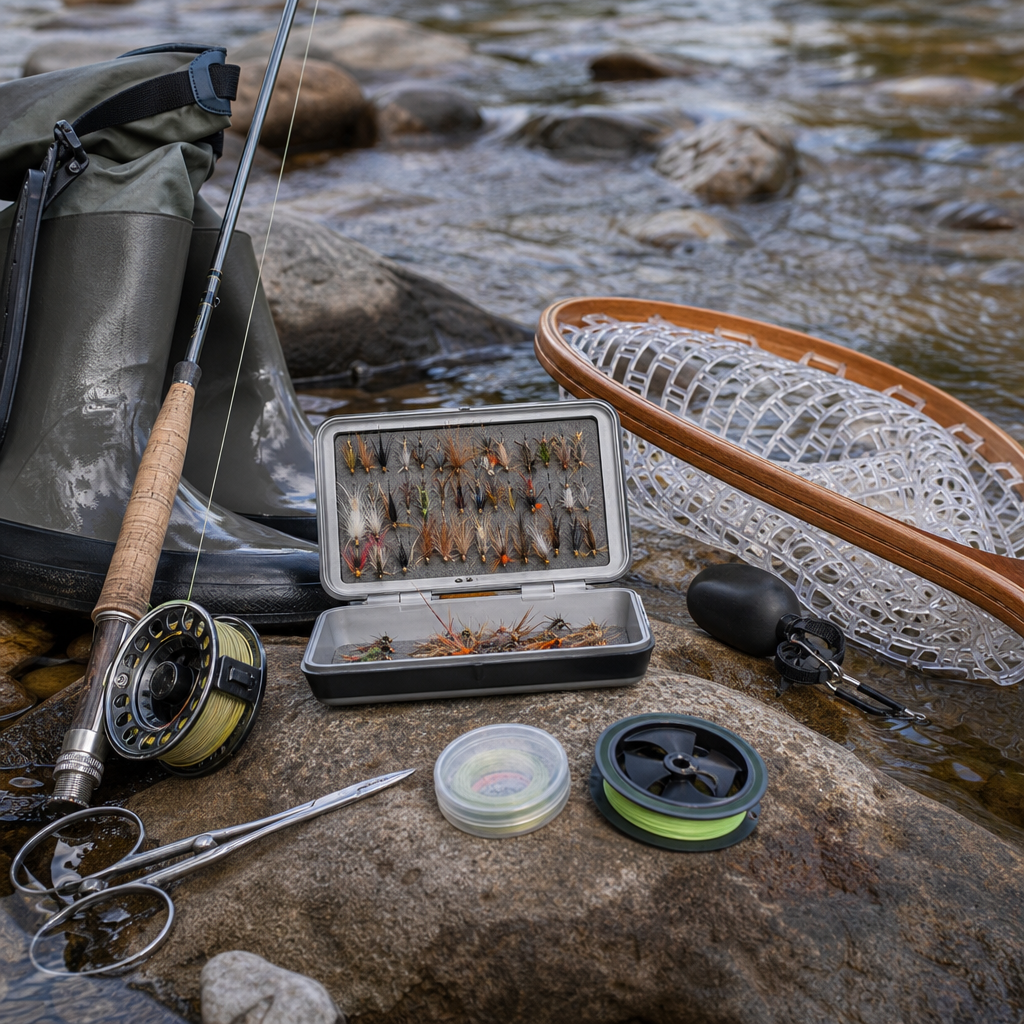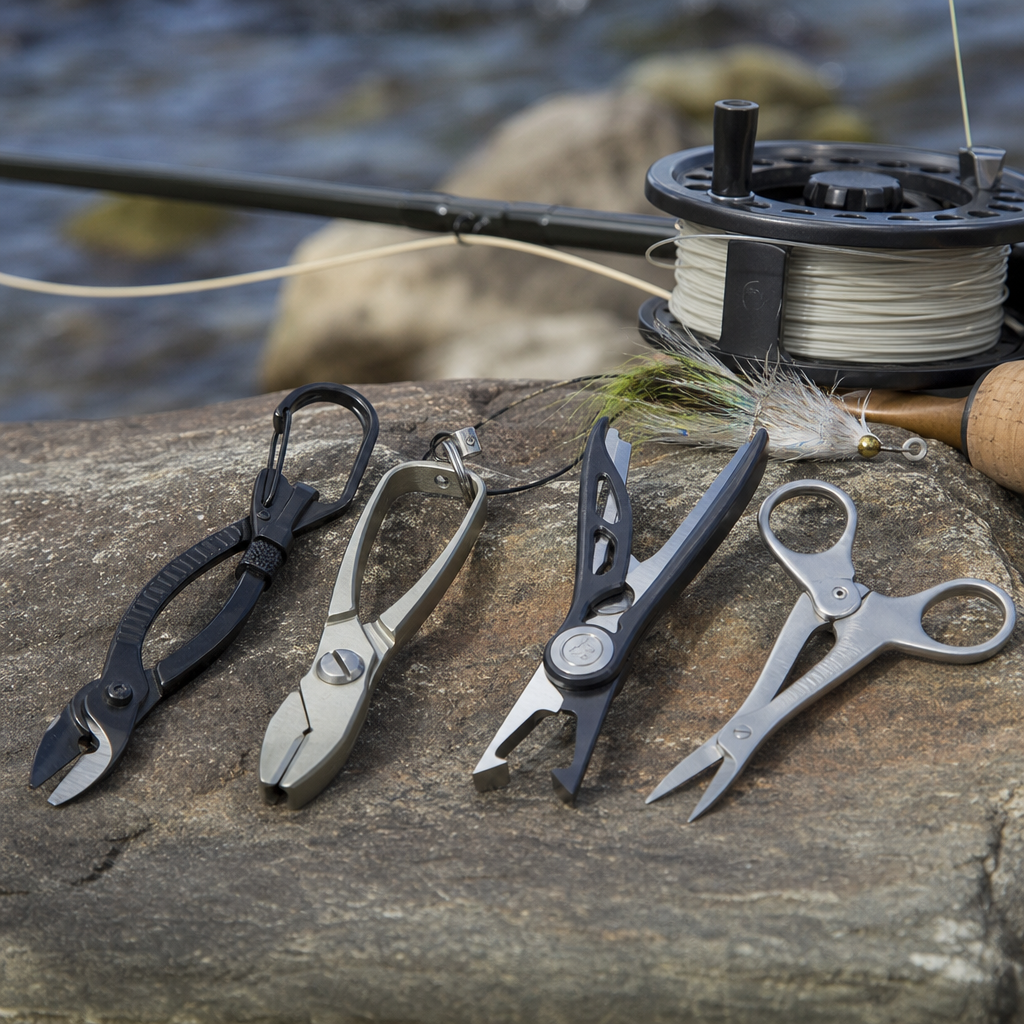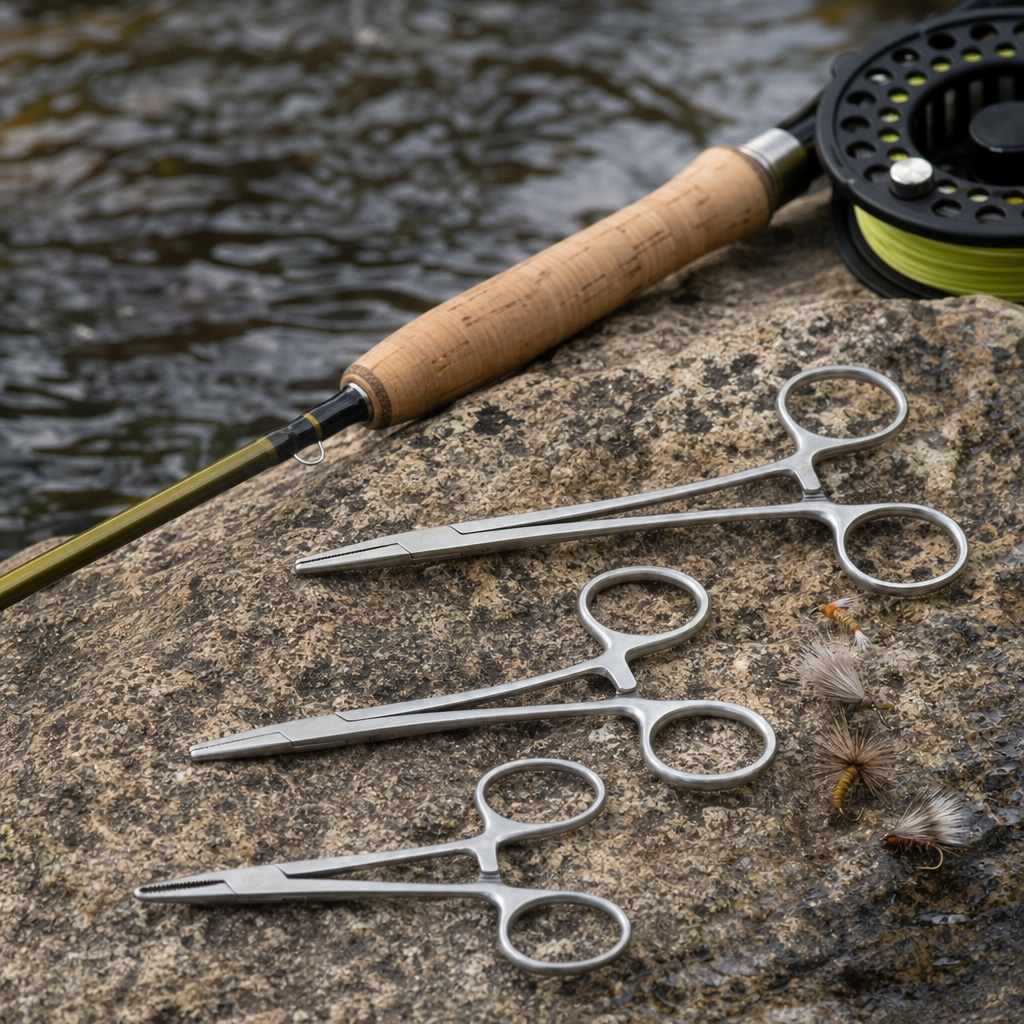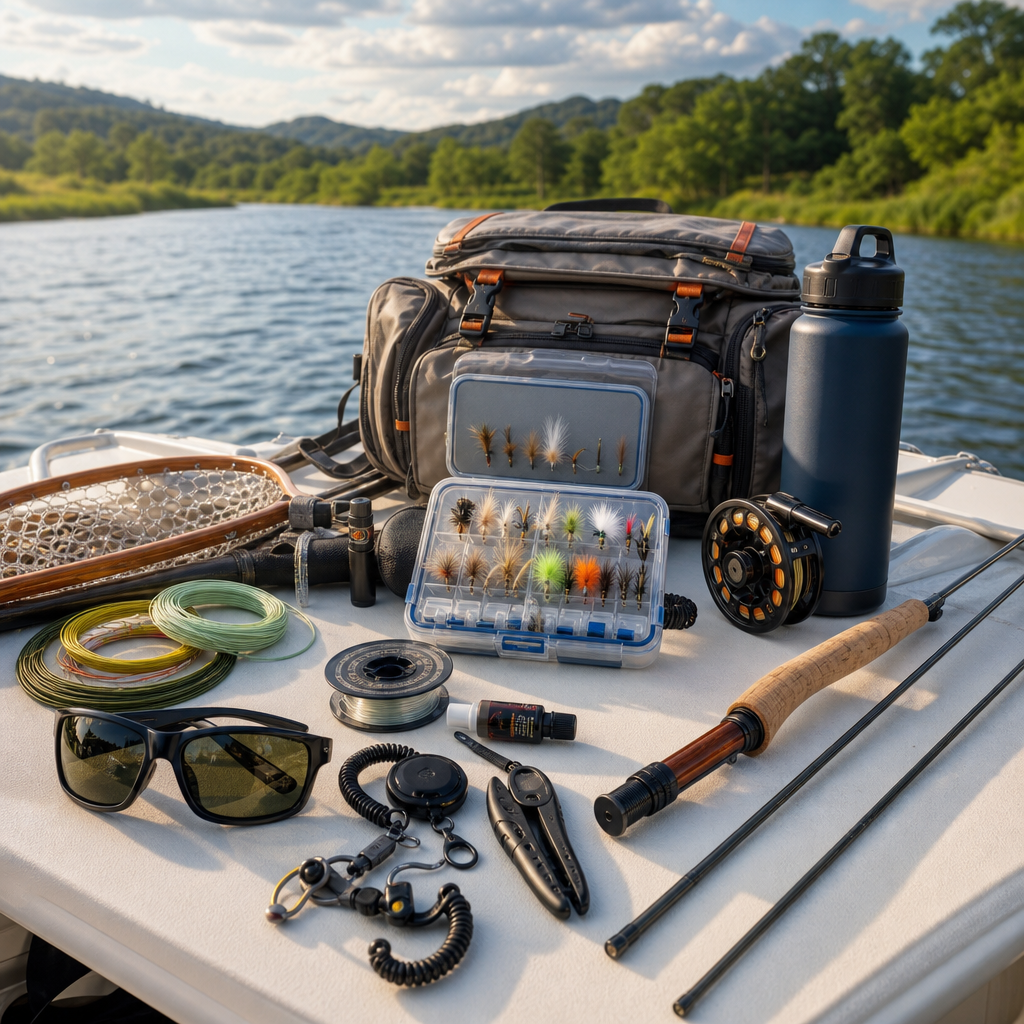
Best fly fishing accessories for your boat can turn a good day on the water into a safer, more efficient, and more productive one. A boat built for fly anglers gives you mobility, shallow-water access, and casting room, but the right accessories are what make that platform truly fishable. In practical terms, fly fishing boat accessories include storage systems, anchoring tools, electronics, lighting, line management gear, safety equipment, and deck upgrades that support casting, boat control, and fish handling. They are not random add-ons. They are functional tools that reduce clutter, protect expensive rods and reels, and help you stay focused on presentation instead of solving preventable problems.
I have rigged skiffs, drift boats, rafts, and jon boats for fly fishing, and the pattern is always the same: the anglers who enjoy their day most are usually not the ones with the most gear, but the ones with the right gear in the right places. Boat organization matters because fly line snags on cleats, loose bags, and exposed hardware. Boat control matters because a clean drift or stable casting angle often determines whether fish eat. Safety matters because weather changes quickly, hooks are sharp, and many productive fisheries are remote. If you are building a complete setup, this hub on equipment reviews helps you identify the accessories that deserve priority, what to skip, and where premium products actually justify the cost.
This guide covers the best fly fishing accessories for your boat as a hub for equipment reviews and recommendations. It focuses on what works in real use, not what looks good in a catalog. You will see which accessories solve common problems, how to choose between entry-level and premium options, and which categories deserve deeper review in supporting articles. Whether you fish from a technical poling skiff, a river drift boat, a bass boat adapted for fly casting, or an inflatable raft, the core buying logic stays consistent: improve deck efficiency, preserve casting space, increase control, and protect both anglers and equipment.
For most anglers, the smartest approach is to start with accessories that address three priorities. First, create a clean deck with reliable rod, fly, and line management. Second, add boat-control tools such as anchors, push poles, or trolling motors that fit your water type. Third, round out the setup with safety, visibility, and fish-care gear. Once those needs are handled, upgrades like premium seating, camera mounts, and advanced electronics become worthwhile. The sections below break down each category in plain terms and point toward the equipment reviews that matter most when outfitting a serious fly fishing boat.
Deck organization and line management accessories
The first category to address is deck organization, because fly fishing fails quickly on a cluttered boat. Fly line catches on hinges, cup holders, pedestal bases, and unmanaged tackle. The best accessories in this category create smooth surfaces and intentional storage. Stripping baskets are useful in kayaks and inflatables, but on larger boats, line mats and line trays are often the better choice. Products from SeaDek, YakAttack, and custom marine fabricators can help reduce friction points, while adhesive deck padding also adds traction and noise control. On technical skiffs, integrated line channels and raised casting decks are especially valuable because they keep line clear during quick shots at redfish, bonefish, or carp.
Rod storage is equally important. Horizontal rod racks mounted under gunwales protect fly rods in transit and free deck space. Vertical holders can work on center consoles or rails, but they leave rods exposed to branches, bridge impacts, and aggressive weather. For drift boats and rafts, frame-mounted rod holders from companies such as Down River Equipment and NRS keep rods secure without consuming floor space. The best rod storage systems prevent bouncing, isolate reel seats from abrasion, and let you stow a rigged rod fast when running between spots. If your current method involves laying fly rods on seats or decks, upgrading storage should be one of your first investments.
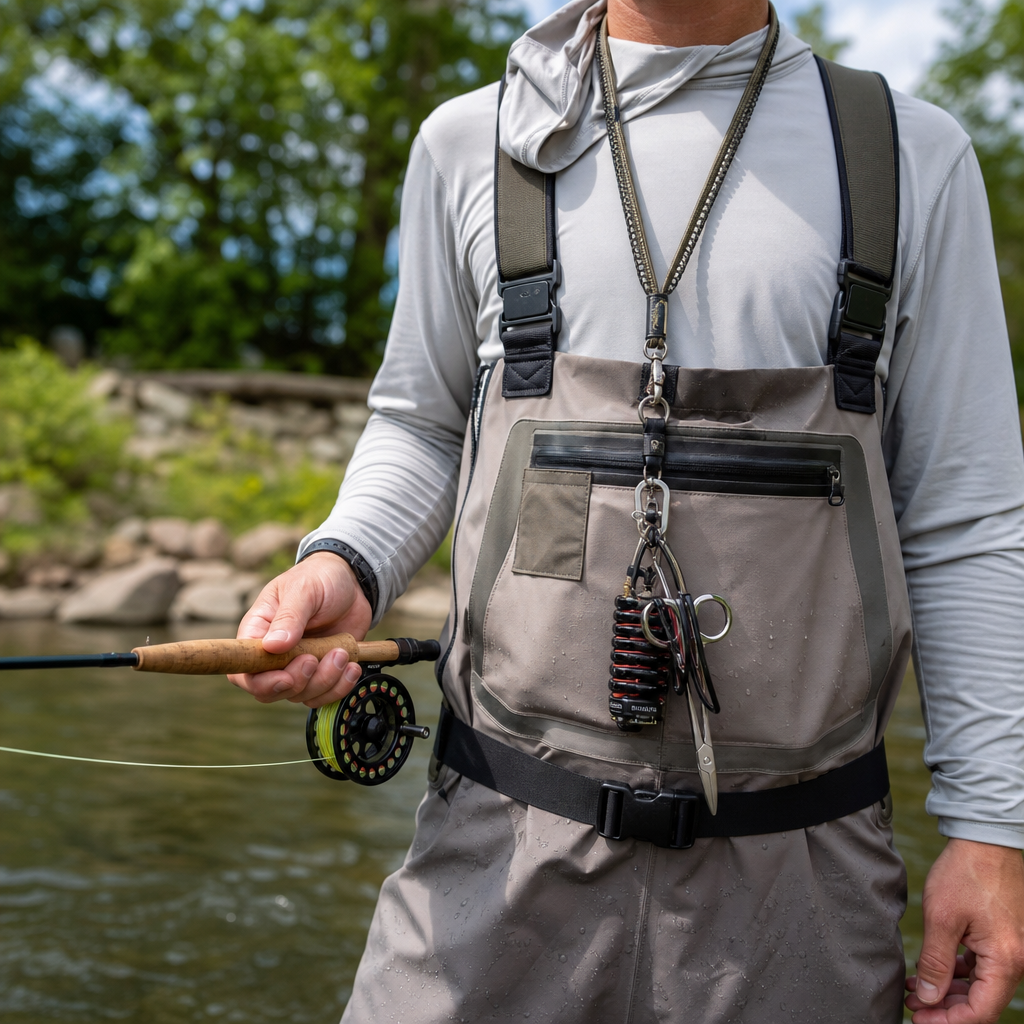
Small-item management matters more than many anglers expect. Magnetized fly patches, waterproof boxes, tippet spool tenders, and plier sheaths reduce the number of loose items that end up underfoot. I strongly prefer designated stations near the helm or console for tools used repeatedly, such as nippers, forceps, sunscreen, and leader wallets. This keeps the cockpit functional and minimizes time spent searching during a hatch, tide window, or active school. A well-organized deck is not cosmetic. It directly improves casting rhythm, hook-up efficiency, and the odds that expensive gear makes it home undamaged.
Anchoring, positioning, and boat control systems
Boat control is one of the most important and misunderstood parts of fly fishing from a boat. Good casts cannot compensate for poor positioning. The best accessories here depend on your water. In shallow saltwater or lakes, a push pole offers silent, precise movement and is still the standard on technical skiffs. Brands such as Stiffy, Carbon Marine, and Moonlighter build poles with different stiffness, weights, and grip designs. A quality push pole is not cheap, but it is unmatched when stalking fish in less than two feet of water where trolling motors create noise and visual disturbance.
For many freshwater and inshore anglers, shallow-water anchors are among the most useful upgrades available. Power-Pole and Minn Kota Talon dominate this category. They let you stop quietly, hold on structure, and re-tie or land fish without drifting off target. In practical use, they are most valuable when sight fishing shorelines, working docks, or holding position in light wind. Their limitations are cost, added stern weight, battery demands on some setups, and depth restrictions. In moving rivers, they are not a replacement for proper oarsmanship, rowing frames, or river anchors designed for current.
Trolling motors deserve a place in many fly fishing boat setups, especially when covering flats edges, reservoirs, or large river backwaters. A bow-mounted Minn Kota with Spot-Lock can be transformative for solo anglers because it maintains position while both hands stay available for rigging or landing fish. The tradeoff is deck complexity. Trolling motors add cables, mounts, batteries, and one more obstacle for line to catch. If you install one on a fly boat, routing and deck layout must be planned carefully. River anglers in drift boats often benefit more from anchor systems and oar upgrades than from electric propulsion.
| Accessory | Best Use | Main Benefit | Key Limitation |
|---|---|---|---|
| Push pole | Shallow flats and calm backwaters | Silent, precise positioning | Requires skill and open deck space |
| Shallow-water anchor | Docks, shorelines, and light current | Fast stopping and hands-free holding | Cost and added weight |
| Bow trolling motor | Lakes, reservoirs, and wind control | Covers water efficiently and holds position | Battery load and line-snag risk |
| River anchor system | Drift boats and rafts in current | Controlled stops in moving water | Unsafe if misused in heavy current |
If you are deciding what to review first in this equipment category, start by matching the accessory to the fishery. Flats anglers should study push poles and shallow-water anchors. Reservoir anglers should compare trolling motors by thrust, shaft length, and battery type. River anglers should focus on anchor pulleys, anchor styles, rope management, and improved oar systems. The best boat-control accessory is the one that lets you present a fly naturally without turning the deck into an obstacle course.
Electronics, lighting, and navigation upgrades
Electronics can improve a fly fishing boat dramatically when chosen with restraint. A quality fish finder or chartplotter helps with navigation, bottom contour reading, water temperature tracking, and locating drop-offs, channels, or bait concentrations. Garmin, Humminbird, Lowrance, and Raymarine all offer units that fit smaller boats. For fly anglers, screen size and mapping matter more than having every premium sonar mode. Side imaging and forward-facing sonar can be useful in certain stillwater and warmwater scenarios, but they are often secondary to accurate mapping, waypoint marking, and reliable visibility in bright sun.
Battery management is the hidden part of electronics rigging. If you add graphs, USB charging, lighting, shallow-water anchors, and a trolling motor, your electrical plan needs to be deliberate. Marine-grade wiring, fuse protection, waterproof switches, and proper battery isolation are essential. I have seen many useful accessories become frustrating simply because the installation was an afterthought. Corrosion, voltage drop, and dead batteries are common when owners mix automotive components with marine equipment. Blue Sea Systems, Victron, and Noco are reputable names when building a dependable power setup for accessories and charging.
Lighting is another upgrade that pays for itself in safety and convenience. Navigation lights are mandatory, but deck lighting and low-output interior LEDs make early launches, knot tying, and gear changes easier without destroying night vision. Red or amber lighting tends to be less intrusive than bright white deck floods. Headlamps remain useful, yet fixed boat lighting reduces the risk of dropped pliers, stepped-on rods, and chaotic pre-dawn rigging. If you fish tidal marshes, large reservoirs, or rivers with fog potential, visibility and navigation aids are not optional accessories. They are core equipment that protect your boat, your passengers, and everyone else on the water.
Safety, comfort, and fish-handling essentials
The best fly fishing accessories for your boat also make the day safer and physically easier. Personal flotation devices should be comfortable enough to wear all day, not buried under a seat. Inflatable belt packs are popular, but many anglers are better served by compact foam vests that keep tools accessible and work instantly if someone falls unexpectedly. A throw cushion, first-aid kit, waterproof VHF radio on coastal boats, whistle, knife, and fire extinguisher belong on any serious setup. In cold water, dry storage for extra layers is more than a convenience. It is a risk-management requirement.
Comfort upgrades have direct fishing value because fatigue reduces casting quality and decision-making. Supportive seating, removable leaning posts, anti-fatigue deck padding, and sun protection let anglers stay focused during long sessions. Bimini tops can interfere with fly casting on some boats, but removable shade systems or strategically designed casting-friendly tops are worth considering in hot climates. Coolers that double as seating are useful, though they should not obstruct line flow. Yeti, Engel, and Orion coolers are durable examples, but placement matters more than brand if your goal is a clean casting platform.
Fish-handling accessories deserve more attention than they often receive. Rubber-coated landing nets reduce fin and slime damage compared with coarse nylon mesh. Measuring boards, dehooking tools, and well-placed camera mounts can speed releases. On trout, salmon, and many warmwater species, minimizing air exposure is one of the simplest ways to improve post-release survival. On larger boats, an accessible net station prevents frantic searching at the rail while a fish surges. If you frequently target toothy species or fish with multiple anglers aboard, designate a landing side and tool locations before the first cast. That kind of planning prevents accidents with hooks, rods, and hands.
How to choose the right accessories for your boat type
Not every fly fishing boat needs the same accessories, and copying another angler’s rig without considering hull design usually leads to wasted money. Skiffs prioritize clean decks, shallow-water control, and quick-access rod storage. Drift boats prioritize anchor systems, oarlocks, storage compartments, and net management. Inflatable rafts need frame-compatible mounting, low-weight accessories, and secure dry storage. Bass boats and multi-species aluminum boats often need simplification, because they start with hardware layouts built more for conventional tackle than for fly line management.
The most effective way to buy is to rank accessories by how often they solve a real problem. If line constantly tangles, start with deck cleanup and storage. If the boat drifts off fish, invest in positioning tools. If early launches are stressful, improve lighting and organization. Budget should follow impact. I usually advise anglers to spend more on boat control, storage, and safety than on novelty items. Premium accessories are worth it when they improve durability, reduce installation issues, or solve a recurring frustration in a measurable way. Build your system around how you actually fish, then use detailed equipment reviews across this hub to compare models, materials, and long-term value before you buy.
The best fly fishing accessories for your boat are the ones that remove friction from the day. They keep the deck clear, the boat positioned correctly, your gear protected, and your crew safe. For most anglers, the smartest upgrades are not flashy. They are rod storage that prevents breakage, anchor or propulsion systems that control drifts, lighting that supports safe launches, and fish-handling tools that speed clean releases. When those essentials are dialed in, every cast becomes easier and every decision on the water gets simpler.
As a hub for equipment reviews within product reviews and recommendations, this page should help you decide where to go deeper next. Compare categories before brands. Match accessories to your hull, your fishery, and your style of fly fishing. Then review individual products with clear criteria: durability, installation demands, line-friendliness, weight, maintenance, and long-term usefulness. That process prevents expensive mistakes and leads to a boat that fishes better season after season.
If you are outfitting your boat now, start with one improvement in each essential area: organization, boat control, safety, and fish care. Fix the biggest bottleneck first, test it on the water, and build from there. A well-rigged fly fishing boat does more than carry you to fish. It gives you the space, control, and confidence to fish at your best every time you launch.
Frequently Asked Questions
What are the most important fly fishing accessories to add to a boat first?
If you are outfitting a fly fishing boat from the ground up, start with accessories that improve safety, boat control, organization, and casting efficiency. A reliable anchoring system is usually one of the first upgrades worth making because boat position matters constantly in fly fishing. Whether you are targeting shallow flats, river seams, or shoreline structure, the ability to hold your boat quietly and precisely can make the difference between a clean presentation and drifting out of range. In shallow water, stakeout systems or shallow-water anchors can be especially useful, while traditional anchors still matter for deeper or moving water.
After anchoring, storage and line management should move to the top of the list. Fly line tangles quickly when decks are cluttered, so accessories like clean storage compartments, stripping baskets, line mats, rod holders, and deck organizers help create a much more fishable platform. Electronics such as GPS and fish finders are also valuable, not just for finding structure and depth changes, but for navigating safely in low light or unfamiliar water. Good lighting is another smart upgrade, especially if you launch before sunrise or return after dark.
Do not overlook safety gear. A well-equipped fly fishing boat should have life jackets, a throw cushion, a first-aid kit, navigation lights, a whistle or horn, and a fire extinguisher where required. Finally, deck upgrades such as non-slip flooring, elevated casting platforms, grab handles, and lean bars can improve both comfort and stability. The best first accessories are not always the flashiest ones. They are the ones that make the boat safer, cleaner, quieter, and easier to fish from all day long.
How do fly fishing boat accessories help with line management and casting performance?
Line management is one of the biggest differences between a general-purpose fishing boat and a boat that is truly set up for fly fishing. Fly line has a way of finding every cleat, hinge, latch, cup holder, and rough edge on deck. That means even a boat with plenty of open space can still be frustrating to fish from if it is not equipped to handle loose line. Accessories designed for line control help reduce tangles, improve casting rhythm, and let anglers focus more on presentation and less on fixing snarls.
One of the most useful additions is a dedicated stripping area or line management surface. This might be a line mat with cones, a stripping bucket, or a clean, unobstructed casting deck with flush-mounted hardware. These accessories keep loose line organized as you strip and shoot, especially in wind or current. Rod holders also play an important role, not only in transport but in keeping extra rods secured and out of the way so they do not catch line underfoot. Storage systems for reels, fly boxes, and tools help keep deck clutter to a minimum, which directly improves casting efficiency.
Deck design upgrades matter just as much as removable accessories. Non-skid, snag-free surfaces are ideal for fly anglers because they reduce the chance of line wrapping around deck features. Leaning posts, casting braces, and stable platforms can also improve balance and help anglers make more accurate casts while standing. In combination, these accessories create a cleaner workspace for fly fishing. The result is smoother line flow, fewer interruptions, better hook-up opportunities, and a much more enjoyable day on the water.
Which anchoring and boat control accessories are best for fly fishing?
The best anchoring and boat control accessories depend on where and how you fish, but for fly anglers, quiet and precise positioning should always be the priority. Fly fishing often requires repeated casts to a narrow target zone, so even small changes in boat angle or drift can affect presentation. In shallow water, one of the most effective tools is a shallow-water anchoring system, such as a stakeout pole or push-button shallow-water anchor. These systems let you stop quickly and quietly without the splash, rope handling, and bottom disturbance that can come with a traditional anchor.
For river fishing or deeper water, a well-matched traditional anchor remains essential. The key is choosing the right anchor type, rope length, and mounting setup for your boat and environment. Drift control accessories can also be extremely useful. Drift socks, push poles, and quality trolling motors help anglers slow the boat, hold a line, or make small adjustments without firing up the outboard and spooking fish. A trolling motor with spot-lock or GPS anchoring can be a major advantage in wind or current, especially on larger lakes and reservoirs where staying on structure is critical.
Many serious fly anglers also add push pole holders, anchor trolleys, and cleat placements designed specifically to keep working areas clear. These details improve both efficiency and safety because they reduce the chance of line snagging around anchor rope or hardware. The right setup gives you control without clutter, which is exactly what a fly fishing boat needs. If your boat stays where you want it, points cleanly into the wind, and lets you fish without noise or chaos, your accessories are doing their job.
Are electronics and lighting really necessary on a fly fishing boat?
Yes, in most cases electronics and lighting are absolutely worth having on a fly fishing boat, not because they replace skill, but because they improve safety, efficiency, and situational awareness. A good GPS unit or fish finder can help you navigate unfamiliar water, mark productive structure, monitor depth changes, and avoid hazards such as shallow bars, submerged timber, or rock piles. For fly anglers who fish lakes, bays, flats, or large river systems, electronics can save time and help you stay in the most productive zones instead of searching blindly.
Lighting matters just as much, especially for anglers who launch early, fish late, or move around in low-visibility conditions. Proper navigation lights are legally required in many situations, but beyond compliance, deck and compartment lighting make your boat safer and easier to use. Interior lighting helps you tie knots, change flies, access gear, and manage equipment without fumbling in the dark. Soft, low-glare lighting is especially useful because it preserves visibility while minimizing disturbance to both angler and fish.
The key is choosing accessories that support fly fishing rather than clutter the boat. Flush-mounted electronics, protected wiring, waterproof switches, and strategically placed lighting all help maintain a clean casting environment. In other words, the right electronics and lighting setup should feel integrated, not intrusive. They should help you move confidently, fish effectively, and stay safe before sunrise, after sunset, and in changing weather. For many boat owners, these upgrades quickly go from optional extras to essential gear.
What safety and deck upgrades should every fly fishing boat have?
Every fly fishing boat should be equipped with core safety gear first, then upgraded with deck features that improve stability, movement, and fishability. At a minimum, carry properly sized personal flotation devices for everyone on board, a throwable flotation device if required, a first-aid kit, sound-signaling equipment, emergency communication tools, and a fire extinguisher where regulations call for one. It is also wise to have a basic tool kit, extra dock lines, a bilge pump or bailer, and a waterproof light source. These are not glamorous accessories, but they are the ones that matter most when conditions change quickly.
From a fishing standpoint, deck upgrades are what make a boat more comfortable and functional for fly anglers. Non-slip decking is one of the best improvements you can make because fly fishing often involves standing, casting, stripping line, and moving with a rod in hand. Better traction reduces fatigue and lowers the risk of falls, especially when the deck is wet. Elevated casting platforms can improve sight lines and casting angles, while grab rails, lean bars, and stable seating options help anglers stay balanced in chop or current.
It is also important to think about snag reduction and open space. Recessed hardware, cleaner hatch layouts, protected hinges, and organized storage all contribute to a safer, more efficient deck. Accessories like net holders, tool mounts, and cooler tie-downs keep equipment secured so it does not slide underfoot or interfere with line. In practical terms, the best safety and deck upgrades are the ones that reduce risk while making the boat easier to cast from, move around on, and fish from for long hours. A fly fishing boat should feel stable, uncluttered, and dependable in every part of the day.