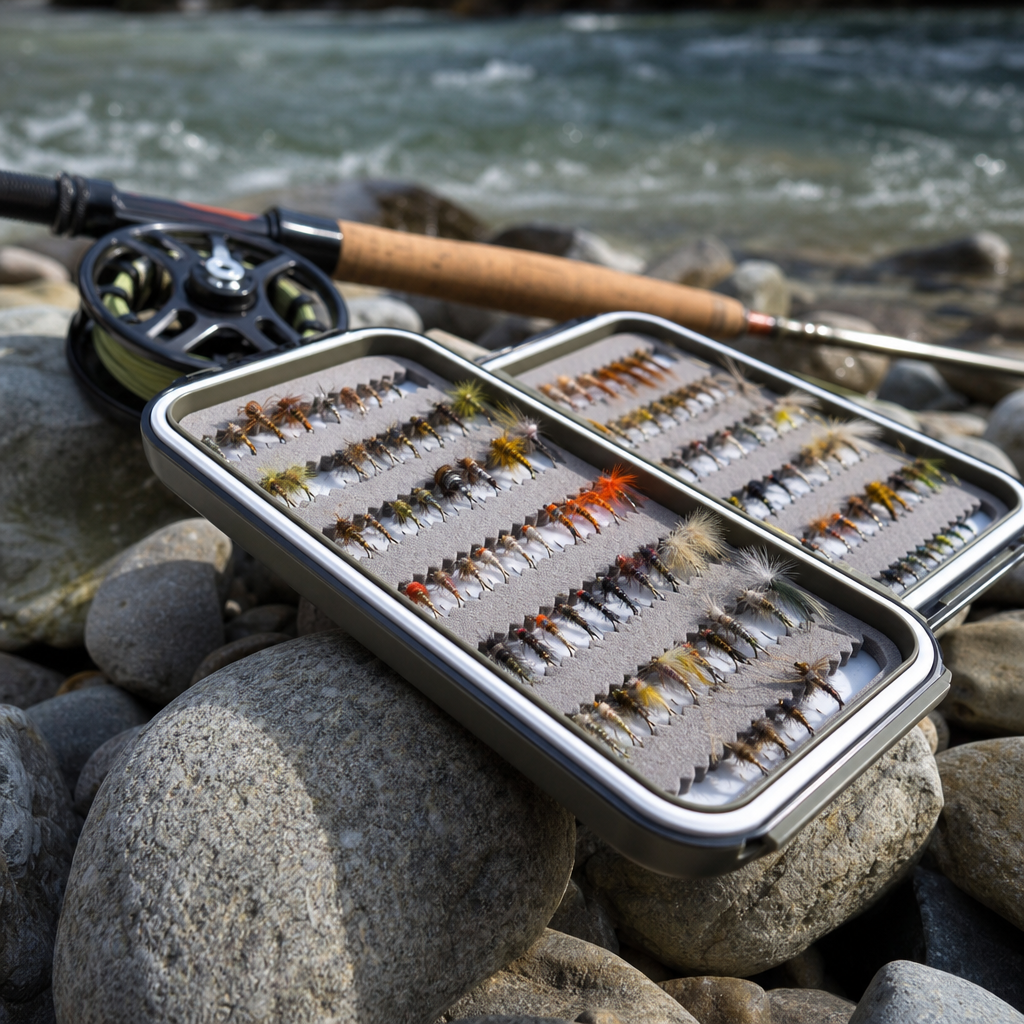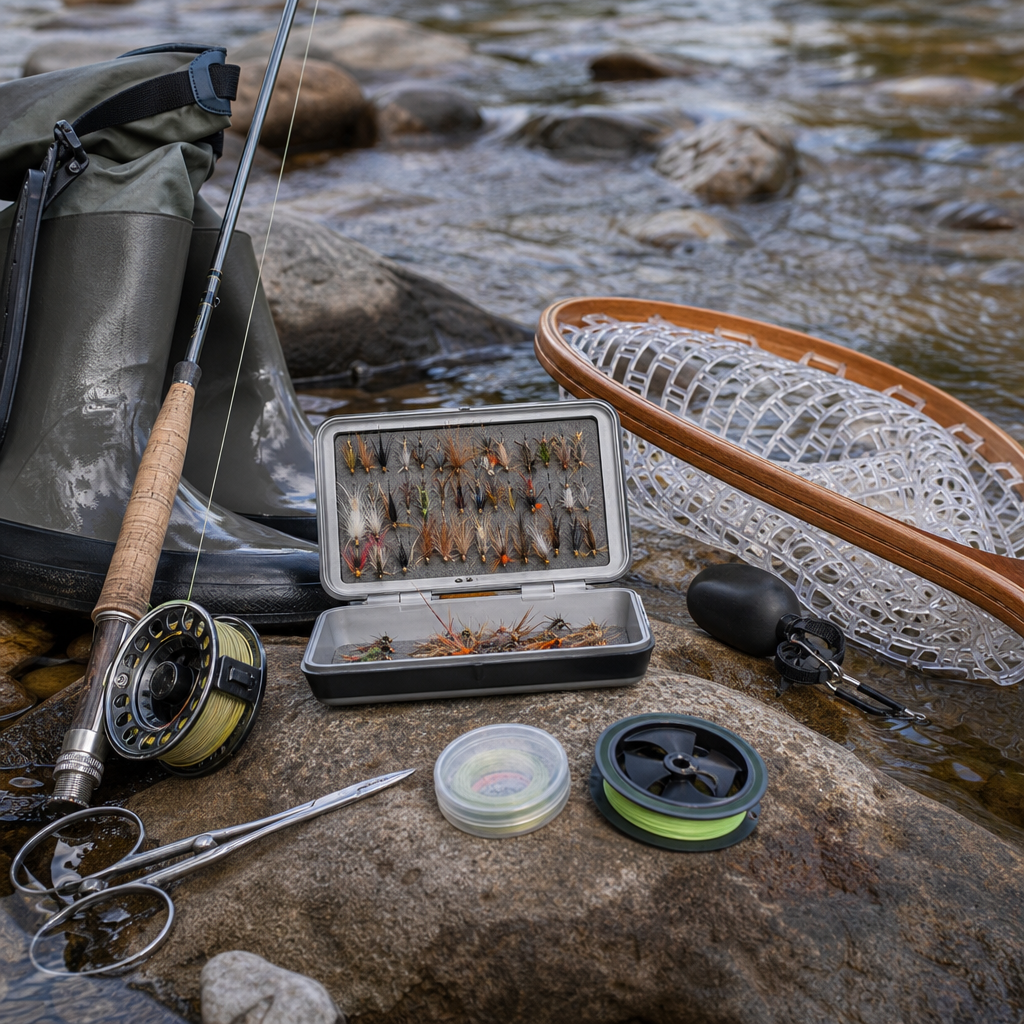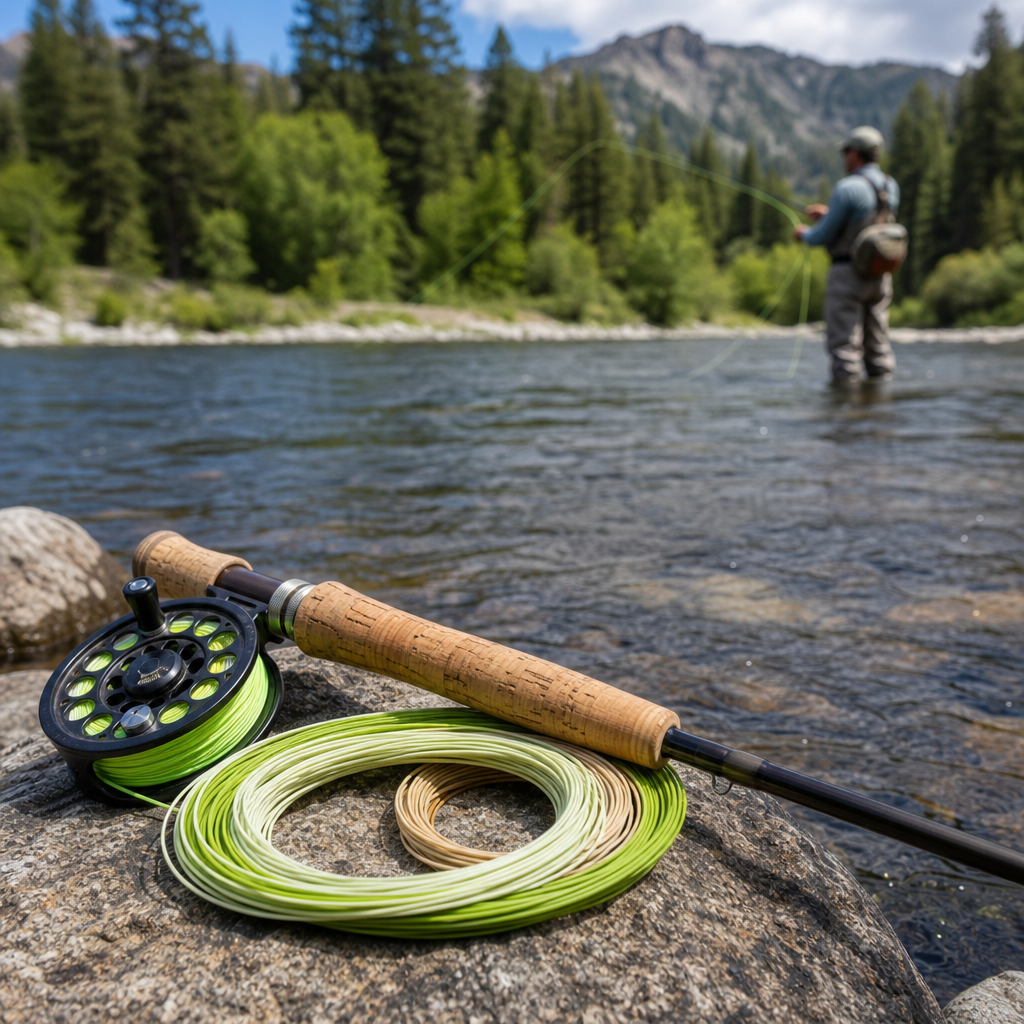
The best fly lines for freshwater fishing determine how efficiently an angler casts, how naturally a fly drifts, and how well fish are hooked across rivers, lakes, and ponds. Fly line is the weighted line that loads the rod, carries the leader, and ultimately controls presentation; unlike conventional fishing, the line does most of the work. In freshwater fishing, choosing the right taper, density, coating, and line weight matters as much as selecting the rod or fly. I have tested budget and premium lines on spring creeks, tailwaters, bass lakes, and stillwater trout fisheries, and the difference between an average line and a truly matched line is immediate. Better turnover, cleaner mends, reduced memory, and more accurate delivery all show up on the first outing.
This hub article covers the core gear review questions anglers ask when shopping for freshwater fly lines. What line should you buy for trout? When is a weight-forward floating line better than a double taper? Which sinking line works for streamers in lakes? How important are textured coatings, welded loops, and line slickness? Those questions deserve direct answers because freshwater environments vary widely. A size 18 dry fly on a technical river demands different line behavior than a woolly bugger stripped for smallmouth or a chironomid rig suspended under an indicator in deep stillwater. There is no single best line for every situation, but there are clear best categories and standout models.
For most anglers, the smartest place to start is with a premium weight-forward floating line matched to the rod’s true casting style and the fishery. From there, specialized lines expand capability: nymph lines improve contact, sink-tip lines help streamers reach depth, and full-sinking lines dominate many lake situations. This article serves as the central guide to gear reviews within freshwater fly fishing, giving you a practical framework for comparing products and building a line system that actually improves performance on the water.
What makes a freshwater fly line good
A good freshwater fly line combines the correct taper, the right grain weight, dependable coating durability, and low memory in the temperatures where you fish. Taper controls how energy moves through the line. A front-loaded weight-forward taper turns over indicators, hoppers, and streamers more easily, while a longer front taper lands dry flies with less disturbance. Grain weight matters because many modern rods are fast and benefit from lines built a half-size heavy. That does not mean overlining blindly; it means matching the line to the rod design and your casting distance. Many premium trout lines from Scientific Anglers, Rio, and Airflo are intentionally tuned this way.
Coating and core construction separate premium lines from cheaper options. Slick coatings shoot farther and resist cracking longer, while braided multifilament cores stay supple in moderate conditions common to freshwater trout and bass fishing. Some lines are built on low-stretch cores to improve sensitivity when nymphing or streamer fishing. I notice that advantage most when setting on fish at distance or maintaining contact during deep retrieves. Welded loops also matter because they simplify leader changes and sink-tip rigging, though a poorly made loop can hinge or fail. In short, the best freshwater fly lines are not just castable; they are purpose-built for specific presentations and durable enough to justify their price.
Best floating fly lines for trout, panfish, and all-around use
If you buy one line for freshwater fishing, make it a floating trout line. Floating lines cover dry flies, small nymph rigs, light streamers, and most beginner practice. For general trout fishing, the strongest category is a weight-forward floating line with a versatile taper that balances turnover and delicacy. Scientific Anglers Mastery MPX remains one of the most dependable all-around choices because it is slightly heavy, easy to cast with modern fast rods, and capable of presenting dries, terrestrials, and indicator rigs without feeling clunky. Rio Gold has long been a benchmark for trout anglers who want smooth turnover and excellent mending at practical fishing distances.
Airflo Superflo Universal Taper is another standout for anglers who fish a range of waters and want strong cold-weather performance. Airflo’s polyurethane coating avoids plasticizers found in PVC lines, and in my use it handles abrasion well, especially from drift boat decks and rocky banks. Cortland 444 Peach, while older in profile and less aggressive than many modern lines, still deserves mention because it remains one of the best smoother-casting options for anglers who prefer moderate-action rods and classic dry-fly presentation. For panfish and general warmwater fishing, a standard weight-forward floating line with a slightly more assertive front taper helps turn over poppers and small foam bugs. Here, Rio Grand and Scientific Anglers Amplitude Smooth Infinity both perform well.
| Fishing use | Best line type | Recommended examples | Why it works |
|---|---|---|---|
| All-around trout | Weight-forward floating | SA MPX, Rio Gold, Airflo Universal | Versatile turnover, effective mending, broad rod compatibility |
| Technical dry fly | Long-belly floating | Cortland 444 Peach, Rio Technical Trout | Softer presentations and better line control at moderate range |
| Indicator nymphing | Overweight floating | SA Anadro/MPX, Rio Grand | Turns over heavier rigs and split shot more easily |
| Bass and panfish topwater | Aggressive floating | Rio Grand, SA Infinity | Carries wind-resistant poppers and foam flies |
| Lake streamers | Full sinking or sink-tip | Airflo Sixth Sense, Cortland 444 Sink Tip | Maintains depth and improves direct contact |
Best nymphing and river-specific fly lines
Nymph fishing exposes weaknesses in generic fly lines faster than almost any other technique. Standard trout tapers can work, but dedicated nymph lines improve control in three ways: they reduce sag, improve roll-casting with weighted rigs, and enhance strike detection. For indicator nymphing on larger rivers, overweight floating lines with powerful heads are often the best answer. Scientific Anglers Anadro is built specifically for big western rivers, larger flies, and multi-fly indicator rigs. It carries long leaders well and mends effectively at distance, which matters when fishing from a drift boat or covering broad seams from shore.
For tight-line and Euro nymphing, specialized level or thin-diameter competition-style lines are the correct tool where legal. These lines minimize line sag and help maintain direct contact with heavily weighted nymphs. Rio Technical Euro Nymph and Cortland Euro Nymph Mono Core are common examples. They are not pleasant multipurpose lines, and that tradeoff needs to be stated clearly. They excel at contact presentations and leader control, but they are poor choices for dry flies or traditional overhead casting. Many anglers are better served by keeping a separate Euro spool rather than forcing a niche line into all-day duty. In practice, line specialization often saves frustration and catches more fish than trying to make one setup do everything.
Best sink-tip and sinking fly lines for lakes and streamers
When fish feed below the surface, a floating line becomes a compromise. Sink-tip and full-sinking lines solve that by placing the fly at the right depth and keeping a direct connection during the retrieve. For streamer fishing in rivers, a sink-tip line is usually best because the floating rear section remains manageable for mending, lifting, and recasting. Rio InTouch StreamerTip and Cortland Sink Tip lines are useful examples for trout and smallmouth anglers stripping baitfish patterns through runs and bankside structure. Choose sink rates based on current speed and target depth, not marketing labels alone. A Type 3 or intermediate tip often covers more situations than a very fast tip that snags constantly.
For lake fishing, full-sinking lines are often the top performers because they maintain a consistent depth throughout the retrieve. Intermediate lines are excellent for shallow shoals, clear water, and leech patterns fished under the surface film. Faster sinking lines such as Type 5 or Type 6 are better for deep trout, suspended bass, and cold-water periods when fish hold lower in the column. Airflo Sixth Sense, Scientific Anglers Sonar series, and Cortland Camo Intermediate are respected choices because their sink rates are consistent and their coatings remain manageable after repeated use. On stillwaters, I have found that line density accuracy is more important than ultimate casting distance. If the line sinks predictably, you can count it down, repeat the depth, and fish methodically instead of guessing.
How to match fly line to rod weight, action, and fishing style
Matching a fly line to a rod starts with the AFFTA line standard, but it should not end there. The AFFTA rating gives a target grain weight for the first 30 feet, yet many modern fly lines distribute mass differently through compact heads and aggressive tapers. A fast 5-weight rod built for carrying line in the air may feel best with a half-size heavy trout taper, while a softer moderate-action rod often performs best with a true-to-weight line. The quickest way to get this right is to consider your common fishing distance. If most casts are inside 35 feet, a slightly heavier head usually loads the rod faster. If you carry long lengths of line on bigger rivers, an overly heavy short-head line can feel unstable.
Fishing style matters just as much. Dry-fly anglers benefit from longer front tapers and smoother turnover. Indicator nymph anglers usually need more powerful front sections to move split shot and bobbers. Bass anglers throwing deer-hair bugs and weighted streamers should favor aggressive tapers even on freshwater 6- to 8-weight outfits. Beginners generally cast better with user-friendly lines such as Rio Grand or SA MPX because the rod loads clearly and timing errors are less punishing. Advanced casters may prefer more specialized tapers tuned for distance, aerial mends, or delicate leader turnover. The best gear review advice is simple: evaluate the line by the job it needs to do, not by branding or price alone.
Top brands, durability, and buying advice
Three brands dominate many freshwater fly line discussions for good reason: Scientific Anglers, Rio, and Airflo. Scientific Anglers consistently excels in taper design, welded loop quality, and line identification systems. Rio offers broad model coverage, from technical trout to warmwater and lake-specific applications, and many fly shops stock it deeply, making replacement easy. Airflo stands out for polyurethane construction and strong cold-water handling. Cortland remains highly relevant, especially in classic trout tapers, stillwater lines, and specialty nymph options. None of these brands is universally best. The best line is the one whose taper, coating, and density match your fishing and climate.
Durability depends on maintenance as much as materials. Clean lines regularly with manufacturer-approved dressing or a mild cleaning pad to remove grit that causes friction and premature wear. Stretching a coiled line before fishing reduces memory, especially on cool mornings. Store lines away from heat; a dashboard in summer can ruin coatings quickly. Replace a line when cracking, severe tip curl, or floating failure begins to affect performance, not simply because a new model launches. If budget matters, spend first on your main floating line because it will see the most use and most directly affect casting skill. Then add specialty lines for nymphing, streamers, or lakes as your fishing expands.
The best fly lines for freshwater fishing are the ones that solve specific problems on the water: turning over dry flies gently, carrying indicator rigs cleanly, or reaching the exact depth where trout and bass are feeding. A quality weight-forward floating line remains the foundation of most setups, with models like Scientific Anglers MPX, Rio Gold, and Airflo Universal covering the widest range of river and lake situations. From there, specialized nymph lines, sink-tips, and full-sinking lines add precision. That is why serious anglers build line systems, not just rod collections. The line is the delivery system, and when it matches the technique, every part of fly fishing becomes easier.
For a gear reviews hub, the central lesson is that fly line should be evaluated by application, taper design, and compatibility with your rod and fishery. Brand reputation matters, but function matters more. Start with the species you chase most, the flies you cast most often, and the water you fish every week. If you do that, your next line purchase will feel less like guesswork and more like a measurable upgrade in presentation, control, and hook-up rate. Use this guide as your starting point, then explore the related gear reviews in this hub to compare specialty lines, reels, rods, and leaders in greater detail.
Frequently Asked Questions
What type of fly line is best for freshwater fishing?
The best fly line for freshwater fishing depends on where you fish, what species you target, and how you want your fly to behave in the water. For most anglers, a weight-forward floating fly line is the most versatile choice because it handles a wide range of freshwater situations, from trout streams to ponds and lakes. A floating line stays on the surface, is easy to mend, and works well with dry flies, nymph rigs under indicators, small streamers, and beginner-friendly presentations. If you want one line that can do the most jobs well, this is usually the place to start.
That said, not every freshwater setup benefits from the same line style. In faster rivers, a line with a taper designed for control and delicate presentation can help you land the fly softly and drift it naturally. In lakes or deeper pools, an intermediate or sinking line may be the better option because it gets streamers and wet flies down into the strike zone more efficiently than a floating line ever could. Warmwater anglers targeting bass, panfish, or pike often prefer a more aggressive weight-forward taper that turns over larger flies and poppers without feeling underpowered.
Line weight also matters. A 4-weight or 5-weight line is common for trout in small to medium freshwater systems, while a 6-weight or 7-weight line is often better for heavier flies, windy conditions, or stronger fish. The best fly line is not simply the most expensive one on the shelf; it is the one that matches your rod, suits your casting style, and supports the techniques you use most often. In practical terms, the best all-around freshwater line for many anglers is a quality weight-forward floating line in the exact line weight recommended for the rod.
How do I choose the right fly line weight for my rod and fishing conditions?
The first rule is simple: start with the line weight printed on your fly rod. If your rod is labeled as a 5-weight, pair it with a 5-weight fly line unless you have a specific reason to do otherwise. Rod and line manufacturers design their gear around standard weight pairings, and matching them correctly gives you the best balance of loading, casting feel, and presentation. For most anglers, especially beginners and intermediates, staying true to the rod’s rating produces the most reliable results on the water.
Fishing conditions can influence whether you stay at that exact weight or slightly adjust. For example, some anglers intentionally overline a rod by one size, such as putting a 6-weight line on a fast-action 5-weight rod, to help the rod load more quickly at short distances or to make casting easier with larger flies, indicators, or streamers. This can be useful in small streams, tight casting quarters, or when learning to feel the rod load. On the other hand, anglers making longer casts or seeking a more precise presentation may prefer the exact line weight the rod was built for.
You should also think about fly size, wind, and target species. Light trout flies on technical water often perform best with lighter lines and more refined tapers. Heavier nymph rigs, hopper-dropper setups, bass bugs, and streamers benefit from a line with more mass in the head, often in a 6-weight or heavier category. If you routinely fish windy lakes or large rivers, a heavier line can help maintain turnover and control. In short, the right line weight starts with the rod rating, then gets fine-tuned based on your actual freshwater fishing conditions and the type of flies you cast most often.
What is the difference between floating, intermediate, and sinking fly lines?
Floating, intermediate, and sinking fly lines are designed to fish at different depths, and understanding the difference is essential for choosing the best line for freshwater situations. A floating line remains on the surface and is the standard choice for most general-purpose fly fishing. It excels for dry flies, indicator nymphing, shallow presentations, and techniques that require frequent mending or line control on moving water. Because the line stays visible and easy to manage, floating lines are usually the most beginner-friendly and the most versatile for rivers, creeks, and many stillwater applications.
An intermediate line sinks slowly, usually just below the surface film, making it a strong choice for lakes, ponds, and calm water situations where fish are feeding slightly deeper. It is especially useful when fishing streamers, wet flies, or stillwater patterns that need to move naturally beneath surface chop without dropping too fast. Intermediate lines are popular with anglers who want more direct contact with subsurface flies while avoiding the sharp depth changes of a full sinking line. They are often excellent for trout in lakes and for bass or panfish cruising just under the top layer of water.
Sinking lines descend more quickly and are built to reach deeper fish. These lines come in varying sink rates, from slower sink options to fast-sinking models designed for deep lakes, reservoirs, or swift runs where fish hold near the bottom. A sinking line helps keep streamers and deep presentations in the strike zone longer, but it is less effective for mending and more demanding to cast and manage than a floating line. In freshwater fishing, the best choice comes down to depth control: use floating lines for surface and near-surface versatility, intermediate lines for shallow subsurface work, and sinking lines when you need to consistently reach deeper water.
How important are fly line taper and coating when selecting a freshwater fly line?
Fly line taper and coating are extremely important because they directly affect casting performance, turnover, accuracy, and durability. The taper describes how the line’s diameter and weight are distributed from front to back. In simple terms, taper determines how the energy from your cast transfers through the line and into the leader. A weight-forward taper concentrates more mass toward the front, helping load the rod efficiently and making it easier to cast at common freshwater distances. This is one reason weight-forward tapers are so widely used for trout, bass, and all-around freshwater fishing.
Different taper designs serve different purposes. A more delicate front taper helps with soft presentations, which is valuable when casting dry flies to selective trout in clear water. A more aggressive front taper turns over larger flies, indicators, and streamers with less effort, making it useful for warmwater fishing or heavier rigs. Long-belly and presentation-oriented lines can offer more refined control for experienced casters, while compact heads often help anglers cast more efficiently at short to medium range. If your casts feel sloppy, your flies land too hard, or your setup struggles to turn over, the taper may be as much of a factor as your casting technique.
The coating matters just as much because it influences slickness, flotation, shootability, temperature performance, and lifespan. A high-quality coating can reduce friction through the guides, improve casting distance, and help the line float higher or sink more consistently depending on the design. It also affects how well the line resists cracking, memory, and wear over time. In freshwater fishing, where temperatures can vary from cold spring creeks to hot summer ponds, choosing a line with a coating suited to your climate makes a noticeable difference. A good taper helps the line cast the way you need; a good coating ensures it keeps performing season after season.
How often should I replace a freshwater fly line, and how can I make it last longer?
A freshwater fly line should be replaced when it no longer performs the way it should, not just after a fixed amount of time. For anglers who fish frequently, that may mean replacing a heavily used line every season or two. For occasional anglers, a quality line can last several years if it is maintained properly. Signs that it may be time for a new line include visible cracks in the coating, roughness that increases friction in the guides, poor flotation in sections that once rode high, excessive memory, and a noticeable decline in casting smoothness or turnover. If your rod, reel, and casting stroke feel fine but the setup still seems harder to manage than it used to, the line is often the weak link.
The best way to extend the life of a fly line is regular cleaning. Dirt, algae, grit, and sunscreen residue all build up on the coating and reduce performance. Wiping the line down with a soft cloth and using a line cleaner or conditioner recommended by the manufacturer can restore slickness and improve handling. It also helps to inspect the line periodically for nicks, cracks, and worn sections near the tip, which often takes the most abuse. Proper storage matters too. Avoid leaving fly lines in extreme heat, such as inside a hot vehicle, because heat can damage coatings and increase memory. Store reels and spare spools out of direct sunlight whenever possible.
Another important factor is matching the line to the job. A line used constantly for heavy streamers, abrasive environments, or repeated stripping through dirty water will wear faster than one used mainly for dry fly fishing on clean streams. Budget lines can fish well, but premium lines often offer better coatings, cores, and durability over time, which may make them a better value if you fish often. In the end, replacing a fly line at the right time is one of the easiest upgrades you can make in freshwater fishing, because a fresh, well-matched line can dramatically improve casting, presentation, and overall control on the water.