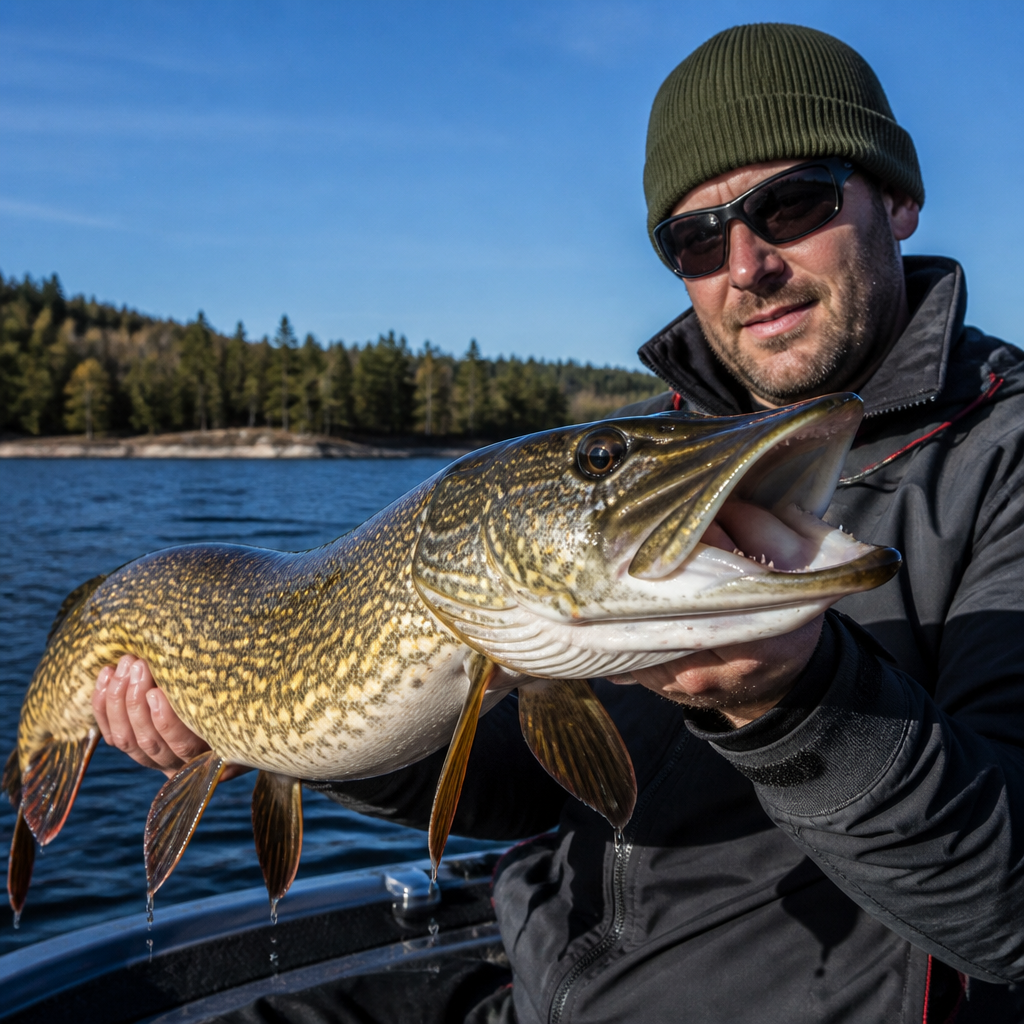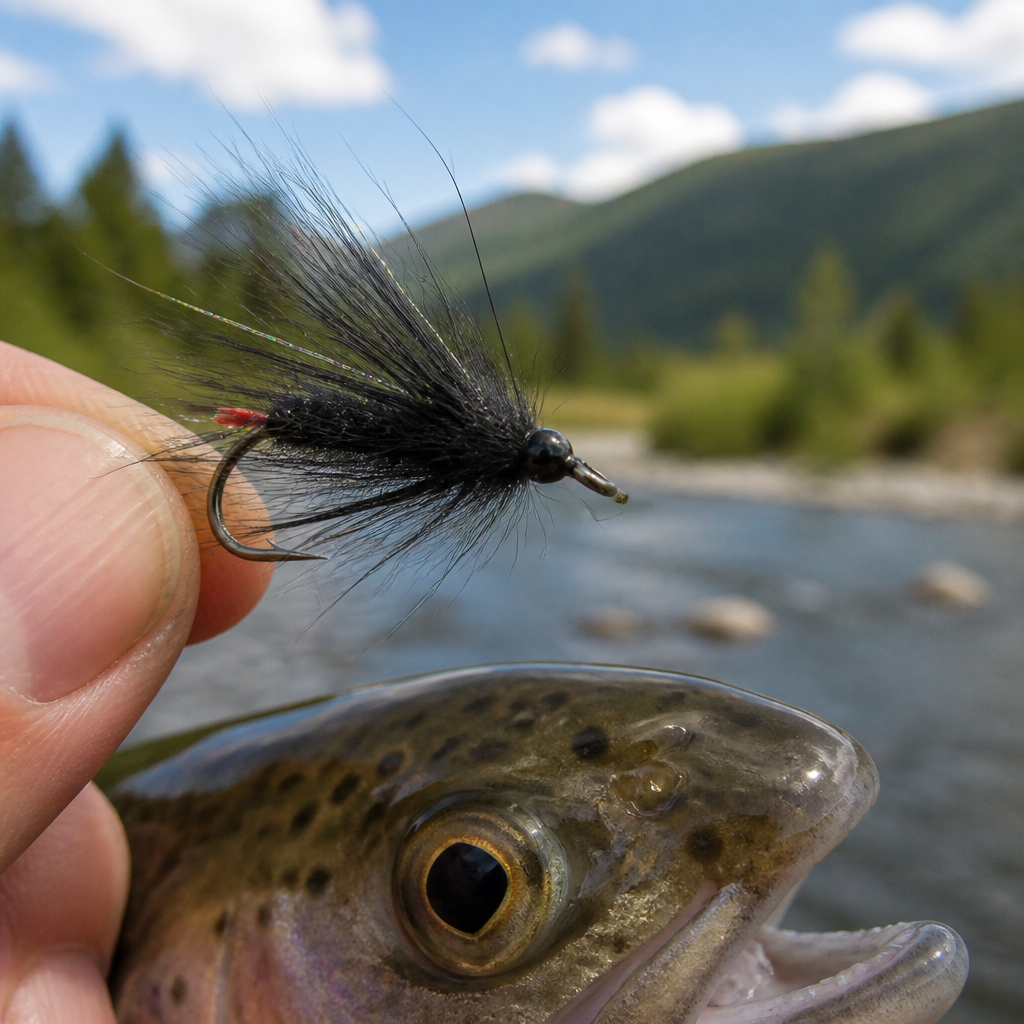
Using intruder flies is one of the most effective specialized techniques in modern swing fishing because these patterns present large profiles, move naturally in current, and let anglers target aggressive fish without adding excessive weight. An intruder fly is a composite-style streamer built around a shank, trailer hook, and sparse mobile materials that pulse in the water. Originally refined for steelhead and salmon, the style now influences flies for trout, char, pike, and saltwater species. The key idea is simple: create the impression of a substantial baitfish, leech, prawn, or egg-eating intruder while keeping the actual fly light enough to cast and fish cleanly. That balance between profile and mass is why intruder flies matter.
I learned this the hard way while guiding winter steelhead anglers who arrived with oversized lead-eyed patterns that looked impressive in the vise but fished poorly in broad tailouts. Those flies landed hard, snagged often, and moved stiffly. A properly tied intruder, by contrast, breathed with each mended swing. Fish that ignored dense rabbit-strip patterns would often react to a sparse intruder with ostrich, marabou, or composite loops because the silhouette looked alive even at slow speed. In practical terms, using intruder flies means understanding not only the pattern, but also how sink tips, swing angles, water temperature, fish mood, and holding structure influence presentation. Specialized techniques begin there.
For this hub page, “specialized techniques” means the advanced but repeatable methods used to choose, rig, present, and adapt intruder flies for specific conditions. Anglers usually ask the same core questions: when should I fish an intruder instead of a traditional tube or bunny leech, what sizes and colors work, how do I prevent short strikes, and how should I swing the fly in different currents? The answers are not mysterious. Intruder success depends on matching three elements: profile, depth, and speed. If the fly shows the right outline, travels in the fish’s lane, and moves at a convincing pace, it produces. If one element is wrong, even a beautifully tied fly underperforms.
This article serves as the hub for the broader specialized-techniques category by laying out the foundational patterns and strategic decisions behind effective intruder fishing. It covers construction logic, tackle matching, presentation angles, seasonal adjustments, and common errors, while signaling where narrower articles on sink-tip selection, steelhead water reading, trailer-hook rigging, and composite-loop tying fit within the larger system. If you understand the framework here, every more focused article in this subtopic becomes easier to apply on the water. Intruder flies reward precision, and precision starts with knowing exactly what the pattern is supposed to do.
What makes an intruder fly different
An intruder fly differs from conventional streamers because it is built to maximize movement and apparent size while minimizing actual material bulk and hook leverage. Most intruders use a shank from brands such as Fish Skull, OPST, or Pro Sportfisher, then attach a short-shank trailing hook with braid or wire. That rear hook placement improves hookups on fish that nip at the back of the fly, which steelhead commonly do in cold water. Instead of dense body dubbing, tiers use stations of flowing material separated by shoulders, hackle collars, composite loops, or prop-style spacers. The result is a pattern that opens in current, collapses on the cast, then expands again underwater.
This architecture solves several fishing problems at once. First, a shank-based intruder gives the profile of a long fly without the drawbacks of a long hook. Second, sparse materials reduce water retention, so the pattern is easier to cast on two-handed rods. Third, multiple movement zones create a stronger trigger response than a single rabbit strip on many days. In rivers with glacial tint or winter height, that broad living silhouette helps fish locate the fly. In low clear water, scaling the same design down to a mini intruder preserves movement without overwhelming cautious fish. The style is adaptable, which is why it remains central in specialized fly fishing techniques.
Core intruder patterns and when to fish them
The most useful way to think about intruder patterns is by function rather than brand name. A standard ostrich-and-marabou intruder is the all-around choice for steelhead because it swims at slow speed and maintains shape in soft current. A composite-loop intruder with flash and laser dub adds brightness and body for colored water. A Hoh Bo Spey-style variant leans toward flowing profile and excels in medium pace runs where fish inspect the fly longer. A dirty hoh, mini intruder, or tube-inspired shank fly works better in summer and fall when smaller profiles draw more takes. Pink and orange often suggest prawns or eggs; black and blue excel in cold or off-color water; chartreuse can be deadly for coho.
Pattern selection should follow visibility, water speed, and fish aggression. In high water below 45 degrees Fahrenheit, I want a broad silhouette in black, blue, or purple with a compact trailer hook and either dumbbell eyes or a heavy tip to place it near the bottom. In warmer water with active fish, I choose lighter flies with more translucence, often in pink, peach, or white, and swing them higher. For bull trout or large brown trout, baitfish intruders in olive, white, and tan imitate sculpins and juvenile trout effectively. The lesson is consistent: do not choose an intruder because it looks impressive in hand. Choose it because its profile and material behavior fit the fish’s window.
| Condition | Recommended Intruder Style | Typical Colors | Primary Reason |
|---|---|---|---|
| High, cold, stained water | Large marabou or composite-loop intruder | Black/blue, purple, black | Strong silhouette and slower breathing action |
| Medium flow, moderate clarity | Standard ostrich intruder | Pink, orange, blue/black | Balanced profile and versatile swing speed |
| Low, clear water | Mini intruder | Peach, light pink, natural olive | Subtle profile with retained movement |
| Coho or aggressive salmon | Bright flash-heavy intruder | Chartreuse, cerise, pink | Provokes territorial and predatory reactions |
| Bull trout or streamer trout fishing | Baitfish intruder | Olive/white, tan, gray | Imitates sculpins and juvenile fish |
Rigging, tackle, and depth control
Using intruder flies well requires matched tackle. For classic winter steelhead work, a two-handed rod in the 12-foot 6-inch to 13-foot 6-inch range in 6- to 8-weight handles heavy tips and broad swings efficiently. Compact Skagit heads from systems such as Airflo Skagit Driver, Rio Skagit Max, or OPST Commando heads pair with sink tips chosen by grains and sink rate. Depth should usually be controlled by the tip first, fly weight second. Many anglers overweight the fly when a denser tip would fish better and cast more cleanly. Intruders should move; too much lead kills movement, especially in soft tailouts and inside seams.
The trailer-hook system deserves special attention. Hooks such as the Gamakatsu Octopus, Owner SSW, or Ahrex intruder-specific models in sizes 2 to 6 are common depending on fly size and regulations. The hook should ride close enough to catch short biters but not so far back that it fouls in materials. I usually want the hook point ending near the rear third of the pattern, not dangling beyond it. Loop-to-loop rigging, junction tubing, and wire shank systems each have strengths. Junction tubing is simple and replaceable; braid loops offer flexibility; semi-stiff connections reduce fouling. For fisheries with single-hook rules, these details are not optional—they determine whether the fly tracks correctly and lands fish cleanly.
Presentation strategies that make intruders work
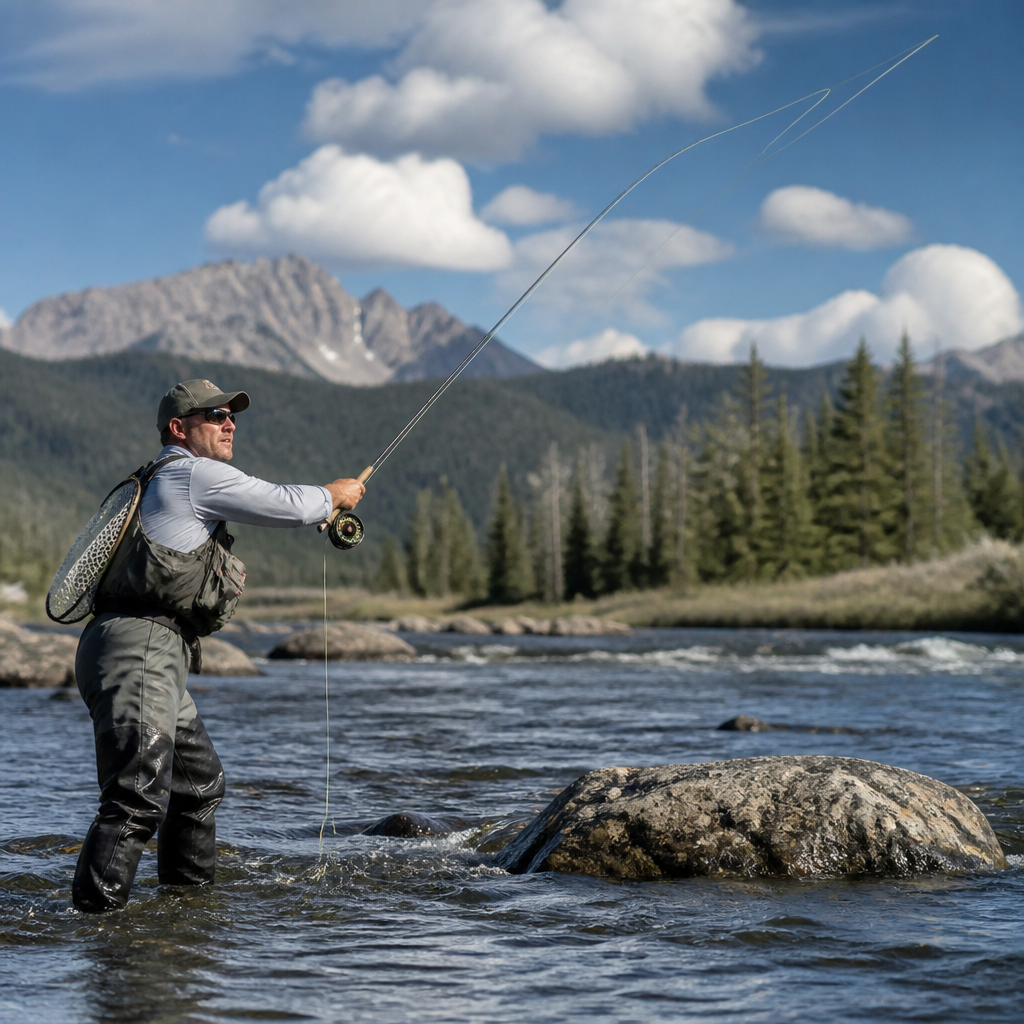
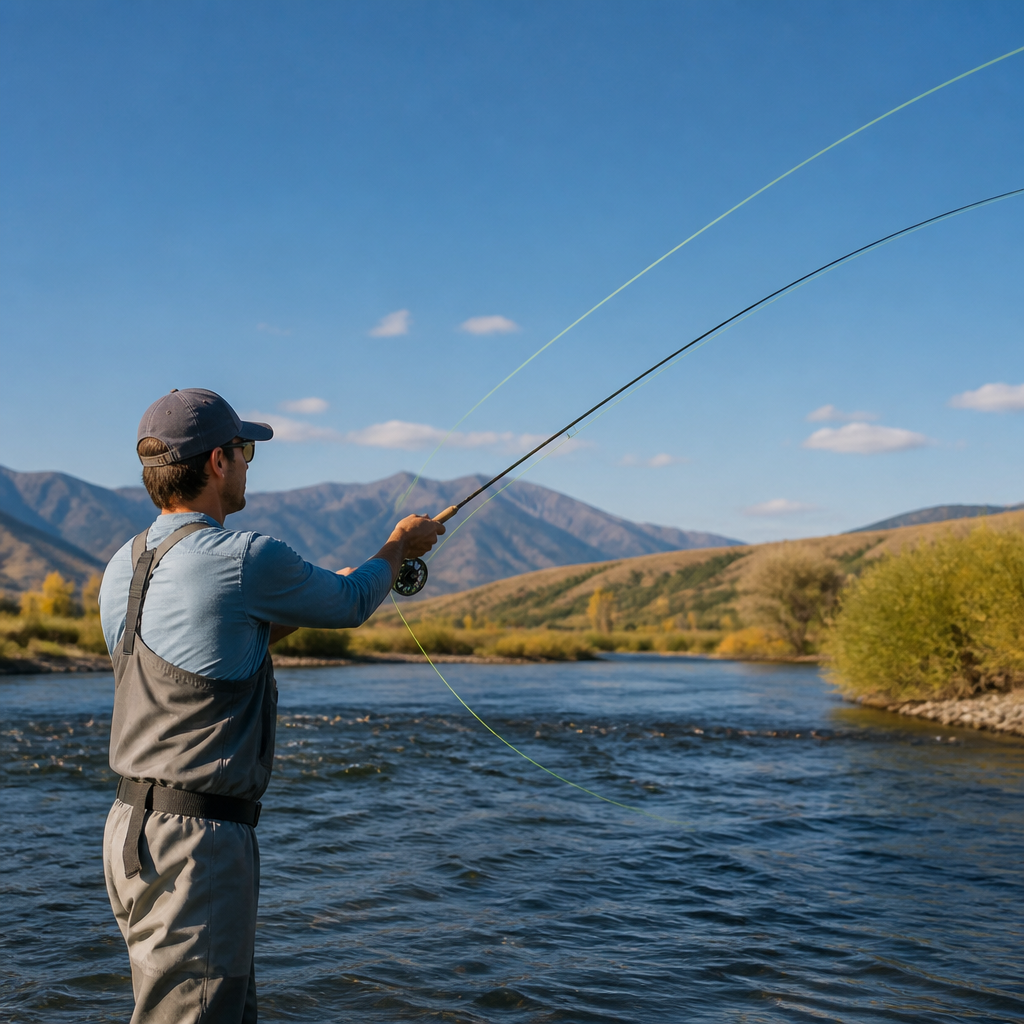
The best presentation for intruder flies is usually a controlled swing, but “swinging” is too broad a term to be useful without specifics. Start by casting at an angle that matches current speed and target depth. In broad walking-speed steelhead runs, a cast around 45 degrees downstream with an immediate upstream mend lets the sink tip settle before the fly comes under tension. Once the line tightens, the intruder should pulse across the holding lane, not rip unnaturally. In colder water, the productive moment often comes during the first third of the swing when the fly slows and drops. In warmer water, fish may chase and grab late as the fly rises.
Specialized intruder techniques also include the soft step, hang-down pause, and controlled strip. The soft step means taking shorter steps between swings so the fly covers each seam thoroughly. The hang-down pause matters when fishing for trout, salmon, or steelhead that follow but hesitate; many takes happen as the fly hovers below the rod tip. Controlled strips are useful with baitfish intruders in still pockets or when targeting bull trout and coho in softer side channels. The mistake I see most often is anglers making perfect casts but poor mends. If the line belly forms too early, the fly lifts above the fish. Good intruder fishing is line management more than hero casting.
Seasonal and species-specific adjustments
Intruder flies are not only winter steelhead tools. In summer steelhead conditions, smaller shanks, reduced flash, and lighter tips let you fish closer to the surface where traveling fish are willing to move. Early fall salmon often respond to brighter intruders with more flash because visibility and aggression are both higher. For coho, a brisker swing and occasional strip can outperform the slow classic steelhead presentation. Chinook in legal swing fisheries usually require larger tips, deeper slots, and strong hooks, but the same principles of profile and movement apply. For trout, especially on lakes or river edges, intruder-derived baitfish patterns become highly effective articulated streamers.
Season also affects color logic. In winter, dark flies create contrast and a stable visual target. In summer, low light can still favor black, but pink, orange, and natural combinations become more important as fish track the fly farther. During periods of leaf tannin or glacial green water, purple remains a consistent producer because it holds contrast surprisingly well. These are not rigid rules, and local prey matters. On some coastal systems, pink intruders fish like prawn imitations; on interior trout rivers, olive and white outperform bright tones because the forage base is sculpins and juveniles. Advanced anglers keep a narrow set of proven color families and vary size and density more often than color.
Common mistakes and the specialized path forward
The biggest mistake with intruder flies is assuming bigger automatically means better. Oversized patterns can cast poorly, foul, and push fish away in clear water. A second mistake is confusing sink rate with effective depth. If a heavy fly planes because of poor mending or a too-light tip, it still fishes high. Third, many anglers change flies too quickly when the real problem is angle or pace. I have watched fishers cycle through ten patterns in an hour when one extra upstream mend and a slower step would have solved the problem. Specialized technique means isolating variables: change one factor at a time, then observe the response.
As the hub for specialized techniques, this guide points toward the next skills to master: selecting sink tips by current speed and depth, tying composite loops that hold shape without bulk, choosing trailer hooks by species and regulations, and reading swing water from bucket to tailout. The main benefit of using intruder flies is control. You can show fish a large, alive-looking target while tailoring depth, pace, and profile with precision. Start with two sizes, three color families, and one confidence presentation, then refine based on conditions. Fish them deliberately, keep notes, and build your system around what the river confirms. That is how intruder flies become not just patterns, but a strategy.
Frequently Asked Questions
What is an intruder fly, and why is it so effective in swing fishing?
An intruder fly is a composite-style streamer designed to create a large, lively profile in the water without becoming overly heavy or difficult to cast. Most intruders are built on a short shank with a trailing hook connected by wire, braid, or loop material, then dressed with sparse but highly mobile fibers such as marabou, ostrich, rhea, schlappen, or synthetic flash. That construction is the key to their effectiveness. Instead of relying on bulk and weight, an intruder uses movement, silhouette, and water displacement to trigger fish.
In swing fishing, this matters because fish often respond to a fly that appears alive, vulnerable, and easy to intercept as it travels broadside through current. Intruders excel at this presentation. Their materials pulse and breathe even at slow speeds, and their profile stays visible in colored water, deeper runs, or turbulent seams. At the same time, the sparse dressing prevents the fly from becoming waterlogged and dead in the drift. This allows anglers to fish a pattern that looks substantial to steelhead, salmon, trout, char, pike, and even some saltwater predators, while still maintaining control of depth, swing speed, and casting efficiency.
Another reason intruders are so productive is that they separate profile from hook size. You can show fish a large target while using a relatively compact trailing hook, which often improves hookup efficiency and reduces leverage during the fight. In practical terms, that means you can fish a fly that appears aggressive and substantial without overbuilding it. For many modern swing anglers, that balance of motion, presence, and fishability is exactly what makes the intruder such a specialized and reliable tool.
When should I choose an intruder pattern instead of a traditional streamer or classic wet fly?
An intruder is usually the better choice when you want maximum movement and profile with minimal added weight. Traditional streamers can be excellent when stripping or actively retrieving, and classic wet flies remain highly effective in lower, clearer water or when fish prefer a subtler look. But when you are covering water on the swing and trying to draw a committed response from fish holding in current, intruders often provide a stronger visual and sensory signal.
They are especially useful in medium to high flows, stained water, cold conditions, or any situation where fish need help locating the fly. The larger silhouette stands out, while the materials continue to undulate during the swing, the hang-down, and even brief pauses in softer seams. This makes intruders a strong option when targeting aggressive fish that may move several feet to intercept something that appears alive and intrusive in their holding lane.
You should also consider an intruder when you want to fish deep with sink tips but do not want a heavily weighted pattern that collapses or snags excessively. Because the line system controls much of the depth, the fly itself can stay relatively light and animated. That combination is a major advantage over bulky flies tied with too much material or excessive lead. In low, clear conditions, however, downsized intruders or more restrained patterns may outperform brighter, fuller versions. The best choice always depends on water clarity, temperature, species behavior, and presentation angle, but intruders shine whenever movement and profile are more important than fly mass.
How do I fish an intruder fly effectively on the swing?
Fishing an intruder effectively starts with understanding that the line, leader, and angle usually matter as much as the fly itself. In most swing presentations, the objective is to cast across or slightly downstream, allow the fly to sink to the desired depth, and then let it travel under controlled tension through the holding water. Intruders are built to come alive during this phase. As current pressure builds, the materials expand, contract, and pulse, giving the fly a living presence without excessive manipulation from the angler.
A strong basic approach is to adjust your sink tip and casting angle so the fly reaches the fish’s level early in the swing rather than skating high above them. Mending upstream immediately after the cast can help the tip sink and slow the line enough to establish depth. Once the swing begins, avoid overworking the rod. Most intruders perform best when the current animates them naturally. In many cases, the most productive presentation is simply a steady, controlled swing followed by a brief hang-down directly below you, where fish often strike at the end of the drift.
Speed control is critical. If the fly moves too quickly, fish may inspect but not commit. If it drags too slowly in dead water, it can lose the broadside movement that makes the pattern effective. Good anglers manage this by changing casting angle, tip density, step length between casts, and mends rather than constantly changing flies. Cover water methodically, present the intruder from slightly different angles, and let the pattern show its profile across multiple current lanes. For steelhead and salmon especially, consistency and control usually outproduce constant stripping or twitching. The fly’s design is already doing the persuasive work; your job is to put it at the right depth, speed, and position.
What colors, sizes, and intruder patterns work best for different water conditions and species?
The best intruder colors and sizes depend on visibility, depth, fish mood, and the species you are targeting. In stained or higher water, larger intruders in black, blue, purple, pink, chartreuse, and combinations with flash tend to stand out well. Dark flies often create a stronger silhouette, especially under cloud cover or in glacial water, while brighter tones can help fish locate the fly in off-color conditions. In clear or low water, more restrained patterns in olive, brown, natural baitfish tones, muted pink, or lighter two-tone combinations often look less intrusive while still providing the movement that makes the style effective.
Size should be considered in terms of profile rather than length alone. A compact intruder can still look substantial if the stationed materials flare correctly. For steelhead and salmon, many anglers favor medium to large profiles in colder water, then scale down when flows drop or fish become selective. Trout and char often respond well to slimmer intruder-inspired patterns that suggest sculpins, leeches, juvenile fish, or flesh-related food sources depending on the watershed. Pike and saltwater predators may call for larger silhouettes, more flash, and durable synthetic materials that hold shape under repeated attacks.
Pattern selection is often less about finding one magic fly and more about matching contrast, movement, and sink behavior to the conditions. A black and blue intruder is a proven confidence pattern in many steelhead systems because it offers excellent contrast and a strong outline. Pink and orange variations can be deadly for salmon and char. White, olive, and baitfish-style intruders are effective for predatory trout and coastal species. The important principle is to choose patterns that remain sparse enough to move freely. Intruders are most convincing when they breathe in the current rather than becoming overdressed, stiff, or overly complicated.
What are the most common mistakes anglers make with intruder flies?
One of the biggest mistakes is fishing an intruder that is too bulky. The style is meant to be sparse and mobile, not packed with so much material that it stops breathing in the water. Many anglers assume a large-profile fly must be heavily dressed, but the opposite is often true. The most effective intruders create the illusion of mass through strategically placed stations and flowing fibers, not density. Overdressing the fly reduces movement, increases water retention, and makes casting more difficult.
Another frequent mistake is using the wrong line system and then blaming the fly. Intruders are highly dependent on presentation. If the fly is swinging above the fish, racing too fast, or never entering the proper lane, even an excellent pattern may go untouched. Choosing the right sink tip, leader length, and casting angle is essential. Many anglers also change flies too quickly when the real problem is depth or speed. A small adjustment in tip density or a better upstream mend can do more than switching through an entire box of patterns.
Anglers also sometimes use intruders in situations where a subtler offering would be more appropriate. In very clear, low water, an oversized or flashy pattern can look too aggressive, especially for pressured fish. Downsizing the profile, reducing flash, or using more natural color blends often solves that issue. Finally, some anglers strike too hard on the take. Because intruders are commonly fished on the swing with a trailing hook, a firm strip-set or simply letting the fish turn under tension is usually more effective than an abrupt trout-style lift. Avoiding these common errors helps anglers get the full benefit of what intruder flies are designed to do: present an enticing, animated profile at the right depth with maximum efficiency.