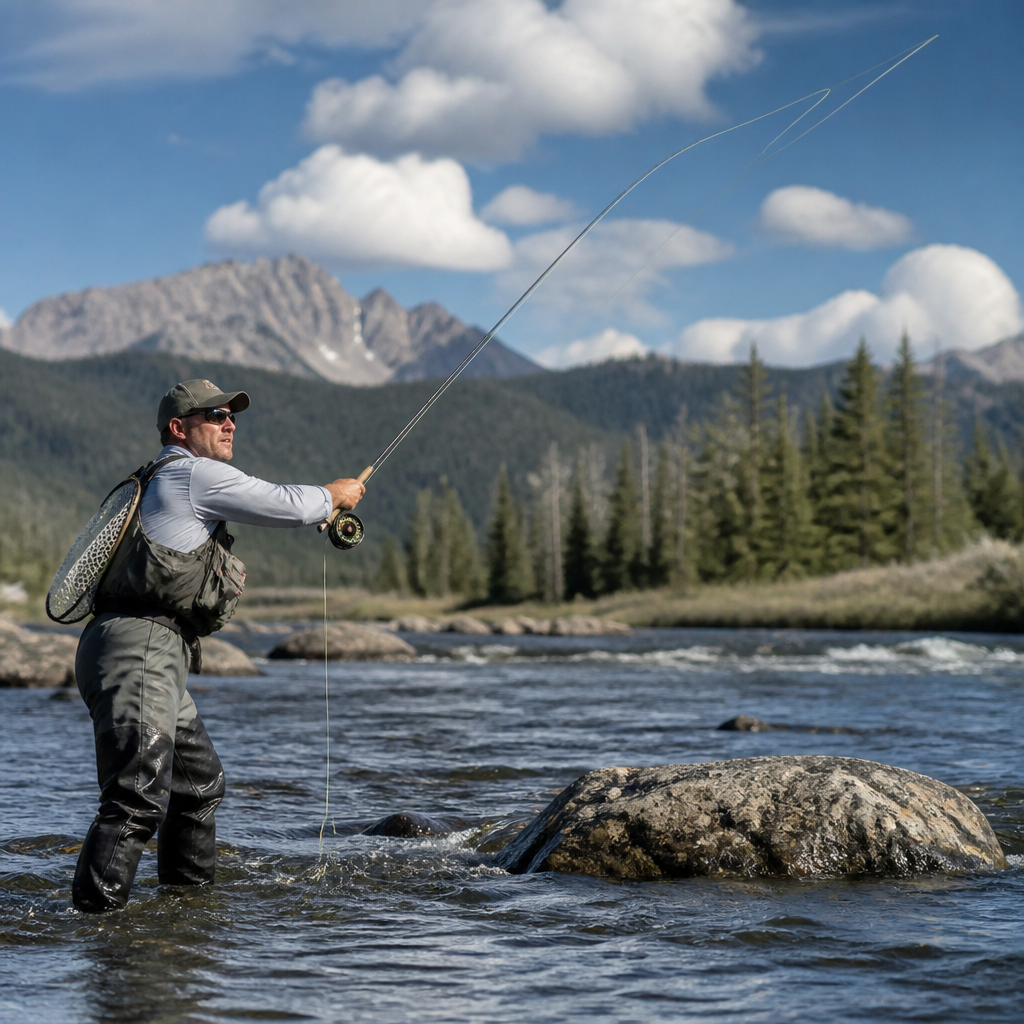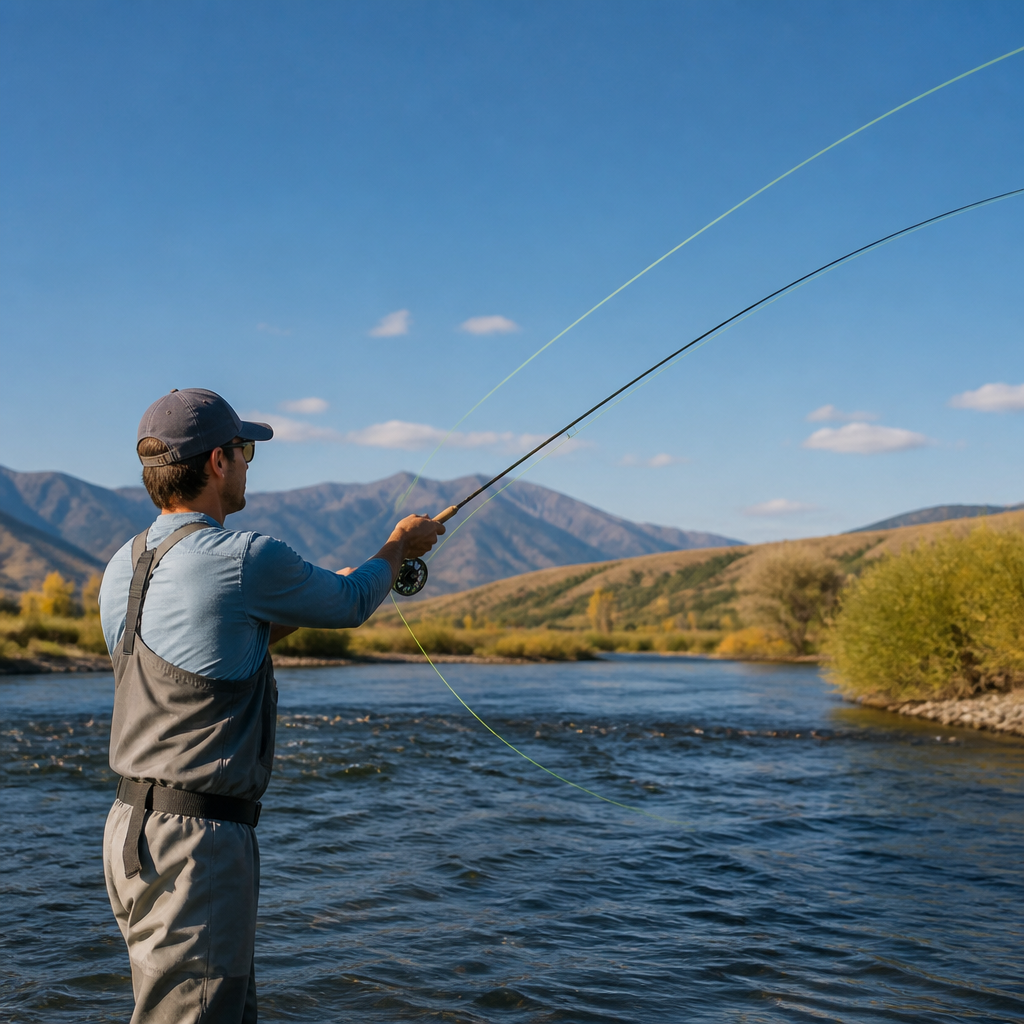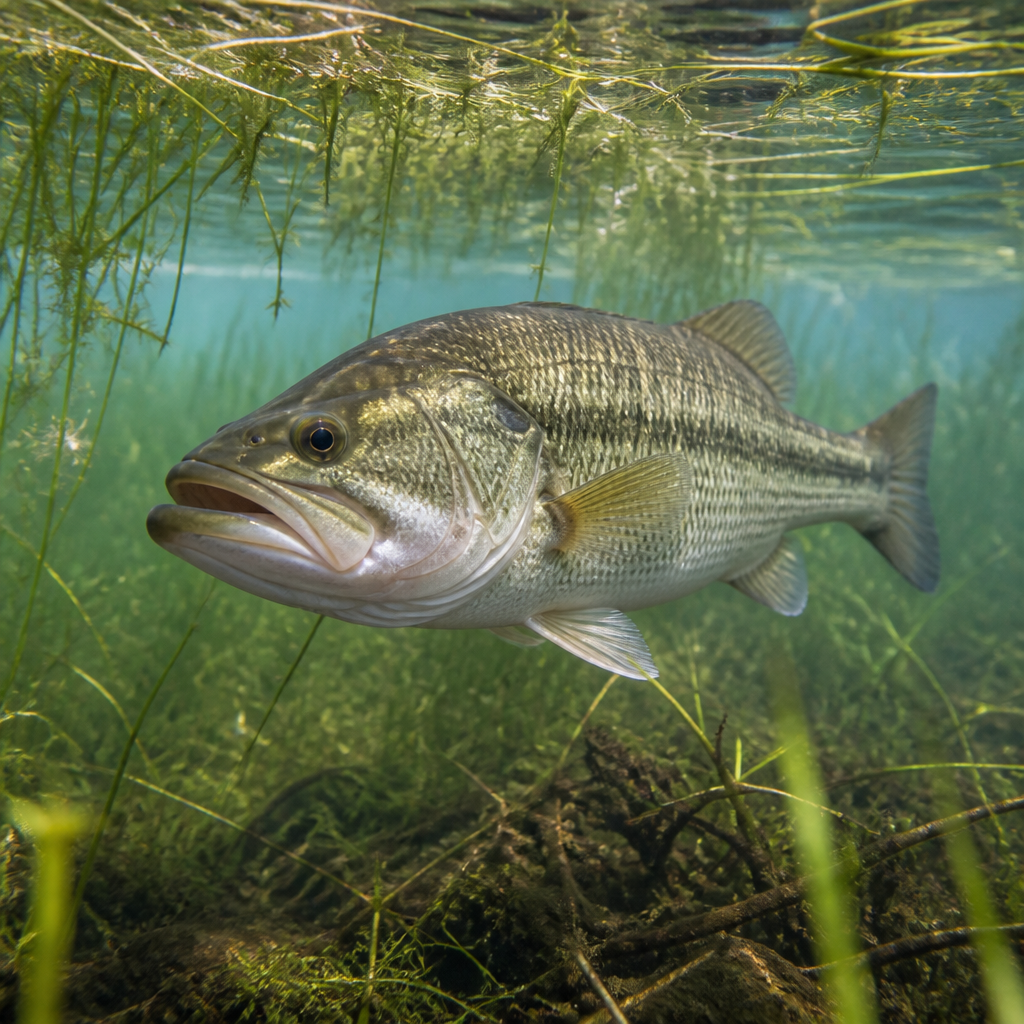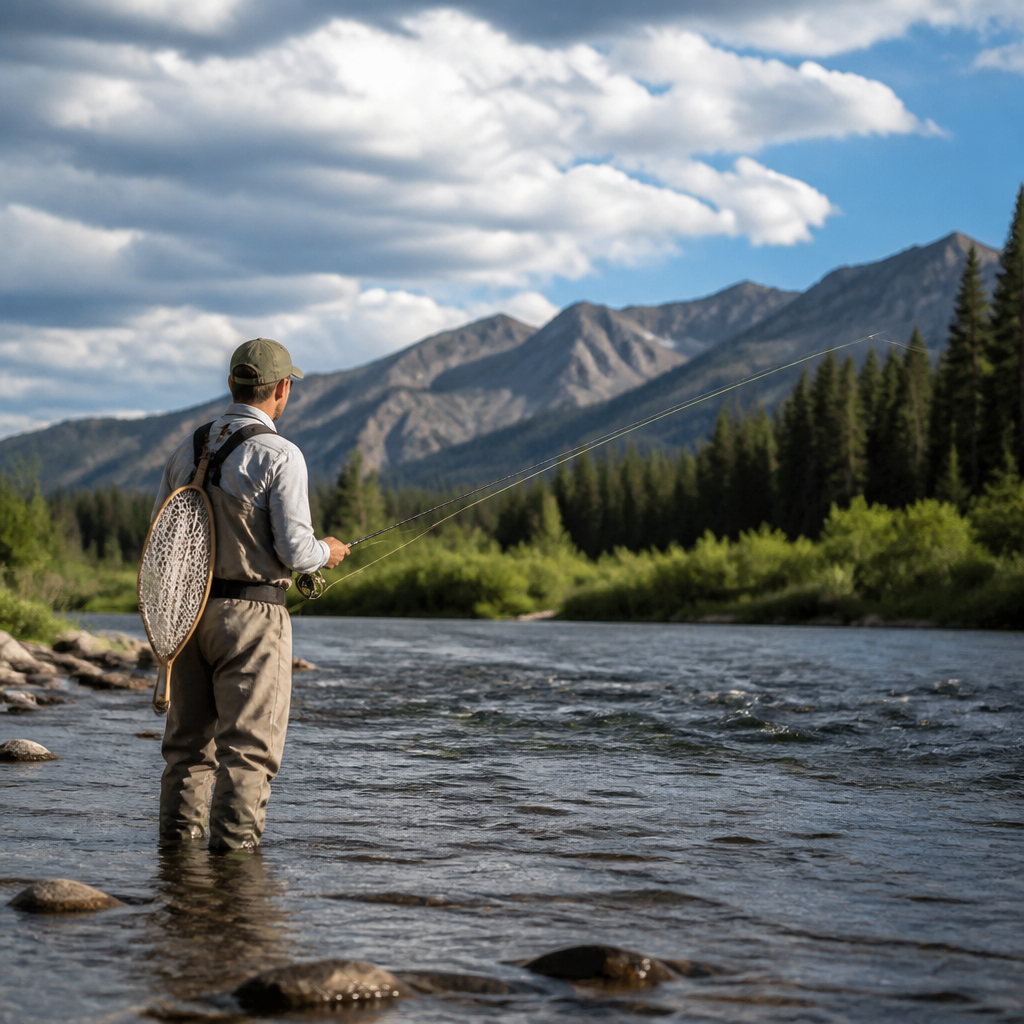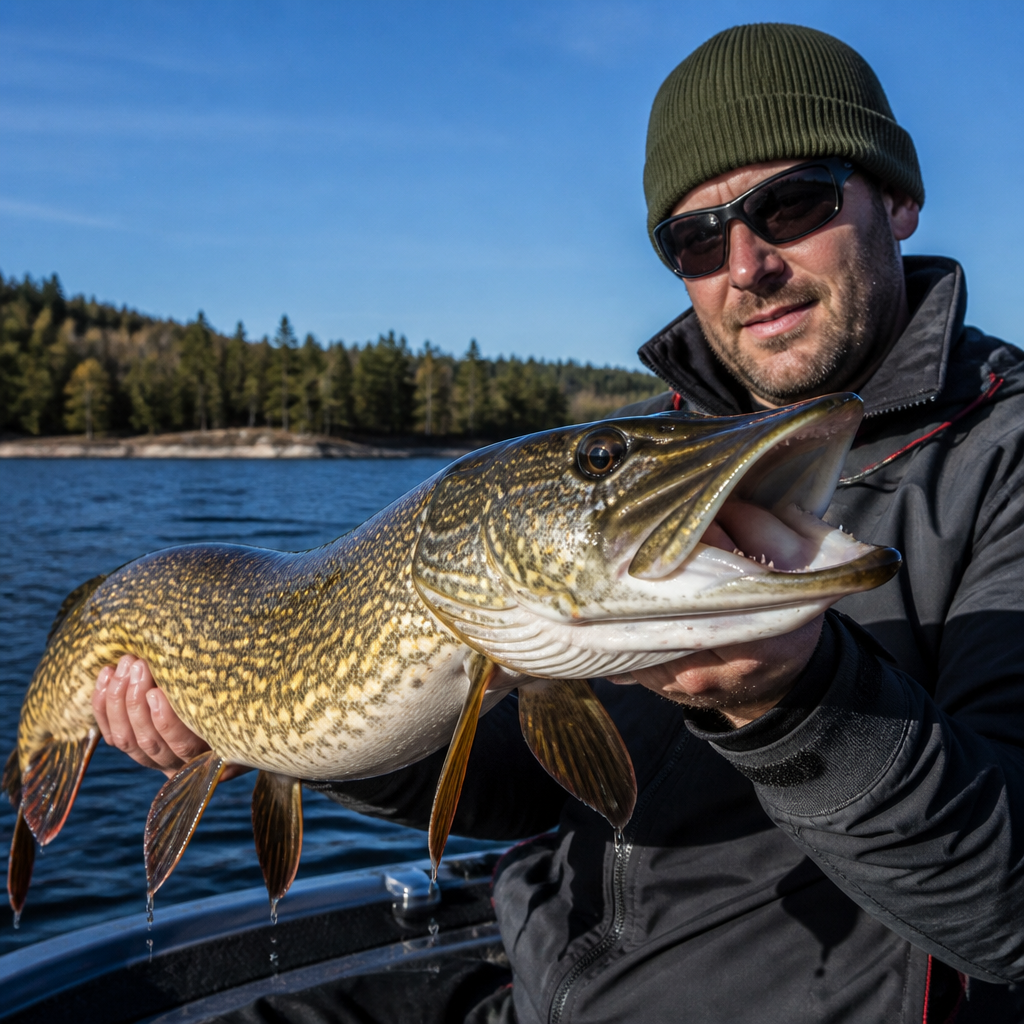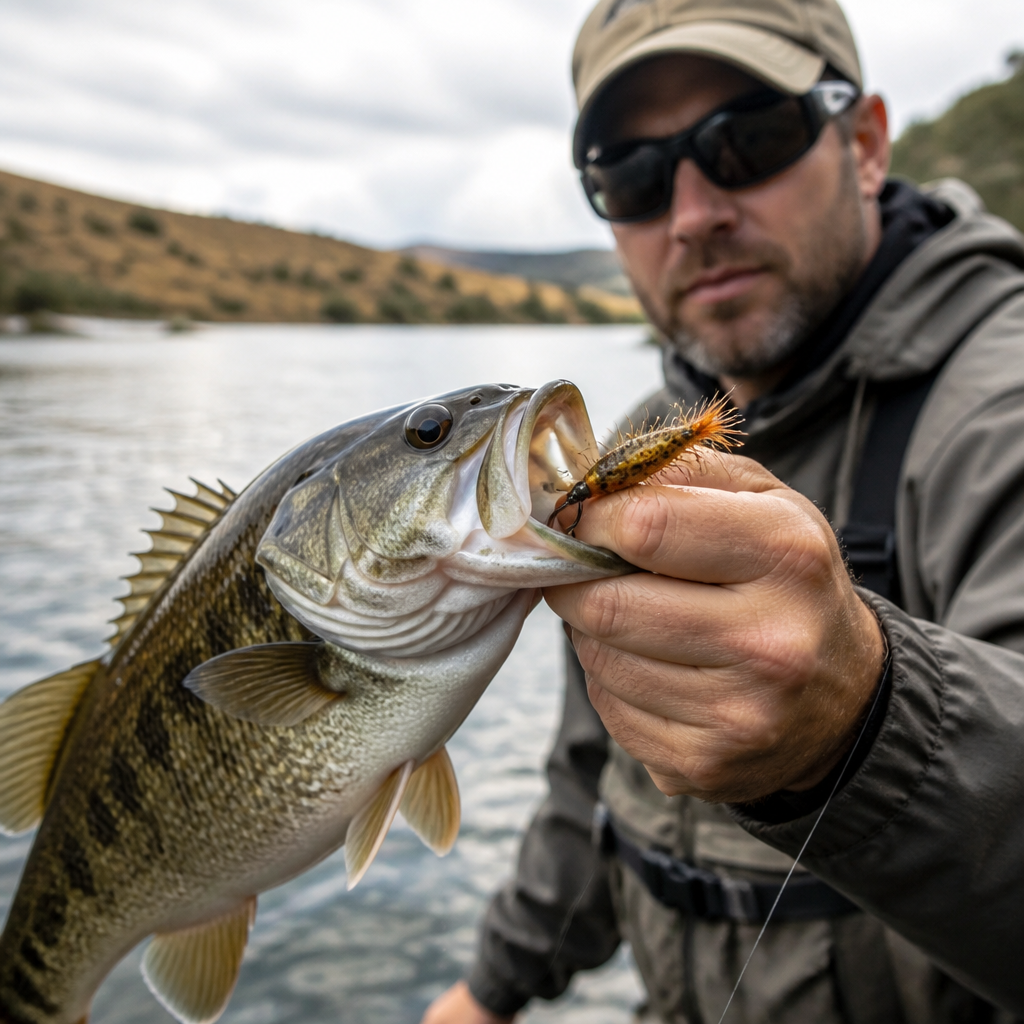
Sculpin patterns catch big fish because they imitate one of the most calorie-dense, vulnerable forage species in rivers, lakes, and tailwaters. When anglers talk about fishing with sculpin patterns, they mean using flies designed to copy bottom-dwelling baitfish with broad heads, mottled coloration, and short, darting movements. In practical terms, that usually includes weighted streamers tied with deer hair, wool heads, spun synthetic masks, coneheads, lead or tungsten eyes, and rabbit strips that pulse even at slow speeds. I rely on sculpin flies whenever trout, bass, char, and even aggressive panfish are feeding close to structure, especially in cold water when fish want a substantial meal without burning much energy.
The reason this technique matters is simple: large predatory fish do not live on midges alone. Bigger trout frequently shift toward protein-rich prey such as sculpins, dace, juvenile trout, crayfish, and leeches because one successful attack yields far more energy than sipping dozens of tiny insects. Sculpins are especially important because they spend much of their lives near rocks, ledges, undercut banks, woody cover, and gravel seams, which places them directly in the strike zone of ambush predators. A well-presented sculpin pattern does more than match size and color. It enters the water column at the right depth, bumps along the bottom without constant snagging, then makes short escapes that trigger the predatory reflex.
As a specialized technique, sculpin fishing sits at the intersection of streamer tactics, baitfish imitation, and structure-oriented presentation. It is not just “strip a big fly and hope.” Success depends on reading current speed, sink rate, forage density, seasonal fish position, and the angle of attack. The best anglers control depth before they think about action, because a perfect strip means nothing if the fly rides two feet above bottom where real sculpins rarely travel. It also helps to understand the limitations. Sculpin patterns are not always the highest-percentage option during dense hatches, ultra-clear low water, or when fish are keyed tightly on tiny forage. Still, when you need a hub strategy for targeting larger fish with intent, sculpin patterns belong near the top of the list.
What sculpin patterns imitate and when they work best
Sculpins are small bottom-oriented fish found across many coldwater and coolwater systems. They lack swim bladders, so they do not hover like suspended baitfish. Instead, they perch on substrate, scoot a short distance, then settle again. That behavior should shape every presentation choice you make. Good sculpin flies typically feature wide profiles, barred olive, brown, black, tan, or cream tones, and enough weight to fish low. Patterns such as the Near Nuff Sculpin, Zoo Cougar, Whitlock’s NearNuff, Muddler Minnow variants, Sex Dungeon, and conehead or jig-style sculpin streamers all fit the category if they maintain a broad-headed silhouette and near-bottom posture.
They work best when fish are opportunistic and structure-oriented. In my own fishing, the strongest windows are early spring before major insect activity peaks, summer at first and last light near undercut banks, fall when browns get territorial and predatory, and winter on tailwaters where trout conserve energy but still attack a substantial meal. High or slightly stained water is often ideal because larger predators feel secure moving shallow and ambushing prey. On freestone rivers, sculpin patterns shine around boulders, pocket water, drop-offs, and soft edges beside strong current. On lakes and reservoirs, they excel along rocky shorelines, dam faces, riprap, shoals, and points where baitfish and crayfish collect.
The direct answer to the common question “when should I choose a sculpin over another streamer” is this: choose a sculpin when forage is bottom-oriented, when fish are holding tight to cover, when you need a compact but substantial meal profile, and when short darting movement outperforms long swimming retrieves. If fish are chasing pelagic bait in open water, a slender minnow pattern may be better. If they are eating crayfish, a clawed profile hopped slower can outperform a sculpin. But when trout are sitting near rocks and waiting for something edible to make a mistake, a sculpin imitation is one of the most reliable answers.
Essential tackle, fly design, and rigging choices
The standard setup for fishing sculpin patterns is heavier than a dry-fly outfit because these flies are wind-resistant, weighted, and often fished around abrasive cover. For trout, I prefer a fast-action 6-weight for moderate streamers and a 7-weight for large articulated flies, heavy sink tips, and big rivers. In small mountain streams, a short 5-weight can work if the patterns are compact. Floating lines with aggressive sink-tip systems are the most versatile because they mend well and let you control the first few seconds of the drift. Integrated sink-tip lines, interchangeable-tip systems, and compact shooting heads all have a place. Full sinking lines are excellent in lakes or deep slow runs, but they are less forgiving in broken current where line control matters.
Leader construction should be short and purposeful. Most sculpin leaders range from 3 to 6 feet depending on line density and water clarity. Fluorocarbon in 0X to 3X is common because it resists abrasion and helps turn over weighted patterns. Long tapered trout leaders usually create more problems than advantages with this style. Fly design also matters. Broad heads push water and create a feeding target fish can locate by lateral line. Rabbit strips breathe at dead-slow speed. Articulated tails increase motion but can foul if the pattern is not balanced well. Jig hooks paired with slotted tungsten beads or dumbbell eyes ride point up and reduce snagging, which is valuable when intentionally ticking bottom.
| Condition | Best Line/Rig | Typical Fly Style | Why It Works |
|---|---|---|---|
| Shallow pocket water | Floating line with short sink tip | Compact weighted jig sculpin | Maintains control while reaching bottom quickly |
| Deep runs and ledges | Integrated sink tip or shooting head | Articulated sculpin with tungsten eyes | Gets the fly into the strike zone before the swing |
| Clear low water | Floating line with longer fluorocarbon leader | Sparser olive or tan sculpin | Reduces splash and looks less intrusive |
| Lakes and reservoirs | Full sinking line | Rabbit-strip or conehead sculpin | Tracks along rocky bottoms consistently |
Rigging details separate average results from consistent ones. If the fly continually snags, most anglers assume the pattern is too heavy, but just as often the cast angle is wrong. A quartering downstream presentation with immediate slack control allows the fly to sink, touch bottom, and swim naturally rather than plow headfirst into rocks. Knots matter too. A non-slip loop knot gives broad-headed flies more freedom to kick and stall than a tight clinch knot. For added trigger, some anglers tie in a short mono loop weed guard, but I use that sparingly because it can reduce hook penetration on thick-jawed fish.
Presentation mechanics: depth, drift, strip, and swing
The most important principle in sculpin fishing is that depth comes first. Real sculpins hug bottom, so your fly should spend most of its effective time within inches of the substrate, occasionally contacting it. That does not mean dredging nonstop. It means achieving controlled proximity. Start by casting slightly upstream or across, mend immediately to give the fly sink time, then stay connected as it settles. Once the line tightens, use short strips of two to six inches with deliberate pauses. The pause is where many strikes happen. A sculpin bursts, stalls, and drops; predators read that as vulnerability.
In current, think in three phases. First is the sink phase, when the fly drops beside a seam, boulder, or ledge. Second is the active phase, when you animate it with strips, rod-tip pulses, or small lifts. Third is the hang or swing phase, when the current tightens the line and the fly rises slightly at the end. Many fish eat during that upward change because it resembles a fleeing baitfish. Keep the rod low and pointed near the fly path so you can strip-set hard. Trout often nip from the side before fully taking the fly, and a trout-set with the rod tip can pull the pattern away.
Retrieval speed should match water temperature, fish mood, and prey behavior. In cold water, slower is usually better: crawl the fly, let it rest, then make a brief dart. In warmer flows or when fish are actively chasing, speed up enough to force a reaction. One mistake I see often is anglers using only one retrieve all day. Rotate through dead-drift with twitches, short strips, strip-strip-pause, and a jigging lift-drop near structure. On lakes, count the line down to a known depth and retrieve just fast enough to keep occasional bottom contact. If you never touch bottom, you are probably too high. If every cast snags instantly, shorten the sink time or change your angle.
Reading water, seasonal adjustments, and fish behavior
Sculpin patterns produce best when they are delivered where predators expect to see bottom prey. Prime zones include the downstream cushions of boulders, tongues entering deep pools, shelves along cutbanks, submerged timber edges, and transition lanes where fast water meets soft holding water. Large trout often hold beside structure rather than inside the heaviest current, then slide a short distance to intercept prey. I target the first foot inside softer water next to current, not the center of the seam. That subtle difference often turns a follower into an eater because the fly looks trapped and easier to catch.
Seasonal behavior refines location. In spring, fish feed heavily after winter and often station near moderate flows adjacent to spawning gravel, scoured banks, and warming edges. In summer, early morning, late evening, and overcast periods can push larger fish shallow. Midday bright sun tends to reposition them under cover, deep ledges, or logjams. In fall, territorial browns may strike less from hunger than aggression, so larger darker sculpins fished close to lies can be deadly. In winter, target slower deep buckets, tailouts with structure, and tailwater shelves where trout can hold with minimal effort and ambush a slow-moving meal.
Water clarity changes color and vibration choices. In clear water, natural olive, tan, and barred brown profiles with sparse flash generally look best. In stained flows, black creates a strong silhouette, and heavier heads help fish find the fly lower in the column. Do not ignore fish behavior after follows. If a trout tracks the fly but refuses at boatside or at the bank, mark the lie mentally and return with a different angle, a pause-heavy retrieve, or a smaller pattern. Predators reveal their position first; you can solve the rest on the next pass.
Common mistakes, specialized scenarios, and how to build a system
The biggest mistake in fishing sculpin patterns is fishing them like generic streamers in mid-column. The second is using too long a leader, which delays sink and weakens control. The third is moving the fly constantly. Sculpins spend much of their time still, so rests are not dead time; they are part of the imitation. Another common error is choosing oversized flies in small systems where the resident forage is only two inches long. Match the local profile by turning over rocks, watching the shallows, or checking fisheries surveys when available from state agencies. A compact fly that behaves correctly usually outperforms a giant fly with the wrong posture.
Specialized scenarios reward small adjustments. On heavily pressured trout water, fish a sculpin on a tight-line approach with a short upstream lob and minimal stripping, almost like contact nymphing with a streamer. In wood-rich banks, skip or underhand cast parallel to cover and let the fly drop vertically before nudging it out. From a drift boat, cast to the bank earlier than you think, because the best sink window happens before the boat drifts past the lie. In tailwaters with stable flows, keep notes on productive shelves and ledges; big trout often repeat on the same structural sweet spots for weeks.
To build a reliable system, carry three sizes, three sink options, and three colors: natural olive, dark brown or black, and a lighter tan or white-bellied variant. Pair them with a floating line and sink tips, plus one deeper line for lakes or winter runs. Track results by water temperature, light level, depth, and retrieve style. Over time, patterns emerge quickly. You will learn whether your home river favors compact jig sculpins ticked through pocket water, or larger articulated flies swung across ledges at dusk. Start with depth, refine angle, then vary action. That sequence consistently turns sculpin patterns from occasional confidence flies into a complete specialized strategy. If you want larger fish and more deliberate streamer success, dedicate a few outings to nothing else and learn what the bottom is telling you.
Frequently Asked Questions
Why are sculpin patterns so effective for catching larger trout and other predatory fish?
Sculpin patterns are effective because they imitate one of the richest food sources available to predatory fish. A sculpin is a compact, protein-dense baitfish that lives close to the bottom, which makes it an easy and rewarding target for trout, bass, char, and other aggressive species. Unlike tiny aquatic insects that require fish to feed constantly to meet their energy needs, one well-sized sculpin can provide a substantial meal. That is exactly why bigger fish often key in on them, especially when they want to conserve energy while still feeding efficiently.
Another major reason these flies work is their profile and behavior. Good sculpin patterns are built with broad heads, mottled colors, and weighted components that keep them near the riverbed or lake bottom, where real sculpins spend most of their time. When stripped properly, they move in short, erratic bursts and then pause, closely matching the dart-and-settle motion of an actual sculpin. That combination of appearance, depth, and movement triggers instinctive predatory responses. In many fisheries, especially tailwaters, freestone rivers, and lakes with rocky structure, sculpins are common enough that fish recognize them immediately and attack without hesitation.
When is the best time to fish sculpin patterns?
Sculpin patterns can produce all year, but they are especially effective during periods when fish are looking for larger meals and are less interested in tiny, selective feeding. That often means early spring, late fall, winter, and any time water temperatures push fish toward opportunistic feeding. In colder water, trout in particular may not want to move far for small prey, but they will often chase or ambush a well-presented sculpin because the caloric payoff is worth the effort. During pre-spawn and post-spawn periods, larger predatory fish can also become especially aggressive toward baitfish imitations.
Time of day matters too. Early morning, late evening, and low-light conditions are excellent windows because sculpins naturally live tight to cover and move along the bottom, where predators feel comfortable hunting in reduced light. Cloud cover, slightly stained water, and rising flows can all improve the bite because they make fish bolder and less wary. That said, bright midday conditions should not be ignored, especially in deep runs, undercut banks, ledges, and shaded structure. The key is to think less about hatch timing and more about ambush conditions. Anywhere larger fish can pin bait against rocks, shelves, drop-offs, or current seams is a strong place to fish a sculpin pattern.
How should I present and retrieve a sculpin fly for the most realistic action?
The most effective retrieve usually keeps the fly near the bottom and makes it behave like a startled bottom-dweller. Sculpins do not swim long, graceful distances through the water column. They hug the substrate, scoot in short bursts, and stop frequently. To imitate that, cast slightly upstream, across-current, or quartering downstream depending on the water type, allow the fly to sink, and then use short strips or rod-tip pulls to create a darting motion. Pause often. Many strikes come as the fly drops, stalls, or swings just above the rocks after a quick movement.
In rivers, depth control is critical. If your fly is not occasionally ticking bottom or passing very close to it, you are probably fishing too high. Weighted eyes, coneheads, sinking tips, or full sinking lines can all help maintain contact with the strike zone. In lakes, fish the pattern around drop-offs, weed edges, rock piles, and shoals with a slow strip-pause-strip cadence. Keep in mind that realism often comes more from restraint than speed. Anglers frequently overwork streamers, but sculpin patterns tend to look best when they make compact, nervous movements followed by a dead stop. If fish are following but not committing, change the cadence before changing the fly. A longer pause, sharper strip, or slightly slower retrieve is often enough to convert interest into a strike.
What tackle and rigging setup works best for fishing sculpin patterns?
Your setup should match the size of the fly, the depth you need to reach, and the size of the fish you expect to encounter. Because sculpin flies are often bulky, weighted, and wind-resistant, many anglers prefer a 5- to 7-weight rod for trout and a 7- or 8-weight for larger rivers, heavy current, or mixed-species fishing. A rod with enough backbone helps turn over deer hair heads, rabbit strip streamers, coneheads, and dumbbell-eye patterns while still giving you control during the retrieve and the fight.
Line choice is equally important. Floating lines can work in shallow water with heavily weighted flies, but sink-tip and full-sinking lines are often better because they keep the fly in the lower part of the water column where sculpins live. In pocket water and runs, a sink-tip line helps the fly get down quickly while maintaining good control. In deeper pools or lakes, a full-sinking line can be the difference between fishing the right zone and spending the day over fish. Leaders are usually shorter and sturdier than those used for dry flies or nymphs. A simple 4- to 7-foot leader tapered to 0X, 1X, 2X, or even 3X depending on fly size and fish species is common. Strong tippet matters because streamer eats are often violent, fish are frequently large, and these patterns are usually fished around rocks, wood, and other structure where abrasion is a real concern.
What are the biggest mistakes anglers make when fishing sculpin patterns?
The most common mistake is fishing too fast and too high in the water. Since sculpins are bottom-oriented forage, a fly that races through mid-column rarely looks convincing. Many anglers make a few quick strips, see no response, and assume the fish are not interested, when in reality the fly never entered the zone where larger predators expected to find it. Slowing down, adding more sink time, switching to a heavier pattern, or using a sinking line often produces immediate improvement.
Another frequent mistake is overlooking structure and target water. Sculpin patterns are not random searching flies; they are most effective when presented around places where real sculpins live and where predators ambush them. Focus on boulders, ledges, undercut banks, woody cover, tailouts, deep seams, and transitions between fast and slow current. Also, anglers sometimes abandon the fly too quickly if they do not get instant results. Streamer fishing often rewards persistence, angle changes, and repeated casts to high-percentage water. Finally, do not ignore the importance of pattern selection. Broad-headed, mottled flies with olive, brown, black, tan, and barred tones generally perform best because they suggest natural sculpin coloration. Matching profile, depth, and movement is usually more important than matching an exact shade, but all three elements work together. When those details line up, sculpin patterns become one of the most reliable tools for drawing out the largest fish in the system.