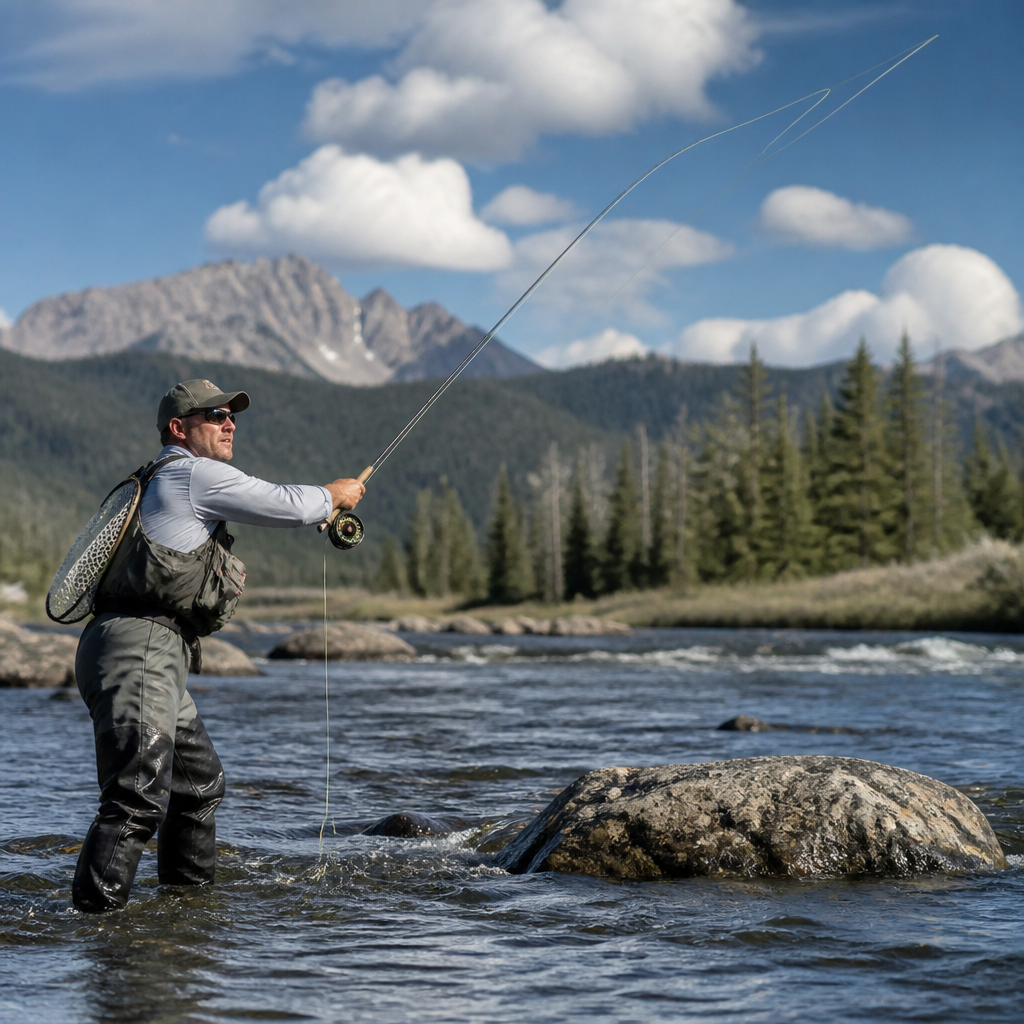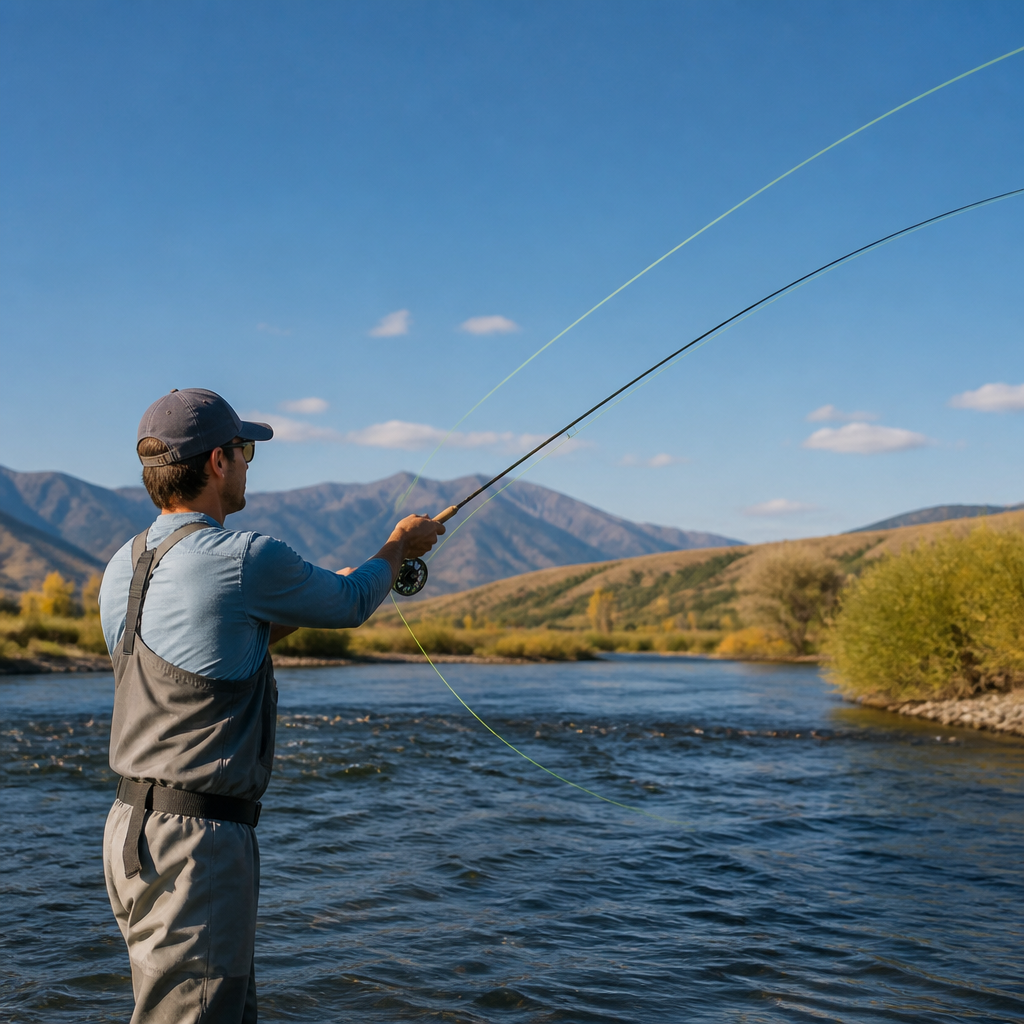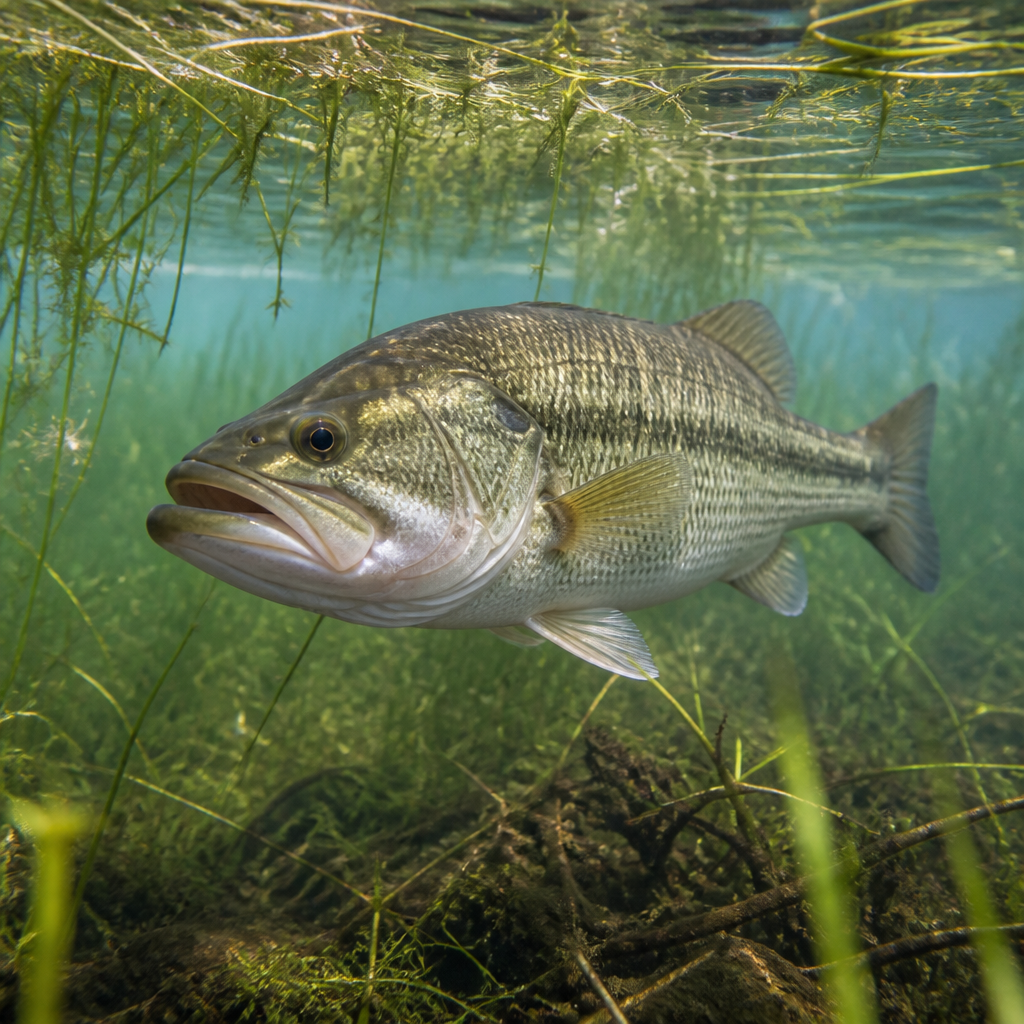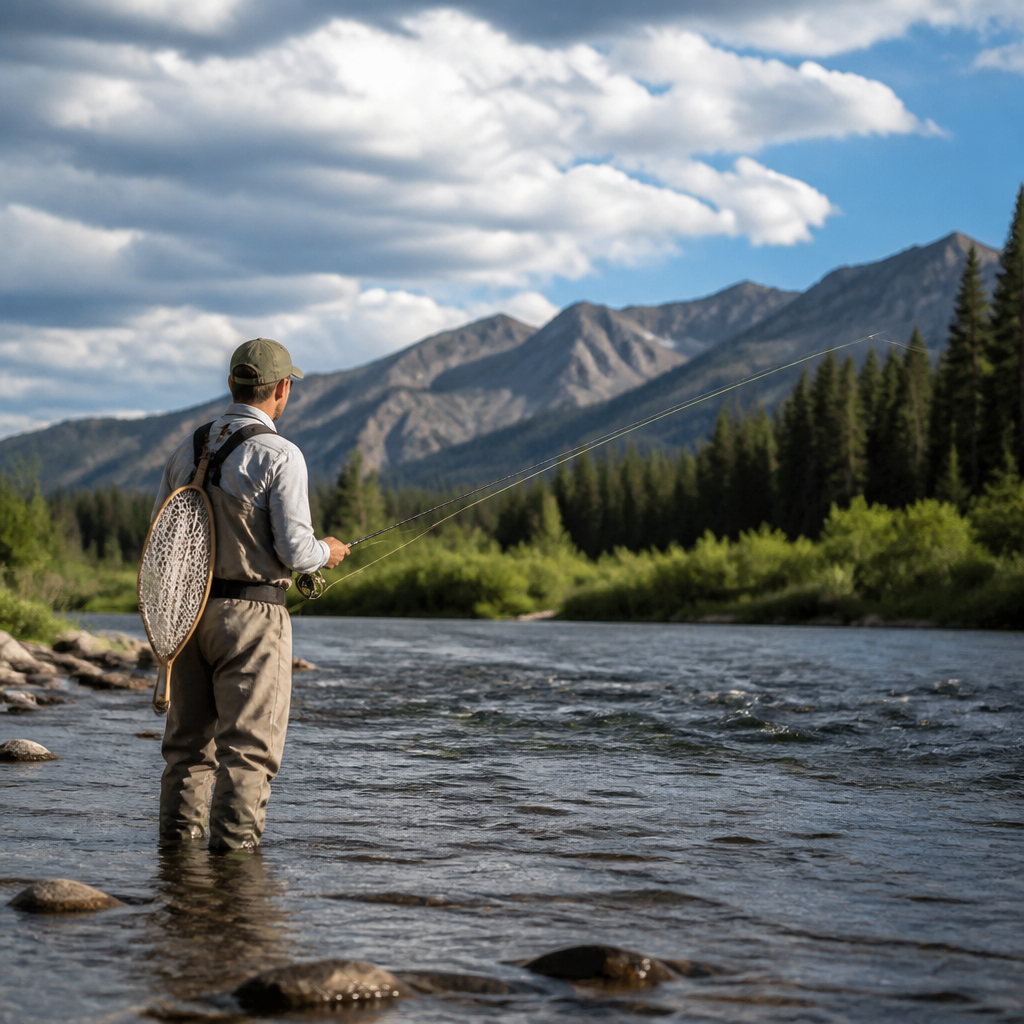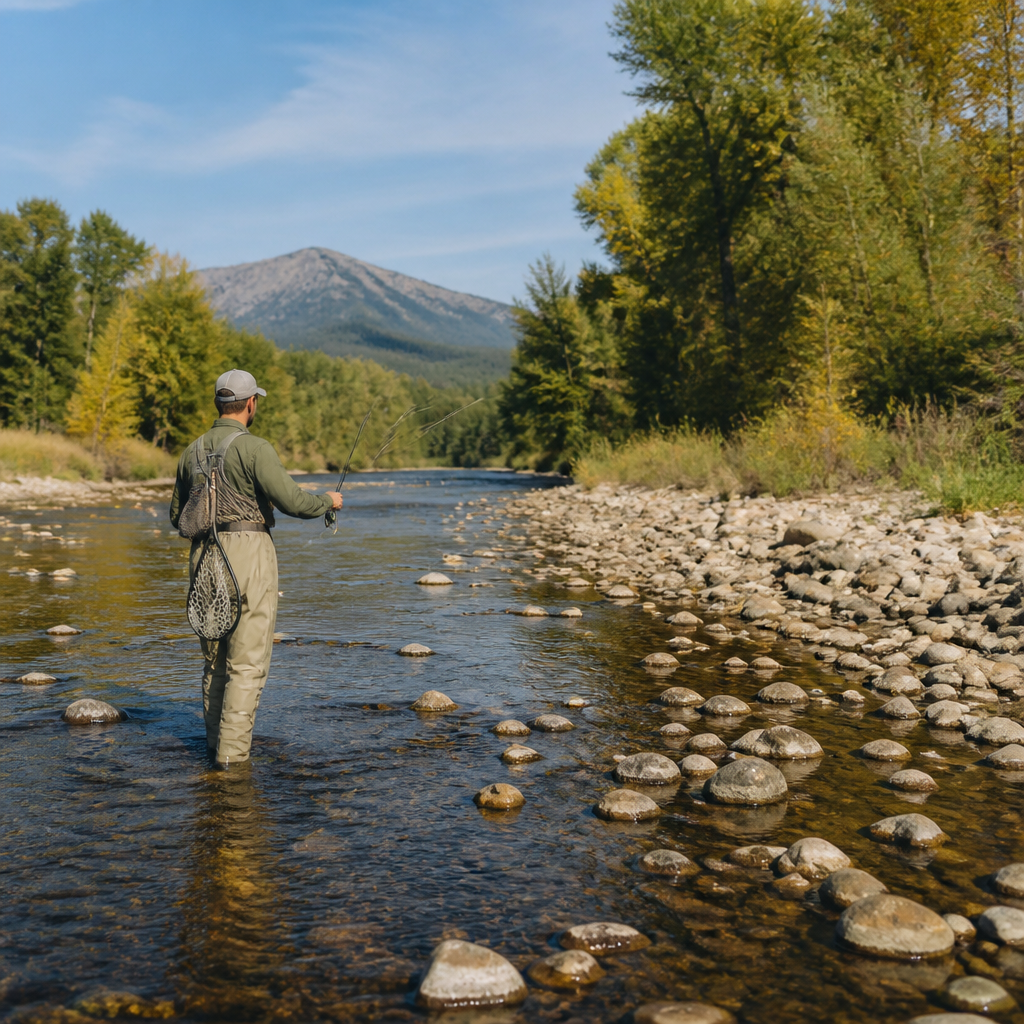
Fly fishing in low water demands sharper observation, lighter presentations, and a more disciplined approach than most anglers expect. Low water means reduced streamflow, diminished lake levels, or seasonal conditions where fish hold in thinner, clearer, slower current with less cover and less oxygen buffering. In practical terms, every mistake becomes easier for trout, bass, panfish, or grayling to detect. I have found that anglers who fish well during runoff often struggle when flows drop because the river looks familiar while the fish behave completely differently. The current lanes shrink, feeding windows narrow, and wading routes that felt safe in spring can put you directly over the fish in late summer.
This matters because low water is not a fringe condition. In many trout regions it defines midsummer and early fall, and tailwaters, spring creeks, meadow streams, warmwater rivers, ponds, and stillwaters all experience some form of it. Understanding fly fishing in low water is therefore central to mastering water types and conditions as a whole. The core question is simple: how do you find willing fish when they are concentrated, cautious, and exposed? The answer combines reading microstructure, adjusting tackle, controlling profile and drag, and knowing when not to fish. Low water can produce excellent catch rates and larger fish, but only when stealth, timing, and fish care guide every decision.
Three principles shape success. First, fish become more habitat-specific, so small features matter: undercut banks, bubble lines, depth transitions, shaded seams, weed edges, spring inflows, plunge pools, and oxygenated riffles all gain importance. Second, presentation becomes more important than pattern volume. A size 18 parachute with slack-free drift or a sparse baitfish streamer moved across shade often outperforms a box full of random flies. Third, ethics become inseparable from strategy. In warm, low flows, water temperature and dissolved oxygen can stress fish beyond recovery. Good low-water anglers know how to catch fish, but great ones also know when to stop.
How low water changes fish behavior across water types
Low water compresses habitat and simplifies current structure, but fish responses vary by water type. In freestone rivers, reduced discharge shrinks pocket water, softens riffles, and leaves trout concentrated in the deepest runs, head-and-tail transitions, and shaded banks. The fish often feed selectively because they have more time to inspect food drifting through slower current. On spring creeks, where flows remain relatively stable, low water usually means exceptional clarity and weed growth, making approach angle, leader length, and drag control critical. In tailwaters, dam releases can create artificial low-flow periods that expose gravel bars and side channels while concentrating fish below oxygen-rich shoals and near structure that breaks current without removing access to food.
Stillwaters behave differently. Low lake levels can pull fish off flooded shorelines and reposition them along drop-offs, creek channels, weed edges, and springs. In ponds, panfish and bass may push tight to the remaining shade, docks, timber, and deeper basins during bright periods, then slide shallow at dawn and dusk. Warmwater rivers can become especially technical because smallmouth often hold in the deepest available slots near current, boulders, and ledges, conserving energy until low light improves feeding security. Across all these environments, lower water generally increases visibility for both fish and angler. You can see more structure, but fish can see more of you.
The biggest mistake is assuming fish simply “go deep.” They go to the most efficient combination of depth, cover, temperature, oxygen, and food. On a low summer trout stream, that might be a thigh-deep undercut bank shaded by alders. On a tailwater at minimum flow, it could be knee-deep riffle water with heavy oxygen and consistent midge drift. On a low reservoir bank, it may be a ten-foot weed line next to a spring seep. The lesson is to think in terms of limiting factors, not depth alone.
Reading low-water holding lies and travel lanes
In low water, obvious structure often matters less than subtle structure because the river has fewer places where fish can hide and feed at once. I start by identifying three categories of lies: primary holding water, feeding lanes, and refuge water. Primary holding water includes undercut banks, depth slots, plunge pools, root wads, boulder shadows, and cutbanks with overhead cover. Feeding lanes are the narrow current tongues, foam lines, and conveyor belts that deliver insects or bait. Refuge water is where fish retreat when light intensifies or angling pressure rises, such as deep slots under broken surface texture, logjams, bridge shadows, and groundwater-influenced pockets.
On low freestones, the best lies are often at the head of a pool where oxygen remains high, or at the tail where drifting insects funnel before entering the next riffle. On meadow streams, slight depressions along a grassy bank can hold surprising numbers of trout because the bank shade and undercut edge provide security. On stillwaters, the equivalent is the edge: weed edge, shade edge, depth edge, or inflow edge. Fish patrol these boundaries because they combine ambush cover with predictable food movement. If you can map edges mentally, you can fish low water systematically rather than casting at random.
| Water type | Best low-water holding areas | Common feeding window | High-risk mistake |
|---|---|---|---|
| Freestone stream | Undercut banks, pool heads, shaded slots | Early morning, evening, midday terrestrials | Wading into the run before casting |
| Spring creek | Weed lanes, soft seams, bank cover | Hatches with stable light or cloud cover | Using short leaders in clear flats |
| Tailwater | Oxygenated riffles, drop-offs, gravel transitions | Midge and baetis periods, release changes | Ignoring flow schedule and temperature |
| Stillwater | Weed edges, drop-offs, springs, channels | Dawn, dusk, wind lanes | Fishing barren shallow banks at noon |
| Warmwater river | Deep ledges, boulder slots, current breaks | Low light, before storms, bait pushes | Retrieving too fast in warm water |
Travel lanes become especially important when fish leave cover to feed. Watch for repeat movement rather than isolated rises. In low water, trout may rise in a six-inch-wide lane every thirty seconds, and smallmouth may cruise the same rock seam on each pass. Once you identify that lane, your cast should intercept it with minimal false casting. The more air time your line has over clear, thin water, the lower your odds.
Stealth, approach, and positioning
Stealth is the single biggest separator in low-water fly fishing. I approach as if every fish has already seen a predator that day. That means starting farther back, kneeling or crouching when the bank is exposed, using streamside vegetation as cover, and casting from below or from the side rather than lining fish from directly upstream. Clothing matters more than many anglers admit. You do not need camouflage, but muted colors reduce flash and silhouette. On small streams, even the shine from a rod blank or reel can matter in flat light.
Wading should be the last option, not the first. In low water, fish often slide to the nearest cover when they feel pressure waves through the substrate. Entering at the tail of a pool can alert every trout in it before your first cast. I prefer to fish reachable water from the bank, then wade only to improve angle or drift. Felt, rubber, and studded soles each have tradeoffs, but the principle is constant: move slowly enough that your wake, vibration, and shadow do not announce you. On stillwaters, avoid banging boats, hatches, or push poles against the hull. In calm conditions, sound carries astonishingly well.
Positioning also affects drag. In low gradients with thin current, small differences in angle create immediate micro-drag. Standing even one rod length closer may force the line to cross faster current and ruin the drift. Good anglers treat body position as part of presentation, not an afterthought. If the fish are refusing, change where you stand before changing the fly.
Gear for low water: rods, lines, leaders, and flies
The best low-water fly fishing gear emphasizes delicacy, control, and low visual impact. For trout streams, I usually prefer a 3- to 5-weight rod with a responsive tip that protects light tippet and places short to medium casts accurately. On larger tailwaters or windy spring creeks, a 5-weight remains the most versatile tool. For smallmouth in low rivers, a 5- or 6-weight handles smaller streamers, hair bugs, and weighted crayfish patterns without overpowering fish in skinny water. In stillwaters, line choice matters more than rod weight: a floating line, clear intermediate, or hover line often keeps flies above weeds and in front of cruising fish.
Leaders are where many low-water setups succeed or fail. Longer leaders reduce line shadow and land more softly. On technical trout water, 12- to 15-foot leaders tapered to 5X, 6X, or even 7X are common when fish inspect dry flies or tiny nymphs. For terrestrials, a stout butt with long fine tippet helps turn over a hopper while preserving delicacy. In low warmwater situations, 7.5- to 9-foot leaders with fluorocarbon tippet around 0X to 3X offer abrasion resistance near rock and wood. Fluorocarbon sinks and resists scuffing, but nylon often lands softer for dry flies. Neither material is universally better; match it to technique.
Fly choice should reflect available food and the need for subtlety. Low-water trout flies are often small and sparse: comparaduns, parachutes, CDC emergers, RS2s, pheasant tails, zebra midges, ant patterns, beetles, and lightly dressed soft hackles. In hopper season, realistic foam terrestrials can be excellent, but oversized patterns that slap the surface spook fish on flat water. For stillwaters, balanced leeches, chironomids, damsel nymphs, and small baitfish patterns cover most situations. For bass, downsized streamers, deer-hair bugs, and crayfish imitations fish well when stripped with pauses rather than constant speed. The rule is to present the least intrusive fly that still matches the food form fish are keyed on.
Presentation strategies that consistently work
Presentation in low water is about reducing clues that something is wrong. With dry flies, that means accurate first casts, slack that matches current complexity, and drifts short enough to stay honest. Reach casts, parachute casts, and aerial mends are essential because correcting after the fly lands often moves too much line. On spring creeks and flats, downstream presentations can be deadly because the fish sees the fly before the leader, but they demand fine tippet and careful tension control.
Nymphing becomes more surgical in low water. Instead of lobbing heavy multi-fly rigs, use lighter flies, smaller indicators, or tight-line methods that keep less line on the water. Split shot should be minimal and placed to avoid splash. In shallow riffles, a single perdigon or pheasant tail may outfish a bulky tandem setup simply because it drifts naturally. In lakes, static suspensions under an indicator can work during chironomid periods, but slow figure-eight retrieves with pauses often trigger follows from fish cruising weed edges. For bass, dead-drifting a crayfish along a ledge or pausing a streamer in shade can outperform aggressive strips when water is warm and clear.
Timing multiplies every tactical advantage. Early morning, last light, overcast afternoons, pre-storm pressure changes, and brief hatch windows all reduce fish wariness. Terrestrial fishing often peaks when bankside insects are active and light chop breaks the surface. Wind can be an ally on lakes because it creates cover and pushes food into lanes. If conditions are bright, hot, and still, shorten the session or target refuge water rather than forcing poor water through the middle of the day.
Safety, ethics, and fish care in stressful conditions
Low water is often warm water, and that changes the responsibility anglers carry. Trout stress rises sharply as temperature increases, with many anglers using 68 degrees Fahrenheit as a caution point and 70 degrees as a practical stop-fishing threshold, though species, acclimation, and dissolved oxygen all matter. A stream at 66 degrees with low overnight recovery can be more dangerous than a brief afternoon spike in a healthier system. Carry a stream thermometer and use it. State agencies, Trout Unlimited chapters, and local fly shops often publish hoot owl restrictions, flow updates, and thermal advisories for good reason.
Fight fish quickly with appropriately strong tippet, keep them in the water, and avoid extended photo sessions. In low water, fish have fewer reserves and less cover from predators after release. Barbless hooks reduce handling time. If you see fish stacked in a shrinking pool, consider leaving them alone entirely. Ethical fly fishing in low water includes choosing species suited to the conditions, such as carp or warmwater fish when trout are heat-stressed. It also includes respecting redds, exposed spawning habitat, and crowded access points where low flows funnel everyone into the same water.
As a hub for water types and conditions, low-water fly fishing teaches the most transferable lesson in the sport: conditions dictate strategy, not habit. Read the limiting factors, approach with stealth, scale your gear to the water, and let presentation solve the problem before changing patterns. The payoff is not just more fish in difficult conditions. It is a deeper ability to interpret freestones, spring creeks, tailwaters, ponds, lakes, and warmwater rivers with precision.
If you want to improve quickly, start your next trip by measuring temperature, watching fish for five minutes before casting, and identifying one holding lie, one feeding lane, and one refuge area. Build your plan from those observations. Low water punishes impatience, but it rewards anglers who notice details and adapt. Master it, and every other water condition becomes easier to understand.
Frequently Asked Questions
What changes most about fish behavior when water is low?
Low water changes both where fish hold and how confidently they feed. In higher flows, trout, bass, panfish, and grayling can use broken current, depth, stained water, and bank structure as cover. When levels drop, those protective advantages shrink. Fish are often pushed into narrower feeding lanes, deeper pockets, undercut banks, shaded edges, spring inflows, and any area that offers security without forcing them to spend too much energy. In rivers and streams, they commonly slide away from obvious fast-water lies and into softer seams, tailouts with depth, riffle heads, plunge pools, and troughs near structure. In lakes and ponds, they may suspend off drop-offs, cruise weed edges early and late, or concentrate around inflows where temperatures and oxygen are more favorable.
The other major shift is caution. Clear, skinny water gives fish more time to inspect flies, leaders, shadows, and angler movement. They become harder to approach and much less forgiving of drag, sloppy casts, or heavy splashdowns. Feeding windows may narrow as well, especially during bright midday conditions or warm weather when oxygen levels drop. That usually means early morning, evening, overcast periods, and shaded stretches become more productive. Successful anglers stop thinking only about “where fish should be” and start thinking about “where fish can survive comfortably while feeling safe.” That perspective leads to better positioning, cleaner presentations, and more realistic expectations in difficult low-water conditions.
How should I approach and present flies in low, clear water?
Approach becomes just as important as fly selection when water is low. Move slower, stay lower, and assume fish can see or feel more than you think. Wading aggressively through a shallow run that looked harmless in normal flows can clear the entire section in low water. Whenever possible, observe before entering the water. Fish from the bank, kneel when needed, use streamside vegetation for cover, and keep your profile off the skyline. On small streams, that may mean crouching and making short, controlled casts. On larger rivers, it often means approaching from downstream and targeting the nearest likely lie first so you do not line or spook fish holding in front of you.
Presentation should be lighter, cleaner, and more exact. Long leaders, finer tippet, and deliberate casting angles help deliver the fly with less disturbance. Reach casts, aerial mends, and slack-line presentations are especially useful because fish in low water often reject even slight drag. Dry flies should land softly and drift naturally; nymphs should enter with minimal splash and track through the narrow feeding lane rather than simply passing near it. Streamers can still work, but downsizing and fishing them with more subtle movement is usually better than stripping large patterns aggressively through skinny water. In many cases, the best improvement is not changing the fly at all but presenting the same fly from a better angle, at a greater distance, with less false casting and less pressure on the water.
What gear adjustments help the most in low-water fly fishing?
The most useful gear changes in low water are usually refinements, not complete overhauls. Lighter leaders and longer tapers are often the first adjustment because they improve turnover while reducing splash and visibility. Depending on the species and the size of the fly, many anglers do well by lengthening leaders and dropping tippet diameter enough to get more natural drifts without sacrificing all control. A softer rod can also help by protecting fine tippet and allowing more delicate presentations, especially with small dry flies and light nymph rigs. That does not mean you need a new setup for every trip, but it does mean matching rod, leader, and fly size more thoughtfully than you might during higher water.
Fly choice should reflect the conditions too. Smaller dries, slimmer nymphs, sparse soft hackles, lightly weighted patterns, and baitfish imitations with less bulk generally fit low-water situations better than oversized, heavily dressed flies. Polarized glasses are critical because spotting subtle holding water, cruising fish, and submerged structure becomes much more important when obvious current seams disappear. Wading boots with good traction matter as well, since low flows often expose slick rocks, weed-covered shelves, and awkward crossings that are easy to underestimate. In warm conditions, a stream thermometer can be one of the smartest tools you carry, because low water frequently coincides with rising temperatures and reduced oxygen. Knowing when the water is becoming too warm to fish ethically is just as important as choosing the right leader or fly box.
Which flies and techniques are most effective when flows are down?
The best flies in low water are usually those that look familiar, land softly, and move naturally. For trout and grayling, that often means small mayfly dries, CDC patterns, parachutes, terrestrials, midges, emergers, and slim nymphs such as pheasant tails, hare’s ears, or thread-bodied imitations in modest sizes. Soft hackles and unweighted or lightly weighted nymphs can be especially effective because they drift and pulse without crashing into shallow lies. For bass and panfish, smaller poppers, foam terrestrials, damselfly and dragonfly nymphs, small streamers, and bugger-style patterns stripped gently around weed edges or shaded banks often outperform oversized offerings. Matching the dominant food source matters, but in low water, profile and behavior are usually just as important as exact imitation.
Technique-wise, dry-dropper rigs can be excellent if kept compact and light enough not to spook fish on impact. Tight-line nymphing has a place, especially in deeper slots and pockets, but it often needs to be toned down with shorter drifts, lighter flies, and careful body positioning so you do not loom over the fish. Dry-fly fishing can be outstanding during low water because fish often focus on narrow surface feeding lanes, but drag-free drifts become non-negotiable. Terrestrial fishing also shines in summer low flows, particularly along grassy banks, under overhanging brush, and near cutbanks where beetles, ants, and hoppers fall in naturally. If streamer fishing is your preference, think small, sparse, and controlled. A subdued swing, twitch, or short strip near cover usually produces more interest than a loud, fast retrieve that feels unnatural in thin, clear water.
What are the biggest mistakes anglers make in low water, and how can they avoid them?
The most common mistake is treating low water like normal water with fewer casting obstacles. In reality, the margin for error gets much smaller. Anglers often move too quickly, wade too soon, cast too often, and assume fish will tolerate drag or sloppy landings. Another major mistake is focusing only on the most obvious deep hole while ignoring subtle holding water such as knee-deep troughs, shaded seams, undercut edges, or riffle transitions with just enough depth to conceal fish. Many anglers also use flies that are too large, tippet that is too heavy, or strike indicators and split shot setups that hit the water with more disturbance than the situation allows.
Avoiding these problems starts with discipline. Slow down and study the water before making the first cast. Build a plan for the approach, not just the presentation. Fish the closest likely lies first, limit false casting, and change angle before changing flies repeatedly. If refusals happen, think about drag, leader visibility, depth, and entry noise before assuming the hatch match is wrong. Pay attention to light and temperature, because low-water fish are often far more catchable during low-light periods and far less cooperative in bright, warm conditions. Finally, remember that low water is not just a technical challenge but also an ethical one. If temperatures rise too high or fish show clear stress, the best strategy may be to stop, move to cooler water, or wait for better conditions. Consistent low-water success comes from precision, restraint, and a willingness to adapt every part of your fishing rather than forcing a high-water style into a very different environment.