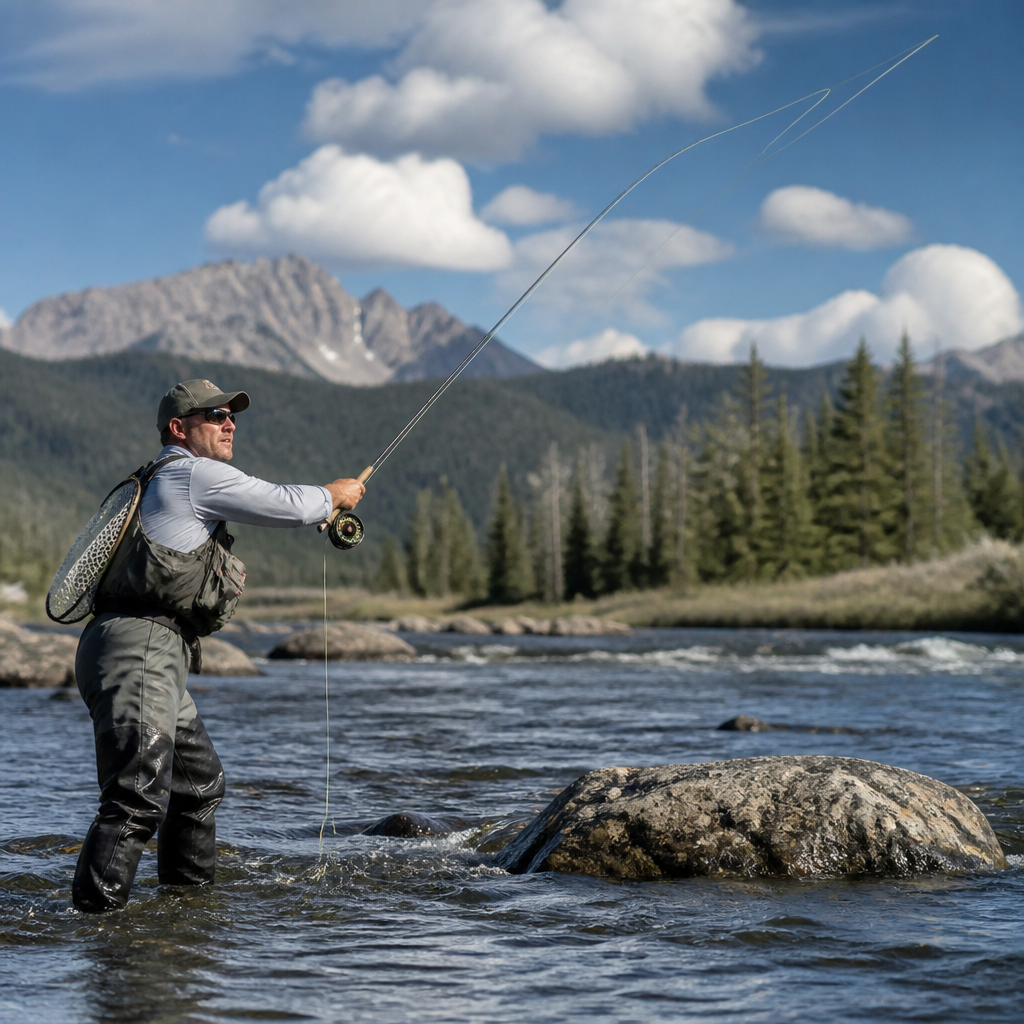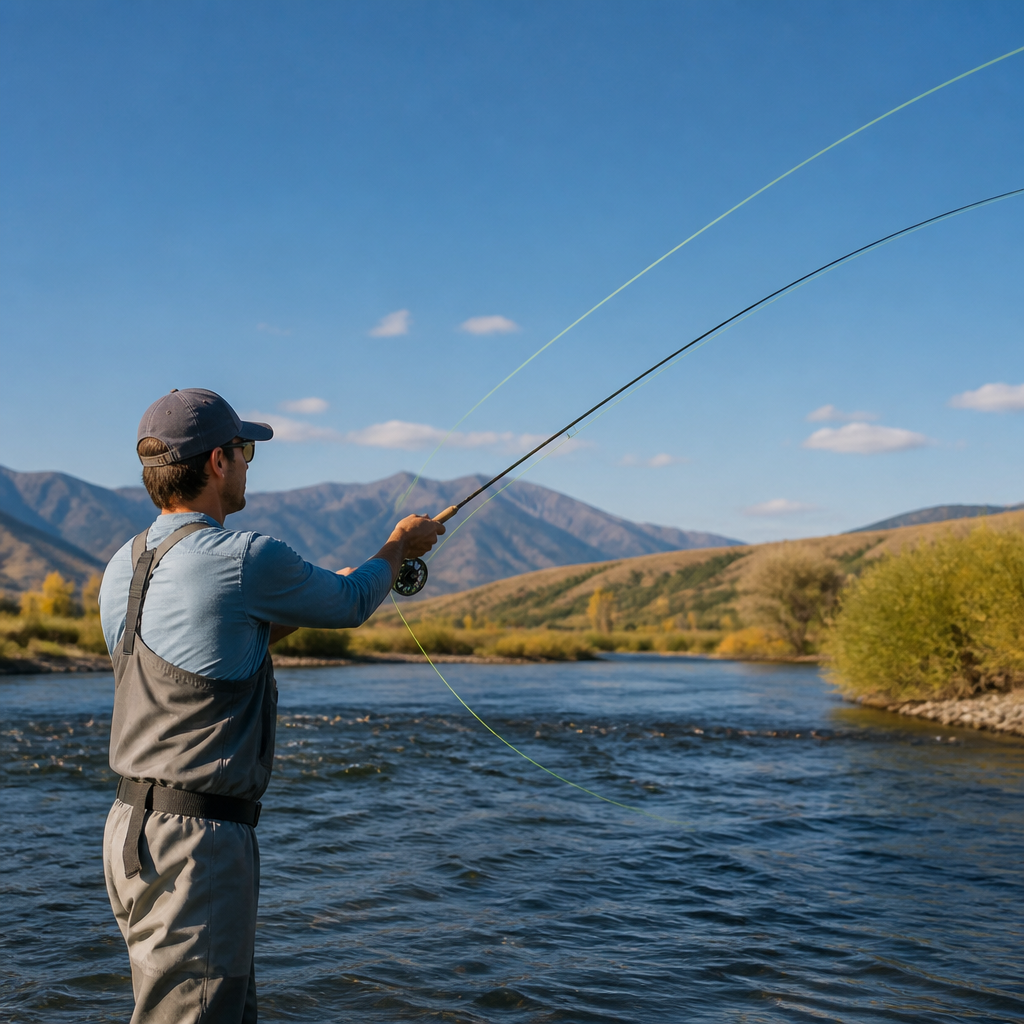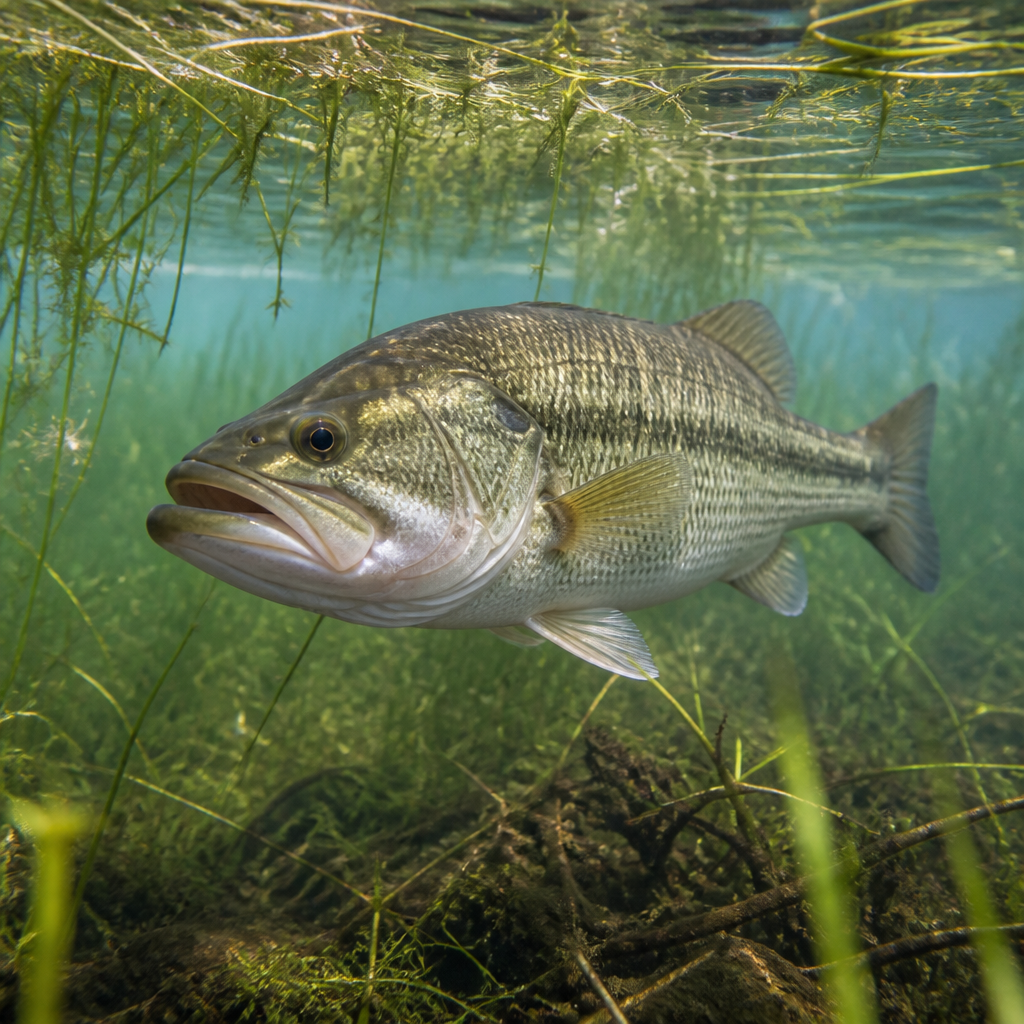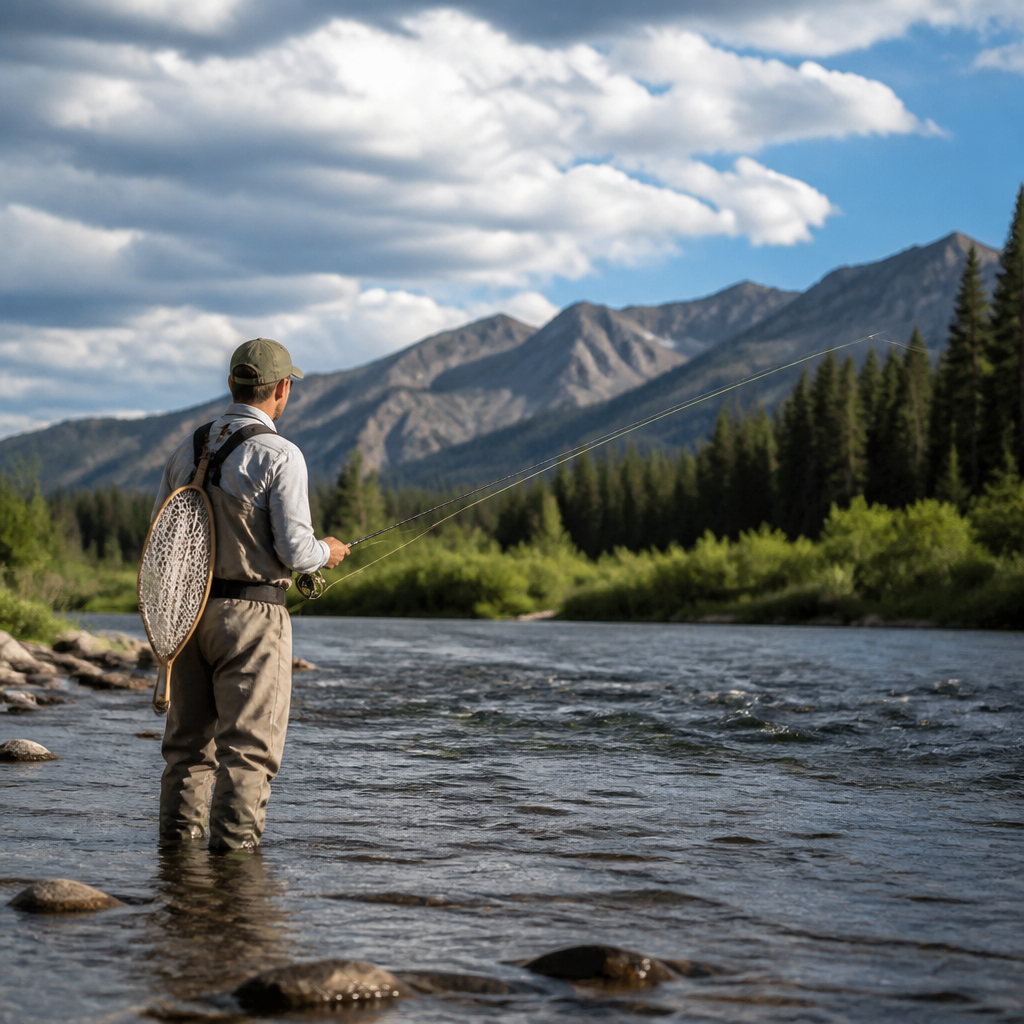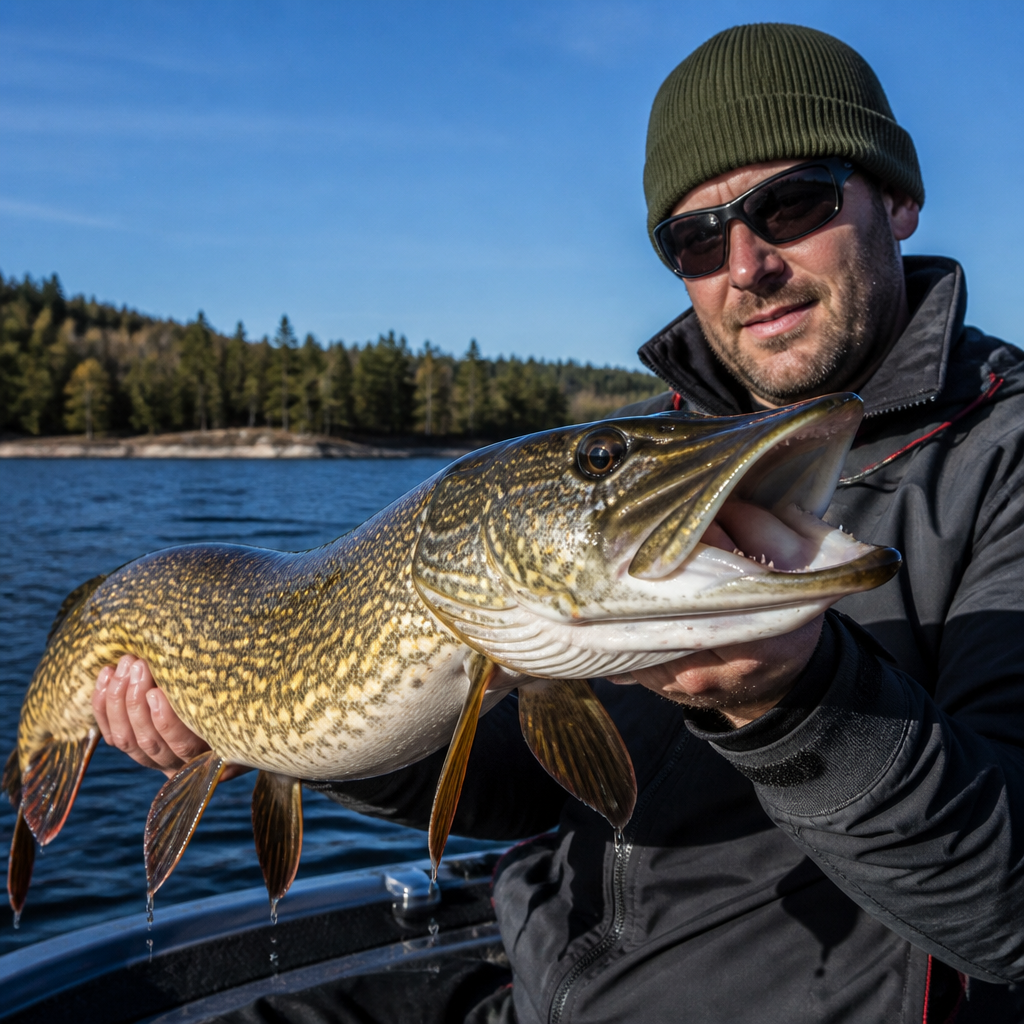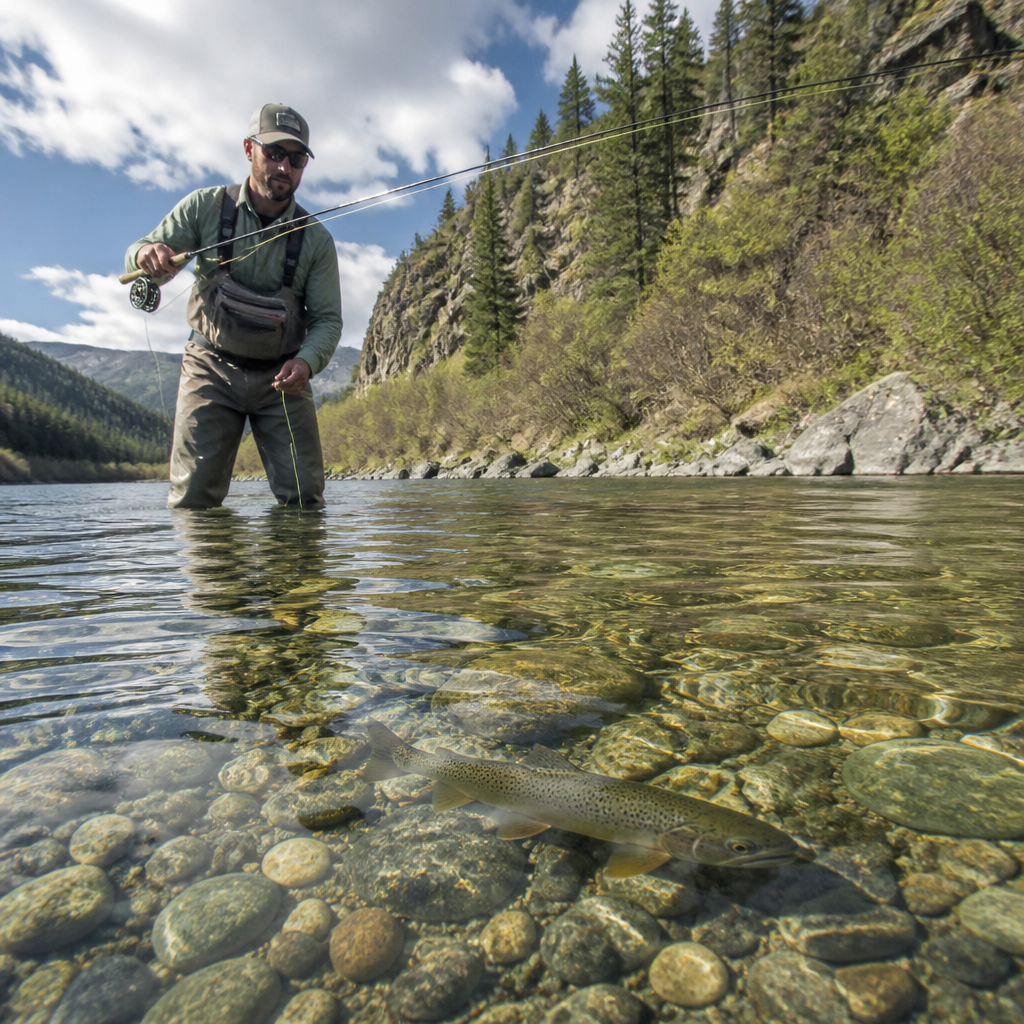
Fly fishing in clear water rewards precision more than power, and it exposes every weakness in presentation, fly choice, and approach. Clear water usually means high visibility for both angler and fish, low margin for error, and a stronger need to match current speed, light conditions, depth, and forage. In practical terms, trout, grayling, and many warmwater species can inspect a fly longer before committing, which makes drag, flash, leader splash, and unnatural movement easier for them to reject. I have spent many seasons guiding and fishing spring creeks, tailwaters, limestone rivers, and clear alpine lakes, and the same lesson repeats everywhere: success begins before the cast, with reading the water and managing what the fish can see.
This article is a hub for understanding water types and conditions within clear-water fly fishing. Water types include spring creeks, freestone rivers during low flow, tailwaters with stable releases, stillwaters with high visibility, and coastal flats where clarity controls sight-fishing opportunities. Conditions include flow level, temperature, light angle, wind, substrate color, weed growth, dissolved oxygen, and seasonal insect activity. Patterns refers to fly patterns, but also to fish behavior patterns such as feeding lanes, inspection windows, and time-of-day movement. When anglers ask how to fly fish clear water, they usually mean three things: how to avoid spooking fish, how to choose effective flies, and how to adapt to changing conditions. Those questions are connected, and the answers depend on understanding the water first.
Clear water matters because it often holds the most technically demanding fishing, and technical water forces better habits that improve results everywhere else. Fine tippet, accurate casting, controlled drifts, and disciplined wading are not optional in these settings. They are standard operating procedure. Clear water also creates a paradox. Fish can feed aggressively in it because they can identify food easily, yet they can become selective because they can reject imitations just as easily. That is why anglers who do well in stained runoff conditions sometimes struggle when visibility extends several feet or more. The fish have more information, and so must you. Mastering clear water therefore means learning to evaluate water types and conditions quickly, then selecting techniques and patterns that fit the exact situation rather than relying on one default rig.
How Clear Water Changes Fish Behavior
In clear water, fish rely heavily on vision, which changes holding positions, feeding confidence, and response distance. Trout in particular shift toward softer seams, undercut banks, weed edges, broken surface texture, and depth transitions that give concealment without giving up access to drifting food. In bright midday sun, I routinely see fish slide six to eighteen inches deeper or tuck tighter to structure than they do under cloud cover. On flat spring-creek glides, they may feed steadily yet refuse any fly that lands above them with too much force or crosses their window with micro-drag. In riffled tailwater runs, the surface chop buys the angler some forgiveness, but only if the drift speed matches the current lane precisely.
Fish in clear water also inspect from farther away. A brown trout lying in three feet of transparent flow can move a meter to a natural mayfly, then refuse an artificial at the last second because of leader flash or a body silhouette that is slightly too thick. That is why successful clear-water anglers think in terms of profile, behavior, and drift before color. The fish often decides based on whether the object looks alive and vulnerable in its environment. This is especially true on pressured rivers where fish have seen hundreds of standard parachutes, beadheads, and bright indicators. Water clarity amplifies angling pressure. A fish does not need to have been hooked before to become difficult; repeated visual exposure to poor presentations is enough.
Reading Water Types and Conditions Before You Cast
The fastest way to improve in clear water is to classify the water in front of you before rigging. Spring creeks usually demand the most exacting presentations because currents are smooth, insects are abundant, and fish have time to inspect. Tailwaters often combine clarity with stable temperatures and prolific midge, mayfly, and scud populations, so fish feed predictably but selectively. Freestone rivers become clear after flows drop, and then pocket water, boulder seams, and shaded banks become key because broken current masks mistakes. Lakes and reservoirs require attention to drop-offs, weed lines, shoals, and cruising routes, while flats fishing in clear saltwater revolves around sun angle, bottom color, and lead distance to moving fish.
Conditions then refine the plan. Light is the first filter. Low-angle morning and evening light helps conceal the angler and often encourages fish to move shallow. Overhead sun improves your ability to spot fish but also makes you easier for fish to detect. Wind can be a curse on delicate dry-fly drifts but a gift on lakes because ripple reduces visibility and pushes food onto structure. Flow level changes everything. On low, clear rivers, fish compress into defined lies and become skittish. On moderate flows with the same clarity, they spread out and feed with more confidence. Temperature matters because it regulates metabolism and oxygen demand. Clear summer water in the high sixties can fish poorly at midday even if visibility is perfect, while clear winter tailwater at forty-five degrees may produce steady midge activity all afternoon.
| Water type | Main challenge | Best primary tactic | Reliable patterns |
|---|---|---|---|
| Spring creek | Long inspections, flat currents | Long leader, reach cast, downstream or cross-stream drift | CDC emergers, spent spinners, small nymphs, scuds |
| Tailwater | Selective fish, consistent forage | Precise depth control and drag-free drifts | Zebra Midges, RS2, Pheasant Tail, sowbugs |
| Low clear freestone | Spooky fish in reduced cover | Stealth approach and short accurate casts from below | Elk Hair Caddis, small terrestrials, jig nymphs |
| Clear stillwater | Cruising fish and changing depth bands | Target lanes, count down flies, slow hand-twist retrieve | Damsels, chironomids, buzzers, unweighted nymphs |
| Coastal flats | Lead distance and bottom contrast | Sight-cast ahead of moving fish with minimal false casts | Shrimp, crab, baitfish with muted colors |
Stealth, Positioning, and Presentation Tactics
Stealth is the foundation of fly fishing in clear water. Start farther away than you think necessary, then close distance only when cover, glare, or current noise allows it. Wear muted clothing, avoid skyline silhouettes, and move on the balls of your feet rather than shuffling loudly over gravel. I prefer approaching from downstream whenever possible because many fish face into the current, but that is not a rule without exceptions. On spring creeks with bank vegetation, a side angle often gives a better drift and keeps the leader off the fish. In lakes, staying low and using shoreline shadows can be more important than distance alone. The common principle is simple: if the fish sees you before it sees the fly, your odds drop sharply.
Presentation tactics must fit the current structure. In clear rivers, slack-line methods such as the reach cast, pile cast, and parachute cast are essential because they create micro-slack that delays drag. On technical dry-fly water, a downstream presentation can eliminate leader lining, especially to fish feeding just under the film. For nymphing, many anglers overdo indicator size; in clear conditions, a small yarn marker, dry-dropper, or tight-line setup often produces more natural drifts with less surface disturbance. Depth should be adjusted in inches, not feet. One split shot too many can pin the fly unnaturally to the bottom, while one too few leaves it above the feeding lane. On stillwaters, long leaders and controlled retrieves matter more than constant stripping. A slow figure-eight or hand-twist retrieve keeps flies moving with lifelike restraint.
Fly Patterns That Consistently Work in Clear Water
The best clear-water fly patterns share three traits: realistic profile, restrained flash, and behavior that matches vulnerable food. For dry flies, low-riding CDC emergers, comparaduns, sparse parachutes, and spinner patterns consistently outperform overly bushy, high-floating imitations when fish are inspecting closely. For mayfly hatches, a size 18 to 22 pattern with the correct silhouette usually matters more than exact color, although sulfur, olive, pale morning dun, and blue-winged olive shades should be represented accurately. During caddis events, an Elk Hair Caddis still works, but I often do better with an X-Caddis, soft-hackle pupa, or CDC caddis emerger because fish in clear water frequently key on transitional stages.
Nymphs should be slim and mobile. Pheasant Tails, Hare’s Ears tied sparse, Perdigons in muted tones, Zebra Midges, RS2s, scuds, sowbugs, and small jig nymphs all belong in a clear-water box. Tailwater trout commonly feed on midge larvae and pupae every day of the year, so black, red, olive, and silver Zebra Midges remain standard for a reason. On weed-rich spring creeks, gray or tan scuds and tiny Baetis nymphs often outfish larger stonefly patterns simply because they match the available biomass. For stillwaters, chironomids, balanced leeches, damsel nymphs, callibaetis nymphs, and unweighted buzzers are staples. Saltwater clear-water patterns should land softly and match the bottom: tan shrimp on sand, olive baitfish over turtle grass, and darker crab patterns over mottled bottom.
Matching Techniques to Specific Conditions
Different clear-water conditions call for different systems. In bright, low summer flows, fish become wary and often shift feeding windows toward early and late hours. This is when 12- to 16-foot leaders, 5X to 7X tippet, and single-fly setups shine. During cloudy weather or when wind ripples the surface, you can often shorten leaders slightly and fish dries or small streamers with more confidence because broken light reduces scrutiny. After aquatic weed growth peaks, spring-creek trout may hold in tiny channels beside vegetation where a short precise cast beats a heroic long one. In these slots, high sticking with a small tungsten nymph can be more effective than classic indicator nymphing because it keeps line off the water.
Clear water does not always mean tiny flies. In autumn, large browns in transparent rivers will still chase streamers if conditions support the behavior. The key is selecting patterns with natural movement rather than excessive flash and fishing them with intent around depth changes, wood, and ambush banks. A slim olive or black streamer on a sink-tip can draw eats early or under cloud cover, while the same fish may ignore it under harsh midday light. In lakes, clear water often rewards suspension under an indicator when trout are keyed on chironomids at exact depths, sometimes within six inches of a level. Electronics can help locate that band, but counting down a balanced pattern and tracking takes is just as effective when done carefully.
Common Mistakes and How to Correct Them
The most common mistake in clear water is fishing too fast. Anglers change flies before fixing drag, change spots before improving angle, and blame pattern choice when the real problem is detectability. The correction is methodical observation. Watch one fish or one lane long enough to learn drift speed, rise form, and refusal point. Another frequent error is using leaders that are too short or too heavy for the water type. Thick butt sections are useful for turnover, but the terminal section must suit the situation. On flat technical water, dropping from 5X to 6X can convert refusals into takes if the fly still turns over cleanly. Knot quality then matters, because finer tippet exposes every weak connection.
Overdressing flies is another issue. Extra dubbing, oversized wings, heavy hackle, and bright hotspots can all produce refusals in very clear water. Sparser usually looks more alive. Wading too aggressively also costs fish. Entering a run from the tail and probing carefully often keeps the upper section fishable, while stepping directly into the middle sends pressure waves through the whole lie. Finally, many anglers forget fish welfare. In exceptionally clear, warm, low water, trout are vulnerable to stress because temperature and oxygen are limiting factors despite good visibility. In those conditions, fish early, use strong enough tackle to land fish quickly, keep them wet, and consider not fishing at all if temperatures rise beyond safe levels recognized by local agencies.
Building a Clear-Water Strategy That Transfers Everywhere
A durable clear-water strategy starts with a repeatable sequence. First, assess water type, flow, light, and temperature. Second, identify the fish’s likely feeding lane and concealment source. Third, choose the least intrusive presentation that reaches that lane at the right depth. Fourth, select a pattern based on profile and life stage before fine color adjustments. Fifth, evaluate each drift and each refusal as information, not failure. This process is how experienced anglers stay effective from one river to the next. Whether I am on a Montana tailwater, an English chalkstream, or a mountain lake, the same framework keeps decisions grounded in observable conditions rather than habit.
The main benefit of mastering fly fishing in clear water is not just catching more fish in demanding settings. It is becoming a more disciplined angler in every setting. Clear water teaches stealth, observation, exact depth control, and deliberate fly selection better than any classroom can. Start by treating this page as your hub for water types and conditions within techniques and strategies, then apply one improvement at a time on the water: approach from farther away, lengthen the leader, soften the landing, or switch to a sparser pattern. Those small changes are often the difference between refusals and confident takes. Put them into practice on your next outing, and clear water will stop feeling intimidating and start feeling readable.
Frequently Asked Questions
What makes clear-water fly fishing more difficult than fishing stained or broken water?
Clear water removes a lot of the forgiveness anglers get in off-color or turbulent conditions. Fish can see farther, inspect a fly longer, and detect mistakes sooner. That changes almost everything about how you should fish. In clear water, presentation becomes more important than raw casting distance or aggressive fly movement because trout, grayling, and selective warmwater fish often reject patterns for reasons that are hard to notice unless you slow down and think through the drift. Drag, micro-drag, leader flash, heavy tippet, line landing near the fish, and even your silhouette on the bank can all put fish off.
Another challenge is that clear water often highlights environmental details that matter to fish behavior. Light angle, current seams, bottom color, depth transitions, and overhead cover all influence how comfortable fish feel. A trout in knee-deep glassy water at noon behaves very differently from a trout holding under a cutbank during early morning shade. In practical terms, success comes from reducing your visibility, extending drag-free drifts, choosing flies that match both the food source and the fish’s level of caution, and making the first cast count. Clear-water fish are often catchable, but they usually demand a cleaner, quieter, and more deliberate approach.
How should I approach and position myself when fly fishing in clear water?
Approach is one of the biggest keys in clear water because fish often detect anglers before anglers ever make a cast. Move slower than you think you need to, keep a low profile, and avoid standing high on exposed banks or bright gravel bars where your outline is easy to spot. Whenever possible, use the sun and background to your advantage. Fish from downstream or quartering downstream when appropriate, especially for trout feeding into the current, so your line and leader reach the fish before your body does. In still edges, spring creeks, and slick glides, crouching or kneeling can make a real difference.
Positioning also affects drift quality. In clear water, you want an angle that lets the fly enter the feeding lane naturally with minimal line disturbance. Being too close can create leader splash and put too much line over the fish. Being too far away can reduce accuracy and mending control. The sweet spot is often a controlled distance where you can land the fly first, keep the thicker fly line away from the target, and manage slack without overworking the drift. Before casting, watch the water carefully. Identify feeding rhythm, current speed changes, depth lanes, and any structure the fish is using for security. A good clear-water angler spends more time observing and less time false casting. Stealth and positioning are not secondary skills here; they are the foundation of the entire presentation.
What leader, tippet, and presentation adjustments work best in clear water?
In clear water, longer and finer leaders are often an advantage because they separate the fly from the more visible fly line and allow softer landings. Exact formulas depend on species, fly size, and wind, but many anglers do well by lengthening leaders beyond their standard setup and dropping tippet diameter when conditions allow. For trout and grayling, that often means using finer tippet with small dries, emergers, and nymphs, while still matching the strength to the fish size and the type of water. The goal is not simply to fish as light as possible; it is to fish light enough to improve natural movement without sacrificing too much control or landing power.
Presentation matters just as much as terminal tackle. A clean drift usually beats a perfect fly with drag. Reach casts, pile casts, aerial mends, and thoughtful slack placement help buy a few natural feet before conflicting currents pull the fly off track. In flat water, softer deliveries are critical, so shorten false casts, open your loop slightly if needed, and focus on landing the leader and fly with minimal splash. On subsurface presentations, matching depth and speed is essential. Too much weight can create an unnatural plunge, while too little weight keeps the fly above the fish’s feeding lane. In clear water, fish often study movement closely, so your best results usually come from subtle, controlled drifts that reflect the pace of the current rather than forced animation.
Which fly patterns are most effective in clear water, and how should I choose them?
The best fly patterns in clear water are usually the ones that look believable at close range and behave naturally in the drift. Because fish can inspect details more carefully, slim profiles, appropriate sizing, and restrained materials often outperform overdressed or overly flashy patterns. That does not mean every clear-water fly must be tiny and dull, but it does mean that proportion and realism matter more. For trout and grayling, reliable choices often include parachute dries, CDC emergers, comparaduns, unweighted or lightly weighted nymphs, pheasant-tail style imitations, hare’s ear variants, midge patterns, and sparse soft hackles. In waters with baitfish or terrestrials, small streamers, ants, beetles, hoppers, and drowned insects can also be excellent.
Selection should begin with what fish are actually eating, then narrow according to water type and light conditions. In bright, ultra-clear flows, a subtle natural imitation is often the smart first choice. In deeper clear water, low light, or when targeting opportunistic warmwater species, a slightly more visible pattern may help fish locate the fly without looking gaudy. If refusals occur, first adjust size and drift before making dramatic color changes. Very often the problem is not that the pattern is wrong, but that it is skating, dragging, riding too high, or tracking unnaturally. Carrying a range of life stages is especially useful in clear water because fish may key on emergers or crippled insects rather than fully formed adults. Matching the hatch is important, but matching the behavior of the food is often what closes the deal.
How do I reduce refusals and turn follows or inspections into actual eats in clear water?
Refusals in clear water usually come from one of four issues: the fish sees you, the presentation looks wrong, the fly is the wrong size or stage, or the fly moves unnaturally at the last moment. When a fish follows and turns away or noses a fly without eating, resist the temptation to immediately switch to a radically different pattern. Start by diagnosing the drift. Was there subtle drag? Did the tippet kick the fly over? Did the fly enter the window too abruptly? Was the line shadow passing over the fish? Small corrections in angle, slack, and entry often solve more problems than wholesale fly changes.
If the drift is good and fish are still refusing, refine the pattern. Go smaller before going brighter in many clear-water situations. Try a sparser version, a more natural silhouette, or a different life stage such as an emerger instead of a high-floating adult. With nymphs and small streamers, depth can be the hidden variable. A fish may inspect a fly simply because it is close, but only eat when it tracks at exactly the right level and speed. You should also think about timing. In intense sunlight, some fish become extremely wary and feed only during narrow windows created by cloud cover, shade lines, or evening low light. The anglers who convert more clear-water opportunities are usually the ones who stay patient, make one meaningful adjustment at a time, and keep their presentations calm, clean, and repeatable.