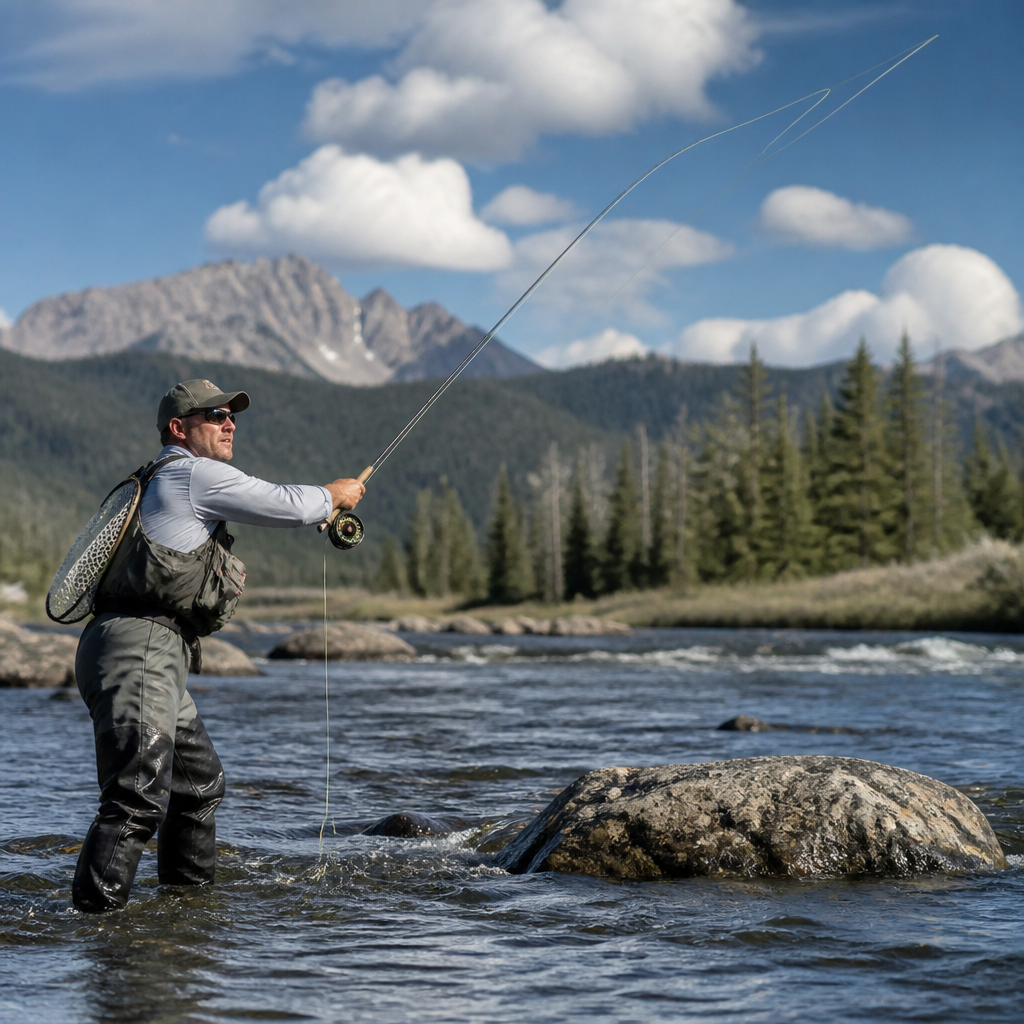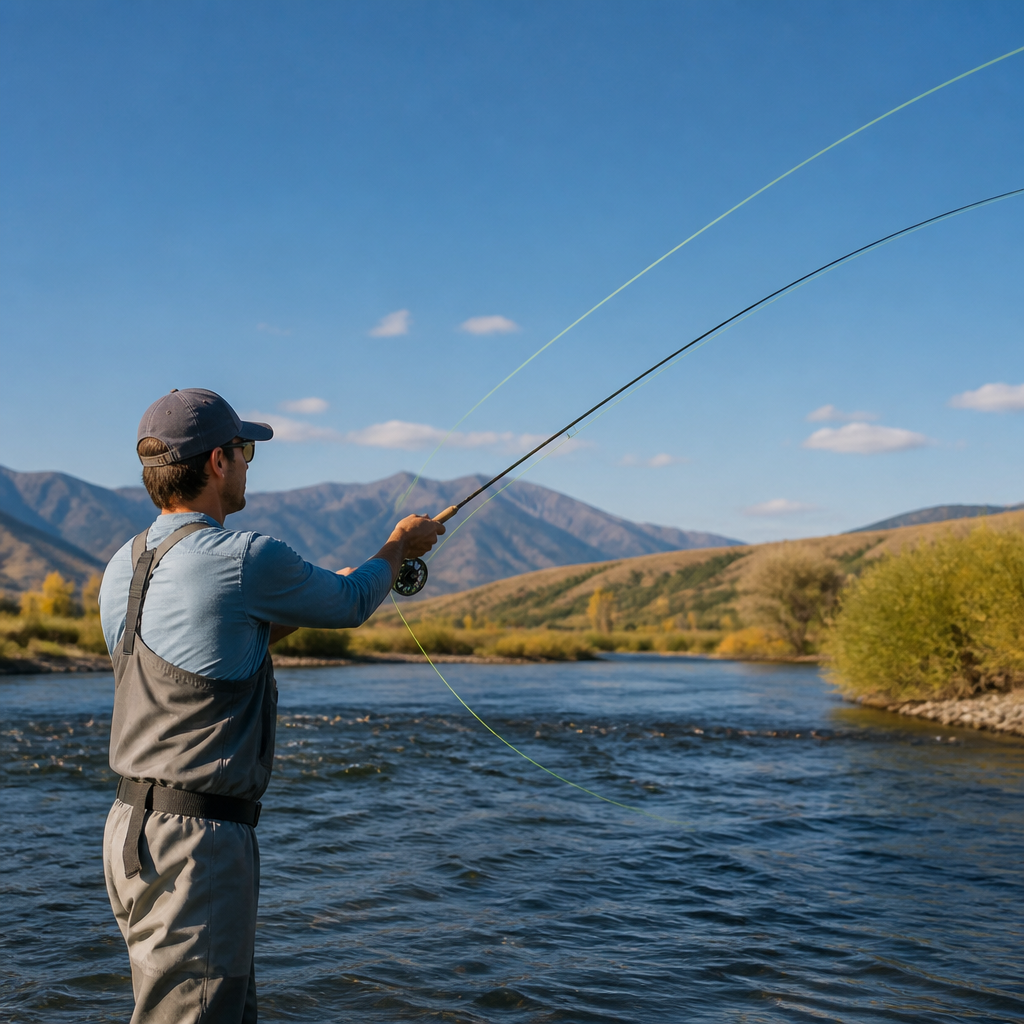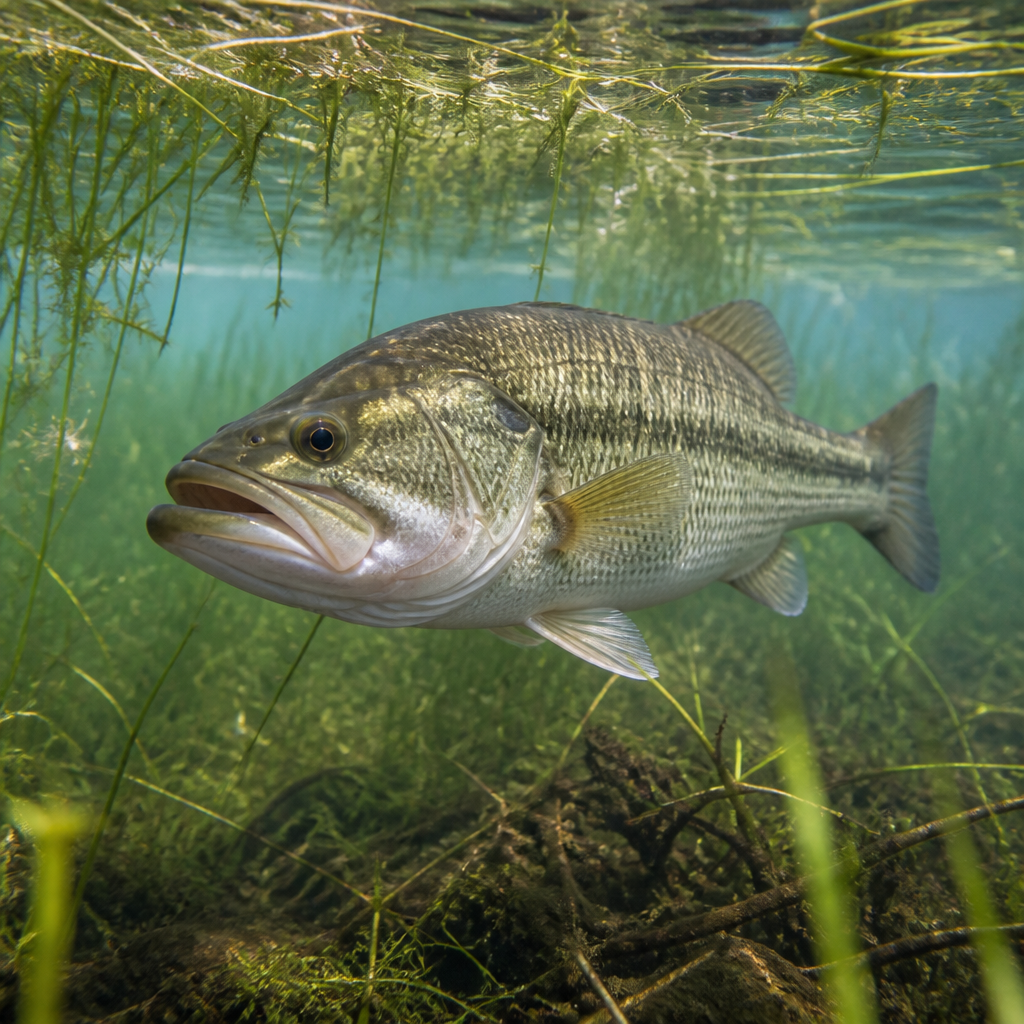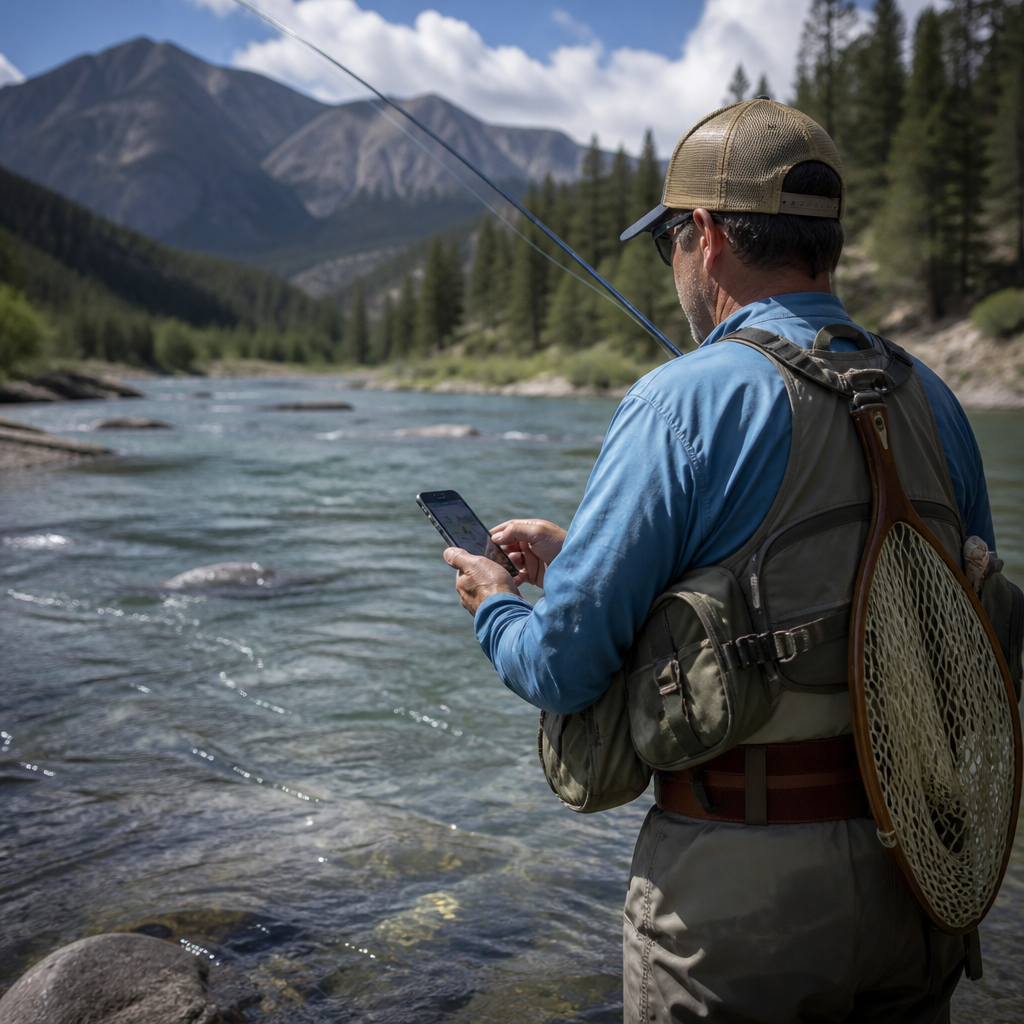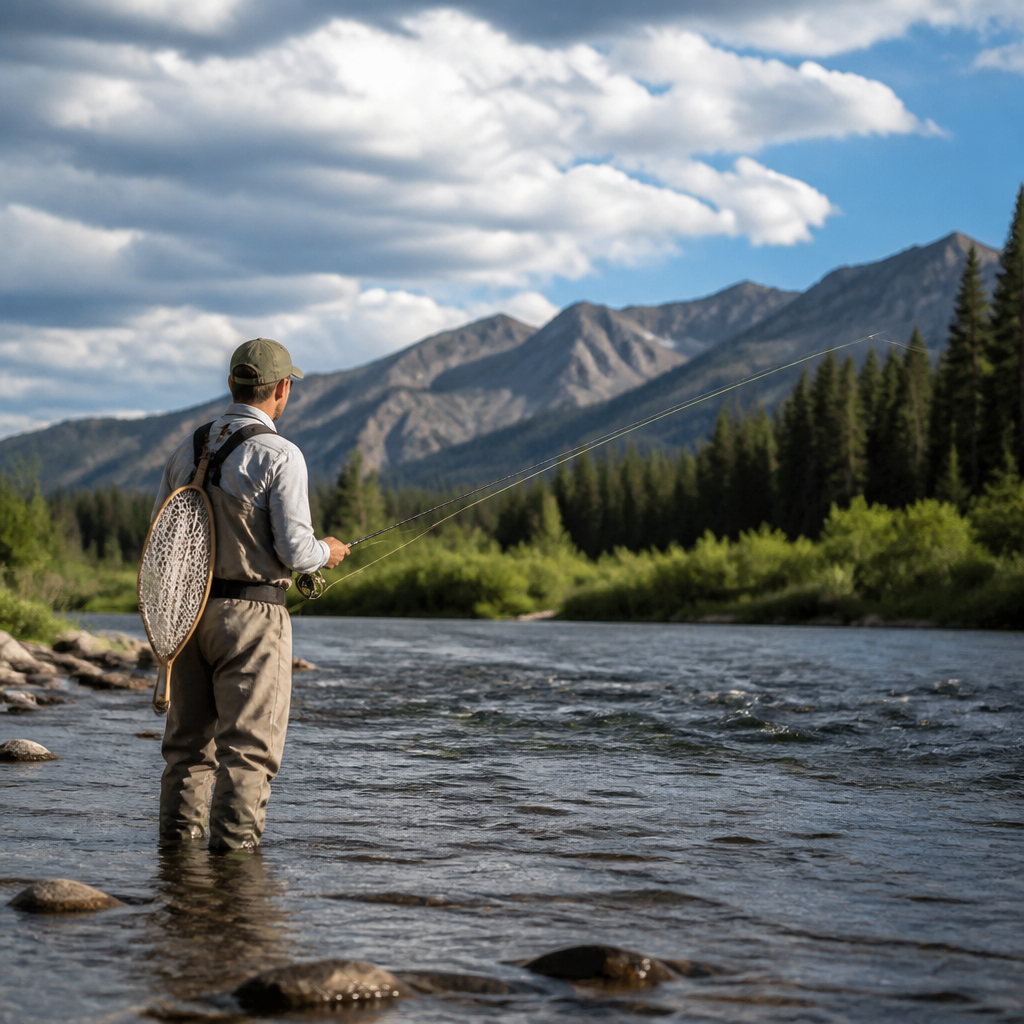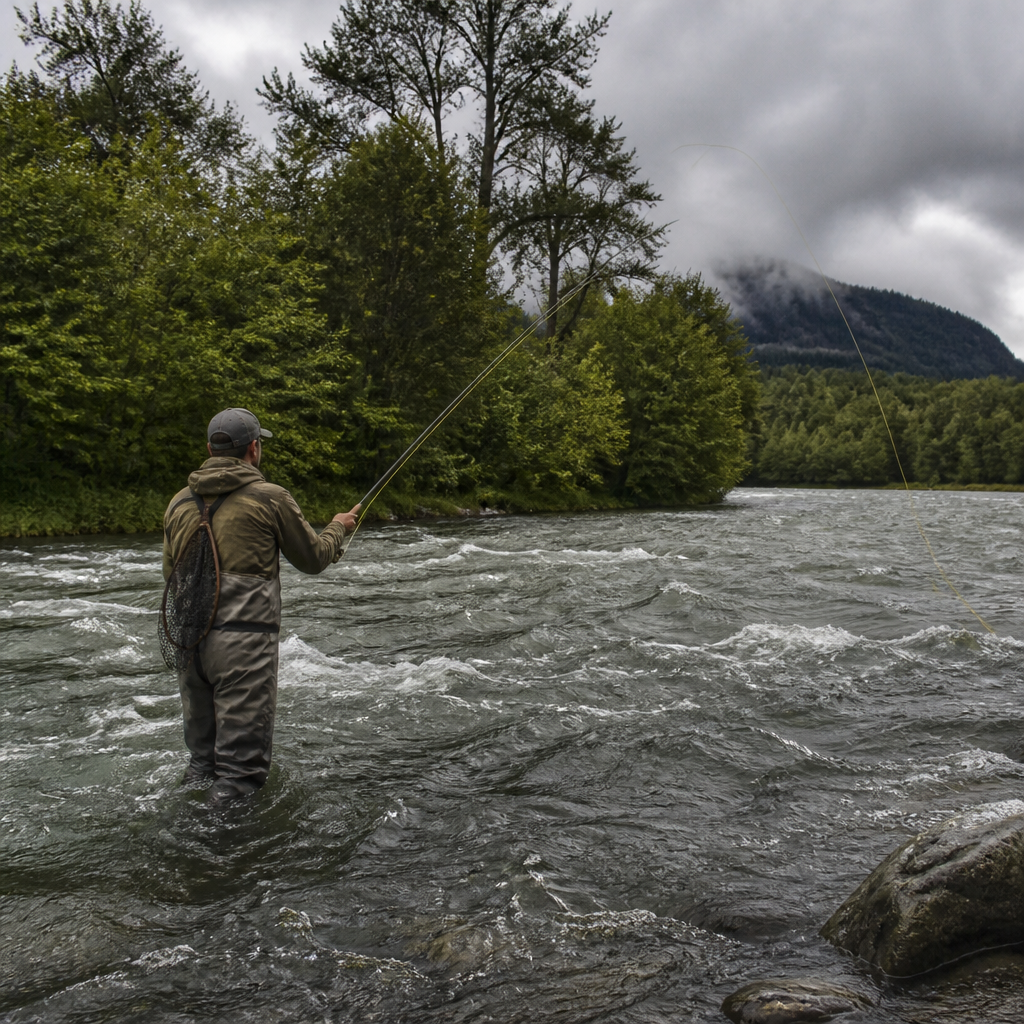
Fly fishing in high water demands a different playbook than low, clear conditions, and anglers who understand current speed, visibility, and fish behavior consistently catch more fish while staying safer on the river. High water usually refers to flows above seasonal norms caused by snowmelt, dam releases, prolonged rain, or rapid temperature swings that push runoff into a drainage. In practical terms, it means stronger current, reduced clarity, flooded banks, and altered holding lies. Those changes affect where trout, bass, steelhead, and salmon can comfortably feed, how they see a fly, and how precisely an angler must present it. I have fished plenty of spring runoff windows where the main channel looked impossible, yet soft edges, flooded seams, and inside bends produced excellent action because fish had simply shifted a few feet from their normal lies. That is the core lesson: high water rarely makes fish vanish. It relocates them.
Understanding water types and conditions is essential because every river section responds differently to elevated flow. A freestone stream can turn cold, brown, and pushy within hours of a storm, while a tailwater may rise suddenly but remain fishable because clarity holds and temperatures stay stable. Spring creeks often gain only a little color, yet even a modest increase in flow can change weed beds and feeding lanes. Stillwater inflows, side channels, tributary mouths, pocket water, riffles, runs, and deep pools all behave differently when water climbs. As a hub for water types and conditions, this guide explains how to read those changes, choose productive water, adapt tackle and flies, and fish effectively without taking unnecessary risks. If you want to make smart decisions when rivers swell, start with the water in front of you and let current, depth, and color tell you exactly where to cast.
How High Water Changes Fish Behavior
Fish respond to high water by seeking efficiency. They want the maximum food with the minimum energy cost, so they move out of heavy current and into softer lanes where current speed is reduced by structure, bank shape, or depth transitions. In normal summer flow, a trout may hold mid-river behind a boulder and slide into a riffle to feed. In high water, that same fish often shifts to the inside seam near shore, the cushion behind a submerged log, or the slower water at the tail of a flooded eddy. The water may be deeper everywhere, but the best lies become smaller, more protected, and often much closer to your boots than expected.
Visibility also changes behavior. Stained water gives fish cover from predators and anglers, which can make them bolder. At the same time, they have less time to inspect a fly. That is why larger profiles, stronger silhouettes, and slower presentations usually outperform tiny, delicate patterns. Feeding windows can intensify when rising water dislodges worms, stonefly nymphs, sculpins, and other high-calorie food items. I have seen trout ignore size 18 mayfly nymphs during runoff but aggressively eat a weighted stonefly with a bright attractor tag because the fly matched both the larger food source and the reduced visibility conditions.
Reading Productive Water Types in Elevated Flows
The best water in high flow is rarely the obvious middle channel. Start with bankside soft water, especially where fast current runs alongside a slower edge. These seams create travel corridors and feeding lanes. Inside bends are classic because the slower current deposits softer water and often concentrates drifting food. Back eddies can be excellent if they connect to the main flow without becoming stagnant. Side channels deserve close attention because they may carry enough depth to hold fish while offering dramatically less current pressure than the main stem.
Structure becomes even more important when flows rise. Boulder gardens can be dangerous to wade, but from the bank they often reveal cushions, pockets, and micro-eddies where fish stack tightly. Logjams, root wads, bridge pilings, undercut banks, and flooded grass lines all create current breaks. On larger rivers, shelf drops and gravel bars often form soft inside lanes that fish use heavily. Tributary confluences are another prime option. A clear tributary entering a dirty main river creates a color seam, temperature change, and food funnel. Fish commonly hold on the clearer side of that seam, picking off drifting insects and baitfish. When scouting any water type in high conditions, ask one question: where can a fish hold comfortably and intercept food without fighting the river all day?
Matching Strategy to River Type and Condition
Not all high water is equal, and river type should dictate your approach. Freestone rivers rise and fall quickly, carry sediment, and often fish best on the drop, when visibility improves from chocolate brown to green or tea colored. Tailwaters can fish well during elevated releases because insect production remains strong and clarity often stays manageable, but the wading margin shrinks fast, so boat or bank tactics may become the safer choice. Spring creeks usually demand more subtle rigs even when they are up, because fish still get a good look in comparatively clear water. In lakes or reservoirs, focus on inflow zones, flooded shoreline cover, and wind-protected margins where dirty water meets clearer pockets.
| Water type | Common high-water trait | Best starting water | Effective approach |
|---|---|---|---|
| Freestone river | Fast rise, heavy color, shifting currents | Inside bends, side channels, soft banks | Big nymphs, streamers, short drifts |
| Tailwater | Controlled release, stable temperature | Edges, seams below shelves, slower runs | Indicator nymphing, boat positioning |
| Spring creek | Moderate rise, better clarity | Weed edges, undercut banks, foam lines | Lighter tippet, precise drifts |
| Stillwater inflow | Stained incoming water, concentrated food | Transition zones, flooded cover | Streamers, leeches, chironomid adjustments |
Water temperature matters as much as flow. Snowmelt can raise the river yet suppress feeding by dropping temperatures sharply. Rain-driven rises in summer may do the opposite, bringing slightly warmer, oxygenated water and active fish. Watch hydrographs and water temperature together rather than treating discharge alone as the decision-maker. On many Western trout rivers, a declining hydrograph with two to three feet of visibility is a far better sign than a peak flow number by itself. Conditions, not labels, determine fishability.
Tackle, Rigging, and Fly Selection for High Water
High water rewards tackle that helps you control depth and maintain contact. A longer rod in the 9-foot to 10-foot range improves mending and line lift, especially for nymphing. Heavier tippet is often an advantage because fish are less leader shy in stained water and stronger current magnifies pressure on knots. For trout, 3X or 4X is often more practical than 5X or 6X during runoff. Split shot, tungsten beads, and jig hooks matter because flies must reach the strike zone quickly; if your rig is drifting above the fish, perfect drag-free presentation will not save it.
Fly choice should reflect both visibility and available food. Stonefly nymphs, San Juan Worms, egg patterns in relevant fisheries, leeches, sculpin imitations, and bulky attractor nymphs all have a place in high water. Dark colors such as black, brown, and olive create strong silhouettes, while selective use of chartreuse, orange, or pink can help fish find the fly in stained conditions. Streamers shine when flows dislodge baitfish or push larger trout to the banks. In truly dirty water, I prefer compact flies with weight and motion over oversized patterns that are hard to cast accurately. Productive fly fishing in high water is usually less about matching a hatch and more about matching the river’s energy, depth, and visibility.
Presentation and Positioning That Actually Work
The biggest tactical mistake in high water is casting too far. Because fish often slide to soft water near shore, your first cast should usually cover the edge before you ever step into the river. Work from the bank when possible and fish methodically through every seam, pocket, and flooded margin at close range. Short drifts are not a limitation; they are often the highest-percentage presentations available. If you can keep a nymph or streamer in a two-foot-wide feeding lane for three seconds, that is enough.
Indicator nymphing is effective because it suspends weight and allows repeated drifts through defined holding water. Tight-line methods can also excel in near-bank pockets where line control is manageable. Streamer anglers should use quartering casts, mends, and controlled swings rather than stripping too fast across chaotic current. In softer side channels, dead-drifting a streamer or lightly twitching it can outproduce an aggressive retrieve. Approach angle matters too. Fish facing upstream in soft water are easier to fool when you cast from slightly downstream or across, keeping line off the fastest current. In high water, good positioning solves more problems than fancy casting.
Safety, Access, and Decision-Making on Big Flows
High water is not just a fishing condition; it is a risk multiplier. Stronger current increases wading danger, floating debris can appear without warning, and familiar crossings may become lethal. A river that looks only slightly higher from the parking area can have dramatically more force at knee depth because velocity rises nonlinearly as discharge increases. I treat unfamiliar high water conservatively: fish from the bank first, avoid crossing entirely unless there is an obvious margin of safety, and use a wading staff whenever current pressure is noticeable. Felt, rubber with studs, and modern sticky compounds all have limits when rocks are slimed and pushy water shifts your center of gravity.
Access also changes with water level. Flooded banks can erase trails, private boundary markers may be harder to identify, and boat ramps can become hazardous. Check gauge data from USGS or the relevant local authority, review dam release schedules, and pay attention to weather upstream rather than only over your head. Many dangerous spikes come from distant storms or scheduled releases. If visibility drops below roughly six to twelve inches in trout water, fishing can become inefficient enough that another river, a tributary, or stillwater may be the smarter choice. Good anglers know when to leave fishable water alone and when to pivot.
Building a Reliable High-Water Game Plan
A dependable high-water strategy starts before you string the rod. Track flows over several seasons and note what specific gauge heights mean on your home rivers. “High” on one stream may be ideal on another, so build your own log with discharge, clarity, temperature, and results. When you arrive, scan for color seams, soft edges, tributary influence, and wadable margins before making a cast. Then simplify. Choose one or two rigs, cover the easiest holding water thoroughly, and let fish location guide your adjustments. If the edge water is empty, slide to a side channel. If nymphs are ignored in soft slots, test a compact streamer through the same lane. If the main river is blown out, check lower-gradient reaches or clear inflows.
The main benefit of learning fly fishing in high water is consistency. Instead of losing days to runoff, rain, or release changes, you gain a system for reading conditions and finding fishable water across freestones, tailwaters, spring creeks, and stillwater inflows. High flows change the map, but they also concentrate fish into predictable lies where smart anglers can reach them. Focus on soft current, reduced visibility adjustments, proper depth, and safe positioning, and the river becomes far less intimidating. Use this guide as your starting hub for water types and conditions, then apply its principles on your local water with notes, observation, and restraint. The next time the gauge climbs, do not assume the day is lost. Go find the seam, fish it carefully, and learn what high water is really telling you.
Frequently Asked Questions
What changes most when you are fly fishing in high water?
High water changes three major things at once: current speed, water clarity, and where trout or other game fish choose to hold. In normal flows, fish may spread out through riffles, seams, tailouts, and classic feeding lanes. When flows rise above seasonal norms, the main current often becomes too fast and energy-intensive for fish to sit in comfortably. Instead of holding in mid-river runs, they usually slide toward softer water near banks, behind rocks, inside bends, side channels, flooded edges, and any structure that breaks current. That relocation is one of the biggest keys to success because many anglers continue fishing their usual low-water spots and end up casting over empty water.
Visibility also changes the game. Stained or off-color water reduces how far fish can see, which means your fly often needs to be larger, darker, brighter, noisier, or fished closer to the fish’s face to get noticed. Presentation becomes less about delicate, long-range drag-free drifts and more about depth control, line management, and putting the fly in the right soft-water lane repeatedly. In high water, fish generally have less time to inspect a fly, but they also have fewer easy feeding opportunities, so a well-placed pattern can be very effective.
Finally, high water changes the safety equation. Stronger current, unstable footing, flooded banks, and submerged hazards make wading and river access much more dangerous. Productive high-water fishing is not just about adapting tactics; it is about reading the entire river differently. If you understand that fish are seeking shelter from speed while still looking for calories, you can narrow the river down quickly and fish much more efficiently.
Where should you cast when rivers are high and fast?
In high water, the best targets are rarely in the heaviest current. Fish want access to food, but they also want to avoid burning unnecessary energy, so the most productive places are usually soft-water refuges next to fast-water conveyer belts. Start by looking along the banks. Flooded grass lines, undercut banks, shoreline eddies, and shallow margins that might seem too skinny in normal conditions can become prime holding water when the river rises. Trout often move surprisingly close to shore because that is where the current is softer and drifting food gets pushed within reach.
Current breaks are another high-percentage zone. Cast behind boulders, logs, bridge pilings, root wads, and submerged structure where the flow slows just enough for fish to hold comfortably. Inside bends are especially worth attention because the main force of the current typically pushes toward the outside bend, leaving softer water along the inside edge. Seams, where fast and slow water meet, are also excellent because fish can hold in the slower lane and slide a short distance to intercept food drifting in the faster lane.
Do not overlook side channels, backwaters, and softer pockets at the heads and tails of islands. During elevated flows, these areas can fish far better than classic runs in the main stem. The key is to think in terms of reduced effort for the fish. If you are casting into water that looks powerful, deep, and dramatic, it may be appealing to the eye but not especially fishy under high-water conditions. Focus on accessible lies with moderate depth, reduced current speed, and nearby food flow, and your odds improve dramatically.
What flies and rigs work best for fly fishing in high water?
In high water, your fly selection should match two realities: fish are often holding deeper and visibility is usually reduced. That means weight and profile matter more than they often do in clear, moderate conditions. For nymphing, heavily weighted patterns, jig-style flies, tungsten beadheads, stonefly imitations, worms, and larger attractor nymphs are all reliable choices because they sink quickly and create a stronger visual target. Egg patterns can also be very effective in the right season, especially during runoff or when flows dislodge a lot of food. If the water is dirty enough that subtle natural patterns disappear, switch to flies with darker silhouettes, hot spots, flash, or larger bodies that fish can detect more easily.
Your rig should help the fly reach the strike zone quickly and stay there. Split shot is often necessary, and there is no reason to avoid it when conditions demand depth. A two-fly nymph rig can be excellent, with a larger anchor fly up front and a smaller trailing pattern behind it. Tight-line presentations can work in shorter, defined seams, while indicator rigs are often very effective for covering soft edges and deeper bank lies. The best rig is usually the one that gets down fast without sacrificing control.
Streamer fishing can also shine in high water, particularly when fish are tucked near structure or looking for a bigger meal. Use patterns with strong movement, broad profiles, and enough weight to cut through the upper layer of current. Black, olive, white, and combinations with flash are standard producers in stained water. Retrieve speed should match water temperature and fish mood, but in high, pushy flows, short controlled swings and strips near current breaks often outperform long blind casts in the middle of the river. Dry-fly opportunities can still happen, but high water is generally a subsurface game, and anglers who commit to depth usually catch more fish.
How do you present a fly effectively in high, off-color water?
Effective presentation in high water starts with shortening the problem. Because fish are usually holding in smaller zones of soft water and visibility is reduced, you do not need to make long casts nearly as often as you do in lower flows. In fact, shorter casts usually improve control, help your flies sink faster, and allow you to maintain a more direct connection during the drift. Position yourself carefully, target specific holding pockets, and make repeated drifts through the same likely lane rather than constantly covering new water.
Depth is the first priority. If your flies are not getting near the bottom or near the fish’s holding level, even a perfect drift will not matter. Use enough weight, adjust your indicator if you are fishing one, and watch for signs that you are in the zone, such as occasional bottom contact. Once depth is handled, focus on drift speed. The fly should move naturally relative to the current lane where the fish is holding, which may be much slower than the heavier flow only a few feet away. Mending, leading the drift, and maintaining minimal slack are all critical because conflicting currents can grab your line and pull the flies unnaturally.
In stained water, repetition is often more important than finesse. Fish may need several looks before committing, especially if they are tucked tight to cover. Drift your fly close to the bank, behind structure, through seams, and into every soft pocket that could hold a fish. If you are streamer fishing, keep the presentation controlled and close to structure rather than stripping aimlessly through fast, featureless current. High-water success usually comes from precise target selection, enough weight, and disciplined line control rather than elegant long-distance casting.
What safety tips matter most when fly fishing in high water?
Safety should be the first consideration in high water because dangerous conditions develop quickly and often look more manageable than they really are. Strong current adds force exponentially, not gradually, so water that seems only a little higher can be dramatically more difficult to wade. Start by checking streamflow data, weather trends, dam release schedules, and local reports before you ever leave home. If flows are still rising rapidly, water is heavily discolored, or banks are flooding, that is often a sign to postpone the trip or choose a different section of water with safer access.
Once on the river, wade less and fish closer. Many of the best high-water lies are near the bank anyway, so there is usually no reason to force risky crossings or step into fast mid-river current. Use a wading staff, wear a snug belt, move slowly, and test every step. Avoid crossing above deep runs, below rapids, near logjams, or in places where a slip would send you into fast current with no easy recovery. Muddy banks, submerged rocks, and flooded edges can be especially unstable, so approach every access point with caution.
Fish with a partner when possible and be honest about conditions. If you are asking yourself whether a crossing is safe, that uncertainty is usually the answer. Also remember that high water can hide strainers, fence lines, drop-offs, and newly submerged obstacles that are not present at lower flows. Productive anglers know when to stop pushing and instead focus on accessible, fishable water from solid footing. Catching fish is never worth gambling with current that is beyond your ability to manage. In high water, the smartest technique on the river is often restraint.