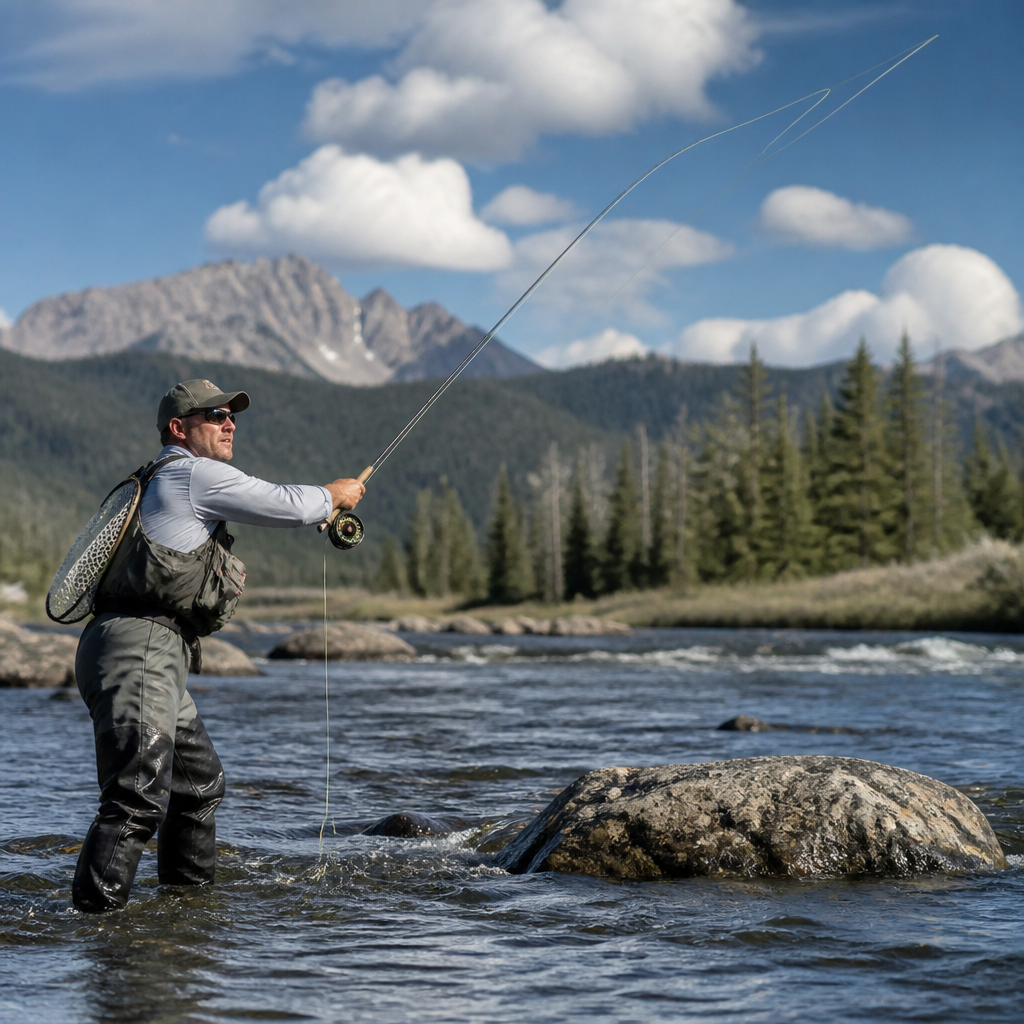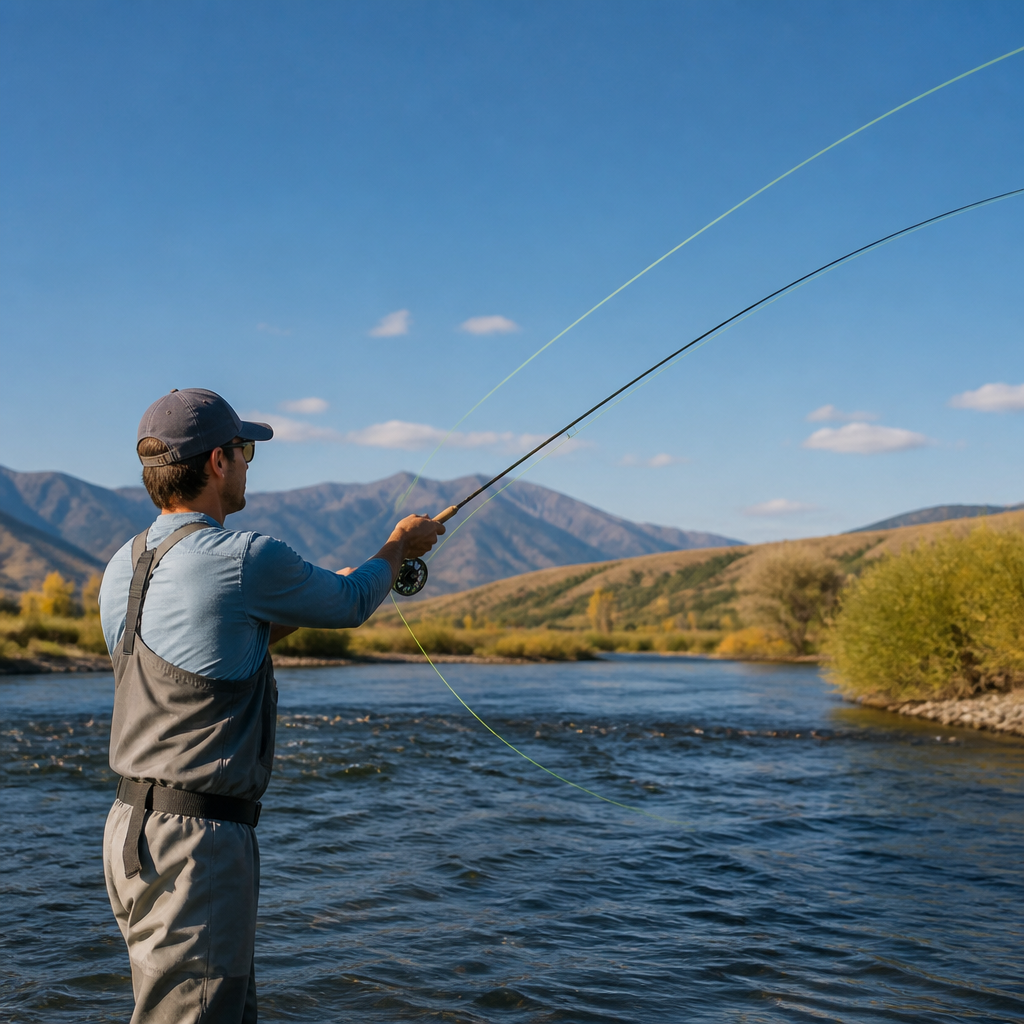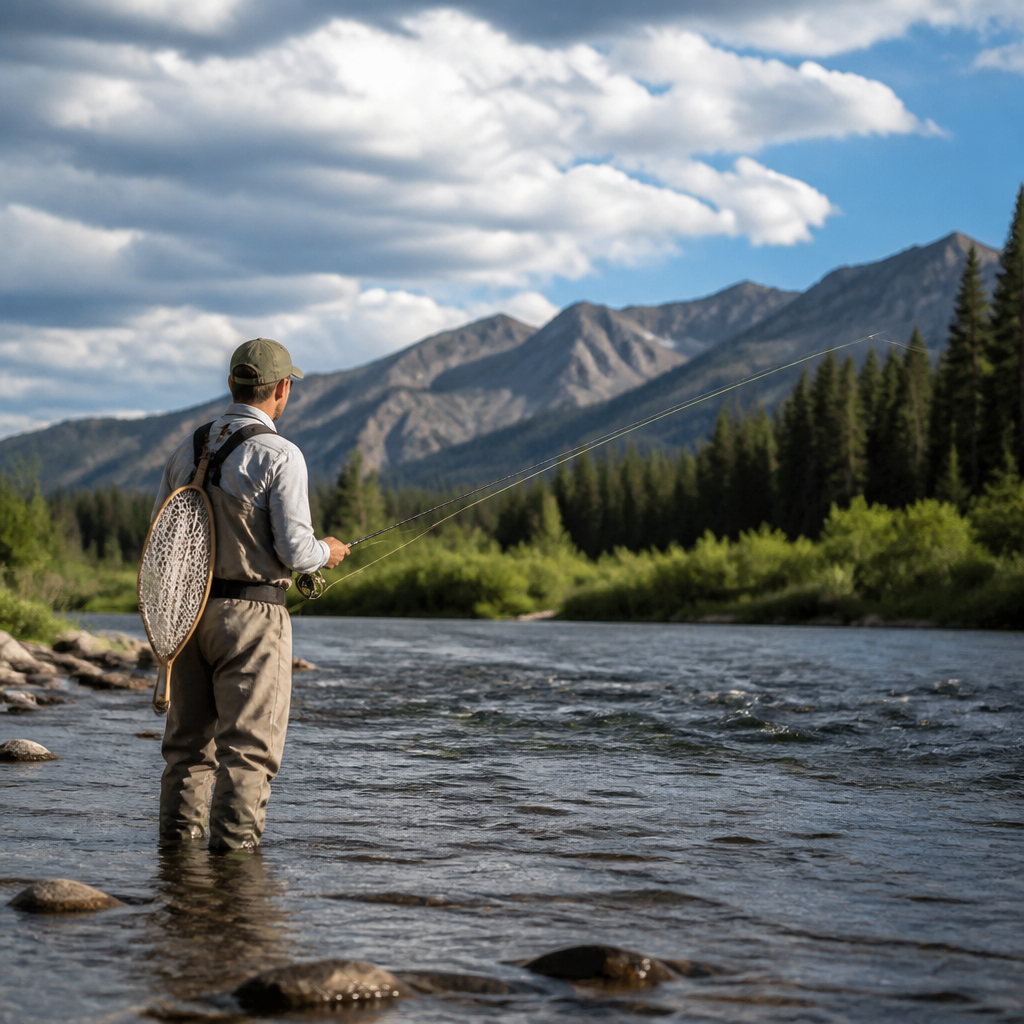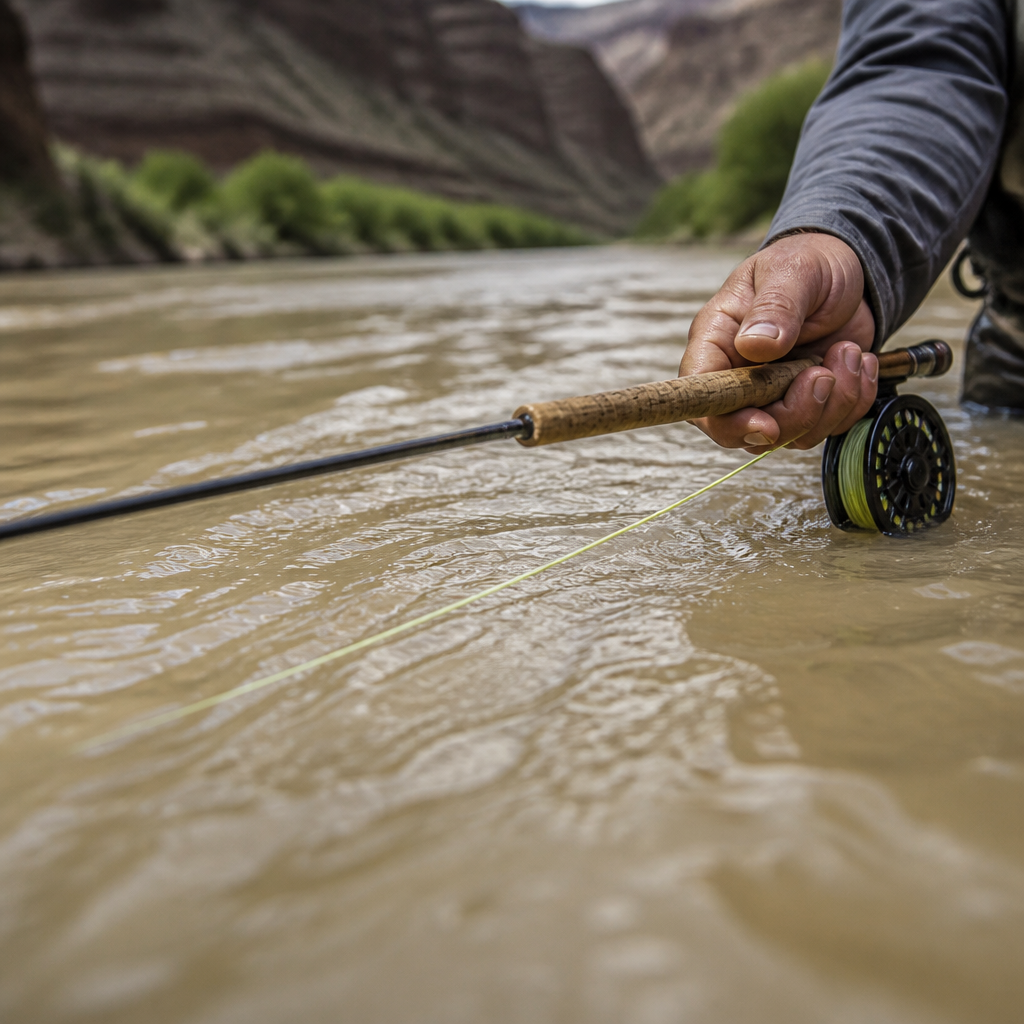
Fly fishing in murky water demands a different playbook than clear-water angling, but it can be remarkably productive when you understand how reduced visibility changes fish behavior, fly selection, presentation, and positioning. Murky water usually refers to stained, turbid, or off-color conditions caused by suspended sediment, algae, tannins, runoff, wave action, or recent rain. In practical fishing terms, it means trout, bass, panfish, carp, and other species cannot inspect a fly from long distance, so they rely more heavily on vibration, silhouette, contrast, depth, and short-range feeding decisions.
I have fished muddy tailouts after thunderstorms, tannin-dark creeks under cypress cover, and chalked-up freestone rivers during runoff, and the same lesson keeps repeating: murky water does not automatically shut fishing down. It simply compresses the strike zone. Instead of expecting fish to move several feet to a size 18 dry, you often need to put a larger, easier-to-find fly almost on the fish’s nose. That shift affects every tactical choice, from where you wade to how you mend line, strip streamers, and build leaders.
This topic matters because many anglers lose confidence the moment the water turns cloudy. They either leave too early or keep fishing clear-water patterns in the wrong places. A better approach is to treat water clarity as one of the core variables in fly fishing, alongside current speed, depth, temperature, light level, and forage. Once you read murky conditions correctly, you can catch fish consistently and make smarter decisions across rivers, streams, lakes, ponds, and estuaries. As a hub for water types and conditions, this guide explains the fundamentals and shows how murky water fits into the broader strategy of matching presentation to environment.
What murky water means and how fish respond
Murky water is not one single condition. Stained water may still offer one to three feet of visibility and fish well. Turbid water, especially after heavy runoff, can drop visibility below a foot. Tannin-stained water can look dark brown or tea-colored while remaining relatively fishable because it is colored by dissolved organic matter rather than heavy silt. Algal bloom, glacial flour, and wind-stirred mud each affect light penetration differently, which changes how fish track prey.
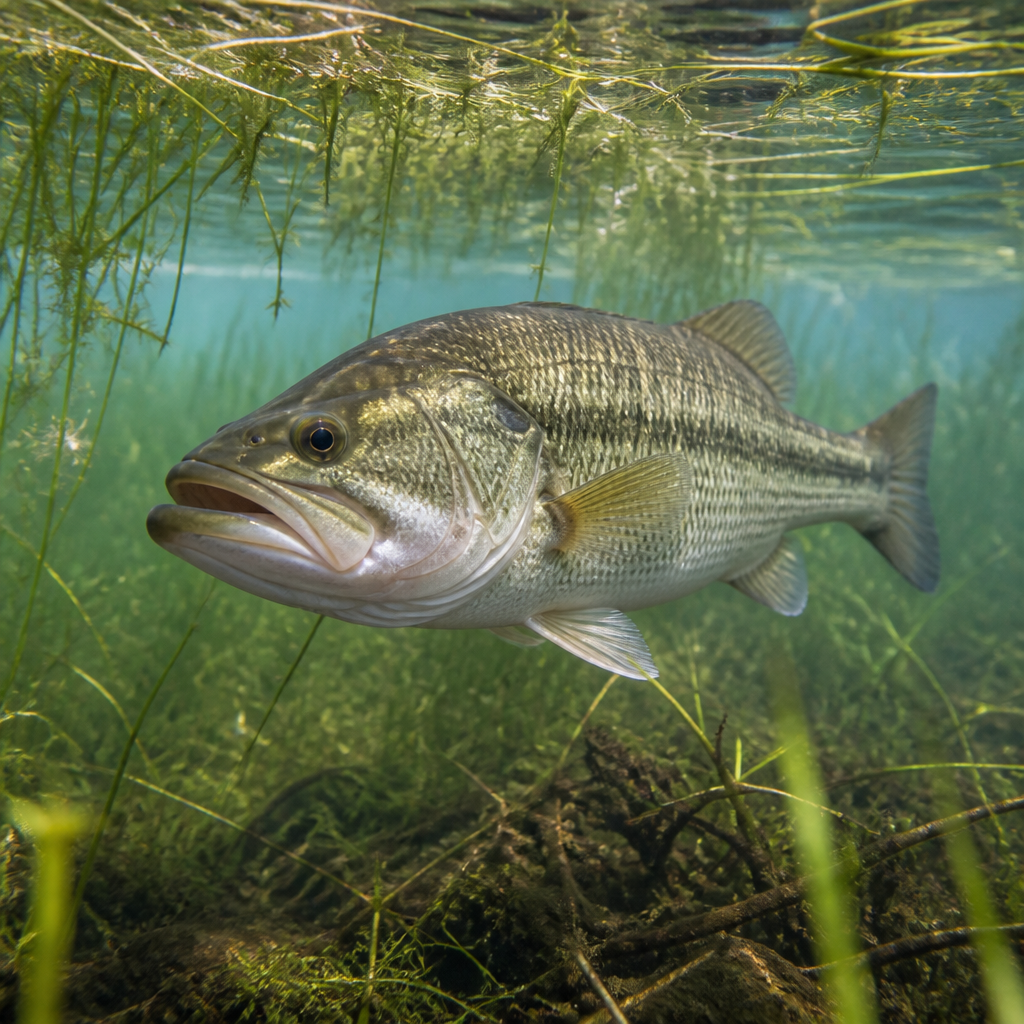
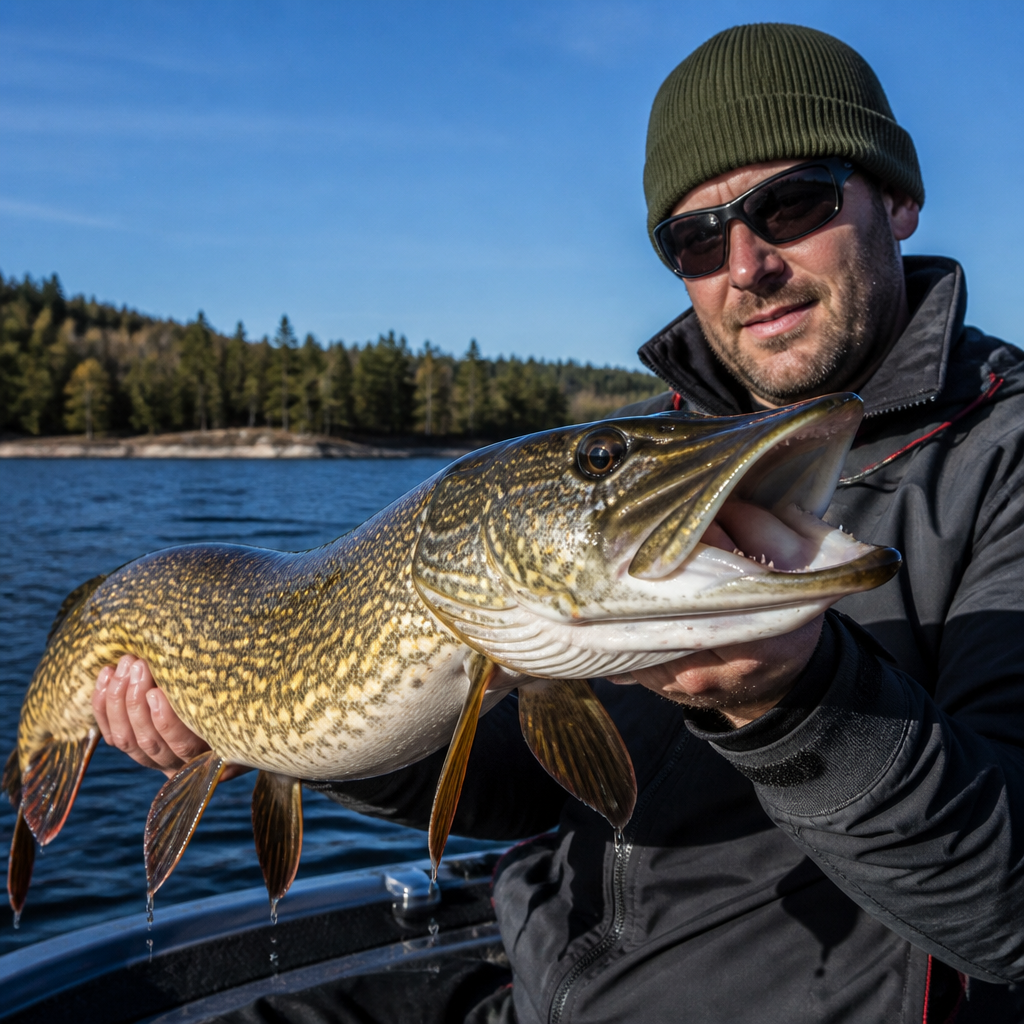
Most gamefish in murky water reduce how far they are willing or able to move to intercept food. Trout often slide toward softer current seams, banks, eddies, and inside bends where they can hold efficiently and ambush something drifting close. Bass and pike commonly pin bait against cover and feed by lateral-line detection. Carp and catfish may become even more comfortable in dirty water because they already feed by feel and scent cues at close range. In every case, location tightens and presentations need to become more deliberate.
A useful rule is this: the dirtier the water, the more your fly must do one of three things very clearly. It must create contrast, push water, or pass close enough for a reaction strike. That principle is more reliable than obsessing over color alone. I have seen black streamers outfish bright flies in chocolate water because their silhouette was stronger when viewed from below. I have also seen a weighted olive Woolly Bugger beat both because it tracked at the right depth and pulsed on a slow strip through fish-holding water.
Where to find fish when visibility drops
In murky rivers and streams, fish rarely spread evenly across the system. They stack in places that reduce energy cost and increase encounter rate with food. Start near banks, current breaks, tributary seams, bridge pilings, root wads, undercut banks, and the softer water below riffles where drifting insects and dislodged prey collect. During runoff, many trout move to edges where the main current is too strong and dirty but the margin is calmer and slightly clearer.
Lakes and ponds require the same logic with different structure. Wind-blown banks can be excellent if baitfish and insects are concentrated there, but severe wave-stirred mud often pushes sight-feeding species a little deeper or into adjacent clearer pockets. Look at inflows and outflows carefully. After rain, a feeder creek may send muddy water into a lake, yet the mixing seam on either side can be prime because food is washing in while visibility remains manageable.
Estuary and warmwater anglers should pay attention to tide and timing. An outgoing tide can pull stained water off flats and into channels, concentrating feeding fish at transitions. On reservoirs, a line where muddy inflow meets clearer main-basin water is one of the highest-percentage places you can fish. Predator species use those edges exactly the way trout use current seams.
Fly selection, depth control, and presentation adjustments
Choose flies that are easier to detect than your standard clear-water offerings. For nymphing, that often means larger profiles, dark bodies, tungsten beads, and patterns with movement such as marabou or rubber legs. Stonefly nymphs, leeches, San Juan Worms, eggs during appropriate seasonal windows, and heavy attractor nymphs all deserve a place in the box. For streamers, Woolly Buggers, Zonkers, Sculpzillas, Clouser Minnows, and baitfish patterns with broad shoulders or pulsating materials are dependable because they displace water and hold a clear outline.
For dry flies, think less about delicacy and more about visibility and float. Foam terrestrials, Chubby Chernobyls, hoppers, beetles, and bushy attractors can outperform tiny mayfly imitations when the surface is broken and stained. In warmwater settings, poppers and gurglers shine because they announce themselves. If fish can hear or feel the fly land and then see a compact silhouette, they can find it in poor clarity.
Depth is usually more important than exact pattern. In murky water, fish often will not move far vertically either. If your nymphs drift twelve inches over bottom while fish are hugging substrate, you may get ignored all day. Add weight, shorten the leader in heavy current, or switch to a tight-line approach that maintains direct contact. With streamers, count the fly down and keep it in the lane. A fly that is the right size and color at the wrong depth is still the wrong fly.
| Condition | Best Areas | Effective Flies | Presentation Focus |
|---|---|---|---|
| Light stain, 1 to 3 feet visibility | Seams, riffle tails, banks | Nymphs, small streamers, attractor dries | Natural drift with slight added visibility |
| Moderate turbidity, 6 to 18 inches visibility | Soft edges, eddies, structure | Dark streamers, worm patterns, leeches | Tight drifts, slow strips, precise depth |
| Heavy runoff, under 6 inches visibility | Margins, tributary refuges, clearer side channels | Large black flies, heavily weighted patterns | Short drifts, repeated passes, near-contact presentations |
| Tannin-stained water | Wood, undercuts, drop-offs | Black, purple, olive, foam terrestrials | Silhouette and controlled speed |
Line, leader, and rigging choices that improve contact
Long, fine leaders are rarely an advantage in dirty water unless fish are spooky in shallow flats. I usually shorten leaders to improve turnover, strike detection, and depth control. A 7.5-foot to 9-foot leader for streamers and indicator nymphing is often more practical than a 12-foot setup. Heavier tippet can also be beneficial because fish inspect the fly less carefully, and stronger material helps land fish quickly in high, debris-filled flows.
For river nymphing, use enough split shot or tungsten to tick bottom occasionally. That contact tells you the rig is fishing where it needs to. For streamers, sink-tip lines are especially valuable because they keep the fly in the zone despite uneven current speed. On lakes, an intermediate line can be ideal when fish are cruising just below the stirred-up surface layer, while a full-sink line helps probe drop-offs where clearer water begins.
Indicator choice matters too. In stained water, a visible indicator helps track drifts through chop and glare. However, too much buoyancy can prevent lighter flies from reaching depth. Balance the rig. If your setup is easy for you to monitor but does not get down, it is not actually efficient. Good murky-water rigging is about direct connection and repeatable control, not just convenience.
How to cast, retrieve, and set the hook in low visibility
Accuracy matters more than distance when water is dirty. Since fish have a reduced detection radius, repeated short presentations to prime holding lies outperform long hero casts. Approach from downstream or off-angle when possible, make compact casts, and cover water methodically. In high water, wading less often catches more fish because the best lies are close to shore and fish are using the exact edges anglers tend to step on.
Retrieves should match both water temperature and species, but slower is often better than anglers expect. In murky conditions, a fly stripped too fast can pass through the strike window before the fish commits. Use short, deliberate strips with pauses for streamers. For stillwater, a hand-twist retrieve can be deadly because it keeps marabou breathing continuously. For nymphs, maintain a tight drift and eliminate slack so subtle takes register.
Hook sets need to be disciplined. Many strikes in dirty water feel soft, like weight rather than impact. Set on any hesitation, unnatural stop, or sideways movement. With streamers, keep the rod low and use a strip-set on species that slash at baitfish imitations. Trout anglers who trout-set aggressively with a high rod often pull flies away or create slack. Low visibility does not mean hard takes every time; it often means less visual confirmation, so your reaction has to become systematic.
Safety, limitations, and when not to force it
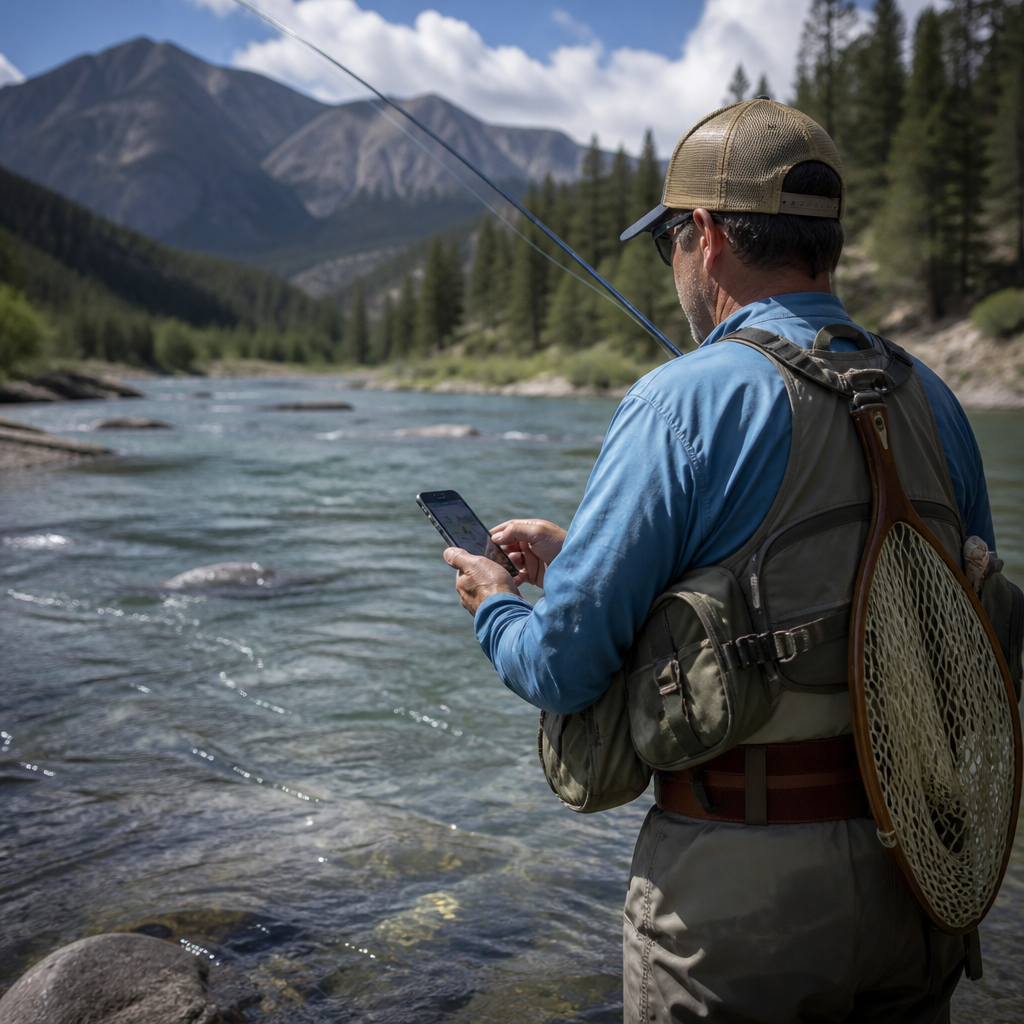
Not all murky water is fishable, and safety comes first. Fast runoff can hide rocks, drop-offs, woody debris, and rising levels. If the river is carrying branches, pushing hard against your legs, or changing color by the hour, bank fishing or postponing the trip may be the smartest move. Many agencies publish real-time flow data through USGS gauges, dam release schedules, and local river monitoring pages. Check them before you leave and again at the access point.
There is also a point where turbidity suppresses feeding more than it helps concealment. When visibility becomes only a few inches across an entire system, fish may simply hunker down, especially coldwater species. In those cases, search for secondary options: spring creeks, tailwaters below settling zones, tributaries that run clear, lakes with protected coves, or stretches above muddy inflows. Good anglers are flexible about destination, not just tactic.
Season and temperature remain critical. Murky summer water can still fish very well at dawn or during stable weather, while murky winter water may call for slower, deeper presentations and fewer but better spots. The broader lesson across water types and conditions is that clarity never works alone. Always read it together with flow, light, structure, and fish metabolism.
Fly fishing in murky water rewards anglers who stop treating dirty conditions as a lost cause and start reading them as a specific environment with clear tactical rules. Reduced visibility shrinks the strike zone, so success depends on finding fish in protected lies, choosing flies with contrast or movement, controlling depth precisely, and presenting close enough to trigger a confident take. Those principles apply across trout streams, warmwater ponds, lakes, and estuaries, which is why murky water belongs at the center of any serious discussion about water types and conditions.
The most reliable approach is simple: fish the edges, shorten the cast, get the fly deeper, and make it easier for fish to find. Use stronger silhouettes, weighted patterns, shorter leaders, and repeatable drifts or retrieves. Pay close attention to inflows, seams, structure, and transitions where dirty water meets clearer water. At the same time, respect the limits. Extremely high, debris-laden flows can be dangerous and unproductive, and sometimes the best strategy is relocating to a clearer tributary or protected shoreline.
If you want to become more consistent, make murky-water practice part of your regular season instead of waiting for ideal clarity. Keep notes on visibility, flow, fly choice, and where fish held. That log will help you connect this hub topic to every other condition you fish and make smarter adjustments on future trips. The next time the water turns off-color, go with a plan and fish it deliberately.
Frequently Asked Questions
What changes most when you are fly fishing in murky water?
The biggest change is visibility. In clear water, fish often have time to track, inspect, and reject a fly from several feet away. In murky water, that inspection window shrinks dramatically, which means fish usually have less time to decide and rely more on short-range cues like vibration, silhouette, displacement, contrast, and location. That changes the entire approach. Instead of assuming fish will move far to intercept a fly, you generally need to put the fly much closer to the strike zone. Accuracy, casting angle, and depth control become more important than delicate long-range presentations. In many cases, you are no longer trying to persuade a fish that can study the fly carefully; you are trying to help it find the fly at all.
Fish behavior often shifts as well. In stained or turbid conditions, many species hold tighter to structure, current seams, drop-offs, weed edges, shoreline cover, and softer water where they can conserve energy and ambush prey at close range. They may also feel more secure feeding shallow or during brighter parts of the day because the reduced visibility offers them cover. For the angler, this means shorter drifts, more methodical coverage, and repeated presentations to likely lies can outperform blind casting. Murky water is not automatically bad water. It is simply a different environment, and once you adapt by fishing slower, targeting higher-percentage areas, and emphasizing flies fish can detect easily, it can be extremely productive.
What are the best fly patterns and colors for murky water?
In murky water, the best flies are usually the ones that are easy for fish to notice. That does not always mean the biggest or brightest fly in the box, but it does mean you should think in terms of contrast, profile, and movement first. Dark flies often work very well because they create a strong silhouette against lighter backgrounds or filtered light. Black, dark olive, purple, and deep brown are reliable choices for streamers, leeches, woolly buggers, and larger nymphs. In other situations, bright attractor colors such as chartreuse, orange, pink, or white can help the fly stand out, especially when the water is greenish, tannic, or heavily stained. The right color is often the one that creates the clearest visual target in that specific water color and light condition.
Pattern selection should also account for how fish locate prey. Flies with built-in motion and bulk tend to shine in off-color water. Streamers with marabou, rabbit strips, rubber legs, soft hackle, or flashy accents can create movement and vibration that help fish hone in. For trout, woolly buggers, leech patterns, stonefly nymphs, jig streamers, and larger perdigons or hotspot nymphs are common confidence patterns. For bass and panfish, baitfish streamers, crayfish flies, poppers, and rubber-legged patterns are strong options. For carp in murky shallows, larger dark nymphs, crayfish imitations, and patterns that push a little water can be effective. As a practical rule, start with flies slightly larger than you might use in clear water, choose colors that produce obvious contrast, and avoid patterns so subtle that they disappear before a fish ever knows they are there.
How should you present a fly when fish cannot see very far?
Presentation in murky water is all about shortening the distance between the fish and the fly. Because fish have a limited visual window, a fly drifting several feet away may go completely unnoticed. That is why targeting structure precisely matters so much. Cast closer to banks, logs, boulders, weed lines, undercut edges, current breaks, and other likely holding water. Work from the assumption that fish are using these features as ambush points and want an easy meal to pass within a very small strike zone. A cast that lands one or two feet closer to cover can be far more effective than a perfect cast that is simply too far away for the fish to detect.
Retrieve and drift style should also be adjusted. In moving water, dead-drifting nymphs deep and close to holding lies is often productive, but adding a slight lift, swing, or twitch at the end of the drift can trigger a fish that only notices the fly late. In lakes or ponds, slow strips, stop-and-go retrieves, and short pulses can help fish track the fly without overmoving it out of range. With streamers, many anglers do better by slowing down rather than ripping the fly. A fish in dirty water may need an extra second to locate and commit. If you move the fly too fast, it may never connect with it. Depth matters too: fish cannot eat what they cannot see, but they also cannot eat a fly that is nowhere near them vertically. Get the fly down to the level where fish are holding, then present it slowly enough that they can find it.
Where should you look for fish in stained or off-color water?
Murky water narrows the search in helpful ways because fish often become more structure-oriented. In rivers and streams, start with softer edges near faster current, seams, eddies, inside bends, pools with defined inflow, undercut banks, submerged wood, and the downstream side of rocks or ledges. These are places where fish can hold comfortably and wait for food to come close. In muddy runoff conditions, cleaner water can be especially valuable. Look for tributary mouths that are clearer than the main flow, edges where stained water meets slightly cleaner water, or side channels with less sediment. Those transition zones often concentrate bait and make feeding easier for fish.
In stillwater, focus on shoreline cover, weed edges, docks, laydowns, points, drop-offs, inflowing water, and windblown banks if the turbidity is not too extreme. Murky conditions can pull fish shallow because they feel less exposed, so do not automatically assume they are deep. Bass, panfish, and carp frequently patrol shallow zones in stained water if there is food and cover. Trout in lakes may cruise edges or feed around inflows where oxygen, current, and food collect. The key is to fish high-percentage water thoroughly rather than covering vast areas quickly. Since fish may not move far to intercept a fly, your success often comes from reading structure carefully and making multiple casts from slightly different angles until the fly enters the fish’s reduced feeding lane.
Can murky water actually improve fly fishing, and if so, when?
Yes, murky water can absolutely improve fly fishing when it is within a fishable range. There is an important difference between stained water and completely blown-out water. Slightly stained or moderately off-color conditions often make fish less wary and more willing to feed aggressively because they feel concealed. Trout that are cautious in clear, bright water may hold shallower and eat bigger flies in stained flows. Bass and panfish frequently use reduced visibility to ambush prey more confidently. Carp can become less spooky when they are not forced to scrutinize everything from a distance. In many fisheries, that “just enough color” period after rain or during stable stain is one of the best times to fish.
The sweet spot depends on species, flow, and habitat, but generally you want enough visibility that fish can still find a fly at close range. If you can see your boots in shallow water or make out a fly a short distance below the surface, the conditions may be very workable. As the water becomes more opaque, fish increasingly rely on close-range feeding and location-specific ambush behavior, so success depends on precision and fly detectability. Once the water turns into heavy chocolate milk with strong debris loads, fishing often becomes less efficient because fish simply cannot locate the fly consistently. So yes, murky water can be an advantage, especially when it provides cover without eliminating the fish’s ability to feed. The best anglers learn to recognize that middle ground and adjust their tactics instead of assuming dirty water means poor fishing.