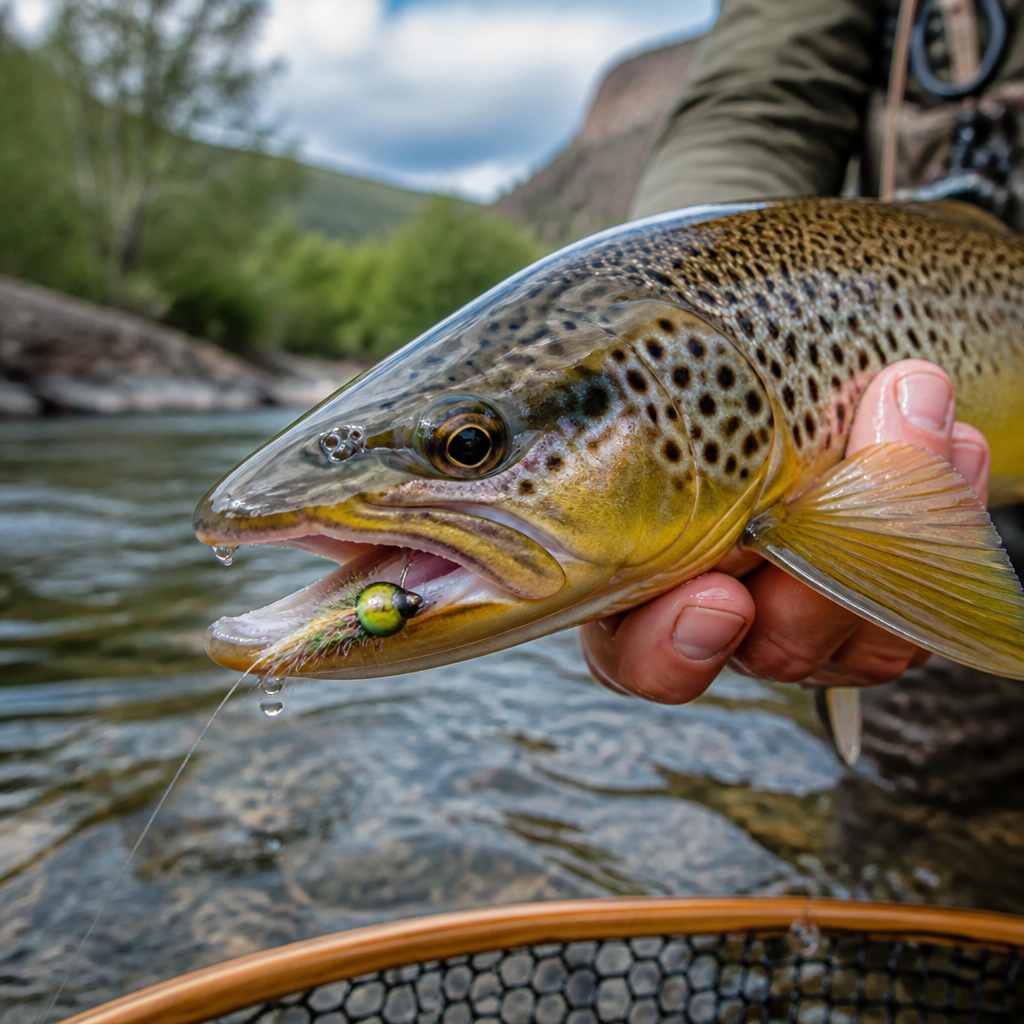
Fishing with wiggle flies blends streamer design, line control, and presentation into one highly visual method for triggering aggressive takes. A wiggle fly is a fly tied or rigged so the hook rides behind a separate head or lip, allowing the pattern to swim with a side-to-side hunting action much like a crankbait. In practical terms, it is one of the most effective specialized techniques for anglers who want larger fish, clearer feedback on retrieve speed, and better control over depth and movement. I have fished them for trout, smallmouth, pike, and warmwater species, and the consistent lesson is simple: when fish ignore standard streamers, a properly tuned wiggle fly often converts follows into strikes.
This matters because predatory fish key on movement before they key on exact imitation. Traditional streamers can pulse, dart, or hover, but many still track in a relatively straight line unless the angler imparts action. Wiggle flies create built-in action through water resistance. That means the fly can hunt, kick, and deflect even on a steady retrieve. For anglers exploring specialized techniques, this category is important because it sits at the intersection of fly tying, fly design, retrieve mechanics, and fish behavior. It rewards precision, but it is not complicated once the fundamentals are clear.
Key terms help frame the method. The head is usually a molded or tied front section that planes water and creates wobble. The trailer hook is the stinger or rear hook attached behind the head on braid, wire, or articulated material. The lip angle, tow point, and junction length determine how aggressively the fly swims. Tracking refers to whether the fly runs true rather than rolling. Hunting describes a subtle, irregular wandering action that often triggers reaction strikes. Specialized techniques in this area also include depth control, current-quartering retrieves, pause timing, and species-specific tuning. As a hub topic, wiggle fly fishing connects naturally to streamer retrieves, articulated patterns, sink-tip systems, pike leaders, bass structure fishing, and coldwater versus warmwater presentation strategies.
Why do anglers seek this approach? Because it solves several common problems at once. It lets you present a big profile without casting an overly wind-resistant traditional streamer. It often improves hook-ups because fish attack the trailing hook instead of clamping down on a bulky head. It can cover water efficiently along banks, weed edges, timber, and seams. Most importantly, it gives the angler a repeatable system: tune the fly, choose the line, set the retrieve cadence, and fish visible structure methodically. That repeatability makes wiggle flies a practical foundation within advanced fly fishing techniques, not just a novelty pattern for experimental days.
How Wiggle Flies Work and When to Use Them
A wiggle fly works by separating action generation from hook placement. The head or lip grabs water first, causing the front end to yaw left and right. Because the hook rides behind, the tail follows with a swimming, baitfish-like kick. Compared with standard articulated streamers, the action starts immediately and remains consistent at a wide range of speeds. That is the core advantage. In stained water, low light, or situations where fish are keyed on larger forage, this stronger vibration signature can outperform subtle patterns. Smallmouth in summer, brown trout during streamer windows, and pike around cabbage edges are classic use cases.
The best times to fish wiggle flies are whenever predators are willing to chase or ambush. Water temperatures from the upper forties through the seventies are generally productive, although exact ranges vary by species. In rivers, I rely on them during overcast afternoons, after a bump in flow, and around structure that creates ambush lanes. In lakes, they shine along weed transitions, rocky points, dock lines, and suspended bait edges. They are less ideal when fish demand tiny forage, when weeds are too thick for exposed hooks, or when the water is so cold that a dead-drifted or barely moving presentation is superior.
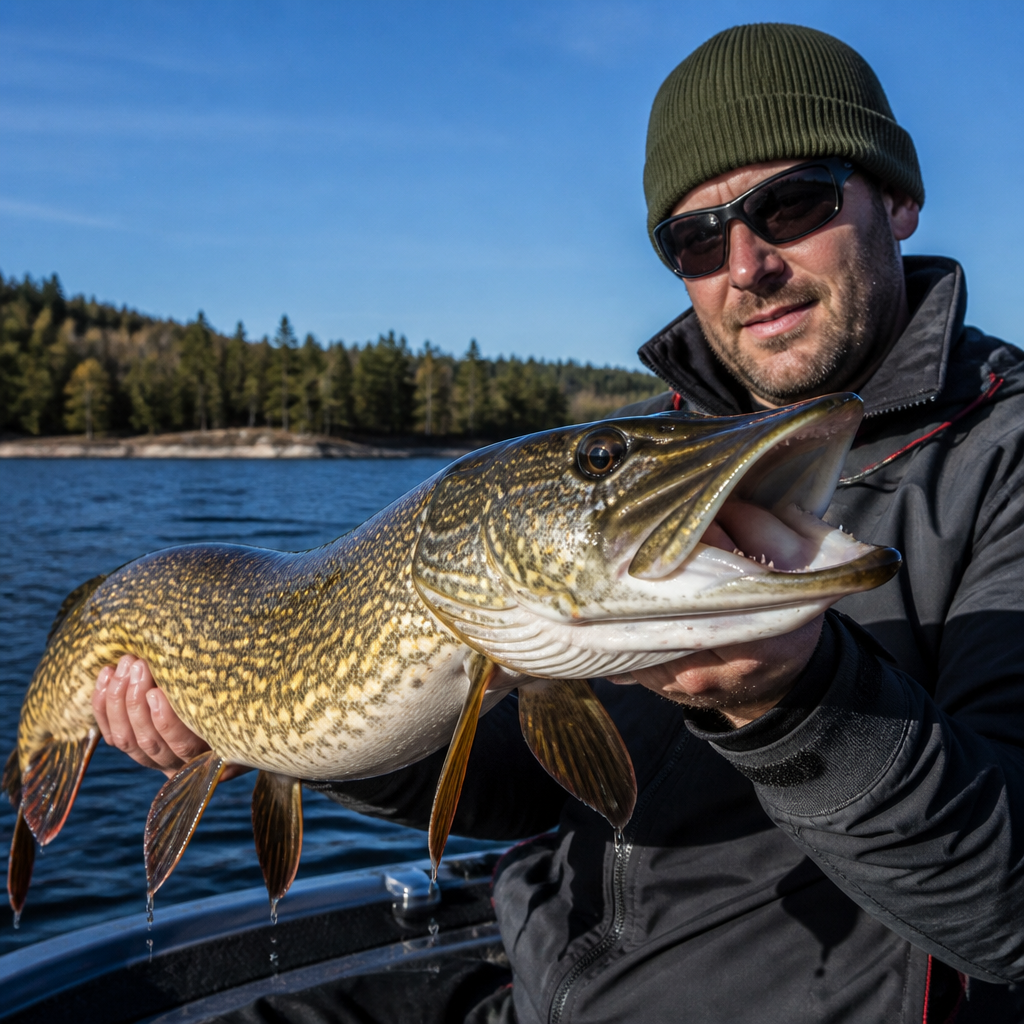
Choose them when you need three things: profile, vibration, and directional change. Trout often respond on the turn, especially when a fly sweeps past boulders or undercut banks. Bass often strike during a short pause after several firm strips. Pike may eat on a straight medium retrieve, but they frequently accelerate behind the fly first, so a boatside or bank-side figure eight can finish the eat. These are not random observations; they repeat across fisheries because the fly’s mechanics create predictable triggers.
Tackle, Rigging, and Fly Design Fundamentals
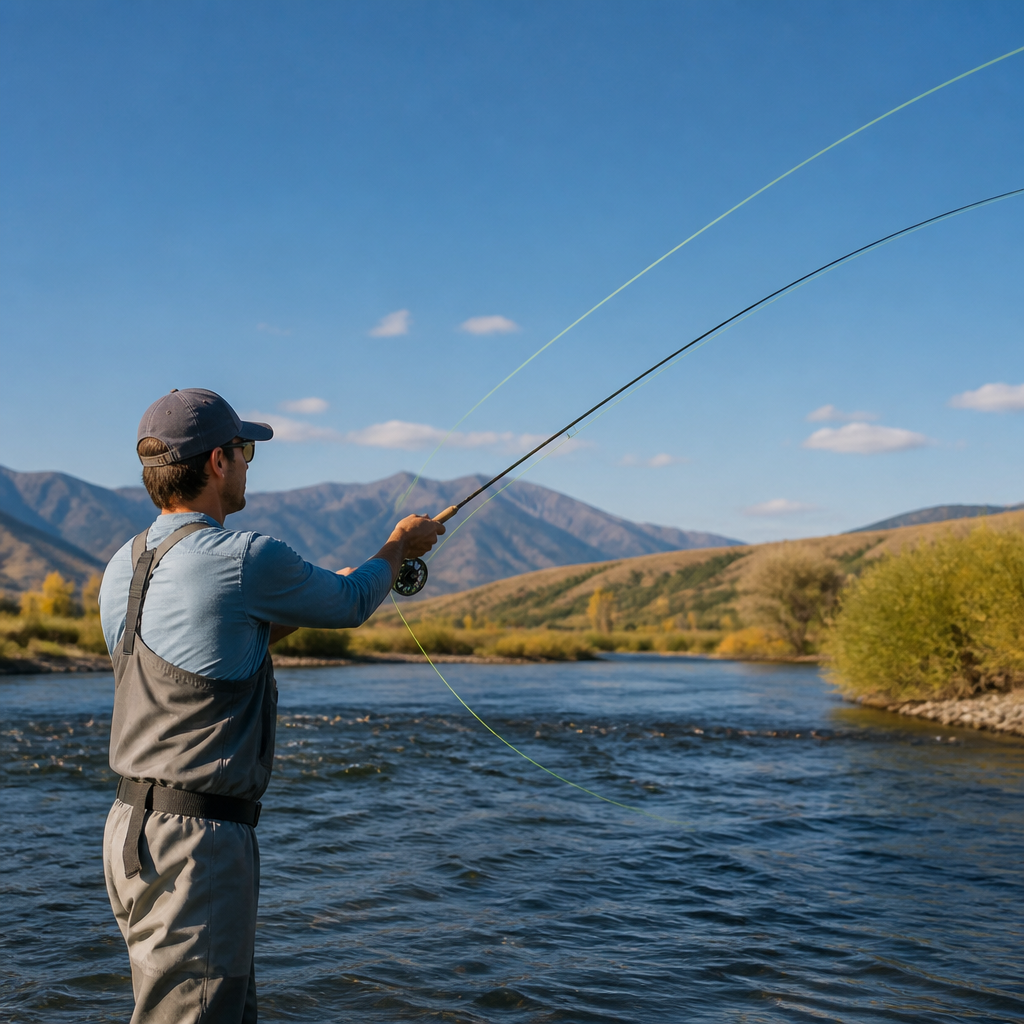
Most anglers fish wiggle flies on rods from 6-weight to 10-weight, depending on species and fly size. For trout and smaller bass patterns, a 6-weight or 7-weight with a compact sink-tip or intermediate line is enough. For large smallmouth, pike, and heavier heads, an 8-weight to 10-weight gives cleaner turnover and better control on the strip set. A short, stout leader is standard because turnover matters more than delicacy. For many trout and bass setups, 3 to 5 feet of 12- to 20-pound material is effective. Pike require bite protection, typically knotable wire or heavy fluorocarbon in the 30- to 50-pound class depending on local regulations and confidence level.
Rigging determines whether a wiggle fly swims correctly. The trailer hook should sit far enough behind the head to avoid fouling, but not so far that the body folds unnaturally on the strip. Braided junction materials are popular because they are flexible and durable. The tow point must be centered; even a slight off-center tie can make the fly roll. Head density, lip size, and tail drag all affect action. A broad head with a moderate lip gives a wide wobble at slower speed, while a narrower head tracks better at faster speed and in current. If a fly blows out, reduce retrieve speed, shorten the leader, or choose a head with less resistance.
| Element | Best Practice | Common Mistake | Effect on Performance |
|---|---|---|---|
| Rod and line | Match fly size to 6-10 weight with sink-tip or intermediate line | Using a floating line for deep structure | Poor depth control and weak turnover |
| Leader | Keep leaders short and stout | Using long tapered dry-fly leaders | Reduced action and inaccurate casts |
| Tow point | Center it precisely | Tying off-center | Rolling or tracking sideways |
| Trailer hook | Size to target species and body length | Oversized hook too close to head | Fouling and missed strikes |
| Retrieve speed | Tune speed to make the fly hunt, not blow out | Stripping too fast immediately | Loss of wobble and unnatural movement |
Pattern selection should mirror forage and environment rather than imitate one bait species perfectly. White, olive, black, and perch tones cover most situations. In tannic or dirty water, black and firetiger-style accents improve visibility. In clear trout water, olive-white and natural sculpin shades are reliable. Length matters as much as color. A three-inch wiggle fly can be ideal for river smallmouth, while a six-inch version may be right for pike. This subtopic also links directly to adjacent specialized techniques such as matching sink rates to current speed, selecting articulated versus fixed trailers, and tuning flies streamside with small adjustments to knot position or head alignment.
Presentation Strategies for Rivers, Lakes, and Structure
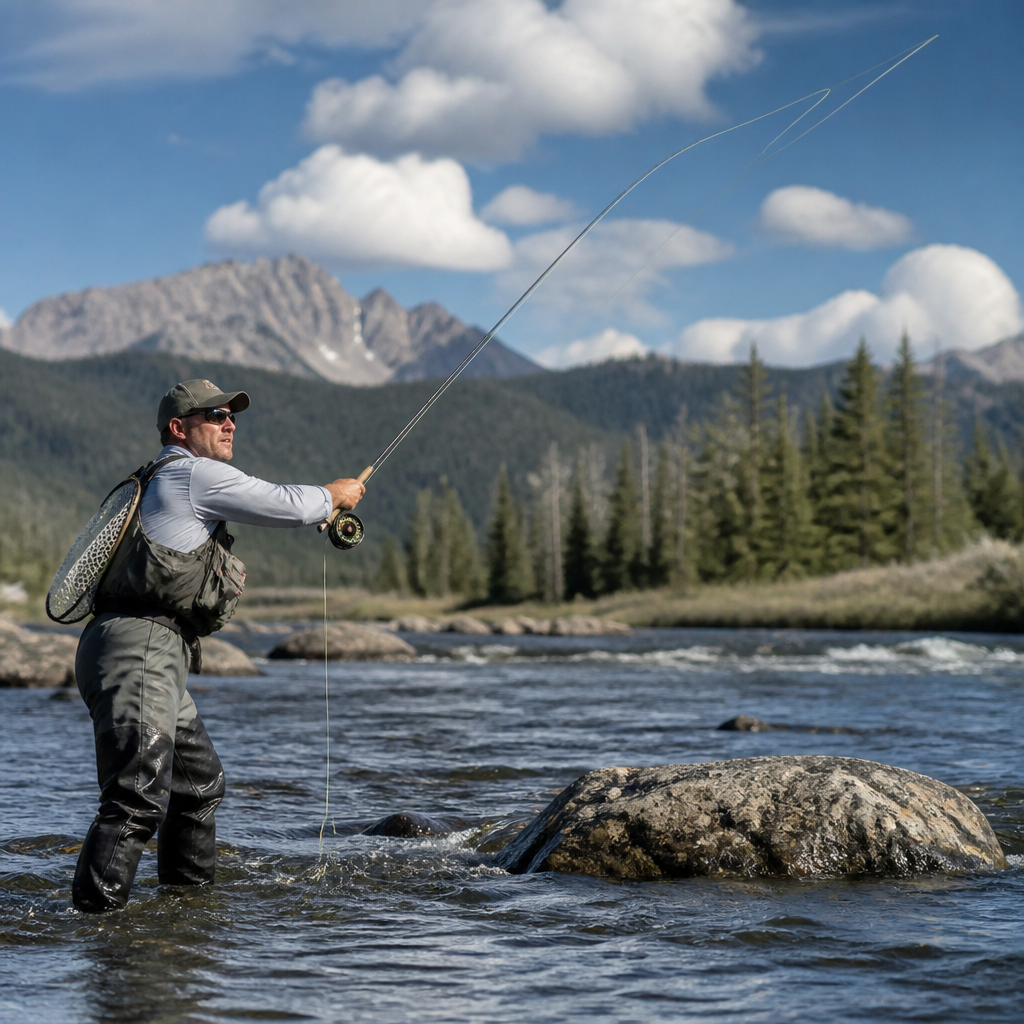
In rivers, cast quartering downstream or across current so the fly has room to engage. Mend only enough to maintain contact without killing the swim. The most productive sequence is often strip, strip, pause, then sweep. That combination lets the fly dig, wobble, and then change direction. Around wood, undercut banks, and midriver boulders, aim tight and bring the fly past the structure at a slight angle rather than straight away from it. Predators hold where they can intercept, and a sideways-moving target appears vulnerable. If fish follow but do not eat, lengthen the pause by half a second or accelerate for two strips, then stop. Trout especially commit when they think prey is escaping.
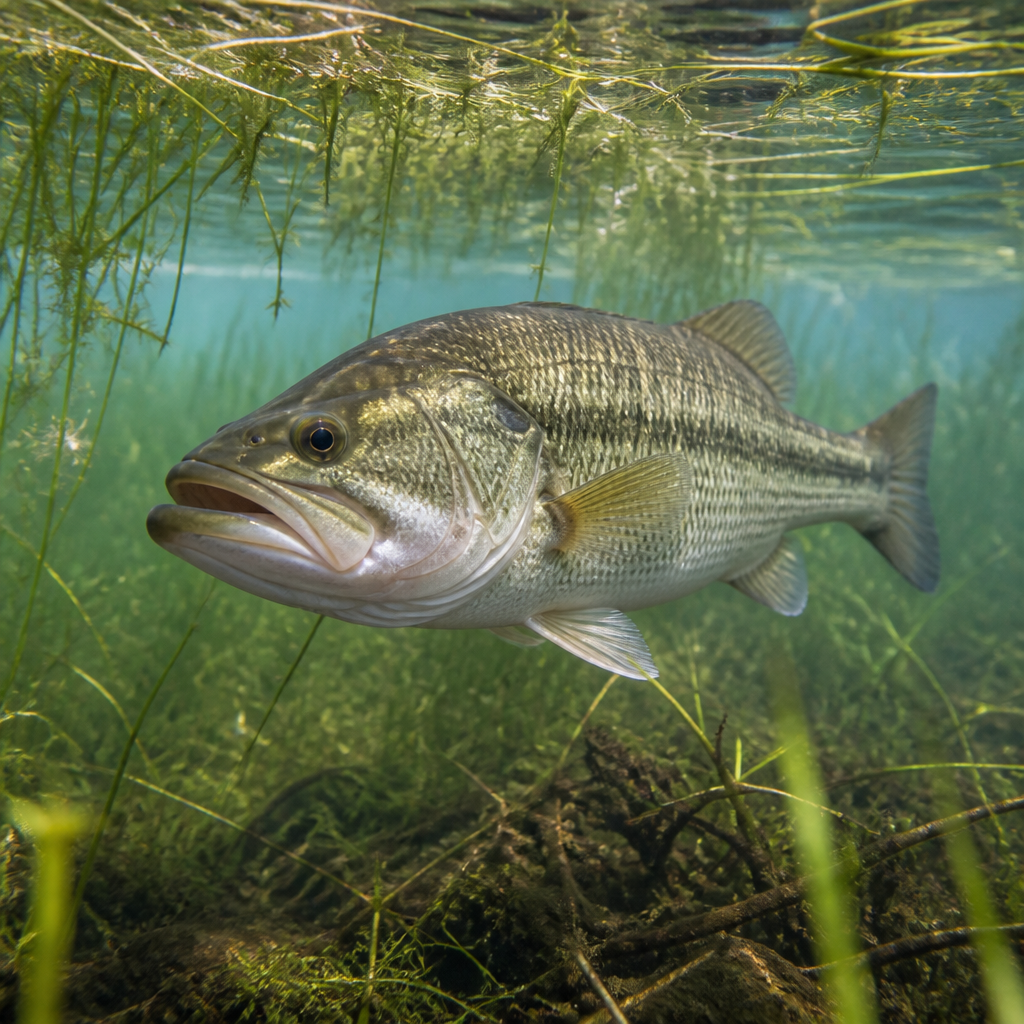
In lakes and ponds, use weed lines and breaklines as your map. Count the fly down to the depth of suspended bait or the top of submerged vegetation. A medium, even retrieve is a starting point, but not the finish. Add directional changes by altering strip length. Two short strips and one long strip often create the best wandering action. On rocky flats for smallmouth, contact with stone is useful; a deflection can trigger a strike much like a crankbait ticking bottom. Around docks, skip or pitch the fly into shade pockets, then begin the retrieve immediately so the head engages before the fish loses interest.
Structure fishing with wiggle flies rewards angles more than distance. Fish points from multiple sides. Run parallel to weed edges before casting directly across them. Cover timber from upstream and downstream positions if current allows. In my own fishing, the biggest mistake I see is anglers making a good cast and then retrieving on autopilot. Specialized techniques demand observation. Watch whether the fly tracks high or low, whether fish are following from the side or behind, and whether strikes happen on the strip, the pause, or the sweep. Those clues tell you which companion topics to refine next, from leader stiffness to sink-tip density to hook sizing.
Retrieves, Hooking Fish, and Species-Specific Adjustments
The best retrieve is the one that keeps the fly swimming cleanly while matching the fish’s mood. Start with a moderate pace just fast enough to maintain a full wobble. Then test three variables: strip length, pause duration, and directional sweep. For trout, six- to ten-inch strips with brief pauses often look natural. For smallmouth, sharper strips can provoke reaction bites, especially in warmer water. For pike, longer pulls maintain a broad tail kick, but include a figure eight at the end because many fish materialize late. If the fly is hunting too widely and losing track, shorten the strip and lower the rod tip.
Hooking fish on wiggle flies is straightforward if you commit to a strip set. Because many takes come from behind, a trout-style lift can pull the fly away or fail to drive the hook. Keep the rod low, strip firmly, and only raise the rod after weight is solid. Trailer hooks improve landing ratios, but they also require attention to fish-handling and local regulations. Pinching barbs is wise where allowed, particularly on larger patterns. Check the hook point frequently. A fly that contacts rock, wood, or pike teeth may still look perfect while the point has dulled enough to cost fish.
Species-specific tuning matters. Brown trout often prefer smaller heads and tighter action in clear water. Smallmouth tolerate louder movement and often favor brighter contrasts during summer algae bloom conditions. Pike want wire-aware rigging, larger silhouettes, and deliberate boatside finishing moves. Even panfish and juvenile bass can respond to micro wiggle flies on lighter tackle, though the technique truly shines for predators capable of tracking and engulfing a substantial baitfish profile. As a hub within specialized techniques, wiggle fly fishing should lead anglers toward deeper study of sink-tip selection, predator leader systems, fly design modification, and seasonal location strategy. Master those supporting topics, and the method becomes highly transferable across waters and species.
Common Problems, Safety, and How to Improve Faster
The most common problem is a fly that does not run true. Usually the cause is an off-center tow point, a fouled trailer, or retrieve speed beyond the fly’s design window. Test every fly beside the boat or bank before making long casts. If it rolls, inspect alignment first, then knot placement, then the tail materials. Another issue is overcasting. Wiggle flies catch fish because they work well around targets, not because they bomb sixty feet. Shorter, accurate casts keep the fly in the strike zone longer. Depth mistakes are equally common. Many anglers fish too high over rocks, weed tops, or ledges where predators are stationed.
Safety matters because these flies often carry larger hooks and are fished on heavier tackle. Wear glasses, control false casts, and leave more room in the boat. Use jaw spreaders and long pliers cautiously and only when appropriate for the species and your experience. For pike and muskie, good fish handling protects both angler and fish; keep tools ready before the strike happens. Improvement comes fastest when you treat each outing as a controlled test. Change one variable at a time, log results, and note where strikes occur in the retrieve. That discipline turns fishing with wiggle flies from an interesting trick into a dependable system.
Fishing with wiggle flies gives anglers a specialized but highly practical way to present baitfish patterns with built-in action, strong vibration, and excellent hooking efficiency. The essentials are clear: choose tackle that turns over the fly, rig the head and trailer so the pattern tracks true, match color and size to forage, and retrieve with enough pace to activate the wobble without blowing the fly out. From trout rivers to bass lakes and pike flats, the method works because it aligns with how predators hunt moving prey.
As a hub within specialized techniques, this subject opens the door to broader mastery. It connects directly to streamer line systems, leader construction, fly tuning, seasonal fish location, and structure-based presentation. The main benefit is consistency. Once you understand how the fly’s mechanics interact with current, depth, and retrieve cadence, you can diagnose problems quickly and repeat what works. That is what separates occasional success from a reliable approach.
If you want to catch more aggressive fish on purpose, start with one proven wiggle fly, one sink-tip or intermediate setup, and one type of structure you can fish methodically. Test retrieves, watch how fish respond, and build from there. Master the basics, then branch into the related specialized techniques that make this subtopic so effective.
Frequently Asked Questions
What exactly is a wiggle fly, and how is it different from a standard streamer?
A wiggle fly is a specialized fly pattern designed to create a pronounced side-to-side swimming action during the retrieve. Unlike a standard streamer, where the hook, body, and profile are tied as one unit, a wiggle fly typically separates the swimming element from the hook. In many versions, the head, lip, or articulated front section creates movement, while the trailing hook rides behind it. This design allows the fly to “hunt” through the water in a way that closely resembles a small crankbait or wounded baitfish.
That difference matters because the swimming motion is more than just visual appeal. The lip or shaped head catches water and forces the fly to track, wobble, and kick with each strip. A traditional streamer may rely more on material pulse, sink rate, and strip cadence for action, but a wiggle fly builds movement directly into the architecture of the pattern. As a result, anglers can often read the fly’s behavior more clearly and make small adjustments to speed, line angle, or pause length to keep it running in the strike zone.
Another key advantage is hook placement. Because the hook trails behind the action-producing head, fish often connect cleanly when they attack from the rear or side. This can improve hookups on aggressive takes, especially from predatory fish keying in on baitfish. In practical fishing terms, a wiggle fly gives you the visual triggering power of a lure-like swim combined with the versatility and presentation advantages of fly tackle.
When should you choose a wiggle fly over other streamer patterns?
Wiggle flies shine when you want to trigger reaction strikes from predatory fish that are actively hunting larger forage. They are especially effective when fish are keyed in on minnows, juvenile trout, shad, perch, sculpins, or other baitfish with an erratic swimming profile. If you are fishing for larger trout, bass, pike, musky, or other ambush-oriented species, a wiggle fly can be a better choice than a conventional streamer because it offers a stronger visual signal and a more pronounced swimming track.
They are also a smart option in clear water, where fish can closely inspect a presentation. In those conditions, the realistic tracking action can be the difference between a follow and a committed strike. Many anglers reach for a wiggle fly when they want better feedback during the retrieve. Because the fly’s wobble can often be felt or seen through the line and rod tip, it becomes easier to maintain consistent action and control depth. That makes the technique particularly useful when you need precision around structure, current seams, weed edges, drop-offs, or submerged timber.
Seasonally, wiggle flies are often at their best when larger fish are feeding aggressively and willing to chase. Pre-spawn, post-spawn, fall feeding windows, and low-light periods can all be excellent times to use them. They are less about subtle imitation and more about provoking instinct. If fish are ignoring dead-drifted presentations or standard stripped streamers, switching to a wiggle fly can introduce a more dynamic movement pattern that flips the switch from curiosity to attack.
What retrieve techniques work best when fishing a wiggle fly?
The most effective retrieve with a wiggle fly is usually one that lets the fly’s built-in action do the work. That means avoiding the temptation to strip too fast or too violently right away. Start with a moderate, steady strip and watch how the fly tracks. The goal is to find the speed at which the head or lip engages the water and produces a clean hunting motion. Once you have that sweet spot, you can add short bursts, pauses, and directional changes to make the presentation look even more like vulnerable prey.
A straight, even retrieve is often underrated because it allows the fly to swim consistently and maintain depth. However, many strikes come when you break that rhythm. Try a sequence such as strip-strip-pause, slow pull followed by a quick acceleration, or a few short strips mixed with one longer sweep. The pause is especially important because predatory fish often strike just as the fly stalls, rises, or changes direction. That sudden shift can mimic a baitfish losing balance or trying to escape.
Rod angle and line management are just as important as strip cadence. Keep enough tension in the line for the head to stay engaged, but not so much that the fly is dragged unnaturally. A low rod tip often helps maintain depth and direct contact, while a slightly elevated tip can be useful when you want the fly to climb over weeds or wood. In current, let the water help animate the fly rather than overpowering it with constant stripping. Across many situations, the best retrieve is the one that keeps the fly wobbling naturally, stays in the strike zone, and changes speed just enough to trigger commitment.
How do you control depth and presentation when fishing wiggle flies?
Depth control is one of the biggest strengths of fishing wiggle flies well, and it starts with understanding the relationship between line choice, fly design, retrieve speed, and casting angle. A wiggle fly’s head or lip creates action, but that same design can also influence how the fly dives or rises during the retrieve. To keep the fly in the productive layer, match it with the right line system. Floating lines work well in shallow water or over vegetation, sink-tip lines are excellent for moderate depth and moving water, and full sinking lines help reach deeper structure or maintain depth during longer retrieves.
Retrieve speed is another major factor. In some designs, faster strips make the fly dig and track more aggressively; in others, too much speed can cause the action to blow out or lift the fly off the target depth. That is why testing the fly near you before making a long cast is so valuable. Watch how quickly it engages, how deep it wants to run, and whether it swims true. From there, you can fine-tune with leader length, line density, and rod position.
Presentation angle matters more than many anglers realize. Casting across-current, slightly downstream, or quartering toward structure can all change how the fly swims and where it spends the most time. In rivers, allowing the fly to swing under controlled tension can produce a very natural hunting action. In lakes or stillwaters, counting the fly down before the retrieve is one of the simplest and most reliable ways to repeat productive depth. The anglers who do best with wiggle flies are usually the ones who treat depth as an active variable, not an afterthought. They make constant micro-adjustments until the fly is moving at the right level, with the right cadence, through the zone where fish can attack.
What tackle, setup, and common mistakes should anglers know before using wiggle flies?
Because wiggle flies are often fished for larger, aggressive species, your tackle should be balanced around turning over a bulky pattern, maintaining contact, and handling hard strikes. A rod with enough backbone to cast weighted or resistant flies is helpful, typically in a weight range suited to your target species and water size. A reel with a dependable drag becomes more important when you are chasing strong fish that may hit close and run fast. Leaders are usually shorter and stouter than what you would use for delicate presentations, since turnover and direct control matter more than stealth in most wiggle fly situations.
Your line choice should match the depth and structure you intend to fish. Many anglers do best with a sink-tip or full sinking line because it keeps the fly connected and in the zone longer. That said, a floating line can be highly effective in shallow water when paired with a fly that wakes, dives, or swims just under the surface. Use tippet material with enough abrasion resistance for the cover and species involved, especially around rocks, wood, weeds, or toothy fish.
The most common mistake is retrieving too fast before learning how the fly actually swims. Many anglers overpower the pattern and never let it establish its natural wobble. Another frequent error is using the wrong line for the depth, which causes the fly either to ride too high or drag too deep and lose action. Poor line tension can also ruin the presentation. Too much slack and the head does not engage properly; too much pull and the fly may track unnaturally. Anglers also miss fish by striking too hard on the take. Because wiggle flies are often eaten with force, a controlled strip-set is usually more effective than an exaggerated trout-style lift. Finally, do not overlook tuning and observation. If the fly is running off-center, fouling, or rolling, correct it immediately. Wiggle flies are highly responsive tools, and small setup flaws have a big effect on performance.