Fishing with UV flies adds a purposeful layer of visibility, contrast, and trigger appeal that standard patterns often cannot match. In fly fishing, “UV” usually refers to materials, coatings, dubbing, flash, or resins that reflect ultraviolet light in ways many fish can detect, especially trout, salmon, steelhead, and numerous saltwater species. After years of testing UV nymphs, streamers, and emergers in clear freestone rivers, glacial tailwaters, and low-light estuaries, I have found that UV is not a magic shortcut, but it is a real tactical advantage when matched to water clarity, depth, forage, and light angle. That distinction matters because anglers often buy bright flies expecting universal results, then miss the more important question: when does UV help fish find, follow, or commit?
Understanding that answer matters because fish do not see the world the way anglers do above the surface. Research on salmonids has shown sensitivity to ultraviolet wavelengths, particularly at younger life stages, and many aquatic insects, baitfish, and crustaceans carry natural reflectance that changes underwater. UV flies can imitate those signals or create a stronger strike trigger in stained water, shadowed runs, and overcast conditions. They can also fail when overused in ultra-clear, heavily pressured water where subtlety beats attraction. This hub article explains the specialized techniques and gear behind fishing with UV flies, including pattern selection, line and leader choices, presentation methods, species-specific adjustments, and practical mistakes to avoid. If you want one starting point for specialized UV fly tactics, this is it.
What UV Flies Are and When They Work Best
UV flies are fly patterns tied with materials engineered or selected to reflect ultraviolet light rather than simply glow in the dark. That distinction is critical. Glow materials absorb light and emit it slowly, while UV materials reflect wavelengths present in ambient light. Common examples include UV ice dubbing, UV polar chenille, UV flashabou, fluorescent threads, and UV-cured resins used on wing cases, baitfish heads, and perdigon bodies. In practice, these materials make a fly easier for fish to track without always making it look unnaturally bright to the angler.
The best situations for UV flies are low-angle light, broken surface chop, stained water, depth transitions, and conditions where fish have a short inspection window. On western tailwaters, I often rely on UV perdigons during winter because fish sit deep, current seams are narrow, and the fly must stand out enough to be noticed while still drifting naturally. In Great Lakes steelhead tributaries, a UV hot spot on an egg pattern or nymph can increase follows in greenish water where ordinary pastel tones disappear. In saltwater, a sparse baitfish with UV flash can help snook or striped bass lock onto the profile at dawn or under dock shade.
UV also helps when matching prey with translucent qualities. Many mayfly nymphs, caddis pupae, scuds, shrimp, and fry exhibit light transmission and reflectance that suggest life. A small amount of UV resin over pearl tinsel or a UV rib over olive dubbing creates that effect better than piling on flashy material. The rule I use is simple: UV should support the fly’s job, not dominate it. If a pattern looks like a signal beacon in your hand, it is probably overbuilt for technical fish.
Choosing the Right UV Fly Patterns for Specialized Techniques
Not all UV flies fish the same way, and pattern category matters more than color alone. For subsurface trout work, three families consistently earn space in my box: UV nymphs, UV emergers, and UV streamers. UV nymphs include perdigons with fluorescent collars, pheasant tail variants with UV thoraxes, and scud patterns using UV ice dub under a translucent shellback. These are best for euro nymphing, indicator rigs, and pocket water where sink rate and quick detection matter. UV emergers excel in film-oriented feeding, especially during blue-winged olive hatches, because a sparse UV shuck or wingbud can make the imitation visible without ruining silhouette.
Streamers are where many anglers overdo UV. The strongest streamer designs use UV selectively on the throat, lateral line, head, or shoulder rather than throughout the entire fly. Think olive-and-white baitfish with a UV resin head, black streamers with a short UV hotspot behind the eye, or articulated sculpins with a faint UV collar. Predatory fish key on profile first, movement second, and contrast third; UV supports those factors but should not replace them. For steelhead and salmon, intruders, leeches, and egg-sucking patterns often benefit from UV dubbing stations or fluorescent triggers because they are fished through moving fish that react fast.
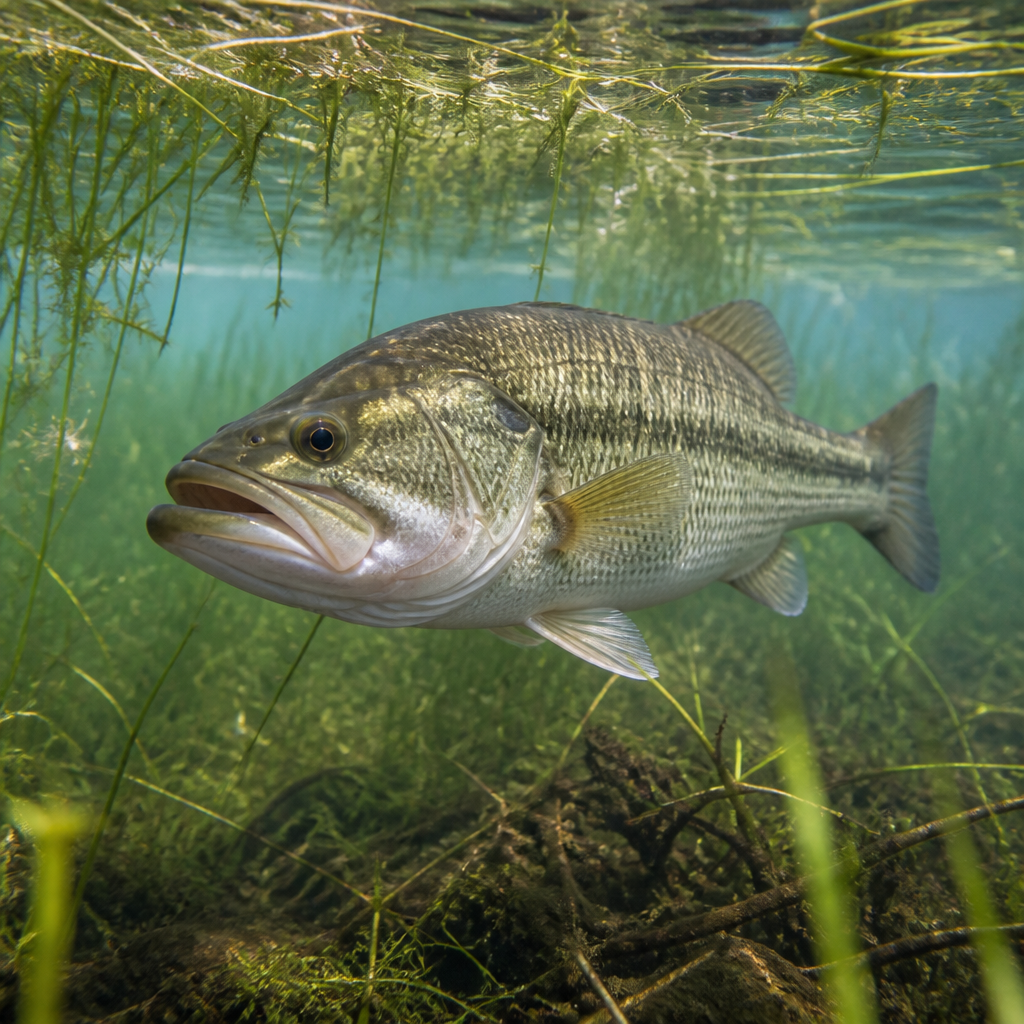
For panfish and bass, UV can be more aggressive. Bluegill often respond well to UV chenille on small bugs, and largemouth in tannic ponds will eat dark streamers with UV flash in the tail. Saltwater anglers commonly use UV epoxy shrimp, surf candies, and crab flies where translucent reflectance mimics natural forage. A practical way to organize your box is by water type and prey form: deep fast nymphs, hatch emergers, searching streamers, and attractor patterns. That approach turns UV from a novelty into a controlled variable you can test logically.
Gear Setup: Rods, Lines, Leaders, and Essential Accessories
Fishing UV flies does not require a completely separate outfit, but specialized techniques benefit from purposeful rigging. For UV nymphs, I prefer a 10-foot 3-weight or 4-weight euro rod with a thin level leader or competition-style sighter system because these flies are often compact and heavy, built to enter the strike zone quickly. On indicator rigs, a 9-foot 5-weight with a floating line and a long leader handles split shot, tandem flies, and mending better. Streamer anglers fishing UV baitfish usually do best with a 6-weight to 8-weight rod, matched to either a sink-tip or full sinking line depending on current speed and target depth.
Leader design matters because UV flies often perform best when they drift naturally and remain visible enough to track. For nymphing, fluorocarbon tippet is useful because it sinks, resists abrasion, and keeps compact UV flies down. For dry-dropper or emerger fishing, nylon can offer better turnover and softer presentation. In saltwater, stiff butt sections help turn over wind-resistant UV shrimp and baitfish. Tippet diameter should match fly size and fish pressure, but I generally avoid going too heavy simply because a fly has attractor properties. A UV fly still needs freedom of movement.
Accessories make a measurable difference. Polarized glasses improve your ability to track fly lanes and fish behavior, even if you cannot “see UV” itself. A UV torch is useful for charging glow materials but is not necessary for reflective UV flies; many anglers confuse the two. What is more useful is a small waterproof box organized by light level and water clarity, plus a drying patch and floatant for emerger work. I also recommend carrying a headlamp with neutral white output for predawn changes, and forceps with a cutter because UV-coated patterns can be compact and difficult to retie in cold conditions.
| Technique | Recommended Rod | Line Type | Leader/Tippet | Best UV Fly Style |
|---|---|---|---|---|
| Euro nymphing | 10′ 3wt-4wt | Thin mono or euro line | Long leader, fluorocarbon tippet | Perdigons, scuds, slim nymphs |
| Indicator nymphing | 9′ 5wt-6wt | Weight-forward floating | 9′-12′ tapered leader | Hot spot nymphs, eggs, leeches |
| Streamer fishing | 9′ 6wt-8wt | Sink-tip or full sink | Short stout leader | Baitfish, sculpins, articulated flies |
| Emerger presentations | 9′ 4wt-5wt | Floating line | Long fine leader, nylon tippet | Soft hackles, RS2-style patterns |
| Saltwater flats | 9′ 7wt-9wt | Tropical floating/intermediate | Stiff tapered leader | Shrimp, crabs, surf candies |
Presentation Tactics for Trout, Steelhead, Bass, and Saltwater Species
The most effective UV fly technique is still the one that puts the pattern in front of fish at the right depth and speed. For trout nymphing, dead drift remains primary. UV perdigons shine when fished on tight-line setups through defined seams, pocket water, and winter buckets because their slim profile cuts current and their reflective accents improve detectability. Keep the drift short, controlled, and in contact. If you are indicator fishing, use enough weight to tick bottom occasionally, then adjust depth in six-inch increments until eats become consistent. Most missed opportunities with UV nymphs are actually depth problems.
Emerger presentations demand restraint. During selective feeding, I often grease the leader but not the final tippet section, then swing or stall a UV emerger just under the surface film. That tiny pause imitates an insect struggling to escape and often produces takes that dead-drift dries do not. Soft hackles with a UV thorax can be especially effective on caddis hatches because the reflected pulse appears and disappears as the fly turns in current. Fish keying on motion often prefer that to a static imitation.
Streamer fishing with UV patterns works best with clear intent: strip, swing, or crawl. In cold water, slow strips with long pauses let the UV shoulder or head stay visible during the stall, which triggers followers. In warmer water, erratic retrieves can provoke territorial bass and aggressive brown trout. Steelhead respond well to broadside swings where a UV trigger becomes visible at the end of the arc. In saltwater, match the retrieve to prey. Shrimp should dart and settle; baitfish should glide, panic, and stop. UV matters most when the fish sees the fly from an angle or in interrupted light, so presentation lane and body orientation are central.
Reading Water, Light, and Seasonal Conditions with UV Flies
UV fly success improves sharply when you evaluate water color, depth, sky cover, and season before tying one on. In clear summer water under direct overhead sun, fish often get a long look, and too much UV can produce refusals. I downsize then, using natural olives, tans, and grays with only a small UV hotspot. In contrast, autumn storms, snowmelt edges, and tea-stained flows are ideal for stronger UV accents because suspended particles reduce ordinary visibility. The goal is not brightness for its own sake; it is maintaining recognizability as water filters wavelengths and softens edges.
Depth changes the equation as well. Red wavelengths fade quickly underwater, while blue and ultraviolet penetrate differently depending on clarity. That is one reason a UV rib or collar may remain effective deeper than a purely red hotspot. In practical terms, I use modest UV in shallow riffles, stronger UV in deep runs and lakes, and translucent UV baitfish in low-light shorelines. Winter can be excellent for UV because fish conserve energy and often need a clearer target to justify moving. Spring runoff also favors UV streamers and eggs, especially where seams carry slightly better clarity than the main push.
Light angle is a subtle but decisive factor. Early and late in the day, side-lighting can make a UV shoulder on a streamer flash briefly as it rolls, which often triggers fish following from behind. Overcast conditions generally expand the useful window for UV patterns because contrast is lower across the environment. Bright flat noon light on clear water is usually the toughest scenario. If you keep notes, log cloud cover, water tint, fly style, and where strikes occurred in the drift or retrieve. Over a season, those observations reveal whether UV is helping because of hue, reflectance, depth, or simply confidence-driven focus.
Common Mistakes, Fly Selection Rules, and How to Build a UV Strategy
The biggest mistake anglers make with UV flies is treating them as a category that should always outfish conventional patterns. They do not. UV is a modifier, not a guarantee. The second mistake is choosing flies that are too gaudy for the forage base. A river full of slim baetis nymphs rarely calls for oversized fluorescent blobs, even in off-color water. Third, many anglers fail to compare one variable at a time. If you change fly size, weight, drift depth, and color together, you cannot know whether UV influenced the result.
A reliable selection rule is to start with the natural profile first, then add controlled UV only where it improves visibility or imitates translucence. For nymphs, that may mean a UV collar, thorax, or wing case. For streamers, it may be a lateral line, throat, or resin head. For emergers, keep UV sparse and integrated into the shuck or thorax. Carry the same pattern in non-UV, low-UV, and medium-UV versions. Fish each for enough time in comparable water to make a useful judgment. This simple A/B testing method has saved me from abandoning productive drifts just because one bright attractor failed.
To build a complete UV strategy, think in systems. Pair fly style to fish behavior, rigging to depth, and UV intensity to clarity and light. Maintain a small core box: two UV nymphs for clear water, two for stained water, two emergers, two baitfish, one leech, one egg, and one confidence attractor. Replace guesswork with observation. Watch how fish follow, where takes occur, and whether refusals happen at first sight or close inspection. Specialized techniques reward disciplined anglers, and UV flies are at their best when used with that discipline. Start modestly, track results, and refine your box around the waters you actually fish.
Fishing with UV flies works because it combines fish vision, underwater light behavior, and practical presentation into one adaptable system. The key lesson is straightforward: UV materials are most effective when they improve visibility or imitate natural reflectance without overwhelming profile, size, and drift. Nymph anglers gain an edge with slim UV patterns that sink fast and remain detectable at depth. Emerger anglers benefit from subtle UV touches that suggest life in the film. Streamer anglers do best when UV highlights movement and contrast rather than replacing sound baitfish design. Across trout, steelhead, bass, and saltwater species, results improve when gear, leader construction, and retrieve style match the job.
This specialized techniques hub should give you a durable framework for every related tactic you explore next, from euro nymphing with UV perdigons to low-light streamer fishing and hatch-specific emerger work. The main benefit of learning UV fly strategy is not owning brighter patterns; it is making better decisions about when visibility helps and when restraint catches more fish. Build your fly box in graduated levels, test one variable at a time, and record what happens under different light and water conditions. If you apply that process on your home water, UV flies will stop being a trend and become a dependable tool in your broader fishing strategy.
Frequently Asked Questions
What exactly are UV flies, and how are they different from standard fly patterns?
UV flies are patterns tied with materials designed to reflect or interact with ultraviolet light in ways that many fish can detect. In practical terms, that usually means UV-reactive dubbing, flash, resin, coatings, tinsels, synthetics, or hotspots added to familiar nymphs, streamers, wets, emergers, and even dry flies. The key point is that a UV fly is not necessarily brighter to the human eye. In many cases, it looks fairly subtle above the water, but underwater it can create a stronger contrast signature, a more distinct focal point, or an added trigger effect that helps fish locate and commit to the fly.
That is where UV patterns separate themselves from standard flies. A standard pheasant tail, baitfish imitation, or egg pattern might already have excellent shape and movement, but a UV-enhanced version can add another layer of visibility without making the fly look gaudy or unnatural. In clear rivers, glacial tailwaters, and low-light estuaries, this can matter a great deal because fish often key in on contrast and detectability as much as exact color. Trout, salmon, steelhead, and many saltwater species routinely respond to subtle UV accents, especially when light penetration, changing cloud cover, stained water, or depth reduces the effectiveness of ordinary materials.
It is also important to understand that UV is not magic. It does not automatically outfish conventional patterns every day. The real advantage is situational. UV can help a fly stand out just enough in difficult visibility conditions, trigger territorial or predatory reactions, and improve tracking when fish are following but not fully committing. When viewed that way, UV flies are best treated as precision tools rather than gimmicks. They are another way to tune a proven pattern to the water, light, depth, and species you are targeting.
When do UV flies work best, and what fishing conditions favor them most?
UV flies tend to shine when fish need help finding the fly or when a subtle visual trigger can convert inspections into strikes. Some of the best conditions include low light early and late in the day, overcast weather, lightly stained or glacially tinted water, deeper runs, fast riffles, and situations where fish have limited time to react. In these conditions, a UV hotspot, rib, collar, or wing can make the pattern read more clearly in the water column without overwhelming the fly’s natural silhouette.
They are also highly effective in mixed-clarity systems where visibility changes through the day or from run to run. For example, in freestone rivers after a slight bump in flow, standard flies may begin to disappear sooner at depth, while UV nymphs and streamers continue to provide enough contrast for fish to track them. In tailwaters, where fish can become selective, a restrained UV element can sometimes be more productive than adding bulk or extra flash. In estuaries and coastal environments, UV baitfish and shrimp patterns often perform well during dawn, dusk, or under cloud cover when fish are feeding aggressively but visibility is inconsistent.
That said, UV is not limited to dark or dirty conditions. It can also be very effective in clear water, particularly when fish are pressured and unwilling to move far. A small UV trigger point can help the fly register quickly without changing the overall realism of the pattern. The smartest approach is to think of UV as a scaling tool: increase its presence when visibility drops or fish are aggressive, and dial it back when the water is flat calm, ultra-clear, or the fish are inspecting flies closely. Matching the amount of UV to the environment is often more important than simply choosing a fly labeled “UV.”
What are the best techniques for fishing UV nymphs, streamers, and emergers effectively?
Technique matters just as much as fly selection, and UV flies perform best when presented in a way that lets their visibility and trigger qualities work naturally. With UV nymphs, focus first on depth and drift. These patterns are especially effective when they are in the strike zone long enough for fish to register the UV hotspot or thorax. Use enough weight to achieve a natural drift near the bottom, maintain a controlled dead drift through likely holding water, and pay close attention to line tension so the fly does not skate unnaturally. A small UV collar, wingcase, or hotspot often excels in pocket water, seams, and riffles where fish make quick feeding decisions.
With UV streamers, presentation can be more dynamic. Fish them on a tight line, across current, or with varied retrieve speeds depending on whether you are imitating baitfish, leeches, or sculpins. UV streamers often trigger follows because they remain easier to track in broken light or colored water, but converting follows into strikes usually comes down to retrieve changes. Add pauses, strips of uneven length, directional swings, or sudden acceleration. Those shifts make the UV elements flash or pulse in a way that suggests vulnerability. In deeper runs or during low light, a sink-tip line can be a major advantage because it keeps the fly in the zone longer, where the UV materials can do their job.
UV emergers are often overlooked, but they can be deadly when fish are feeding just below the surface. During hatches, fish frequently key on ascending insects rather than adults floating cleanly on top. A UV rib, wingbud, or shuck can make an emerger more visible in the film while still looking natural. Fish them under a dry as a dropper, on a greased leader, or with a slow swing at the end of the drift. The common thread across all three categories is control. UV helps fish notice the fly, but your drift, swing, retrieve, and depth determine whether they believe it enough to eat.
What gear should I use when fishing with UV flies?
The good news is that you do not need highly specialized gear to fish UV flies well, but a thoughtful setup improves their effectiveness. For trout applications, a versatile 4- to 6-weight rod handles most UV nymphing, streamer, and emerger work. If you are targeting steelhead or salmon, moving up to a 6- to 8-weight gives you better line control, casting power, and fish-fighting strength, especially when larger UV intruders, tubes, or articulated streamers are involved. In saltwater, species and conditions dictate the setup, but 7- to 10-weight rods are common for casting UV baitfish and shrimp patterns in wind and current.
Line choice is one of the most important equipment decisions. For UV nymphs and emergers, a floating line paired with the appropriate leader system is standard. Tight-line or indicator rigs both work, depending on water type and personal preference. For streamers, a floating line can be effective in shallow water, but sink-tip or full-sink lines often unlock the real potential of UV patterns by presenting them at the depth where fish can track them best. Leaders should match the technique: longer and finer for technical clear-water emerger or nymph fishing, shorter and stronger for streamer work and aggressive fish.
Polarized glasses are especially valuable because they help you read water, detect follows, and monitor subtle takes, even though they are not about seeing the UV effect itself. A good selection of UV patterns should include restrained and bold options: small hotspot nymphs, UV-wing emergers, baitfish streamers with UV flash, and a few confidence flies with more pronounced UV dubbing or resin heads. It also helps to carry standard non-UV versions of the same flies for side-by-side comparison. That allows you to adjust based on fish response instead of relying on assumptions. Overall, the best gear for fishing UV flies is gear that helps you control depth, maintain presentation, and adapt quickly to changing light and water conditions.
Can UV flies be overused, and how do I know when to tone them down or switch back to non-UV patterns?
Yes, UV flies can absolutely be overused, especially if the pattern is too flashy, too bright for the conditions, or out of balance with what the fish are actually feeding on. One of the most common mistakes anglers make is assuming more UV always means more visibility and more strikes. In reality, too much UV can create a look that feels unnatural in ultra-clear water, on heavily pressured fish, or during selective feeding situations. Fish may follow without eating, drift off at the last moment, or refuse entirely if the fly reads as overly aggressive.
The signs that you should tone things down are usually clear if you pay attention. If fish are tracking the fly but not committing, if you are getting short strikes, or if a standard pattern suddenly starts producing better after a UV fly has been ignored, that is a strong clue that the trigger has become too strong or too obvious. In those moments, switch to a subtler UV version rather than abandoning the concept completely. For example, move from a fly with a full UV body to one with just a UV thorax, hotspot, or wingcase. That often preserves the detectability advantage while restoring a more natural appearance.
A practical system is to carry flies in tiers of intensity: non-UV, lightly UV-accented, and strongly UV-enhanced. Start where the conditions suggest you should. In stained water, low light, depth, or fast current, a