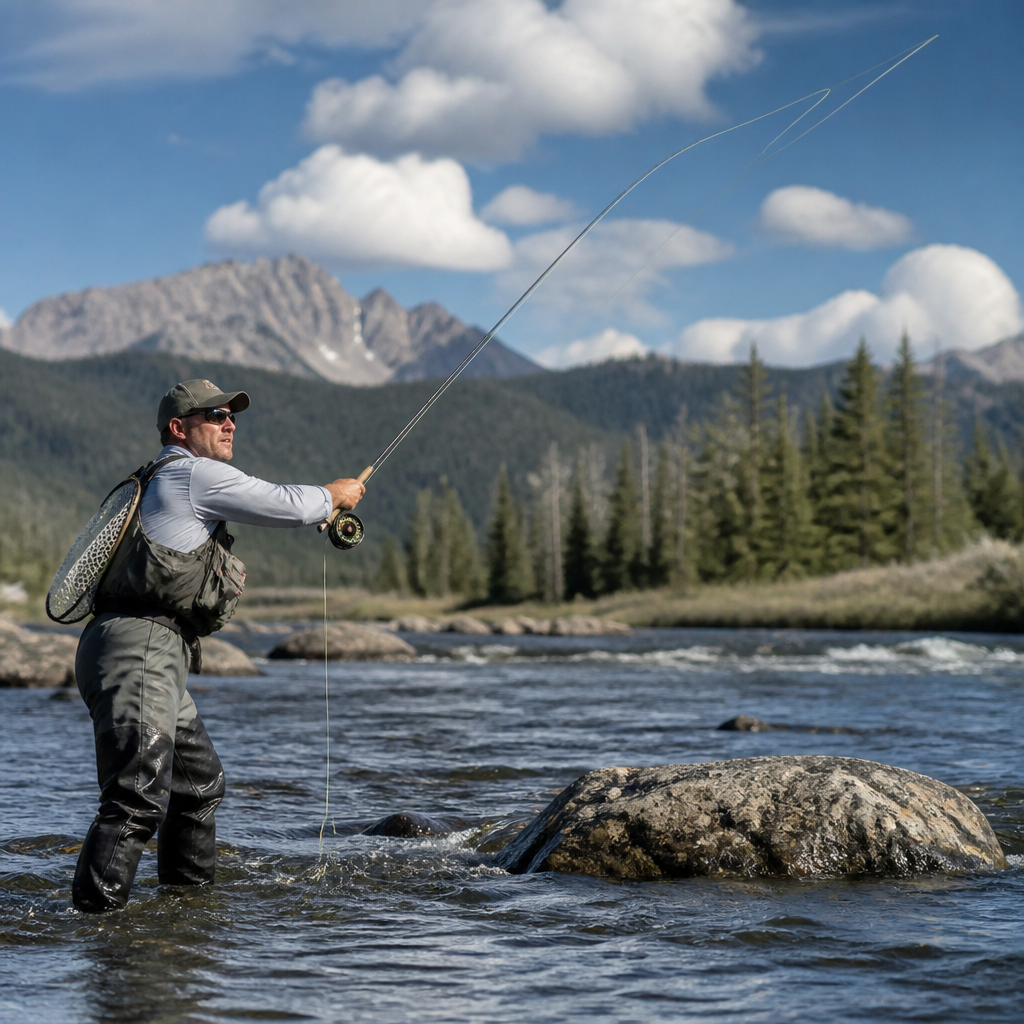
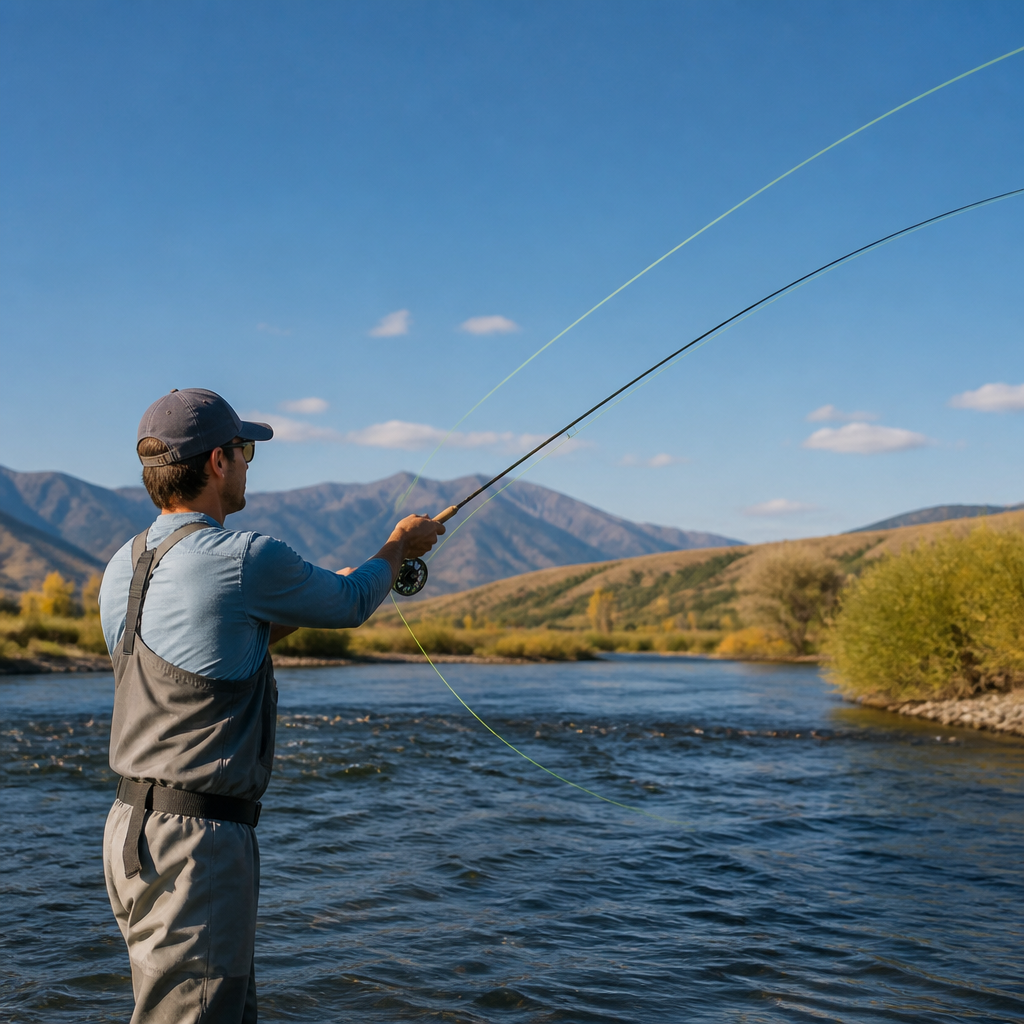
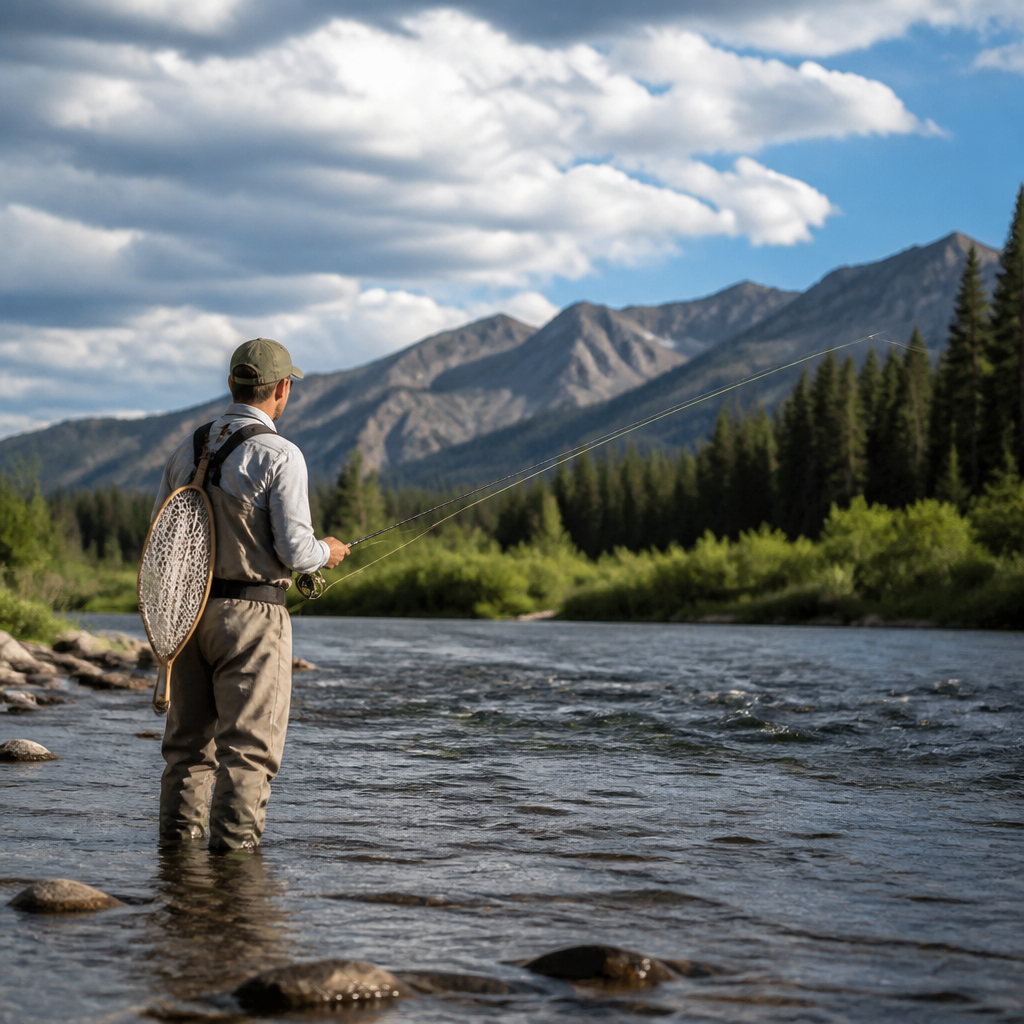
Using wet flies is one of the most versatile and underappreciated skills in fly fishing. A wet fly is any subsurface fly designed to imitate emerging insects, drowned adults, caddis pupae, small baitfish, or soft-bodied aquatic life moving below the surface film. Unlike dry-fly fishing, where the take is often visible, wet-fly fishing relies on reading current seams, controlling swing speed, and recognizing subtle tension changes. I have used wet flies on freestone trout streams, limestone spring creeks, and stillwaters, and the same lesson keeps proving true: when fish refuse surface offerings or ignore heavily weighted nymphs, a well-presented wet fly often solves the problem.
This article serves as a hub for specialized techniques within wet-fly fishing. That means looking beyond the basic “cast across and let it swing” advice. To fish wet flies well, you need to understand categories of patterns, leader design, depth control, presentation angles, and the seasonal behavior of trout and other gamefish. You also need to know when a classic soft hackle is better than a winged wet, when a team of flies increases coverage, and when it simply creates tangles. Wet flies matter because they cover transitional feeding phases that many anglers miss. Emerging mayflies, ascending caddis, and drifting drowned terrestrials are all vulnerable forms, and fish feed on them confidently.
Specialized wet-fly techniques also bridge other methods. They borrow line control from nymphing, matching-the-hatch discipline from dry-fly fishing, and movement principles from streamer tactics. As a result, they are ideal for anglers who want a complete subsurface system rather than a single trick. In practical terms, learning to use wet flies expands your options during sulfur hatches, caddis emergences, high-water conditions, and pressured afternoons when trout slide just under the film and refuse drag-prone dries. The sections below explain the key methods, proven patterns, and decision points that make wet flies consistently effective across rivers, streams, and lakes.
What wet flies imitate and when they work best
Wet flies are effective because they represent food forms fish see constantly but anglers often overlook. A soft hackle with sparse dubbing and mobile fibers can suggest an emerging mayfly nymph rising through the column. A partridge-and-orange style fly can pass for a caddis pupa, midge cluster, or simply a small edible insect with life. Winged wets, such as the Leadwing Coachman or March Brown wet, present a fuller profile that can resemble drowned duns or larger aquatic insects. In lakes and slower pools, some wet flies also function as miniature baitfish or leech suggesters, especially when tied with darker bodies and swept hackle.
The best times to use wet flies are during emergence windows, in riffle-to-run transitions, and whenever fish are feeding subsurface but not hugging bottom. Early spring and fall are especially strong because water temperatures often keep trout active in the middle layers of the water column. During caddis hatches, I frequently see fish bulging just below the surface without fully rising. That is classic wet-fly water. Instead of forcing a dry over those fish, a swung soft hackle fished on the upper third of the column usually produces immediate takes. The same applies during sparse mayfly emergences, when trout key on ascending nymphs long before adults accumulate on top.
Wet flies also excel in broken water because movement and impression matter more than exact imitation there. Fast riffles, pocketwater edges, tailouts, and current seams all create natural lift and animation. In these areas, trout have limited inspection time, so a simple pattern with active materials can outperform a detailed imitation. On difficult spring creeks, however, the opposite can happen: fish may demand thin tippets, reduced drag, and a carefully chosen pattern size. Specialized wet-fly fishing means adjusting to both situations rather than treating all wet-fly presentations the same.
Core specialized techniques for presenting wet flies
The standard downstream swing is only the starting point. In practice, the most effective wet-fly anglers use several controlled presentations. The across-and-down swing remains foundational: cast quartering downstream, mend to manage speed, let the flies arc across the current, and hold at the hang-down. Many strikes come at the end of the swing, when the fly lifts and broadside motion suggests an emerging insect. An upstream or across-and-up presentation is useful in clear, shallow water where fish are easily spooked; it allows a more natural dead drift before the fly tightens and rises. This is especially effective with soft hackles during blue-winged olive activity.
Another high-level method is induced lift. After allowing the fly to drift, raise the rod smoothly near the end of the drift to make the pattern ascend. This imitates the natural behavior of caddis pupae and mayfly emergers. I use induced lift often in riffle tails and on the inside edges of seams where trout intercept insects as they rise. Leisenring’s lift, a classic tactic still relevant today, is not historical trivia; it remains one of the most precise ways to trigger fish during an emergence. In stillwaters, the equivalent move is a slow hand-twist retrieve with periodic pauses and slight rod elevation to create gentle vertical movement.
Depth adjustment is equally important. Too many anglers fish wet flies either too deep like nymphs or too high like crippled dries. Productive wet-fly depth is usually mid-column to just under the surface, though conditions vary. Split shot can work, but I prefer controlling depth first with leader length, fly size, current angle, and line choice. On rivers, a longer leader and a slightly upstream cast let the fly sink before tension forms. On lakes, an intermediate line often outperforms a floating line when wind creates a surface belly that ruins contact. Specialized technique is really line control plus intentional depth management, not random casting.
Best patterns and how to choose them
Pattern selection should begin with silhouette, movement, and size, then narrow by hatch and water type. In my boxes, the most dependable wet flies are soft hackles, winged wets, and sparse impressionistic emergers. Soft hackles tied with partridge, starling, or hen are unmatched for movement. Favorites include Partridge and Orange, Partridge and Yellow, a simple Hare’s Ear soft hackle, and a peacock-bodied soft hackle for darker insect tones. For more defined profiles, classic winged wets like the March Brown wet, Leadwing Coachman, and Light Cahill wet remain useful, especially in moderate currents where a fuller body helps visibility and shape.
Choosing size matters more than choosing exact color in many situations. During caddis events, sizes 14 to 18 cover much of the hatch range. For mayflies such as sulfurs or blue-winged olives, slim bodies in sizes 16 to 20 are often right. In stained water, peacock, black, and claret stand out well. In clear water, olive, brown, amber, and cream usually look more natural. I also carry beadless flies specifically for shallow wet-fly work. A heavy bead can kill the subtle rise that makes a wet fly effective. If extra depth is needed, a lightly weighted point fly paired with unweighted droppers gives better control than making every fly sink aggressively.
| Situation | Recommended Pattern Type | Typical Sizes | Why It Works |
|---|---|---|---|
| Caddis emergence in riffles | Partridge soft hackle, amber pupa-style wet | 14–18 | Mobile fibers imitate ascending pupae and suggest life in broken current |
| Sparse mayfly hatch on runs | Slim soft hackle, sulfur or olive emerger wet | 16–20 | Represents rising nymphs before adults fully appear on the surface |
| Stained water after rain | Peacock-bodied wet, darker winged wet | 12–16 | Creates a stronger silhouette fish can track more easily |
| Stillwater margins or shoals | Soft hackle, mini leech-style wet | 10–14 | Subtle movement and slow retrieve match cruising fish behavior |
As a hub for specialized techniques, this section points to broader decisions anglers should explore in related topics: hatch matching, fly design, and water-specific selection. The main rule is simple. Choose a pattern that moves naturally at the depth fish are using. Wet-fly success rarely comes from decorative complexity. It comes from proportion, softness of materials, and the ability of the pattern to come alive under tension.
Tackle, rigging, and line control that improve results
A 9-foot 4- or 5-weight rod handles most trout wet-fly situations well, though a 10-foot rod offers better reach for mending and controlling a team of flies. Longer rods are especially useful when fishing across complex currents because they reduce unwanted drag between line segments. Reels matter less than rods and lines here, but a smooth drag helps if larger trout or light tippets are involved. Floating lines are standard for rivers, while stillwater anglers should consider both floating and intermediate lines. Modern low-stretch cores improve strike detection, but they also punish poor timing, so softer rods can balance that tendency.
Leader setup shapes the entire presentation. For single-fly work, a 9- to 12-foot tapered leader ending in 4X to 6X is common. For two or three flies, many anglers use a longer leader with droppers tied from tags at blood knots or attached using three-way style rigging principles. I prefer short droppers, usually 4 to 6 inches, because long droppers tangle and foul around the main leader during aggressive casts. Spacing depends on water depth and current complexity, but about 20 to 30 inches between flies is a practical baseline. In fast riffles, closer spacing keeps the team moving as a coherent unit.
Line control separates occasional success from repeatable success. Stack mends, reach mends, and aerial mends all have a place. The goal is not always a drag-free drift; often it is a controlled swing speed. If the flies race unnaturally, upstream mends buy time and depth. If they stall too much, a downstream mend can increase tension and activate the hackle. Keep the rod tip low enough to maintain contact yet high enough to avoid dragging line through conflicting currents. On stillwaters, line control means managing slack during retrieves and using the wind intelligently rather than fighting it on every cast.
Reading water, detecting strikes, and avoiding common mistakes
The best wet-fly water is transitional. Look for riffles entering runs, shelves dropping into softer lanes, current seams beside foam lines, and tailouts where ascending insects concentrate. Fish position where they can intercept food with minimal effort, so any place that funnels drifting and rising insects deserves attention. In my experience, the inside edge of a seam often fishes better than the obvious fast side because trout can hold there comfortably and slide inches to take the fly. On lakes, focus on shoal edges, weed lines, and windward banks where food and oxygen gather.
Strike detection with wet flies is subtle. Some takes are violent on the swing, but many feel like extra weight, a small hesitation, or the line simply stopping before the arc is complete. Trout often hook themselves against steady tension, so dramatic hooksets are counterproductive. A firm lift is enough. Watch the sighter section of leader, the line belly, and any unnatural stall near the hang-down. When fishing multiple flies, expect fish to take the upper dropper more often during active hatches and the point fly more often when fish are lower. That observation helps you adjust depth and pattern quickly.
Common mistakes are consistent across skill levels. The first is fishing too fast. Beginners often strip or swing the fly harder than the current would move a natural insect. The second is over-weighting. Wet flies are not Euro nymphs; too much weight kills their rise and pulse. The third is neglecting the hang-down, where many fish commit. The fourth is using overly thick tippet, which stiffens movement, especially on small soft hackles. Finally, many anglers change patterns too quickly when the real problem is angle, depth, or swing speed. Specialized wet-fly fishing rewards systematic adjustments, not constant fly swapping.
Seasonal applications and building a complete wet-fly strategy
In spring, wet flies shine during early mayfly and caddis activity, especially when flows are higher and trout avoid the fastest surface lanes. Summer calls for a more selective approach: fish them early, late, in shaded runs, or during evening caddis flights when trout feed just below the film. In autumn, wet flies are excellent during blue-winged olive hatches and on overcast days when fish cruise softer water. Winter opportunities are narrower, but unweighted or lightly weighted wets can still work during warmer afternoons when midges or small olives bring trout upward.
A complete strategy combines observation, deliberate rigging, and presentation changes before pattern changes. Start by identifying where fish are feeding in the water column. Choose one or two flies that match size and tone. Fish proven lanes thoroughly using a dead drift into swing, then induced lift, then a slower or faster angle before switching patterns. Keep notes on water temperature, hatch stage, and which fly in the team gets eaten. Over time, those records become more valuable than any generic advice because they reveal how your local waters respond. To improve your wet-fly fishing, build a small box of proven patterns, practice line control deliberately, and fish the often-ignored water just under the surface.
Frequently Asked Questions
What is a wet fly, and when should I choose one over a dry fly or nymph?
A wet fly is any subsurface pattern intended to imitate food forms moving below the surface film, including emerging mayflies, drowned terrestrials or adults, caddis pupae, small minnows, and other soft-bodied aquatic life. What makes wet flies so effective is that they fish in the zone where trout and other game fish often feed most confidently: just under the surface, in the middle of the water column, or on a controlled swing across current seams. Unlike a dry fly, which depends on a visible rise, or a heavily weighted nymph that is often fished near the bottom, a wet fly excels when insects are ascending, drifting naturally, or being swept across the current in a way that suggests vulnerable prey.
Choose a wet fly when fish are feeding subsurface but not clearly locked to the bottom, when you suspect an emergence is happening, or when trout are refusing dries in broken water, riffles, tailouts, or soft seams. Wet flies are also a strong choice in faster freestone streams, moderate limestone currents, and still edges where fish have only a short window to inspect food. During hatches, many anglers focus exclusively on dry flies, but trout often take more emergers and ascending insects than adults on the surface. That is where wet flies shine. They can be especially productive in early season cold water, during caddis activity, on overcast days, or anytime fish are opportunistic and willing to intercept moving prey. In practical terms, if you want a highly versatile method that covers water efficiently and presents a lifelike, mobile imitation, a wet fly is often the right tool.
How do I fish wet flies effectively in moving water?
The most effective wet-fly presentations usually combine natural drift, controlled movement, and line management. A classic approach is the downstream-and-across swing. Cast quartering across the current, allow the fly or team of flies to sink slightly, then let them arc across the stream under controlled tension. As the flies swing, they imitate emerging insects rising through the water or vulnerable prey swept laterally by the current. Many strikes come at the end of the swing, when the flies tighten and lift, so it is important not to rip them out too early. Let them hang briefly below you before recasting, because trout often grab at that moment.
Another productive method is the short-line or upstream wet-fly presentation. Cast slightly upstream or up-and-across into seams, riffles, pocket water, and the heads of runs, then maintain just enough contact to track the flies without dragging them unnaturally. This approach gives you a softer, more natural drift and works well when fish are holding in defined feeding lanes. Mending is important in both styles. A well-timed upstream mend can slow the swing and let the fly sink or drift longer, while a downstream mend can speed the fly slightly and create more animation. The key is matching the fly’s speed to the behavior you are trying to imitate. Emerging caddis can tolerate more movement than a drowned mayfly.
Pay special attention to current seams, riffle-to-run transitions, tailouts, and soft pockets beside heavier flow. Wet flies are at their best where currents intersect and food gets funneled. Keep your rod tip low enough to stay connected but not so tight that the flies skate unnaturally unless you intentionally want that effect for caddis. Most takes feel subtle: a slight tightening, a hesitation, a tap, or simply added weight. Because of that, disciplined line control matters more than dramatic strike detection. If you fish wet flies with the mindset of covering water methodically and controlling angle, depth, and speed, your success rate usually climbs fast.
What are the best wet-fly patterns to start with?
If you are building a practical wet-fly box, start with versatile, proven patterns rather than trying to match every insect exactly. Soft hackles are essential. A Partridge and Orange is one of the best confidence flies ever created because it suggests many things at once: an emerging mayfly, caddis pupa, or simply a vulnerable, living insect. A Partridge and Yellow, Partridge and Green, and peacock-bodied soft hackles are equally useful. These flies are sparse, mobile, and deadly because the hackle breathes with even the slightest current. They do not need much material to come alive.
Traditional winged wet flies are also worth carrying, especially if you want to fish teams of two or three flies. Patterns like the March Brown Spider, Leadwing Coachman, Hare’s Ear Wet, and Light Cahill Wet have long track records on trout streams because they suggest a broad range of insects without being overly specific. For caddis-focused situations, soft hackle caddis patterns in tan, olive, and brown are reliable choices. If the water is stained or fish are keying on slightly larger food, small baitfish-style wets and streamy soft-hackle patterns can be excellent as well. In many rivers, an unweighted or lightly weighted fly outfishes a heavily weighted one because it drifts and rises more naturally during the swing.
As for sizes and colors, keep it simple at first. Carry sizes 12 through 18, with most general use centered around 14 and 16. Olive, brown, black, peacock, hare’s ear tan, and amber cover an enormous range of conditions. If you are unsure where to begin, fish one brighter attractor-style soft hackle and one more natural fly on a dropper rig. Over time, you will notice that movement, silhouette, and depth often matter more than precise imitation. The best starter patterns are the ones that remain effective across many water types and hatch situations, and classic wet flies have endured for exactly that reason.
How do I set up leaders, tippet, and fly combinations for wet-fly fishing?
A simple, balanced setup is usually better than an overly complicated one. For most trout wet-fly fishing, a 9-foot leader tapering to 4X or 5X is an excellent starting point. If you are fishing larger flies, slightly stained water, or faster currents, 4X is often ideal. For smaller patterns and clearer, slower conditions, 5X can improve presentation. In many situations, fluorocarbon tippet helps because it sinks more readily and maintains good contact, though nylon can be useful when you want a slower descent or a touch more forgiveness. The goal is to create enough turnover to cast efficiently while still allowing the flies to move naturally in the current.
Fishing two or three flies is a classic wet-fly tactic because it lets you show fish multiple sizes, colors, and positions in the water column. A common setup is a point fly at the end of the leader and one or two droppers tied from tags or short branch sections above it. Spacing of 18 to 24 inches between flies is a good general rule, though you can adjust based on stream size and casting comfort. The top dropper often fishes higher and can be a lighter, more impressionistic soft hackle. The point fly can be slightly larger or heavier to help maintain depth and stabilize the rig. If you are new to multi-fly rigs, start with two flies to reduce tangles and build confidence.
Weight should be used thoughtfully. Wet flies are not always meant to dredge. Many of their best takes come when they drift just under the film or rise during the swing. If you need extra depth, consider a slightly heavier point fly, a small split shot placed well above the flies, or a longer pause after the cast to let the team sink. Avoid overpowering the presentation, especially during insect emergences when fish are focused upward. The ideal setup gives you control over depth without sacrificing the supple motion that makes wet flies so convincing. A clean leader formula, sensible tippet choice, and well-spaced fly team will do more for your results than a pile of unnecessary complexity.
How can I detect strikes and improve my hook-up rate with wet flies?
Strike detection with wet flies is more subtle than with dry flies, and learning it is one of the biggest breakthroughs in becoming effective with the method. Many takes are not violent. Instead, you may feel a faint pluck, see the line pause unexpectedly, notice the leader straighten differently, or sense a slight increase in weight as the flies swing. Because the visual cues are less obvious, maintaining controlled contact is critical. You want enough connection to detect changes, but not so much tension that the flies drag unnaturally. Think of it as fishing “in touch,” not tight. Your rod tip should track the drift in a way that keeps you aware of what the flies are doing throughout the presentation.
One of the best habits is to treat anything unusual as a possible strike. If the line hesitates, tightens, or simply feels different, respond with a smooth lifting motion rather than a hard, jerking hook set. Wet-fly fish often hook themselves against steady tension, especially during the swing. An aggressive trout set can pull the fly away from a fish that just mouthed it. This is particularly true with soft hackles and traditional wet flies tied on lighter wire hooks. Good anglers develop a calm, efficient lift that comes directly from disciplined line control rather than reflexive force.
To improve