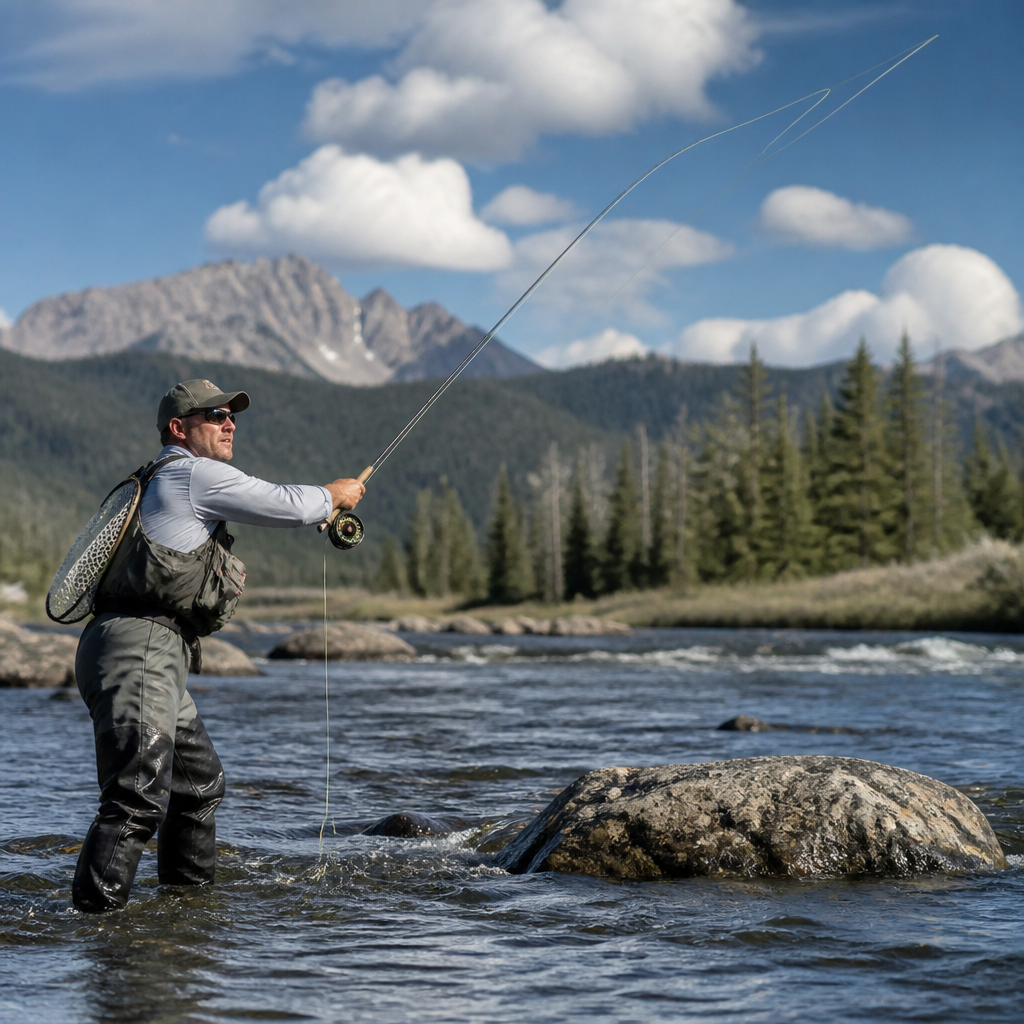
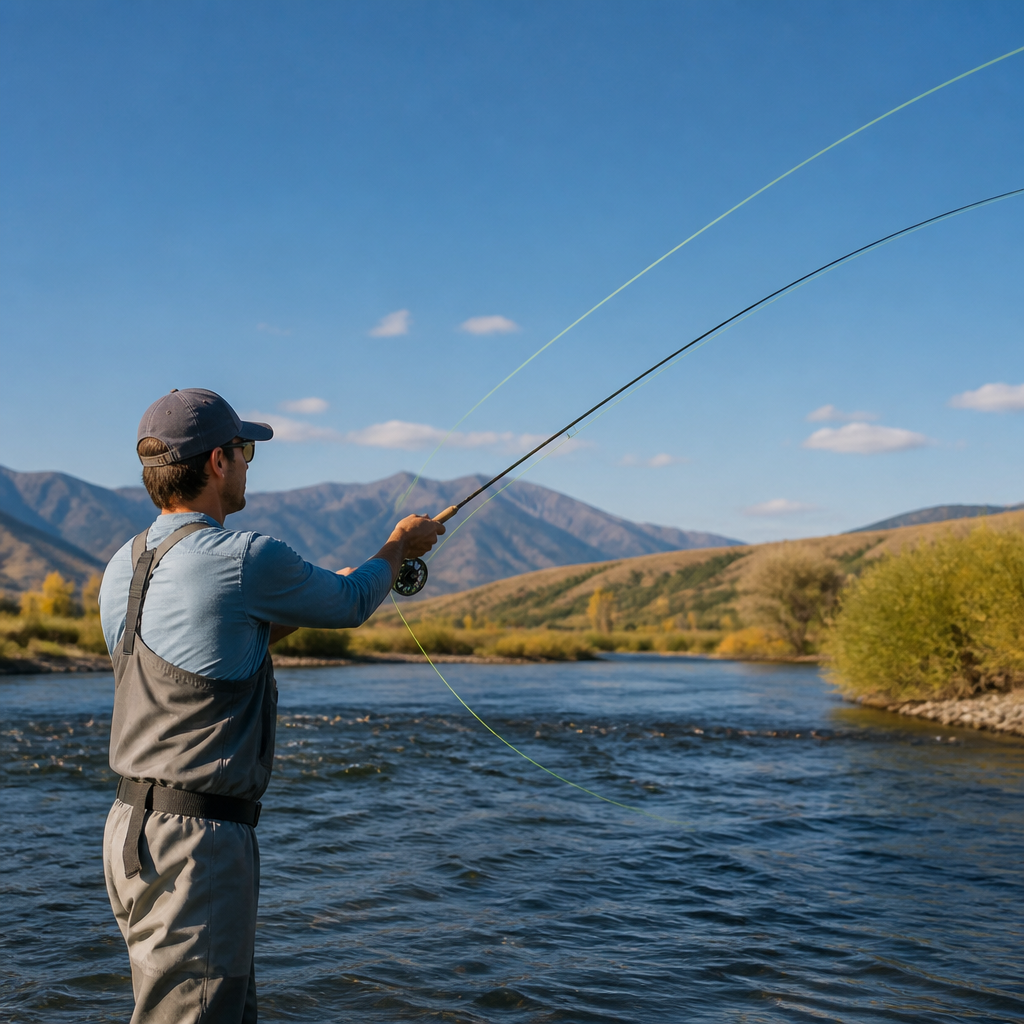
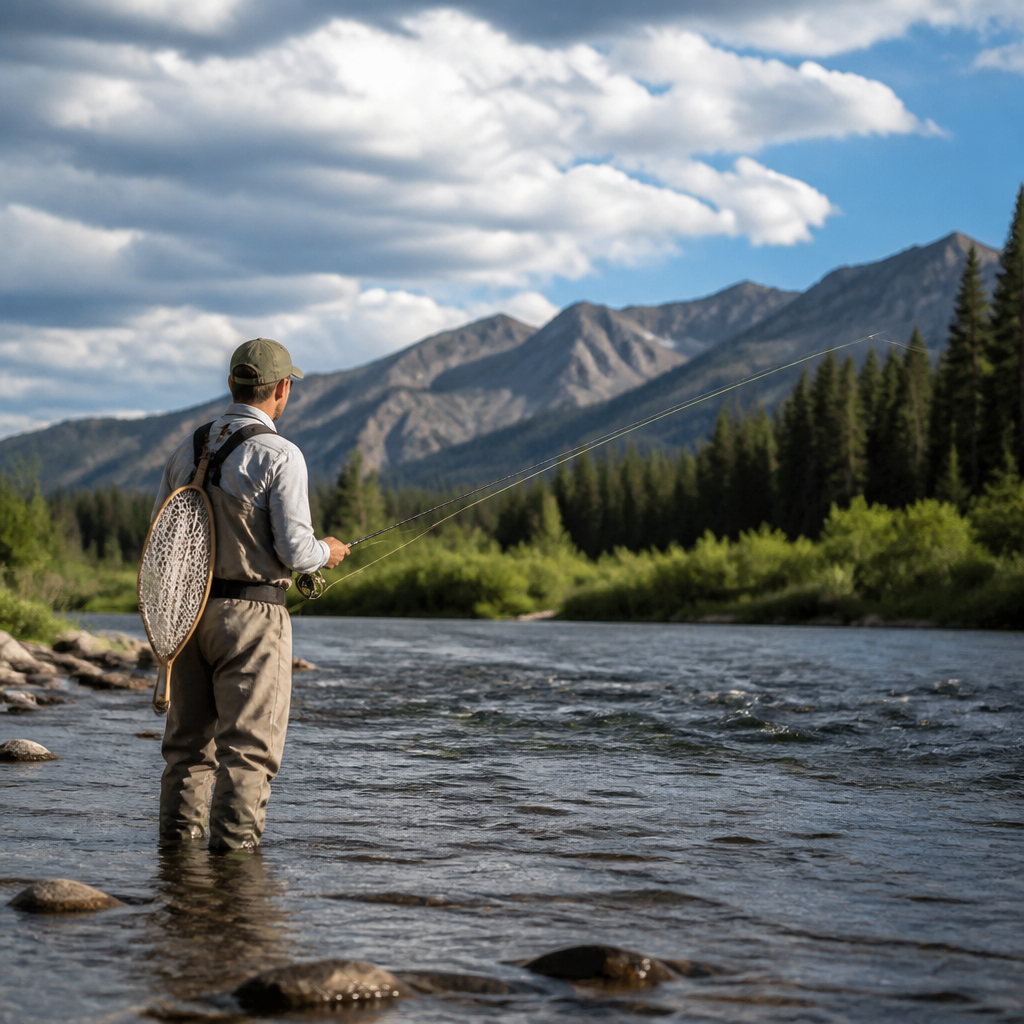
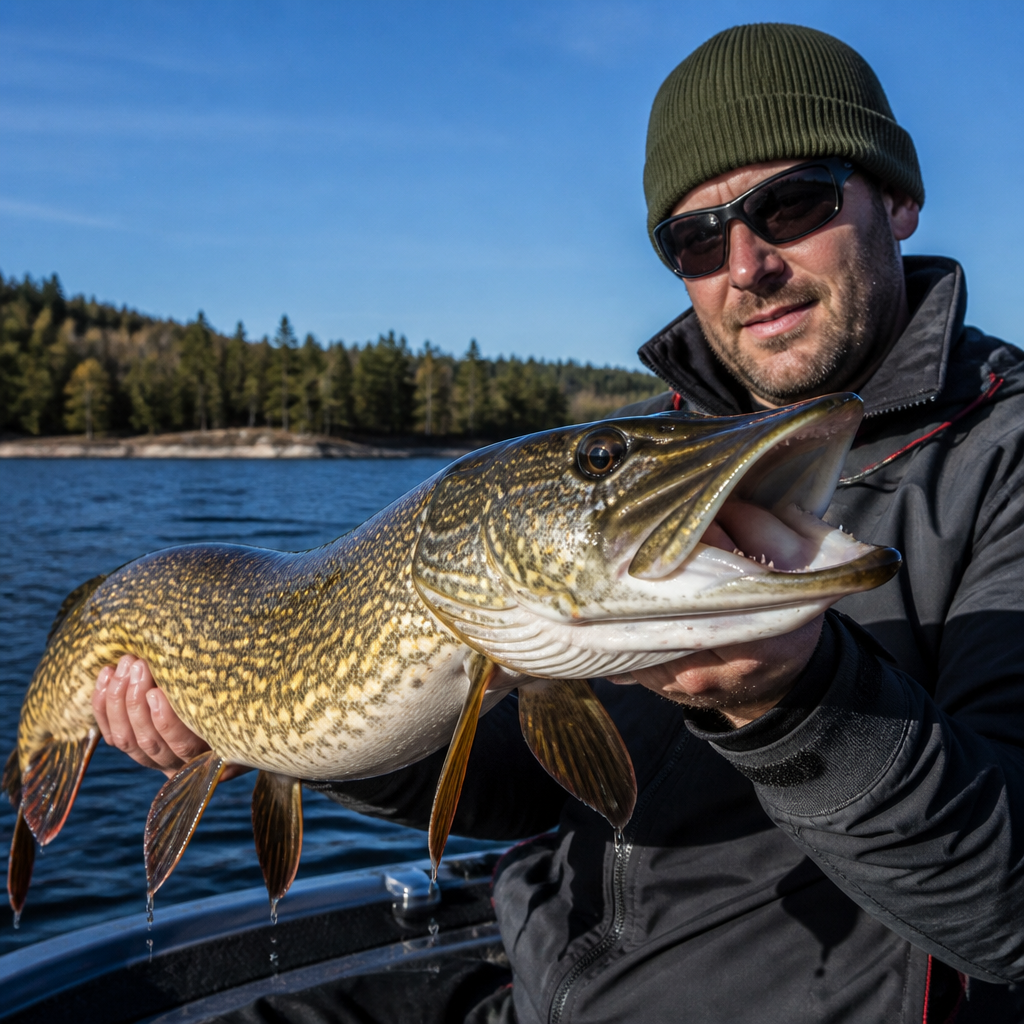
Fishing with foam flies rewards anglers who want buoyancy, visibility, and versatile presentation in one pattern. In practical terms, a foam fly is any artificial fly tied with closed-cell foam so it floats high, resists sinking after repeated casts, and can imitate insects, terrestrials, baitfish, or attractor shapes. I have relied on foam patterns everywhere from tiny meadow creeks full of summer hoppers to broad western rivers where bank-feeding trout inspect every drift. When conditions call for a durable floating fly that stays fishable through rough water, wind, and long drifts, foam usually outperforms hair-wing and hackled alternatives.
This specialized area matters because foam flies solve several common problems at once. They remain visible in glare, support droppers in dry-dropper rigs, and create the kind of disturbance that triggers reaction strikes from trout, bass, panfish, and even carp. They are also central to warmwater and salt-friendly topwater systems because foam sheds water, holds shape, and can be trimmed into precise silhouettes. Understanding fishing with foam flies is not just about choosing a hopper in July. It means learning when buoyancy changes fish behavior, how profile and color affect recognition, and which retrieves turn a floating pattern into a convincing meal.
As a hub within specialized techniques, this guide covers the core decisions that connect the whole subject: fly design, species-specific tactics, presentation styles, rigs, seasonal timing, and common errors. Key terms are straightforward. Buoyancy describes how well a fly floats under load. Profile is the outline fish see from below or from the side. Drag is unnatural movement caused by currents pulling line and leader. A take is the fish eating the fly, while a refusal is an inspection without commitment. Once those ideas are clear, foam fly strategy becomes systematic rather than guesswork, and the results improve quickly.
Why foam works and when to choose it
Closed-cell foam traps air, which gives these flies their hallmark flotation. On the water, that means a foam beetle can keep riding high after twenty drifts through pocket water where a dubbed dry begins to sink, and a foam popper can keep pushing water after repeated strips. In my experience, this extra margin changes how confidently you fish. Instead of fussing over constant drying and dressing, you can focus on current seams, structure, and cadence. That is especially valuable when prospecting new water, guiding beginners, or covering banks from a drifting boat.
Foam is the right choice whenever visibility and support matter. In riffles, high-floating patterns are easier to track. In dry-dropper setups, a dense foam dry can suspend a tungsten nymph that would drown a delicate mayfly imitation. During terrestrial season, foam hoppers, ants, and beetles match the heavy splat and stubborn flotation of real insects blown onto the water. In warmwater fishing, bass often respond to the commotion of crease flies, gurglers, and deer-hair-and-foam hybrids that wake, spit, or chug without becoming waterlogged. The material also shines in low-light periods because bold colors and thick silhouettes remain easy for both fish and angler to locate.
There are limits. Foam can twist leaders if patterns are too wind resistant. It can also create unnatural disturbance on flat water when fish want a soft landing. On heavily pressured spring creeks, a low-riding CDC or comparadun often beats a chunky foam pattern. The point is not that foam is always better. It is that foam gives you specific advantages in speed, durability, and buoyancy, and those advantages become decisive under the right conditions.
Essential foam fly categories and their best uses
The main categories are terrestrials, attractors, poppers, sliders, and foam-bodied streamers. Terrestrials include hoppers, beetles, ants, cicadas, and inchworms. They excel from late spring through early fall, especially near grassy banks, under overhanging trees, and after windy afternoons. A black foam beetle with peacock herl remains one of the most reliable searching flies in trout water because beetles are common, vulnerable, and hard for fish to inspect from below. Hopper patterns are larger, making them ideal for broken banks, undercut edges, and cutthroat water where fish are willing to move.
Attractor dries use foam to prioritize visibility and floatation over exact imitation. Chubby-style patterns, Chernobyl variants, and indicator dries all fit here. I use them as searching tools in freestone rivers and as suspension devices in dry-dropper rigs. Poppers and sliders belong primarily to bass and panfish, though trout in stillwaters will attack small foam bugs at dawn. Poppers have cupped faces that displace water sharply. Sliders have tapered or rounded heads that wake and glide with less noise. Foam-bodied streamers, mice, and waking patterns bridge the gap between dry and subsurface tactics. They imitate frogs, baitfish, rodents, and wounded prey while staying near the surface film.
| Foam fly type | Best target | Ideal water | Primary presentation |
|---|---|---|---|
| Beetle or ant | Trout, panfish | Glassy edges, under trees, spring creeks | Dead drift with occasional twitch |
| Hopper or cicada | Trout, bass | Banks, riffle seams, meadow streams | Splat near cover, short drag-free drift |
| Foam attractor | Trout | Freestones, pocket water | Dead drift, often with dropper |
| Popper | Bass, panfish | Ponds, weed edges, slow rivers | Pause-strip cadence |
| Slider or gurgler | Bass, trout, salt species | Flats, banks, calm coves | Steady wake or short strips |
Choosing among these categories depends on fish mood and surface texture. If fish are opportunistic but cautious, start with a beetle or ant. If they are territorial or feeding near banks, step up to a hopper or popper. If current is rough or you need to hang weight below the fly, use a foam attractor with enough body mass to stay upright and visible.
Presentation strategies for rivers, stillwaters, and banks
Presentation determines whether a foam fly looks like food or debris. On rivers, the default is a drag-free drift. Cast slightly upstream or across, mend early, and track the fly with the rod tip without pulling it. Foam terrestrials are particularly effective when they land close to grass edges, root wads, and cutbanks because real insects enter the water clumsily and near cover. A useful rule is that the first two feet of drift matter most. If the fly lands naturally and floats untouched past the lie, trout often commit quickly.
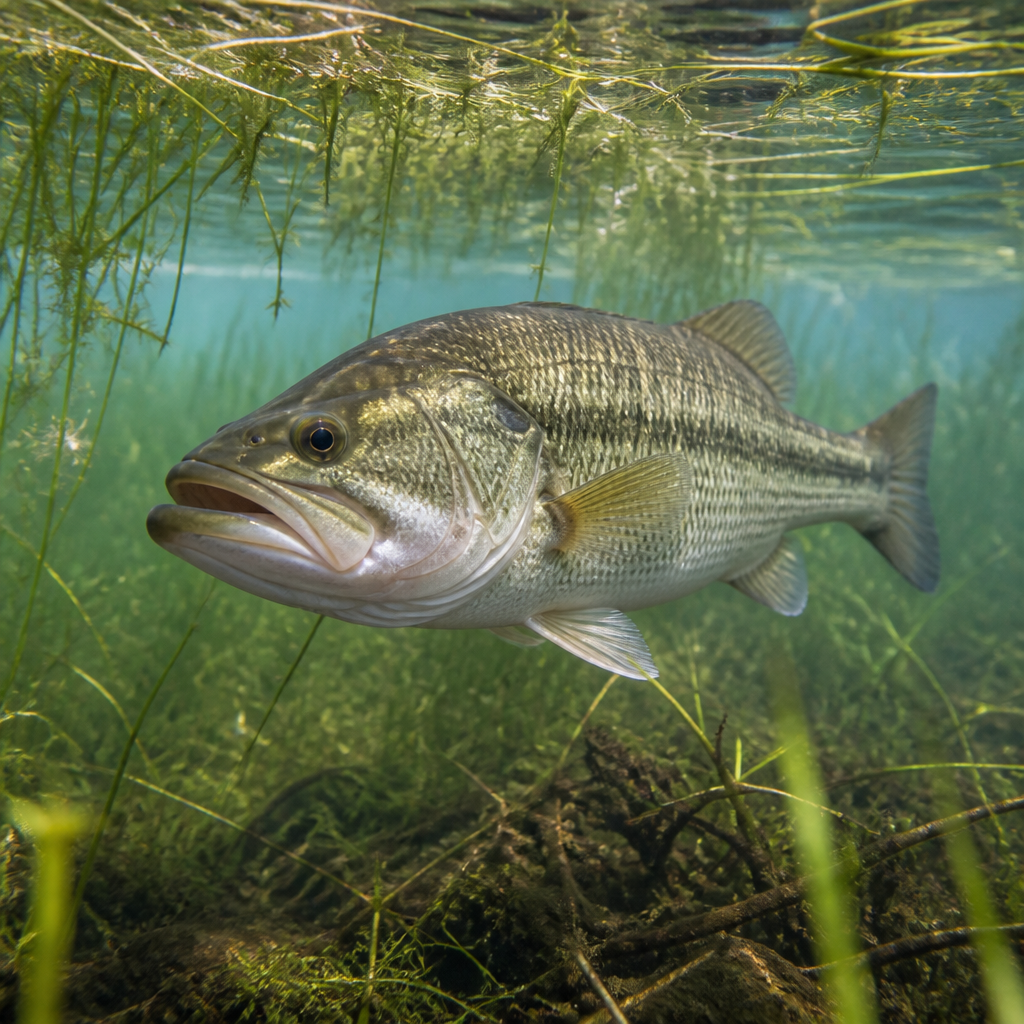
Stillwaters reward a different approach. Beetles and ants often need long pauses because fish rise to inspect a stationary silhouette. Popper fishing for bass is even more cadence-sensitive. In summer, I often use a count of five to ten seconds after the initial splash, then one firm strip, then another pause. That sequence matches injured prey and gives fish time to track the source of disturbance. Wind lanes are prime zones because foam bugs gather where real insects collect. Cast parallel to weed edges, dock shade, and reed lines, then retrieve with purpose rather than constant motion.
Bank-focused fishing is one of the highest-percentage specialized techniques with foam. Fish tight to structure. A hopper six inches off an undercut bank is more likely to eat than the same fly three feet out. Accuracy matters more than distance. On drift boats and rafts, angle casts slightly ahead of visible structure so the fly lands first and the leader follows. On foot, approach low, use bank vegetation as cover, and make one or two precise deliveries instead of false-casting over the lie. Foam survives repeated contact with brush, which makes it ideal for aggressive placement where natural-looking but fragile dries would fall apart.
Rigging, tackle, and line control that improve hookups
Most foam fly fishing succeeds or fails before the fly lands. Leader design should match both fly size and presentation. For trout terrestrials on rivers, a 7.5- to 9-foot leader tapered to 3X or 4X turns over bulky patterns and still allows a natural drift. Smaller beetles and ants may need 5X on calm water. For bass poppers, a shorter 7.5-foot leader with 0X to 2X is easier to cast and helps drive hooks into tougher mouths. Rod choice follows the same logic: a 4- or 5-weight for small trout foam flies, a 6-weight for large hoppers and windy rivers, and a 7- or 8-weight for bass and oversized deer-hair-and-foam bugs.
Dry-dropper systems are where foam attracts many anglers for good reason. A buoyant foam fly can suspend a perdigon, pheasant tail, or jig nymph 12 to 30 inches below. Depth should reflect water speed and fish position. In pocket water, keep the dropper short enough that the dry remains responsive and visible. In deeper runs, extend it until the nymph occasionally ticks bottom. I prefer tying the dropper from the bend of the foam fly hook only when fish are not leader shy. In clearer water, adding a tag above the dry reduces missed eats on the surface and keeps the dry riding correctly.
Line control is the overlooked skill. Even the best foam fly fails under tension. High-stick short drifts in broken water, aerial mend before the line lands on cross-current casts, and feed slack deliberately when the fly enters softer seams. Hooksets should be measured. Trout often slash at hoppers and miss on the first splash. If you strike instantly at every disturbance, you pull the fly away. Wait until you see the fly disappear or feel weight. With bass poppers, strip-set instead of trout-setting so the line stays tight and the hook drives home.
Seasonal timing, species behavior, and common mistakes
Foam flies are not just summer tools, though late summer is their peak on many waters. In spring, small black ants and beetles can be excellent during the first warm afternoons, especially on ponds and slow river margins. Early summer brings inchworms, beetles, and the first meaningful hopper opportunities in agricultural valleys and meadow systems. High summer expands the menu: hoppers, cicadas, crickets, and large attractors all become viable, while bass feed aggressively around shade, weeds, and shoreline cover. In fall, foam remains productive during warm spells, particularly for bluegill and bass, and on trout rivers where beetles still drop from streamside vegetation.
Species behavior should guide your choices. Trout usually reward precise drifts and realistic placement. Cutthroat are often more willing to move to large foam patterns than selective browns on flat pools. Smallmouth bass favor sliders and gurglers along current breaks, while largemouth bass prefer poppers near pads, wood, and evening shade. Carp can take foam flies too, but only when they are clearly surface-feeding; then a small foam beetle presented well ahead of the fish can be deadly. Panfish are the easiest entry point, and they teach cadence fast because their reactions to pause length are obvious.
The most common mistakes are easy to fix. Anglers choose flies that are too large for the water, cast too far from cover, overwork the retrieve, and ignore leader turnover in wind. Another frequent error is treating every foam pattern the same. A beetle should not land like a popper, and a hopper should not always dead drift without occasional animation. Finally, many anglers fish surface foam only when they see rising fish. That leaves money on the table. Foam excels as a searching method because it brings fish up, signals location, and lets you cover water efficiently. Build confidence by committing to it for full sessions, adjusting profile, drift, and cadence instead of switching too soon.
Fishing with foam flies is effective because it combines practical advantages with lifelike opportunity. Foam floats longer, shows up better, supports droppers, and survives hard use around grass, wood, and rough current. Those benefits matter only when matched with the right strategy: pick the correct category, present it according to water type, rig it to turn over cleanly, and control line so the fly moves naturally. When you do, foam stops being a novelty and becomes one of the most dependable tools in specialized fly fishing.
The central lesson is simple. Use beetles and ants when fish are wary, hoppers and attractors when you need visibility and support, and poppers or sliders when sound and wake trigger reaction strikes. Fish close to banks and structure. Adjust leader strength to the size of the fly. Pause longer than you think in still water, and mend earlier than you think in current. These are small decisions, but together they account for most successful days I have had with foam patterns across trout streams, ponds, and rivers.
As the hub for specialized techniques, this article gives you the framework to explore every branch of the subject with purpose. Take one foam category, match it to one species and one water type, and practice until the presentations feel repeatable. Then expand methodically. If you want better topwater results, start your next trip with a foam fly and fish it seriously for the first hour.
Frequently Asked Questions
What makes foam flies so effective compared to traditional dry flies?
Foam flies stand out because they combine three advantages anglers constantly need on the water: buoyancy, visibility, and durability. Closed-cell foam naturally resists absorbing water, so these patterns continue to float high even after dozens of drifts, aggressive strikes, or rough pocket-water presentations. That matters because many traditional dry flies, especially heavily hackled or hair-wing patterns, can become waterlogged and need regular drying and dressing to stay effective. A foam fly keeps fishing with less maintenance, which means more time presenting the fly well and less time false casting or treating it.
They are also remarkably versatile. A foam fly can imitate hoppers, beetles, ants, cicadas, stoneflies, caddis adults, and even attractor-style searching patterns that suggest food without copying one insect exactly. In many real fishing situations, especially in summer and early fall, trout are not inspecting every detail as much as anglers assume. They often key in on silhouette, drift, size, and behavior. Foam does an excellent job of creating a visible, realistic footprint while still allowing tiers to build legs, wings, posts, and segmented bodies that add motion and profile.
Another major advantage is strike detection. Because foam flies tend to ride high and are easier to see in glare, riffles, cutbanks, and low light, they help anglers track drifts more accurately. That improves hook timing and makes them especially useful as lead flies in dry-dropper rigs. In short, foam flies are effective not only because they float, but because they keep floating, remain visible, and can be adapted to imitate a wide range of food sources across many types of trout water.
When should you fish foam flies, and what conditions are best for them?
Foam flies shine whenever fish are looking up and surface disturbance, current speed, or repeated casting make flotation important. The classic window is late spring through early fall, especially during terrestrial season when hoppers, beetles, ants, and cicadas become major food sources near grassy banks, under overhanging trees, and along undercut edges. Warm afternoons with a little breeze can be outstanding because wind knocks land insects into the water, and foam patterns match that type of easy, calorie-rich meal extremely well.
They are also excellent during stonefly activity, in pocket water, and on larger rivers where a fly needs to stay visible and upright through broken currents. In fast water, a low-floating traditional dry may disappear too quickly or drown in conflicting seams, while a foam fly remains easy to track and continues drifting naturally without constant attention. That makes foam patterns especially productive on freestone streams, mountain creeks, and broad riffled runs where surface chop reduces an angler’s ability to monitor a smaller or lower-riding dry.
That said, foam flies are not limited to rough water or obvious terrestrial months. They can be highly effective in calm water too, provided the fly is sized and styled appropriately. Smaller black ants, beetles, and subtle foam emergers can fool selective trout on flat glides and spring creeks if the presentation is clean. The best conditions are really those where fish expect substantial surface food and where the angler benefits from a fly that stays afloat without constant upkeep. If you need a pattern that can take repeated drifts, survive marginal drag, remain visible, and still trigger confident takes, foam is often the right choice.
What are the best presentation techniques for fishing foam flies successfully?
The most important principle is to present a foam fly in a way that matches how the natural food would land and drift. In many situations, that means a drag-free drift close to likely holding water such as grassy banks, logjams, foam lines, undercut banks, rocks, and seam edges. With hopper and beetle patterns, accuracy matters as much as the pattern itself. Trout often hold inches from cover waiting for terrestrials to fall in, so a fly that lands tight to the bank and drifts a short, believable distance will usually outfish one dropped in the middle of the river.
Dead drifting is the foundation, but it is not the only technique. Foam flies can also be twitched, skated, or lightly popped when the imitation calls for movement. Ants and beetles generally fish best on a quiet drift, while hoppers, cicadas, and some attractor patterns can benefit from occasional animation, especially after the fly lands. A slight twitch can suggest a struggling insect and trigger fish that follow without committing. In pocket water, short drifts with frequent repositioning are often better than long drifts, because foam flies are most effective when kept in feeding lanes where trout have little time to inspect them.
Line control is critical. Reach casts, aerial mends, and stack mends help buy a natural drift before conflicting currents pull the fly unnaturally. On small streams, a simple tuck near the bank can be enough. On larger rivers, you may need to cast upstream or quartering across and mend immediately to keep the fly from skating. Hook sets should be deliberate rather than rushed. Because foam flies are visible, anglers often strike the instant they see a splash. A better approach is to watch for the fish to close its mouth or for the fly to disappear and then tighten smoothly. Done well, foam-fly fishing becomes a game of precision, drift management, and reading where fish expect substantial surface food to appear.
How do you choose the right foam fly pattern, size, and color for different situations?
Start with the food source and the water type. If trout are feeding along grassy summer banks, hopper and beetle patterns are logical first choices. If you are fishing bouldery freestone water during stonefly season, larger foam stoneflies or attractor dries can be excellent. If fish are rising subtly in slower water, a smaller foam ant or low-profile beetle may be more appropriate than a bushy, high-riding pattern. Pattern selection becomes much easier when you ask a few practical questions: What insects or terrestrials are likely present? How fast is the water? How selective are the fish? How visible does the fly need to be?
Size is often more important than exact pattern name. In pressured water, trout may reject oversized foam flies even when they are willing to eat terrestrials. Downsizing from a size 8 hopper to a size 12, or from a large attractor ant to a slimmer size 16, can completely change the outcome. On the other hand, in turbulent water or during periods of aggressive feeding, a larger foam pattern may pull fish from a distance and help you cover water faster. Think in terms of matching the scale of what fish expect rather than assuming bigger is always better.
Color should reflect both imitation and visibility. Tan, yellow, olive, and golden tones are dependable for hoppers. Black is hard to beat for ants and beetles. Orange, pink, and chartreuse can be excellent as attractor elements or sight posts, especially in broken water where tracking the fly is difficult. The underside silhouette matters more to the fish than the top color does, while the top color matters more to you. Many experienced anglers choose patterns with natural undersides and high-visibility posts or wings so the fly remains fishable in glare and chop. If unsure, carry a range of sizes before obsessing over minor color differences; presentation and drift usually decide more fish than tiny shade changes.
Can foam flies be used in dry-dropper setups, and how should you rig them?
Yes, foam flies are among the best dry flies for dry-dropper fishing because they have enough buoyancy to suspend a nymph while still remaining visible and fishable. This is one of their biggest tactical advantages. A well-tied foam hopper, chubby-style attractor, or foam stonefly can support everything from a small unweighted nymph to a moderate beadhead, depending on fly size, current speed, and tippet diameter. That allows you to fish two water columns at once: the foam fly covers surface-feeding fish and acts as a strike indicator, while the dropper targets trout holding just below the film or deeper in feeding lanes.
Rigging should match the depth and current. In shallower riffles and pocket water, a dropper of 12 to 18 inches is often enough. In deeper runs, 18 to 30 inches may be more effective, provided the foam fly can still float the subsurface pattern. The dropper can be tied off the bend of the dry fly hook or from the eye, depending on personal preference and local regulations. Many anglers tie from the bend for simplicity, though tying from the eye can sometimes improve drift and reduce leverage on the dry. Lighter tippet on the dropper helps the nymph sink and drift naturally.
The key is balance. If the nymph is too heavy for the foam fly, the dry will list, drown, or drag unnaturally. If the dry is too large and splashy for calm, clear water, surface refusals may increase. Choose a foam fly substantial enough to support the rig but still believable for the conditions. Fish the setup close to banks, through seams, and along depth transitions where trout may shift between surface and subsurface feeding. Watch the dry carefully: a violent eat is obvious, but many takes on the nymph show up only as a hesitation, dip, or sideways slide