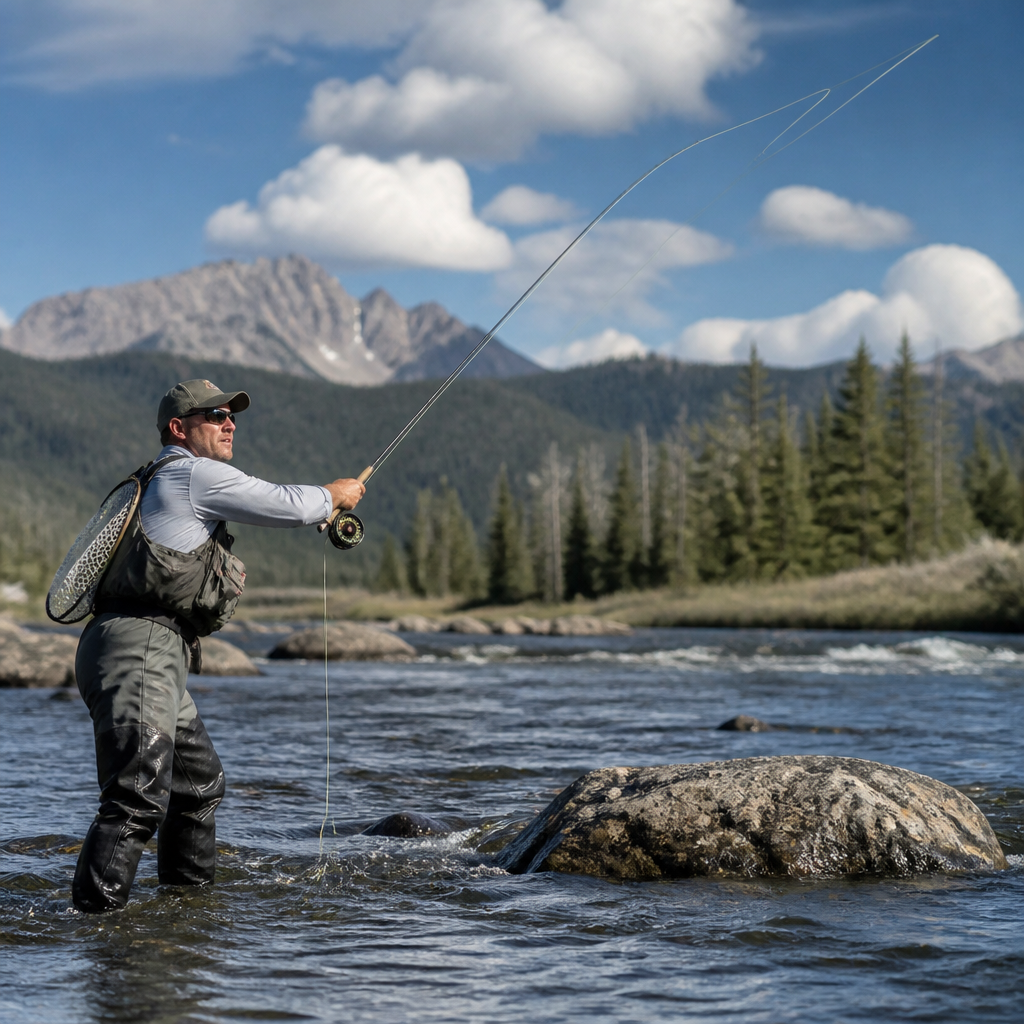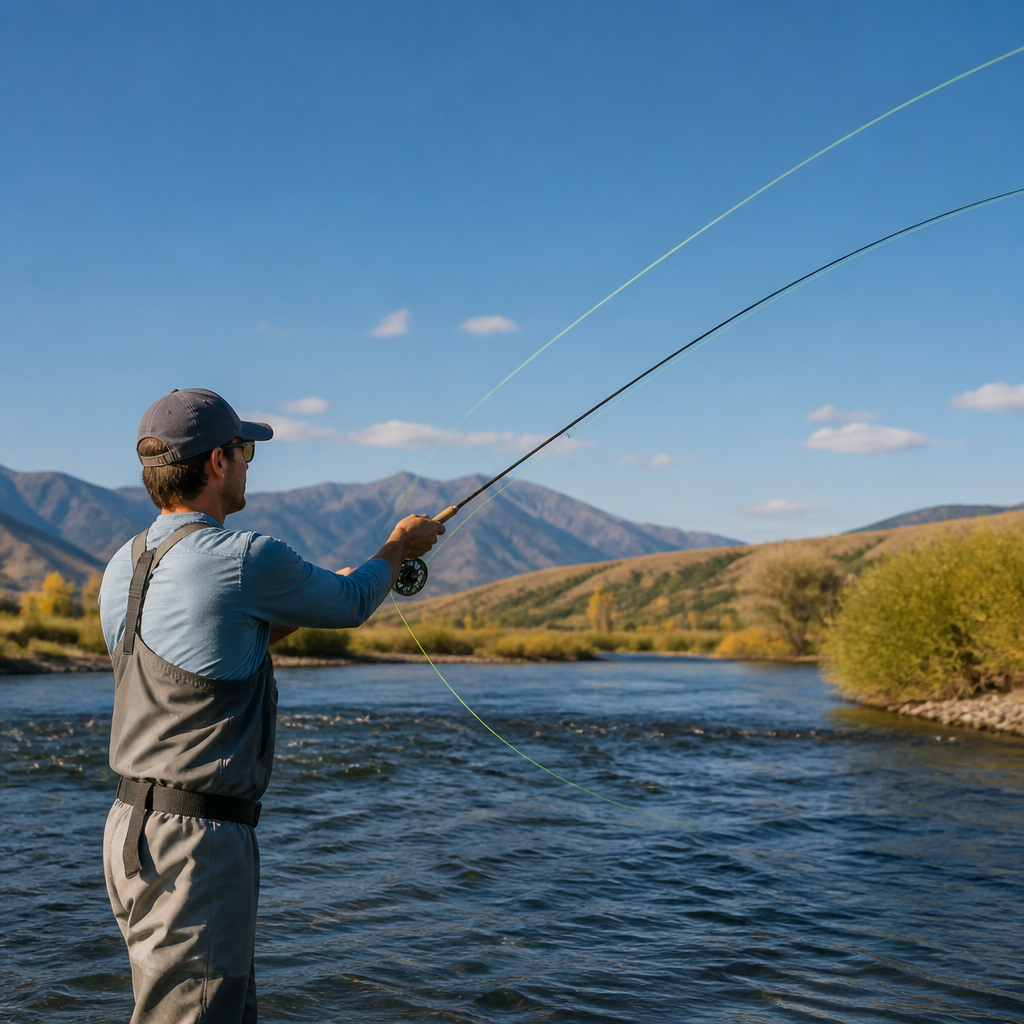
Using crippled flies is one of the most effective specialized techniques in fly fishing because it targets a stage of insect vulnerability that trout, grayling, and selective surface-feeding fish recognize instantly. A crippled fly imitates an aquatic insect that has emerged or nearly emerged but cannot leave the surface film cleanly, often because its shuck is still attached, one wing is trapped, or its body is waterlogged and tilted. In practical terms, that means the artificial should suggest struggle, asymmetry, and partial emergence rather than the neat silhouette of a perfect dun. When anglers ask why fish ignore fully dressed dry flies yet sip a cripple pattern confidently, the answer is usually simple: crippled naturals are easier prey, they drift longer in the feeding lane, and they trigger less suspicion during selective feeding.
I learned the value of cripple patterns on technical spring creeks where trout refused standard comparaduns during blanket mayfly hatches. The same fish would slide two feet to eat a trailing-shuck cripple with a low thorax and one visible wing. That experience repeats on tailwaters, freestone riffles, and stillwater shoals. Fish are conditioned by energy economics. A trapped emerger or failed adult offers maximum calories for minimal effort, so predators prioritize it. This is especially true during pale morning dun, blue-winged olive, midge, caddis, and spinner-fall transitions, when many insects are half in and half out of the film.
As a specialized technique, fishing crippled flies sits between conventional dry-fly fishing and emerger presentations. It includes pattern choice, proportion, drift angle, leader design, and reading rise forms. It also functions as a hub concept because it connects to dead-drift presentation, hatch matching, fly design, micro-drag control, selective trout behavior, and seasonal entomology. If you understand when and how to use crippled flies, you improve not just one narrow tactic but your entire approach to difficult fish. The goal of this guide is to explain the patterns, the situations, and the presentation strategies that make crippled flies produce consistently.
What a Crippled Fly Represents and Why Fish Prefer It
A cripple pattern represents an insect that is stuck in transition. Most often, that means an emerger that has broken through the nymphal shuck but has not fully expanded its wings, or a dun that has toppled back into the meniscus before takeoff. The key visual markers are low profile, trailing material that suggests an exuvia, and a body posture that looks compromised. Fish prefer these insects because they are trapped by surface tension. Unlike healthy duns, they cannot lift off quickly. Unlike active nymphs, they are not diving for safety. For a trout holding in a feeding lane, that is a perfect target.
Rise forms often confirm this feeding preference. Splashy takes commonly indicate caddis skittering or aggressive feeding. Quiet porpoising, nose-and-dorsal rises, and the classic head-and-tail sequence usually suggest fish taking emergers, cripples, or spent insects in or just under the film. During blue-winged olive hatches, for example, anglers often see dozens of adults floating by and assume a standard dry is the right answer. Yet fish may continue refusing because they are focused on the insects that fail at emergence. A CDC cripple, Klinkhamer-style emerger, or trailing-shuck sparkle dun better matches that exact food form.
Different waters emphasize this in different ways. On spring creeks with slow, clear currents, trout inspect each fly and often reject high-riding patterns. On rough riffles, fish have less time to evaluate, but cripples still excel because the broken water traps naturals in seams and eddies. On lakes, callibaetis and midge cripples are deadly during calm periods when trout cruise just below the surface looking for stillborn adults. The common thread is not water type but vulnerability. When naturals stall in the film, fish key on the easiest meal available.
Core Pattern Categories for Crippled Fly Fishing
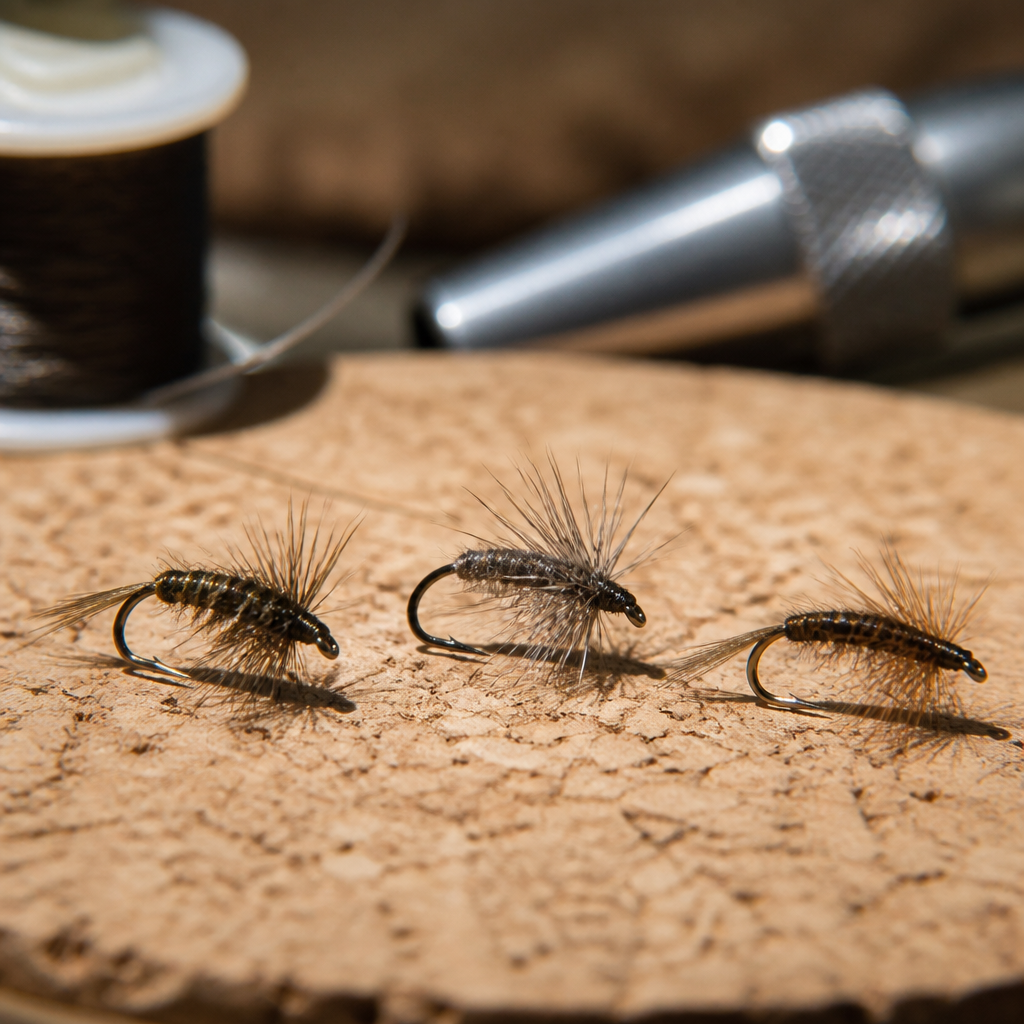
Crippled fly patterns usually fall into a few reliable categories, and each solves a different matching problem. Trailing-shuck mayfly cripples imitate insects partly escaped from the nymphal case. Sparkle duns, no-hackle emergers, and CDC transitional patterns fit here. Thorax-heavy or parachute cripples imitate adults collapsed into the film with wings partly visible. Klinkhamer-style patterns bridge emerger and cripple by suspending the abdomen below the surface while keeping a visible post above it. For caddis, soft-hackle emergers, bubble caddis, and low-floating CDC caddis suggest adults struggling free or stuck after hatching.
Material choice matters because the pattern must communicate life stage, not just species. Zelon and Antron are common trailing-shuck materials because they catch light and imply translucence. CDC is unmatched for buoyancy and a natural, messy footprint, which is why so many effective cripple patterns rely on it. Deer hair comparadun wings can work well for mayfly cripples, but they must be sparse and low, not perfectly upright. Biot or quill bodies can improve segmentation during sparse hatches, while dubbed thoraxes help create the bulky, trapped look many cripples need.
Hook style also changes effectiveness. Curved-shank emerger hooks improve the half-submerged silhouette and help the pattern sit naturally in the film. Standard dry-fly hooks are still useful when fish want a slightly higher profile, especially in pocket water. In my boxes, sizes 14 through 22 cover most mayfly and midge cripple situations, with caddis often in 14 through 18. Color matching should follow the natural insect closely, but tone and posture usually matter more than microscopic detail. If the fly sits wrong, exact olive or sulfur shades rarely save the presentation.
| Situation | Best Cripple Style | Key Feature | Typical Insects |
|---|---|---|---|
| Slow spring creek hatch | CDC mayfly cripple | Low wing, flush body | BWO, PMD |
| Riffled tailwater seam | Trailing-shuck sparkle dun | Visible shuck, better flotation | PMD, baetis |
| Film-feeding trout in slicks | Klinkhamer-style emerger | Abdomen below film | Midges, mayflies |
| Caddis emergence near banks | CDC caddis cripple | Messy wing and low ride | Tan or olive caddis |
| Lake callibaetis hatch | Stillborn spinner/cripple | Spent or trapped wing profile | Callibaetis |
Presentation Strategies That Make Cripple Patterns Work
The best cripple pattern fails if the drift looks wrong. Presentation starts with leader control. I usually lengthen tippet before changing flies because selective fish often reject micro-drag before they reject shape. A 12- to 15-foot leader with fine tippet helps on clear spring creeks, while a 9- to 12-foot setup is enough on broken freestone water. Fluorocarbon is useful for subsurface emergers, but nylon usually performs better for true film patterns because it supports drift and can be dressed more selectively.
Target the transition lanes where naturals collect. Cripples often gather along foam lines, inside seam edges, tailouts, and the softer cushion just below a riffle lip. On rivers, quartering upstream casts with immediate slack are usually superior to straight upstream bombs because they reduce tension as the fly enters the lane. Reach casts, parachute casts, and aerial mends matter here. The objective is to let the fly drift as if disabled. If the line straightens early and pulls the pattern, the illusion collapses.
Depth control is subtle but critical. Many cripples should sit half in and half out of the meniscus. Too much floatant on the whole fly makes it ride like a conventional dry. I often apply desiccant or powder only to the wing or post, leaving the abdomen and shuck untreated so they penetrate the film. With Klinkhamer-style flies, the thorax post remains visible while the body hangs naturally below. During calm conditions, this small adjustment can change refusal after refusal into steady eats. Strike timing should also stay measured. Fish eating cripples often sip softly; lifting too quickly pulls the fly away before the hook finds purchase.
Reading Water, Rise Forms, and Seasonal Patterns
Anglers who use crippled flies well are really reading clues. The first clue is insect behavior. Cool, overcast afternoons with heavy blue-winged olive activity routinely create cripples because damp air and surface tension delay takeoff. Pale morning duns often generate selective feeding in softer summer currents, especially when duns accumulate in eddies. Midges produce year-round opportunities, with tiny film-trapped clusters becoming critical on winter tailwaters. Caddis are less commonly discussed as cripples than mayflies, but egg-laying falls and rough-weather emergences create many trapped adults.
The second clue is fish position. Trout feeding on nymphs hold deeper and shift for drifting food. Trout feeding on cripples often station just beneath the film in predictable lanes and rise with minimal body movement. If several fish are taking insects in one slick but ignore skated or high-floating patterns, a cripple should be your first adjustment, not your last. On lakes, watch for bulging rises rather than splashy takes. Callibaetis feeders often cruise slowly and intercept stillborns with barely visible dimples.
Seasonally, spring and fall are prime times because cool temperatures slow emergence and prolong the vulnerable stage. Summer remains excellent on spring creeks and tailwaters where hatches are consistent and fishing pressure teaches trout to distrust textbook dry flies. Wind can either help or hurt. A slight ripple masks leader and tippet, making low-riding cripples easier to present. Heavy chop, however, can drown patterns that are too sparse. In those conditions, choose a cripple with enough support, such as a parachute-style thorax or sparkle-dun framework, while still preserving the trapped silhouette fish expect.
Common Mistakes and How to Build a Reliable System
The most common mistake is treating crippled flies as novelty patterns instead of first-line options. Many anglers cycle through standard dries, then emergers, then finally a cripple after refusals. In my experience, if fish are rising calmly during a hatch and standard dries fail twice, switching immediately to a cripple saves time and fish. The second mistake is overdressing the fly with floatant. A cripple should look compromised. Greasing the entire pattern defeats the point by lifting abdomen, shuck, and thorax unnaturally high above the film.
Another error is matching only color and size while ignoring attitude. A perfect size 18 olive with a stiff, upright wing does not replace a low CDC baetis cripple. The same principle applies to drag. Micro-drag is especially obvious on low-floating patterns because fish are studying the film closely. Use longer tippets, reposition casts, and change angles before changing flies repeatedly. Hooking problems also deserve attention. Because fish sip cripples gently, small barbless hooks with sharp points and controlled lifts usually outperform hard trout sets.
Build a reliable system around observation, a compact box, and repeatable adjustments. Carry a focused selection: mayfly trailing-shuck cripples, CDC emergers, Klinkhamer-style patterns, caddis cripples, and stillborn lake patterns in the dominant local sizes. Watch rise forms for one minute before casting. Inspect naturals in your hand or with a small stream net. Then choose a pattern based on posture first, species second, and color third. That order sounds backward to many anglers, but it reflects how fish often feed during difficult hatches. Mastering crippled flies gives you a practical edge whenever fish become selective. Start using them deliberately, and your dry-fly success rate will rise on every demanding water you fish.
Frequently Asked Questions
What is a crippled fly, and why is it so effective in fly fishing?
A crippled fly is an imitation of an aquatic insect that has reached the surface but fails to complete the final stage of emergence cleanly. Instead of floating away as a perfect dun or spinner, the natural insect may remain stuck in its shuck, sit low in the film, trail part of its body underwater, or show an uneven silhouette because a wing is trapped or the body is waterlogged. That vulnerability is exactly what makes the pattern so effective. Trout, grayling, and other selective surface-feeding fish quickly learn that a cripple is easy food: it cannot escape, it remains available longer than a healthy adult, and it often drifts naturally in the feeding lane without much movement.
From a fishing standpoint, cripple patterns work because they occupy a highly important middle ground between nymphs and fully emerged dry flies. Fish feeding just under the surface or right in the film are often not looking for high-riding, picture-perfect adults. They are tuned instead to the messy, transitional stage when insects struggle to break free. A good crippled fly suggests that stage through posture and footprint more than exact detail. Low-riding thoraxes, trailing shucks, sparse or partially spent wings, and tilted bodies all help communicate “helpless insect” to the fish. In difficult hatches, especially when trout refuse standard dries, switching to a cripple often turns refusals into confident takes because it better matches what the fish are actually keying on.
When should you choose a cripple pattern instead of a standard dry fly or emerger?
You should reach for a cripple pattern when fish are feeding near the surface but are rejecting high-floating dry flies, when rises appear subtle rather than splashy, or when you can see naturals struggling in the film during a hatch. In many situations, fish are not targeting clean adults at all. They are intercepting insects caught during emergence, and a standard upright dry sits too high and looks too complete. If trout are rising steadily yet ignoring your dun pattern, that is often a clear sign they want something lower, more vulnerable, and less perfect in profile.
Cripple patterns are especially strong during mayfly hatches, but they also matter during caddis activity and other insect emergences where bugs accumulate in the meniscus. They shine on smooth glides, tailouts, spring creeks, and flat pools where fish have time to inspect food carefully. Grayling in particular can be very responsive to flies that sit half in and half out of the film. Another ideal moment is when the hatch is heavy and many naturals are genuinely failing to emerge cleanly. Cool weather, broken surface currents, and long drifts can all increase the number of trapped insects, which makes a cripple imitation even more realistic. In short, if fish are feeding with precision and your standard dry is too neat, too buoyant, or too visible above the water, a cripple is often the right adjustment.
What features make a good crippled fly pattern realistic and convincing to selective fish?
The most important feature of a good crippled fly is its attitude on the water. It should not sit upright and proud like a textbook dry fly. Instead, it should suggest tension, imbalance, and partial emergence. That usually means a body that rides flush in the film, a thorax that is slightly elevated but still low, a trailing shuck that hangs below the surface, and wings that appear sparse, crumpled, angled, or only partly freed. The fish do not always need exact anatomical accuracy, but they do respond strongly to a believable silhouette and a natural footprint in the surface film.
Materials matter because they control both profile and behavior. CDC, soft hackle fibers, antron shuck material, fine dubbing, and sparse synthetic wing posts are all common choices because they create movement without making the pattern too buoyant. Many effective cripples deliberately avoid excessive hackle so they do not ride unnaturally high. Color and size should match the hatch closely, but the real trigger is often the impression of a struggling insect rather than a perfect adult. A pattern with a slim abdomen, visible trailing shuck, and low-riding thorax will usually outperform an overdressed fly in technical conditions. The best cripple patterns communicate one thing very clearly: this insect is stuck, exposed, and easy to eat.
How should you fish crippled flies to get the most natural presentation?
Fish crippled flies with the same discipline you would use for any demanding dry-fly situation, but place even greater emphasis on drag-free presentation and drift angle. Because these patterns imitate helpless insects trapped in the film, they should usually drift naturally with little or no active manipulation. Start by targeting visible rise forms or likely feeding lanes near seams, slicks, and the softer edges of current tongues. A reach cast, slack-line cast, or aerial mend can help the fly settle without instant drag. In many cases, the presentation matters more than the pattern itself.
Leader setup is also important. Long, fine leaders and appropriately light tippet help the fly land softly and drift low without being pulled unnaturally by thick terminal material. Dress only the parts of the fly that should float; many anglers apply floatant sparingly to the wing or thorax while leaving the abdomen and shuck untreated so the pattern sits correctly in the film. Avoid over-false-casting, which can dry the fly too much and make it ride higher than intended. Watch for subtle takes, because fish often sip cripple patterns quietly. If the water is rougher, you may be able to skate the fly slightly at the end of the drift to imitate a struggling emerger, but in most situations the key is a dead drift that preserves the impression of vulnerability. Done properly, a crippled fly can be one of the most convincing surface presentations in all of fly fishing.
What are the best strategies for matching cripple patterns to specific hatches and water conditions?
The best strategy is to match three things at once: size, stage, and posture. Most anglers focus first on color, but with crippled flies, stage and posture are often more important. If fish are feeding on pale morning duns, blue-winged olives, or sulfur emergers, start with the right hook size and body tone, then choose a pattern that reflects how those naturals actually look when trapped in the film. During a mayfly hatch, that often means a trailing shuck and a partially emerged wing. In caddis situations, it may mean a softer, lower-floating pattern that suggests an insect struggling at the surface rather than an actively skittering adult.
Water type should shape your selection as well. On glassy spring creeks and slow pools, go with sparse, highly imitative patterns that sit low and avoid excessive flash or bulk. In riffled water or broken seams, you can use slightly more visible versions with modest wing contrast or subtle buoyancy aids, because fish have less time to inspect them. During dense hatches, it is usually better to match the prevalent size and keep the silhouette impressionistic rather than chasing tiny color differences. If refusals continue, adjust the fly’s posture before changing everything else: a thinner body, less hackle, or a more pronounced trailing shuck can make a huge difference. Carry a range of cripple styles for the same hatch—some slimmer, some more winged, some almost emerger-like—because fish can become incredibly specific about where in the surface film they expect the insect to sit.