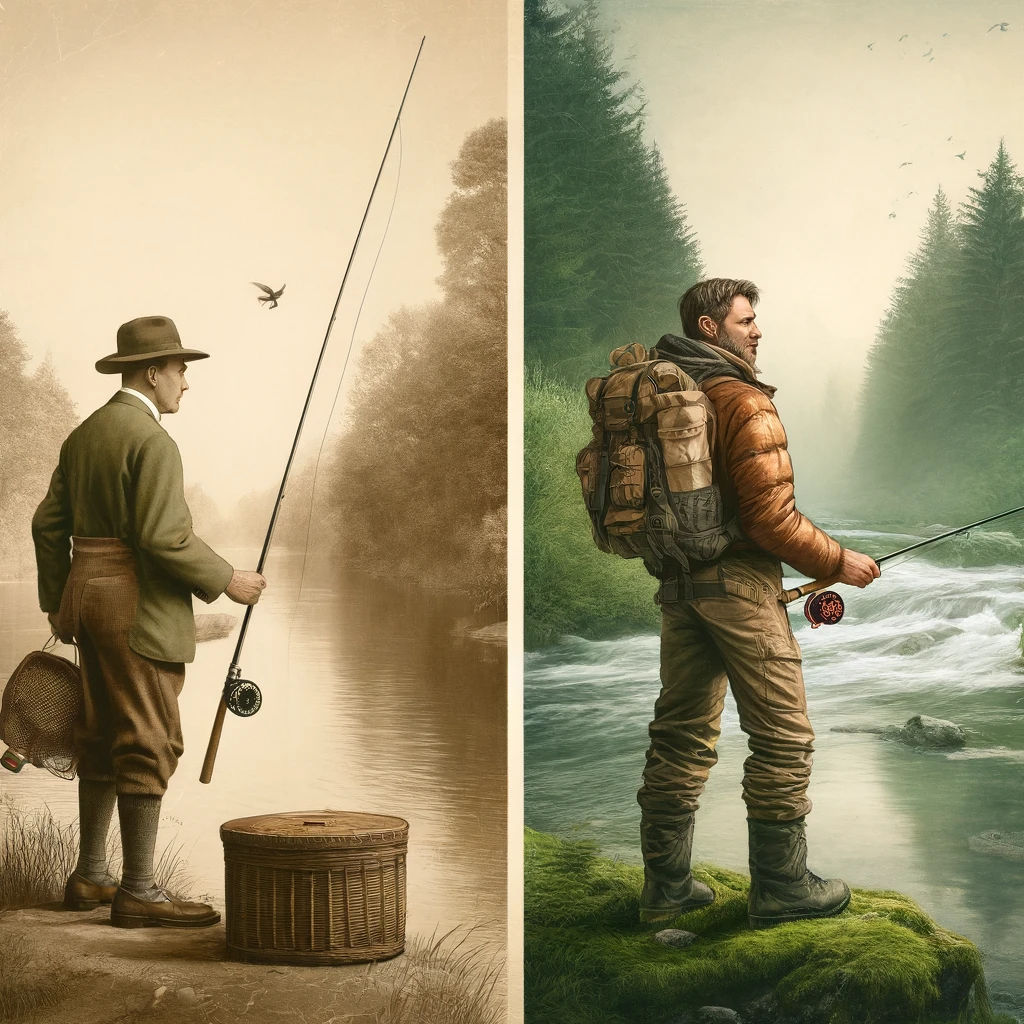
Welcome to the wonderful world of fly fishing! Fly fishing is not just a hobby but an art that requires skill, patience, and a deep understanding of the water’s inhabitants. This article will guide you through the basics of fly fishing, focusing particularly on understanding fish behavior, techniques, and strategies to increase your chances of outwitting your catch.
Introduction: What Is Fly Fishing and Why Fish Behavior Matters
Fly fishing is a unique method of angling that uses artificial “flies” to entice fish. Unlike traditional fishing methods that rely on baits or lures, fly fishing focuses on mimicking the natural food forms fish typically go after, thereby increasing the effectiveness of your catch. Understanding the behavior of fish is crucial in this regard.
So, why is understanding fish behavior so important? Quite simply, knowing how fish act and react under various conditions allows you to predict their movements and feeding patterns. Whether you are targeting trout in a small stream or bass in a large lake, the principles remain the same. Fish are driven by factors such as water temperature, food availability, and predatory threats. By understanding these elements, you can strategically plan your fly fishing approach to be one step ahead of your aquatic adversary.
For beginners, it can sometimes be overwhelming to learn the ropes of fly fishing. The jargon, the gear, and the techniques might seem complex. However, once you understand the fundamental behavior patterns of fish, you’ll find that many aspects of fly fishing become more intuitive.
Now that we have set the groundwork of why understanding fish behavior is essential, let’s dive into specific techniques and strategies that will help you outwit your catch. We will explore various aspects including water conditions, fly selection, presentation techniques, and more, ensuring you are fully equipped to step into the shoes of an accomplished fly fisherman.
Observing Water Conditions and Fish Activity
The first step in fly fishing is probably the most overlooked: observing water conditions. The behavior of fish is significantly affected by the physical conditions of their environment. Depth, temperature, flow, and clarity are key factors that will determine where and how fish are likely to congregate.
Watch the water before casting your line. Look for telltale signs such as feeding bubbles, rising fish, or insect activity on the surface. Morning and late evening are usually the best times for this, as fish tend to be more active during these periods. Also, changes in water level may signify recent rains or melting snow, which can drastically influence fish behavior.
Temperature is another crucial factor. Most fish are cold-blooded animals whose metabolism rates are influenced by water temperature. Warmer waters speed up metabolic rates, making fish more active and hungry, while colder waters can slow them down. Thus, your strategy should adapt accordingly: focus on shady or deeper parts of the water during hotter parts of the day, and sunnier, shallow areas when it’s cooler.
Lastly, consider water flow and current. Fish often position themselves in slow-moving pockets behind rocks or underwater structures to conserve energy while waiting for food to come their way. Identifying such spots can significantly enhance your casting accuracy and bait presentation.
Choosing the Right Fly and Equipment
The selection of your fly and equipment is another cornerstone of successful fly fishing. The fly is your bait, and choosing the right one can make all the difference. Different fly patterns are designed to mimic various insects, baitfish, or other food forms specific to the region you’re fishing in.
Flies are generally classified into dry flies, wet flies, nymphs, and streamers. Dry flies float on the surface and imitate adult insects. They are perfect for scenarios where you observe fish feeding on the surface. Wet flies and nymphs sink below the surface and imitate insects in their underwater life stages. Streamers are larger and simulate small fish or other critters that fish prey upon.
Consult local fly shop experts or online resources to understand what flies work best in the waters you’re fishing. Seasonal variations can also affect what fish are feeding on, so it’s wise to have a versatile collection of flies.
Your choice of rod, reel, and line also plays a critical role. For beginners, a medium-action rod is versatile enough for most situations. Pair it with a balanced reel and line to ensure smooth casting and effective control of your fly. Do not overlook the importance of a good-quality line; often, the success or failure of your cast depends on it.

Mastering Casting Techniques
After setting up your gear and choosing the appropriate fly, the next step is mastering casting techniques. Proper casting ensures that your fly lands softly and naturally, minimizing the chances of spooking the fish.
The basic cast involves a smooth back-and-forth motion that loads and unloads the rod. The key elements are timing, speed, and power distribution. Avoid jerky movements; smoothness is crucial. Start with short casts and gradually increase your range as you gain confidence.
For making longer casts, the double haul technique can be particularly effective. This involves pulling the line with your non-casting hand to accelerate the rod. This extra line speed enables you to reach further distances with greater accuracy.
Point your line toward where you suspect the fish to be, considering the flow and obstacles. Accuracy trumps distance most of the time. Shorter, pinpoint casts often yield better results than long, random ones. Additionally, practice roll casts for situations where you have limited backcasting room, such as when you are surrounded by trees or shrubs.
Presentation Techniques to Entice Fish
The presentation of your fly is almost as important as the fly itself. Even the perfect fly won’t attract fish if it isn’t presented properly. Fish are keen observers and can be easily spooked by unnatural presentations.
The key is to make your fly appear as natural as possible. For dry flies, ensure they land softly and float correctly. Casting upstream and allowing the fly to drift naturally downstream is a common technique. It mimics the natural movement of an insect caught in the current.
For wet flies and nymphs, employ a technique called “dead drifting,” where the fly moves at the same speed as the water current. Use an indicator to help you track the fly’s depth and detect subtle bites. If you’re using streamers, a retrieve that mirrors the erratic swimming motions of small fish can be effective.
In addition to the fly’s movement, consider external factors such as light conditions and shadow casting. Fish are more likely to notice your shadow than you think, so position yourself carefully. Pay attention to wind conditions as well; it can both help and hinder your casting accuracy.
Reading the Fish’s Reaction
Effective fly fishing involves constant observation and adaptation. Once your fly is in the water, notice how fish react to it. Immediate strikes indicate you’re doing something right, while complete indifference suggests rethinking your strategy.
If fish repeatedly follow but do not strike, this could mean your presentation needs adjustment. Slight changes in retrieve speed, depth, or fly pattern can often trigger strikes. If fish are visibly agitated or spooked, consider changing locations or casting techniques.
Many factors can influence fish reactions beyond your control, such as sudden weather changes or increased water turbidity. However, the ability to adapt and remain patient is what sets successful anglers apart. Keep adjusting your techniques based on the fish’s behavior, and you’ll soon identify patterns that lead to more consistent catches.
Conclusion: Patience and Practice Make Perfect
Mastering fly fishing is a journey that requires time, patience, and practice. From observing water conditions and selecting the right fly to mastering casting and perfecting presentation techniques, each aspect is a piece of a larger puzzle. Understanding fish behavior is the thread that ties everything together.
Remember that every fishing experience is a learning opportunity. Even seasoned anglers continue to refine their techniques and learn new strategies. Don’t get discouraged by initial failures; each trip will make you a better fisherman. Fly fishing is as much about the experience and connection with nature as it is about the catch.
Equip yourself with the knowledge shared in this article, and make notes on what works and what doesn’t. Soon, the patterns will become clearer, your casting will become smoother, and your catching rates will improve. Embrace the journey, and in time, you’ll find yourself outwitting more fish than you ever thought possible.