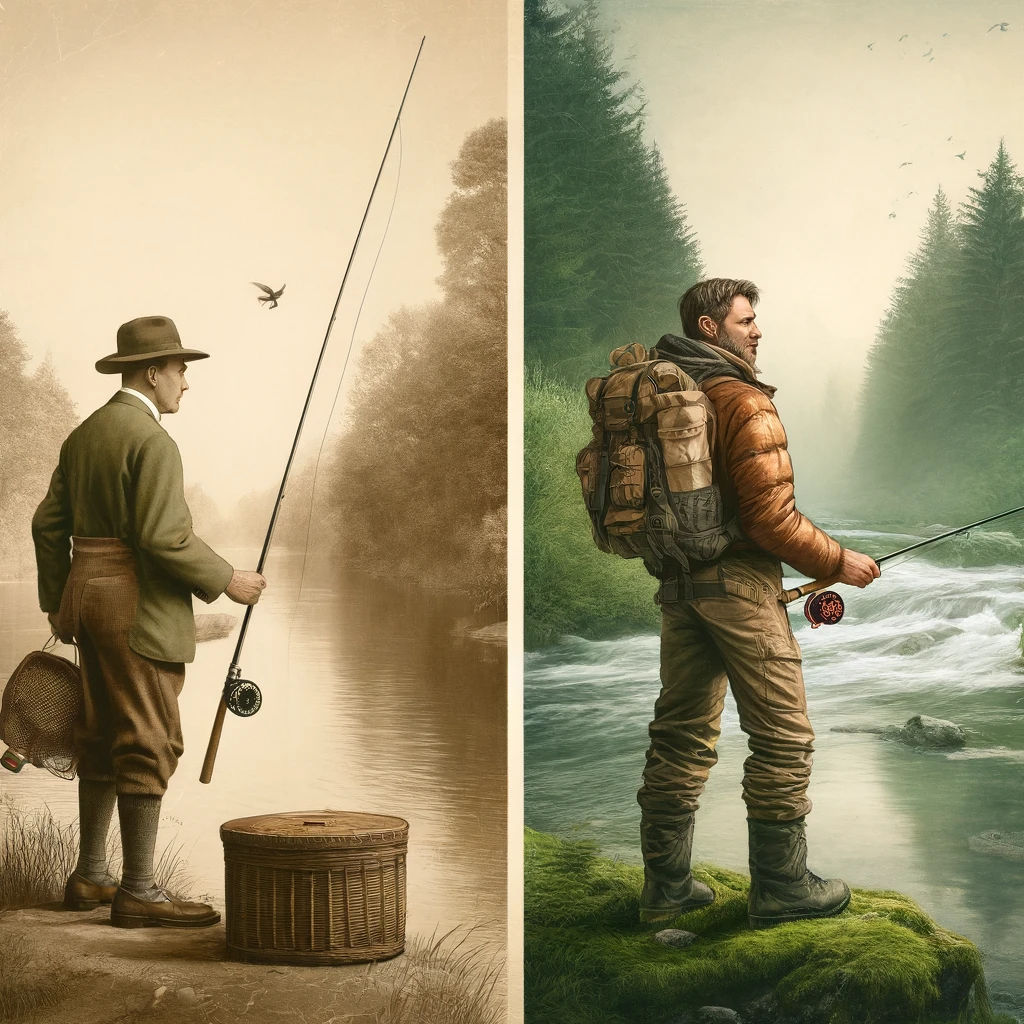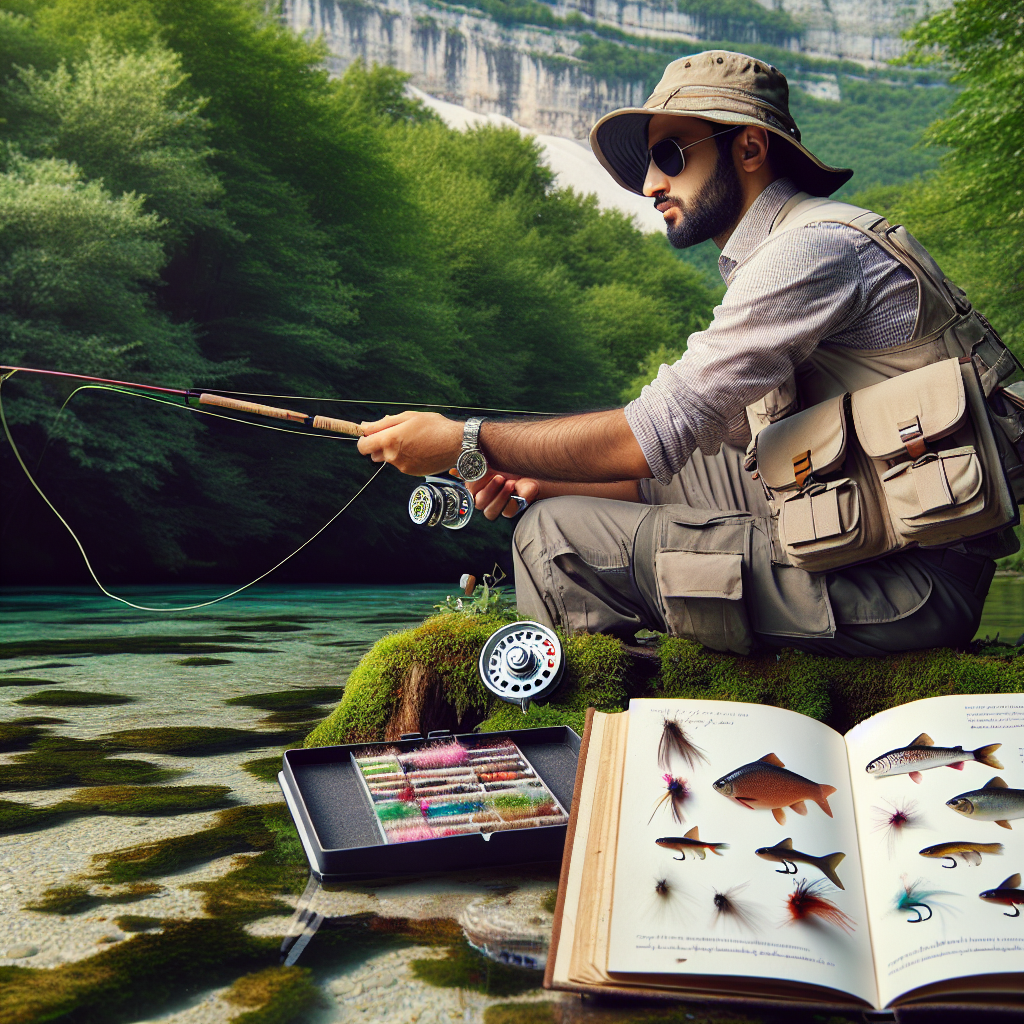
Fly fishing is an art, a science, and a passion for many anglers around the world. It offers unique challenges and rewards, especially when tackling clear water environments. Crystal clear water might seem inviting, but it presents specific difficulties that require a nuanced approach. The ability to see the fish clearly is a double-edged sword; if you can see them, they can see you. This makes stealth, precision, and knowledge essential components of your fly fishing strategy in clear water streams, rivers, and lakes. In this comprehensive guide, we will go through the basics, techniques, and strategies you need to improve your fly fishing success in clear water.
Understanding Clear Water Dynamics
The transparency of water is influenced by various factors including sediment load, algae growth, and water flow. In clear water, the absence of obscuring particles means that fish are more vigilant. They are likely to notice slight movements, shadows, and vibrations. This heightened awareness necessitates a different approach compared to fishing in murkier waters.
In such environments, fish rely heavily on their eyesight to detect predators, prey, and potential hazards. They can see further and react faster, making traditional aggressive casting techniques less effective and potentially counterproductive. Knowing how to adapt your behavior and tactics to these conditions will significantly increase your chances of a successful catch.
Before diving into the advanced techniques and strategies, it’s crucial to understand the key concepts of light refraction, water clarity, fish vision, and behavior in clear water. High water clarity levels mean that fish have a wider field of vision, making them more likely to spot you and your fly line. Given this, anglers must employ finesse and calculated movements to succeed.
Stealth and Approach
One of the most important aspects of fly fishing in clear water is stealth. The less apparent you are, the better your chances of capturing the fish’s attention without spooking them. Here are some points to consider:
- Wear camouflaged clothing: Blending into your surroundings minimizes the chances of being spotted.
- Move slowly and carefully: Quick actions and heavy footsteps can create vibrations and shadows, alerting the fish to your presence.
- Stay low: Keeping a low profile can help prevent casting shadows on the water surface.
- Use natural cover: Bushes, trees, and rocks can serve as excellent hideouts. Utilize them to your advantage.
Another key factor is patience. Unlike turbid waters, where fish might not notice small disturbances, clear water environments require a more cautious approach. Wait for the right moment, and don’t rush your casts. Position yourself strategically and observe your surroundings.
Choosing the Right Gear
Your choice of gear can make or break your fly fishing experience in clear water. Here are the essential components you need to focus on:
- Rod and Reel: A versatile rod, typically in the 4-6 weight range, paired with a smooth drag system reel, offers the flexibility you need for various fish species and casting conditions.
- Fly Line: A weight-forward floating line is generally suitable for clear water scenarios. Ensure that your line isn’t too bright or reflective.
- Leader and Tippet: Longer, thinner leaders and tippets (9-12 feet) help prevent fish from detecting your line.
- Flies: Choose patterns that closely resemble the local insects. Transparent or lightly-colored flies that mimic natural prey tend to work best.
Having the right gear won’t guarantee success, but it greatly improves your odds and makes the overall experience more enjoyable. Regularly check and maintain your equipment to ensure it’s in top condition.
Fly Selection and Presentation
Fly selection is crucial in clear water fly fishing. Fish are incredibly picky in such clear environments, and your fly must imitate the local aquatic life closely. Research the insects native to the fishing spot you’re visiting and prepare accordingly. Here are some tips:
- Dry flies: Effective during hatches, they are visible on the water surface and mimic adult insects.
- Nymphs: Imitations of insect larvae which are successful for fish feeding below the surface.
- Streamers: These simulate small fish and can trigger aggressive strikes from predatory fish.
Presentation is equally important. Here’s how to optimize your technique:
- Natural Drift: Cast upstream and allow your fly to drift naturally to mimic live prey.
- Drag-Free Drift: Minimize line tension to avoid creating unnatural movements that can alert the fish.
- Matching the Hatch: Use flies that match the currently hatching insects in size, shape, and color.
Experimenting with different flies and presentations until you find what works is vital. Even the most well-prepared angler must be willing to adapt to the changing conditions and fish responses.
Reading the Water
Reading the water is the ability to understand where fish are likely to be based on the water’s characteristics and conditions. This skill is particularly essential in clear water fishing, where fish behavior is influenced by multiple subtle factors. Here’s what to look out for:
- Structure: Fish often hide near rocks, logs, and other underwater structures to shelter from predators and strong currents.
- Current Breaks: Areas where fast-moving water slows down or breaks (caused by submerged objects) are prime spots for fish to conserve energy and catch passing food.
- Shadows and Light: Fish frequently seek shaded areas to avoid direct sunlight. Focus on fishing early in the morning or late in the afternoon when shadows are longer.
Observing the water thoroughly before casting allows you to pinpoint potential hiding spots and makes your approach more effective.
Adjusting to Weather and Light Conditions
Weather and light conditions highly impact your fly fishing strategy. Bright, sunny days can make fish extra cautious, while overcast or slightly windy conditions might work in your favor by breaking up the light entering the water. Here are some considerations:
- Time of Day: Early mornings and late afternoons are generally the most productive times for fly fishing in clear water. The lower angle of the sun reduces the glare and makes fish less skittish.
- Weather: Overcast days provide better cover, while sunny days demand extra stealth and lighter fly presentations.
- Wind: A slight breeze can ripple the water surface, providing you with additional camouflage.
Understanding these elements and adjusting your tactics according to the weather and light conditions can dramatically improve your fly fishing success.
Conclusion
Fly fishing in clear water requires a blend of knowledge, technique, and patience. It’s not just about casting your line and hoping for the best; it’s about understanding the water dynamics, adopting a stealthy approach, using the right gear, selecting and presenting your fly effectively, reading the water, and adjusting to weather conditions.
By focusing on these critical aspects, you can significantly enhance your fly fishing experience in clear water environments. Remember, practice makes perfect. The more time you spend on the water observing, learning, and adapting, the better fly fisher you will become.
Don’t be afraid to experiment and try new techniques. Each body of water is unique, and so are the fish that inhabit it. Use the tips and strategies in this guide as a foundation, but always be ready to adapt and evolve your approach. Fly fishing in clear water is challenging, but the rewards are well worth the effort.
So, gear up, take your time, and enjoy the process of becoming a skilled clear water fly fisherman. Tight lines and happy fishing!