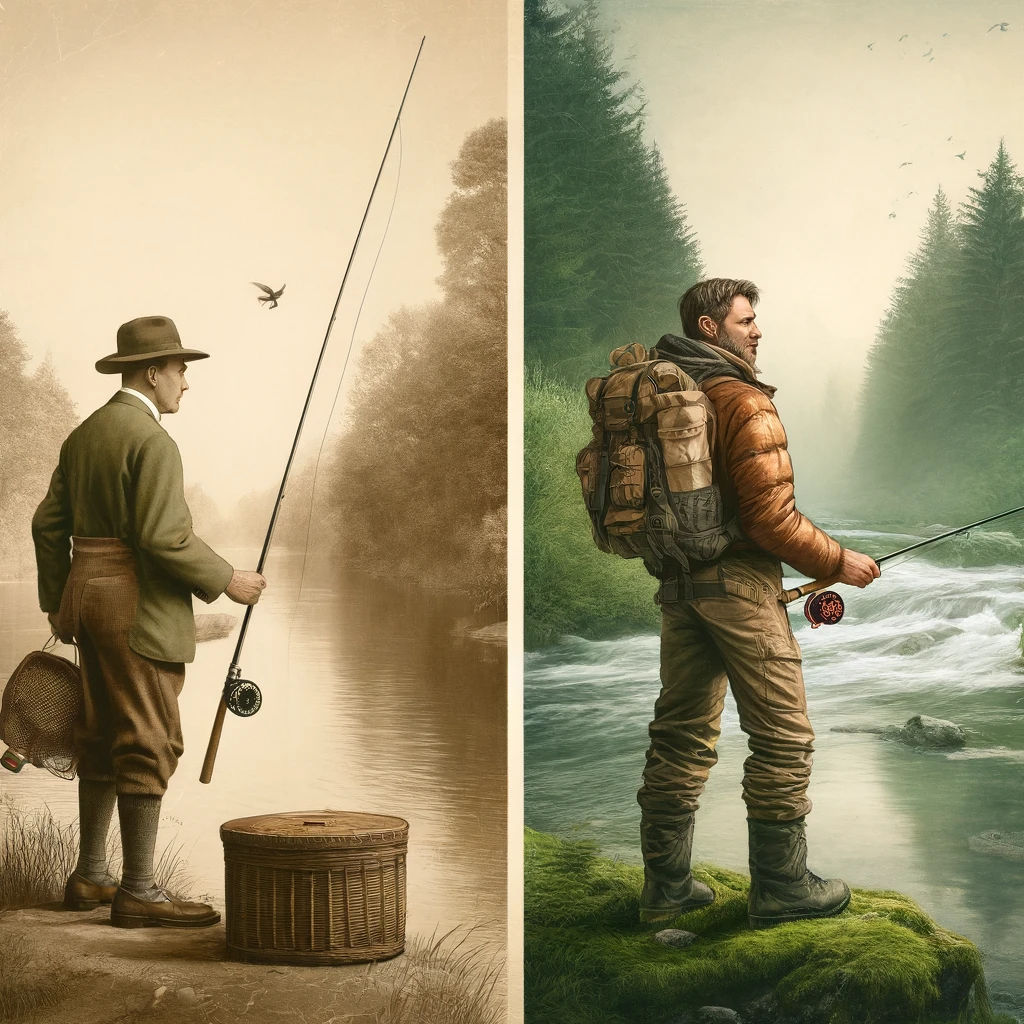
Fly fishing is an angling method that uses a light-weight lure—called an artificial fly—to catch fish. It is a sport steeped in tradition and beloved by anglers around the world for its intricate techniques and the serene environments it often takes place in. Whether you are a seasoned fly fisherman or a beginner looking to dive into the world of fly fishing, understanding how to adapt your techniques to different water types such as rivers, lakes, and streams is crucial. Each body of water offers its own unique challenges and opportunities, and mastering each can significantly improve your fishing experience and success rate.
In this article, we will explore the essential techniques and strategies for fly fishing in rivers, lakes, and streams. We will delve into the nuances that make each water type unique, as well as tips and tricks to help you make the most of your fly fishing expeditions. By the end of this guide, you’ll have a comprehensive understanding of the different approaches required for each type of water and how to adapt your fly fishing techniques accordingly.
Fly Fishing in Rivers
Rivers are one of the most popular and challenging spots for fly fishing. The constant flow of water creates a dynamic environment where fish are often on the move, making it essential to adapt your fishing methods.
Firstly, understanding the structure of the river is crucial. Look for areas where fish tend to congregate, such as pools, runs, and riffles. Pools are deep, slow-moving sections where fish often rest; runs are faster-moving sections, and riffles are shallow with quick currents. Different techniques are effective in these areas. For example, dry flies work well in riffles, while nymphs and streamers are effective in runs and pools.
Casting in rivers requires practice and precision. Using a roll cast is advantageous, especially if there is limited room for a backcast. The roll cast is executed by rolling the line out over the water, making it perfect for narrow river sections surrounded by trees. Another important technique is mending your line. Mending involves flipping the line upstream after the cast to eliminate drag and allow the fly to float naturally. This is crucial for presenting your fly in a convincing manner to the fish.
Observation plays a significant role in river fly fishing. Take time to watch the water and look for signs of fish activity. Look for rising fish, which indicate surface feeding, or subtle movements that might suggest fish are feeding underneath. Adjust your flies and techniques based on these observations to improve your chances of a successful catch.
Fly Fishing in Lakes
Fly fishing in lakes presents different challenges compared to rivers. The still water environment requires different techniques to locate and catch fish effectively.
One of the primary challenges in lake fly fishing is locating the fish. Unlike rivers, where fish often congregate in specific structures, fish in lakes can be more dispersed. Look for drop-offs, weed beds, and other underwater structures. Fish often utilize these areas for feeding and protection. Using a fish finder can also be beneficial in large lakes to locate schools of fish.
When it comes to casting, longer casts are often necessary in lake fishing to cover more water and reach fish that might be farther from the shore. The double haul cast is a valuable technique in this scenario. This involves using both hands to create extra line speed, allowing for longer and more accurate casts.
Choosing the right fly is crucial in lake fishing. While dry flies can work, nymphs and streamers are often more effective. Streamers imitate small fish and can be very enticing to predatory species. Use sinking lines or weighted flies to reach deeper areas where fish might be hiding, especially during warmer parts of the day when fish tend to stay in cooler, deeper waters.
Retrieval technique is another essential aspect of lake fly fishing. Vary your retrieve speed and pattern to mimic the movement of prey in the water. Slow, steady retrieves work well for nymphs, while erratic, faster retrieves can be effective for streamers. Experiment with different patterns until you find what works best for the fish in that particular lake.

Fly Fishing in Streams
Streams offer a unique fly fishing experience with their smaller, often more intimate settings. The techniques here can differ significantly from those used in rivers and lakes.
One crucial aspect of stream fly fishing is stealth. Streams are often clear and shallow, making it easy for fish to detect anglers. Approach streams cautiously, wearing neutral-colored clothing to blend into the surroundings and minimizing disturbances in the water.
In terms of casting, short, accurate casts are essential in stream fishing. The bow-and-arrow cast is particularly useful in tight quarters where a traditional cast is impossible. This involves pulling the fly back like a bowstring and releasing it towards the target. It’s an effective method for reaching fish hiding under overhanging vegetation or in tight spots.
Dry flies are particularly effective in stream fly fishing. The shallow, clear water often encourages fish to feed on the surface, making dry flies a reliable choice. However, nymphs and small streamers can also be productive, especially in deeper pools or faster-moving sections of the stream.
Reading the water is another critical skill in stream fishing. Look for seams, where fast and slow currents meet, as these areas often hold feeding fish. Pocket water, the small, calm areas formed behind rocks and obstacles, can also be productive spots to find fish in streams.
Patience and observation are vital in stream fishing. Take time to observe the water and the behavior of the fish. Stream fishing often requires a more tactical approach, with precise presentations and careful movements to avoid spooking fish.
Essential Gear for Fly Fishing
Having the right gear is crucial for a successful fly fishing experience, regardless of the water type. Here’s a rundown of some essential fly fishing equipment:
- Rods: A 9-foot rod for rivers, a longer 10-foot rod for lakes, and a shorter 7-8 foot rod for streams are good starting points.
- Reels: Match your reel to your rod and line. Ensure it has a good drag system for controlling fish.
- Lines: Floating lines are versatile for most situations. Sinking lines are beneficial in deeper lakes.
- Leaders and tippets: These should be chosen based on the water type and target fish. Longer leaders work well in lakes, while shorter ones are effective in streams.
- Flies: A varied selection of dry flies, nymphs, streamers, and terrestrials will cover most situations. Adjust based on the water type and fish behavior.
- Waders and boots: Good waders and boots are essential for comfortable and safe wading in rivers and streams.
- Accessories: Don’t forget tools like nippers, forceps, and a net to handle fish safely. Polarized sunglasses are also crucial for reducing glare and spotting fish.
Investing in quality gear will enhance your fly fishing experience and increase your chances of success.
Conclusion
Fly fishing is a rewarding and intricate sport, offering a unique connection to nature and a sense of accomplishment when mastering different techniques and strategies. Understanding how to adapt your fly fishing tactics to different water types—rivers, lakes, and streams—is key to becoming a versatile and successful angler.
Rivers challenge you with their dynamic moving waters, requiring precise casting and an understanding of river structure. Lakes present an expansive environment where locating fish is the primary challenge, demanding longer casts and strategic fly selection. Streams, with their intimate settings, require stealth, precision, and careful water reading.
Equipping yourself with the right gear tailored to each water type enhances your ability to adapt and succeed in various fishing environments. Remember, fly fishing is not just about catching fish; it’s about enjoying the process, learning from each experience, and continually refining your techniques.
As you venture out on your fly fishing journeys, take the time to observe, adapt, and embrace the unique challenges each water type presents. With practice and patience, you’ll develop the skills needed to excel in all fly fishing environments, making each outing a memorable and fulfilling experience.
So, grab your fly rod, head out to your favorite river, lake, or stream, and immerse yourself in the timeless art of fly fishing. Happy fishing!