Choosing the right fly fishing wading jacket in 2025 means balancing waterproof protection, mobility, pocket layout, durability, and value, because a jacket that works on a drift boat in October may fail badly during a wet spring wade on a freestone river. In clothing reviews, wading jackets sit in a specialized category: they are shorter than general rain shells, built to clear a wading belt, and designed around repetitive casting, pack access, and constant exposure to spray, brush, and abrasion. I have tested jackets in coastal rain, tailwater wind, and small-stream bushwhacking, and the same pattern always shows up: premium fabrics matter, but cut, cuff design, hood stability, and storage often determine whether a jacket actually earns a place in your regular kit.
For anglers researching the top fly fishing wading jackets for 2025, the key question is simple: which models keep you dry without restricting casting or adding unnecessary bulk? The best options use proven waterproof breathable laminates such as Gore-Tex, Toray, and proprietary three-layer membranes; they pair those fabrics with articulated sleeves, high handwarmer pockets, water-resistant zippers, and cuffs that seal cleanly over wet hands. This hub article covers the best jackets, who they fit, how to compare them, and what separates a true wading shell from a standard hiking rain jacket. It also serves as the central guide for clothing reviews across fly fishing apparel, helping you choose outerwear that matches your water, climate, and fishing style rather than buying on branding alone.
What makes a great fly fishing wading jacket in 2025
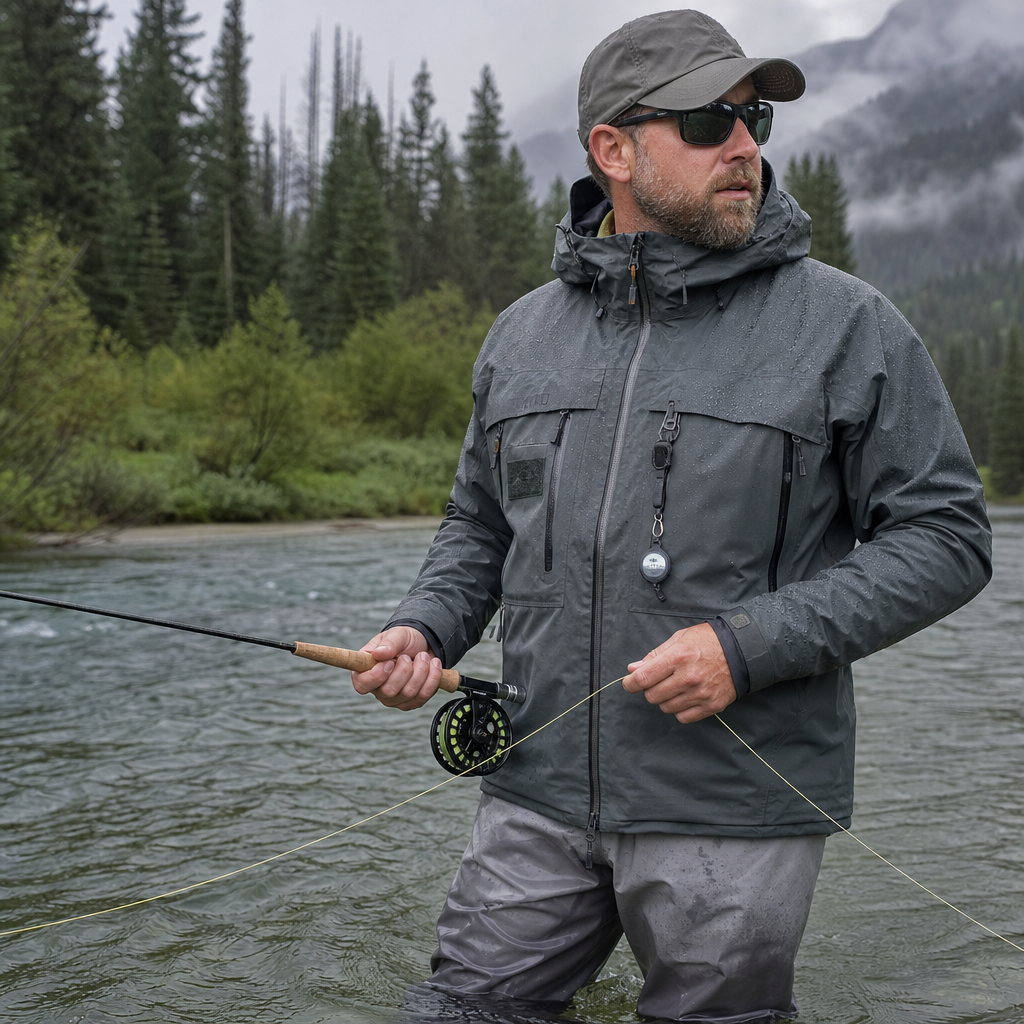
A fly fishing wading jacket is a waist- or hip-length waterproof shell built specifically for fishing while standing in current. That shorter cut is not cosmetic. It prevents the hem from soaking through from constant contact with water, keeps fabric clear of your stripping basket or gear sling, and reduces bunching under a pack belt. In 2025, the strongest jackets combine a three-layer laminate with seam sealing, a storm hood that tracks with head movement, and articulated patterning through the shoulders and elbows. Those details directly affect performance when you are casting all day in cold rain.
In practice, the best jackets are not always the heaviest or most expensive. A shell that uses 20,000 millimeter waterproofing and excellent cuff closures can outperform a premium model with poor hood adjustment in sideways wind. I pay close attention to four things during field testing: whether the hood stays put over a cap, whether cuffs leak while releasing fish, whether chest pockets remain usable with a sling pack, and whether the hem rides up during double hauls. Breathability matters too, but for fishing shells, weather protection and fishable ergonomics usually matter more than laboratory moisture-vapor numbers.
Another major distinction in 2025 is repairability and long-term care. Durable water repellent finishes wear off, membranes get contaminated by dirt and sunscreen, and cuff neoprene can lose elasticity over time. Brands that support warranty repair, zipper replacement, or factory service deserve extra weight in any serious review. Simms, Patagonia, Orvis, and Grundens have all improved service pathways, and that matters because a top-tier jacket should last several seasons, not one trip cycle. If you are building a reliable fly fishing clothing system, the jacket should integrate with waders, layering pieces, and packs without friction points.
Best overall wading jackets for most anglers
The strongest all-around category for 2025 includes Simms G3 Guide Wading Jacket, Patagonia Swiftcurrent Wading Jacket, Orvis Pro Wading Jacket, and Skwala RS Wading Jacket. These are the models I would confidently recommend to the widest range of anglers because they balance weatherproofing, casting mobility, and storage without obvious weaknesses. The Simms G3 remains a benchmark thanks to Gore-Tex construction, dependable cuff sealing, and a practical pocket layout that works from drift boat to riverbank. It is not the lightest shell, but it consistently handles cold rain, spray, and sustained use better than most competitors.
Patagonia’s Swiftcurrent stands out for thoughtful patterning and clean front organization. It feels less bulky through the torso than older Patagonia fishing shells, and the hood design is excellent in wind. Anglers who fish technical trout water in mixed conditions often prefer it because it disappears once on, which is one of the strongest compliments a shell can earn. Orvis Pro has developed into a serious contender with a robust three-layer build, very good cuff design, and enough storage for nippers, tippet, and gloves without feeling overloaded. Skwala’s RS is notable for refined fit and modern mobility; if you dislike stiff, boxy fishing jackets, it deserves a close look.
| Model | Best For | Key Strength | Tradeoff |
|---|---|---|---|
| Simms G3 Guide | All-around use | Proven weather protection and durability | Heavier than minimalist shells |
| Patagonia Swiftcurrent | Technical trout fishing | Excellent mobility and hood performance | Premium price |
| Orvis Pro | Frequent wade anglers | Strong feature set and cuff design | Fit may feel roomy for some |
| Skwala RS | Anglers wanting athletic fit | Comfortable patterning and low bulk | Newer long-term track record |
If you want one recommendation without overthinking, start with the model that best matches your climate and fit preference within this group. Cold, harsh, and abrasive conditions favor the Simms G3 or Orvis Pro. More active anglers covering miles on foot may prefer the Patagonia Swiftcurrent or Skwala RS for mobility and reduced bulk. None of these are casual rain jackets with fishing branding attached; each is a legitimate wading shell built for anglers who spend real hours in bad weather.
Best premium, best lightweight, and best value options
Premium jackets justify their price when they solve problems cheaper shells cannot. In 2025, the best premium fly fishing wading jacket category is led by Simms G4 Pro and top-spec Patagonia and Skwala offerings. What you buy at this level is not just waterproof fabric. You get better zipper garages, more abrasion-resistant face textiles, smarter pocket architecture, superior hood adjustment, and patterning that reduces casting fatigue over long days. Premium shells also tend to hold their shape better after repeated soaking, drying, stuffing, and travel.
Lightweight jackets matter for summer storms, backpacking into alpine water, or anglers who hate bulky shells. Here, shorter and simpler models from Patagonia, Orvis Ultralight lines, and select minimalist offerings from Redington or Grundens can make sense. The caution is that lightweight often means less abrasion resistance around cuffs, shoulders, and the lower front where fly boxes and forceps create wear. For occasional use, that tradeoff is fine. For guides or steelhead anglers pushing through brush, lightweight jackets usually age faster.
For value, I look for shells that cut cost without sacrificing the nonnegotiables: waterproof membrane quality, taped seams, and fishable cuffs. Redington and Frogg Toggs can work for entry-level or backup use, while some midpriced Orvis and Grundens models provide a much safer long-term buy. The best value jacket is not the cheapest one. It is the shell that survives three wet seasons and still beads water after proper washing and reproofing. If your budget is tight, buy fewer features but do not compromise on seam construction and cuff integrity. Leaky cuffs ruin more days than slightly lower breathability ever will.
How to judge fit, fabric, and fishing functionality
Fit is the most underrated factor in wading jacket reviews. A shell can use world-class fabric and still perform poorly if the shoulders bind during a reach cast or the hem rides up over your wading belt. Try jackets with the midlayer you actually wear, usually a grid fleece or synthetic puffy. Then mimic fishing movement: two-handed cast, high stick reach, net draw, and crouch. If the cuffs pull back halfway up your forearm or the back gets tight across the shoulders, move on. A good jacket should feel slightly generous, not oversized.
Fabric choice deserves a practical reading. Two-layer shells are generally less durable for heavy fishing use and often rely on hanging liners that add bulk. Three-layer fabrics remain the standard because they protect the membrane, dry faster, and resist wear better. Denier count in the face fabric affects toughness, but more is not always better. A very burly shell can feel noisy and restrictive. Around the 70D to 150D range, depending on reinforcement zones, many fishing jackets hit the sweet spot of durability and fishability.
Functionality means every feature earns its place. Good chest pockets sit high enough to stay above water and open cleanly with cold fingers. Handwarmer pockets are useful in winter but should not interfere with pack straps. Cuffs should combine a watertight inner barrier with an adjustable outer cuff that does not snag fly line. Hoods should cinch at rear and sides, fit over a cap, and turn with your head. I also value tool docking points that are restrained rather than excessive. Too many external loops turn a shell into a tangle point for line and net cords.
Materials, waterproof ratings, and care tips that extend jacket life
Many anglers overfocus on waterproof ratings and ignore real-world maintenance. A jacket can have an impressive membrane spec and still wet out if the durable water repellent finish is contaminated or worn away. Once the face fabric wets out, breathability drops sharply and the shell feels clammy even if liquid water is not actually penetrating the membrane. This is why regular washing matters. Use a technical cleaner such as Nikwax Tech Wash or Grangers, rinse thoroughly, and restore DWR with a compatible wash-in or spray-on treatment followed by low heat if the brand allows it.
Waterproof breathable performance is also affected by oil, bug spray, sunscreen, and fish slime. I have seen excellent jackets seem “dead” after a season simply because they were never cleaned. After washing, inspect seam tape, zipper teeth, cuff closures, and hood cords. Small delamination areas or frayed cuff tabs are easier to address early through warranty or repair. Hanging a jacket to dry after every trip is equally important; stuffing a wet shell into a truck bin accelerates odor, laminate stress, and corrosion on zipper pulls.
Modern membranes from Gore-Tex, Toray, ePE-based constructions, and proprietary PU systems all have strengths. Gore-Tex remains the safest bet for proven storm performance and broad repair familiarity. Proprietary membranes have improved substantially and can offer strong value, but consistency varies more by brand and model. If you fish hard in severe weather, choose the jacket with the better cut and build quality rather than chasing marketing claims about breathability. In cold rain, no shell breathes enough to offset a poor layering system or a sweat-soaked cotton base layer.
Who should buy which jacket and how this hub fits clothing reviews
The best fly fishing wading jacket depends on where and how you fish. Trout anglers on western tailwaters often need a shell that blocks wind, handles intermittent rain, and layers neatly over insulation. Steelhead and salmon anglers need maximum storm resistance, stout cuffs, and durable face fabrics for repeated contact with brush and boat gunnels. Warm-weather anglers in the Southeast or mountain West can prioritize lower weight and packability, especially if their shell lives in a sling until afternoon thunderstorms roll through. Guides, photographers, and travel anglers should also weigh pocket access and hood visibility more heavily than casual weekend users.
As the hub page for clothing reviews within product reviews and recommendations, this guide should point you toward adjacent decisions too. After selecting a jacket, the next comparisons usually involve layering systems, wading pants versus chest waders for summer, insulated fishing hoodies, rain bibs for boat use, and gloves that still allow knot tying. A strong outerwear setup is always a system, not a single purchase. The jacket only performs as intended when paired with moisture-managing base layers and insulation matched to water temperature and exertion level.
The core takeaway is straightforward: buy a purpose-built wading jacket from a reputable fishing or technical outerwear brand, prioritize cuff design, hood stability, and fit over extra gadgets, and maintain the shell properly from day one. For most anglers in 2025, the safest top choices are Simms G3 Guide, Patagonia Swiftcurrent, Orvis Pro, and Skwala RS, with premium, lightweight, and value alternatives depending on budget and climate. Use this clothing reviews hub as your starting point, then narrow by fishing conditions rather than marketing language. If you are replacing an aging shell this season, shortlist three models, try them with your real layering kit, and choose the one you forget you are wearing when the weather turns bad.
Frequently Asked Questions
What makes a true fly fishing wading jacket different from a standard rain jacket?
A true fly fishing wading jacket is built for a very specific job, and that shows up immediately in the cut, features, and durability. The biggest difference is length. Wading jackets are intentionally shorter so they ride above a wading belt and do not bunch up or soak through where the shell overlaps your bibs or waders. That shorter profile also helps keep the hem out of the water when you are standing deep, kneeling on the bank, or climbing in and out of a drift boat. A standard rain jacket may be waterproof on paper, but if it hangs too low, binds at the hips, or funnels water into your lap while casting, it becomes a poor tool for serious fishing.
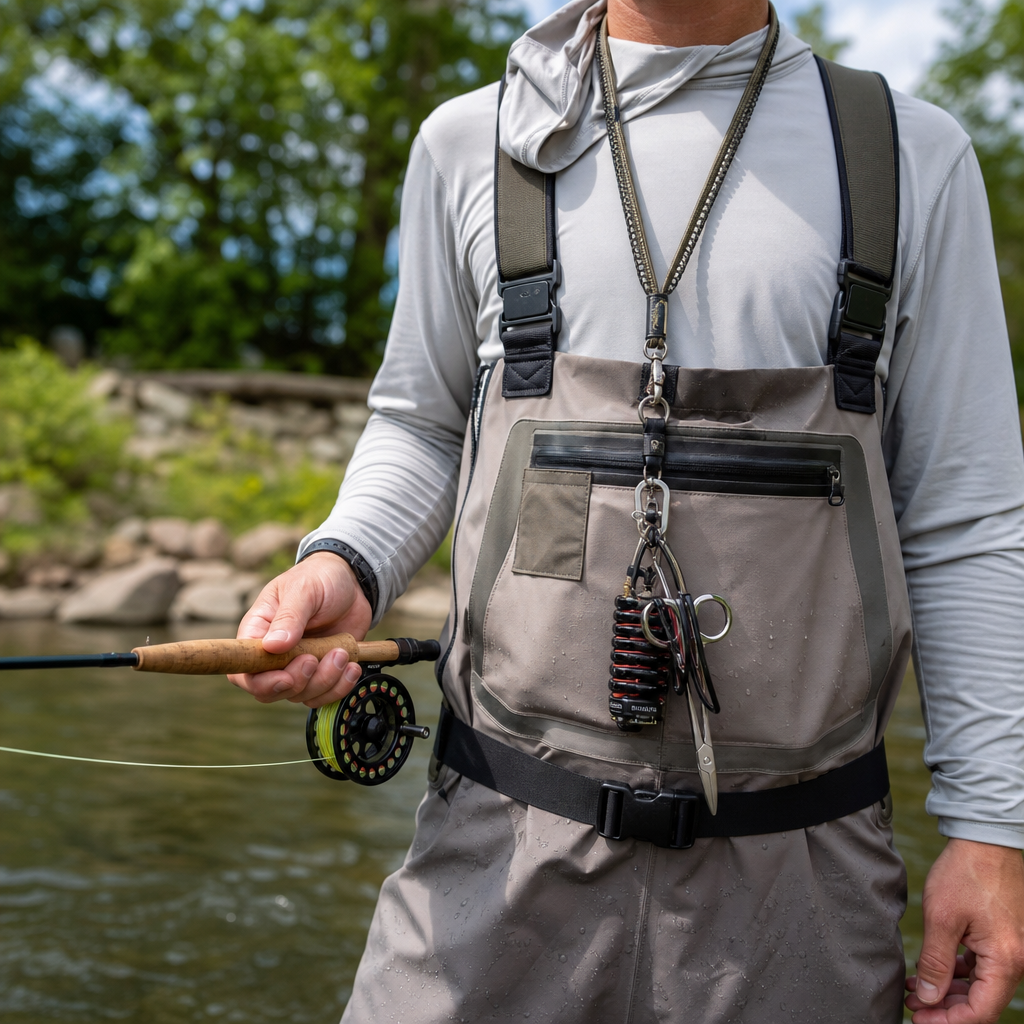
Mobility is another major separator. Fly casting involves repetitive shoulder rotation, elbow extension, and torso movement, so good wading jackets are patterned with articulated sleeves, generous upper-back room, and cuff designs that do not interfere with stripping line or handling fish. Storage is also more specialized. Instead of generic handwarmer pockets alone, quality wading jackets often include high chest pockets for fly boxes, tippet, indicators, tools, and other essentials that need to stay accessible above the waterline. You will also commonly see D-rings, forceps docks, retractors, and hood designs that work over a cap without blocking peripheral vision.
Durability matters too. Wading jackets are expected to handle abrasion from sling packs, boat gunnels, brush, and repeated contact with wet environments. In short, a standard rain shell may be good enough for casual use, but a purpose-built wading jacket is engineered around fishing-specific movement, water exposure, and gear access. For anglers comparing the top fly fishing wading jackets for 2025, that specialization is exactly what justifies the category.
How waterproof should a wading jacket be for fly fishing in 2025?
For serious fly fishing, especially in changing weather or cold-water conditions, a wading jacket should be fully waterproof rather than merely water-resistant. In practical terms, that means a shell with a dependable waterproof-breathable membrane, fully taped seams, water-resistant zippers or well-designed storm flaps, and cuffs and hood adjustments that keep water from creeping in during long exposure. On a quick walk from the truck to the river, many jackets seem adequate. The real test happens after hours of steady rain, spray from a drift boat, leaning against wet brush, and repeated arm movement while casting. That is where premium construction separates itself from budget shells.
In 2025, anglers should look beyond simple marketing terms and focus on how the jacket performs as a system. A highly waterproof face fabric is important, but so is the quality of the durable water repellent finish, the seam construction, and the design around high-wear zones. If the shoulders wet out under pack straps or the cuffs leak when landing fish, the waterproof rating becomes less meaningful in the field. Breathability is also part of the equation. If a shell traps sweat during an uphill hike to the river, you can end up damp and cold even without a leak. The best jackets balance weather protection with enough venting and moisture transfer to keep you comfortable during active use.
For cold, wet fisheries, many anglers should treat waterproof performance as non-negotiable. A jacket that performs well in a light drizzle may fail badly in a wet spring wade on a freestone river or a windy autumn float. That is why the top wading jackets in 2025 tend to emphasize proven shell technologies, reliable hood design, and cuff and hem sealing that hold up under real fishing conditions, not just lab specs.
What features should I prioritize when comparing the best wading jackets for different fishing styles?
The right feature set depends heavily on how and where you fish. If you spend most of your time wading rivers, prioritize a jacket with a short hem, excellent freedom of movement, secure cuff closures, and pockets positioned high on the chest where they remain accessible above deep water. If you fish from a drift boat, raft, or skiff, weather protection and storage may matter even more, since you are exposed to sustained spray, wind, and temperature swings. In that case, a well-structured hood, dependable zipper system, and enough pocket organization for flies, leaders, gloves, and accessories can make a huge difference over a full day.
For anglers who hike into backcountry water, weight and packability become more important. A lighter shell that compresses easily may be preferable, as long as it still offers enough abrasion resistance for brush and repeated use. For those fishing cold climates, handwarmer pockets, better cuff sealing, and room for layering underneath are worth prioritizing. On technical trout water, details like fly patch placement, retractor attachment points, and streamlined cuffs that stay out of your line can improve efficiency more than you might expect.
Durability should always stay high on the list. Repetitive casting, shoulder strap friction, hook contact, and rubbing against rocks or wood can quickly expose weaknesses in cheap shells. Value is not just the lowest price; it is the balance between cost, longevity, and real-world fishability. The best approach is to match features to your most common conditions. A minimalist jacket may be perfect for summer walk-and-wade sessions, while a more robust shell is the better choice for anglers who regularly fish in cold rain, spring runoff, or windy shoulder-season weather.
Is an expensive fly fishing wading jacket really worth it, or can a budget model do the job?
An expensive wading jacket can absolutely be worth it, but only if you fish often enough or in demanding enough conditions to take advantage of what it offers. Premium jackets usually deliver better waterproof-breathable fabrics, more refined fit and articulation, stronger seam construction, and higher long-term durability. They also tend to have smarter fishing-specific details, such as better hood adjustment, cleaner pocket layouts, more reliable cuffs, and materials that resist wetting out after repeated use. If you fish in cold rain, spend full days on the water, or travel to destinations where gear failure is a serious problem, paying more often makes practical sense.
That said, budget and mid-range wading jackets can still be good options for many anglers. If you primarily fish in fair weather, make shorter trips, or want a backup shell rather than your main outer layer, a less expensive model may cover your needs just fine. The key is to be realistic about the trade-offs. Lower-priced jackets may have simpler membranes, less durable face fabrics, fewer fishing-specific features, and a shorter overall lifespan. They may also feel less comfortable during constant casting or become overwhelmed in heavy, all-day rain.
Value comes from matching the jacket to your use. A guide, a dedicated steelheader, or a trout angler who fishes through spring storms will usually benefit from investing in a higher-end shell. A casual angler who mostly fishes mild conditions might be better served by a well-chosen mid-tier jacket and spending the rest of the budget on layering, boots, or a better pack. When reviewing the top fly fishing wading jackets for 2025, the smartest comparison is not just price versus features, but price versus how often the jacket will be pushed to its limits.
How should a wading jacket fit, and what should I wear underneath it?
A wading jacket should fit with enough room for layering and unrestricted casting, but it should not feel baggy, bulky, or overly long. The ideal fit allows you to rotate your shoulders, extend your arms, mend line, and row or scramble over banks without the hem riding up awkwardly or the fabric binding across your back. Sleeve length matters more than many anglers realize. When your arms are extended forward, the cuffs should still cover your wrists without exposing gaps where rain or cold air can enter. At the same time, the cuff design should stay streamlined enough that it does not constantly snag line or interfere with fish handling.
The jacket should also sit properly above your wading belt and work cleanly with waders, packs, and chest storage. If the hem is too long, it can bunch up, hold water, and reduce mobility. If the shoulders are too tight, you will notice fatigue and restriction after repeated casting. A good hood should cinch securely over a hat, move naturally with your head, and preserve side visibility in wind and rain. These fit details matter because a technically waterproof jacket that feels awkward all day is still the wrong jacket for fishing.
Underneath, think in layers rather than a single heavy garment. Start with a moisture-wicking base layer, then add insulation based on temperature and activity level. In milder conditions, that may be a lightweight fleece or grid layer. In colder weather, synthetic insulation or a warmer midlayer may be more appropriate. Avoid relying on cotton, which holds moisture and can leave you cold. The best setup is adaptable: breathable enough for hiking and active fishing, but warm enough once you stop moving in wind or rain. A great wading jacket works best as the shell in a well-planned system, not as the only source of comfort in bad weather.