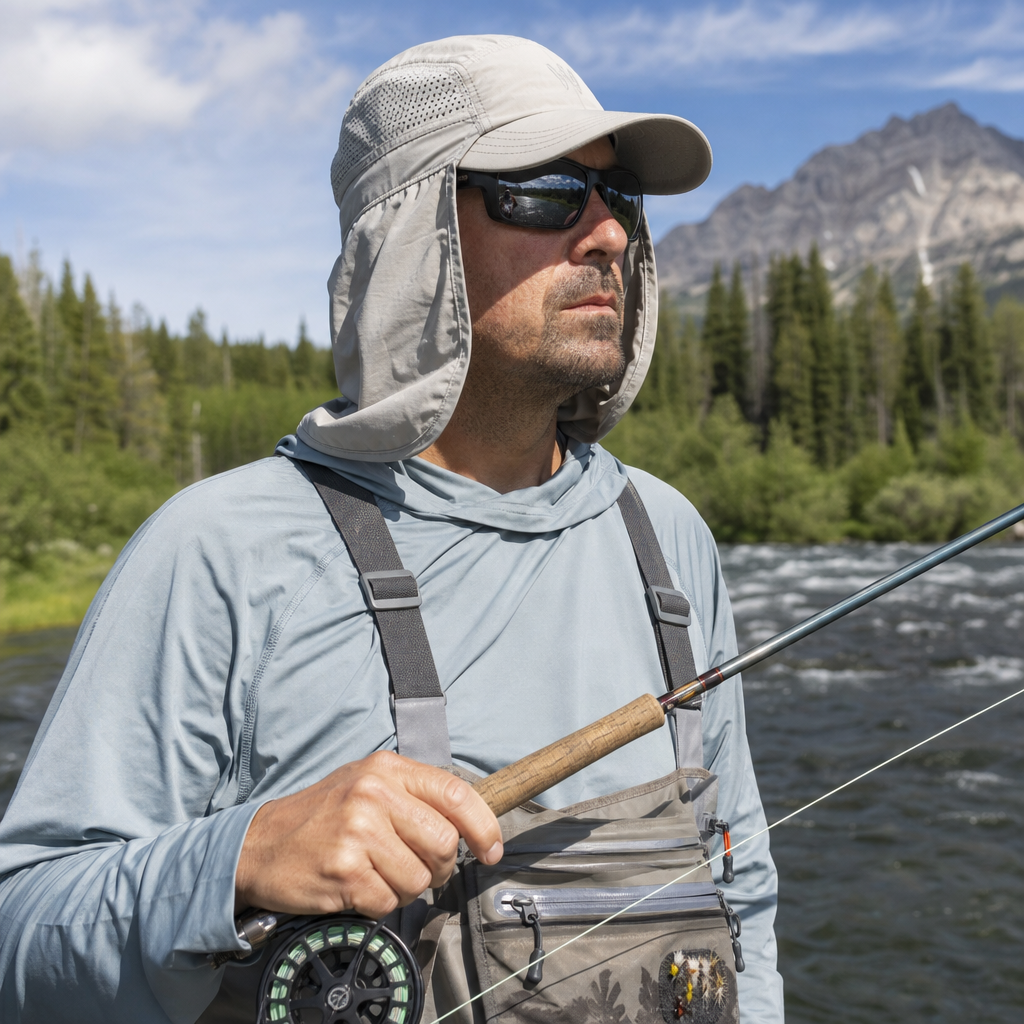
The best fly fishing hats with neck protection do more than block sun; they protect skin, reduce fatigue, improve visibility on the water, and make long days safer and more comfortable. In practical terms, a good hat for fly fishing combines a stable brim, breathable crown, fast-drying fabric, and extended coverage for the ears and back of the neck. Some anglers prefer a cape-style sun hat, while others want a familiar baseball or trucker fit with a detachable neck flap. I have worn both across freestone rivers, warmwater banks, salt flats, and drift boats, and the difference is noticeable by midday. When glare, wind, heat, and insects stack up, the wrong hat becomes a distraction. The right one disappears, which is exactly what good fishing clothing should do.
This guide covers the best fly fishing hats with neck protection as a central resource for clothing reviews, helping you compare styles, materials, fit, and use cases without guessing. It also explains what neck protection really means in this category. It is not just extra fabric hanging off the back. Effective coverage must stay in place during casting, rowing, wading, and hiking. It should shield exposed skin without trapping heat or blocking peripheral vision. For anglers who fish high-elevation trout water, tropical flats, or all-day summer hatches, that matters because ultraviolet exposure accumulates quickly. The Skin Cancer Foundation and major outdoor apparel brands consistently emphasize UPF-rated fabrics, wide brims, and coverage zones as primary defenses when sunscreen alone is not enough.
As a sub-pillar hub for clothing reviews, this article is designed to help you choose a hat and understand how that choice connects to the rest of your system: sun hoodies, neck gaiters, gloves, sunglasses, rain shells, and layering pieces. Fly fishing clothing works best as an integrated kit, not as isolated purchases. A neck-protection hat that pairs poorly with polarized glasses, pushes against a hood, or overheats under humid conditions will stay in your pack. A well-matched model becomes part of your default setup. That is why the best recommendations are not based on marketing copy alone. They are based on construction details, on-water behavior, and whether the design solves real problems anglers face from first light through the last cast.
What Makes a Fly Fishing Hat Good for Neck Protection
A fly fishing hat with neck protection should solve four problems at once: solar exposure, heat buildup, wind instability, and line-of-sight interference. In testing, I look first at coverage geometry. A brim of at least three inches in front helps shade the face, while a cape or rear drape should cover the neck without leaving the sides exposed. Ear coverage is often overlooked, yet it matters on reflective water where sun bounces upward. Full-wrap capes generally protect better than narrow rear flaps, but they can feel warmer if ventilation is poor. The best designs use lightweight polyester or nylon, mesh vent panels, and capes that sit off the skin enough to allow airflow.
Fabric performance is the second priority. Most quality fishing hats use synthetic materials because cotton holds water, dries slowly, and becomes heavy. Look for UPF 50+ ratings, durable water repellent finishes, laser-cut venting or mesh, and dark under-brims that reduce glare. Moisture management matters as much as sun protection. On a hot day, sweat trapped around the forehead eventually drips onto lenses and makes reading current seams harder. Better hats use wicking headbands and structured but flexible crowns. They also resist salt, sunscreen stains, and repeated packing. I have found that ultralight hats feel great in a shop but can collapse in wind unless the brim has enough reinforcement.
Fit and retention are just as important. A hat that blows off during a boat run or while leaning into current is not a serious fishing tool. Good models include adjustable drawcords, rear cinches, or secure cap-and-flap systems. If you fish from a skiff, raft, or drift boat, this becomes nonnegotiable. The hat must stay stable when you are looking down to tie knots, looking up to track a cast, and turning sideways into gusts. A poor fit also creates pressure points under sunglasses arms. For all-day wear, especially under strong sun, comfort failures show up gradually, then ruin concentration. The hats worth buying are the ones you keep wearing for eight hours without thinking about them.
Best Styles and Where Each One Excels
There is no single best style for every angler, because conditions drive the right choice. The broad categories are full-brim sun hats with integrated capes, baseball-style caps with detachable neck flaps, boonie hats, and technical hybrids designed specifically for fishing. Full-brim hats are the most protective option for open water, alpine lakes, and flats fishing because they shade the face, ears, and neck at the same time. They also pair well with lightweight sun hoodies. Their drawback is bulk. In heavy wind or tight brush, some feel cumbersome. Baseball-style hats with neck flaps are more familiar, often lighter, and better under hoods or rain jackets, but they usually leave the sides of the face less protected.
Boonie hats sit in the middle. A good boonie offers a medium brim, stable crown, and enough structure to avoid flopping into your field of view during casting. Many warmwater and backcountry anglers like them because they pack easily and handle mixed hiking and fishing days well. Technical hybrid hats add details such as foam brims, hidden pockets, cape stowage, and snap systems to convert between configurations. These can be excellent, but only if the added complexity does not create failure points. Zippers, snaps, and detachable pieces should be easy to operate with wet hands and should not snag fly line. Simpler hats often win over time because fewer parts mean fewer annoyances.
| Hat style | Best use | Main strengths | Main tradeoffs |
|---|---|---|---|
| Full-brim cape hat | Flats, lakes, open rivers | Maximum neck, ear, and face coverage | Bulkier in wind and brush |
| Baseball cap with neck flap | Drift boats, humid climates, travel | Familiar fit, lighter feel, easy with hoods | Less side coverage |
| Boonie hat | Backcountry, wading, mixed hike-fish days | Balanced protection and packability | Brim may flap if poorly structured |
| Technical hybrid | Anglers needing versatility | Convertible features and specialized ventilation | More moving parts to manage |
For most trout anglers, the best starting point is either a well-ventilated boonie or a cap with a flap, depending on whether you prioritize side coverage or low profile. For saltwater, where exposure is brutal and reflected light is constant, a full-brim cape hat usually makes the most sense. That recommendation becomes even stronger if you stand on a poling skiff for hours. Shade directly affects stamina. Less squinting, less sunburn, and less overheating improve decision-making, and that translates into better presentations. Clothing reviews should be judged by outcome, not just features, and the outcome here is simple: the best style is the one that protects you so well you fish longer with fewer distractions.
Recommended Hat Features and Materials That Actually Matter
When evaluating fishing hats, ignore decorative details and focus on materials and construction. UPF 50+ fabric is the baseline. That rating indicates the material blocks the vast majority of ultraviolet radiation under test conditions, though real-world performance still depends on fit, wear, moisture, and fabric stretch. Nylon tends to be slightly tougher and more abrasion resistant, which is useful around packs, boat decks, and brush. Polyester often dries quickly and holds color well. Blends can work, but all-synthetic shells usually outperform natural fibers for fishing. A non-absorbent brim matters too. Waterlogged brims sag, lose shape, and increase weight over the course of the day.
Ventilation should be engineered, not cosmetic. Mesh side panels, perforated rear sections, and vented crowns need to move air without exposing high-burn zones. Some hats rely on wide mesh strips that look airy in photos but let direct sun through. Better designs place vents higher on the crown while leaving the lower side and neck areas covered by dense fabric. Sweatbands should wick quickly and resist odor. I have had solid results from hats using polyester tricot bands and antimicrobial treatments, though no finish fully replaces rinsing gear after use. In saltwater especially, crusted salt degrades comfort fast and can stiffen seams, so rinse-and-dry maintenance is part of long-term performance.
Brim design affects casting more than many buyers expect. An overly soft brim flickers in peripheral vision during head turns and can make target tracking annoying. An overly stiff brim can catch gusts. The sweet spot is semi-structured, with enough shape to hold under wet conditions but enough flexibility to pack into a boat bag. Dark under-brims reduce reflected glare into the eyes and work particularly well with polarized sunglasses from Costa, Smith, or Bajío. Finally, think about compatibility. If you wear a sun hoodie, buff, or rain shell often, choose a hat that sits cleanly with collars and hoods. The best fishing clothing is modular, and a hat should support the rest of your kit rather than compete with it.
Best Fly Fishing Hats with Neck Protection by Fishing Scenario
The best hat for a spring creek is not always the best hat for a tropical flat. On trout rivers with moderate sun and frequent wading, a lighter boonie or cap-and-flap setup usually feels less intrusive. You need enough coverage for long drifts and repetitive casting, but you also need easy head movement and clear side vision for mends, reach casts, and tracking fish. In these conditions, a mid-size brim with a breathable cape often performs better than a huge expedition-style hat. Brands such as Sunday Afternoons, Outdoor Research, Simms, and Columbia have all made models in this category, and the strongest versions balance airflow, retention, and lens-friendly fit.
On stillwaters and alpine lakes, full coverage becomes more valuable because reflected radiation intensifies exposure. Anglers sit or stand in direct sun with little tree cover, and a broad brim pays off quickly. Here, a full-brim cape hat with chin cord is usually the best choice. For saltwater flats, I would go further and call it essential. Guides on the Gulf Coast, the Keys, Belize, and the Yucatán often build their clothing systems around maximum sun management because one severe burn can end a trip. A lightweight full-brim hat paired with a hooded sun shirt and fingerless gloves is standard for good reason. It protects performance as much as skin.
For small streams and brushy banks, lower-profile hats regain the advantage. Large brims snag branches and can become irritating when you are crawling under limbs or moving quickly between pockets. In that setting, a baseball cap with a detachable neck flap is practical because it preserves familiar casting sightlines while still protecting the back of the neck during open stretches. It also layers better under a waterproof shell during unexpected weather. If your fishing alternates between travel, hiking, rowing, and wading, the most versatile pick is usually a convertible hat that can switch modes without a complicated setup. Versatility matters in clothing reviews because a hat that works in more than one environment earns far more actual use.
How to Choose the Right Hat for Fit, Climate, and Layering
Start with climate, then fit, then integration with the rest of your clothing. In hot, dry environments, prioritize broad coverage and airflow. In hot, humid conditions, prioritize evaporative comfort and a lower-profile design that does not trap heat against the neck. In cool, high-elevation settings, sun protection still matters, but wind resistance and layer compatibility may matter more. Measure your head if the brand provides sizing, because a precise fit is always more stable than a one-size compromise. If you are between sizes, choose the option with enough adjustment range to tighten securely without compressing the forehead. Pressure headaches are common with badly sized hats and become obvious only after hours on the water.
Think carefully about your usual eyewear. Wide temple arms on polarized sunglasses can conflict with snug hat bands and side panels. If possible, test the combination before buying. A hat that presses frames inward can create hotspots behind the ears and make you remove either the hat or glasses, neither of which is acceptable under strong sun. Anglers who wear sun hoodies should also check how the hood sits over or under the hat. In my experience, cap-and-flap models often work best under a hood, while fuller brim hats work best with the hood draped over the cape in windy sun. Small layering details determine whether a system feels seamless or clumsy.
Color is not purely aesthetic. Lighter colors run cooler in direct sun, while darker under-brims improve visual comfort. I usually recommend a light crown with a dark underside. Also consider packability. If you travel often, a crushable brim and quick recovery are useful, but some collapsible hats never regain shape well enough for serious use. Read product descriptions carefully for terms like floating brim, foam-stiffened brim, and hidden venting, then compare them against your actual fishing style. The best fly fishing hats with neck protection are not the ones with the most features. They are the ones whose features match your conditions, your layering system, and the amount of sun you truly face each season.
Care, Replacement Timing, and Final Buying Advice
A quality fishing hat lasts longer when treated like technical gear rather than casual clothing. Rinse it after saltwater use, hand wash as directed, and air dry away from excessive heat that can warp brim inserts or degrade coatings. Check seams, drawcords, and attachment points regularly, especially on detachable capes. UV exposure, sweat, sunscreen, and repeated compression all shorten service life. If the brim has gone limp, the adjustment no longer holds, or the fabric has thinned in high-exposure areas, replace it. Protection declines before a hat looks completely worn out. That is one lesson many anglers learn late, after a day when coverage was technically present but performance was not.
The main takeaway is straightforward: the best fly fishing hats with neck protection combine dependable coverage, ventilation, stable fit, and compatibility with the rest of your clothing. For open, high-exposure water, start with a full-brim cape hat. For mixed trout fishing and hiking, look hard at a breathable boonie. For brushy streams or hood-heavy layering, a cap with a neck flap may be the smartest choice. As the hub for clothing reviews under product recommendations, this guide should help you narrow the field and make future apparel choices more efficiently. Choose one model that fits your primary fishing scenario, test it on a full day outside, and build the rest of your sun-protection system around what works.
Frequently Asked Questions
What features matter most in a fly fishing hat with neck protection?
The best fly fishing hats with neck protection balance sun coverage, comfort, and on-the-water stability. Start with coverage first: a hat should shield the face, ears, and the back of the neck without leaving obvious gaps where sun can hit during long hours on the river, lake, or flats. That usually means either a full cape-style design or a standard cap with a well-shaped detachable neck flap. Beyond coverage, brim performance matters a lot. A brim that is too floppy can bounce in the wind and get annoying when casting, while one that is too short may not block enough glare from high sun. Many anglers find that a medium-to-wide brim gives the best mix of shade and fish-spotting visibility.
Breathability is just as important as sun protection. Long days in hot weather become much easier when the crown vents heat well and the fabric dries quickly after sweat, spray, or a quick dunking. Lightweight synthetic materials usually outperform heavier cotton because they dry faster and feel cooler over the course of the day. Fit also matters more than people expect. A good fishing hat should stay put while running a boat, wading in current, or dealing with gusty conditions. Look for adjustable sizing, a chin strap if you fish windy water, and a design that does not shift every time you turn your head. In practice, the most useful hat is the one that protects you so well and feels so comfortable that you forget you are wearing it.
Is a cape-style sun hat better than a baseball cap with a neck flap for fly fishing?
Neither style is automatically better for every angler; it depends on how, where, and how long you fish. Cape-style sun hats usually provide the most complete protection. They often cover the ears, sides of the face, and the full back of the neck more consistently than a standard cap. They also tend to offer broader all-around shade, which can reduce sun fatigue over a full day. That makes them especially appealing for saltwater flats, alpine lakes, drift boat days, and any trip where exposure is intense and prolonged. If maximum coverage is your top priority, a well-designed cape hat is hard to beat.
Baseball or trucker-style hats with detachable neck flaps appeal to anglers who want familiar fit and casting freedom without giving up added protection. Many people simply like the lower profile and more traditional feel of a cap, especially if they already wear one every day. These hats can also pair well with sunglasses and buff-style face coverings. The tradeoff is that some cap-and-flap systems do not protect as evenly as a full sun hat, especially around the ears or side of the neck. The right choice comes down to personal preference and fishing conditions. If you value all-day sun coverage above all else, go cape-style. If you want versatility, easy wear, and a more familiar fit, a baseball-style hat with a good neck flap can be an excellent option.
How does the right hat improve comfort and visibility while fly fishing?
A quality fly fishing hat with neck protection does more than prevent sunburn. It can noticeably improve comfort, reduce fatigue, and help you see the water better. Direct sun on the head, neck, and ears wears you down over time, even if you do not realize it in the moment. By keeping those areas shaded, the right hat helps regulate heat and makes long sessions more manageable. That matters whether you are stalking rising trout at noon or making repeated casts on a bright summer river. Less glare and less heat often translate into better focus, better decision-making, and more enjoyable time on the water.
Visibility is another major benefit. A stable brim can cut overhead glare and improve contrast on the water, which helps when you are trying to spot seams, read subtle surface movement, or track fish. Hats with dark underbrims can be especially helpful because they reduce reflected light bouncing back into your eyes. That said, the brim has to be well designed. If it sags, flaps, or intrudes too much into your field of view, it can become distracting instead of useful. The best hats create shade without interfering with casting, stripping line, or scanning the water. In that way, the right hat becomes part of your fishing system, not just another piece of clothing.
What fabric and ventilation choices are best for hot-weather fly fishing?
For hot-weather fly fishing, lightweight synthetic fabrics are usually the best choice because they dry quickly, breathe better, and hold up well to repeated sun exposure. Nylon and polyester blends are especially common in high-performance fishing hats because they resist waterlogging and stay relatively comfortable after sweat, rain, or splashes. Fast-drying fabric matters more than many anglers think. A hat that stays damp and heavy can feel miserable by midday, while a quick-drying hat keeps airflow moving and stays lighter on your head. Moisture-wicking sweatbands also help, especially if you fish in humid weather or spend long hours under direct sun.
Ventilation is equally important, but it has to be done well. Mesh panels, laser-cut vents, and breathable crown construction can all help release heat without sacrificing too much protection. The key is to avoid hats that feel stuffy once temperatures rise. At the same time, ventilation should not come at the cost of durability or fit. A floppy, overly thin hat may breathe well but perform poorly in wind or rough conditions. The sweet spot is a hat that feels airy while still maintaining shape and coverage. If you regularly fish in strong sun, pairing a breathable hat with UPF-rated fabric is also a smart move. It adds another layer of confidence that your hat is doing real work, not just creating a little shade.
How should a fly fishing hat with neck protection fit for all-day use?
A proper fit should feel secure without becoming tight or irritating after several hours. The hat should stay in place when you cast, walk, row, or fish in wind, but it should not create pressure points on the forehead or temples. Adjustable sizing is valuable because fit needs can change depending on whether you are wearing the hat over dry hair, damp hair, or a hood or buff in cooler conditions. If a hat includes a chin strap, it should be easy to tighten in gusts and easy to loosen when conditions calm down. Good fit is especially important with neck flaps or capes because loose fabric can shift or tug if the hat itself is not anchored well.
Comfort over time comes down to more than head circumference. Pay attention to brim shape, crown depth, and how the neck coverage sits against your shoulders and collar. A deep crown often feels more secure, while a brim that is too wide for your style of fishing may interfere with head movement or casting. The neck protection should drape naturally without constantly catching on clothing or pushing the hat backward. If you wear sunglasses all day, make sure the hat works comfortably with the arms of the frames and does not create awkward pressure around the ears. The best all-day fit feels stable, balanced, and unobtrusive, allowing you to focus on fishing rather than adjusting your gear every few minutes.