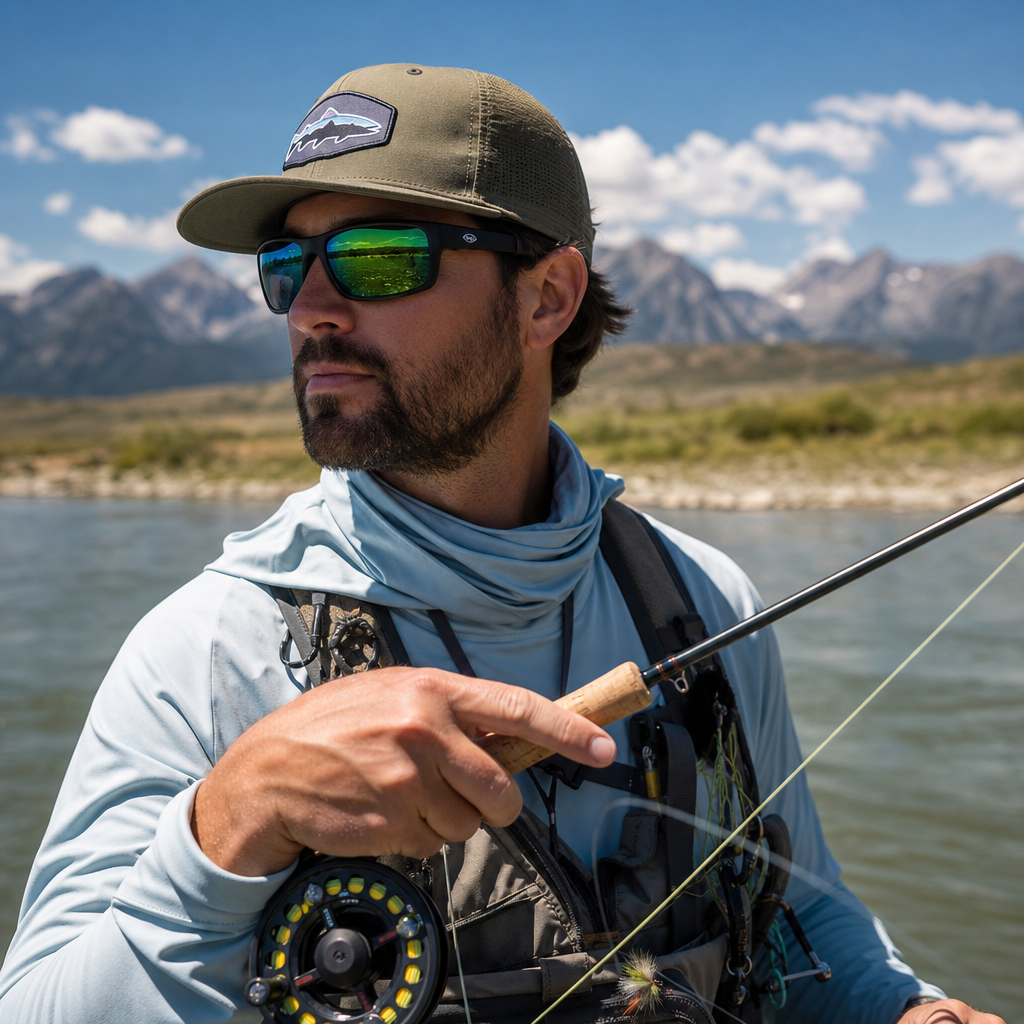
Choosing the top fly fishing sunglasses for 2025 is not a matter of style alone; it is one of the most important gear decisions an angler can make for sight fishing, eye protection, and all-day comfort on the water. In fly fishing, sunglasses are functional optics designed to cut surface glare, improve contrast, and protect your eyes from ultraviolet radiation, wind, hooks, and airborne debris. The best fly fishing sunglasses combine high-quality polarized lenses, durable frames, secure fit, lens tints matched to conditions, and coverage that reduces stray light from the sides.
I have tested sunglasses on spring creeks, tailwaters, flats, and freestone rivers, and the pattern is consistent: anglers who invest in the right lenses see more fish, read currents faster, and finish long days with less eye strain. That matters because modern fly fishing increasingly depends on visual information. Whether you are stalking carp in the shallows, tracking trout in broken pocket water, or scanning saltwater edges for redfish, your ability to separate fish from glare determines how effectively you cast and present the fly.
This hub for gear reviews brings the category together so you can compare the best fly fishing sunglasses for 2025 by lens material, tint, frame design, fit, and use case. If you are wondering what polarized lenses do, which tint is best for trout streams, whether glass or polycarbonate is better, or how much you really need to spend, those are the questions this guide answers directly. As a hub page under product reviews and recommendations, it also frames the decision points that matter across every related review: optical clarity, impact resistance, lens coatings, retention systems, and value over years of use.
Polarization is the core feature. A polarized filter blocks horizontally reflected light, which is the glare bouncing off water that makes fish and structure hard to see. Lens tint then shapes how contrast appears in different light. Copper, amber, and brown often enhance contrast in variable freshwater conditions. Gray preserves more natural color and works well in bright, open environments. Yellow and rose can help in very low light, though they are usually weaker in harsh midday sun. Frame geometry matters too. Wraparound frames, side shields, larger lens coverage, rubberized nose pads, and spring hinges all influence how stable and useful the sunglasses feel during repeated casting, wading, rowing, and hiking.
What Makes Great Fly Fishing Sunglasses in 2025
The best fly fishing sunglasses in 2025 deliver four things at once: glare reduction, contrast, protection, and comfort. In practical terms, that means polarized lenses with minimal distortion, lenses and coatings suited to your conditions, frames that block peripheral light, and a fit stable enough for motion but comfortable enough for ten-hour sessions. The category has improved because premium brands now tune lens colors for species and water type rather than offering generic dark tints. They also use better hydrophobic, oleophobic, and scratch-resistant coatings, which helps in rain, salt spray, sunscreen-heavy summer trips, and constant lens cleaning.
For anglers, seeing into water is not just about darkness. It is about contrast transmission. On rivers, copper-based lenses often outperform neutral gray because they sharpen the difference between stones, weeds, seams, and fish outlines. On flats or large lakes under strong sun, blue mirror over gray or green bases can reduce brightness while preserving visual comfort. Good sunglasses also manage backscatter from behind the angler. If light leaks around the frame, glare sneaks in and washes out the benefit of expensive lenses. That is why fit and frame wrap are often more important than people expect when comparing products.
Durability standards also matter. Polycarbonate and Trivex lenses offer strong impact resistance and lower weight, while glass remains the benchmark for scratch resistance and crisp optics. None is universally best. Glass excels for sight-heavy anglers who prioritize optical precision and can tolerate extra weight. Polycarbonate is a safer choice for rough travel, boat use, and anglers hard on gear. Trivex sits in a useful middle ground, combining clarity, low weight, and strength. The right answer depends on how you fish, where you fish, and how often your gear gets stuffed into packs, dropped on skiffs, or exposed to sand.
Best Lens Colors and Materials for Different Waters
If you want a direct answer, copper or amber polarized lenses are the best all-around choice for most trout anglers, while gray or blue-mirror options are usually best for bright open water and salt. That recommendation holds because freshwater fishing often involves mixed light, shade lines, and bottom detail, where warm tints help separate subtle shapes. I reach for copper on western rivers, spring creeks, and many bass lakes. On cloudless saltwater days, a gray base with blue mirror reduces fatigue better than warmer tints and keeps colors more neutral.
Lens material changes the experience. Glass lenses typically provide the highest perceived sharpness and excellent scratch resistance, which is why many experienced guides still prefer them. Their downside is weight and the possibility of shattering under extreme impact, though premium tempered glass is tougher than many buyers assume. Polycarbonate is light, common, and impact resistant, making it a smart option for anglers who prioritize safety, active movement, and lower cost. Trivex is often the underrated premium pick because it remains very light, offers strong optical performance, and usually beats polycarbonate for clarity.
| Fishing condition | Best tint | Best material | Why it works |
|---|---|---|---|
| Trout rivers, mixed sun | Copper or amber | Glass or Trivex | Boosts contrast against rocks, seams, and fish in variable light |
| Spring creeks, technical sight fishing | Copper, rose copper | Glass | Shows subtle movement and fine detail with high optical precision |
| Bass lakes, general freshwater | Brown or copper | Polycarbonate or Trivex | Balanced contrast, lighter weight for active casting and boat use |
| Salt flats, bright sun | Gray with blue mirror | Glass or Trivex | Reduces harsh brightness while preserving comfort and distance scanning |
| Low-light mornings or overcast days | Yellow, rose, light copper | Trivex | Improves perceived brightness and contrast when dark lenses are too dim |
Top Fly Fishing Sunglasses Brands and Standout Models
Several brands consistently lead the fly fishing sunglasses market in 2025: Costa, Smith, Bajio, Maui Jim, Oakley, and Wiley X. They differ in philosophy more than marketing suggests. Costa remains a benchmark for dedicated fishing optics, especially in glass options and proven tint systems. Smith performs strongly for freshwater anglers who want excellent ChromaPop contrast, practical frame design, and broad prescription availability. Bajio has earned serious attention among guides because of strong lens quality, fish-focused tints, and frame shapes that control side light well. Maui Jim excels in comfort and color fidelity, while Oakley offers athletic fit and impact-focused lens technology. Wiley X matters for anglers who prioritize protection standards and ruggedness.
Among standout premium choices, Costa Reefton Pro, Costa Blackfin Pro, and Costa King Tide remain top candidates for anglers needing coverage and secure retention. Smith Guide’s Choice is still one of the smartest all-around freshwater frames because it balances optical quality, side protection, and wearability. Smith Embark and Lowdown XL 2 also deserve attention depending on face shape and crossover use. Bajio’s Bales Beach, Roca, and Nippers offer impressive clarity and thoughtful venting or wrap options. Maui Jim Southern Cross and Peahi continue to fit anglers who want premium comfort and all-day wear. Oakley Split Shot is especially practical for active use thanks to integrated leash compatibility and secure grip.
No single model is best for everyone. Large-framed anglers often do better with Reefton Pro, Blackfin Pro, or Smith Guide’s Choice XL. Medium faces tend to fit Bajio Roca, Oakley Split Shot, and standard Guide’s Choice well. Smaller faces should look for narrower bridge widths and shorter temple lengths; otherwise, light leaks and instability undercut performance. In hands-on testing, many buying mistakes come from focusing on lens technology while ignoring fit geometry. If the frame slides when you sweat or opens gaps at the cheek and temple, the best lens on the market will still underperform.
How to Choose the Right Pair for Trout, Bass, and Saltwater
The easiest way to choose fly fishing sunglasses is to start with where you fish most often. Trout anglers should prioritize contrast, side-light management, and comfort under hats in mixed light. That usually points to copper, amber, or brown lenses in medium-wrap frames with good brow coverage. Bass anglers need versatility because conditions range from dawn topwater to bright open reservoirs. A medium-dark copper or brown lens in a lightweight frame is usually the best single-pair solution. Saltwater anglers should prioritize brightness control, larger coverage, corrosion-resistant hardware, and tints that stay comfortable in intense reflective environments.
Wading anglers often benefit from lighter frames and grippy nose pads because movement and sweat cause slippage. Boat anglers can tolerate slightly heavier glass because they are moving less on foot and often need the best long-range scanning clarity. If you fish in humid climates, vented designs and coatings that resist smearing from sunscreen and salt become more important than spec sheets suggest. In cold weather, fog management matters more than lens darkness. This is why frame design should be matched to your typical climate, not just your target species.
Budget should be approached strategically. Under roughly $100, you can get functional polarized protection, but lens clarity, coating durability, and fit quality are usually limited. Between $150 and $250, the value zone improves dramatically, especially from Smith, Bajio, and selected Costa polycarbonate models. Above that, you are usually paying for top glass optics, premium coatings, and more refined frame engineering. For anglers who fish often enough to depend on visual cues, premium sunglasses are not a luxury purchase. They are a performance tool with direct impact on what you see and how long your eyes remain fresh.
Prescription Options, Care, and Long-Term Value
Prescription fly fishing sunglasses are better in 2025 than they were even a few years ago. Costa, Smith, Maui Jim, Oakley, and Wiley X all offer strong prescription programs, though not every frame supports every lens curve. High-wrap frames can create optical compromises if the prescription is strong, so it is worth working with an optician familiar with sports eyewear. In practice, many anglers with moderate prescriptions get the best result from less extreme wraps, premium digital surfacing, and lens materials chosen for both clarity and weight. Readers looking deeper into specific prescription-friendly frames should treat this page as the hub and move next into model-by-model reviews.
Care affects value more than buyers realize. Rinse lenses before wiping off grit, especially after saltwater trips, because dry rubbing causes fine scratches over time. Use microfiber, mild lens cleaner, and a hard case. Keep sunglasses out of hot dashboards, which can damage coatings, warp frames, and shorten the life of adhesives. Replace old retainers when they lose tension. Small habits preserve expensive optics and can add several seasons of high performance.
Long-term value comes from buying the pair you will actually wear every trip. The top fly fishing sunglasses for 2025 are the ones that match your water, face shape, and fishing style while delivering reliable polarized performance. Start with a clear use case, choose the right tint, decide whether glass, polycarbonate, or Trivex suits your routine, and prioritize fit as much as optics. From there, compare trusted brands and read the related gear reviews linked from this hub before you buy. A better pair of sunglasses will help you see more, fish more effectively, and protect your eyes for the seasons ahead.
Frequently Asked Questions
What features matter most when choosing the top fly fishing sunglasses for 2025?
The most important feature is lens performance. For fly fishing, polarized lenses are essential because they reduce reflected glare from the water’s surface, making it much easier to spot structure, current seams, submerged rocks, and sometimes even fish. Beyond polarization, you want lenses that deliver strong contrast and sharp optical clarity, since sight fishing often depends on picking up subtle movement and detail in changing light. Lens color also plays a major role. Copper, amber, bronze, and rose-based tints are popular for freshwater because they enhance contrast and depth perception, while gray and blue-mirror options can be useful in intense sun and open-water conditions.
Frame fit is just as important as lens quality. A good pair of fly fishing sunglasses should stay secure when you are wading, rowing, hiking into a stream, or casting all day. Look for lightweight but durable frames with grippy nose pads and temple arms that resist slipping when wet. Coverage matters too. Frames that block side light help reduce eye fatigue and improve visibility, especially during long sessions in bright environments. Comfort is critical because sunglasses that pinch, slide, or create pressure points are unlikely to stay on your face for a full day on the water.
Protection and durability round out the list. High-quality fly fishing sunglasses should offer full UV protection to guard against long-term sun damage, and impact-resistant lenses add safety when dealing with hooks, weighted flies, and windblown debris. Scratch resistance, hydrophobic and oleophobic coatings, and corrosion-resistant hinges are also worth prioritizing in 2025, especially if you fish frequently or move between freshwater and saltwater environments. In short, the best sunglasses are the ones that combine optical performance, comfort, secure fit, and real on-the-water durability.
Why are polarized lenses so important for fly fishing?
Polarized lenses are a game changer because they filter out horizontal glare bouncing off the water. Without polarization, the water’s surface acts like a mirror, hiding what is happening below. With polarization, you gain a much clearer view into the water column, which can help you identify fish, weed beds, drop-offs, gravel bars, logs, and changing bottom contours. For anglers who sight fish on rivers, flats, lakes, or spring creeks, this improved visibility can directly affect how effectively they approach, cast to, and present to fish.
Polarization is also valuable for safety and fatigue reduction. Staring at bright reflective water for hours can strain your eyes quickly, especially in midday sun. A quality polarized lens makes the visual environment more manageable, helping you stay focused longer and read water more comfortably. This matters whether you are drifting a wide western river, stalking redfish on a flat, or watching a small indicator in a high-glare run. Reduced glare can also improve reaction time around obstacles, slick rocks, and boat traffic.
That said, not all polarized lenses perform equally. Better lenses offer more consistent polarization, less distortion, and clearer optics across the entire lens surface. Cheap polarized sunglasses may reduce glare, but they can also create visual artifacts, uneven clarity, or poor contrast, which works against the precision anglers need. For fly fishing, polarization should not be seen as a luxury feature. It is a baseline requirement for visibility, comfort, and fish-finding performance.
What lens color is best for different fly fishing conditions?
There is no single lens color that is perfect for every condition, which is why many experienced anglers choose based on the type of water and light they fish most often. Copper, amber, and bronze lenses are among the most versatile options for fly fishing because they enhance contrast, improve depth perception, and perform well in a wide range of freshwater conditions. These tints are especially helpful on rivers and streams where reading current seams, bottom features, and fish movement is more important than simply cutting brightness.
For low-light scenarios such as early mornings, overcast afternoons, canyon streams, or wooded creeks, lighter contrast-enhancing tints like amber, yellow, or rose/copper variants can be very effective. They brighten the visual field and make it easier to distinguish details when the light is flat. In bright sun, especially on open lakes, broad rivers, or saltwater flats, darker gray, green, or mirrored lenses can reduce overall brightness while still maintaining good clarity. Blue-mirror and green-mirror lenses are often chosen for intense, exposed conditions because they help manage harsh reflected light.
The best choice depends on where and how you fish. If you mostly target trout in rivers and freestone streams, a copper or amber-based lens is often the safest all-around pick. If you fish in mixed conditions and want one pair to do almost everything, a medium-contrast copper or bronze lens is usually a smart compromise. If you regularly fish both low-light streams and high-glare open water, owning more than one lens tint may be worth it. In 2025, many top fly fishing sunglasses are built around these specialized use cases, so choosing the right lens color can meaningfully improve what you see on the water.
Are expensive fly fishing sunglasses really worth it?
In many cases, yes. More expensive fly fishing sunglasses often justify their cost through better optics, superior materials, longer-lasting comfort, and improved durability. High-end lenses tend to offer sharper clarity, less distortion, better contrast, and more effective glare reduction. Those advantages are not just nice on paper; they are noticeable when you are trying to spot a fish holding near a cutbank, track a drift through mixed currents, or spend an entire day under bright skies without eye fatigue.
Premium sunglasses also tend to use better frame designs and materials. That usually means lighter weight, stronger hinges, more reliable grip, and a more secure fit during active use. Coatings that resist scratches, repel water, and shed oil and fingerprints can make a real difference in how well your sunglasses perform over time. If you fish regularly, especially in demanding environments, better construction can mean fewer replacements and more consistent performance season after season.
That said, “worth it” depends on your fishing frequency and priorities. Casual anglers who fish a few weekends a year can still find solid polarized options at more moderate price points. But for dedicated fly fishers, sunglasses are not just accessories; they are essential optics and protective equipment. Spending more for high-quality lenses and dependable fit often leads to better visibility, greater comfort, and a more productive day on the water. If your budget allows for only one premium gear upgrade, good sunglasses are often one of the smartest investments you can make.
How should fly fishing sunglasses fit, and what can I do to keep them secure all day?
Fly fishing sunglasses should fit close and stable without feeling tight. The ideal pair stays in place when you look down to tie knots, walk over uneven riverbeds, cast repeatedly, or turn your head quickly. The nose pads should rest comfortably without pinching, and the temples should hold gently but firmly behind the ears. A proper fit also helps maximize optical performance because a frame that shifts constantly lets in excess side light, reduces comfort, and can interrupt your ability to focus on the water.
Coverage is another important part of fit. Frames with a slight wrap or fuller profile tend to perform better on the water because they block peripheral glare and offer more protection from wind, UV exposure, and errant hooks. Lightweight designs are often preferable for all-day wear, but they should still feel substantial enough to remain planted during movement. Rubberized contact points, hydrophilic nose pads, and textured temple tips are especially useful because they maintain grip even when wet from sweat, spray, or rain.
To keep your sunglasses secure all day, consider pairing them with a quality retainer strap. This is a simple but smart addition for wading anglers, boat anglers, and anyone fishing around current, docks, or deep water where dropped glasses disappear instantly. It also helps to clean the nose pads and temple areas regularly, since sunscreen, skin oil, and grime can make frames more slippery over time. If possible, try on several frame sizes and shapes before buying. Even the best lens technology will not help much if the sunglasses do not fit your face well. A secure, comfortable fit is what allows great lenses to do their job from the first cast to the last.