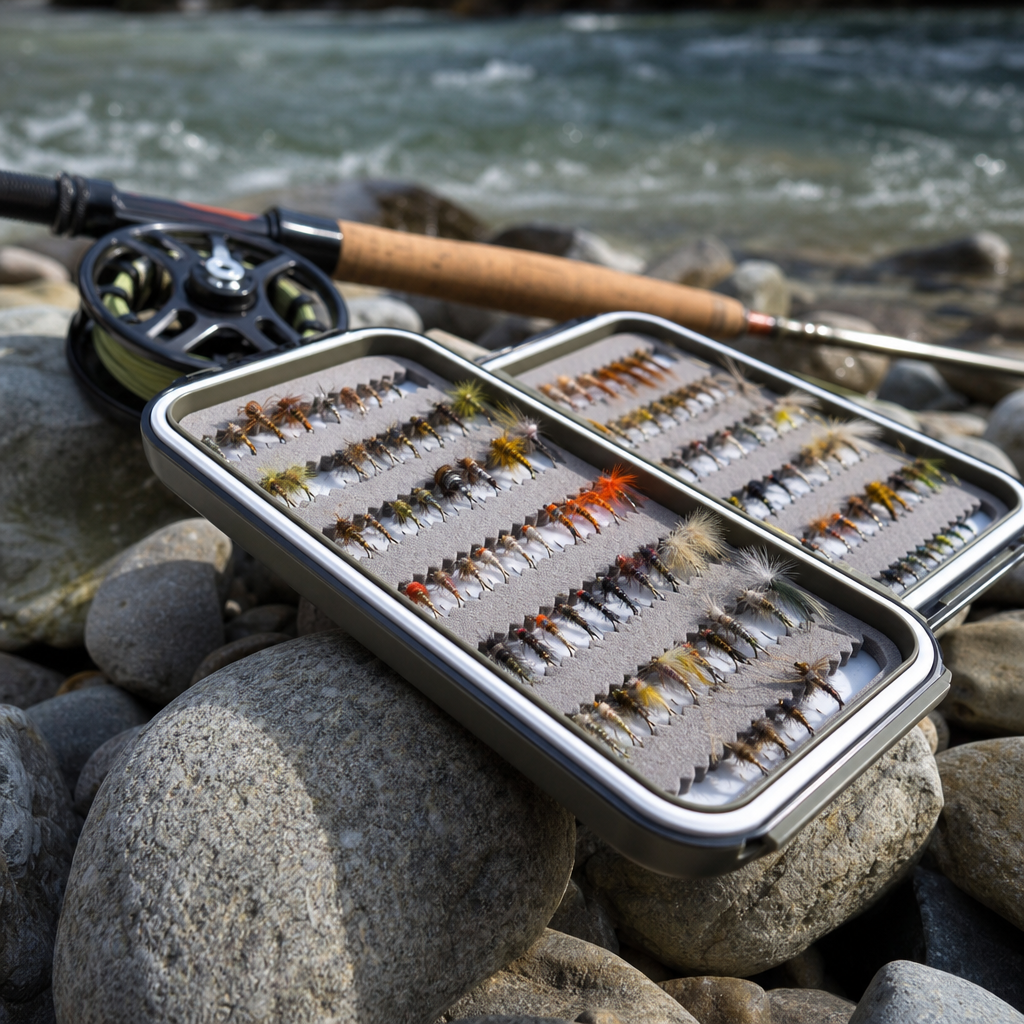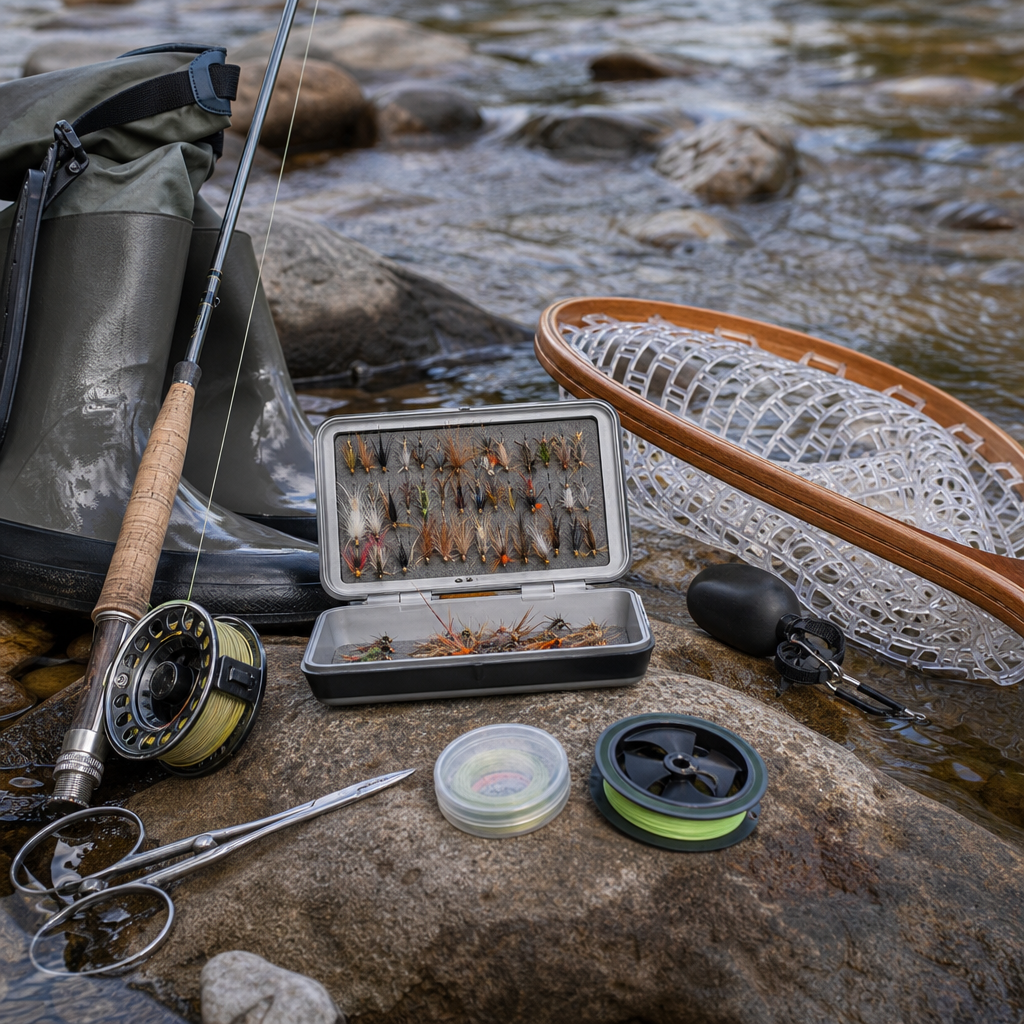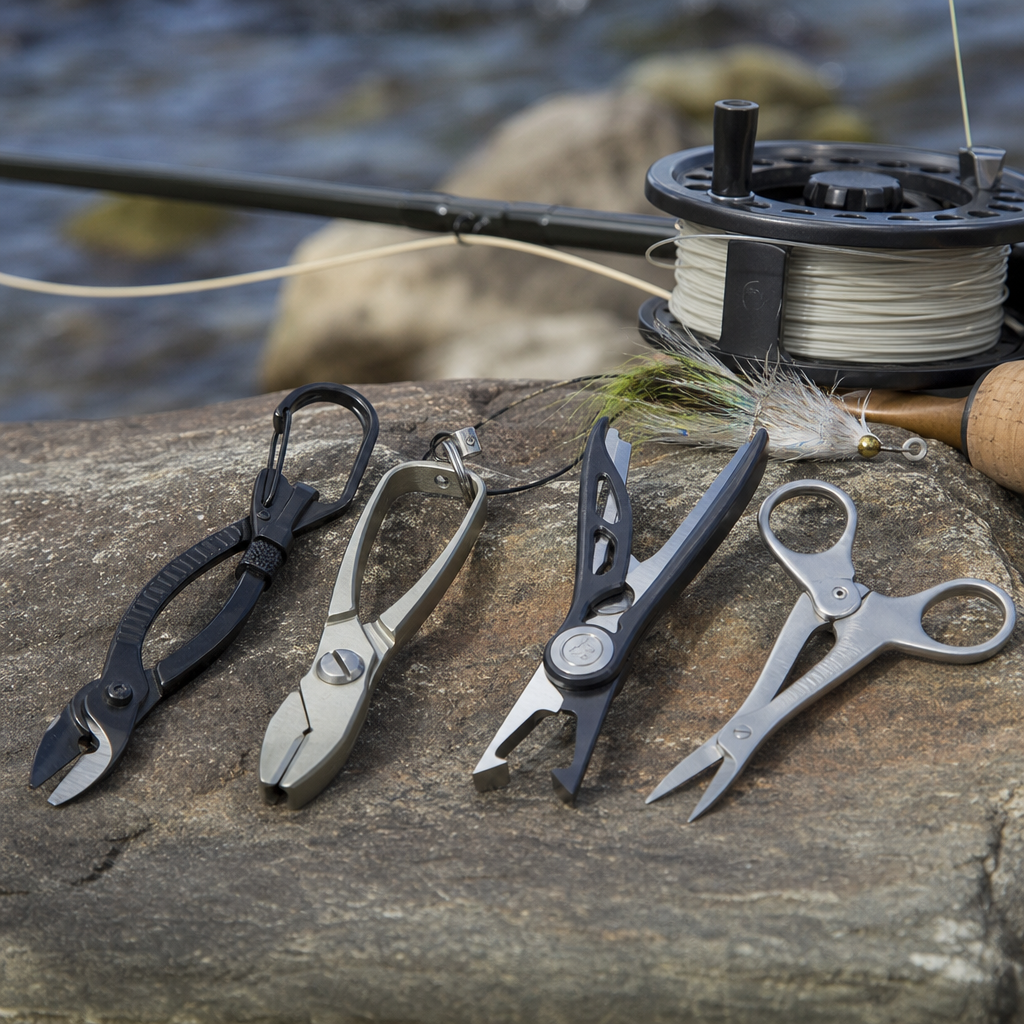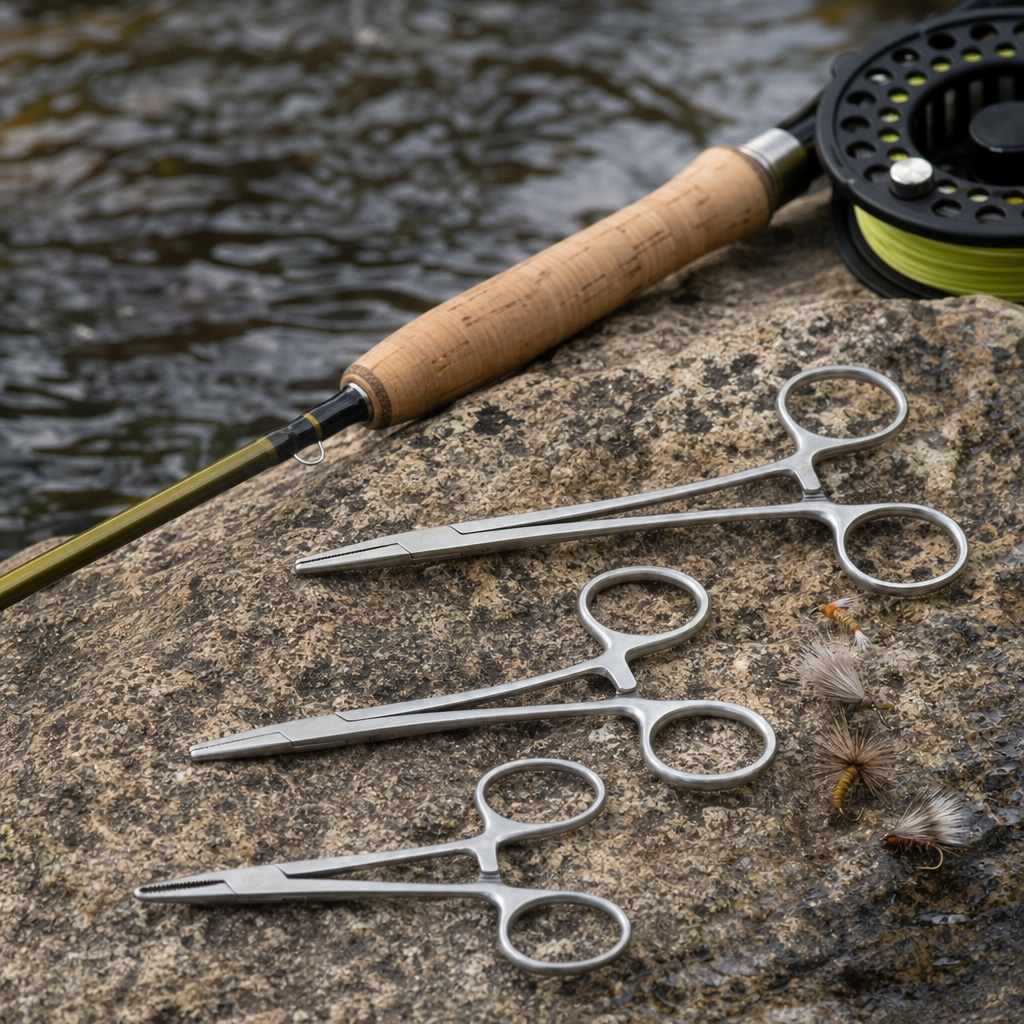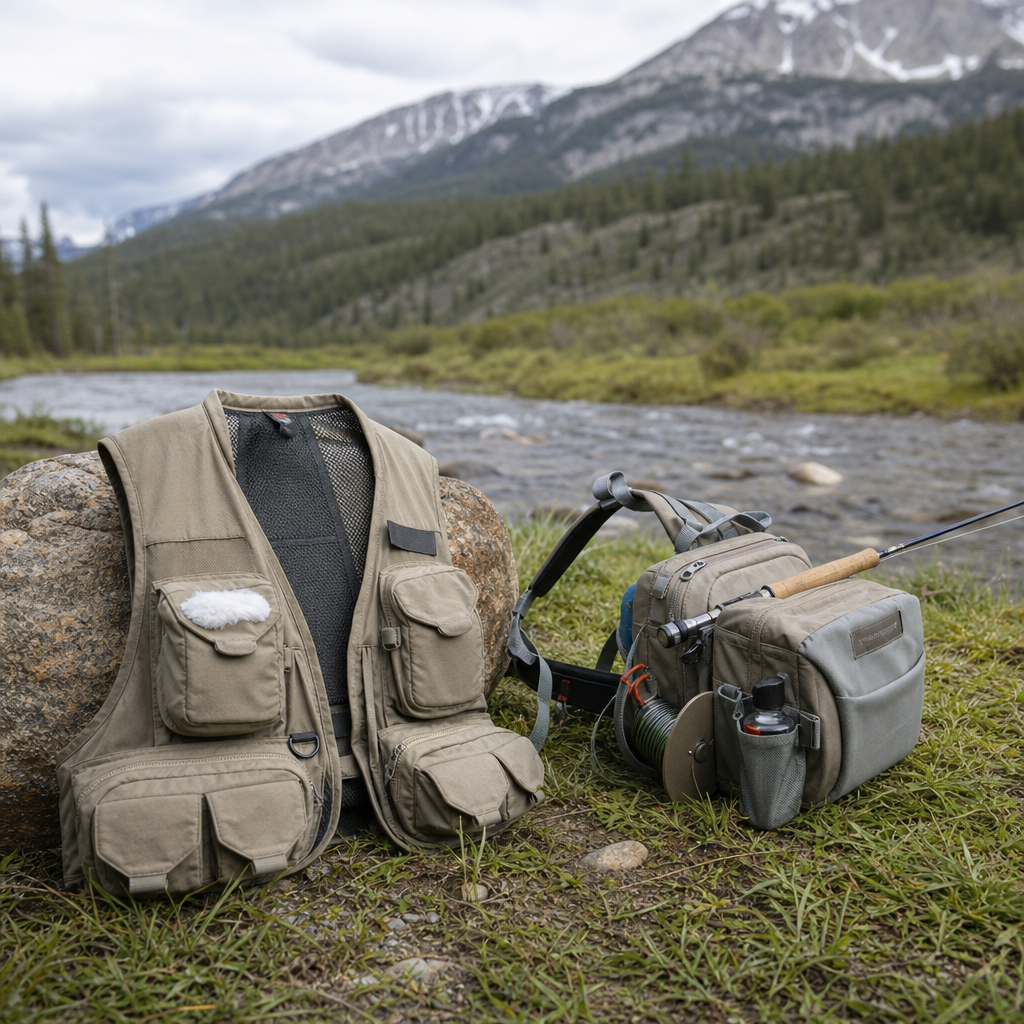
Choosing between fly fishing vests and packs is one of the first gear decisions that shapes how efficiently, comfortably, and safely you fish. Both systems carry the same essentials—fly boxes, tippet, leaders, floatant, nippers, hemostats, indicators, split shot, a rain shell, lunch, and sometimes a hydration bladder—but they distribute weight differently and support different styles of water, weather, and casting. In practical terms, a vest is a garment with multiple pockets worn on the torso, while a pack is a standalone carrying system that may sit on the chest, waist, sling line, or back. The better choice depends less on brand loyalty and more on your wading depth, walking distance, climate, layering needs, shoulder mobility, and how often you need to access gear without taking anything off.
I have fished small Appalachian streams in compact vests, drift-boat rivers with lumbar packs, and all-day western wades with slings and backpacks. The pattern is consistent: no single carry system wins everywhere. A fly fishing vest excels when instant organization matters and when you want balanced front storage that stays accessible all day. A fly fishing pack usually wins when capacity, modularity, hydration, and comfort under heavier loads matter more. For anglers researching gear reviews and recommendations, this comparison works as a hub because it connects directly to core buying decisions across packs, waders, boots, layering, tools, and accessories. If you understand this choice, you make better purchases everywhere else in your kit.
This matters because carrying gear poorly creates cascading problems. Overloaded front pockets interfere with line management. A pack that swings into your casting elbow becomes distracting after an hour. Wet gear trapped against your torso can chill you in shoulder seasons. Poor weight distribution contributes to neck fatigue, lower-back strain, and sloppy footing on uneven river bottoms. Good carry systems reduce those frictions and let you focus on reading currents, making clean presentations, and landing fish efficiently. When anglers ask, “Is a fly fishing vest better than a pack?” the accurate answer is simple: a vest is better for frequent access and tidy organization; a pack is better for load carrying, versatility, and long days requiring more gear.
What a Vest Does Best on the Water
A quality fly fishing vest is purpose-built for organization at arm’s reach. The traditional design places small and medium items across multiple zippered pockets, lash points, D-rings, retractor stations, and back storage. That layout shines when you change flies often or fish technical water where seconds matter. On a spring creek, for example, you may rotate through emergers, duns, spinners, and nymphs within an hour. Having each category in a dedicated pocket speeds those changes and reduces the temptation to stuff everything into one box. The best vest setups also balance left-right weight reasonably well, which many anglers find more stable than single-strap slings.
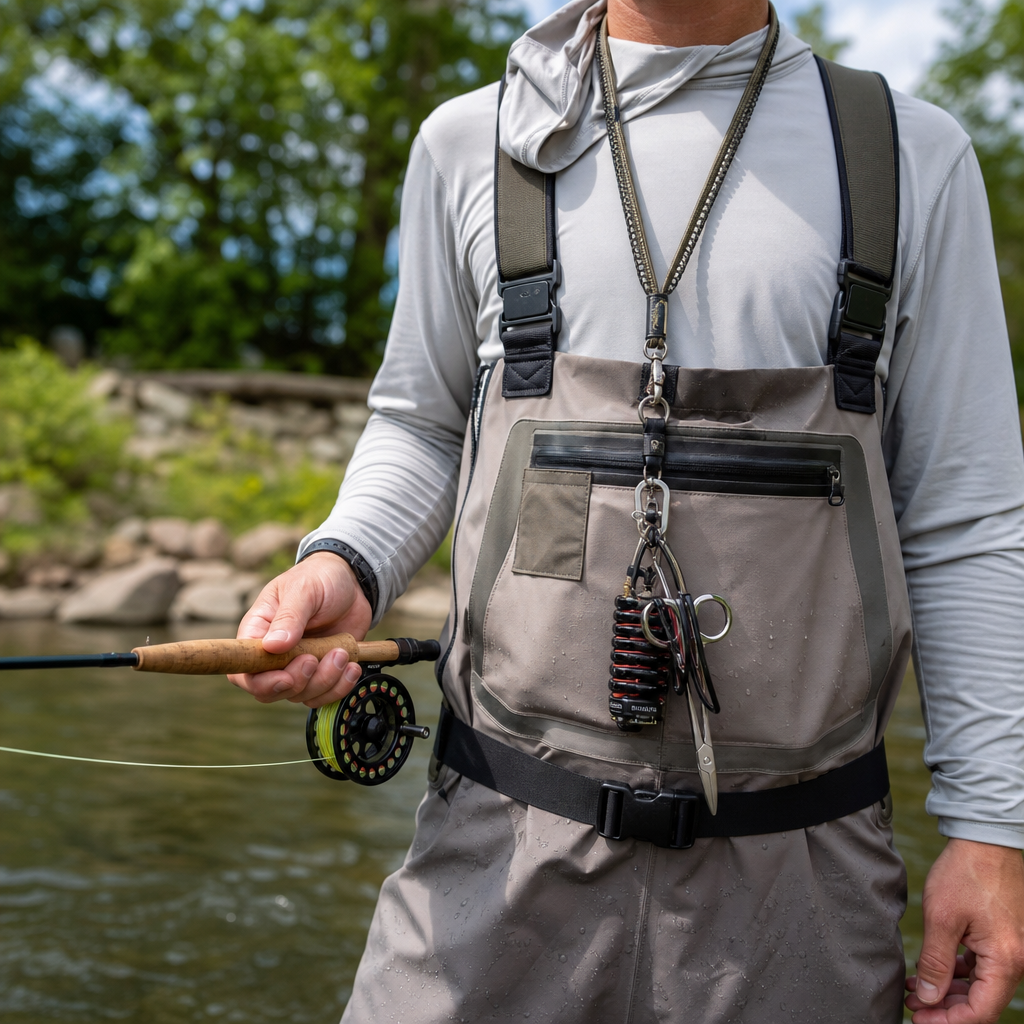
Vests also work exceptionally well with repetitive access patterns. Hemostats ride on the chest, nippers sit on a zinger, floatant goes into the same pocket every trip, and used tippet or leader material can be managed with a dedicated trash station. That consistency matters. In cold water, with numb fingers or low light, muscle memory is not a luxury. It is efficiency. Traditional vests from established brands such as Simms, Fishpond, and Patagonia often include high-mounted pockets that stay usable while wading. Better models use breathable mesh panels, padded collars, and thoughtful pocket sizing so standard fly boxes fit without bulging into your stripping path.
The tradeoff is capacity and comfort under load. Even well-designed vests become cumbersome when stuffed with extra layers, large water bottles, heavy cameras, or multiple giant streamer boxes. Too much weight on the front can encourage a hunched posture and interfere with deep wading. In hot weather, vests can also trap heat more than minimal packs, especially if you are already wearing breathable waders and a shell. For anglers who fish close to the vehicle, switch flies constantly, and carry a compact kit, a vest remains one of the smartest, most efficient choices available.
Why Packs Have Become the Default for Many Anglers
Fly fishing packs have expanded far beyond the old lumbar bag. Today the category includes chest packs, waist packs, slings, and integrated backpacks, each solving a different problem. The broad advantage is modular capacity. Instead of asking your torso to carry everything, a pack can shift weight onto your hips or shoulders in a way that handles bulk better. That matters on western rivers, salt marshes, or backcountry trails where you may need extra water, food, a layering piece, spare reel spool, or a compact camera. A good pack system also transitions more easily from wading to hiking to boat fishing than a vest does.
The strongest case for packs is comfort over distance. Waist and lumbar packs place weight lower and often feel less restrictive during warm-weather walks. Slings allow quick rotation to the front for access, then move back out of the way while casting. Chest packs keep essentials centered and can pair with a backpack when carrying rain gear or overnight supplies. Many modern packs include magnetic workstations, forceps docks, net slots, waterproof pockets, and hydration compatibility. Materials have improved as well, with coated fabrics, welded panels, corrosion-resistant zippers, and better drainage reducing water retention after wet wades or sudden rain.
Packs are not automatically superior, though. Access is slower if the design requires rotation or removal. A heavily loaded sling can torque one shoulder and become irritating by midday. Waist packs can conflict with wader belts or life jackets. Large chest packs may obstruct your view of your feet while scrambling over boulders. In other words, packs win on versatility, but only when the style matches your fishing. A trout angler covering miles of bank may love a lumbar pack; someone high-sticking pocket water all day may find a simple vest faster and less distracting.
Direct Comparison: Access, Comfort, Capacity, and Versatility
The fastest way to decide between fly fishing vests and packs is to compare them against the conditions you actually face. I evaluate carry systems on four variables first: access speed, carrying comfort, usable capacity, and versatility across seasons. Access speed matters most during technical trout fishing. Comfort matters most on long walks and all-day sessions. Capacity matters when your day includes weather shifts or multiple techniques. Versatility matters if you want one solution that works across trout streams, lakes, warmwater rivers, and light travel.
| Factor | Fly Fishing Vest | Fly Fishing Pack | Best Use Case |
|---|---|---|---|
| Gear access | Immediate, hands-free pocket access | Varies by style; slower on some designs | Vest for frequent fly changes |
| Comfort under heavy load | Limited once pockets are overfilled | Usually better, especially lumbar or backpack styles | Pack for longer outings |
| Capacity | Moderate | Moderate to high depending on type | Pack for layers, water, cameras |
| Line management | Can interfere if front is cluttered | Often cleaner front profile | Pack for streamer or boat anglers |
| Heat and breathability | Warmer on hot days | Often cooler with less torso coverage | Pack for summer fishing |
| Organization | Excellent for small-item sorting | Excellent if modular pouches are used | Vest for fixed routines |
For many anglers, the decision becomes obvious after this exercise. If your priority is surgical access to small items and you carry a disciplined kit, buy the vest. If your priority is mobility, hydration, weather preparedness, and carrying bulk comfortably, buy the pack. If your fishing is mixed, a compact chest or waist pack often splits the difference better than a traditional do-everything vest.
Matching the Carry System to Fishing Style and Water Type
Small-stream trout anglers often do best with lighter carry systems. In tight rhododendron tunnels or alder-lined creeks, bulky shoulder straps and protruding pockets snag vegetation. A trim vest or micro chest pack minimizes hang-ups and keeps flies close when kneeling, crouching, or bow-and-arrow casting. By contrast, on broad western freestones, anglers frequently carry more: extra leaders, split shot, multiple indicator sizes, streamer boxes, lunch, and a puffy layer for weather swings. That is where a waist pack or sling usually feels more appropriate.
Boat anglers have different needs again. If you are on a drift boat, skiff, or raft, you rarely need to carry your entire day on your body because spare gear can live in a dry bag or compartment. In that setting, a minimalist chest pack or vest can be ideal, especially if a large backpack would catch on seat backs or push awkwardly against a life jacket. Stillwater anglers also trend toward packs because they may need larger fly boxes, leaders for multiple sink rates, and accessories such as fish finders or anchors stored nearby rather than on-body.
Travel and destination fishing should also influence the choice. For a lodge trip or airline travel, a modular pack can be easier to repurpose off the water and often compresses more cleanly inside luggage. Saltwater flats anglers usually prefer streamlined chest storage or hip packs because line control is critical and extra front bulk invites tangles. In every environment, the best carry system is the one that supports your most common day, not the rare trip you take once a year.
Fit, Weight Distribution, and Long-Term Comfort
Anglers often compare features before fit, but fit should come first. A well-fitted vest disappears; a poorly fitted one drags on the neck and swings when you bend. Shoulder seams should sit cleanly without pinching, pocket placement should remain reachable over layering, and loaded weight should stay close to the body. Packs need the same scrutiny. On waist packs, the belt should stabilize on the hips rather than the stomach. On slings, the strap should not chafe your casting-side neck, and the bag should rotate smoothly to the front without spilling tools into the water.
Weight distribution is where many buying mistakes happen. If you routinely carry more than two full fly boxes, water, forceps, split shot, indicators, and a shell, a vest may simply be the wrong architecture for your load. Conversely, if you carry little and still choose a large pack, you add unused bulk and more moving parts than necessary. I recommend staging your real kit on a table before buying. Count boxes, weigh water, include your phone, and decide whether the day requires hydration, food, or insulation. The carry system should fit that load with some room to spare, not double it.
Durability and materials deserve attention too. Look for bar-tacked stress points, YKK zippers, corrosion-resistant hardware, mesh that drains rather than sags, and fabrics that dry quickly. Waterproof packs are valuable in boats and heavy rain, but fully waterproof zippers can be stiff and slower to open than standard zips. Breathable mesh vests are excellent in summer, but less pleasant in brush if they snag easily. Every design choice is a compromise, and acknowledging those tradeoffs leads to smarter gear reviews and recommendations.
How to Choose the Best Option for Your Gear Review Shortlist
If you are building a serious gear review shortlist, start by separating products into use cases instead of comparing every model against every other one. A technical-trout vest should compete with other vests, not with a 15-liter sling designed for hiking into alpine lakes. Then evaluate each candidate by five criteria: access, comfort, organization, capacity, and compatibility with the rest of your system. Compatibility includes waders, wading belts, rain shells, PFDs, nets, and even how your landing hand moves during the fight. Excellent products fail in the field when they interfere with another essential item.
Brand reputation helps, but details matter more than logos. Simms is strong on river-oriented ergonomics and durable construction. Fishpond often excels in thoughtful organization, sustainability messaging, and net integration. Patagonia tends to focus on refined materials and versatile design. Orvis offers broad fit options and practical mainstream layouts. Umpqua is respected for chest-pack functionality and fly-box logic. None is universally best. The strongest product is the one that fits your fishing rhythm with the fewest compromises.
A useful buying rule is this: if you fish three hours close to the car, prioritize access and simplicity. If you fish eight hours with changing weather, prioritize carrying comfort and capacity. If you fish multiple methods on one outing, choose modularity. And if you are still unsure, buy smaller than your imagination wants. Most anglers carry too much. The best-reviewed vests and packs are not the ones holding everything you own; they are the ones carrying what you actually use while keeping your movement clean and your attention on the water.
Fly fishing vests versus packs is not a debate with a universal winner. It is a fit-for-purpose decision rooted in access, load, and fishing style. Vests remain excellent for organized, immediate access to small tools and fly boxes, especially on technical trout water where efficient changes matter. Packs have become the default for many anglers because they carry heavier, bulkier loads more comfortably and adapt better to hiking, travel, and weather shifts. Chest packs, waist packs, slings, and hybrid systems now cover the middle ground, giving anglers more precise options than the old vest-or-lumbar binary.
The main benefit of choosing correctly is not just comfort. It is better fishing. When your gear rides where it should, you move more safely, change rigs faster, manage line more cleanly, and stay focused longer. That is why this topic belongs at the center of any product reviews and recommendations hub for gear reviews. It influences what fly boxes you buy, how many layers you carry, whether you need hydration storage, and how your accessories integrate across the rest of your setup.
If you are deciding today, start with your most common water and your real carry list, not your aspirational one. Then shortlist one vest and one pack built for that use, try them loaded, and choose the system that disappears when you fish. That is the better option.
Frequently Asked Questions
Is a fly fishing vest or a pack better for most anglers?
Neither option is universally better; the right choice depends on how you fish, how much gear you carry, and what kind of comfort you value most on the water. A fly fishing vest shines when you want immediate access to tools and flies without taking anything off your body. Because the pockets are spread across the chest and torso, a vest keeps frequently used items like nippers, floatant, tippet, indicators, and hemostats right at hand. That convenience matters when you are changing rigs often, moving quickly between runs, or fishing technical water where efficiency improves your presentation.
A pack tends to be better for anglers who carry more gear, fish longer days, or prioritize weight distribution over instant access. Sling packs, chest packs, hip packs, and backpacks each solve storage differently, but in general they can hold bulkier items more comfortably, including extra fly boxes, a rain shell, lunch, a camera, or a hydration bladder. Packs also reduce the “loaded torso” feeling that some anglers dislike with traditional vests, especially in warm weather. If your fishing involves hiking in, covering distance, or bringing layers for changing conditions, a pack may feel more organized and less restrictive.
For most anglers, the decision comes down to access versus carrying capacity. If you fish short to medium sessions and like every small item in a predictable pocket, a vest is often the better everyday tool. If you fish all day, pack extra clothing, or want a more modern carrying system that handles weight more efficiently, a pack usually wins. Many experienced fly fishers eventually own both because each works better in different situations.
What are the main advantages of a fly fishing vest?
The biggest advantage of a fly fishing vest is accessibility. A good vest puts the essentials directly in front of you, which means fewer interruptions and less fumbling during a drift, hatch, or fly change. When flies, tippet spools, leaders, floatant, split shot, and strike indicators all live in dedicated pockets, your system becomes fast and repeatable. That speed is not just convenient; it can help you stay focused on reading water, managing line, and adjusting to changing fish behavior.
Another major benefit is balance. Because gear is distributed across both sides of the torso, a vest can feel stable and intuitive once it is packed correctly. There is no swinging load, no need to rotate a sling around repeatedly, and no waistband pressure like some hip packs create. For anglers who wade often and want their upper body setup to remain fixed in place, that stability can be a real advantage.
Vests also work especially well for anglers who fish moving water and need constant access to small tools. Trout anglers on rivers often appreciate having forceps clipped high, nippers on a retractor, and fly boxes positioned in front pockets for quick changes. In addition, vests can layer easily over shirts, light insulation, or some wading jackets depending on the cut.
The tradeoff is that vests can feel warm, cluttered, and overloaded if you treat every pocket as required storage. The best vest users are disciplined packers. When kept light and organized, a fly fishing vest remains one of the most efficient and proven carry systems in the sport.
What are the main advantages of a fly fishing pack?
The strongest advantage of a fly fishing pack is comfort under heavier loads. Packs generally handle bulk better than vests, which makes them ideal when you carry extra fly boxes, a rain shell, food, water, camera gear, or additional layers. Instead of filling your chest and torso with gear, a pack concentrates storage in a more structured format, often with better compartment design and more room for larger items that simply do not fit well in traditional vest pockets.
Packs also offer more flexibility. A sling pack is popular for anglers who want a compact setup that can rotate from back to front for access. A hip pack keeps the upper body freer and cooler, which some anglers prefer during summer or when making repeated casts all day. A chest pack prioritizes front access while sometimes pairing with backpack-style support. Full backpacks work well for backcountry anglers who need serious storage and hydration capacity. That variety allows anglers to match the system to specific fishing environments rather than relying on a single format for every trip.
Another advantage is improved ventilation. Because a vest covers much of the chest and can trap heat, it may feel uncomfortable in hot weather. Many packs leave more of the torso open, which can reduce overheating and make long days more pleasant. Packs are also often easier to integrate with hydration systems, which matters if you hike to remote water or fish in warm conditions where carrying water becomes a safety issue.
The downside is that packs can slow access to small items if they are not laid out carefully. Some anglers also dislike the shifting sensation of a sling or the interference a larger pack can create when landing fish, wading deep, or leaning against a seat or rock. Even so, for anglers who value capacity, modular organization, and better load management, packs are often the superior choice.
Which is better for comfort, mobility, and casting: a vest or a pack?
Comfort, mobility, and casting performance depend less on the label “vest” or “pack” and more on fit, load, and fishing style. A lightly packed vest can feel excellent because the weight stays close to the body and remains evenly distributed. It does not usually swing during casting or walking, and many anglers barely notice it once they settle into a rhythm. However, once overloaded, a vest can feel hot, bulky across the chest, and tiring on the neck and shoulders. If too much gear is packed into the front, it can also make wading feel top-heavy.
A pack can improve comfort if you carry more than the bare essentials. Better shoulder straps, lumbar support, and structured compartments often make that extra weight easier to manage. Hip packs can relieve shoulder fatigue, and backpacks can spread heavier loads more naturally for hiking. Sling packs are convenient but can become uncomfortable for some anglers after hours of wear because the weight sits asymmetrically. Chest packs offer quick access but may interfere with line handling or visibility of your feet when wading if they are too large.
For casting, the best system is the one that stays out of the way. Minimalist anglers often prefer a vest or slim chest setup because nothing needs to be swung around and tools remain fixed in place. Others find that a low-profile hip pack gives them the freest shoulders and chest, especially for repetitive casting. If you fish from drift boats, rafts, or stillwater craft, your pack choice may also affect how comfortably you sit and how easily you can reach gear without tangling fly line.
In practical terms, anglers who fish light and prioritize immediate access often find a vest more natural. Anglers who walk farther, carry more, or want less bulk on the chest usually find a pack more comfortable. The best way to judge mobility and casting freedom is to consider your actual gear list and avoid overpacking either system.
How should I choose between a fly fishing vest and a pack for different fishing conditions?
Start by thinking about where you fish most often. On small streams, spring creeks, and trout rivers where you make frequent fly changes and carry a moderate amount of gear, a vest can be an excellent choice. It keeps essentials close and helps you stay efficient when moving from run to run. If your trips are short and your load is limited to a few fly boxes, tippet, leaders, floatant, tools, indicators, split shot, and a snack, a vest is usually more than enough.
If you fish larger water, spend full days outside, or deal with changing weather, a pack often becomes more practical. Extra layers, gloves, a rain shell, lunch, and water all take up space quickly. Packs also make sense if you hike into alpine water, fish remote access points, or need a hydration bladder. In these situations, carrying capacity and load distribution matter more than shaving a few seconds off gear access.
Weather plays a role as well. In hot weather, a pack may feel cooler and less confining than a full vest. In cold weather, a vest can layer well over insulating clothing, but fit becomes important so it does not bind or crowd your casting motion. Wading depth is another factor. Some larger packs and lower-sitting hip packs can become awkward in deeper water, while a vest keeps most items high and dry if you wade aggressively.
Also consider your personal organization style. If you like a dedicated pocket for every item and want muscle-memory access, a vest is hard to beat. If you prefer fewer but larger compartments and do not mind opening a pack to reach less-used gear, a pack may feel cleaner and more versatile. For many anglers, the smartest answer is not choosing one forever but matching the system to the trip: vest for streamlined river days, pack for long outings, travel, and gear-heavy conditions.