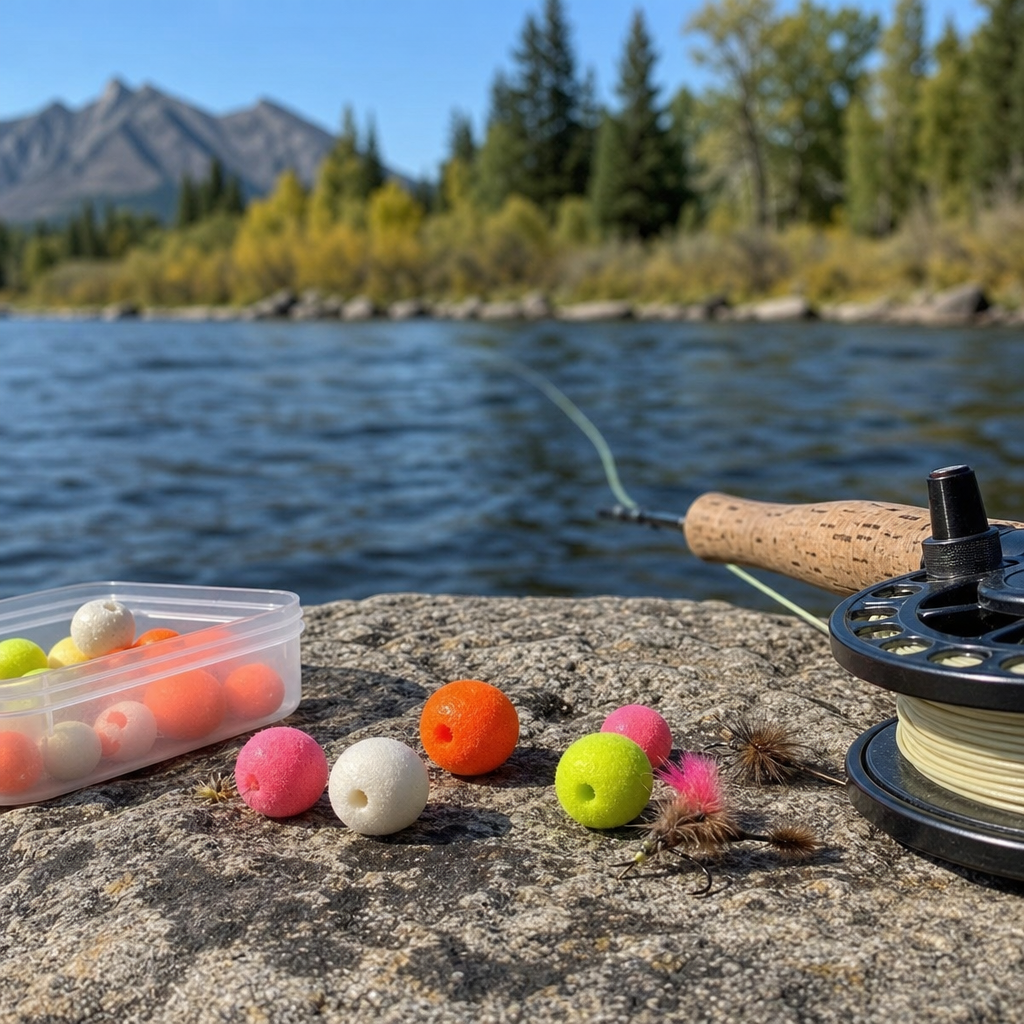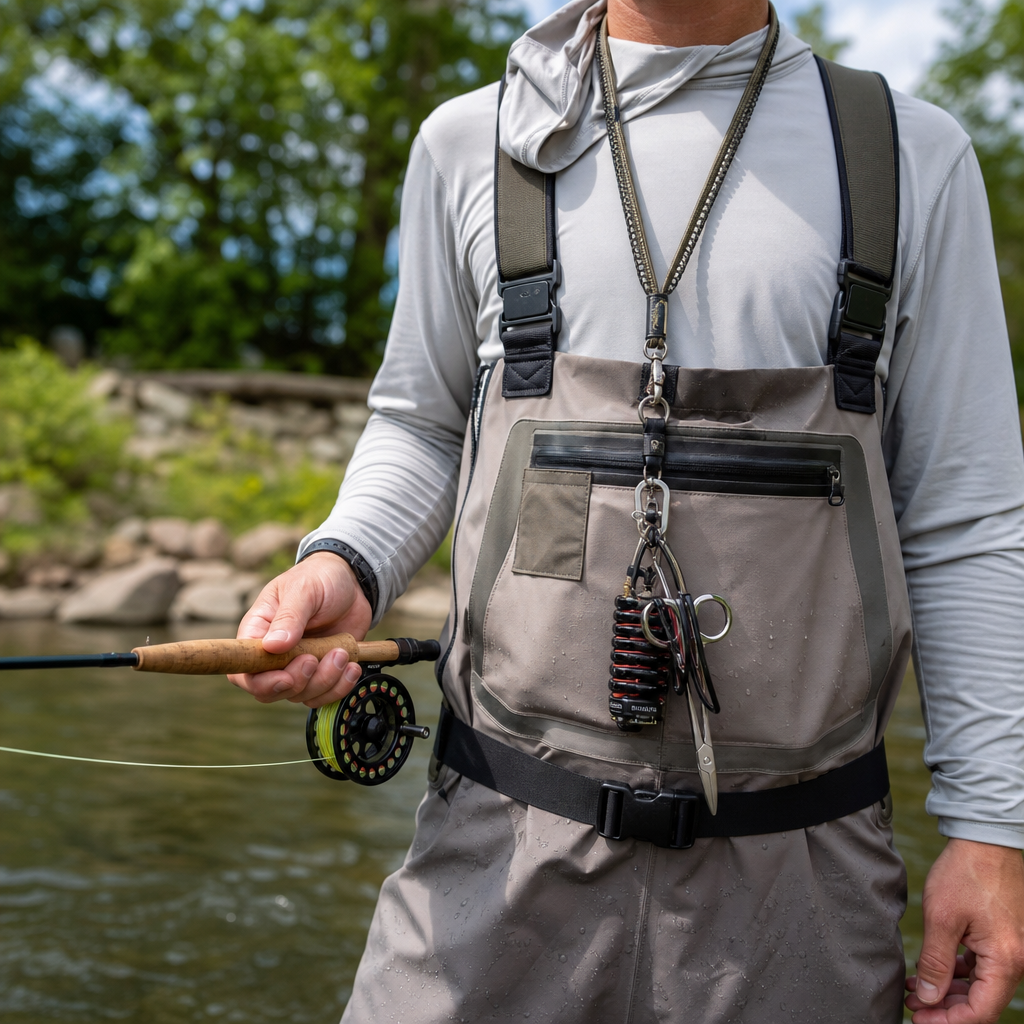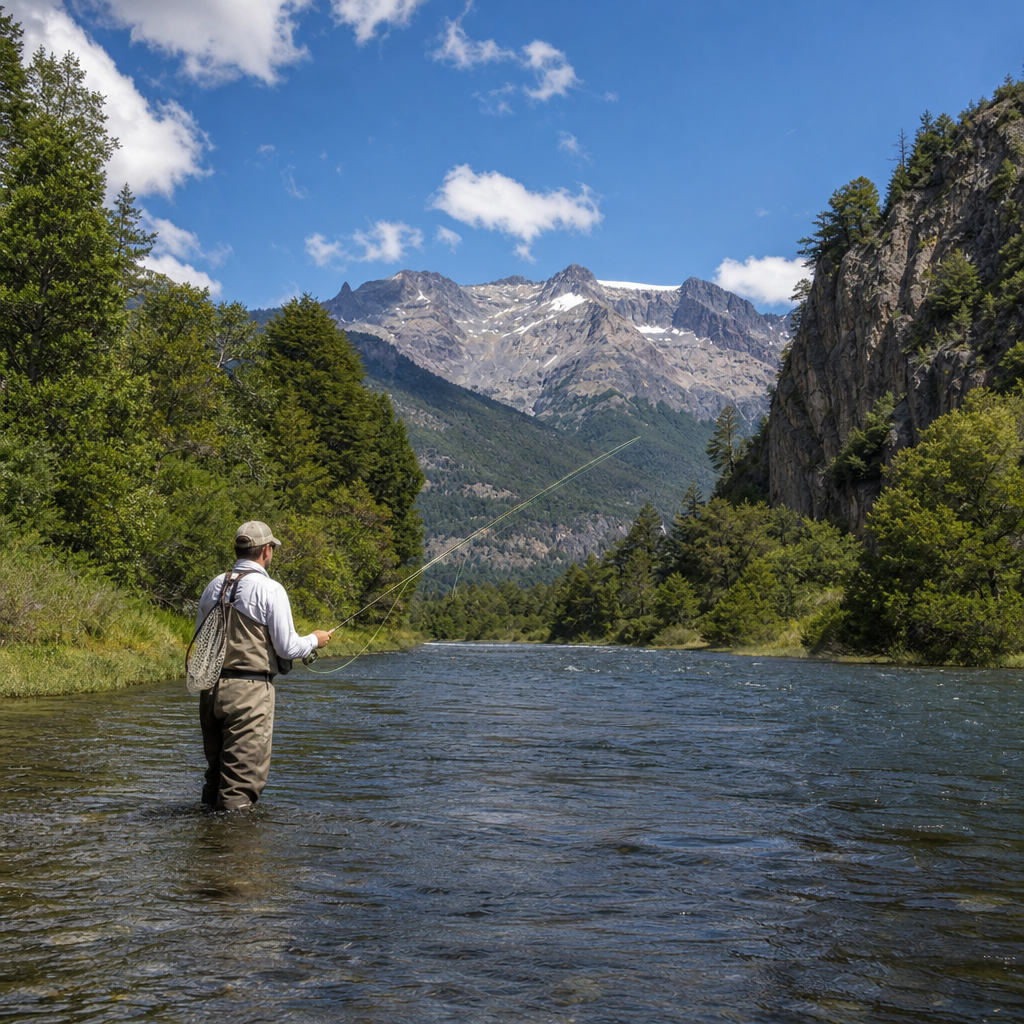
South America offers some of the world’s most compelling fly fishing because it combines wild landscapes, migratory fish, technical trout water, and a travel culture that still rewards anglers willing to go a little farther. When readers search for the top fly fishing destinations in South America, they usually want more than a list of famous rivers. They want to know where to go, what species to expect, how difficult the fishing is, when to visit, and which destinations deserve priority if time and budget are limited. This hub article answers those questions clearly and serves as a practical starting point for deeper destination reviews across the broader travel and destination reviews category.
Fly fishing in South America generally falls into three major experiences. First, there is cold-water trout fishing in Patagonia, where rainbow, brown, brook, and sea-run brown trout dominate the conversation. Second, there is warm-water jungle fishing in the Amazon and adjacent basins, where peacock bass, dorado, payara, pacu, and other powerful species test tackle and stamina. Third, there are mixed regional fisheries in the Andes, pampas, and subtropical wetlands, where anglers can combine sight fishing, streamer fishing, and exploratory travel in less-publicized water. Each category requires different flies, tackle weights, casting styles, and logistics, so destination choice matters as much as skill.
I have planned South American fishing travel with the same filter I use for gear reviews: consistency, access, seasonality, and whether the experience matches the promise. A glamorous lodge means little if water levels are unreliable, travel days consume half the trip, or a fishery is so specialized that most visiting anglers spend more time adapting than fishing effectively. The best South American destinations stand out because they balance fish quality, scenery, local infrastructure, and honest expectations. Some produce trophy trout. Some deliver astonishing numbers. Others win because they let anglers experience truly remote water with strong guide support and well-managed access.
This guide reviews the destinations that matter most, explains their strengths and tradeoffs, and organizes them the way a serious traveler actually compares options. If you are building a bucket list, choosing your first South American fly trip, or deciding which region deserves a return visit, the sections below will help you narrow the field quickly and realistically.
Patagonia in Argentina: the benchmark for trout variety and scale
Argentine Patagonia remains the benchmark destination for many traveling fly anglers because no other region in South America combines such a wide range of trout fisheries with such strong tourism infrastructure. The most recognized zones include Neuquén, Río Negro, Chubut, Santa Cruz, and Tierra del Fuego. Within those provinces, anglers can fish spring creeks, freestone rivers, drift-boat water, meadow streams, glacial lakes, and famous sea-run systems. The Limay, Chimehuin, Malleo, Collón Curá, Traful, and Alumine river systems are central names for trout-focused travel, especially around San Martín de los Andes and Junín de los Andes.
What makes Argentine Patagonia exceptional is diversity. In a single trip, you can fish dry flies for strong wild browns on a clear spring creek, nymph productive pocket water the next day, and then strip large streamers from a drift boat on a broader river known for bigger fish. Brown trout often receive top billing, but rainbow trout are abundant in many systems, and some waters also support brook trout or landlocked salmon. On rivers such as the Malleo, refined presentations with attractor dries, caddis, or mayfly patterns can be decisive. On larger systems such as the Limay, sink tips and articulated streamers often produce the heaviest trout.
The prime season generally runs from November through April, with local variation based on snowpack, hatches, and water temperatures. Early season can bring aggressive fish and fewer weeds, midsummer often rewards dry-fly anglers during terrestrial activity, and late season favors larger predatory trout behavior. The tradeoff is wind. Patagonia’s wind is not a minor inconvenience; it shapes rod selection, casting angle, and daily strategy. Most visiting anglers fish 5- or 6-weight rods for general trout work and 7-weight outfits when streamer fishing or targeting larger, more wind-exposed water. For anglers wanting a first South American trout trip with dependable logistics, Argentina is still the safest recommendation.
Chilean Patagonia: technical trout water and dramatic scenery
Chilean Patagonia offers a different personality from Argentina. The scenery is steeper, wetter, and more vertically dramatic, and many trout fisheries feel more intimate or more weather-influenced. Major regions include Aysén, Los Lagos, and parts of Magallanes. Rivers such as the Futaleufú, Baker, Palena, Simpson, and Mañihuales, along with many lakes and tributaries, give Chile a serious place among the top fly fishing destinations in South America. The trout are primarily brown and rainbow, with some brook trout in select waters.
Chile often appeals to anglers who enjoy active, varied days. One day may involve floating a broad river with heavy current seams; the next may be wading a smaller tributary with terrestrials and bead-head nymphs. The Futaleufú, famous globally among whitewater paddlers, also supports excellent trout fishing and demands respect for current structure. The Baker River, with its striking blue-green glacial color, is visually unforgettable and productive for anglers who know how to fish heavy flows and changing depth. In my experience, Chile rewards anglers who cast accurately under changing weather more than anglers who simply want easy numbers.
Travel logistics can be more fragmented than in Argentina, especially when weather disrupts internal flights or long road transfers. That said, lodge quality has improved substantially, and many operations now cater well to fly anglers seeking multi-river itineraries. The best season is broadly similar to Argentina’s, from November into April. If your priority is combining excellent trout water with iconic scenery and a slightly more exploratory feel, Chile belongs near the top of the list.
Tierra del Fuego: the world center of sea-run brown trout
Tierra del Fuego deserves separate treatment because sea-run brown trout fishing on the Río Grande is unlike standard trout angling. Shared between Argentina and Chile but most often discussed through the Argentine side, this fishery is internationally famous for large migratory brown trout that return from the Atlantic in remarkable condition. Average fish are often far larger than river trout elsewhere, and fish over 15 pounds are realistic targets in the right conditions. True trophies exceed 20 pounds, which places the Río Grande in a category of its own.
This is not a beginner-friendly destination in the casual sense. The environment is open, windy, and often cold. Presentation matters. Swinging weighted nymphs or traditional sea trout flies with two-handed rods is common, although single-hand setups are also used in some situations. A 7- to 8-weight single-hand rod or 6- to 8-weight Spey setup is typical. Leaders, sink rates, and fly size all change with water height and light conditions. Because runs can be methodically covered, success depends on discipline and line control as much as on raw casting distance.
The prime window usually centers on January through March, though operations differ in timing. Lodges here are expensive, but they are priced around a fishery that is globally rare, highly structured, and often capacity-controlled. If the goal is one specialized trophy trout trip rather than a general trout vacation, Tierra del Fuego is arguably the premier destination in South America.
Brazilian Amazon and peacock bass fisheries: power, heat, and explosive surface eats
For warm-water fly anglers, Brazil’s Amazon basin is one of the most exciting fisheries on earth, largely because of giant peacock bass, especially Cichla temensis. In regions such as the Rio Negro watershed, including well-known systems around Barcelos and tributaries managed through rotating access, anglers target fish that are brutally strong, highly visual, and willing to crush large surface flies. A genuine trophy can exceed 20 pounds, and even smaller fish pull with a violence that surprises trout specialists on their first jungle trip.
Unlike trout fishing, where subtle presentation may dominate, peacock bass fishing is often about covering water, presenting large flies with conviction, and maintaining focus through repetitive casting in tropical heat. Eight- and 9-weight rods are standard, with tropical fly lines, heavy shock tippets, and flies built around deer hair, foam, synthetic heads, and durable flash materials. The takes are often immediate and aggressive, particularly around wood, lagoons, current edges, and bait concentrations. Surface flies such as poppers and divers create the kind of visual strike that converts many freshwater anglers into lifelong jungle travelers.
Water level is the critical variable. The best fisheries depend on dropping and stable water that opens lagoons and concentrates fish. Operators track this closely, and good trip timing matters more here than in many trout regions. Heat, travel complexity, insects, and gear wear are real considerations, but so are strong conservation models in some managed areas, where limited pressure protects fish quality. If your definition of top fly fishing destinations in South America includes the hardest-hitting freshwater game fish on the continent, the Brazilian Amazon must be on the shortlist.
Bolivia and the Golden Dorado zone: the most visual jungle fly fishing
Bolivia has become legendary among experienced fly anglers for one species above all: golden dorado. In remote watersheds connected to the upper Amazon basin, especially around the secure, lodge-operated sectors of the Sécure, Pluma, and Itirizama systems, anglers wade and float clear jungle rivers where dorado hunt aggressively in shallow current. This is one of the most visual forms of fly fishing anywhere. You often see the fish move, follow, slash, and eat.
Dorado are not subtle predators. They attack streamers with speed, jump violently, and use current to full advantage. A 7- to 9-weight rod is standard, and wire bite tippets are mandatory because of their teeth. The flies are generally baitfish imitations tied to move water and stay visible. Precision still matters. Good guides position anglers for short, fast shots to structure, seams, and travel lanes. In these rivers, one clean cast can be worth far more than ten blind ones. The remoteness is part of the appeal, but it also means charter flights, weight limits, weather risks, and a higher cost structure than many first-time travelers expect.
| Destination | Primary species | Best for | Main challenge |
|---|---|---|---|
| Argentine Patagonia | Brown, rainbow, brook trout | First South America trout trip | Wind and large geographic spread |
| Chilean Patagonia | Brown and rainbow trout | Scenery plus technical variety | Weather and transfer logistics |
| Tierra del Fuego | Sea-run brown trout | Trophy migratory trout | Cost and specialized tactics |
| Brazilian Amazon | Peacock bass | Power fishing and surface strikes | Water levels and tropical conditions |
| Bolivia | Golden dorado | Visual jungle streamer fishing | Remote access and physical demands |
Bolivia is not the easiest destination, but it is one of the most memorable. For anglers who have already done classic trout travel and want a trip built around sight opportunities, streamer eats, and a true expedition feel, Bolivia often becomes a favorite.
Colombia, northern systems, and emerging destination value
Colombia and parts of northern South America deserve attention because they broaden the fly fishing map beyond the famous southern icons. Colombia has developed a growing reputation for peacock bass, payara, bicuda, and other aggressive warm-water species in the Orinoco-influenced systems and remote river basins reached through guided camps or mobile operations. Payara in particular attract expert anglers because of their speed, long jumps, and spectacular fangs. They require strong hooks, abrasion-resistant leaders, and disciplined strip sets.
The appeal of these emerging destinations is freshness. Anglers can encounter less-pressured fish, local guiding cultures that are still evolving, and itineraries that feel exploratory rather than standardized. The tradeoff is consistency. Infrastructure can vary, political or security conditions must be checked carefully, and reliable operators matter even more than in established destinations. When I evaluate these trips, I look for guide continuity, satellite communication, emergency planning, and realistic reporting on water conditions. A new destination is only a top recommendation when the fishery and logistics are both ready.
For readers using this page as a hub, the practical takeaway is simple: if you want proven systems, start with Patagonia, Tierra del Fuego, Brazil, or Bolivia. If you want emerging value and are comfortable with more uncertainty, Colombia and adjacent northern options are worth deeper research.
How to choose the right South American fly fishing trip
The right destination depends on four variables: target species, tolerance for travel complexity, preferred fishing style, and budget. Trout anglers who want broad learning opportunities should prioritize Argentine Patagonia. Anglers who want pure trophy sea trout should look to Tierra del Fuego. Those chasing explosive warm-water action should choose Brazil for peacock bass or Bolivia for dorado. Chile works especially well for anglers who value scenery and varied trout techniques over maximum convenience.
Budget planning should include more than lodge rates. Internal flights, excess baggage for rod tubes, licenses, guide gratuities, laundry, airport hotels, and weather buffer nights can materially change trip cost. Gear should match the fishery, not just general fly fishing habits. A 5-weight trout angler who packs too light for wind, streamers, or jungle species will feel undergunned immediately. Just as important, physical preparation matters. Wading uneven riverbeds, repeated double-hauls in wind, and long casting days in tropical heat are easier when you train before departure.
Research operators with the same scrutiny you would use for expensive technical gear. Ask about access rotation, average run times, wading difficulty, water-level history, conservation practices, and what a typical successful day actually looks like. The best destination reviews do not sell fantasy; they align anglers with fisheries that fit their expectations and skills.
The top fly fishing destinations in South America are not interchangeable, and that is exactly why the continent deserves a dedicated travel hub. Patagonia in Argentina offers the broadest trout portfolio and the easiest recommendation for a first major trip. Chile adds technical variety and unforgettable scenery. Tierra del Fuego stands alone for trophy sea-run brown trout. Brazil delivers savage peacock bass takes in the Amazon, while Bolivia provides some of the most visual golden dorado fishing available anywhere. Emerging northern fisheries, including Colombia, add future-facing options for anglers willing to do more homework.
The central benefit of understanding these destinations side by side is better decision-making. Instead of choosing based on reputation alone, you can match species, tactics, season, cost, and travel style to the experience you actually want. That leads to better trips, more efficient packing, and fewer unpleasant surprises once you arrive. It also helps you identify which destination-specific reviews you should read next, whether you are comparing Patagonia lodges, jungle operations, or sea trout programs.
Use this article as your starting point for South America travel and destination reviews, then build outward into detailed regional guides, lodge comparisons, species breakdowns, and gear recommendations. If you are planning your next fly fishing trip, shortlist two destinations from this page, compare their seasons and target species, and start contacting reputable operators now.
Frequently Asked Questions
What are the best fly fishing destinations in South America for international anglers?
The best fly fishing destinations in South America usually depend on what kind of experience you want, but a few regions consistently rise to the top. Argentine Patagonia is the most famous starting point because it offers a remarkable range of trout water, from large lakes and floatable rivers to intimate spring creeks and freestone streams. Areas around Bariloche, Junín de los Andes, San Martín de los Andes, and Esquel are especially well known for rainbow trout, brown trout, and brook trout, with options for both first-time visitors and highly technical anglers.
Chilean Patagonia deserves equal attention, particularly for anglers who value scenery, lower fishing pressure, and a more exploratory feel. Rivers and lakes in regions such as Aysén and farther south toward Tierra del Fuego can produce excellent trout fishing in dramatic landscapes. Chile is often prioritized by anglers who want wilderness, clear water, and a strong mix of wade fishing and float fishing.
Tierra del Fuego, shared by Argentina and Chile, is a world-class destination in its own right because of its sea-run brown trout. For many dedicated fly anglers, the Río Grande is a bucket-list fishery. It is not necessarily the easiest place for beginners, but it is one of the most prestigious destinations on the continent if your goal is a genuine chance at very large migratory trout.
Beyond trout, South America also stands out for species diversity. Golden dorado fisheries in northern Argentina, Bolivia, and parts of Paraguay attract anglers who want explosive topwater eats and powerful river predators rather than classic trout scenery. In the Amazon basin, peacock bass offer another completely different fly fishing experience built around heat, jungle, aggressive strikes, and streamer fishing. So if the question is which destinations deserve priority, Patagonia usually leads for trout, Tierra del Fuego leads for trophy sea-run browns, and dorado or peacock bass destinations lead for anglers seeking something more exotic and aggressive.
Which fish species can you expect to catch in South America, and how does that affect where you should go?
Species should absolutely drive your destination choice because South America is not a one-style, one-species fly fishing region. The most common targets in the southern cone are brown trout, rainbow trout, and brook trout. These species dominate much of Patagonia in both Argentina and Chile, and they can be found in environments ranging from technical spring creeks to windswept lakes and broad float rivers. If you enjoy classic trout tactics such as dry flies, nymphing, streamers, and sight fishing, Patagonia is usually the best fit.
If your primary goal is size and prestige, sea-run brown trout in Tierra del Fuego are in a category of their own. These migratory fish can be exceptionally large and strong, and the fisheries built around them are highly specialized. You are often fishing with two-handed rods, swing techniques, and sink tips in broad, open rivers where presentation, timing, and adaptation to wind matter. Anglers specifically chasing giant trout often place this region at the top of their list.
For anglers who want something more aggressive than trout, golden dorado are one of South America’s signature game fish. They are found in places such as northern Argentina and Bolivia and are known for violent takes, aerial fights, and a willingness to attack large streamers and surface flies. Dorado trips often appeal to experienced anglers who enjoy warmwater-style stripping, visual eats, and physically active fishing days.
Farther north, peacock bass in the Amazon offer another high-impact fly fishing experience. These fish are not subtle. They reward anglers who can cast accurately, retrieve with confidence, and handle repeated explosive strikes around structure. There are also opportunities in some areas for species such as pacu and other freshwater game fish, but for most travelers researching top South American fly fishing destinations, the main decision is whether they want trout, sea-run trout, dorado, or jungle species. Once that choice is made, the list of best destinations becomes much clearer.
When is the best time to go fly fishing in South America?
The best time to go depends heavily on the region and species, but for most trout-focused travel in Patagonia, the prime season generally runs during the Southern Hemisphere spring through fall, roughly from November into April. Early season often brings energetic fish, greener landscapes, and in some places lower crowds, although water levels can still be affected by snowmelt. Mid-season, particularly January and February, offers long days and reliable access, but it can also bring more wind, more travelers, and more pressure on the most famous waters. Late season can be outstanding for streamer fishing, larger browns, and fewer people, especially for anglers who enjoy a more tactical approach.
Tierra del Fuego’s sea-run brown trout season follows its own rhythm, with many anglers targeting key migratory periods during the austral summer. Exact timing matters here more than in general trout travel because these fisheries are often closely tied to fish movement, river conditions, and lodge scheduling. If this is your top priority, it is smart to build the trip around the fishery rather than simply choosing the most convenient travel month.
For golden dorado, the ideal season varies by watershed and country. Water temperatures, river height, and local weather patterns can all influence fish behavior and accessibility. Some dorado programs fish best during lower, clearer conditions, while others are built around seasonal migrations or specific windows in floodplain systems. Amazon peacock bass destinations are also very sensitive to water level. In many jungle fisheries, lower water creates better concentration of fish and more consistent action, which is why many experienced travelers plan these trips only after confirming the historical water cycle.
The practical takeaway is simple: there is no single best month for all of South America. If you are planning a once-in-a-lifetime trip, start by choosing your target species, then match it to the strongest seasonal window for that fishery. That approach usually produces a better trip than trying to force a destination into your travel calendar.
How difficult is fly fishing in South America, and is it suitable for beginners?
Fly fishing in South America ranges from very approachable to highly technical, which is one reason the continent appeals to such a wide range of anglers. Beginners can absolutely have a successful trip, particularly in parts of Argentine and Chilean Patagonia where guides can match clients with forgiving trout water, cooperative fish, and effective techniques such as indicator nymphing, attractor dry-dropper rigs, or streamer fishing from a drift boat. These trips can be excellent introductions because the setting is spectacular and the fishing often offers enough variety to keep learning enjoyable rather than frustrating.
That said, not every South American destination is beginner-friendly in the same way. Technical spring creeks, low clear rivers, or selective trout fisheries may demand precise casting, long leaders, subtle presentations, and strong fish-spotting skills. Wind is another major factor, especially in Patagonia, where even experienced anglers can be challenged by persistent gusts. Wading can also vary from easy gravel bars to uneven boulder runs, so physical comfort on the water matters.
Tierra del Fuego is generally better suited to anglers with at least some prior fly fishing experience. The fish are extraordinary, but the conditions can be demanding. Casting in wind, managing sink tips or larger flies, and staying consistent through long sessions are all part of the challenge. Golden dorado and peacock bass trips are not necessarily technical in a trout sense, but they often require repeated accurate casting, quick reactions, and comfort with larger flies and more aggressive retrieves.
In practical terms, a first-time international angler who wants the highest odds of success should usually prioritize mainstream Patagonian trout destinations with strong guide infrastructure. An experienced angler looking for trophy fish, advanced presentation challenges, or more specialized species can confidently look toward Tierra del Fuego, dorado waters, or remote jungle fisheries. The key is choosing a destination that matches your current skill level rather than assuming every famous fishery fishes the same way.
If you only have time for one fly fishing trip in South America, which destination should you prioritize?
If you only have time for one trip and want the broadest, most reliable introduction to South American fly fishing, Argentine Patagonia is usually the smartest priority. It offers the strongest combination of famous fisheries, diverse water types, solid tourism infrastructure, experienced guides, and realistic access for international travelers. You can fish float rivers one day, wade a spring creek the next, and still have the chance to catch quality brown and rainbow trout in scenery that feels every bit as iconic as its reputation suggests. For many anglers, it delivers the most balanced version of what they imagine when they think about fly fishing in South America.
If your priority is not overall balance but one specific dream outcome, the answer changes. For giant sea-run brown trout, Tierra del Fuego should move to the top. For explosive predator fishing and a more adventurous atmosphere, a golden dorado destination in northern Argentina or Bolivia may be the better choice. For jungle fishing with hard-striking species and a completely different visual and cultural experience, peacock bass waters in the Amazon become a compelling option.
The best way to decide is to ask what you want to remember most from the trip. If you want variety, classic trout fishing, and a high-confidence first experience, choose Patagonia. If you want one elite specialty