Best fly fishing trips for families combine patient instruction, safe water access, comfortable lodging, and enough nonfishing activities to keep every age engaged. Families are not looking for the same trip a pair of expert anglers might book. They need destinations where children can learn without frustration, parents can fish without constant logistical stress, and nonanglers can still enjoy the setting. In practice, that means evaluating a destination by far more than trout numbers. Water type, guide style, travel time, meal options, nearby trails, wildlife viewing, and weather patterns all matter just as much as hatch charts.
When I evaluate family fly fishing destinations, I start with three definitions. A family-friendly trip is one that welcomes mixed skill levels and different attention spans. A destination review looks beyond marketing photos and examines access, seasonality, costs, and realistic daily schedules. A travel hub article should help readers compare options quickly while giving enough depth to plan the next step, whether that means booking a lodge, hiring a guide, or reading more focused regional reviews. This article does exactly that for travel and destination reviews within family fly fishing.
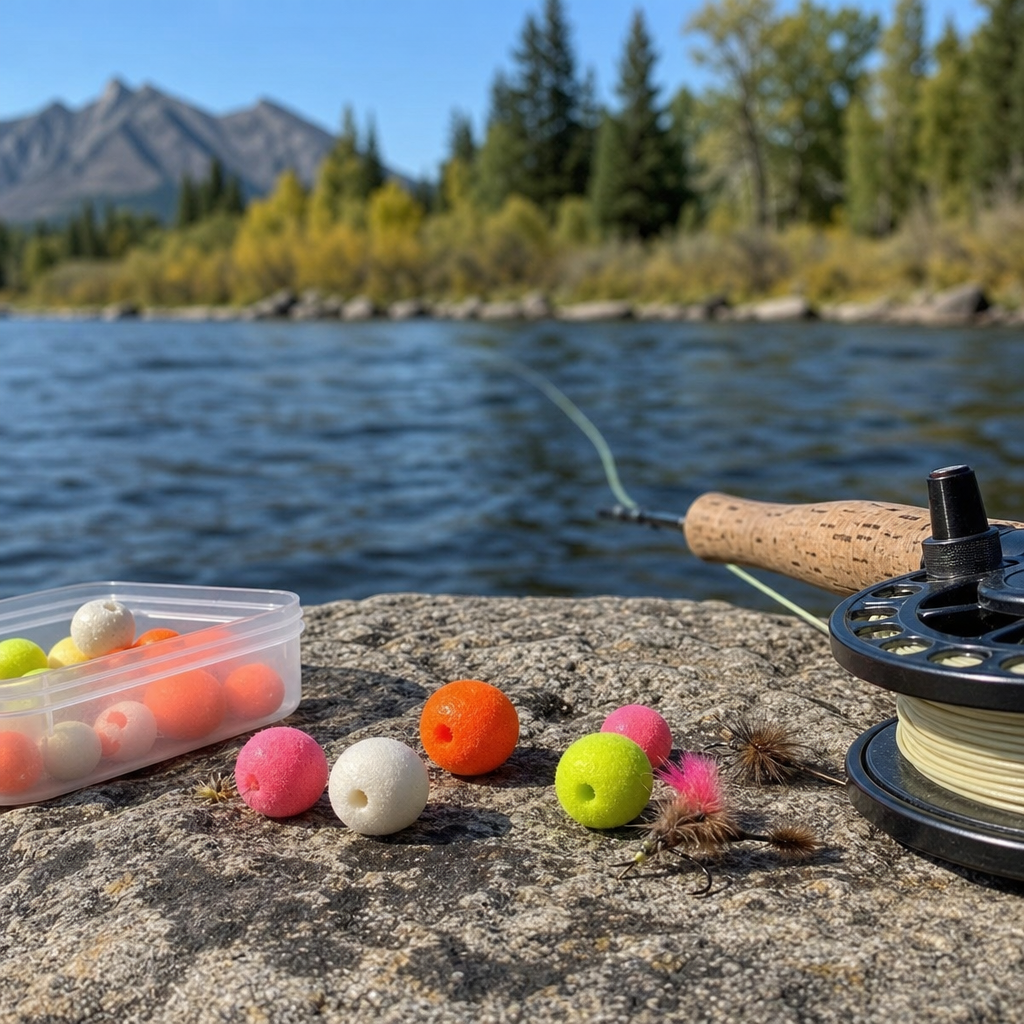
Why does this matter? Because the wrong trip can turn a promising outdoor tradition into a long, expensive lesson in boredom. I have seen families book technical tailwaters with steep banks and fast current, only to spend half the day untangling leaders and managing cold, tired kids. I have also seen the opposite: a thoughtfully chosen ranch pond, float section, or mountain meadow stream where a child catches a first trout on a foam hopper and wants to fish again the next morning. The best family fly fishing trips create those repeatable moments. They balance adventure with accessibility and fishing quality with comfort.
For most families, the strongest destinations share common traits. They offer short travel transfers, reliable beginner water, reputable guides who teach kindly, and flexible trip lengths. They also provide alternatives such as horseback riding, rafting, birding, swimming, or easy hikes. In other words, the best family fly fishing vacations are not only about fish. They are about designing a trip where fishing is the centerpiece but not the only source of enjoyment. That is what makes a destination worth recommending as part of a broader product reviews and recommendations hub.
What Makes a Fly Fishing Destination Truly Family Friendly
A family-friendly fly fishing destination must reduce friction at every stage of the trip. Start with water selection. Small freestone creeks, spring-fed ponds, and gentle float sections are usually better for beginners than large rivers requiring long casts, precise mends, or deep wading. Banks should be stable, currents moderate, and fish plentiful enough to reward basic technique. Stocked trout water can be an excellent teaching environment, especially for younger children, while wild trout streams often suit families with older kids who already enjoy the process, not just the catch.
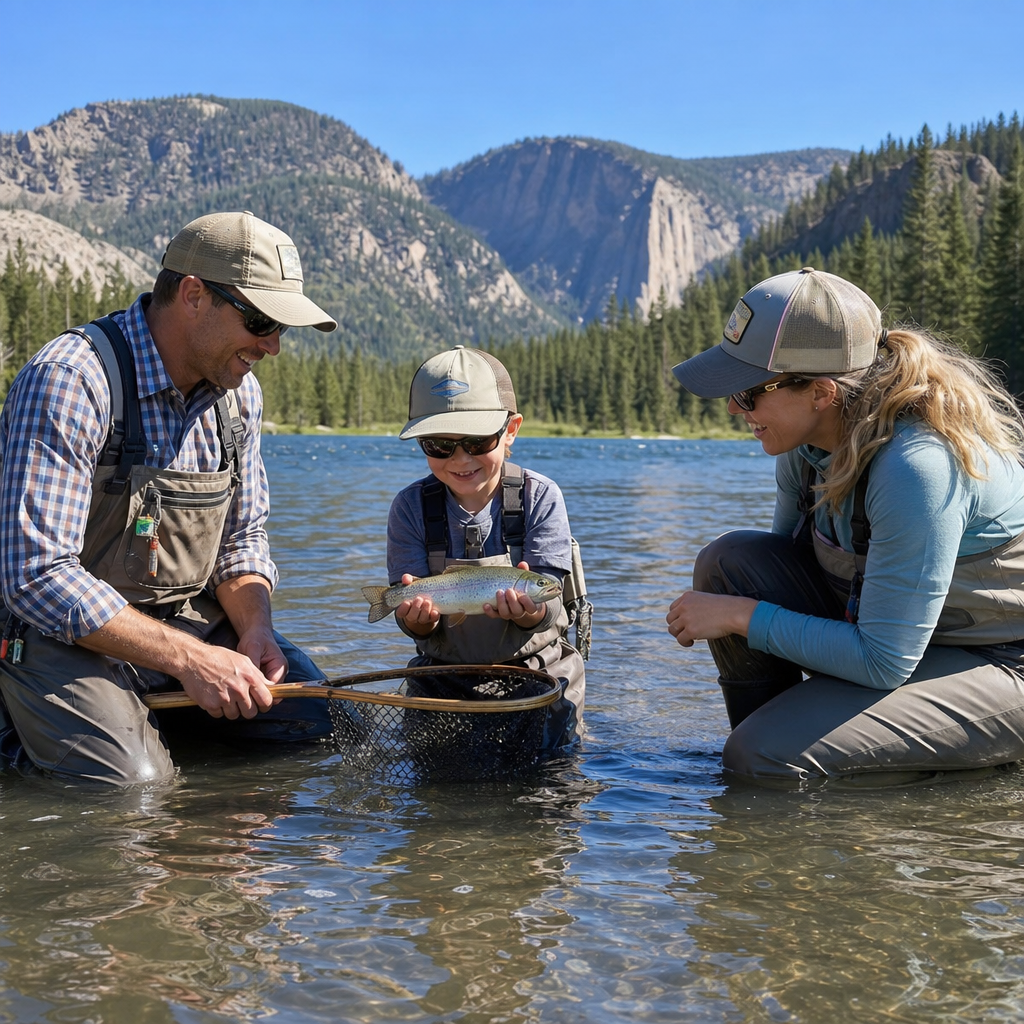
Guide quality is the next decisive factor. The best family fly fishing guides do more than row a boat or know where fish hold. They pace the day well, simplify instruction, celebrate small successes, and adapt quickly when attention fades. Good guides carry snacks, extra layers, spare sunglasses retainers, and fly patterns that catch fish without requiring perfect presentation. They also know when to stop fishing and throw stones, identify mayflies, or let a child row on a calm stretch. That flexibility is a mark of real professionalism, not a compromise.
Comfort matters too. Lodges with family rooms, early dinners, laundry access, and packed lunches make a major difference. So does proximity. A destination two hours from a major airport is usually easier for first-time family travel than one requiring multiple bush flights and a rough boat transfer. Finally, seasonality matters. Summer often offers the most forgiving weather and the widest menu of activities, but shoulder seasons can work well where hatches are consistent and crowds lighter.
| Destination type | Best for | Main advantage | Main caution |
|---|---|---|---|
| Ranch ponds and private lakes | Young beginners | High catch rates and easy casting room | Less of a wilderness feel |
| Small mountain streams | Families who enjoy hiking | Beautiful scenery and simple dry-fly fishing | Short drifts and brush can frustrate novices |
| Guided float rivers | Mixed ages and skill levels | Comfortable access and varied water | Long days can tire small children |
| Destination lodges | Multiday vacations | All-in-one planning with activities included | Higher overall cost |
Top U.S. Fly Fishing Trips for Families
Montana remains one of the best fly fishing destinations for families because it offers variety without extreme complexity. Around Bozeman, Livingston, and Missoula, families can choose float trips on the Yellowstone, Missouri, Bitterroot, or Blackfoot, plus walk-and-wade options on creeks and ranch water. The regional advantage is infrastructure. Bozeman Yellowstone International Airport is convenient, guides are abundant, and lodging ranges from full-service resorts to practical vacation rentals. In midsummer, children often do well on terrestrial patterns such as hoppers and beetles, which are visible, exciting, and forgiving.
Colorado is another strong choice, especially near Steamboat Springs, Glenwood Springs, and the upper Arkansas Valley. These areas combine trout water with hot springs, horseback riding, mountain biking, and scenic drives. For families, the key is choosing the right section. The Colorado River near Glenwood can be excellent from a drift boat, while smaller tributaries may suit short sessions with younger kids. The state’s altitude is the main caution. Plan the first day lightly, hydrate aggressively, and avoid booking the most physically demanding water right after arrival.
Idaho deserves more family attention than it gets. The Henry’s Fork area, Driggs-Victor corridor, and waters near Sun Valley provide a rare mix of famous fisheries and approachable side options. Experienced parents can sample technical dry-fly water while children fish easier stretches, ponds, or warmwater species nearby. I especially like destinations where a family can split the day: a morning lesson on easy water followed by wildlife viewing in Yellowstone or a relaxed evening casting session near lodging. That kind of flexibility keeps everyone engaged.
For the Southeast, western North Carolina and eastern Tennessee offer highly practical family fly fishing vacations. Towns near the Smokies provide stream access, lower travel costs than many Western trips, and a broad range of cabin rentals. Delayed-harvest trout streams can be productive in cooler months, while national park streams provide beautiful, low-pressure settings in summer. The terrain is less intimidating for many families, and nonfishing options are plentiful. It is not the same as a big Western river trip, but for accessibility and value, this region is hard to beat.
Outstanding International Family Fly Fishing Destinations
Canadian lodge country is a classic family answer because it combines fishing with wildlife, paddling, and a strong cabin culture. In British Columbia, Alberta, and parts of Ontario, families can target trout, grayling, pike, or smallmouth depending on the region. The best setups include housekeeping cabins or lodges with meal plans and a mix of guided and self-guided days. Canada’s strengths are space, scenery, and flexible pacing. Its limitations are distance and seasonal unpredictability. Mosquitoes, smoke, and cold fronts can change the experience quickly, so packing discipline matters.
Patagonia in Argentina and Chile is one of the most memorable family fly fishing trips if the budget allows and children travel well. The landscapes are extraordinary, and many estancias and lodges are built for multigenerational guests. Spring creeks, meadow streams, and lake edges can all be suitable for family anglers, especially with patient bilingual guides. The challenge is travel time. Long-haul flights and transfers demand at least a week, preferably longer. For older children and teens who can appreciate the sense of place, Patagonia can become a defining family travel memory.
New Zealand offers clean logistics, high safety standards, and broad outdoor appeal, making it appealing for active families. However, it is not automatically the easiest family fly fishing destination. Many famous trout waters require stealth and accurate sight casting, which can frustrate beginners. The better family approach is to treat New Zealand as a wider adventure trip with selected fishing days on more forgiving lakes, lower rivers, or beginner-oriented guide water. Families who balance fishing with hiking, beaches, and cultural stops tend to enjoy it much more than those who chase only trophy trout.
Matching the Trip to Your Children’s Ages and Skill Levels
Children under eight generally do best on short sessions with frequent action. That points toward ponds, small lakes, or short float sections where a guide can rig simple indicators or dry flies and keep casting distances short. At this age, a sixty-minute burst of fishing may be better than a six-hour trip. Breaks are not failures. They are part of successful family trip design. Snacks, wildlife spotting, and skipping stones often matter as much as landing fish.
Kids from roughly eight to twelve can handle more structure and usually enjoy learning the mechanics of fly casting, knot tying, and insect identification. This is often the sweet spot for family fly fishing vacations because children are old enough to improve quickly yet still thrilled by moderate-size fish. Destinations with visible takes, such as hopper fishing in summer or bluegill topwater on warm evenings, create immediate feedback. Confidence grows fast when the cause and effect of a cast are easy to see.
Teenagers often enjoy more ambitious trips, including drift boats, backcountry day hikes, or destinations with larger fish and a stronger sense of challenge. Many teens also care deeply about autonomy. Giving them some control over fly choice, camera work, or route planning can increase engagement. If your family includes widely different ages, book a destination that allows splitting up. One parent can fish technical water with a teen while the other joins a beginner lesson or a nonfishing activity with younger siblings. That is usually more successful than forcing everyone into one schedule.
How to Budget, Pack, and Plan Without Stress
The simplest way to budget a family fly fishing trip is to separate fixed travel costs from fishing costs. Flights, rental cars, and lodging are predictable. Guide days, licenses, flies, gratuities, and gear rentals are where many families underestimate. A full-day guided float in premier Western markets often runs several hundred dollars before tip, and quality destination lodges can move the total much higher. Value does not always mean cheapest. A lodge that includes meals, instruction, and nearby water may cost less overall than a pieced-together trip with extra driving and restaurant expenses.
Packing should emphasize warmth, sun protection, and backup clothing. Children get wet more often than adults, and wet children stop enjoying the day quickly. Bring layered synthetic clothing, quality rain shells, polarized sunglasses, hats, sunscreen, and more socks than you think you need. If you are flying, rent rods locally unless your children already use familiar setups. Most outfitters provide capable trout gear, and traveling lighter reduces stress. Waders are optional on many family trips; wet wading in suitable summer conditions can be easier and safer.
Planning is where family success is won. Choose one signature fishing experience each day, not three. Build around meal times and energy patterns. Ask outfitters direct questions: Which waters are best for beginners? How long are transfers? Is there cell service? What happens in bad weather? Can one adult and one child fish half day? Reliable operators answer these clearly. If they speak only in superlatives, keep looking. The best family destinations are not merely scenic or famous. They are practical, forgiving, and designed to leave every traveler wanting another trip. Use this hub as your starting point, then compare regional reviews, lodge roundups, and gear recommendations before you book. A well-matched trip turns fly fishing into a family tradition instead of a one-time experiment.
Frequently Asked Questions
What makes a fly fishing trip truly family-friendly?
A truly family-friendly fly fishing trip is about much more than catching fish. The best destinations combine easy-to-access water, patient instruction, flexible daily schedules, and accommodations that reduce stress for parents. Families generally do best on rivers, spring creeks, ponds, or private water sections where casting room is generous, currents are manageable, and kids can learn without being overwhelmed by difficult wading or fast technical fishing. A destination can have incredible trout numbers, but if access requires long hikes, dangerous footing, or full days on the water with little room for breaks, it may not be the right fit for a family trip.
Good family trips also include guides or lodges that know how to teach beginners, especially children. That means shorter instructional sessions, positive reinforcement, simple tackle setups, and a willingness to let the day unfold at a child’s pace. It also helps when lodging is close to the fishing, meals are easy and dependable, and there are alternatives like hiking, horseback riding, boating, wildlife watching, or town activities for family members who are less interested in fishing. In short, the best family fly fishing trips succeed because they are designed around comfort, safety, learning, and shared enjoyment, not just the quality of the angling.
At what age can kids start enjoying a fly fishing trip?
Many children can begin enjoying a fly fishing trip earlier than parents expect, but the key is to match the experience to the child rather than the calendar. Some kids as young as five or six enjoy participating in simple ways, such as helping spot fish, learning basic casting on grass, or fishing small ponds with very short rods and easy presentations. Others may not be ready for a full guided day until they are older. In most cases, ages seven to twelve are excellent years to introduce fly fishing because children are often coordinated enough to learn the basic mechanics while still seeing the trip as an adventure rather than a performance challenge.
The most important factor is keeping expectations realistic. Younger children usually do best with short sessions, frequent snack breaks, and quick wins. A half-day on forgiving water is often far more successful than a long day on a famous river. Parents should look for destinations where kids can alternate between fishing and other activities so the trip does not feel repetitive or physically demanding. It also helps if guides are experienced with children and know how to teach safely, keep things moving, and turn small moments into memorable ones. When the pace fits the child, a family fly fishing trip can be enjoyable for a wide range of ages.
How should families choose the best destination for a fly fishing vacation?
Families should choose a fly fishing destination by looking well beyond reputation and fish counts. The first question should be how easy and safe the water is for the least experienced member of the group. Gentle banks, shallow edges, stable footing, and options for fishing from shore or a boat with support can make an enormous difference. The second question is logistics: how far is the destination from home, how complicated is the travel, and how much downtime will be spent moving gear, driving between access points, or managing meals and schedules? A destination that is slightly less famous but easier to navigate often creates a much better family experience.
It is also smart to evaluate the overall trip structure. Look for places with nearby lodging, beginner-friendly guide services, and enough activity variety that the whole family stays engaged. Resorts and lodges that specialize in family travel often stand out because they understand that not every person wants to fish all day. Nearby swimming, scenic drives, nature programs, rafting, biking, or small-town attractions can make the trip enjoyable even when weather changes or children need a break. Finally, consider seasonality. A destination may be excellent in one month and frustrating in another due to runoff, heat, crowds, or insect conditions. The best family destination is the one that balances fishability, comfort, safety, and flexibility for everyone in the group.
Should families book a guided fly fishing trip or plan it on their own?
For most families, especially those introducing children or beginners to the sport, a guided trip is usually the better choice. A good guide removes a huge amount of friction from the day by handling equipment, rigging, fly selection, local regulations, safety planning, and access logistics. That allows parents to focus on helping kids enjoy the experience instead of constantly troubleshooting. Guides who regularly work with families also know how to read energy levels, adjust techniques, choose productive water that is easy to fish, and keep everyone involved even if attention spans fade. This can be the difference between a stressful outing and a trip that builds long-term enthusiasm for fly fishing.
That said, self-planned family trips can work very well when parents already have some fly fishing experience and choose the destination carefully. They tend to be most successful in places with simple access, uncrowded water, straightforward regulations, and nearby amenities. A smart middle-ground option is to book one or two guided days early in the trip and then fish independently afterward using what the guide has taught. This gives families confidence while preserving flexibility and controlling cost. Whether guided or self-planned, the right approach is the one that keeps the experience organized, safe, and enjoyable for the least experienced person in the family.
What should families pack and prepare before leaving for a fly fishing trip?
Preparation matters more on a family fly fishing trip than on many other outdoor vacations because comfort and convenience directly affect how long everyone stays happy on the water. Start with clothing layers, sun protection, hats, polarized sunglasses, rain gear, comfortable footwear, and weather-appropriate outerwear. If children will be near moving water, properly fitted life jackets are essential whenever conditions call for them, especially on boats, float trips, docks, or rivers with strong current. Families should also bring snacks, refillable water bottles, basic first-aid supplies, sunscreen, insect repellent, and a dry bag or spare clothing for younger kids who are likely to get wet.
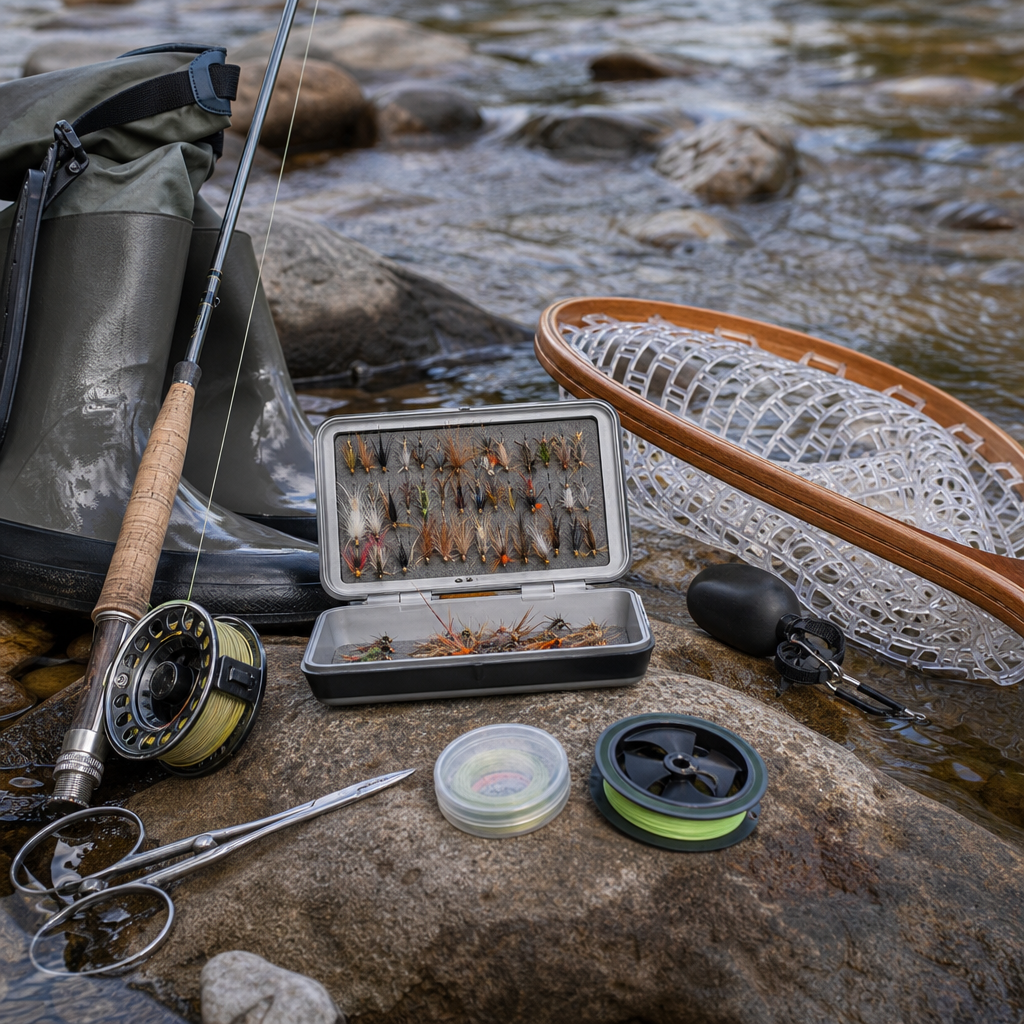
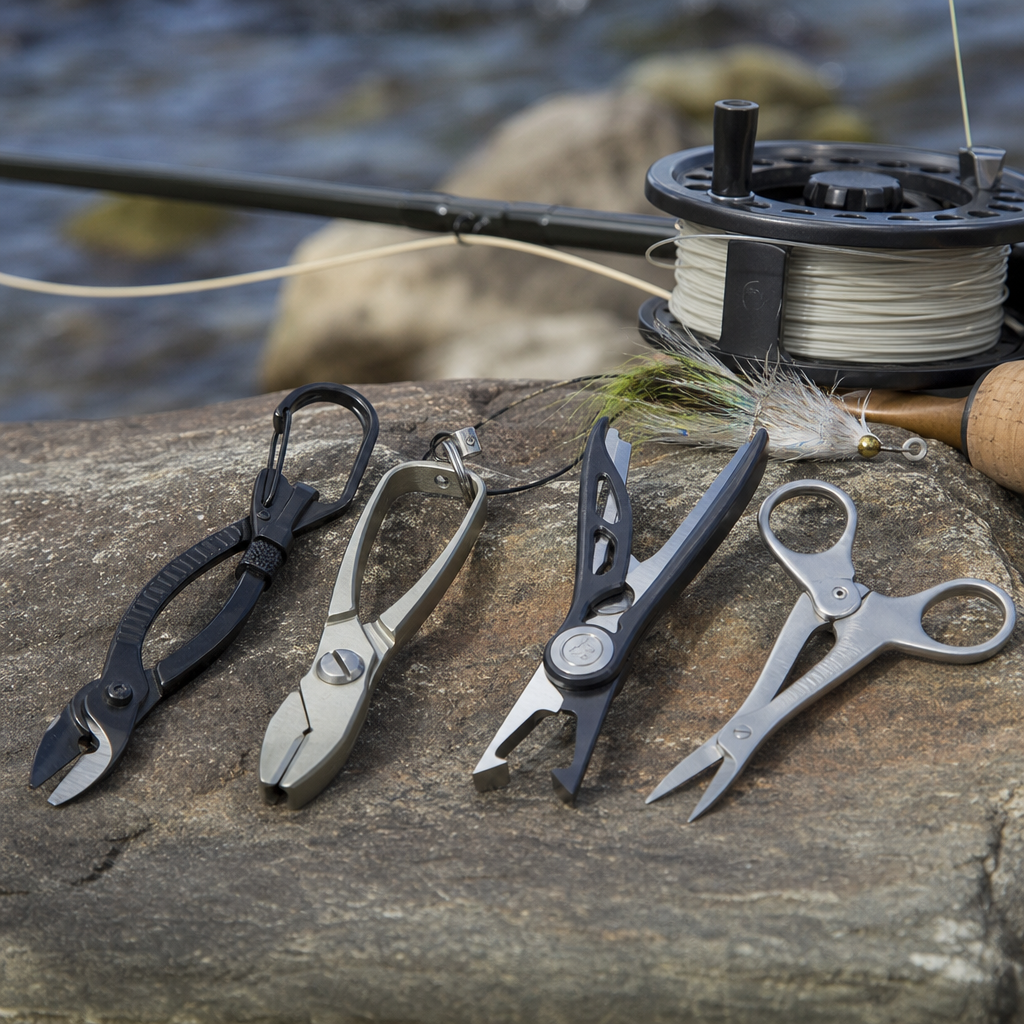
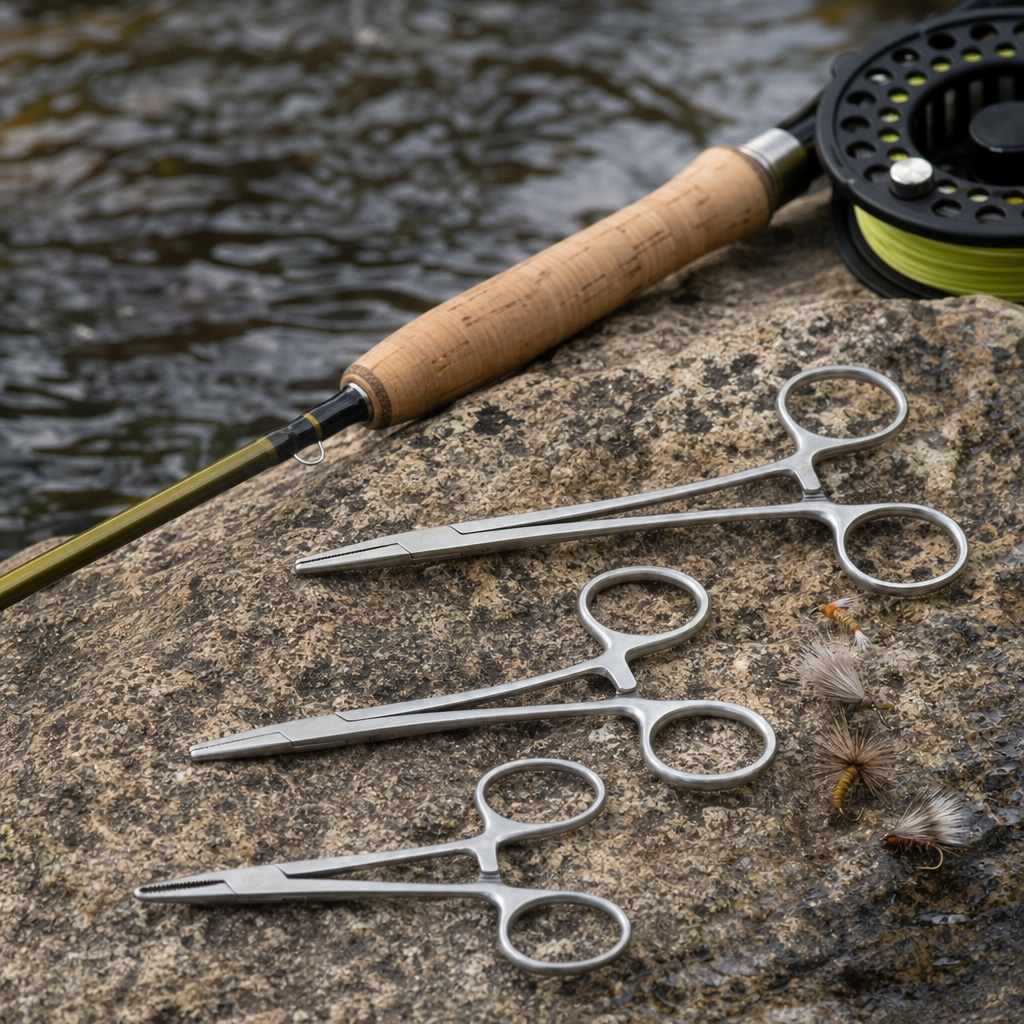
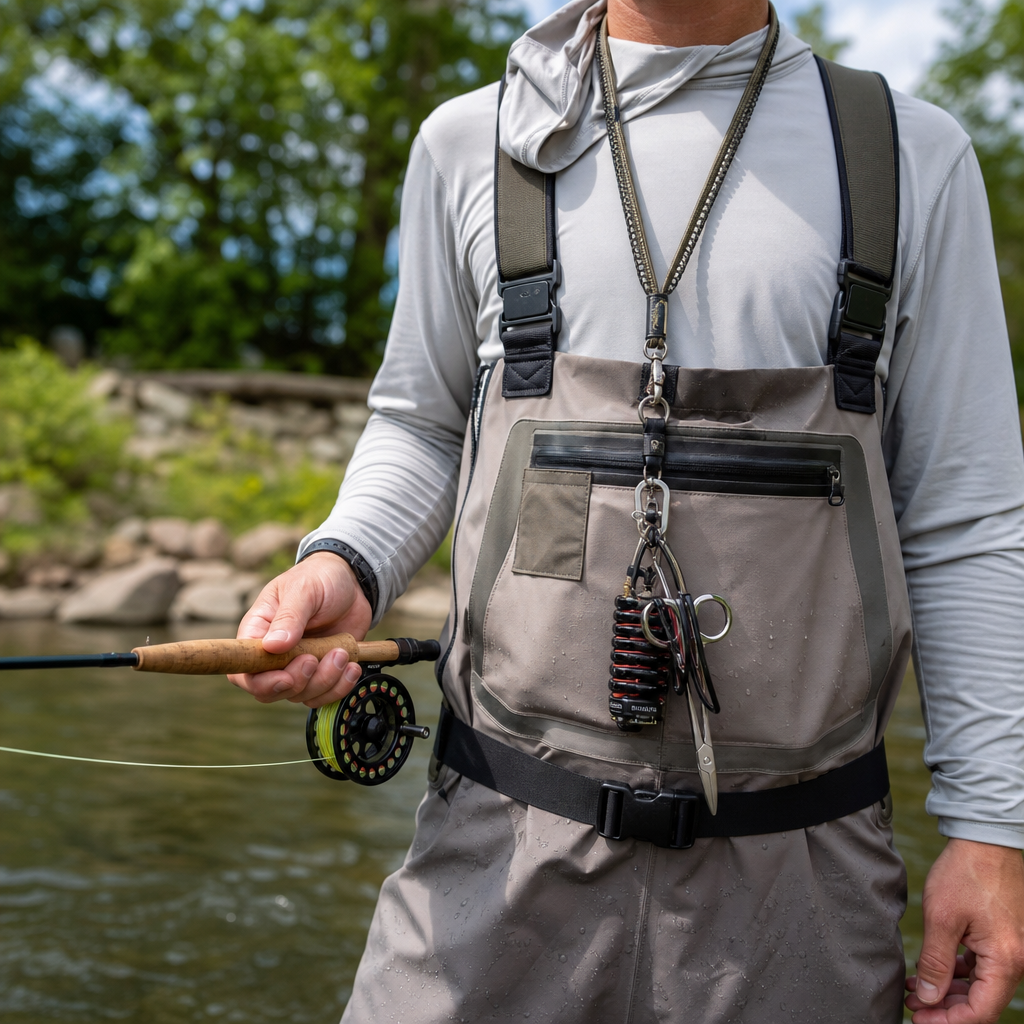
From a fishing standpoint, simplicity is best. Avoid overpacking technical gear if the trip is beginner-focused. Reliable rods, a manageable fly selection, easy leaders, forceps, nippers, and a small net are usually enough, especially if a guide or lodge is helping with setup. It is also wise to confirm fishing licenses, local regulations, wader needs, transportation details, and what gear is provided before arrival. Finally, prepare mentally for a flexible trip rather than a results-driven one. Families who treat the experience as time outdoors together, with fishing as the centerpiece but not the only goal, almost always come away happier. The best-prepared families understand that success includes learning, exploring, and making the trip enjoyable for anglers and nonanglers alike.