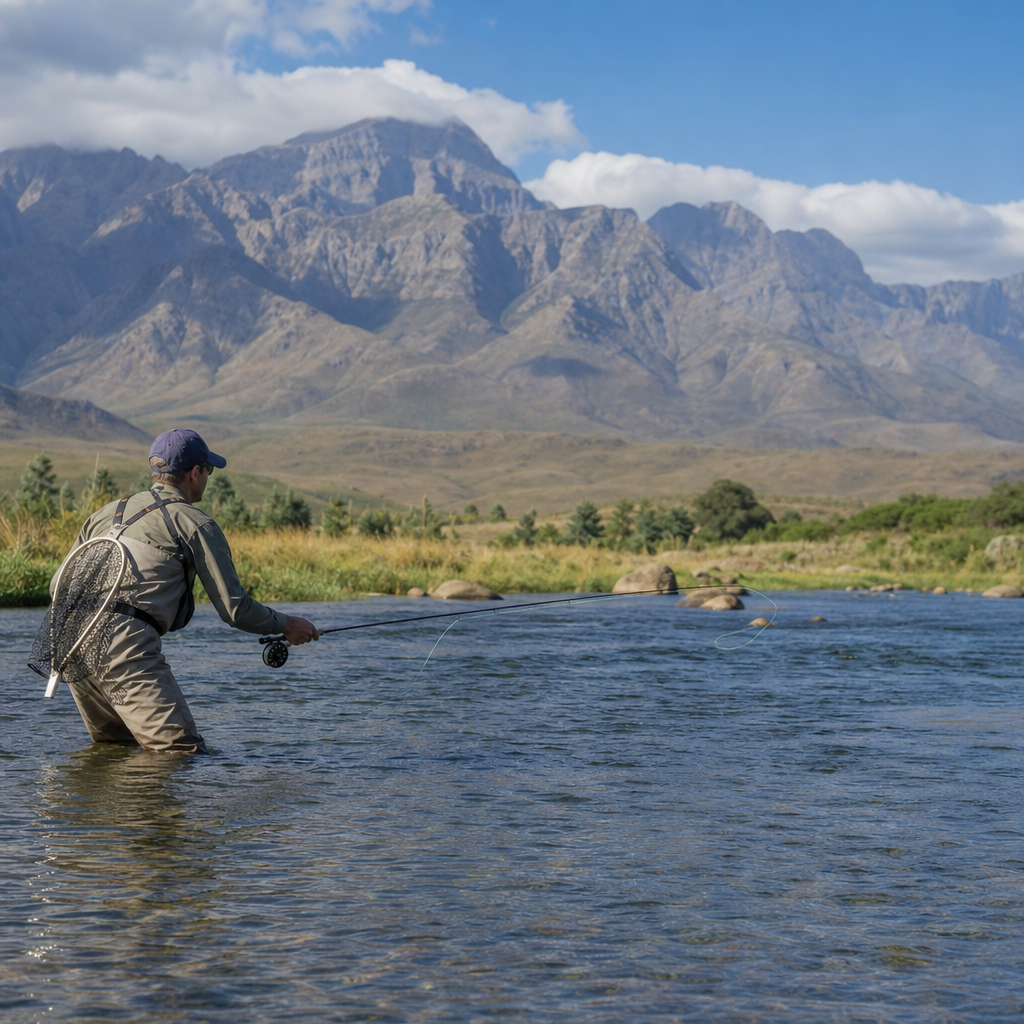
Africa offers some of the most rewarding fly fishing on earth, combining wild landscapes, lightly pressured waters, and extraordinary species diversity in ways few other continents can match. For anglers researching the best fly fishing destinations in Africa, the appeal goes far beyond a trophy photo. It is the chance to sight-cast to tigerfish in tannin-stained channels, drift nymphs for trout beneath volcanic ridgelines, or strip baitfish patterns across tropical flats where giant trevally and bonefish patrol the drop-offs. As a travel and destination review category, African fly fishing deserves a hub page because the continent is not one fishery. It is a collection of highly distinct experiences shaped by hydrology, climate, conservation policy, local guiding standards, and access logistics.
When I evaluate destinations for fly anglers, I look at seven factors: target species, seasonality, water type, guide quality, travel difficulty, conservation ethics, and value for money. Those criteria matter because a destination that is perfect for an advanced saltwater caster may frustrate a beginner who wants reliable action and easy wading. Fly fishing itself refers to presenting an artificial fly with a weighted line rather than using the lure or bait weight for casting. Destination quality, in practical terms, means the fishery consistently gives anglers a fair chance at success while delivering safety, professionalism, and habitat worth protecting.
African fisheries matter globally because many still retain the sense of exploration that has disappeared elsewhere. Several destinations remain relatively uncrowded compared with famous rivers in North America or Europe, yet they support world-class guide operations and conservation-led tourism. Countries such as Kenya, Tanzania, South Africa, Zambia, Botswana, and Seychelles offer everything from mountain streams to floodplains and bluewater edges. For readers exploring travel and destination reviews within a broader product recommendations framework, this guide also helps answer a practical question: where should you spend limited fishing time and budget for the best return in experience, fish quality, and overall trip satisfaction?
What Makes an African Fly Fishing Destination Truly Great
The best African fly fishing destinations are defined by match quality between angler expectations and fishery reality. A great destination is not automatically the place with the biggest fish. It is the place where habitat, species behavior, and trip design work together. For example, Seychelles is exceptional for advanced saltwater anglers because guides can pole vast, healthy flats holding bonefish, permit, triggerfish, milkfish, and giant trevally. The fish are varied, the shots are visual, and the ecosystem is intact. By contrast, South Africa’s stillwaters and streams are better for anglers wanting technical trout fishing with easier access, established lodges, and the option to combine fishing with wine tourism or a family holiday.
Another defining factor is how fisheries are managed. The strongest operations emphasize catch and release, low angler pressure, barbless hooks where appropriate, and local community benefits. In Zambia’s tigerfish waters, for instance, the best camps limit rod numbers and move with seasonal fish concentrations rather than hammering one stretch. In East Africa’s trout zones, private beats and day rotation often protect fish quality. Weather resilience also matters. Rivers that become unfishable after a single storm may still be worth visiting, but they require careful planning and an honest review of risk. Reliable operators discuss backup waters, transport contingencies, and realistic catch expectations before deposit payments are made.
Top Fly Fishing Destinations in Africa at a Glance
| Destination | Primary Species | Best For | Typical Season | Difficulty |
|---|---|---|---|---|
| Seychelles | Bonefish, giant trevally, permit, triggerfish, milkfish | Elite saltwater sight fishing | October to May | High |
| Zambia | Tigerfish, bream, vundu | Predatory freshwater action | August to November | Moderate to high |
| Botswana | Tigerfish, tilapia species | Remote river and delta adventure | Late winter to spring | Moderate |
| South Africa | Trout, yellowfish, estuary species | Versatility and easy logistics | Year-round by region | Low to moderate |
| Kenya and Tanzania | Trout, kingfish, trevally, billfish by extension | Mixed safari and fishing itineraries | Varies by coast and altitude | Moderate |
| Namibia and Mozambique | Kabeljou, kingfish, queenfish, GT | Coastal saltwater exploration | Seasonal by current and wind | Moderate to high |
This comparison highlights a key planning truth: Africa rewards specialization. Anglers who choose a destination for one headline species and then build tackle, casting practice, and trip timing around that target almost always have better outcomes than travelers trying to do everything in one week. The most successful destination reviews therefore focus on fit, not fantasy.
Seychelles: Africa’s Premier Saltwater Fly Fishing Benchmark
If the question is which African destination sets the standard for saltwater fly fishing, the answer is Seychelles. Outer atolls such as Alphonse, Cosmoledo, Astove, and Farquhar have become reference points for technical flats fishing worldwide. These fisheries are famous because they combine healthy coral ecosystems, strong catch-and-release culture, and astonishing species variety. Bonefish numbers remain impressive, but what makes Seychelles special is the legitimate chance of a true mixed-bag grand slam style day: bonefish on a white sand flat, triggerfish tailing on turtle grass, permit cruising edges, and giant trevally hunting bait in channels.
The fish here demand precision. Guides expect anglers to carry at least an 8-weight for bonefish and permit, a 10- or 12-weight for giant trevally, and tropical lines matched to high heat. Fast double hauls, quick line management, and the ability to deliver a fly accurately in wind are not optional. I have seen anglers with excellent freshwater resumes struggle badly because they were not ready for moving targets at sixty feet with sun glare and current. That said, experienced casters often describe Seychelles as the most complete flats destination in the Indian Ocean, and the infrastructure on top operations is polished enough to justify the premium cost.
Zambia and Botswana: The Best Tigerfish Fly Fishing in Africa
For many anglers, African fly fishing means tigerfish, and Zambia is the classic answer. The Zambezi system, including reaches near the Lower Zambezi and connected floodplain environments, produces violent takes, airborne runs, and a style of fishing that feels purpose-built for streamer enthusiasts. Tigerfish are often compared to freshwater barracuda because of their speed and teeth, but that undersells their unpredictability. Productive methods include casting deceivers, clousers, and articulated baitfish patterns to current seams, structure, and bait concentrations. Floating, intermediate, and sink-tip lines all have a place depending on depth and flow.
Botswana adds a different texture, especially in the Okavango-linked systems where seasonal flooding shapes fish location and accessibility. While not every Botswana fishery is easy to time, the combination of tigerfish, birdlife, and safari-grade scenery creates a destination category of its own. These trips work especially well for anglers who value wilderness as much as numbers. The main caution is that tigerfish destinations are tackle-sensitive. Wire bite tippet, strong hooks, abrasion-resistant leaders, and reels with reliable drags are basic requirements. Anglers who undergun themselves lose fish quickly and often waste prime opportunities.
South Africa: The Most Versatile Fly Fishing Destination on the Continent
South Africa stands out because it offers the broadest range of fly fishing experiences with the easiest travel framework. In one country, anglers can fish for trout in the Drakensberg and Eastern Cape highlands, pursue yellowfish in clear rivers such as the Vaal and Orange systems, and explore estuaries or surf zones for saltwater species. For a hub article on travel and destination reviews, South Africa is essential because it serves almost every angler profile: solo travelers, first-time Africa visitors, families, hosted groups, and dedicated species hunters.
The country’s yellowfish fisheries deserve special attention. Yellowfish are often described as Africa’s answer to trout in terms of visual feeding and technical dry-fly or nymph tactics, although they are taxonomically closer to carp relatives. Smallmouth yellowfish in clear flows can be selective and thrilling on light tackle. Guide quality is generally high, roads are better than in many neighboring countries, and rental car travel is realistic. South Africa also has a mature lodge and outfitter ecosystem, making it one of the safest recommendations for anglers who want reliability without sacrificing quality. If you are choosing one country for a first African fly fishing trip, South Africa is usually the most practical starting point.
Kenya, Tanzania, Namibia, and Mozambique: Emerging and Mixed-Format Opportunities
Kenya and Tanzania are best known in the angling imagination for safari and Indian Ocean game fishing, yet both offer worthwhile fly-focused travel when expectations are set correctly. Highland trout streams in Kenya provide a colonial-era legacy fishery with cool temperatures and intimate water, while coastal zones can deliver trevally, queenfish, and other aggressive species on fly. Tanzania adds estuarine and coastal options, especially for travelers combining wildlife circuits with a few focused fishing days. These destinations excel when fishing is part of a broader itinerary rather than the sole purpose of travel.
Namibia and Mozambique are more specialized. Namibia’s Skeleton Coast and estuary systems appeal to adventurous surf and shore-based fly anglers chasing species such as kabeljou and aggressive bait-oriented predators under harsh wind and current conditions. Mozambique, particularly in the Bazaruto region and selected northern areas, offers serious saltwater potential with giant trevally, queenfish, milkfish, and reef-associated species. The challenge in both countries is variability: weather, tides, and access windows can swing results dramatically. The reward is lower crowding and a stronger sense of discovery than more established destinations. For seasoned travelers, that tradeoff is often worth it.
How to Choose the Right Destination, Season, and Gear
The right choice starts with species, not scenery. If you want visual flats shots and accept technical casting demands, book Seychelles. If you want explosive predator fishing in freshwater, choose Zambia or Botswana. If you need logistical ease and varied backup options, choose South Africa. Then align the trip with season. In tropical systems, water level changes, wind direction, and heat are often more important than calendar labels alone. Ask outfitters for recent week-by-week patterns, not generic “best months.” A reputable operator will tell you when the shoulder season can outperform the peak, and when a cheap date is cheap for a reason.
Gear planning should match destination realities. Tropical saltwater trips require corrosion-resistant reels, tropical fly lines, quality polarized glasses, and hooks that will not open under pressure. Tigerfish trips demand wire, spare flies, and stripping discipline around boatside eats. Trout and yellowfish destinations reward a more classic setup, but wading boots, layers, and leader formulas still matter. Before booking, request a tackle list, average casting-distance expectation, and species priority ranking. Then compare that information with your current skill level honestly. The best fly fishing destination in Africa is the one that fits your goals, budget, and preparation. Start by narrowing your target species, shortlist two countries, and speak with experienced local outfitters before you commit.
Frequently Asked Questions
What are the best fly fishing destinations in Africa for different species and experiences?
Africa stands out because it offers several completely different fly fishing worlds on one continent. If your goal is explosive freshwater action, the Zambezi system in Zambia and Zimbabwe is one of the best-known destinations for tigerfish. These fish are fast, aggressive, and famous for attacking streamers with real violence, which makes them a bucket-list species for many traveling anglers. For trout, East African highlands such as Kenya, Tanzania, and parts of Uganda provide cool rivers and lakes set against dramatic mountain scenery, where brown and rainbow trout can be targeted in environments that feel very different from the classic fisheries of Europe or North America. If saltwater is your focus, the Indian Ocean coast and island fisheries, including Seychelles, Madagascar, and parts of Mozambique, are globally respected for flats fishing. Here, anglers may target bonefish, permit, triggerfish, giant trevally, and a range of reef-associated predators.
South Africa adds even more variety, with stillwaters, rivers, estuaries, and saltwater opportunities that make it one of the most versatile fly fishing countries on the continent. Namibia and Botswana also appeal to anglers looking for remote wilderness experiences, especially where river systems overlap with safari landscapes and lightly pressured fish. In practical terms, the best destination depends on what kind of trip you want. If you want a high-adrenaline predator trip, tigerfish waters should be at the top of your list. If you want technical dry-fly or nymph fishing, African trout fisheries make more sense. If you want world-class tropical flats and true saltwater diversity, the western Indian Ocean is hard to beat. That range is exactly why Africa is such a compelling fly fishing destination: few places let you choose between trout streams, giant freshwater predators, and elite saltwater flats within the same broader region.
When is the best time to go fly fishing in Africa?
The best time to fly fish in Africa depends heavily on the region, the species, and local weather patterns, because conditions can change dramatically between countries and even between neighboring watersheds. In many tigerfish destinations, the prime season is often linked to dropping or stable water levels after seasonal rains, when water clarity improves and fish become more aggressive and easier to target with flies. In some systems, the hottest pre-rain periods can also produce excellent action, but timing matters because high, dirty water can make fishing far more difficult. For trout fisheries in East and Southern Africa, cooler months or shoulder seasons often fish best, especially when water temperatures remain favorable and insect activity is reliable. At the same time, some rivers fish well year-round depending on elevation and flow stability.
Saltwater flats destinations such as Seychelles, Madagascar, and Mozambique are also seasonal, with factors like wind, tides, water temperature, and storm patterns influencing the experience. In these fisheries, anglers usually look for periods with calmer seas, manageable heat, and good visibility for sight-fishing. Bonefish may be available across a broad calendar window, while species like giant trevally or triggerfish can be more sensitive to specific local conditions. Because Africa covers such a large geographic range, there is no single “best month” for the entire continent. The most reliable approach is to choose your target species first, then match it to the destination’s proven peak season. It is also wise to ask lodges and outfitters about recent rainfall, access conditions, and river or flats visibility before booking, since local environmental shifts can affect fishing more than the calendar alone.
What gear should I bring for a fly fishing trip in Africa?
Your gear should be tailored to the species and environment, because a trout setup for highland streams is completely different from what you need for tigerfish or tropical saltwater predators. For trout, many anglers do well with a 4- to 6-weight rod, floating lines, and a standard selection of nymphs, dry flies, and small streamers. In contrast, tigerfish demand heavier tackle and more durable terminal gear. A 7- to 9-weight rod is common depending on the size of the water and fish, paired with a strong reel, a quality drag, aggressive sinking or intermediate lines, and wire bite protection because tigerfish have formidable teeth. Streamers should be tied on strong hooks and built to withstand repeated attacks. For saltwater flats, an 8-weight is often a versatile starting point for bonefish and smaller inshore species, while 10- to 12-weight outfits are typically more appropriate for giant trevally and other powerful predators.
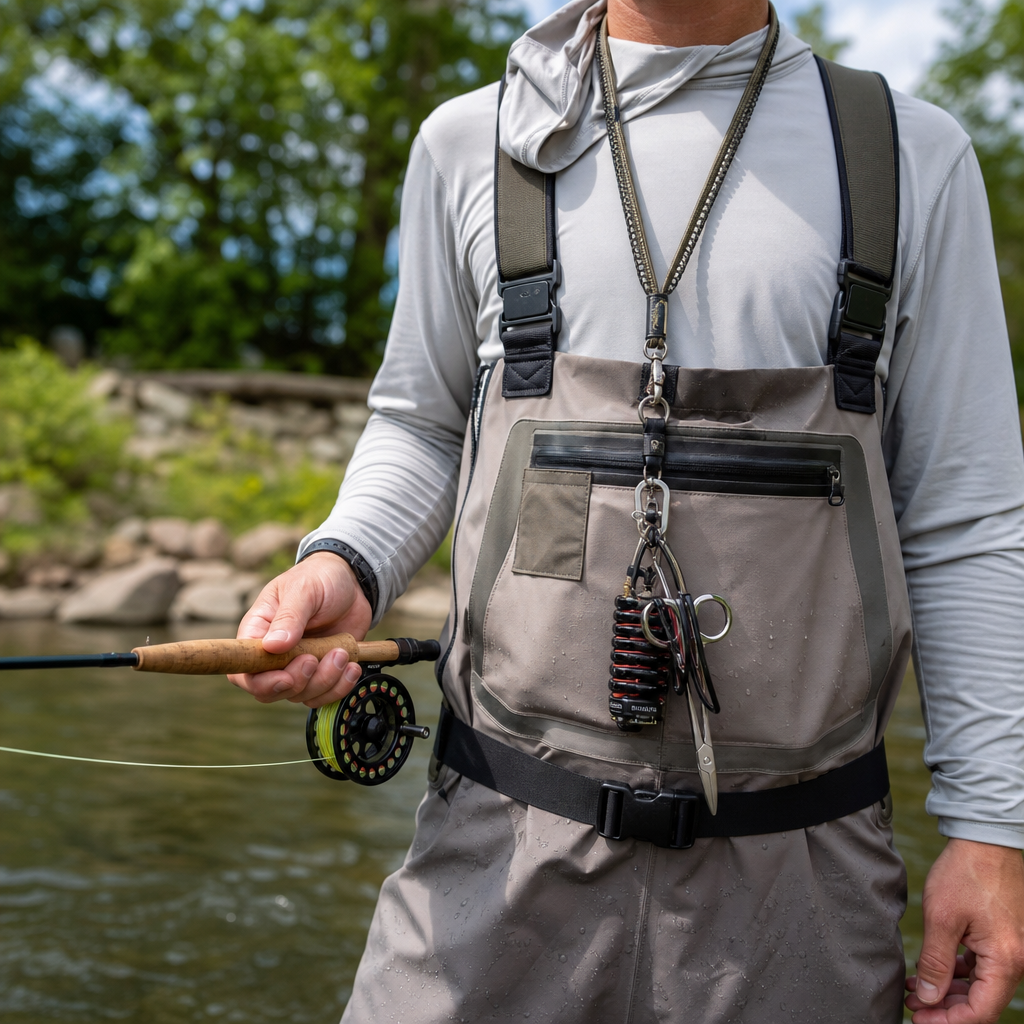
Beyond rods and reels, Africa rewards preparation. Sun protection is essential: lightweight long-sleeve clothing, good polarized sunglasses, a quality hat, and high-SPF sunscreen are not optional in equatorial or tropical settings. Wading boots suitable for coral, rock, or muddy banks may be necessary depending on the destination. For remote areas, bring extra fly lines, leaders, tippet, flies, pliers, hook files, and any specialty items that could be hard to replace locally. A waterproof bag, stripping guards, flats boots, and quick-dry layers are especially useful on saltwater trips. If you are fishing in safari regions or isolated camps, travel logistics also matter, so compact packing and durable gear storage become important. The best strategy is to get a detailed packing list from your outfitter, then supplement it with backups for any mission-critical tackle, because remote African fisheries often reward self-sufficiency.
Is fly fishing in Africa suitable for beginners, or is it mainly for experienced anglers?
Fly fishing in Africa can absolutely work for beginners, but the right destination makes all the difference. Some African fisheries are highly technical and physically demanding, particularly saltwater flats where long, accurate casts in the wind are often required, or tigerfish rivers where fast retrieves, boat positioning, and quick reactions play a major role. Those trips can still be enjoyable for less experienced anglers, especially with a good guide, but they may involve a steeper learning curve. On the other hand, there are many destinations and lodges that welcome first-time fly fishers and provide an ideal introduction through more forgiving trout waters, stocked stillwaters, calmer river stretches, or mixed-species programs where the emphasis is on learning and enjoying the broader wilderness experience.
Good guides are the key factor. In many of Africa’s top fly fishing lodges, guides are accustomed to coaching anglers through casting, line management, hook-setting, fish fighting, and fish handling. They can adapt the day to your skill level, whether that means focusing on simpler presentations, choosing easier water, or helping you build confidence before moving on to more demanding targets. Beginners should be realistic about expectations, especially if targeting species like giant trevally, permit, or large tigerfish, because those fish often reward preparation and repetition. But that does not mean the trip is out of reach. It simply means choosing a destination where the experience matches your abilities and goals. If you are new to the sport, tell your outfitter upfront, ask about casting distances typically needed, and consider a pre-trip casting lesson. Done properly, an African fly fishing trip can be not only suitable for beginners, but unforgettable as a first serious adventure in the sport.
What should I know about planning, safety, and conservation before booking a fly fishing trip in Africa?
Planning an African fly fishing trip involves more than picking a river or flat and showing up with tackle. Travel logistics can be complex, especially when flights connect through major international hubs before continuing on regional airlines, bush planes, or long overland transfers. It is smart to confirm baggage limits carefully, since smaller aircraft often have strict weight allowances that affect rod tubes, reels, and wading gear. You should also review passport validity requirements, visas, vaccination recommendations, travel insurance, and any destination-specific health guidance well in advance. In remote fishing camps, communication may be limited, so understanding how transfers, emergency procedures, and daily schedules work is important before departure.
Safety is another practical consideration. Many African fisheries exist in genuinely wild settings, which is part of their appeal, but it also means anglers may share landscapes with hippos, crocodiles, buffalo, or other potentially dangerous wildlife. Reputable outfitters manage these risks with trained guides, established camp protocols, and careful boat or wading procedures, and those instructions should be taken seriously at all times. Weather exposure, dehydration, sharp coral, and tropical sun can be just as important as wildlife hazards, so personal preparedness matters. On the conservation side, many of Africa’s best fly fishing destinations remain productive precisely because they are lightly pressured and increasingly managed with catch-and-release ethics, habitat protection, and local community involvement. Supporting operations that employ local guides, protect access, respect indigenous and community rights, and follow responsible fish handling practices helps preserve these fisheries for the future. In short, the best African fly fishing trips are not just about catching fish; they are about entering fragile, extraordinary ecosystems with good planning, the right expectations, and a conservation-minded approach.