Winter fly fishing rewards anglers who understand how cold water reshapes fish behavior, insect activity, access, and gear choices. The best winter fly fishing destinations are not simply warm places on a map. They are fisheries where water temperatures stay stable enough for trout, steelhead, or other game fish to feed predictably, where flows remain fishable, and where local regulations, hatches, and wading conditions make a trip worthwhile. I have planned winter angling travel around all three factors for years, and the same pattern holds: a great destination combines reliable conditions with enough local infrastructure to help visiting anglers succeed.
For travelers researching winter fly fishing destinations, the stakes are higher than in peak summer. Cold weather shortens feeding windows, storms close roads, and a river that looks ideal online can become unfishable after one release schedule change or freeze event. That is why a travel and destination review hub matters. Instead of treating winter as an off-season, smart anglers use it to target tailwaters, spring creeks, mild-climate freestones, and anadromous fisheries that often fish better under low angling pressure. This guide maps the major categories, explains what makes each destination productive, and points to the kinds of follow-up trip reviews and local breakdowns worth reading next.
In practical terms, winter fly fishing means targeting water where fish conserve energy but still feed. Tailwaters are rivers released from dams, often maintaining steady temperatures in the high 30s to low 50s. Spring creeks are groundwater-fed systems with even narrower temperature swings. Mild coastal and southern fisheries avoid hard freezes. Steelhead rivers remain viable because migratory fish enter freshwater during late fall and winter. Understanding those distinctions helps you judge destination quality far better than a generic list of scenic rivers.
The travel side matters just as much. A destination review should answer direct questions: What species are available in winter? How often do conditions blow out? Is guided access necessary? Are drift boats, two-handed rods, or studded boots recommended? Can beginners succeed, or is the fishery technical? The best winter fly fishing destinations stand out because they offer clear answers, manageable logistics, and realistic opportunities during a season when many anglers stay home. That combination creates memorable trips and makes winter one of the most strategically rewarding times to fish.
What makes a winter fly fishing destination truly great
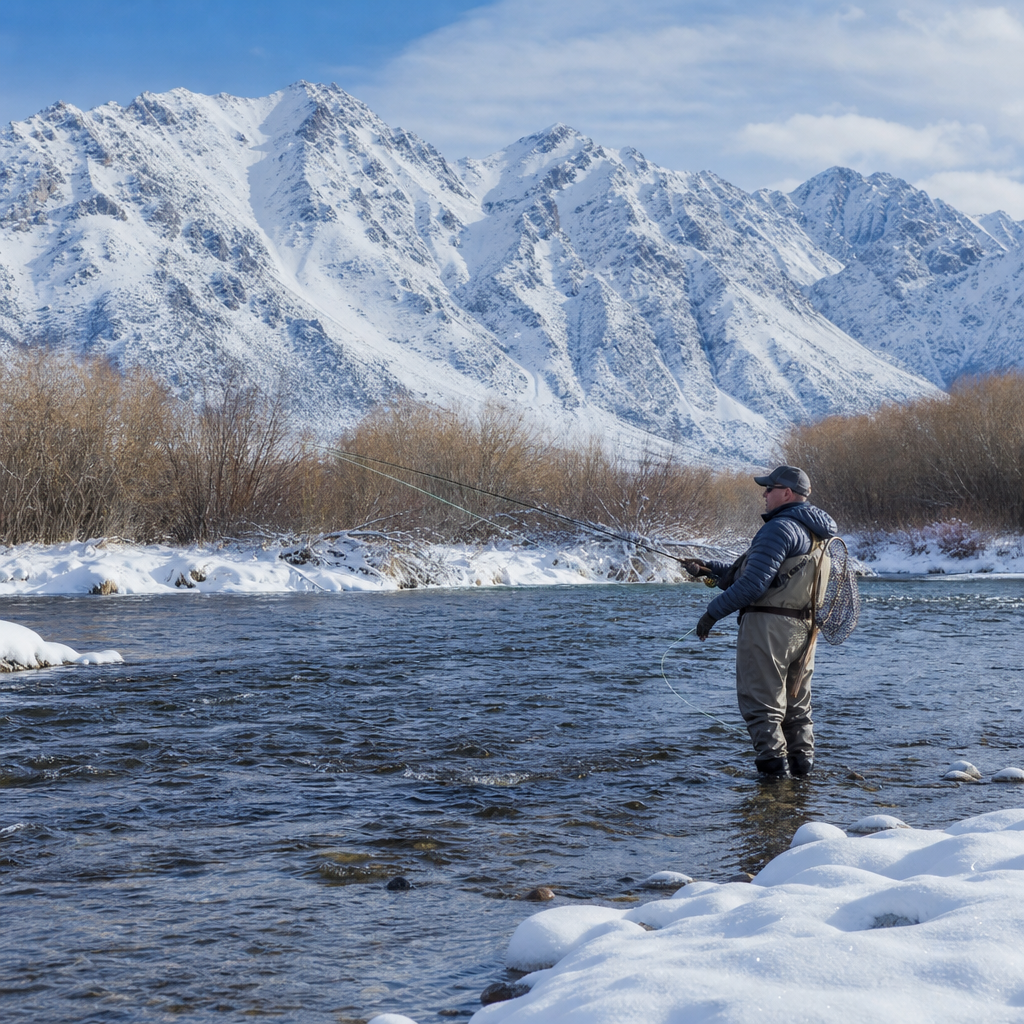
The first filter is temperature stability. Trout metabolism slows dramatically in very cold water, and fishing can become inconsistent when temperatures hover near freezing all day. Rivers with dam influence, spring inputs, or maritime weather patterns maintain more dependable feeding windows. On many winter days, I look for afternoon water temperatures above 40 degrees as a practical benchmark. That is not a law of nature, but it is a strong signal that nymphing, midge fishing, or streamer presentations can produce steady action.
The second filter is flow reliability. Productive winter destinations usually avoid one of two extremes: severe drought that leaves fish overly concentrated and spooky, or repeated storm surges that make rivers dangerous and off-color. Tailwaters such as the South Platte near Deckers, the White River in Arkansas, or the Bighorn in Montana are perennial winter favorites because release schedules often create predictable fishable windows. By contrast, some famous freestones can be brilliant in a mild spell and impossible a week later. A useful destination review always discusses this variability upfront.
Food availability is the third factor. Midges dominate many winter trout rivers, while blue-winged olives, scuds, sow bugs, eggs, and small baitfish patterns matter in specific systems. On steelhead rivers, the destination is less about hatches and more about timing runs, water clarity, and access. This is why winter destination recommendations should never sound interchangeable. A Missouri tailwater midge fishery, a New Zealand-style spring creek, and a Pacific Northwest steelhead river demand completely different travel expectations and tackle systems.
Best winter fly fishing destination categories and who they suit
The easiest way to choose a winter trip is to match destination type with your fishing style. Tailwaters are best for anglers who value consistency, technical nymphing, and year-round trout populations. Spring creeks suit experienced anglers comfortable with fine tippets, sight fishing, and selective fish. Southern mountain streams appeal to travelers who want beautiful scenery, walk-and-wade access, and the chance for both trout and mild-weather dry-fly moments. Coastal and anadromous fisheries fit anglers who can tolerate lower catch rates in exchange for large, migratory fish.
| Destination type | Why it works in winter | Best for | Representative fisheries |
|---|---|---|---|
| Tailwater trout rivers | Stable temperatures and dependable flows | Most skill levels | White River, Bighorn, South Platte |
| Spring creeks | Groundwater moderates cold snaps | Technical anglers | Silver Creek, Paradise Valley spring creeks |
| Southern trout waters | Milder weather extends feeding windows | Travelers avoiding harsh winter | Watauga, South Holston, Chattahoochee |
| Steelhead rivers | Winter run timing creates seasonal opportunity | Advanced anglers seeking trophy fish | Olympic Peninsula, Great Lakes tributaries |
If you are building out a broader travel and destination review library, those categories become the natural hub structure. Readers can branch from this page into local access guides, hatch calendars, wading safety articles, and destination-specific gear recommendations. That internal organization helps anglers compare fisheries based on conditions rather than tourism marketing.
Top winter tailwater destinations in the United States
Among U.S. winter fly fishing destinations, tailwaters are the most dependable recommendation. The White River system in Arkansas is a standout because Bull Shoals Dam keeps water cold enough for trout while the regional climate stays far milder than the Rockies. Anglers regularly find strong midge, scud, sow bug, and streamer fishing, with brown trout and large rainbows available. The tradeoff is generation. When release levels rise, wading options shrink and boat-based fishing becomes the practical approach. Any destination review of the White must emphasize checking the Southwestern Power Administration schedule before planning daily outings.
Montana’s Bighorn River is another classic winter fishery. It offers dense trout populations, prolific midge hatches, and enough productivity to keep fish feeding through cold months. I like the Bighorn for anglers who appreciate technical subsurface fishing without needing huge daily mileage. The river’s bug life is rich, fish numbers are high, and local guides in Fort Smith are deeply tuned into subtle winter changes. Wind can be the biggest challenge, not just temperature.
Colorado’s South Platte, especially the Cheesman Canyon and Deckers stretch, rewards precise presentations all winter. It is not the easiest destination for beginners because fish see pressure and water clarity exposes mistakes. But for anglers who want to refine small-fly nymphing, this river is one of the best classrooms in the country. Midges, mysis patterns below Spinney, and tiny baetis imitations all matter. On a sunny winter afternoon, it can fish far better than many assume from the snow on the banks.
Best winter spring creeks and technical trout waters
Spring creeks deserve a separate category because their consistency is biological as much as hydraulic. Groundwater enters at stable temperatures, aquatic vegetation supports invertebrate life, and trout often feed in shallow, visible lies even in midwinter. That makes for captivating fishing and brutally honest presentation tests. Idaho’s Silver Creek is the textbook example. It can produce exceptional midge and blue-winged olive action when conditions align, but selective trout and flat water expose drag instantly. A destination review for Silver Creek should tell readers that success often depends on long leaders, controlled slack, and patient observation rather than aggressive coverage.
The spring creeks of Paradise Valley in Montana offer similar lessons. Armstrong’s, DePuy’s, and Nelson’s can fish beautifully in winter because water temperatures remain relatively stable and insect life persists. These fisheries are less about numbers than quality opportunities. You may cast less, watch more, and need to adapt between nymphs and tiny dries within the same afternoon. For many experienced trout anglers, that challenge is exactly the appeal.
Technical tailwaters can overlap with spring creek-style demands. The San Juan River in New Mexico is a prime example. Although famous year-round, it excels in winter thanks to stable releases below Navajo Dam and abundant midge life. Fish density is high, but crowding near easy access points can be real even in cold months. The lesson for travelers is simple: a great winter destination can still require strategic timing, off-peak weekdays, and a willingness to explore secondary water.
Warm-weather and mild-climate winter fly fishing escapes
Not every winter trip needs snow chains and thermal gloves. Some of the best fly fishing destinations for winter are chosen specifically because anglers want productive fishing without severe cold. Tennessee’s South Holston and Watauga rivers are prime examples. These tailwaters offer quality trout fishing, frequent midge and blue-winged olive activity, and a climate that is generally more forgiving than western mountain states. Sulfur hatches on the South Holston are famous in warmer months, but winter still delivers technical subsurface fishing and occasional dry-fly windows.
Georgia’s Chattahoochee below Buford Dam is often overlooked nationally, yet it provides accessible winter trout fishing near a major airport. That matters for destination planning. Travelers with limited vacation time can land in Atlanta, fish with a guide, and avoid long remote transfers. The river’s generation schedule affects safety and access, so local knowledge is essential, but convenience is a legitimate strength in a destination review.
For saltwater-minded fly anglers, winter can also mean redfish in Louisiana marshes or South Carolina flood tides, though that expands beyond traditional coldwater trout travel. These destinations belong in a broad travel and destination review hub because many anglers searching winter fly fishing trips are really asking a more practical question: where can I cast a fly rod successfully in winter? Mild-climate fisheries answer that need directly.
Steelhead and migratory fisheries worth the winter effort
Winter steelheading deserves honest framing. These are rarely high-numbers trips, but they remain among the most compelling winter fly fishing experiences available. Washington’s Olympic Peninsula rivers, including the Hoh, Sol Duc, and Bogachiel systems, attract anglers seeking wild winter steelhead in rain-fed coastal water. When conditions are right, swinging intruders or traditional patterns through green walking-speed runs is unforgettable. When storms stack up, rivers can blow out overnight. Destination reviews here must stress weather flexibility, guide value, and conservation-minded handling of wild fish.
Great Lakes tributaries offer a different model. New York’s Salmon River, Ohio steelhead streams, and Michigan systems can produce winter chrome with indicator rigs, eggs, nymphs, and streamers. Access is generally easier than on remote coastal rivers, and trips can be built around short windows. Ice, shelf banks, and crowds near famous runs are the main variables. For anglers comfortable with cold fingers and shifting slush conditions, these fisheries can be remarkably productive.
The key distinction is expectation. Trout destinations often promise steady contact if techniques are sound. Steelhead destinations promise possibility. A trustworthy winter destination guide should state that plainly, because the right traveler loves that uncertainty and the wrong traveler leaves disappointed.
How to evaluate destination reviews before you book
The best travel research combines official data, local reporting, and firsthand seasonal context. Start with streamflow gauges from the U.S. Geological Survey, release schedules from dam operators, and weather models from NOAA. Then compare that information with fly shop reports, guide blogs, and state agency stocking or regulation pages. I never book a winter trip based on one glowing report because conditions can shift in forty-eight hours. Reliable destination reviews explain patterns across years, not just yesterday’s hot bite.
Look for specifics that reveal credibility: typical afternoon water temperatures, dominant winter food sources, access limitations during generation, and whether fish are resident or migratory. Good reviews mention tradeoffs such as wind on the Bighorn, technical pressure on the South Platte, or crowding on the San Juan. They also explain who should hire a guide. In winter, a guide often shortens the learning curve dramatically, especially on drift-boat fisheries or rivers with dangerous release changes.
As you build your shortlist, focus on fit rather than prestige. The best winter fly fishing destination is the one matching your goals, budget, and tolerance for weather risk. Use this hub as the starting point, then move into detailed local reviews, hatch guides, and seasonal gear recommendations before you commit. That extra planning consistently turns winter trips from hopeful experiments into productive, repeatable adventures.
Winter opens fly fishing opportunities that many anglers overlook, and that is exactly why destination choice matters so much. Stable tailwaters, groundwater-fed creeks, mild-climate trout rivers, and seasonal steelhead runs all offer legitimate reasons to travel during the coldest months. The common thread is not scenery or reputation alone. It is dependable winter function: fishable water, active food sources, manageable access, and a realistic match between angler expectations and fishery character.
For a travel and destination review hub, the goal is clarity. Tailwaters like the White, Bighorn, South Platte, and San Juan provide consistency and technical trout fishing. Spring creeks such as Silver Creek and the Paradise Valley waters reward careful presentation and observation. Southern fisheries like the South Holston, Watauga, and Chattahoochee deliver productive escapes from harsher weather. Steelhead rivers on the Olympic Peninsula and across the Great Lakes offer lower-probability, high-reward winter adventure.
If you remember one principle, make it this: the best winter fly fishing destinations are defined by stable conditions more than famous names. Start with water temperature, flow reliability, and seasonal food sources, then weigh travel logistics, guide access, and skill fit. Use that framework to explore the rest of this travel and destination review section, compare local articles, and choose the winter fishery that gives you the strongest chance to fish well, safely, and confidently.
Frequently Asked Questions
What makes a destination truly good for winter fly fishing?
A great winter fly fishing destination is defined less by air temperature and more by consistency. The best places hold stable water temperatures, manageable flows, and fish that continue feeding on a predictable schedule even during the coldest months. Tailwaters are a classic example because dam releases often moderate water temperature and reduce the dramatic swings that can slow fish metabolism. Spring creeks and some larger freestone rivers with mild winter climates can also stay productive when conditions line up.
Beyond water temperature, productive winter destinations usually offer reliable access, safe wading, and clear seasonal patterns. That means you can reasonably expect fish to occupy slower seams, deeper runs, tailouts, or soft edges rather than being scattered randomly. In many strong winter fisheries, midday warming creates the best feeding window, and local insect activity—especially midges and winter baetis—gives anglers a focused game plan. A worthwhile destination also has practical advantages: roads that remain open, public access that does not disappear under snow or ice, and regulations that still allow the kind of fishing you plan to do.
In short, the best winter fly fishing trips happen where fish remain catchable, not just where the weather feels tolerable. A destination earns its reputation by offering stable conditions, predictable fish behavior, and enough seasonal opportunity to make thoughtful planning pay off.
Are warm-weather locations always better for winter fly fishing trips?
No. Warm-weather destinations can be excellent, but they are not automatically better. A mild climate may make travel and wading more comfortable, yet comfort alone does not guarantee strong fishing. Some warmer rivers still suffer from unstable flows, off-color water, inconsistent insect activity, or fish that spread out in ways that make them harder to target. On the other hand, a colder destination with a healthy tailwater, steady discharge, and well-known winter holding water can fish exceptionally well despite freezing mornings.
This is why experienced anglers evaluate winter destinations through a fisheries lens first. They ask whether the river maintains fishable flows, whether trout or steelhead continue feeding predictably, whether there are dependable midday hatches, and whether access remains realistic in winter conditions. In some regions, that may point to a southern tailwater. In others, it may mean a Pacific Northwest steelhead system, a western spring creek, or a limestone river where temperatures stay within a productive range.
The key takeaway is that “warmer” and “better” are not the same thing. The most rewarding winter fly fishing destination is the one that offers a reliable biological and hydrological setup for the species you are targeting. If the river stays stable and the fish continue to eat, a chilly but dependable fishery can outproduce a more comfortable destination every time.
What species and river types are best to target during winter fly fishing season?
Trout and steelhead are the most common winter fly fishing targets, though the best choice depends on the region and the type of experience you want. Trout remain the top option for many anglers because they can feed throughout winter when water temperatures stay reasonably stable. Tailwaters often shine here, especially those with midge and blue-winged olive activity. Spring creeks can also be excellent because groundwater influence helps moderate temperature, maintain clarity, and support consistent insect life. In both cases, fish usually conserve energy in slower water, making presentation and depth control more important than covering huge amounts of water.
Steelhead are another major winter draw, especially in coastal and Great Lakes systems. Winter steelhead fishing is less about matching frequent insect hatches and more about timing flows, reading holding water, and presenting flies effectively in cold, often changing conditions. These destinations can be incredibly rewarding, but they are usually more dependent on river levels, recent rain, and migration timing than many winter trout fisheries. For anglers who enjoy covering water and hunting larger, migratory fish, winter steelhead rivers are among the most compelling cold-season options.
As for river types, tailwaters generally offer the most consistency, spring creeks offer finesse and technical fishing, and certain freestone systems can fish well during warm spells or in milder climates. The best destination depends on whether you value numbers, size, scenery, hatch fishing, or the challenge of anadromous fish. Matching your goals to the river type is one of the smartest ways to choose a winter trip that actually delivers.
How should I choose flies, tactics, and gear for winter fly fishing destinations?
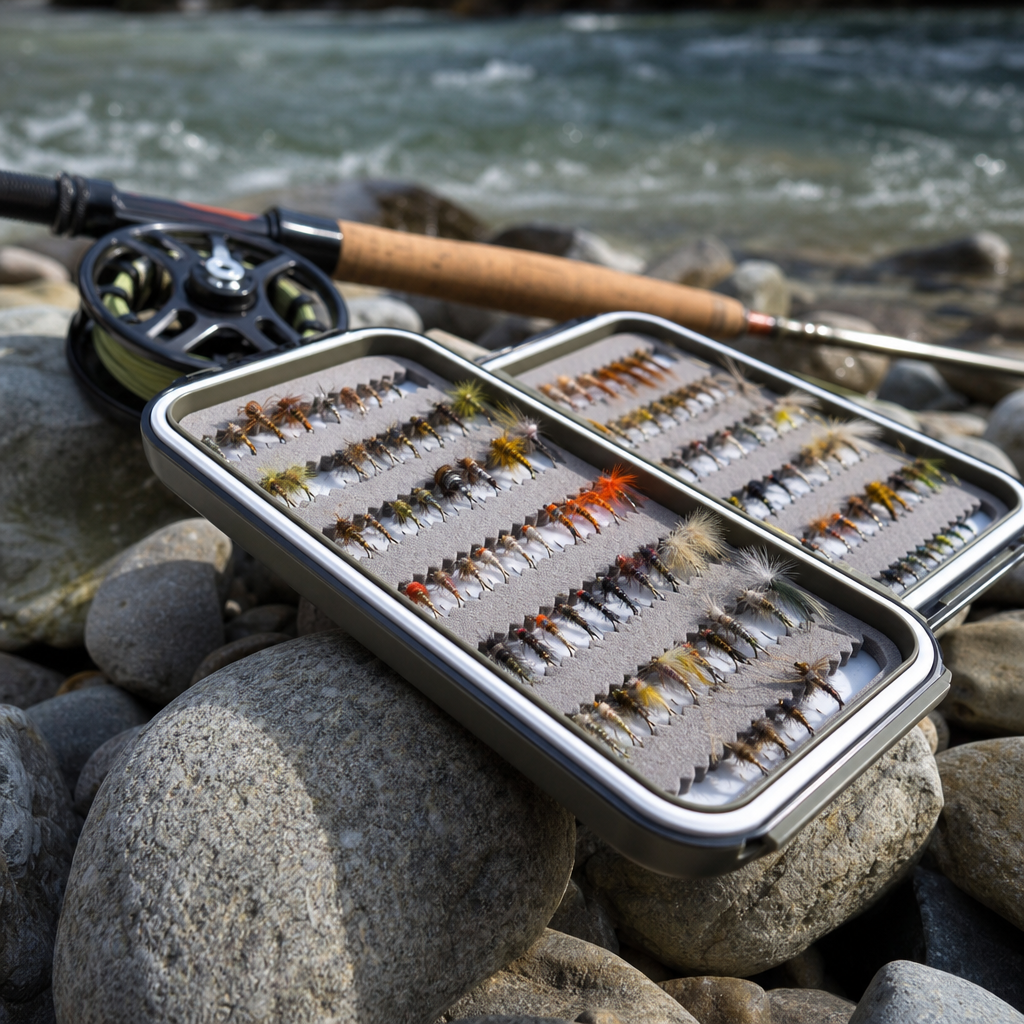
Winter fly fishing is usually a game of efficiency and precision. In many productive winter trout destinations, the foundation is a nymphing approach built around small, natural patterns such as midges, zebra midges, pheasant tails, thread midge larvae, scuds, sow bugs, and baetis nymphs. Dry-fly opportunities do happen—especially during midge clusters or blue-winged olive hatches—but they are often brief and most consistent from late morning into midafternoon when water temperatures rise slightly. Streamers can also be effective, particularly on overcast days or when targeting larger trout in softer winter holding water, but they usually work best when fished slower and deeper than they would in warmer months.
For steelhead destinations, gear and tactics shift toward larger rivers, heavier setups, and presentations suited to migratory fish holding in cold flows. That might include swung flies on sink tips, dead-drifted nymph or egg patterns under indicators, or region-specific methods based on river size and structure. In every case, winter success depends on controlling depth, maintaining a drag-free presentation, and focusing on slower, energy-efficient holding water rather than expecting fish to move far for a fly.
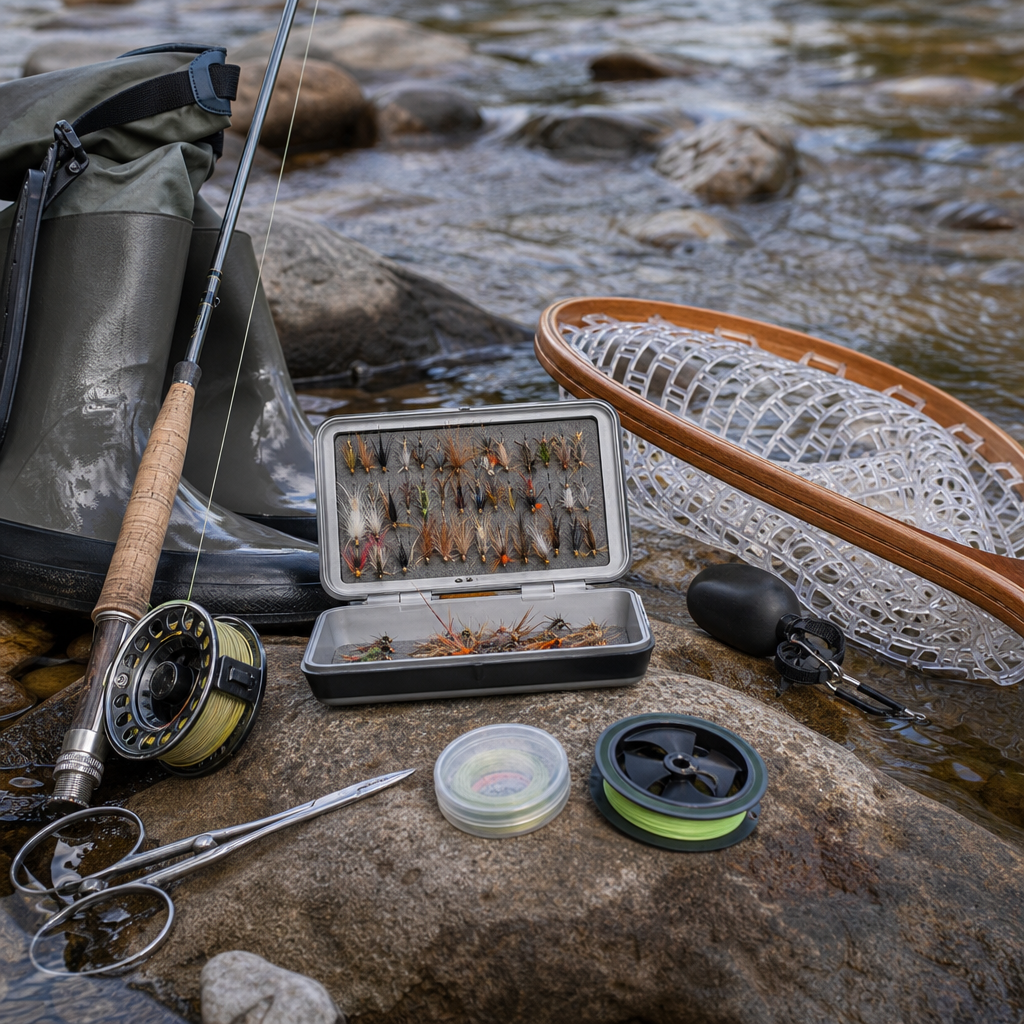
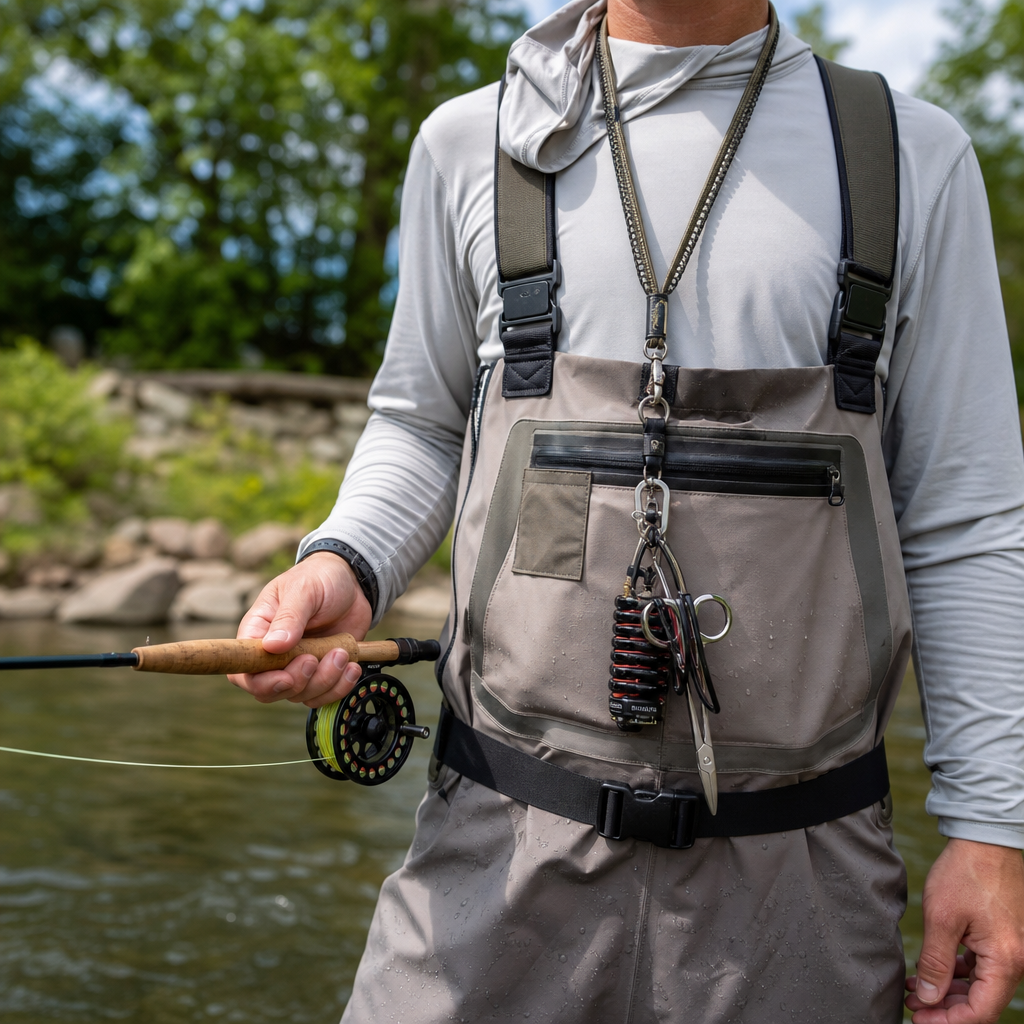
Gear matters because winter amplifies small mistakes. Layering, waterproof outerwear, quality waders, and boots with dependable traction are essential, especially where snow, shelf ice, or slick rocks create hazards. Fingerless gloves, a warm hat, polarized glasses, and a backup set of dry clothing can make a major difference over a full day. On technical trout rivers, longer leaders and finer tippet may be necessary in clear, low winter water. The overall rule is simple: go smaller, slower, and more deliberate than you might in other seasons, while packing gear that keeps you safe and focused long enough to fish the prime window well.
What should I research before booking a winter fly fishing trip?
Before committing to a winter fly fishing destination, research the river as a winter fishery, not as a general vacation spot. Start with water conditions: average winter flows, water temperature stability, clarity, and whether the river is prone to sudden releases, runoff events, or storm-driven spikes. Then look into seasonal fish behavior and timing. For trout water, find out when midge and baetis activity is most reliable, where fish typically hold in winter, and whether low flows make the river especially technical. For steelhead systems, understand how recent rain, migration windows, and river levels influence success.
Access and regulations deserve just as much attention. Some excellent rivers become much less practical in winter because roads close, boat ramps ice over, snow limits parking, or wading access becomes dangerous. Regulations may also change seasonally, with restrictions on sections open to fishing, tackle requirements, or rules designed to protect spawning fish. It is also wise to check local weather patterns, daylight hours, and emergency considerations, especially if you are traveling to a remote area where conditions can shift quickly.
Finally, speak with local fly shops or guides if possible. They can tell you what a map and flow chart cannot: whether the river is genuinely fishing well, what the current insect activity looks like, how crowded it gets, and whether the trip aligns with your goals. A destination may be famous, but winter rewards realism over reputation. The more specific your research is about fishability, access, safety, and seasonal patterns, the more likely you are to choose a trip that feels worthwhile from the first cast to the last.