Summer is when fly fishing becomes both a technical sport and a travel decision, because water temperature, insect hatches, crowds, and regional regulations all shift at once. The best fly fishing destinations for summer are not simply famous rivers; they are places where trout, salmon, or warmwater species remain active despite heat, where access is practical, and where local conditions match the angler’s skill level. In destination reviews for this category, I judge locations by fishability during June through early September, consistency of hatch activity, wading or floating options, guide quality, nearby lodging, and how reliably a trip produces opportunities rather than just scenery.
That distinction matters. A beautiful river can still fish poorly in summer if flows are low, afternoon water temperatures climb above safe limits for trout, or wildfire smoke limits visibility and access. By contrast, a high-elevation freestone stream, a cold tailwater below a dam, or a coastal salmon river may fish exceptionally well through the hottest months. Summer fly fishing destinations therefore reward anglers who understand a few core terms. A hatch is the emergence of aquatic insects such as mayflies, caddis, or stoneflies. A tailwater is a river whose temperature and flow are influenced by dam releases, often keeping water cold and stable. Terrestrial fishing refers to imitating land insects like grasshoppers, ants, and beetles that fall into the water during warm weather.
As a hub for travel and destination reviews, this guide is built to answer the practical questions anglers actually ask before booking: Where can I find the most reliable summer trout fishing? Which destinations are best for beginners? Where do I need a boat or guide, and where can I wade effectively on my own? Which places balance trophy potential with enough fish to keep a week rewarding? I have planned trips around all of those questions, and the answer is always a combination of fish biology, seasonal timing, and local infrastructure.
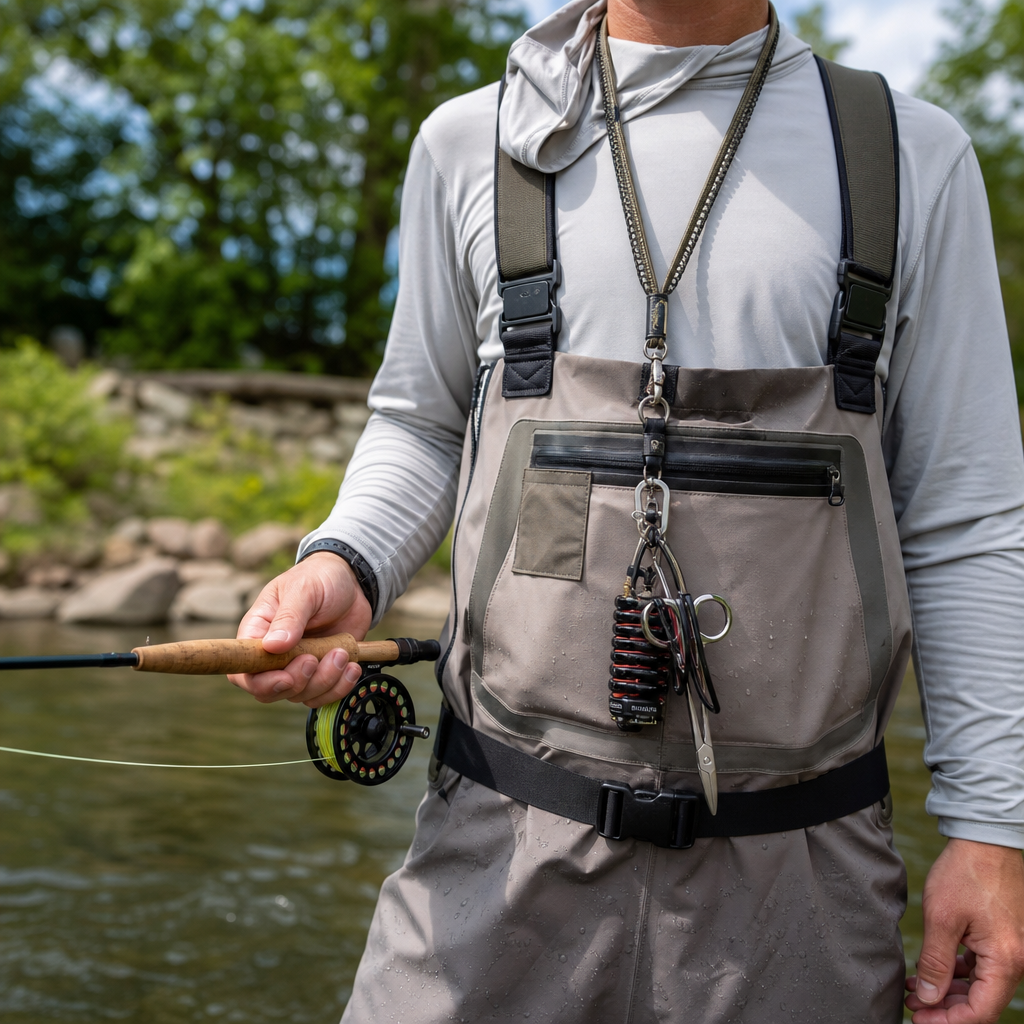
The destinations below are not random bucket-list picks. They are proven summer performers across the American West, the Rocky Mountains, the Northeast, and Alaska, with a few standout warmwater options for anglers who want action when trout streams warm up. If you are building a broader product and travel strategy, these are also the places where gear choices become clear: breathable waders versus wet wading, drift boat versus raft access, 4-weight dry-fly setup versus 6-weight streamer rod, and whether felt-free wading boots with studs are worth packing for slick volcanic rock or mossy tailwater ledges.
What makes a summer fly fishing destination truly great
The best summer fly fishing destinations share five traits. First, they maintain safe water temperatures. For trout, sustained water temperatures above about 68 degrees Fahrenheit create stress, and many responsible anglers stop targeting trout once temperatures approach 70. Second, they offer a predictable food source, whether that is a famous hatch on the Henry’s Fork, hopper fishing in Montana, or mouse patterns for large rainbows in Alaska. Third, they provide multiple access modes, so a trip is not ruined by one bad flow window. Fourth, they have enough lodging, guides, and fly shops to support visiting anglers. Fifth, they offer a realistic match between expectation and effort.
That last point is often overlooked in destination reviews. Some rivers are legendary but unforgiving. Others lack international fame yet deliver steady dry-fly fishing, willing cutthroat, and easy roadside access. When I evaluate a place as a summer destination, I do not rate it only by the size of its best fish. I rate it by how often a traveling angler can step into good water at the right time of day and actually get quality shots. That is why high-country Colorado streams can rival marquee Western rivers for many anglers, and why certain Idaho and Wyoming waters remain exceptional even during peak vacation season.
| Destination | Best Summer Window | Primary Species | Why It Stands Out |
|---|---|---|---|
| Southwest Montana | Late June to August | Brown, rainbow, cutthroat trout | Variety of rivers, strong hopper season, float and wade options |
| Henry’s Fork, Idaho | June to July | Rainbow trout | Technical dry-fly fishing and world-class hatches |
| Western Colorado | July to September | Brown, rainbow, cutthroat trout | Cold tailwaters and productive freestones at elevation |
| Yellowstone region, Wyoming | July to August | Cutthroat, rainbow, brown trout | Iconic meadow streams, terrestrial fishing, scenic range |
| Bristol Bay, Alaska | July to early September | Rainbow trout, salmon, char, grayling | Remote wilderness, huge fish, salmon-driven food abundance |
Top Western trout destinations: Montana, Idaho, Wyoming, and Colorado
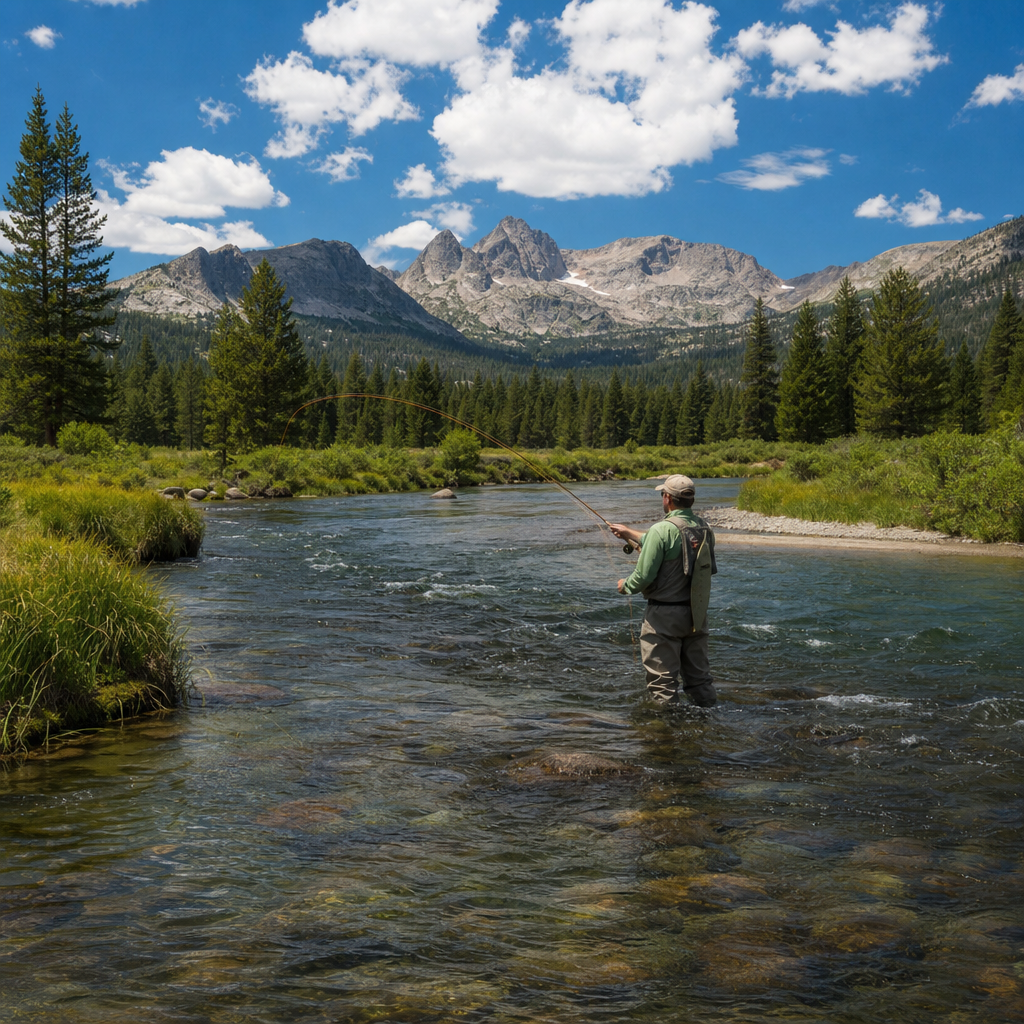
Southwest Montana remains the most complete summer trout destination in the lower forty-eight. The Madison, Yellowstone, Gallatin, Beaverhead, Big Hole, and Jefferson systems create options for every condition. If runoff drops early, freestones can become excellent by late June. If heat rises in August, tailwaters like the Beaverhead offer colder, more stable water. Hopper fishing on bankside grass in July and August gives even intermediate casters a clear, visual approach: cast tight to shore, drift naturally, and be ready for explosive takes. Bozeman, Ennis, and Dillon also have the supporting infrastructure travelers need, from guide services to fly shops carrying exact local patterns.
Idaho’s Henry’s Fork is one of the most important dry-fly rivers in North America, especially the Ranch section near Last Chance. Summer brings powerful hatches of green drakes, flavs, and caddis, and the fish are selective enough that presentation matters as much as fly choice. This is not a numbers river in the easy sense, but it is a premier destination for anglers who want to improve mending, reach casts, and drag-free drifts. Nearby waters such as the South Fork of the Snake broaden the trip considerably, adding float fishing for larger cutthroat and opportunities to fish streamers or hoppers over long productive banks.
The Yellowstone region in Wyoming earns its summer reputation because many waters fish best after snowmelt recedes and meadow insects become active. Yellowstone National Park alone offers the Lamar, Soda Butte, Slough Creek, Firehole, Madison, and Gibbon, each with distinct timing and species mixes. Slough Creek is famous for cautious cutthroat in meadow currents, while the Lamar system provides more pocket water and easier prospecting. Outside the park, the North Fork Shoshone and Snake basin tributaries create more options. This region is ideal for anglers who want a road-trip style destination with several rivers rather than one flagship beat.
Western Colorado is often underrated in national roundups, yet it is one of the smartest summer choices because elevation and dam-controlled systems create resilience. The Fryingpan below Ruedi Reservoir is a classic tailwater with mysis-fed trout, technical nymphing, and dependable cold water. The Roaring Fork provides a contrast: more accessible, more forgiving, and excellent with attractor dries, caddis, and hopper-dropper rigs. Add the Gunnison, Taylor, and upper Colorado, and anglers can build a full week around changing weather, crowds, and preferred tactics. For many traveling fly fishers, Colorado also has the best mix of easy flights, broad lodging inventory, and public access.
Best high-country and tailwater options for consistent summer fishing
When heat becomes the main seasonal risk, high-country streams and tailwaters are the most dependable answer. High-elevation creeks in Colorado, Wyoming, Idaho, and Montana often fish best from mid-July through late August, once runoff clears and alpine meadows are open. These streams may not always hold trophy trout, but they compensate with aggressive fish, dry-fly eats, and solitude. For newer anglers or families, a mountain creek full of eager cutthroat can be a better summer destination than a famous technical river where a single refusal becomes the defining memory of the day.
Tailwaters provide a different kind of reliability. Rivers such as the Bighorn in Montana, the Green below Flaming Gorge in Utah, the Fryingpan in Colorado, and the San Juan in New Mexico remain fishable in hot weather because deep reservoir releases stabilize temperatures. They also support dense populations of aquatic insects and year-round food forms, creating consistent nymphing and midge fishing. The tradeoff is that tailwaters can become crowded and technical. Light tippet, precise indicator depth, and controlled drifts matter. Still, if your priority is steady opportunity during a hot summer week, a well-managed tailwater is usually the safest booking decision.
One common planning mistake is assuming all cold rivers stay safe all day in summer. They do not. Even productive freestones may require early starts, afternoon breaks, and a thermometer clipped to the pack. I carry one on every midsummer trout trip. If water temperatures push into the upper sixties by midafternoon, I switch to warmwater species, move upstream, or stop. The best destination is not just where fish live; it is where ethical fishing remains possible through the trip window you can actually travel.
Alaska and other trophy summer destinations
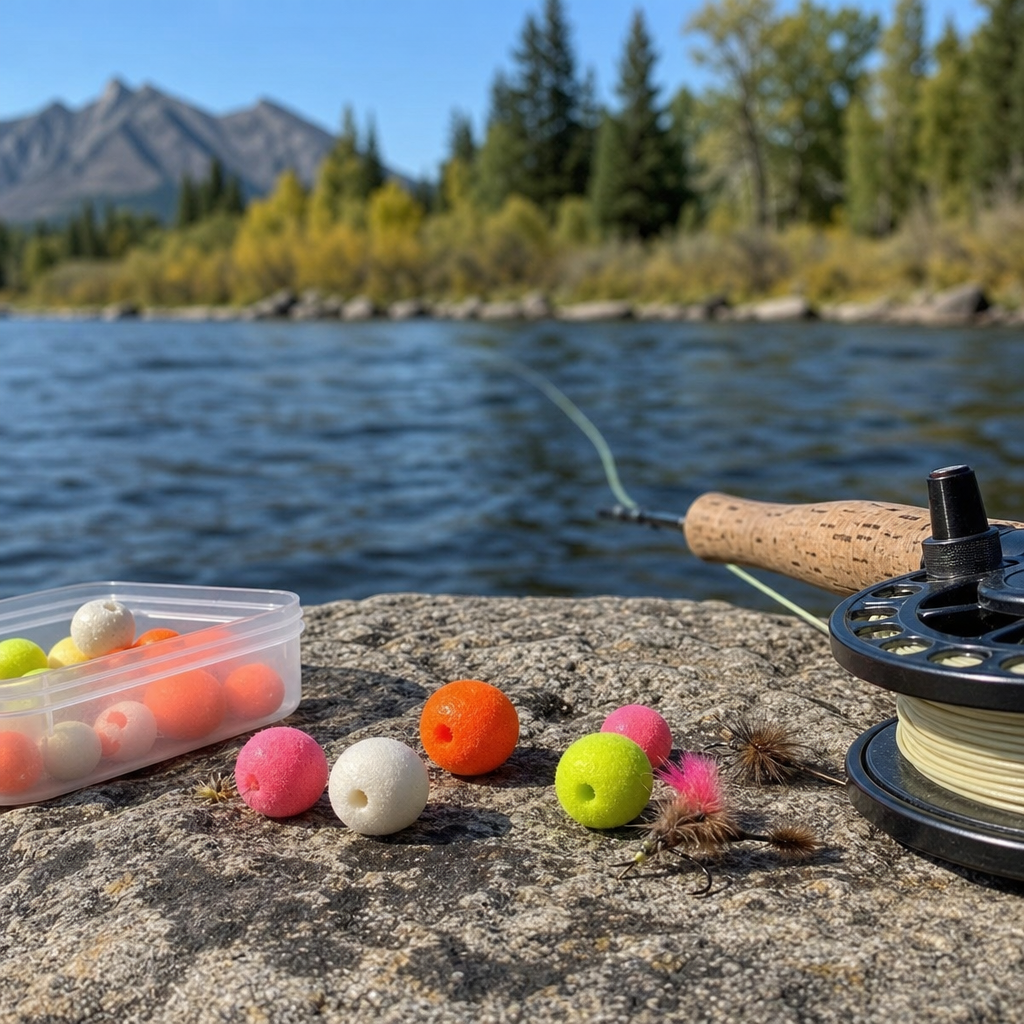
If the goal is the most dramatic summer fly fishing in North America, Bristol Bay, Alaska stands apart. Rivers such as the Naknek, Kvichak, Nushagak tributaries, Moraine Creek, and the American Creek system benefit from salmon runs that pour protein into the ecosystem. That food base produces some of the world’s largest rainbow trout, plus Arctic char, grayling, and multiple Pacific salmon species depending on timing. Mouse patterns, flesh flies, beads, leeches, and streamers all have a place. The experience is expensive and weather-dependent, but for anglers chasing giant wild fish in intact habitat, very few destinations compare.
Alaska rewards preparation more than almost any other region. Flights are often tied to weather. Many lodges require strict baggage limits on bush planes. Wading can range from easy gravel bars to surprisingly pushy currents, and bear awareness is part of ordinary river etiquette. Yet the payoff is real. On well-timed trips, I have seen days where trout, char, and salmon all created meaningful opportunities before dinner, not because the fishing was easy but because the ecosystem is so productive. That scale of abundance is exactly why Alaska stays at the top of serious destination reviews.
For anglers who want large fish without a full remote-lodge budget, the Lake Erie steelhead tributaries are not a summer answer, but Great Lakes carp flats and bass rivers are. Smallmouth fisheries such as the upper Delaware, parts of Wisconsin, and Ozark streams can be outstanding in warm months. They belong in a summer destination conversation because they remain active when trout streams warm, and they offer visual fishing with poppers, baitfish patterns, and crayfish flies. A destination hub should reflect that practical reality: the best trip is often the one matched to seasonal conditions, not species loyalty.
How to choose the right destination for your skill level, budget, and gear
Beginners usually do best in destinations with forgiving fish, straightforward access, and a strong local guide network. That points toward Montana’s larger rivers, western Colorado’s mixed tailwater and freestone options, or high-country cutthroat streams where drag-free drifts are easier to achieve. Intermediate anglers often gain the most from a place like the Yellowstone region, where they can fish meadow streams one day and pocket water the next. Advanced anglers who specifically want technical dry-fly challenges should look hard at the Henry’s Fork, Silver Creek, the Fryingpan, or selective spring creeks in Montana and Pennsylvania.
Budget matters just as much. A DIY road trip through Wyoming, Idaho, or Colorado can be excellent if you prioritize public access and campgrounds or simple motels. A guide for one or two days at the start of the trip often pays for itself by shortening the learning curve on local flies, flows, and access points. Destination spending should focus on factors that increase fishing time: staying close to launch points, booking shuttle support where needed, and carrying duplicate leaders, tippet, and wading essentials. Lost time in a remote fly shop line is avoidable with planning.
Gear follows destination. For most summer trout travel, a 9-foot 5-weight covers dry flies, hopper-dropper rigs, and light nymphing. Add a 6-weight if wind, larger rivers, or streamers are likely. On Alaska trips, I consider an 8-weight for salmon and a stout 6-weight for trout the practical minimum. Wet wading works on many midsummer Western rivers, but cold tailwaters still justify lightweight waders. Good destination decisions come from matching climate, water type, species, and travel style before you ever choose flies.
The best fly fishing destinations for summer are the places that stay cool, fish consistently, and fit the way you actually travel. Southwest Montana offers unmatched variety. Idaho’s Henry’s Fork delivers elite hatch-driven dry-fly fishing. Wyoming’s Yellowstone region combines famous scenery with versatile summer water. Western Colorado gives travelers reliable tailwaters, elevation, and excellent access. Alaska remains the premier wilderness option for anglers seeking trophy trout and salmon-rich ecosystems. High-country streams and warmwater alternatives round out the picture for those prioritizing ethics, flexibility, and action during the hottest weeks.
Use this hub as the starting point for your travel and destination reviews within a broader product recommendations strategy. Once you narrow the region, the next decisions become easier: whether to book a guide, what rod weights to pack, whether to wet wade or carry breathable waders, and how to time your trip around hatches or terrestrials. Summer fly fishing rewards anglers who plan around conditions rather than reputation alone.
Choose a destination that matches your timing, skill level, and budget, then build the trip carefully. Check flow gauges, ask local shops about water temperatures, and commit to the river type that gives you the best odds of productive, responsible fishing. That approach leads to better days on the water and far better destination choices year after year.
Frequently Asked Questions
What makes a destination one of the best fly fishing destinations for summer?
The best fly fishing destinations for summer are defined by much more than name recognition. A great summer fishery needs to remain productive even as air temperatures rise, flows change, and angling pressure increases. In practical terms, that usually means cold, stable water; healthy insect activity; species that continue feeding through warm-weather patterns; and enough access points to make the trip realistic for visiting anglers. Rivers fed by snowmelt, tailwaters released from deep reservoirs, high-elevation streams, spring creeks, and coastal salmon systems often stand out because they resist the worst effects of summer heat better than lower, slower fisheries.
Fishability is a major factor. A destination may be famous, but if it becomes too crowded, too warm, or too technical for the average visitor in July and August, it is not automatically a top summer choice. The best summer spots offer a workable balance between opportunity and challenge. That can mean consistent morning and evening trout action, reliable dry-fly windows during seasonal hatches, or strong warmwater fisheries where bass and panfish are active all day. It also means the destination should fit the angler’s skill level. Some rivers reward precise presentations and light tippet, while others offer more forgiving conditions for beginners or traveling anglers who simply want a realistic chance at success.
Travel practicality matters too. Lodging, guide availability, public access, local fly shops, shuttle logistics, and nearby backup water all make a destination stronger. Summer fishing often changes by the week, so the best places are those where you can adapt if flows drop, a hatch fades, or afternoon heat slows surface activity. In short, the best fly fishing destinations for summer are the ones that stay biologically healthy, seasonally productive, and realistically fishable when summer conditions put pressure on less resilient waters.
How do water temperature and seasonal conditions affect summer fly fishing success?
Water temperature is one of the most important variables in summer fly fishing because it directly affects fish health, feeding behavior, and where fish hold. Trout and salmonid species depend on cold, well-oxygenated water. As water warms, oxygen levels drop and fish become less willing to chase flies, especially during the brightest and hottest parts of the day. In extreme cases, fishing for them becomes unethical because the stress of being hooked and released in warm water can be fatal. That is why serious summer destination planning starts with temperature patterns, not just scenic reputation or hatch charts.
In most trout systems, the best summer fishing happens during low-light periods such as early morning and late evening, when water is coolest and fish are more comfortable feeding. Midday can still be productive when there are strong insect hatches, deep runs, shaded banks, or fast riffles that keep oxygen levels high, but anglers need to pay attention to local conditions. High-elevation freestones may fish well through much of the day, while lower rivers can become marginal by noon. Tailwaters often remain more stable because dam releases keep water temperatures down, which is one reason they are often excellent summer options.
Seasonal conditions also shape technique. Early summer may bring runoff in some western rivers, limiting clarity and access. Mid-summer often produces classic dry-fly opportunities tied to mayflies, caddis, terrestrials, and stoneflies. Late summer can shift fish toward deeper water, bankside cover, and shorter feeding windows unless cool nights refresh the system. Warmwater destinations behave differently, of course. Smallmouth bass, carp, and panfish can thrive in conditions that shut down trout fishing, making them outstanding alternatives during the hottest stretches of the season. The key takeaway is simple: successful summer fly fishing depends on matching the destination to the seasonal realities of water temperature, current flow, oxygen levels, and species-specific behavior.
Which types of summer fly fishing destinations are usually best for trout, salmon, and warmwater species?
For trout, the most dependable summer destinations are typically high-elevation rivers, cold tailwaters, spring creeks, alpine lakes, and northern latitude fisheries. High-country streams stay cooler because of altitude, while tailwaters benefit from controlled releases of cold water from the bottom of reservoirs. Spring creeks can offer remarkably stable flows and temperatures, though they are often technical and demand refined presentations. In northern regions or mountain states, summer can be peak season because trout remain active and insect life stays strong long after lower-elevation waters become stressed. These destinations are especially attractive to anglers seeking classic dry-fly fishing, hopper-dropper opportunities, or clear-water nymphing in stable conditions.
For salmon, the best summer destinations are often coastal rivers, northern systems, and select migratory fisheries where timing is everything. Some rivers see strong summer runs of Atlantic salmon, Pacific salmon, or sea-run trout, and these destinations can deliver exceptional fishing if you match your trip to the migration window. Water level, run timing, regional regulations, and local access rules matter enormously in salmon fishing, so these destinations reward advance planning. Unlike classic trout travel, salmon trips are often driven less by broad summer weather and more by exact weekly timing, river height, and conservation restrictions.
For warmwater species, summer opens up an entirely different category of excellent fly fishing destinations. Smallmouth bass rivers, largemouth lakes, carp flats, and bluegill waters can fish extremely well in heat that would make trout streams a poor choice. These destinations are often more forgiving, more accessible, and more productive throughout the day. They also offer exciting visual takes on poppers, baitfish patterns, crayfish flies, and surface bugs. Anglers who broaden their definition of a great summer fly fishing destination often find that warmwater systems deliver the most consistent action, especially during heat waves. The best destination depends on the species you want to target, but in summer, successful anglers usually think in categories: cold water for trout, timing-based migration systems for salmon, and heat-friendly habitats for bass and other warmwater fish.
How can anglers choose a summer fly fishing destination that matches their skill level and travel goals?
The smartest way to choose among the best fly fishing destinations for summer is to be honest about your skill level, preferred style of fishing, and the kind of trip you actually want. Some anglers imagine a famous technical river with selective trout rising in flat water, but they would have more fun and more success on a destination with easier wading, more forgiving fish, and broader hatches. Others specifically want a challenge and are willing to trade numbers for quality, solitude, or sight-fishing opportunities. A good summer destination is not just the one with the strongest reputation; it is the one that fits your casting ability, reading of water, comfort with local techniques, and tolerance for changing conditions.
Beginners often do best on destinations with abundant public access, healthy fish populations, moderate wading, and multiple effective methods. A place where nymphing, dry-dropper rigs, and evening dry-fly fishing can all produce is usually more welcoming than a river that demands exact hatch matching and long leaders on ultra-clear flats. Intermediate anglers may want destinations that offer a mix of structure: riffles, runs, pocket water, and some technical dry-fly moments. Advanced anglers may prioritize fisheries known for selective fish, specialized presentations, larger trout, salmon timing, or challenging sight-fishing scenarios. Guided options can make a big difference as well. A strong guide network and well-stocked local fly shops often transform a potentially difficult destination into a highly fishable one for visiting anglers.
Travel goals should also guide the decision. If your priority is maximum time on the water, choose a place with simple logistics, nearby lodging, and easy river access. If you want a destination trip with scenery, local culture, and multiple species options, focus on regions with diverse fisheries and strong tourism infrastructure. If solitude matters most, avoid peak-season hotspot rivers and look for lesser-known tributaries, stillwaters, or warmwater systems nearby. Matching destination difficulty to personal goals is what turns a summer fly fishing trip from a gamble into a well-planned experience with a much higher chance of success.
What should anglers know about crowds, regulations, and ethical fishing during summer?
Summer is often the busiest season in fly fishing, so crowds, rules, and fish-handling ethics become central to destination planning. Popular rivers can become congested around well-known access points, especially during major hatches, holiday weekends, and prime morning or evening windows. That pressure affects more than comfort; it can change fish behavior, reduce the quality of the experience, and limit access to the water types you had in mind. The best strategy is to research not only the destination itself, but also how people use it in summer. Some places spread anglers out well because they offer long public stretches or multiple tributaries. Others fish small and feel crowded quickly. A destination can still be excellent, but understanding where and when to avoid pressure is part of fishing it well.
Regulations are equally important and often more restrictive in summer. Many fisheries implement seasonal closures, hoot owl restrictions, fly-only sections, catch-and-release rules, or specific regulations designed to protect trout or migratory fish during stressful warm-weather periods. These rules can vary by river section, date, species, and even time of day. Responsible anglers should check current regulations from state, provincial, or local authorities before the trip and again right before fishing, because emergency heat closures and low-flow restrictions