Fall is the season when many of the world’s best trout, salmon, and steelhead waters reach peak form, making the best fly fishing destinations for fall especially valuable for anglers planning trips that balance reliable hatches, active fish, and comfortable weather. In practical terms, fall fly fishing means targeting waters between late September and early November, when cooling temperatures raise dissolved oxygen, baitfish move, brown trout begin pre-spawn aggression, and migratory species push into rivers. I have planned and reviewed destination trips across North America for years, and autumn consistently delivers the strongest combination of fishing quality and travel value because summer crowds thin, lodging rates often soften, and fish behavior becomes more predictable.
For a hub page focused on travel and destination reviews, the question is not simply where to go, but how to choose among rivers, lakes, and regions that fish well for different species and skill levels. A good destination review should answer four things clearly: what species are available, when the prime window occurs, what methods work best, and what tradeoffs matter before booking. In fly fishing, destination quality is never defined by scenery alone. Access regulations, water levels, guide availability, wading difficulty, public land coverage, and local insect cycles all determine whether a trip feels seamless or frustrating. The best destinations pair strong fisheries with dependable infrastructure, clear seasonal timing, and enough variety to fish effectively when weather changes.
Fall also matters because it reshapes tactics. Terrestrials remain relevant early in the season, streamer fishing improves as predatory fish feed harder, and nymphing becomes more consistent on many tailwaters and freestone rivers. On salmon and steelhead systems, autumn runs create opportunities for swung flies, indicator setups, and egg patterns depending on local regulations and water conditions. This article serves as a hub for travel and destination reviews by identifying standout fall regions, explaining why they produce, and showing which trips match different angler goals. Whether you want trophy brown trout, technical spring creek fishing, classic steelhead water, or a first destination trip with straightforward logistics, these locations belong at the top of your planning list.
Southwest Montana: Broad Variety and Classic Fall Trout Fishing
Southwest Montana remains one of the best fly fishing destinations for fall because it offers unusual breadth within a compact road-trip radius. The Madison, Yellowstone, Gallatin, Jefferson, Missouri, and Paradise Valley spring creeks all fish differently, so anglers can adapt to weather and pressure instead of relying on one river. In autumn, browns become aggressive ahead of spawning, streamer fishing improves dramatically, and blue-winged olive hatches can be excellent on cloudy afternoons. I recommend this region to anglers who want a high-probability trip with multiple backup plans. If one freestone blows out after weather, a tailwater or spring creek is usually available within driving distance.
The Madison excels for covering water with streamers and nymph rigs, especially when flows are stable and water temperatures fall into the high forties and low fifties. The Missouri near Craig provides technical dry-fly opportunities, midge and mayfly nymphing, and strong numbers of trout, often with less chaos than summer. Paradise Valley spring creeks demand precise presentations but reward careful anglers with exceptional sight-fishing. The tradeoff is that Montana’s best-known rivers are no secret, and October weather can swing from mild afternoons to snow and shelf ice. For most traveling anglers, that is manageable if they build a flexible itinerary, book lodging near several fisheries, and bring layers, streamer rods, and smaller mayfly patterns.
Michigan and Wisconsin: Great Lakes Tributaries for Steelhead and Salmon
For anglers prioritizing migratory fish, the Great Lakes region is one of the most dependable fall options in the United States. Rivers in Michigan and Wisconsin receive runs of Chinook salmon, coho salmon, and steelhead, with timing varying by watershed, flow, and lake conditions. The Pere Marquette, Manistee, Muskegon, and Root are frequently discussed because they combine fishable public access with established guide communities. Fall on these rivers often means short windows of outstanding action tied to rain events and temperature drops. When water levels rise and fresh fish enter the system, the quality can rival far more expensive destination trips in the West or Pacific Northwest.
These fisheries reward anglers who understand presentation and regulations. Egg patterns, nymphs, and swung flies all have their place, but river-specific rules on weight, hook gaps, and legal methods matter. On the Pere Marquette, for example, low clear water can demand stealth and lighter leaders, while the Muskegon’s broader profile supports boats and more varied techniques. The upside is affordability and accessibility; many trips can be built around modest lodges, rental cabins, or even day trips. The downside is crowding near peak salmon runs and occasional combat-fishing culture on high-profile stretches. Choosing upper-access sections, weekday dates, and local guides who know secondary water usually improves the experience significantly.
Idaho’s Henry’s Fork and South Fork Snake: Technical Water at Its Best
Eastern Idaho deserves a place on any serious list of the best fly fishing destinations for fall because it offers two elite but very different trout experiences. The Henry’s Fork is famous for selective trout, complex currents, and exacting dry-fly presentations, while the South Fork of the Snake delivers larger water, excellent float fishing, and a strong mix of nymphing, dry flies, and streamers. In fall, hatches narrow but become more predictable, boat traffic declines, and brown trout become more vulnerable to larger flies. This is a region where skilled anglers can have technical, memorable days without the intense midsummer congestion that often defines its reputation.
The Henry’s Fork Ranch section remains a benchmark for precision, especially during blue-winged olive events under cloud cover. The South Fork often shines for streamer fishing along banks, side channels, and structure as temperatures cool. I like this destination for anglers who already cast well and want a trip centered on fish quality rather than sheer numbers. Logistics are easy by Western standards, with strong guide operations around Ashton, Island Park, and Swan Valley, but changing weather and water management can affect conditions quickly. A successful trip usually includes both walk-and-wade and float options, plus enough fly selection to pivot between tiny mayflies and articulated streamers in the same week.
New England and Upstate New York: Brown Trout, Landlocks, and Seasonal Diversity
New England and upstate New York are often overlooked in national roundups, but they are excellent fall destination choices for anglers who value diversity and classic scenery. The Battenkill, Ausable, Delaware system, and Androscoggin region all offer different combinations of wild trout, stocked fish, landlocked salmon opportunities, and insect activity. The Delaware, in particular, is a serious fishery with technical dry-fly and nymphing potential deep into autumn. Cooling nights and lower recreational traffic improve both fishing conditions and travel experience. Compared with some marquee Western destinations, these waters can deliver stronger value for anglers based east of the Mississippi.
One reason these rivers work so well in fall is tactical flexibility. On warmer afternoons you may still find surface activity, while mornings and overcast periods favor nymphs and streamers. The Ausable can be especially attractive for anglers who enjoy pocket water and structure-oriented fish. The upper Delaware rewards observation, fine tippet, and measured drifts rather than constant casting. Travel tradeoffs include variable leaf-season lodging prices and frequent weather swings, but these are manageable. For hub-level trip planning, this region stands out because it supports short weekend reviews, longer multi-river itineraries, and species-specific articles under the broader travel and destination reviews category.
British Columbia and Alaska: Big Fish, Big Water, Short Prime Windows
For anglers willing to travel farther, British Columbia and Alaska offer some of the most dramatic fall fly fishing on the continent. In British Columbia, systems such as the Skeena tributaries can produce steelhead of exceptional size, while still giving anglers a realistic chance at solitude if they choose timing carefully. In Alaska, fall often means rainbow trout feeding aggressively behind salmon spawn, char in strong numbers, and opportunities that combine river fishing with remote lodge experiences. These are destination reviews where species interactions matter: salmon runs drive egg availability, trout position behind spawning beds, and predator fish become highly concentrated in certain reaches.
The challenge is that these fisheries are less forgiving of poor planning than lower-48 trout trips. Water levels can shift fast, flights may be weather-sensitive, and prime windows can be narrow. Alaska lodges often book far in advance and carry premium pricing, while British Columbia steelhead trips demand patience because numbers are lower than many first-time visitors expect. Yet the upside is extraordinary. A well-timed trip to a Skeena tributary or a Bristol Bay river can produce the kind of fish and setting that define a lifetime of fly fishing. For experienced anglers seeking authority-grade destination reviews, these northern fisheries deserve dedicated research, budget planning, and realistic expectations about weather and mobility.
How to Compare Fall Fly Fishing Destinations Before You Book
The smartest way to compare fall fly fishing destinations is to rank them by species goal, timing reliability, travel complexity, and fishing style rather than by reputation alone. I use a simple screening framework before recommending any trip: identify your primary species, match it to the exact seasonal window, verify whether local conditions depend on rain or dam releases, and decide whether you prefer floating, wading, or a mix of both. An iconic river is a poor choice if it peaks two weeks before your vacation or requires skills you do not yet have. A less glamorous destination often produces a better overall trip because conditions align with your budget and experience.
| Destination | Best Fall Targets | Prime Window | Best For | Main Tradeoff |
|---|---|---|---|---|
| Southwest Montana | Brown and rainbow trout | Late Sept–Oct | Variety and flexible itineraries | Weather shifts, popular rivers |
| Michigan/Wisconsin tributaries | Salmon and steelhead | Sept–Nov | Migratory fish at moderate cost | Crowds during peak runs |
| Eastern Idaho | Trout on technical water | Late Sept–Oct | Experienced casters, float trips | Demanding presentations |
| New England/New York | Brown trout, landlocks | Oct–early Nov | East Coast access and diversity | Variable lodging prices |
| British Columbia/Alaska | Steelhead, rainbows, char | Sept–Oct | Bucket-list remote trips | High cost, narrow windows |
Once you narrow the field, evaluate guide quality, public access, and conservation rules with the same seriousness as fishing reports. A destination with excellent fish populations but limited legal access may fit a guided trip better than a DIY plan. Likewise, rivers with bait restrictions, seasonal closures, or spawning-area protections require careful reading of agency regulations. The best destination reviews make those constraints clear up front. They also explain what success looks like. On one river, a great day may mean landing twenty trout; on another, moving two steelhead can be excellent. Setting the right benchmark keeps expectations aligned with reality and helps anglers choose destinations they will genuinely enjoy.
What Makes a Great Hub for Travel and Destination Reviews
A strong hub article should not just list locations; it should organize future decision-making. For travel and destination reviews under product reviews and recommendations, that means linking destination choice to gear, guide services, trip length, seasonal timing, and angler ability. Fall is ideal for this approach because every destination places different demands on tackle and planning. Montana and Idaho may reward a six-weight streamer setup and layered cold-weather clothing, while Great Lakes tributaries often require stronger rods, waterproof storage, and river-specific legal awareness. Alaska or British Columbia may add floatplane baggage limits, premium rain gear, and lodge logistics to the equation.
The main benefit of using a hub page is efficiency. Instead of searching randomly for rivers, anglers can start with a destination overview, then drill into detailed reviews for specific waters, nearby lodging, guide comparisons, and packing recommendations. That mirrors how real trip planning works. In my experience, the best trips come from narrowing choices early, identifying the true seasonal window, and booking around the fish rather than around a generic vacation idea. If you are planning a fall fly fishing trip, begin with the destinations above, compare them against your species goals and budget, and then move into focused reviews of the rivers that best fit your style. That process consistently leads to better fishing and fewer expensive mistakes.
Frequently Asked Questions
What makes fall one of the best times of year for fly fishing destinations?
Fall stands out because it brings together several conditions that consistently improve fishing across many trout, salmon, and steelhead waters. As air temperatures drop between late September and early November, water temperatures usually settle into a range that keeps fish active for longer parts of the day. Cooler water holds more dissolved oxygen, which helps trout and other game fish feed more aggressively and recover better after a fight. On many rivers, fall also coincides with important seasonal triggers such as baitfish movement, pre-spawn brown trout aggression, and the arrival or concentration of migratory salmon and steelhead.
Another reason anglers value fall destinations so highly is predictability. Summer heat, low flows, and heavy recreational pressure often fade by autumn, while winter conditions have not yet shut many fisheries down. That creates a sweet spot where fish are available, insect activity can still be meaningful, and the weather is often more comfortable than the extremes of midsummer or deep winter. In practical terms, the best fly fishing destinations for fall tend to be waters that combine stable flows, healthy fish populations, and multiple productive tactics, including streamer fishing, nymphing, and, on the right days, dry fly opportunities.
Which types of fish and fisheries are usually at their peak in the fall?
Fall is especially important for trout, salmon, and steelhead fisheries, but not all destinations peak for the same reason. Brown trout are a major draw in autumn because pre-spawn behavior often makes larger fish more territorial and more willing to chase streamers or respond to well-presented nymphs. Many anglers plan fall trips specifically around this window, particularly on rivers known for strong brown trout populations. Rainbow trout and cutthroat can also remain very active in cooling water, especially where insect life stays strong and flows remain healthy.
Salmon and steelhead fisheries are another major reason fall destinations are so sought after. In many regions, fall marks the arrival of fresh runs of migratory fish moving into rivers from lakes or the ocean. That can create excellent opportunities in Great Lakes tributaries, Pacific Northwest systems, and select international destinations. At the same time, lakes and tailwaters can fish extremely well because baitfish begin to concentrate, drawing predators into more defined feeding zones. The best fall fisheries are usually those where seasonal fish movements are well established, water temperatures are favorable, and anglers can target multiple species or techniques within the same trip.
What should anglers look for when choosing the best fly fishing destination for a fall trip?
The most important factor is timing relative to the fishery itself. “Fall” is not identical everywhere, so anglers should match their travel dates to local conditions rather than relying on the calendar alone. In some mountain regions, late September may be prime, while in larger river systems or more temperate climates, mid-October through early November may be better. Research typical water temperatures, spawning migrations, seasonal closures, and average flows before booking. A destination may have excellent fishing in autumn, but only during a fairly narrow window when fish are present and conditions are stable.
It also helps to evaluate how versatile the destination is. The strongest fall choices usually offer more than one productive pattern. For example, a river that supports streamer fishing for aggressive browns, nymphing behind salmon, and occasional blue-winged olive hatches gives anglers more ways to adapt if weather shifts. Access matters too. Fall storms can raise water quickly, and some remote areas become harder to reach later in the season. Look for destinations with dependable access points, local guide services, nearby lodging, and a track record of consistent autumn fishing rather than just one famous hatch or run. A well-rounded fall destination gives you multiple chances to succeed even if one specific bite slows down.
What fly patterns and techniques are most effective at top fall fly fishing destinations?
Fall rewards anglers who can adjust to changing conditions, but a few patterns and tactics show up again and again on the best autumn waters. Streamers are often at the top of the list because cooling temperatures and pre-spawn aggression make larger trout more willing to chase. Sculpin imitations, baitfish patterns, leeches, and articulated streamers can all be excellent choices, especially in low light, on overcast days, or when targeting bigger brown trout. Swinging or stripping streamers along cut banks, deeper seams, and structure can be especially productive on rivers with strong predatory fish.
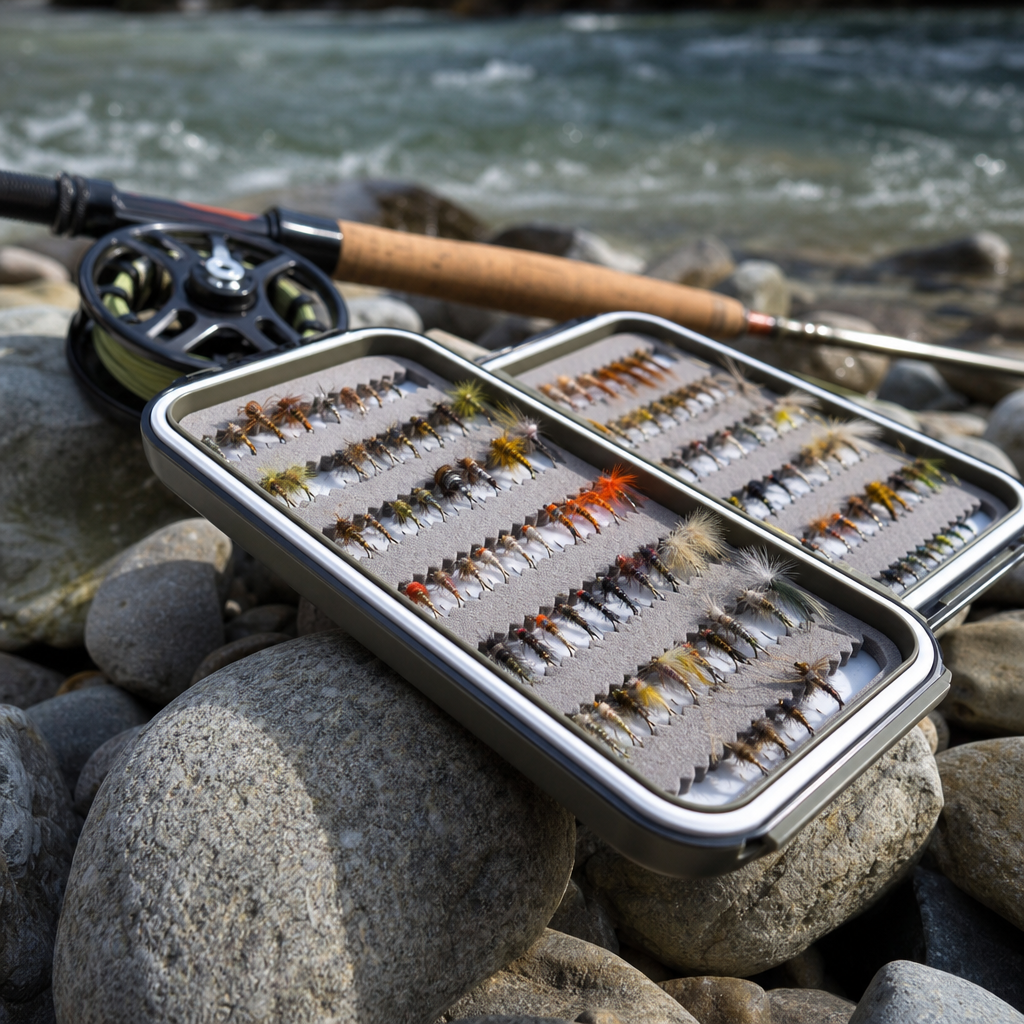
Nymphing remains one of the most reliable ways to catch fish in the fall, particularly where trout are feeding on subsurface insects, eggs, or dislodged food around spawning activity. Stonefly nymphs, mayfly nymphs, caddis larvae, egg patterns where legal and appropriate, and small attractor nymphs are all common producers. Dry fly fishing should not be overlooked either. On many rivers, blue-winged olives, midges, caddis, and late-season terrestrials can still bring fish to the surface. For salmon and steelhead, the most effective approach depends on the system, but dead-drifting nymphs or eggs, swinging traditional wet flies, and fishing intruder-style patterns are all proven fall methods. The key is to arrive with a balanced box and a willingness to shift between streamer, nymph, and dry fly tactics as conditions change.
How should anglers prepare for weather, water conditions, and regulations during fall fly fishing trips?
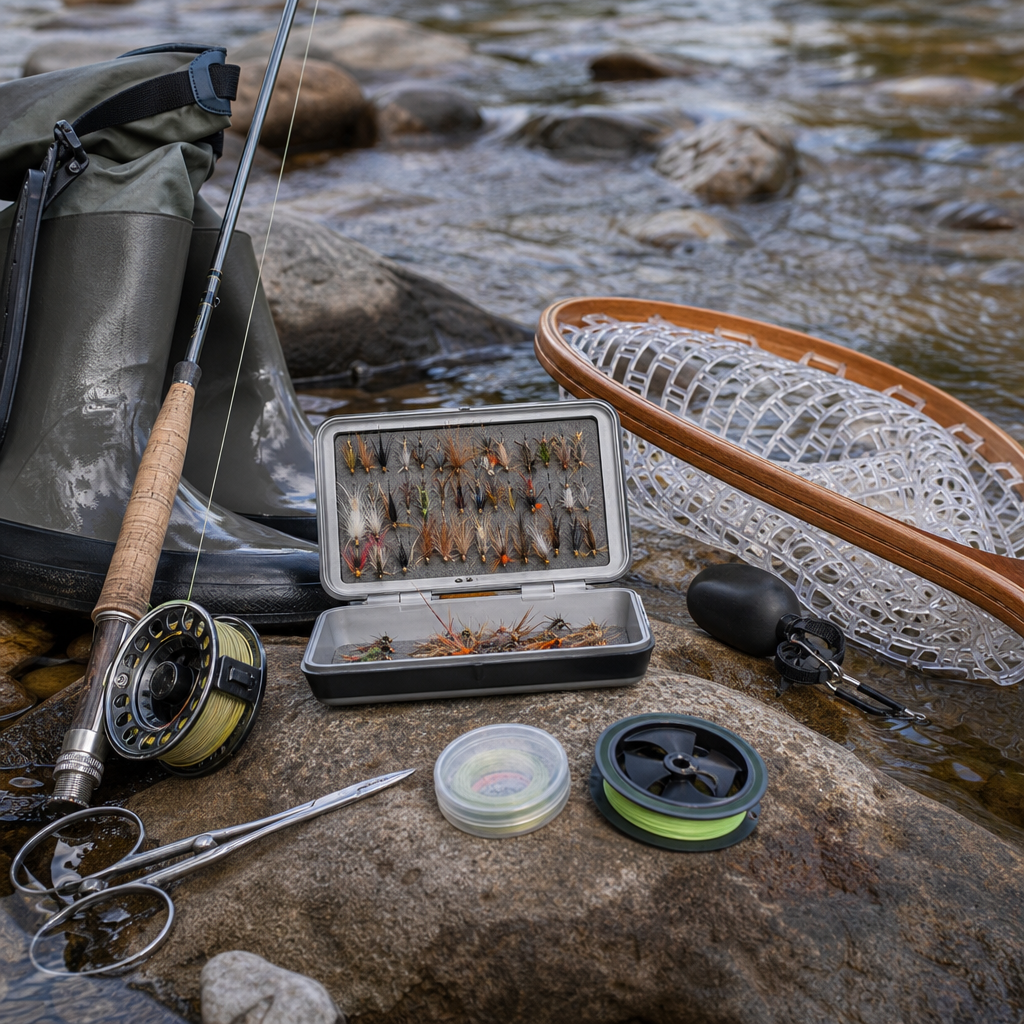
Preparation is critical because fall can deliver some of the year’s most rewarding fishing along with some of its most variable conditions. Weather can shift quickly from mild afternoons to freezing mornings, and rain or early snow can change flows overnight. Layering is essential, as is carrying quality rain gear, warm waders or insulation, gloves, and extra dry clothing. From a fishing standpoint, sunglasses for changing light, multiple leader options, and a range of fly sizes help anglers stay effective when rivers move from clear and low to stained and higher after a front passes through.
Regulations deserve just as much attention as gear. Many premier fall destinations overlap with spawning periods, migratory runs, or protected stretches that have seasonal restrictions. Anglers should always verify local rules on closures, catch-and-release sections, legal hook types, egg pattern use, and whether fishing around active redds is prohibited. Ethical considerations matter in fall because fish can be concentrated and vulnerable. Avoid targeting fish on redds, handle fish quickly in cold air, and respect private property and crowding on well-known runs. The best fall trips happen when anglers prepare for fluctuating conditions, understand the fishery’s seasonal rules, and approach these peak waters with both flexibility and respect.