Best fly fishing trips for adventure seekers combine remote landscapes, technical angling, and the kind of unpredictable conditions that turn a good vacation into a genuine expedition. In this travel and destination review hub, “fly fishing” means presenting an artificial fly with a specialized rod, reel, and line system, while “adventure seekers” refers to travelers who want more than easy access and stocked ponds. They want wilderness, wildlife, changing weather, challenging wades, and the satisfaction of earning each take. I have planned, fished, and evaluated trips across rivers, flats, and backcountry lodges, and the pattern is always the same: the best destinations balance fish quality, guiding standards, safety, logistics, and seasonal timing. This matters because a dream trip is expensive in money, preparation, and limited vacation days. Choosing the right destination determines whether you spend a week learning water, finding fish, and coming home better, or wasting prime time on blown-out rivers, poor outfitting, and mismatched expectations. A strong destination review should answer practical questions fast: what species are targeted, when should you go, how difficult is the fishing, what gear matters, and what experience will the place actually deliver. This article serves as a hub for travel and destination reviews within a broader product reviews and recommendations framework, helping you compare iconic fisheries, understand trip styles, and decide where your next serious fly fishing adventure should begin.
What Makes a Fly Fishing Trip Truly Adventurous
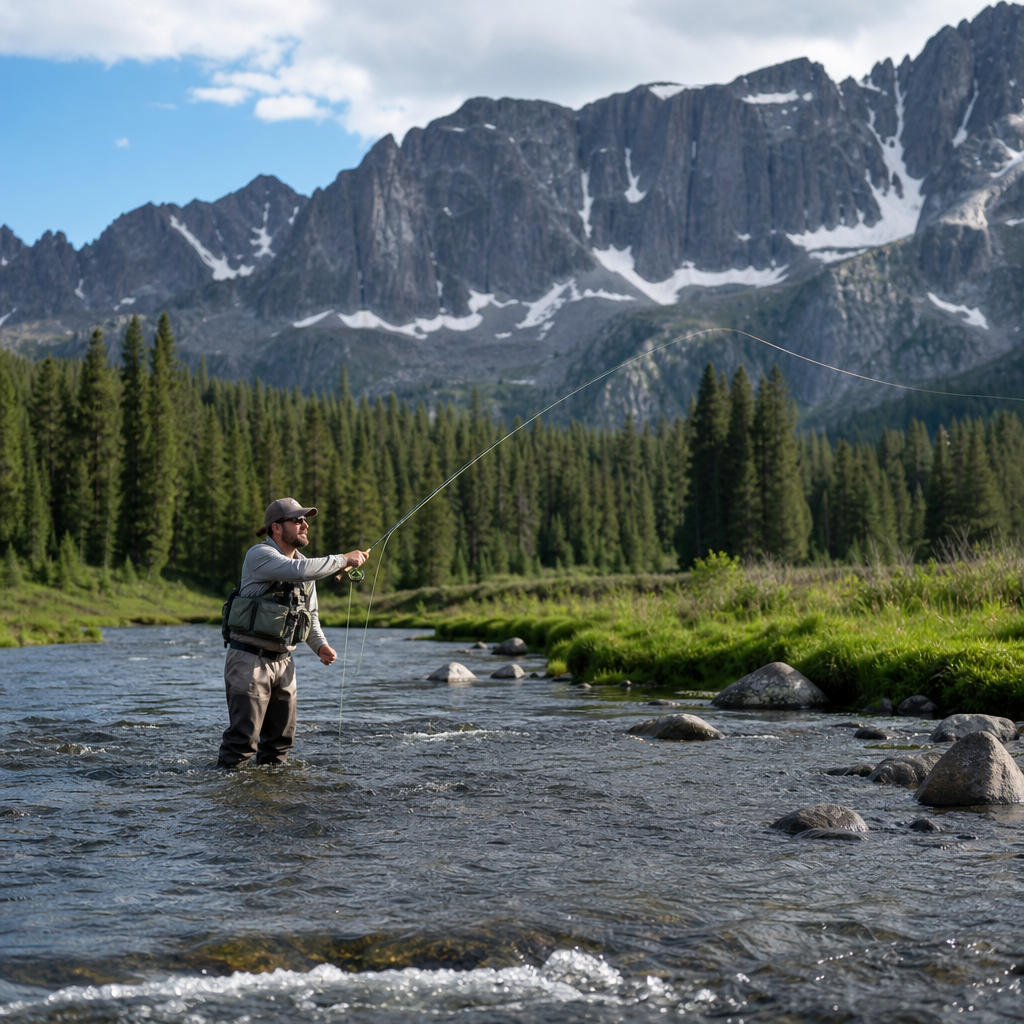
An adventurous fly fishing trip is defined less by distance and more by exposure to variables you cannot fully control. In my experience, the strongest trips share five traits: wild fish, dynamic water or tidal movement, weather that affects daily plans, physical effort, and a setting where local knowledge changes outcomes. Adventure does not automatically mean extreme danger. It means the trip asks something from you. That could be hiking into alpine cutthroat water in the Rockies, poling for giant trevally on a Seychelles flat under trade winds, or floating a Western steelhead river where one perfect swing may be your only chance all day.
Species shape the adventure. Trout trips can be deceptively technical when the fish are selective and the insects matter. Saltwater trips often add wind, visibility, and fast shots at moving fish. Anadromous fisheries such as salmon and steelhead demand patience and confidence because numbers may be low even when quality is exceptional. The destination also determines whether the challenge is casting, reading currents, spotting fish, rowing safely, or maintaining stamina through long days. Good reviews must separate “scenic” from “serious” and explain exactly where the difficulty lives.
Adventure also depends on infrastructure. A remote tent camp in Alaska, a liveaboard mothership in the Indian Ocean, and a drive-up lodge in Patagonia can all feel adventurous, but they impose different demands. Transport reliability, guide communication, satellite safety systems, and gear redundancy are not glamorous details; they are part of what makes a destination viable. When I assess a fishery, I look beyond hero photos and ask whether the operator has a weather backup plan, suitable boats, loaner rods, first-aid capability, and honest pre-trip information about skill level. Those details separate premium adventure travel from expensive guesswork.
Top Fly Fishing Destinations for Adventure Seekers
Some places consistently stand above the rest because they deliver both memorable fishing and a distinct sense of place. Alaska remains the benchmark for anglers who want volume, size, and raw wilderness. Depending on drainage and timing, you can target rainbow trout behind salmon runs, swing for chrome-bright salmon, or explore tundra creeks by floatplane. The best Alaska trips are not just about numbers; they are about mobility, bear-aware operations, and guides who understand how weather, water color, and salmon timing reshape each day.
Patagonia, spanning southern Chile and Argentina, offers one of the broadest destination portfolios in fly fishing. You can fish spring creeks, freestone rivers, and sea-run brown trout systems in the same region, often with dramatic mountain scenery and refined lodge culture. For adventure seekers, the appeal is range. One day may involve dry-fly sight fishing to browns in clear water; the next may mean drift-boat coverage of big river structure under strong winds. Patagonia rewards adaptable casters and travelers who appreciate both wildness and thoughtful hospitality.
Mongolia is a specialist’s destination, centered on taimen, the world’s largest salmonid. This is not a numbers trip. It is a remote river expedition where success can hinge on water temperatures, baitfish movement, and relentless casting of large articulated patterns. The payoff is profound: a fish that can exceed a meter in length in landscapes with almost no development. For anglers who value rarity and scale over certainty, Mongolia is one of the purest adventure options available.
The Seychelles has become a reference point for saltwater expedition fly fishing. Giant trevally, bonefish, triggerfish, permit, and bluewater species can all enter the conversation depending on island and season. This is demanding fishing. Shots are fast, wind is constant, and accurate casting with heavy flies is essential. Yet few places match the visual intensity of wading coral flats while hunting apex predators. It is one of the best destinations for experienced anglers who want a technical challenge beyond freshwater.
New Zealand deserves inclusion because its backcountry trout fisheries turn sight fishing into a high-consequence game. Rivers are often clear enough that every mistake matters. Guides spot fish at surprising distances, and success often comes down to one precise presentation. Add helicopter access, mountain terrain, and highly weather-dependent conditions, and the country offers adventure without sacrificing professionalism. It is ideal for anglers who prefer stalking individual fish rather than covering water blindly.
| Destination | Primary Species | Best For | Main Challenge |
|---|---|---|---|
| Alaska | Rainbow trout, salmon, char | Wilderness variety | Weather and logistics |
| Patagonia | Brown trout, rainbow trout | Mixed techniques | Wind and changing water |
| Mongolia | Taimen | Remote trophy hunting | Low-shot, high-effort fishing |
| Seychelles | Giant trevally, bonefish, triggerfish | Technical saltwater flats | Fast shots and wind |
| New Zealand | Brown trout, rainbow trout | Sight fishing purists | Presentation precision |
How to Choose the Right Trip Style and Destination Review Criteria
The right trip starts with honest self-assessment. Many anglers say they want adventure when they really want comfort with a scenic backdrop. There is nothing wrong with that, but destination fit matters. Ask four direct questions. First, do you enjoy technical casting under pressure, or do you want more fish-contact volume? Second, how much physical hardship are you willing to accept? Third, are you excited by one trophy opportunity a day, or would missed chances become frustrating? Fourth, do you want a species-focused trip or a broader travel experience with fishing at the center?
Reviewing travel and destination options comprehensively requires a repeatable framework. I grade destinations on fish quality, consistency, access, guide standard, accommodation, safety culture, seasonal reliability, and value relative to total trip cost. Fish quality includes average size, wildness, and visual appeal, not only numbers. Consistency means how often the fishery produces under normal conditions. Access covers flights, transfers, road time, and whether bad weather can trap guests. Guide standard includes fish-finding skill, communication, fish handling ethics, and willingness to teach instead of just positioning clients.
Accommodation is not merely about luxury. On demanding trips, sleep quality, drying rooms, wader storage, and food timing can directly affect performance. Safety culture includes sat phones, emergency extraction planning, boat maintenance logs, and clear wading policies. Seasonal reliability is essential because many famous fisheries have narrow windows. A lodge that is excellent in one month can be mediocre in another if runoff, monsoons, or spawning cycles change the system. Value means the full delivered experience after charter flights, gear damage risk, gratuities, licenses, and lost weather days are considered.
This hub article should help you navigate deeper destination-specific reviews. A detailed Alaska review should break down Bristol Bay lodges versus float-camp itineraries. A Patagonia guide should distinguish northern spring-creek programs from southern sea-run campaigns. A Seychelles review should compare outer-island operations, skiff support, and wade intensity. Think of this page as the strategic overview that helps you shortlist the right destination before drilling into species, lodge, and seasonal subpages.
Gear, Skills, Timing, and Logistics That Shape the Outcome
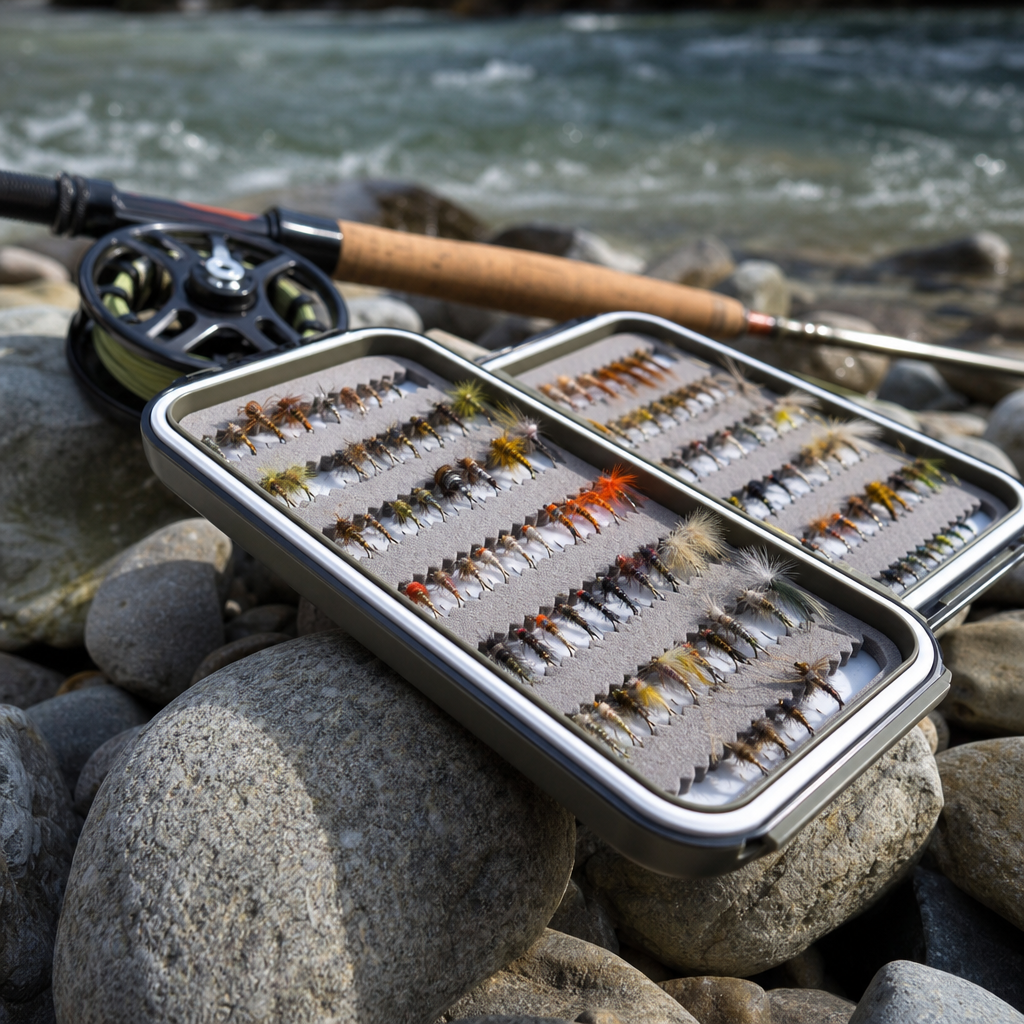
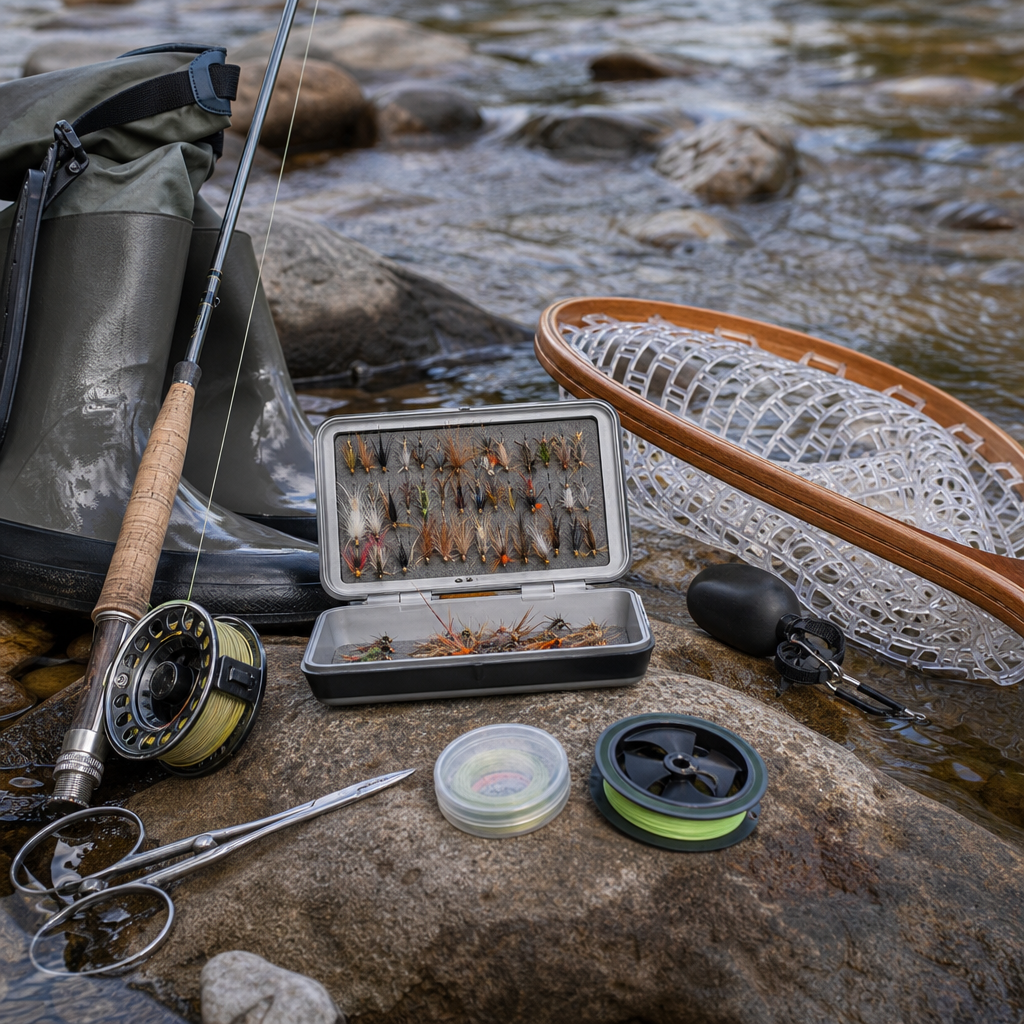
Adventure fly fishing trips are won or lost before you board the plane. Gear selection must match the fishery exactly. For Alaska trout, I usually recommend a fast-action 6-weight, a 7-weight for larger rivers or wind, studded boots where legal, layered rain systems, and multiple fly storage solutions because wet flies can become a daily management problem. For Patagonia, bring rods that handle wind efficiently, especially a dependable 5- or 6-weight for trout and heavier setups for sea-run fish. In the Seychelles, most anglers need an 8-weight for bonefish, a 10- or 12-weight for giant trevally, tropical lines, hard-soled flats boots, stripping guards, and polarized glasses with high-contrast lenses.
Skill readiness matters just as much as equipment. The most common issue I see is anglers booking elite destinations before they can consistently cast into wind, manage line at their feet, or present quickly at variable distances. Practice should be fishery-specific. If you are going to New Zealand, rehearse accurate casts of 30 to 50 feet with one false cast and long leaders. If you are heading to saltwater flats, practice double hauls, backhand deliveries, and picking up line fast for a second shot. For steelhead and salmon trips, work on sustained-anchor or touch-and-go spey casts that match the line system you will fish.
Timing can outweigh lodge quality. Alaska’s rainbow trout often peak when salmon eggs or flesh become available. Patagonia fishes differently across early season, midsummer terrestrial windows, and autumn streamer periods. Taimen trips may rise or fall with post-spawn behavior and water temperature. Saltwater flats destinations are sensitive to moon phase, tidal amplitude, and prevailing wind. The best operators are transparent about this and will tell you when conditions are best for your target species rather than simply selling remaining weeks.
Logistics deserve more respect than they usually get. Build buffer days around international itineraries, especially where charter flights or weather delays are common. Pack rods and one fishing outfit in carry-on when possible. Use waterproof labels inside duffels. Confirm baggage weight rules for bush planes, because a standard travel setup can exceed them quickly. Buy evacuation-capable travel insurance, not just trip cancellation coverage. These are unglamorous details, but on remote trips they protect the investment and keep minor problems from becoming trip-ending failures.
Common Mistakes, Tradeoffs, and How to Plan Your Next Adventure
The biggest mistake adventure travelers make is chasing social media imagery instead of matching destination to skill and temperament. A giant trevally eat on a white flat looks irresistible, but if you dislike heat, repeated long shots, and physically demanding wading, the trip may feel punishing rather than thrilling. The same is true of taimen expeditions, where days without a grab are normal and the reward is tied to persistence. Honest expectations produce better outcomes than aspirational booking.
Another mistake is undervaluing guides and overvaluing amenities. A modest lodge with elite guides usually outperforms a beautiful property with inconsistent instruction and weak daily planning. Guides determine boat positioning, fly changes, fish spotting, and whether the day’s approach adapts to weather or water conditions. I have seen average casters have exceptional weeks because the guide communicated clearly and built confidence shot by shot. I have also seen skilled anglers underperform because the operation ran on routine instead of observation.
Tradeoffs are inevitable. Remote destinations often offer better wilderness and more memorable fishing, but they increase cost, transit complexity, and weather exposure. Comfortable access destinations reduce risk and can still be excellent, especially for anglers improving core skills. Trophy fisheries deliver emotional highs but usually lower numbers. Numbers fisheries can sharpen technique and create a more relaxed trip, yet may lack the singular status some travelers want. The right answer depends on your stage as an angler and what kind of story you want to bring home.
The best fly fishing trips for adventure seekers are not defined by prestige alone. They are defined by fit: the right species, season, guide team, logistics, and level of challenge for the person making the journey. Use this travel and destination review hub as your starting point, then move into detailed sub-guides on specific regions, lodges, species, and gear systems. If you plan carefully, practice with intent, and choose a destination that matches your real goals, your next fly fishing trip can deliver more than fish. It can deliver the kind of hard-earned experience that keeps calling you back. Start narrowing your shortlist and book the season, not just the place.
Frequently Asked Questions
What makes a fly fishing trip ideal for adventure seekers rather than casual anglers?
The best fly fishing trips for adventure seekers go far beyond catching fish in a scenic place. They combine demanding travel, remote access, wild fisheries, and conditions that require adaptability on and off the water. Instead of paved boat ramps, short walks, and predictable hatches, these trips often involve bush flights, long drifts through undeveloped valleys, horseback approaches, backcountry lodges, raft-supported camping, or technical wading in fast, uneven rivers. The appeal is not just the fish itself, but the full expedition experience.
Adventure-focused fly fishing destinations also tend to feature truly wild fish populations and dynamic environments. That means anglers may encounter sudden weather shifts, glacial rivers, tidal changes, high water, wind, bear country, or large, sparsely populated landscapes where self-reliance matters. In practical terms, a trip feels more adventurous when success depends on reading water, making accurate casts in difficult conditions, adjusting fly patterns quickly, and staying comfortable in unpredictable terrain. For many travelers, the reward is the sense that every fish is earned, not simply accessed.
Another difference is the overall travel mindset. Casual anglers may prioritize convenience, easy numbers, and relaxed schedules. Adventure seekers typically want challenge, discovery, and a stronger connection to place. They are often drawn to destinations such as Alaska, Patagonia, British Columbia, Iceland, New Zealand, and remote parts of the American West because those locations deliver both high-quality fly fishing and a true wilderness atmosphere. In that sense, the ideal trip is one where the destination itself feels as memorable as the fishing.
Which destinations are considered the best fly fishing trips for adventure seekers?
Several destinations consistently stand out because they combine outstanding angling with raw scenery, logistical complexity, and a genuine expedition feel. Alaska is one of the clearest examples. It offers remote float trips, salmon runs, trophy rainbow trout, and the possibility of fishing in places where wildlife is part of the daily experience. Many anglers are drawn to its floatplane-access rivers, multi-day wilderness drifts, and the sense that weather, water levels, and migration timing all shape the trip in real time.
Patagonia, particularly in Argentina and Chile, is another top choice. The region is known for broad windswept rivers, spring creeks, mountain lakes, and dramatic landscapes that make every outing feel cinematic. Fly anglers chasing brown trout there often deal with strong wind, technical presentations, and long travel days between fisheries. That challenge is exactly what appeals to travelers looking for a more immersive experience. Patagonia also offers variety, from lodge-based comfort in remote valleys to horseback-supported or road-trip-style adventures through sparsely populated terrain.
British Columbia deserves a place on the list for anglers seeking steelhead, trout, and big, untamed river systems. A steelhead trip in particular is often described as a game of patience, persistence, and precision, which suits people who enjoy difficulty as part of the reward. Iceland and New Zealand are also highly respected. Iceland offers compact but dramatic landscapes, salmon and char opportunities, and rivers that can feel both exclusive and elemental. New Zealand is famous for sight-fishing to large trout in crystal-clear water, where stealth, long leaders, and highly accurate casts are essential. Each of these destinations is excellent for adventure seekers because they ask more of the angler and give back more in atmosphere, challenge, and memory.
How should I prepare for a remote or physically demanding fly fishing trip?
Preparation should start with honest expectations. A true adventure fly fishing trip may require more walking, wading, rowing, hiking, casting endurance, and weather tolerance than many first-time travelers expect. Start by understanding the terrain and fishing style of your destination. If the trip involves large rivers, train for long days standing and wading in current. If it involves hiking into alpine streams or covering long distances on foot, build leg strength, balance, and general cardio fitness before you go. You do not need to be an elite athlete, but you should be physically ready to handle consecutive active days without fatigue compromising safety or enjoyment.
Gear preparation matters just as much. Bring a rod setup matched to the species and conditions, along with backups if the trip is truly remote. Waders and boots should already be broken in and suited to the environment, whether that means aggressive traction for slick freestone rivers or lighter gear for travel-intensive itineraries. Layering is essential because adventure destinations often cycle through cold mornings, warm afternoons, rain, and wind in a single day. Waterproof outerwear, quality base layers, gloves, polarized sunglasses, and a reliable pack are not optional luxuries on these trips; they are part of staying effective and safe.
It is also smart to prepare your fishing skills before departure. Practice casting in wind, mending line, making short accurate presentations, and fighting fish in current. If the destination is known for nymphing, streamer fishing, swinging for steelhead, or dry-fly sight-fishing, spend time sharpening those methods beforehand. Finally, ask detailed questions of your guide, lodge, or outfitter about fitness expectations, communication access, wildlife protocols, packing lists, and emergency planning. The more informed you are before leaving home, the more energy you can devote to the experience once you arrive.
Do I need a guide or outfitter for the best adventure fly fishing trips?
In many cases, yes, especially if your goal is to reach the best water safely and make the most of limited time in a remote destination. A strong guide or outfitter does much more than row a boat or point out rising fish. They help with logistics, access, local regulations, weather decisions, river strategy, equipment recommendations, and safety in unfamiliar environments. On an adventure-oriented trip, that expertise can be the difference between a memorable challenge and a frustrating or risky experience.
This is particularly true in places with complex access issues, dangerous wading, bear activity, rapidly changing river conditions, or highly technical fisheries. For example, in Alaska or northern British Columbia, local knowledge may include understanding aircraft logistics, reading glacial water fluctuations, recognizing wildlife patterns, and knowing when to move, wait, or change tactics. In New Zealand, a guide can dramatically improve success by spotting fish, adjusting approach angles, and helping with stealth in extremely clear water. In Patagonia, outfitters often solve the biggest obstacle of all: distance. They coordinate transportation, lodging, permits, and access to waters that would be difficult to piece together independently.
That said, not every adventure seeker needs a fully guided luxury package. Some experienced anglers prefer semi-guided formats, road-based itineraries, or DIY backcountry trips. The key question is not whether guiding is “better,” but whether it matches your skill set, risk tolerance, and destination complexity. If the trip includes technical fishing, remote travel, language barriers, or meaningful safety concerns, professional support is usually money well spent. It often leads to more fishing time, fewer mistakes, and a deeper understanding of the fishery.
What time of year is best for planning an adventurous fly fishing trip?
The best time depends entirely on the destination, target species, and the type of adventure you want. Timing is one of the most important decisions in fly fishing travel because it influences water levels, fish behavior, weather severity, crowd levels, and even how difficult the overall trip feels. For example, Alaska’s prime windows often revolve around salmon migrations and the trout fishing that follows them, usually in summer through early fall. Patagonia generally fishes best during the Southern Hemisphere season from roughly November through April, with different periods favoring different rivers and techniques. British Columbia steelhead trips often peak in fall, when conditions can be spectacular but also cold, wet, and demanding.
Adventure seekers should think beyond “peak fishing” and ask what kind of experience they want. Shoulder seasons can offer fewer anglers, moodier weather, and a stronger sense of isolation, but they may also bring tougher conditions and less consistency. Peak season often means the most stable fishing opportunity, but it can also mean more competition for permits, guides, or lodge space. In technical destinations like New Zealand or Iceland, even a short seasonal shift can change river clarity, insect activity, and fish behavior in ways that matter significantly.
The smartest approach is to match your expectations to the seasonal realities of the fishery. If your priority is maximizing chances at a particular species, build the trip around biological timing and local guide advice. If your priority is the feeling of an expedition, you may deliberately choose a period with more volatile conditions and fewer people. Either way, plan well in advance, because the best adventure fly fishing trips often have short windows and limited capacity. Good timing does not just improve your odds of success; it shapes the entire character of the journey.