Experienced anglers judge a destination differently than beginners do, because the question is not simply where fish are plentiful, but where water, seasons, hatches, access, regulations, and fish behavior combine to create memorable technical challenges. In fly fishing, a destination review should assess species diversity, river character, wading and boat options, guide quality, permit systems, conservation pressure, and the reliability of seasonal windows. That is especially true for a hub article covering travel and destination reviews within a broader product reviews and recommendations category, since gear choices, packing systems, line selection, and wader durability all depend on where you plan to fish. After years of planning destination trips, testing rods and lines on rivers from the Rockies to Patagonia, and comparing notes with guides, I have learned that the best places for advanced anglers are not always the easiest or the most famous. They are the fisheries that reward precise presentation, strategic timing, and local knowledge. This guide covers the top fly fishing destinations for experienced anglers, explains why each place stands out, and helps you decide which trips deserve a spot on your shortlist.
What Makes a Fly Fishing Destination Worthy for Advanced Anglers
For experienced anglers, a top fly fishing destination must offer more than scenic water and decent catch rates. It should present enough complexity to justify travel cost, limited vacation time, and specialized equipment. The strongest destinations usually share five traits: strong fish populations, technical variety, dependable seasonal opportunities, professional guide networks, and thoughtful fisheries management. Places that consistently appear on serious anglers’ calendars include Montana’s spring creeks, Alaska’s salmon systems, New Zealand’s sight-fishing rivers, Patagonia’s mixed trout waters, and the saltwater flats of the Yucatan and Seychelles.
Technical variety matters because advanced fly anglers often want multiple tests in one trip. A week in Montana might include spring creek midge fishing, hopper-dropper presentations on freestone rivers, and streamer fishing from a drift boat. A week in New Zealand can demand long leaders, stealthy approaches, and single accurate casts to visible brown trout in gin-clear currents. In Alaska, the challenge often shifts from delicate presentation to reading seasonal pulses of salmon, trout, and char while handling weather, bears, and remote logistics. Those differences affect not only destination choice, but also whether you pack a fast-action 5-weight, a two-handed rod, a skiff-ready 8-weight, or a waterproof duffel built for bush planes.
Conservation and management are equally important. The best destination reviews always look past marketing photos to ask practical questions: Are catch-and-release rules enforced? Are guide numbers controlled? Is the fishery wild or stocked? Has recent drought, flooding, invasive species pressure, or warming water reduced quality? Experienced anglers should care because a great trip depends on more than booking a lodge with polished photos. It depends on whether the ecosystem still supports the fishing the brochure promises.
Montana: Benchmark Trout Water in the American West
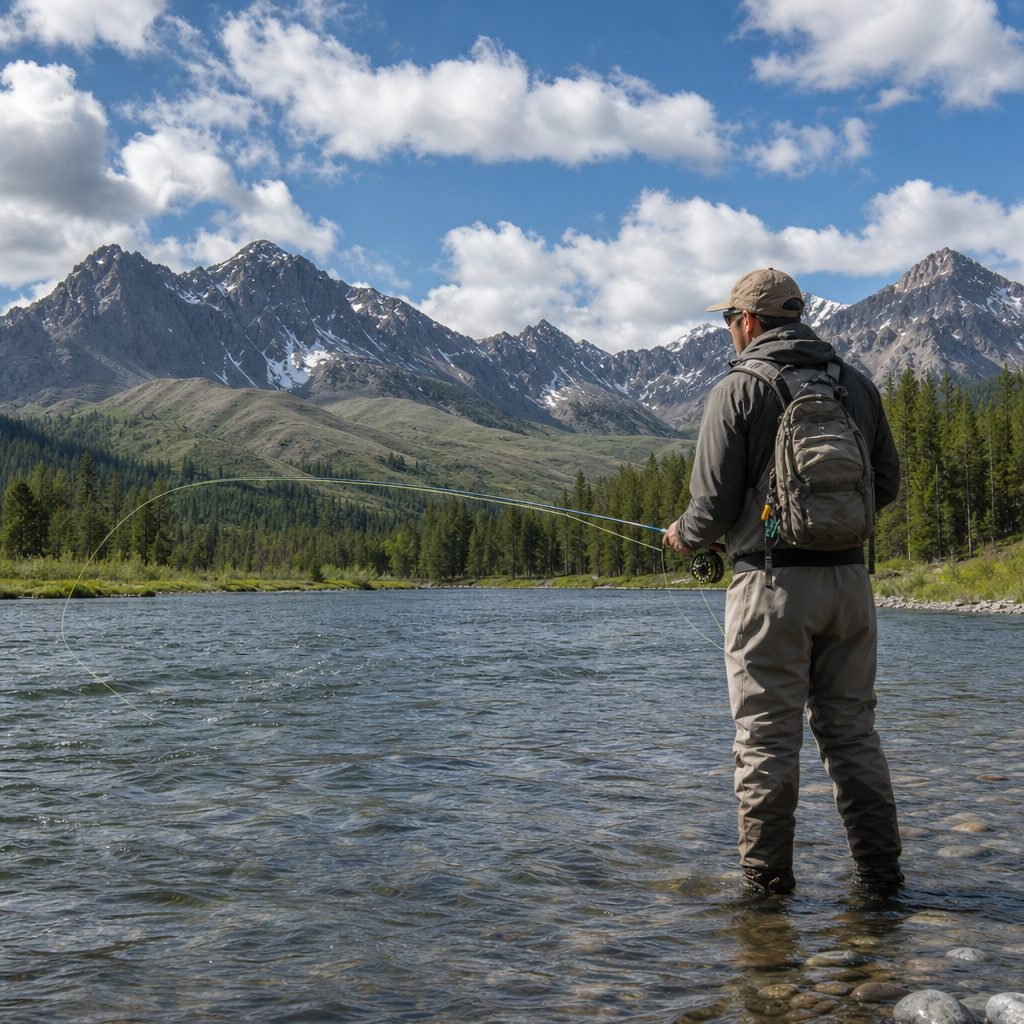
Montana remains one of the most complete fly fishing destinations in the world for advanced trout anglers. The Madison, Yellowstone, Missouri, Bighorn, Beaverhead, and spring creeks near Livingston and Bozeman each fish differently, which is why serious anglers return repeatedly rather than treating the state as a one-time visit. The appeal is not mystery. Montana offers long seasons, substantial public access, excellent guides, and enough river diversity to match nearly any high-skill preference.
The Missouri near Craig is famous for technical dry-fly fishing, especially during Trico, PMD, and caddis periods, with large trout that see heavy pressure and punish drag. The Bighorn, fed by Yellowtail Dam, offers stable flows and prolific insect life, making it one of the West’s most consistent tailwaters. The Madison rewards anglers who can cover banks efficiently with streamers, nymphs, or attractor dries, while the Yellowstone and its tributaries offer classic freestone behavior driven by runoff timing and terrestrial season. Spring creeks such as DePuy’s, Armstrong’s, and Nelson’s are where many advanced anglers go to be humbled. Weed beds, flat currents, selective trout, and small flies force disciplined casting and exact drifts.
Montana is also practical. You can structure a DIY road trip around public access sites, book day guides selectively, or base out of a lodge and rotate fisheries according to weather and hatch reports. For anglers evaluating travel gear, it is one of the best testing grounds because conditions range from drift boat days and wet wading to cold mornings requiring layered technical apparel. If you want one destination that supports future articles on rods, reels, boots, packs, and fly lines, Montana is a natural hub.
Alaska: Big Fish, Big Water, and Serious Logistics
Alaska is a premier destination for anglers who want size, wilderness, and species overlap that few other regions can match. Depending on the drainage and timing, a trip can involve rainbow trout, all five Pacific salmon species, Dolly Varden, Arctic char, grayling, and even pike. The reason experienced fly fishers rate Alaska so highly is not only abundance. It is that abundance exists in dynamic systems where timing controls everything.
The Bristol Bay region, including rivers such as the Kvichak, Naknek, Nushagak tributaries, and Moraine or Funnel Creek-style fisheries, is the classic example. Rainbow trout feed behind spawning salmon, and their diets change with the progression from flesh to eggs to post-spawn forage. Successful anglers adjust quickly, changing fly size, color, depth, and swing speed instead of repeating one productive pattern all day. On the Kanektok or Arolik, the day might start with mice for leopard rainbows, shift to swinging for chum salmon, and end with sight-casting to char in side channels.
Alaska demands preparation. Weight limits on bush flights make luggage systems important. Studded boots are useful on many rivers but restricted in some boats and lodges. Rain gear quality matters more here than in almost any trout destination. So does safety planning around cold water, remote communications, and wildlife. For advanced anglers who value adventure and fish numbers, Alaska often delivers the highest peak experiences. For those seeking technical dry-fly fishing all day, however, it may not be the best fit. The destination is exceptional, but its strengths are distinct.
Patagonia: Wind, Variety, and Legendary Brown Trout
Patagonia, especially in Argentina and Chile, has become shorthand for destination fly fishing because it combines visual drama with broad angling range. The region includes spring creeks, freestone rivers, lakes, meadow streams, and sea-run systems, with brown trout as the signature species. In practice, Patagonia appeals to experienced anglers because no single style dominates. One trip may include foam-line dry-fly fishing on the Chimehuin, streamer work on the Collón Curá, precise presentations on smaller clear tributaries, and stillwater opportunities when wind makes river plans impractical.
The best Argentine lodges excel at mobility. Guides often carry several rods rigged for different methods because conditions change fast. Wind is not a side note; it is a central part of the experience, and casting competence matters. Anglers who can throw tight loops into quartering wind, mend line at distance, and stay composed during short windows around rising fish will enjoy Patagonia more than those expecting easy postcard fishing. The region also shines for anglers who value hospitality and long-format fishing days. Meals, estancias, and guide culture tend to make the travel experience feel polished without erasing the sense of remoteness.
Sea-run brown trout in Tierra del Fuego deserve separate mention. Rivers like the Río Grande are specialized fisheries where sink-tip control, anadromous fish behavior, and weather tolerance shape success. It is not a casual add-on. But for experienced two-hand anglers, it is among the world’s iconic trout trips.
New Zealand: The Ultimate Sight-Fishing Test
New Zealand is where many accomplished trout anglers go when they want to measure skill honestly. The country’s South Island in particular is known for sight-fishing to large wild brown trout in clear rivers where stealth is mandatory and mistakes are obvious. Distances are often longer than they look, currents are more complex than they appear, and one poor cast can end the opportunity immediately.
I consider New Zealand the clearest example of a destination where guide value is inseparable from success. A strong guide spots fish before clients do, interprets light and current seams, and gives highly specific directions such as “forty feet, one rod left of the dark rock, two feet above the fish.” The angler still has to execute, but the system is collaborative. This is not mindless indicator fishing. It is target-oriented hunting.
Because trout densities are lower than in many North American rivers, expectations must be realistic. A great day may involve only a handful of shots, but each fish can be memorable. Terrestrial patterns, cicadas, and nymphs all matter, yet the real challenge is approach angle, leader management, and emotional control under pressure. For anglers shopping for premium rods, leaders, polarized glasses, and waterproof packs, New Zealand often reveals whether expensive gear provides actual field advantages.
Saltwater Flats: Yucatan, Belize, and the Seychelles
Experienced fly anglers should not limit destination planning to trout water. Saltwater flats fishing offers some of the purest technical challenges in the sport, especially for bonefish, permit, and giant trevally. The Yucatan Peninsula in Mexico and nearby Belize are ideal first choices for advanced anglers crossing over from freshwater because travel is manageable, guide infrastructure is mature, and opportunities for bonefish, permit, snook, and tarpon can overlap in one itinerary.
Permit are the fish that redefine patience. Even skilled casters struggle because success requires rapid target acquisition, accurate delivery, depth control, and the discipline not to move the fly unnaturally. Ascension Bay, Espiritu Santo Bay, and Belizean atolls all produce legitimate permit shots, though weather and tides shape the day. Bonefish provide more frequent opportunities, but they still test line management and quick presentations in wind.
The Seychelles sit at the far end of the spectrum. Alphonse, Cosmoledo, and Astove are famous for giant trevally, triggerfish, bonefish, and bluewater options. These fisheries are physically demanding and expensive, but they are world-class. Giant trevally require stout tackle, strip-setting discipline, and total focus boatside. Triggerfish demand delicate sight presentations over coral edges. For anglers building a destination bucket list, saltwater flats belong near the top because they sharpen skills that carry back into freshwater: spotting, casting under pressure, and controlling fish quickly.
How Top Destinations Compare for Travel Planning
When choosing among the best fly fishing destinations for experienced anglers, compare the fisheries by challenge type, ideal season, primary species, and logistics. This table offers a practical overview for trip planning.
| Destination | Primary Strength | Best For | Typical Season | Main Consideration |
|---|---|---|---|---|
| Montana | Diverse trout rivers and spring creeks | Dry fly, nymph, streamer versatility | June to October | Runoff and fishing pressure vary by basin |
| Alaska | Multi-species wilderness fishing | Big trout, salmon, remote lodges | June to September | Weather, bush flight logistics, high cost |
| Patagonia | Brown trout variety and scenery | Mixed techniques in changing conditions | December to April | Wind affects casting and daily plans |
| New Zealand | Elite sight-fishing | Stealth, precision, trophy browns | December to March | Low shot volume increases pressure |
| Yucatan/Belize/Seychelles | Saltwater flats species | Permit, bonefish, GT, technical sight-casting | Varies by region | Wind, tides, and specialized tackle |
How to Choose the Right Destination for Your Skills and Gear
The best destination is the one that matches your strengths while still stretching them. If you are a strong dry-fly angler who enjoys reading hatches, Montana and Patagonia offer broad opportunity with relatively flexible tactics. If your best skill is spotting fish and making one accurate cast, New Zealand should move up your list. If you want fish numbers, size, and wilderness over finesse, Alaska is hard to beat. If you love visual targets and fast decisions, saltwater flats may become your obsession.
Gear planning should follow destination, not the other way around. I have seen anglers overpack specialty rods and forget the basics that matter more: quality rain shells in Alaska, premium sunglasses in New Zealand, tropical fly lines on flats trips, extra leaders for wind in Patagonia, and broken-in boots for Montana’s varied wading. Destination reviews are valuable because they create context for product recommendations. A reel praised for sealed drag performance means more when you understand how it performs against a hot bonefish on a long run or a powerful salmon in heavy current.
Budget and access also deserve realism. A self-guided Montana trip can be affordable compared with fly-out Alaska or the Seychelles. New Zealand rewards hiring guides, which increases cost but dramatically improves odds. Patagonia can be done through premium lodges or more flexible regional travel, though transportation distances add complexity. Advanced anglers usually get the best value by identifying the exact style of fishing they want first, then choosing the destination that delivers that style most consistently.
The top fly fishing destinations for experienced anglers are not interchangeable, and that is exactly why destination reviews matter. Montana offers benchmark western trout fishing with enough diversity for repeated trips. Alaska delivers remote, species-rich adventure and some of the most powerful freshwater fishing on earth. Patagonia pairs iconic brown trout water with wind, mobility, and broad tactical range. New Zealand stands as the definitive sight-fishing examination for anglers who want every cast to count. The Yucatan, Belize, and the Seychelles prove that saltwater flats belong in any serious fly fishing travel conversation.
If you treat this page as your hub for travel and destination reviews, use it to narrow your priorities before you buy gear, book lodges, or burn vacation days. Decide whether you want technical dry flies, visual hunting, heavy streamers, sea-run fish, or saltwater shots at permit and trevally. Then build your tackle, clothing, and guide plan around that goal. Start with one destination that fits your strongest skills, and let that trip shape the next chapter of your fly fishing progression.
Frequently Asked Questions
What makes a fly fishing destination truly worthwhile for experienced anglers?
For experienced anglers, a great destination is defined less by easy catch rates and more by the quality of the challenge. The most rewarding fly fishing locations combine technical water, selective fish, dependable seasonal timing, and enough ecological variety to keep each day intellectually engaging. Strong destinations usually offer more than one fishery style, such as dry-fly rivers, streamer water, spring creeks, lakes, or saltwater flats within reasonable reach. That diversity matters because advanced anglers often want to adapt tactics to changing flows, weather, light conditions, and fish behavior rather than rely on a single pattern or presentation all week.
River character is another major factor. Experienced anglers tend to value destinations with nuanced current seams, structure-rich banks, pocket water, weed lines, gravel runs, or complex flats where reading water becomes part of the experience. Fish species also matter, but not just in terms of size. Wild trout, migratory salmonids, permit, bonefish, taimen, pike, and other game fish each demand distinct approaches, and the best destinations create opportunities to solve different problems rather than simply cast to abundant fish. Access, guide quality, regulations, and conservation standards also separate elite destinations from average ones. Places with strong fisheries management, catch-and-release ethics, and healthy habitat often provide the most consistent and meaningful angling over time.
How should experienced anglers evaluate the best season to visit a destination?
Timing is one of the most important factors in destination planning, because even world-class water can fish poorly if you arrive outside the right seasonal window. Experienced anglers should look beyond broad claims like “best in summer” and study the specific relationships among runoff, water temperature, hatches, migratory fish movement, and angling pressure. In trout fisheries, for example, a destination may be famous for one short dry-fly event, but that event might only peak for a couple of weeks depending on snowpack, rainfall, and river releases. In saltwater fisheries, the ideal season may hinge on wind direction, tides, moon phase, and whether fish are feeding aggressively on particular bait sources.
Reliability matters as much as peak potential. Some destinations produce extraordinary fishing during a narrow and unpredictable window, while others offer consistently good conditions over a broader stretch of the year. Advanced anglers often prefer destinations with multiple overlapping opportunities, such as strong nymphing before runoff, evening dry-fly fishing in midsummer, and streamer fishing in autumn. It is also wise to examine historical weather patterns, closure dates, local permit restrictions, and how crowded a fishery becomes during famous hatch periods. The best trip often comes from matching your preferred style of fishing to a destination’s most stable seasonal conditions, rather than simply chasing the most popular month on the calendar.
Are guided trips still valuable for highly experienced fly anglers?
Yes, often extremely valuable. Hiring a guide is not just for beginners; for advanced anglers, a skilled guide can dramatically shorten the learning curve on unfamiliar water and reveal details that would take years to understand independently. In technical fisheries, local guides know how fish position during specific flows, what fly changes matter most, which access points maximize time on productive water, and how recent weather has altered the fishery. They can also help experienced anglers adjust expectations in real time, shifting from dry flies to nymphs, streamers, or sight-fishing tactics based on current conditions rather than sticking to a preplanned approach that no longer fits.
Guides are particularly valuable in destinations with complex regulations, permit systems, private-access rules, tide-dependent timing, or difficult navigation. On large Western rivers, remote northern systems, or tropical flats, a guide often provides more than instruction; they provide efficiency, safety, and strategic positioning. That said, experienced anglers should choose guides carefully. Look for professionals who understand advanced objectives, not just those who focus on putting beginners into numbers of fish. The best guide for an expert angler is someone comfortable discussing entomology, presentation refinement, fish behavior, conservation practices, and tactical decision-making at a high level. A well-matched guide can turn a good destination into an exceptional one.
What access and regulation issues should experienced anglers research before choosing a destination?
Access and regulations can significantly shape the quality of a trip, especially for anglers who want to fish independently or move between multiple types of water. Before selecting a destination, research whether the fishery is primarily public, permit-based, lodge-controlled, or dependent on private access agreements. Some famous rivers offer excellent public opportunities but require long walks, boat shuttles, or detailed knowledge of legal entry points. Others may appear accessible on a map but are heavily fragmented by private land, seasonal closures, or restricted wading zones. In saltwater or remote systems, access may depend on skiffs, local transport, weather windows, or specialized outfitting logistics.
Regulations deserve equally careful attention. Experienced anglers should review licensing requirements, catch-and-release rules, fly-only designations, seasonal closures, hook restrictions, beat rotations, and permit lotteries well in advance. These rules are not just administrative details; they often reflect how a fishery is managed and how crowded or pressured it may become. Destinations with strict regulation are not necessarily inconvenient; in many cases, they protect the very qualities advanced anglers are seeking, such as lower pressure, healthier fish populations, or more stable habitat. Understanding the legal and logistical framework ahead of time helps avoid wasted fishing days and allows you to choose a destination that matches your preferred balance of freedom, structure, and conservation-minded management.
Which qualities separate a memorable advanced fly fishing trip from a destination that is merely famous?
A famous destination is not always the same thing as a satisfying one for skilled anglers. Many well-known fisheries build their reputations on scenery, history, or high catch rates, but experienced anglers often care more about consistency, complexity, and the opportunity to make meaningful tactical decisions. A memorable trip usually includes fish that behave naturally under real pressure, water that rewards careful observation, and enough variation in conditions to test a full range of skills. That might mean stalking large trout on spring creeks, drifting technical freestone water during a hatch, poling a flat for tailing permit, or working streamers through structure where one well-placed cast can matter more than fifty random ones.
Another key distinction is whether the destination holds up over multiple days. Elite fisheries continue to reveal new layers as anglers adjust to current speed, insect life, light angles, temperature shifts, or fish location patterns. They do not feel solved after one productive morning. Memorable destinations also tend to be supported by strong local infrastructure, including knowledgeable guides, clear access systems, conservation-minded operations, and realistic expectations about conditions. In the end, the best advanced fly fishing destinations are those where challenge, fish quality, habitat, and strategic depth come together. They reward preparation and skill, and they leave experienced anglers thinking not just about what they caught, but about everything they learned on the water.