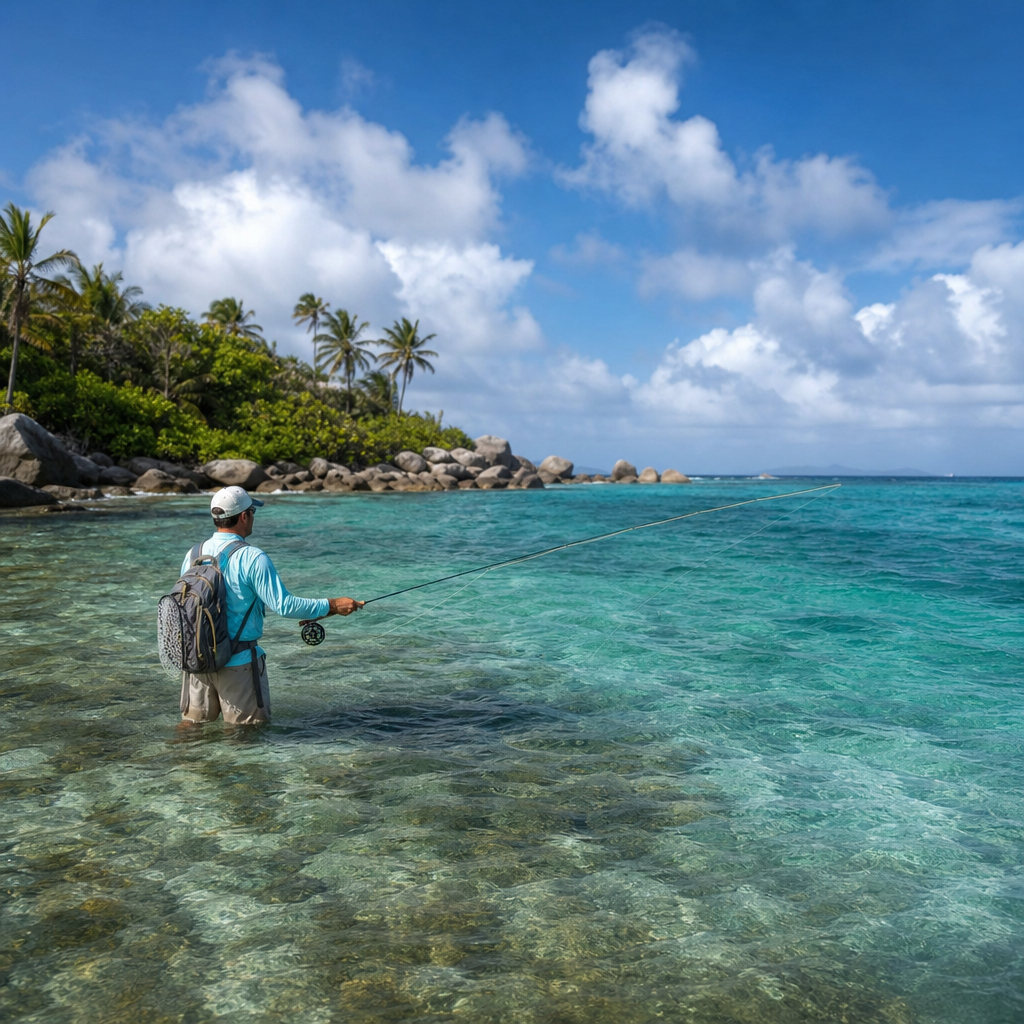
Fly fishing in the Caribbean combines technical sight casting, warm-water species, and destination travel in a way few other regions can match. Anglers come for bonefish, permit, and tarpon, but the best fly fishing spots in the Caribbean offer far more than a species checklist. They provide distinct flats ecosystems, guide quality, access models, weather patterns, and travel logistics that directly affect your success. In practical terms, a destination review must answer three questions: what can you catch, how hard is it to fish well there, and what kind of trip will you actually have once cost, lodging, and local conditions are included.
When I evaluate Caribbean fly fishing destinations, I look beyond postcard imagery. A serious review should consider wading versus skiff fishing, average wind strength, water clarity, seasonal migration windows, guide training, conservation pressure, and transfer time from major airports. Those factors matter because Caribbean saltwater fly fishing is usually visual. If the light is poor, the wind is high, or the guide cannot position a skiff correctly, even famous water can fish small. On the other hand, a less-hyped island with consistent bonefish numbers and easier shots may produce a better overall experience for many anglers.
This hub article reviews the leading Caribbean destinations for travel and destination planning, with a focus on real performance rather than marketing language. It is designed for anglers choosing between the Bahamas, Belize, Cuba, Mexico’s Caribbean coast, Puerto Rico, and selected smaller island fisheries. You will find clear strengths, limitations, and trip-fit recommendations for first-time flats anglers, experienced permit hunters, and travelers mixing fishing with family vacation time. If you are comparing destination reviews, lodge recommendations, packing guides, or beginner saltwater tactics, this page gives you the framework to choose intelligently and narrow your next trip.
What Makes a Caribbean Fly Fishing Destination Truly Great
The best Caribbean fly fishing spots share several measurable qualities. First, they hold target species in fishable numbers across a meaningful area, not just in isolated pockets. Second, they offer enough access to match the fishery: competent guides, reliable skiffs, wadeable flats where appropriate, and practical transportation from airport to lodge. Third, they maintain fishable conditions often enough that a weeklong trip has a realistic chance of success. In the Caribbean, the best fishery on paper can still disappoint if persistent trade winds or long runs reduce your effective hours on the water.
Species mix shapes the experience. Bonefish are the foundation of many Caribbean trips because they are abundant, visual, and broadly available. Permit are the glamour species, but they are never easy and should not be sold as predictable. Tarpon vary by destination, with juveniles available in mangroves and lagoons in some regions and larger migratory fish appearing seasonally elsewhere. Secondary species such as snook, barracuda, jack crevalle, and triggerfish can add real value, especially for anglers who want shots throughout the day rather than waiting solely for one high-difficulty target.
Travel infrastructure matters more than many anglers expect. I have seen excellent fisheries lose appeal because the transfer required two domestic flights, a rough road, and a late skiff departure on day one. By contrast, an island with slightly fewer permit but straightforward connections and dependable guides often delivers a better total trip. The strongest destination reviews balance fish quality with practical realities: customs rules for rods and reels, hurricane-season risk, medical access, Wi-Fi reliability for working travelers, and whether non-angling companions will enjoy the destination when you are on the flats.
Top Caribbean Fly Fishing Destinations Compared
The Bahamas remains the benchmark for pure bonefishing. Its vast flats systems, especially on Andros, Grand Bahama, Abaco, and Eleuthera, offer classic hard-bottom wading and skiff water. Andros stands out for scale and variety; it has extensive west-side wilderness, inland creeks, and large numbers of fish. Grand Bahama is easier logistically for many U.S. travelers and has productive fisheries on both the east and west ends. For first-time saltwater fly anglers, the Bahamas often provides the cleanest learning curve because bonefish are the main event and the visual fishing is straightforward when weather cooperates.
Belize is the Caribbean’s most complete grand slam destination. The combination of bonefish, permit, and tarpon around Ambergris Caye, Turneffe Atoll, Placencia, and Punta Gorda gives anglers legitimate variety. Permit are the headline draw, particularly on Turneffe and southern fisheries, but expectations should stay grounded: even elite anglers can fish hard for few real chances. Belize shines because guides are generally experienced in multi-species days. You may pole a flat for permit in the morning, fish mangrove channels for tarpon after lunch, and finish on tailing bonefish, all without changing countries or trip style.
Cuba offers some of the Caribbean’s most visually dramatic and least pressured flats, especially in Jardines de la Reina, Cayo Largo, and the Zapata region. The appeal is scale, low angling pressure, and excellent populations of bonefish, permit, and resident tarpon. In the right zones, the sheer number of targets can feel extraordinary. The tradeoff is complexity. Travel regulations can change, transfer logistics are often layered, and service standards vary by operation. Cuba rewards anglers who prioritize fisheries first and convenience second. When the program is well run, it can deliver one of the most memorable saltwater fly trips in the region.
Mexico’s Caribbean coast, especially Ascension Bay and Espiritu Santo Bay on the Yucatán, deserves inclusion in any serious review of Caribbean fly fishing spots. These fisheries are known for permit, juvenile tarpon, snook, and bonefish, with broad mangrove systems and lagoons creating mixed-shot days. The permit reputation is deserved, but this is not a destination where numbers are guaranteed. It is a technical fishery that suits anglers who can cast accurately in wind and stay patient through long periods of hunting. Access from Cancun is relatively efficient, which gives Mexico a strong value-to-opportunity ratio.
| Destination | Best For | Primary Species | Main Advantage | Main Limitation |
|---|---|---|---|---|
| Bahamas | First saltwater trip, bonefish focus | Bonefish, barracuda, permit in some areas | Extensive flats and clear bonefishing identity | Wind can reduce visibility fast |
| Belize | Multi-species anglers | Permit, bonefish, tarpon, snook | Most balanced grand slam potential | Permit remain high difficulty |
| Cuba | Experienced anglers seeking low pressure | Bonefish, permit, tarpon | Large protected fisheries with strong numbers | More complex travel planning |
| Yucatán, Mexico | Permit hunters and technical anglers | Permit, tarpon, snook, bonefish | Strong species diversity near major airport access | Highly wind- and tide-dependent |
| Puerto Rico | Short trips and DIY-friendly travel | Tarpon, snook, jacks | Easy access for U.S. travelers | Not a classic bonefish flats destination |
Best Spots for Bonefish, Permit, and Tarpon
If your trip revolves around bonefish, the Bahamas is still the safest recommendation. Andros in particular gives anglers room, numbers, and varied water types. South Andros has long been favored for dedicated lodge programs and broad west-side habitat. Bonefish there are not merely present; they are central to the entire fishing culture. Cuba also deserves high marks for bonefish, with many areas holding aggressive fish in wadable water. Belize has excellent bonefish too, but most anglers traveling there are dividing attention among species, which changes how guides structure the day.
For permit, Belize and the Yucatán are the clearest leaders. Turneffe Atoll has built an international reputation because it consistently produces real permit shots in classic flats settings. Ascension Bay offers a slightly different feel, with mangrove edges, lagoons, and turtle grass flats producing technical opportunities that often include schools as well as singles. Cuba belongs in this conversation as well, especially for anglers seeking large areas with lighter pressure. Still, permit fishing everywhere remains a game of low odds and precision. A destination is good because it provides frequent chances, not because it can promise a catch.
For tarpon, Puerto Rico is underrated, especially around San Juan lagoons where juvenile and medium fish can be found year-round. It is one of the easiest warm-water trips to organize for U.S. anglers, and a short three- or four-day stay can produce excellent action. Belize is another strong tarpon destination, particularly for juveniles in mangrove systems and laid-up fish in protected water. The Yucatán also offers exciting baby tarpon and snook combinations. Anglers seeking giant migratory tarpon usually look beyond the Caribbean core, but within the region, these fisheries offer highly visual and dynamic tarpon fly fishing.
How to Choose the Right Caribbean Fly Fishing Trip
The right destination depends less on your dream species than on your actual skill level, budget, and tolerance for variables. First-time flats anglers usually do best in the Bahamas because the target recognition is simpler. You are looking for bonefish on light bottoms, often at manageable distances, and guides can teach line control, strip setting, and leading fish without overwhelming the day. A permit-first trip to Belize or Mexico can be thrilling, but it can also frustrate anglers who are still learning to carry sixty feet of line in a crosswind.
Budget should include more than lodge rate. In Caribbean saltwater travel, cost is affected by transfers, guide gratuities, tackle replacement, overweight baggage, and weather insurance. Cuba may appear competitively priced in package terms, yet charter connections and regulatory planning can narrow the gap. The Bahamas can range from premium lodges to relatively simple guesthouse-based operations with local guides. Belize and Mexico offer broad middle ground, where anglers can choose between high-end all-inclusive programs and more flexible boutique operations. The best value is not the cheapest week; it is the trip most likely to match your goals.
Travel style also matters. Dedicated anglers who want dawn-to-dusk fishing may prioritize remote lodges with fixed skiff programs and communal dinners. Couples or families may prefer destinations where restaurants, beaches, and cultural activities are nearby. Puerto Rico and parts of Mexico score well here because non-anglers have easy alternatives. More remote Cuban and Bahamian operations can be spectacular for fishing but may feel narrow for mixed-purpose vacations. Before booking, ask direct questions: how many hours are spent running each day, how many anglers per guide, what happens in extreme wind, and how often do guides change target species to save a slow day.
Seasonality, Conditions, and Planning Tips
The Caribbean can fish year-round, but timing still matters. Spring often brings excellent light and strong species overlap in many destinations. Summer may offer great fishing too, especially for resident tarpon and bonefish, but heat, storms, and hurricane-season risk increase. Fall can be productive where weather windows hold, though trip insurance becomes especially important. Winter is popular for escaping cold climates, yet stronger trade winds can make sight fishing more difficult. The best booking strategy is to start with your primary species, then choose the destination whose seasonal conditions most consistently support that fishery.
Tides, moon phases, and wind direction affect outcomes more than many newcomers expect. Permit in particular can shift feeding behavior with tide movement and water temperature. Bonefish on hard white sand are easier to spot under high sun than on mixed turtle grass under cloud cover. That is why destination reviews should never rely only on annual averages. Ask the lodge or outfitter what a normal day looks like during your exact week. Reputable operations will discuss likely conditions honestly, including when certain zones become inaccessible or when long runs are necessary to find protected water.
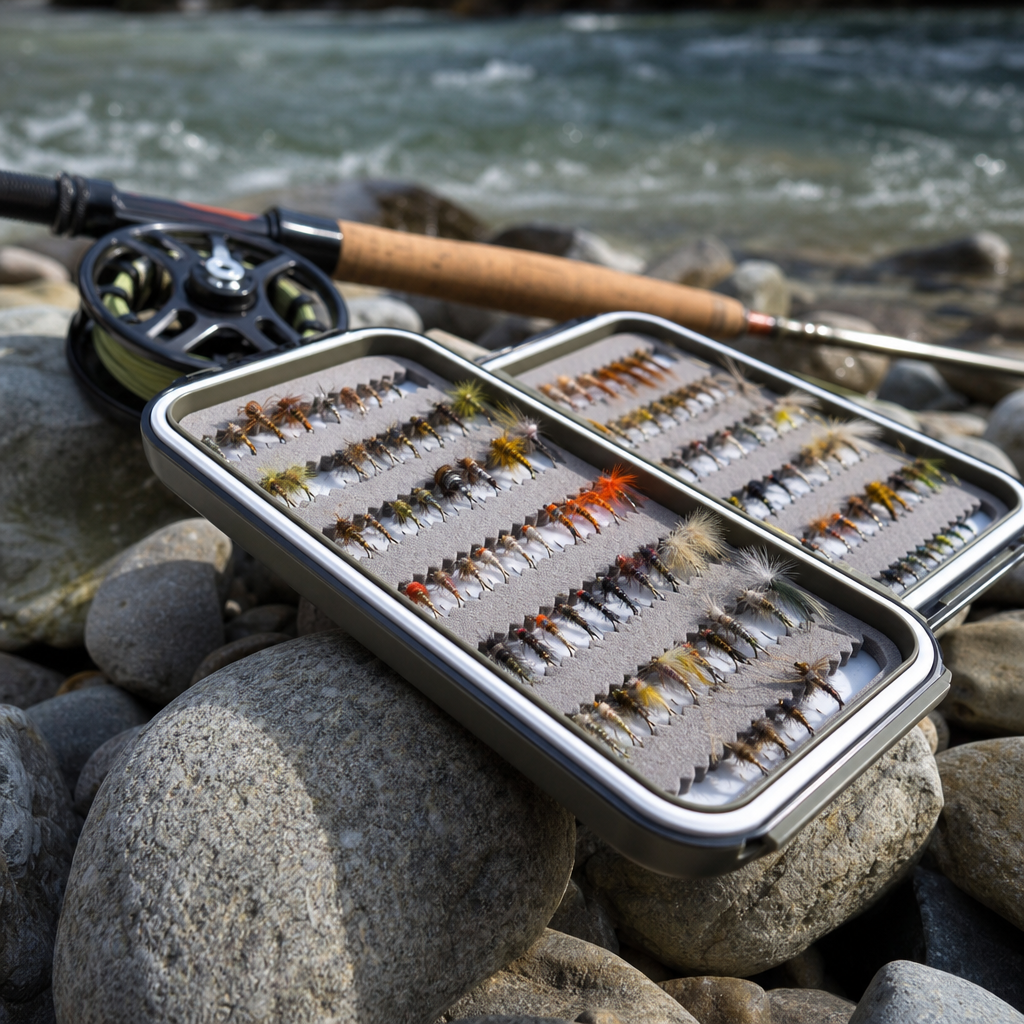
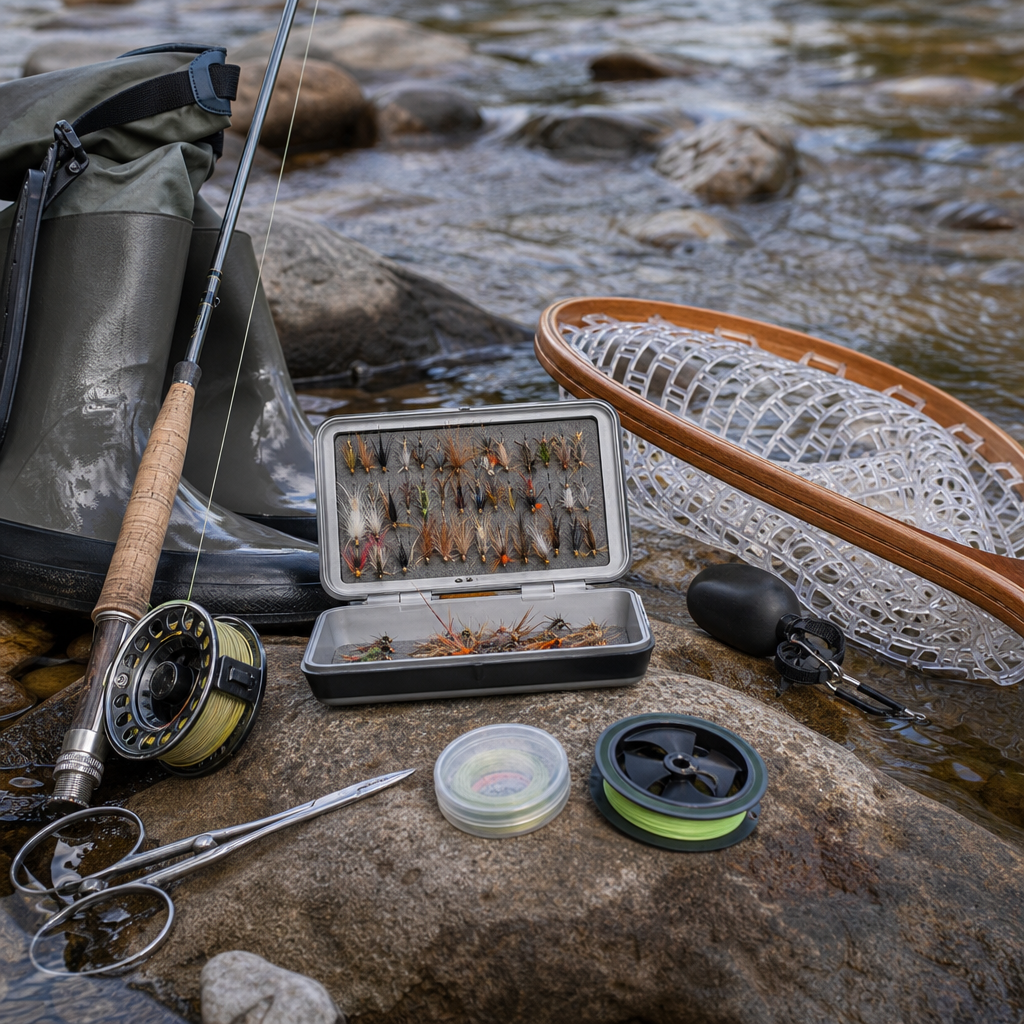
Gear planning is straightforward but should be disciplined. An eight-weight covers most bonefish situations. A nine- or ten-weight is standard for permit and larger juvenile tarpon, while an eleven- or twelve-weight may be useful where bigger tarpon are possible. Tropical fly lines, strong leaders, and corrosion-resistant reels are non-negotiable. I also advise carrying more flies than you think you need: Gotchas, Crazy Charlies, spawning shrimp patterns, crab flies, and baitfish profiles matched to local guide recommendations. Good destination programs provide a packing list, but serious anglers confirm fly size, hook style, and dominant bottom color before departure.
The best fly fishing spots in the Caribbean are not identical, and that is exactly why the region remains so compelling. The Bahamas leads for classic bonefishing and accessibility to the flats experience. Belize stands out for balanced multi-species opportunity and legitimate grand slam potential. Cuba delivers scale, low pressure, and exceptional visual fishing for anglers willing to accept more planning complexity. Mexico’s Caribbean coast rewards technical anglers with world-class permit scenarios and versatile mixed fisheries, while Puerto Rico offers convenient tarpon-focused action ideal for shorter trips.
For readers exploring travel and destination reviews under product reviews and recommendations, the core lesson is simple: evaluate a fishery the way you would evaluate serious gear. Look at performance, consistency, limitations, and fit for your actual use case. A destination is only “best” when it aligns with your casting skill, species priorities, schedule, and travel expectations. The most successful Caribbean trips happen when anglers book with clear eyes, realistic goals, and enough preparation to take advantage of the shots they earn.
Use this hub as your starting point, then build your plan around one primary question: do you want numbers, variety, or challenge? Once that answer is clear, the right island or coastal fishery usually becomes obvious. Narrow your shortlist, speak with outfitters directly, compare seasonal windows, and commit to the destination that matches the trip you truly want to fish.
Frequently Asked Questions
What makes the best fly fishing spots in the Caribbean different from one another?
The best fly fishing spots in the Caribbean are not interchangeable, even when they all promise shots at bonefish, permit, and tarpon. What separates one destination from another is the full fishing system around those species: the type of flats, the average size and behavior of fish, the reliability of local guides, seasonal weather, and how easy it is to actually access productive water. Some islands are known for vast hard-sand flats that are ideal for wading and spotting bonefish at long range, while others feature mangrove-lined lagoons, channels, and deeper edges that favor skiff fishing and more technical presentations.
Permit also vary by destination. In some areas, they are a realistic daily target with frequent encounters on ocean-side flats and turtle grass edges. In others, they are present but more opportunistic, often encountered while targeting bonefish. Tarpon fisheries differ just as dramatically. One destination may offer juvenile tarpon in protected backcountry creeks year-round, while another is better known for migratory fish during a narrow seasonal window. These distinctions matter because they change what kind of angler will enjoy the trip most. A strong caster who loves hunting singles on foot may prefer one island, while a traveler looking for mixed-species action from a skiff may be better served somewhere else.
Travel logistics are another major differentiator. Direct flights, lodging near the flats, boat ride times, and customs or transfer requirements all influence how much fishing time you actually get. The top-reviewed Caribbean fly fishing destinations usually excel not only because they hold fish, but because they combine productive habitat, consistent guide service, and efficient access into a trip that delivers real opportunity day after day.
Which Caribbean destinations are best for bonefish, permit, and tarpon?
There is no single “best” destination for every species, which is why destination reviews are so important. For bonefish, anglers often look for places with large, healthy flats systems, clear water, and broad habitat diversity. The Bahamas, particularly islands with extensive shallow flats, have long been considered benchmark bonefish destinations because they offer consistent sight-fishing opportunities, good numbers of fish, and a mix of wading and skiff options. Certain parts of Belize also deserve attention for bonefish, especially when combined with access to permit and tarpon in the same general fishery.
For permit, a handful of Caribbean fisheries stand out because they offer enough encounters to make permit a primary target rather than an accidental bonus. Belize is often near the top of that conversation due to its classic permit habitat, experienced guides, and legitimate grand slam potential. Mexico’s Caribbean coast is sometimes discussed alongside Caribbean permit fisheries as well, but within the island-focused Caribbean conversation, anglers usually compare Belize, Cuba, and select cays or atolls where guides know the tides, travel lanes, and feeding zones exceptionally well.
Tarpon opportunities are broader than many first-time travelers realize. Juvenile tarpon can provide exciting action in mangroves, lagoons, and protected channels across several Caribbean destinations, while larger migratory tarpon may appear seasonally in deeper channels and coastal corridors. Cuba often gets attention for the diversity and scale of its fisheries, including shots at multiple species in relatively wild settings. Belize remains a favorite for anglers who want variety and realistic slam potential. The Bahamas continue to lead for anglers whose main goal is classic bonefish. In practice, the right destination depends on whether you want to specialize in one species, pursue mixed-species days, or maximize sight-casting opportunities under specific conditions.
When is the best time to plan a Caribbean fly fishing trip?
The best time to plan a Caribbean fly fishing trip depends on your target species, your tolerance for heat and wind, and how much weather risk you are willing to accept. In general, much of the Caribbean offers productive fishing for long stretches of the year, but “fishable” and “ideal” are not always the same thing. Bonefish are available year-round in many destinations, yet visibility, wind levels, and tidal timing can make some months much more comfortable and effective than others. Permit can also be present throughout the year in some fisheries, though local seasonal patterns often influence how regularly they show on specific flats or edges.
Wind is one of the most important variables in Caribbean fly fishing. Even destinations with abundant fish can become challenging when trade winds intensify, especially for anglers who are still developing quick, accurate saltwater casts. Many experienced travelers prefer shoulder periods that balance good weather, manageable wind, and strong fishing. Tarpon seasons can be more specific, particularly where larger migratory fish are involved. If tarpon are a major goal, it is worth checking local seasonal windows rather than assuming a destination produces equally well every month.
Hurricane season must also be part of the planning process. While this does not automatically make travel a bad idea, it does increase uncertainty and may affect both trip timing and travel insurance decisions. The best destination reviews explain not only peak seasons, but also why those seasons matter in practical terms: better light for spotting fish, lower wind, more stable tides, or stronger chances at a certain species. A smart angler chooses dates based on the kind of fishing they want, not just general calendar recommendations.
How important are guides, lodges, and access models when comparing Caribbean fly fishing destinations?
They are extremely important—often more important than anglers expect when they first start comparing destinations. A place can have excellent fish populations, but if guide quality is inconsistent, access is complicated, or daily travel to the fishing grounds is inefficient, the overall experience can fall short. In Caribbean fly fishing, success depends heavily on local knowledge. Guides need to understand tides, light angles, wind direction, fish behavior, and how to position the skiff or wading approach so you actually get makeable shots. That level of expertise can be the difference between seeing fish and truly getting chances to catch them.
Access models vary widely. Some destinations are lodge-centered, with a structured package that includes transfers, accommodations, meals, and guided fishing. Others are more DIY-friendly, allowing anglers to rent accommodations and arrange guides independently. Neither model is automatically better; it depends on the traveler. Full-service lodges can simplify logistics, reduce wasted time, and provide a more seamless first visit. DIY trips can offer flexibility and savings, but they require more research and usually make the experience more dependent on your own planning accuracy.
It is also worth asking how long it takes to reach the flats each morning, whether the fishing is primarily from skiff or on foot, how many anglers share a guide, and what backup options exist if weather changes. The best-reviewed operations are transparent about what a fishing day really looks like. They do not just advertise trophy species; they explain how access works and how that supports consistent opportunities. For most anglers, especially those investing in destination travel, guide quality and access efficiency are among the strongest predictors of a successful trip.
What should anglers look for in a review of the best fly fishing spots in the Caribbean?
A useful review should answer three practical questions clearly: what can you realistically catch, how do you fish the destination, and what kind of trip experience should you expect from arrival to departure. Too many summaries stop at species names and a few attractive photos. A strong review goes much deeper. It should describe the fishery in terms of habitat, average shot quality, fish numbers versus trophy potential, and whether the destination is best for beginners, intermediate casters, or highly experienced saltwater anglers.
It should also explain technique and access. For example, are most fish found while wading hard-bottom flats, polling from a skiff, or drifting mangrove edges? Are shots usually close and quick, or do they require longer casts in windy conditions? Is the destination especially good for bonefish with permit as a bonus, or does it genuinely support multi-species days? The more specific the review, the more useful it becomes for trip planning. Anglers should also look for honest discussion of weather, travel days, airport connections, boat runs, and the consistency of local guide service.
Finally, a trustworthy review should help match the destination to the angler. Not every top Caribbean fishery is ideal for every traveler. Some destinations are perfect for someone chasing a first bonefish on a relatively forgiving flat. Others are better for advanced anglers willing to spend long days hunting permit under difficult conditions. The best reviews do not just rank locations; they explain strengths, limitations, and tradeoffs so readers can choose the fishery that fits their goals, budget, and skill level.