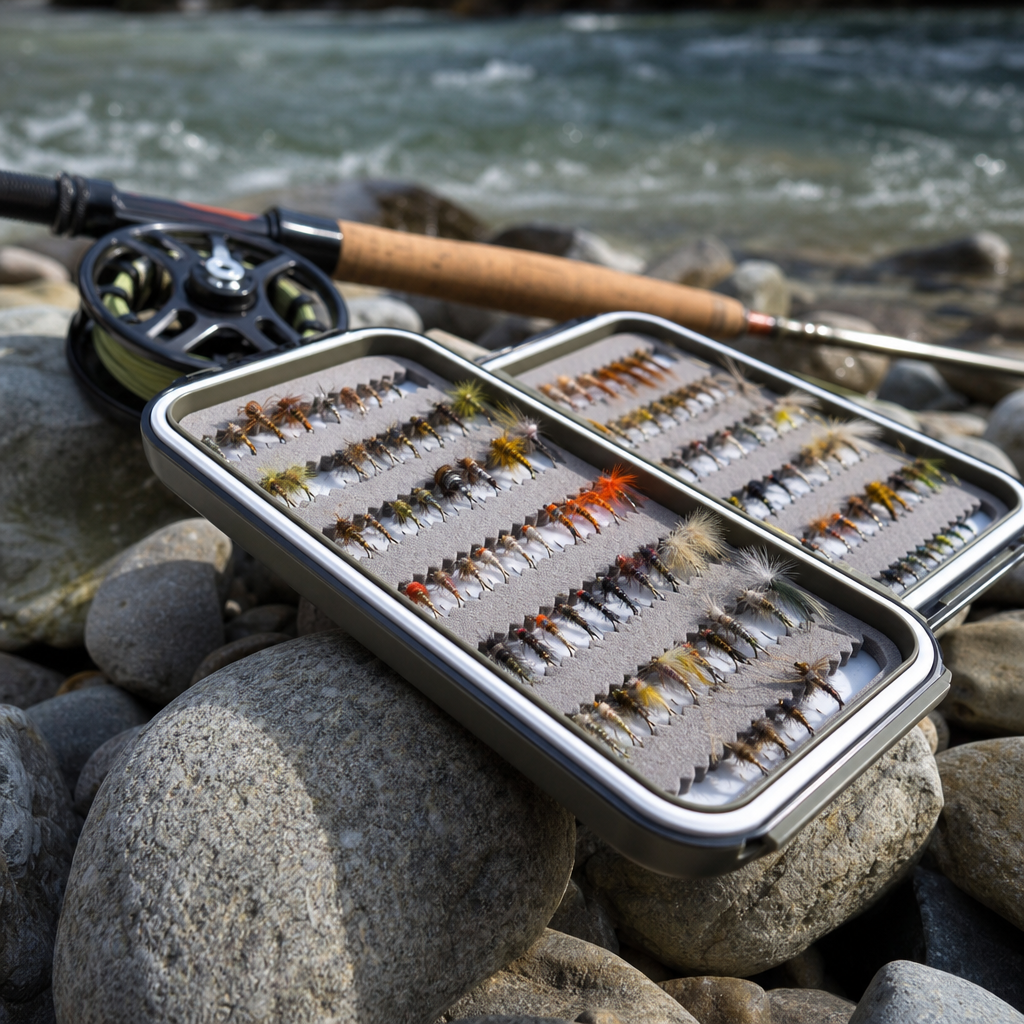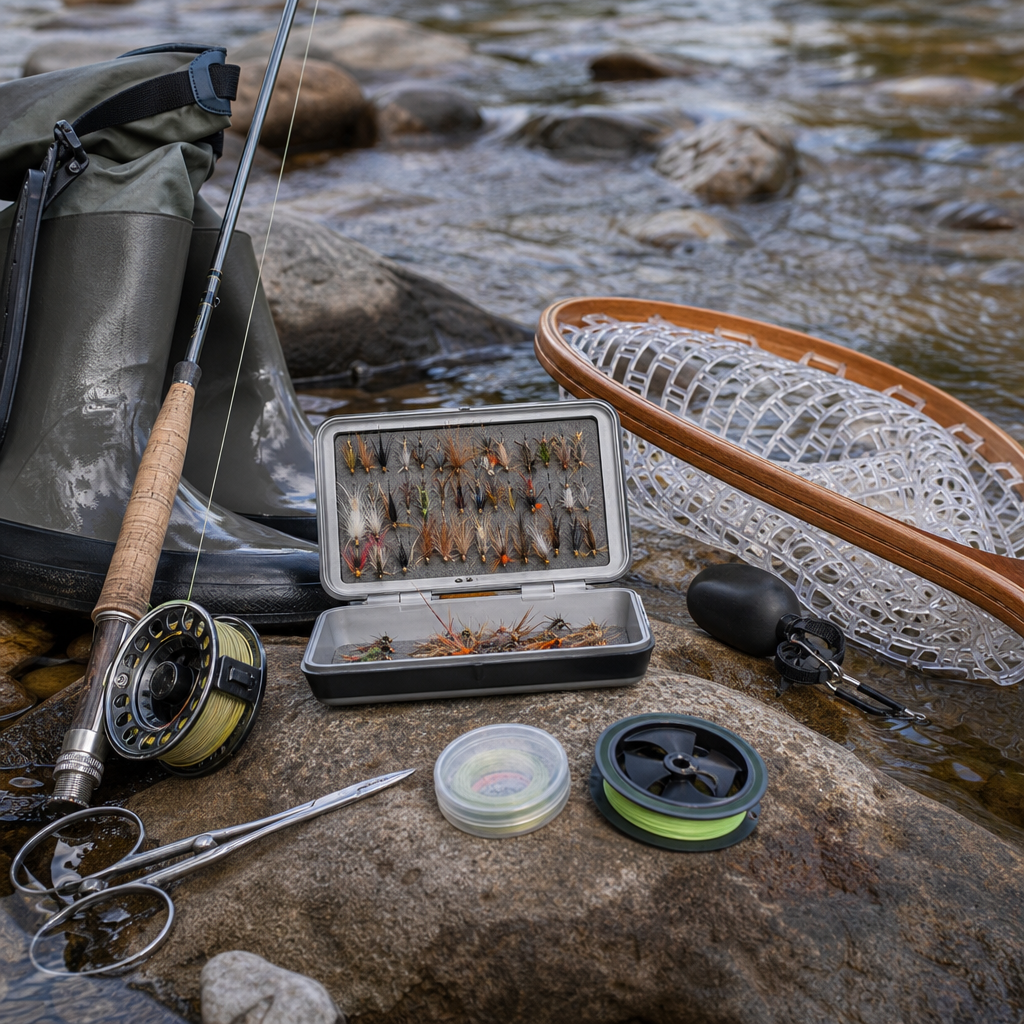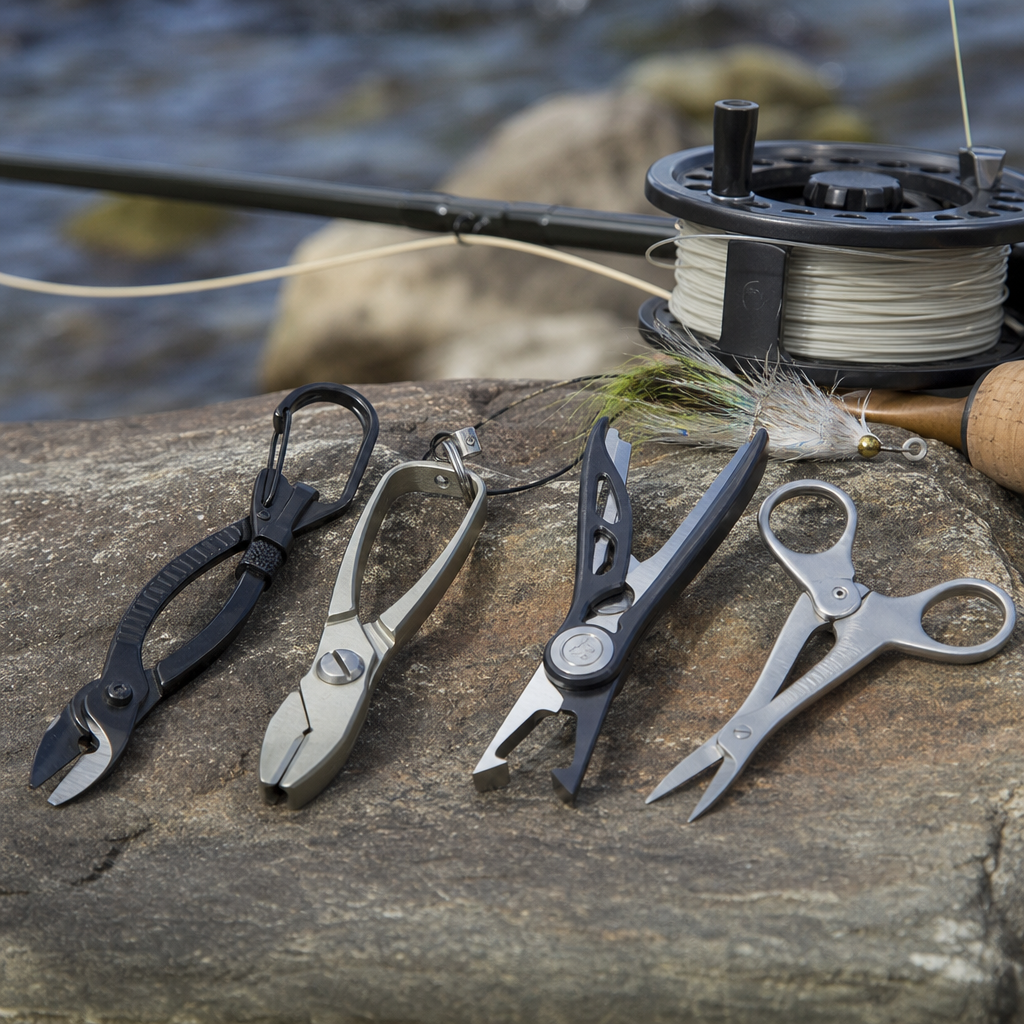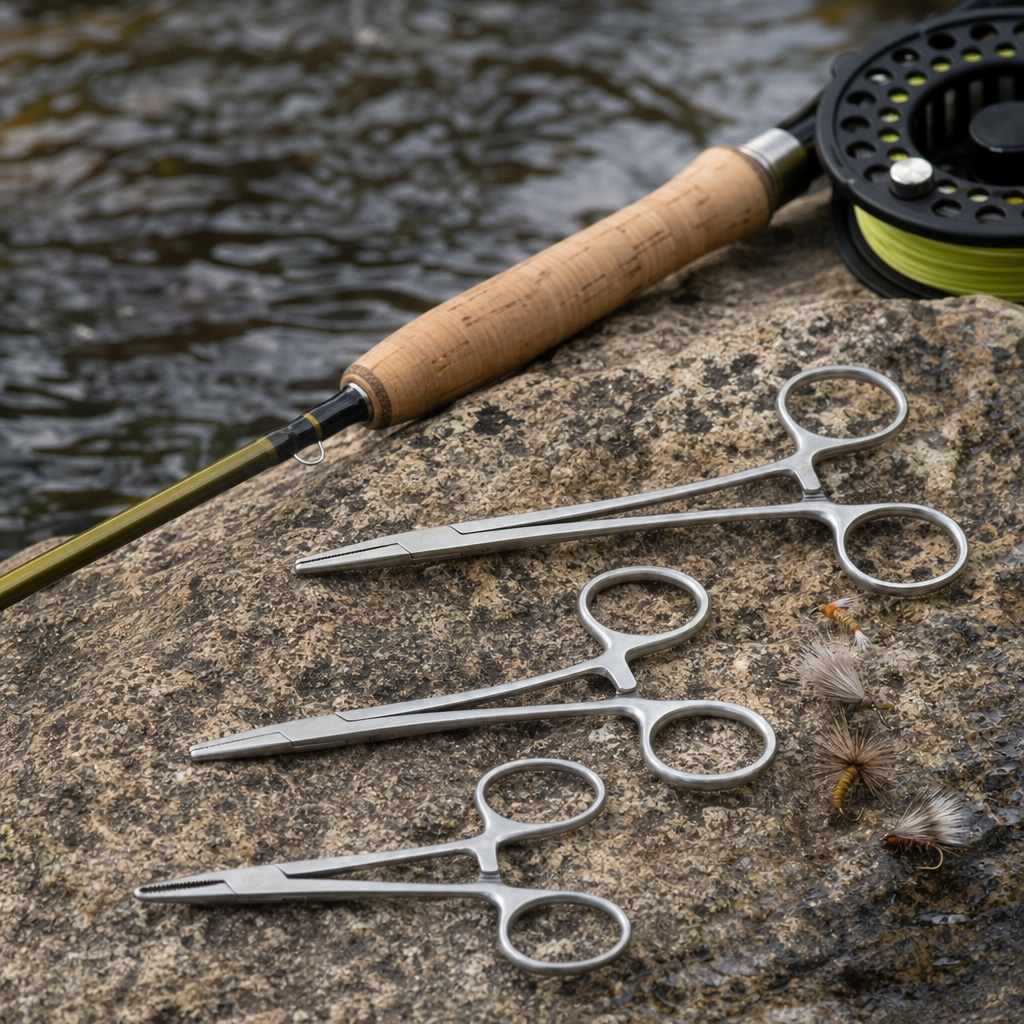
Fly fishing destinations for big fish are not all created equal, and anglers who want trophy-sized trout, salmon, pike, taimen, or saltwater predators need more than scenic water and a local fly shop recommendation. They need rivers, lakes, flats, and lodges that consistently produce large fish, reliable hatches or forage cycles, manageable access, sound guiding, and seasons that match realistic goals. In this guide, I review the best fly fishing destinations for big fish through the lens I use when evaluating travel and destination reviews for serious anglers: species quality, average fish size, peak timing, logistics, pressure, conservation standards, and overall trip value.
Big fish means different things in different fisheries. A twenty-inch wild brown trout in a technical spring creek is a trophy because the habitat limits growth and angling pressure makes those fish difficult. In Alaska, a thirty-inch rainbow is a realistic target in select systems with heavy seasonal feeding. On tropical flats, a ten-pound bonefish, a permit over twenty pounds, or a tarpon above one hundred pounds qualifies as exceptional. Context matters, so the best fly fishing destinations for big fish are places where the upper end of the fishery is both biologically plausible and meaningfully accessible to traveling anglers.
This article serves as a hub for travel and destination reviews within product reviews and recommendations because destination choice affects every gear decision. Rod weight, reel drag, fly line taper, wading boots, layering systems, boats, and even sunglasses depend on where you fish and what you chase. I have planned and evaluated trips across trout rivers, jungle camps, saltwater lodges, and remote float operations, and the strongest destinations share clear traits: healthy forage bases, protective management, experienced guides, and predictable windows when large fish are concentrated. If you are comparing options for your next fly fishing trip, start here, then branch into species-specific and region-specific reviews built from these fundamentals.
How to Judge a Big-Fish Fly Fishing Destination
The best travel and destination reviews answer one practical question first: what are the odds of encountering truly large fish, not just lots of fish? I grade destinations using six criteria. First is fish size potential, driven by genetics, forage, water fertility, and growth rates. Second is consistency: can skilled anglers reasonably expect daily shots, or is the destination mostly a lottery ticket? Third is access, including transfer complexity, weather risk, licensing, and whether fishing requires advanced casting from a skiff, long wades, or jet-boat support. Fourth is seasonality, because a famous river can fish poorly outside a short feeding or migration window. Fifth is pressure, which affects fish behavior and the overall experience. Sixth is stewardship, including catch-and-release norms, hook regulations, guide ethics, and local conservation programs.
With those filters in place, elite destinations separate quickly. Some places are excellent vacation fisheries with beautiful settings but only occasional trophy fish. Others are dedicated big-fish waters where numbers are lower but every hour can change your personal best. The locations below rank highly because they repeatedly produce outsized fish and have enough infrastructure, information, and guide quality to justify the cost and planning effort. They also represent the full range of modern fly travel, from accessible North American trout systems to remote expeditions where logistics are part of the challenge.
Alaska: The Benchmark for Giant Rainbow Trout and Salmon-Driven Feeding
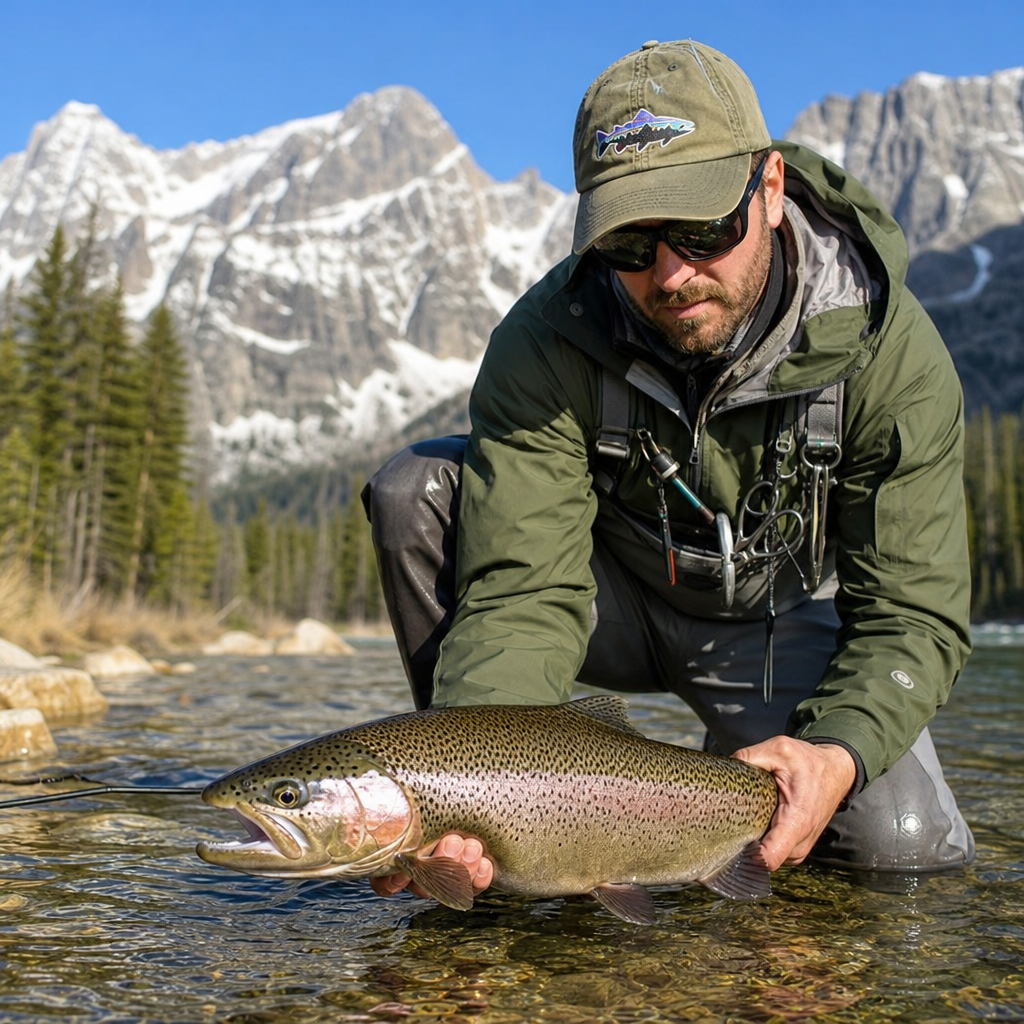
If the goal is giant rainbow trout on a fly, Alaska remains the benchmark. Rivers in Bristol Bay, including the Naknek, Kvichak, Nushagak tributaries, Moraine Creek, and systems connected to Iliamna and Becharof watersheds, produce some of the largest wild rainbows on earth because salmon runs deliver an extraordinary annual calorie pulse. Eggs, flesh, and juvenile salmon allow trout to grow thick, long, and aggressive. In peak windows, a twenty-four to thirty-inch fish is realistic, and truly exceptional fish exceed that. That size profile is rare anywhere else at meaningful consistency.
The key to Alaska is understanding timing. Early season often emphasizes streamers and resident feeding before major sockeye activity. Mid to late summer can mean egg patterns behind spawning salmon, while autumn frequently brings flesh flies and large trout concentrated in softer water. These are not subtle feeding systems. Guides often rig seven-weight rods, stout fluorocarbon, and large indicators because fish are heavy and currents are powerful. Floatplanes, weather delays, and lodge transfers add cost, but the biological case is simple: few places produce wild rainbow trout with this combination of size, density, and repeatable opportunity.
Alaska is also a prime example of why destination reviews must discuss tradeoffs. You may spend heavily on lodges, bush flights, and licenses. Wading can be uneven, bears are a real consideration, and some rivers fish best from boats. Yet for anglers prioritizing trophy trout, those drawbacks are acceptable because the upside is unmatched. This is the destination I recommend first when someone asks where to chase the biggest realistic rainbow trout on a fly.
Patagonia: Trophy Brown Trout Across Argentina and Chile
Patagonia earns its place through brown trout size, varied water types, and a long-standing lodge culture that supports international anglers well. In Argentina, the Rio Grande on Tierra del Fuego is world famous for sea-run brown trout that commonly reach ten to fifteen pounds, with much larger fish landed each season. These are not speculative outliers; the river has built its reputation over decades through consistent runs, disciplined beats, and guide systems designed around swing fishing with two-hand rods. For anglers who love anadromous fish but want something different from steelhead, it is one of the clearest destination choices available.
Mainland Patagonia offers another version of big-fish appeal. The Jurassic Lake region is known for enormous resident rainbow trout, while rivers such as the Chimehuin, Malleo, Collon Cura, and Limay feature large browns and rainbows in classic freestone and tailwater settings. In Chile, spring creeks, lakes, and glacially influenced rivers create a broader exploratory experience. Wind is the defining variable across much of the region. Good guides plan around it with heavier rods, larger flies, and drift-boat positioning. Anglers who arrive expecting delicate dry-fly fishing every day misunderstand Patagonia. The best trips embrace streamers, sinking lines, and mobile tactics aimed squarely at bigger fish.
New Zealand: Sight Fishing for Massive Trout in Clear Water
New Zealand is the standard for visual trout hunting. South Island rivers such as the Mataura tributaries, the Ahuriri, Oreti, Waiau, and many backcountry systems hold brown and rainbow trout that are often larger than they appear through polarized lenses. Fish in the six- to ten-pound class are plausible, and larger browns exist in enough waters to keep serious sight anglers returning. What makes New Zealand special is not just size. It is the requirement to spot, stalk, and precisely present to individual fish in clear current, often with long leaders and sparse flies.
This is not the easiest destination for numbers, and that is exactly why it belongs on a big-fish list. Fish have time to inspect the fly, guides may walk miles for a few prime opportunities, and weather or glare can reduce visibility. But when the objective is a memorable trout rather than a high count, few places are more rewarding. Helicopter access can open remote valleys, though many excellent fisheries remain reachable by foot or vehicle. New Zealand rewards competent casting, quiet movement, and patience more than any tackle upgrade ever will.
Mongolia and Northern Pike Frontiers: Maximum Size, Maximum Adventure
For raw freshwater size, Mongolia’s taimen rivers belong in any serious review of best fly fishing destinations for big fish. Taimen, the world’s largest salmonid, can exceed fifty inches and demand oversized streamers, heavy tackle, rafts or jet boats, and a strong conservation ethic. Rivers such as the Eg-Uur basin and Delger systems have long attracted expedition-style anglers. These trips are remote, expensive, and physically demanding, but they offer something no trout lodge can: a legitimate chance at a giant apex predator that eats mice, streamers, and even hooked fish. Because taimen are vulnerable and long-lived, the best outfitters use strict handling protocols and support local protections.
Anglers seeking giant fish with more forgiving logistics should also consider northern pike fisheries in Canada and parts of Alaska. Saskatchewan and the Northwest Territories have fly-out lakes where thirty- to forty-inch pike are common and fish over forty inches are realistic. These fisheries are ideal for anglers who want explosive visual eats on large flies without the technical precision of permit or New Zealand trout. Wire or heavy fluorocarbon bite tippets, nine-weight rods, and weed-edge structure are standard. Big pike trips are often overlooked in travel and destination reviews, but they deliver some of the highest trophy encounter rates in freshwater.
Saltwater Giants: Tarpon, GT, Permit, and Big Bonefish
Saltwater belongs at the center of any hub article on travel and destination reviews because many of the world’s largest fly-caught gamefish live in coastal systems. Florida Keys and Boca Grande tarpon fisheries remain iconic, especially for migratory fish in the eighty- to one-hundred-fifty-pound class. The Keys also offer permit and bonefish, though pressure and weather make consistency variable. For anglers who prioritize pure power, giant trevally in the Seychelles stand apart. Atolls such as Farquhar, Cosmoledo, and Astove produce crushing surface eats and fish powerful enough to break tackle and expose weak knots immediately.
Mexico’s Ascension Bay, Belize, and parts of the Bahamas remain top choices for mixed flats fishing. They may not produce the single largest fish in this article, but they offer the most complete saltwater experience: bonefish, permit, and juvenile tarpon in one trip, often with manageable travel from North America. For giant bonefish specifically, select Bahamian and Pacific flats can surprise anglers who think bonefish are always small. As with all saltwater destinations, guide quality is decisive. Reading water, sun angle, wind management, skiff positioning, and quick line control matter more than buying a more expensive rod.
| Destination | Primary Trophy Species | Best Season Window | Difficulty | Why It Stands Out |
|---|---|---|---|---|
| Alaska | Rainbow trout, salmon | June to September | Moderate | Salmon-fed trout reach exceptional size consistently |
| Patagonia | Brown trout, sea-run browns | December to April | Moderate | Diverse waters and proven trophy brown trout history |
| New Zealand | Brown trout, rainbow trout | November to April | High | Technical sight fishing for large trout in clear rivers |
| Mongolia | Taimen | June to October | High | Chance at the world’s largest salmonid |
| Seychelles | Giant trevally, permit, bonefish | October to May | High | Extreme saltwater power and world-class flats |
| Belize/Mexico/Bahamas | Permit, bonefish, tarpon | Varies by region | Moderate | Versatile flats trips with strong guide infrastructure |
Practical Planning: Cost, Gear, and Choosing the Right Destination
The best destination is the one that matches your real skill level, budget, and appetite for uncertainty. If you want the highest probability of a giant trout and can afford remote travel, Alaska is the safest premium recommendation. If you value visual hunting and technical challenge, choose New Zealand. If you want anadromous drama with strong lodge support, choose Tierra del Fuego. If your dream is brute-force saltwater, look hard at the Seychelles or peak tarpon migrations. For predator spectacle at a lower technical barrier, Canadian pike fisheries are outstanding.
Budgeting needs honesty. A road-access trout trip in the Rocky Mountain West can cost a fraction of a fly-out Alaska week, but it usually offers a lower ceiling for fish size. Remote camps can add charter flights, hotel nights, gear baggage fees, guide tips, and weather buffers. Gear should be destination-specific: seven-weights and eight-weights for Alaska rainbows and salmon crossover fishing, six-weights for many New Zealand scenarios, Spey setups for Rio Grande sea-run browns, nine- to twelve-weights for tarpon and giant trevally, and abrasion-resistant leaders where coral, teeth, or heavy structure are factors. Strong travel planning also includes evacuation insurance, spare lines, prescription backups for sunglasses, and a clear understanding of local fish handling rules.
The most useful travel and destination reviews do not promise miracles. Even the best fly fishing destinations for big fish have slow days, blown weather, river color changes, and missed opportunities. What separates a worthwhile trip from a disappointing one is whether the destination gives you repeated, legitimate chances at the class of fish you came to pursue. Start by choosing the species that matters most, then select the place with the strongest biological foundation, best timing, and guide network to support that goal. From there, refine your tackle, book early, and study local techniques. A smart destination choice is the single best investment you can make in your next memorable fish.
Frequently Asked Questions
What makes a fly fishing destination truly great for targeting big fish?
A truly great fly fishing destination for big fish is defined by consistency, not just reputation. Plenty of waters can produce an occasional trophy, but the best destinations stack the odds in your favor through strong habitat, a dependable food base, healthy fish populations, and a season that aligns with the species you want to chase. For trout, that might mean nutrient-rich tailwaters, lakes with large baitfish, or rivers with significant insect hatches that allow fish to grow fast and stay heavy. For salmon, pike, taimen, and saltwater predators, the equation often centers around forage density, migratory timing, water temperatures, and how much pressure the fishery receives over the course of a season.
Access also matters more than many anglers first realize. A famous river can underperform for visiting anglers if the best water is difficult to reach, heavily pressured, or dependent on highly specific timing. Meanwhile, a less publicized destination with excellent guide infrastructure, stable weather windows, and efficient daily access can produce a much better shot at a legitimate trophy. Lodge quality, guide experience, local regulations, and how a fishery is managed all play a role. The best destination is not simply the place with the biggest fish ever landed; it is the place where the environment, logistics, and timing come together to give anglers a realistic and repeatable chance at large fish.
Which types of destinations are best for trophy trout, salmon, pike, taimen, and saltwater species?
Different species demand very different destination profiles, and matching the fishery to the fish is one of the smartest ways to plan a productive trip. Trophy trout destinations often include fertile tailwaters, spring creeks, stillwaters, and large freestone systems with abundant forage. Some trout fisheries are built around hatch-driven dry fly opportunities, while others are best known for streamers, mice, or heavy nymphing because the largest fish feed more aggressively on bigger meals. If your goal is a truly large trout rather than high catch numbers, places with fewer but heavier fish are often more valuable than famous technical rivers full of smaller, educated trout.
For salmon, destination quality often depends on run timing, water clarity, and how fish move through the system. A river can be legendary for a short period and much less impressive outside that window. Pike destinations are usually judged by numbers of aggressive fish, average size, and access to shallow, food-rich environments where large predators can be sight-fished or targeted with big flies. Taimen fisheries are more specialized and often more remote, so destination quality is tied to wilderness protection, low angling pressure, and operators who understand both fish handling and the physical demands of the trip.
Saltwater big-game fly destinations are a category of their own. For tarpon, giant trevally, permit, roosterfish, and other major predators, the best locations combine healthy fish populations with good visibility, favorable tides, and guides who can position anglers for fast, accurate presentations. In these fisheries, weather, moon phase, and tide can influence success almost as much as casting skill. The strongest destinations are the ones where conditions line up often enough that visiting anglers have multiple legitimate opportunities during a standard trip rather than relying on a single lucky shot.
How important are season, timing, and local conditions when choosing a big-fish fly fishing trip?
Season and timing are absolutely critical, and they often matter more than the name recognition of the destination itself. Big fish fisheries are frequently at their best during specific windows tied to water temperature, migratory movements, spawning behavior, post-spawn recovery, bait concentrations, or major hatch periods. If you miss those windows, even an elite destination can fish below expectations. A world-class salmon river outside the heart of the run, a trophy trout lake during unstable turnover, or a saltwater flat during poor tidal movement can all leave anglers wondering why a famous fishery felt average.
That is why serious anglers should look beyond broad travel-season marketing and ask more exact questions. When do the largest fish usually show up? Are they actively feeding during that period, or simply present? What water levels produce the best swing water, sight-fishing conditions, or streamer action? How do wind, runoff, rain, snowmelt, or water releases affect access and fish behavior? The best destination reviews consider these variables because they determine whether the fishery matches your goals. A place may be ideal for numbers in June, but best for true trophies in September. Another may offer excellent average size all season, but only a brief period when fish are most vulnerable on a fly.
Local conditions also shape tactics. In some destinations, low clear water favors technical presentations and lighter tippet. In others, stained water, high flows, or strong tidal current call for large flies, heavy tackle, and aggressive retrieves. Understanding these realities helps anglers avoid unrealistic expectations. The most successful trips happen when destination, target species, timing, and tactics are all aligned instead of chosen independently.
Should anglers prioritize remote lodges and exclusive waters, or can accessible fisheries still produce trophy fish?
Remote lodges and exclusive waters can offer major advantages, but they are not automatically the best choice for every angler chasing big fish. Their main strengths usually include lower fishing pressure, better rotation through prime water, more personalized guiding, and the ability to fish areas that day-trippers simply cannot reach. In species like taimen, giant trout, king salmon, or giant trevally, remoteness can be a genuine edge because the fish are less conditioned and the habitat is often more intact. In those cases, paying for access may meaningfully improve your odds.
That said, accessible fisheries should never be dismissed. Many of the world’s best big-fish destinations are reachable through public access, established guide networks, or well-developed regional infrastructure. What matters is not exclusivity alone, but how the fishery absorbs pressure and whether enough quality habitat remains available. Some large rivers, expansive lakes, and broad saltwater systems are simply big enough to continue producing trophy fish despite popularity. In fact, accessible destinations can sometimes be a better value because anglers can choose prime timing, hire top guides selectively, and return more often, which increases the chance of connecting with a true standout fish over time.
The smartest approach is to evaluate remote and accessible options through practical criteria: average fish size, trophy potential, crowding, daily access quality, guide caliber, cost, travel complexity, and how many meaningful opportunities you are likely to get during the trip. A remote lodge may justify its price if it gives you six days of focused shots at giant fish in ideal water. An accessible destination may be the better choice if it offers strong odds, flexible timing, and enough variation in water type to stay productive across changing conditions. The best destination is the one that matches your budget, expectations, and tolerance for risk while still offering a realistic path to the caliber of fish you want.
How can anglers set realistic expectations when reviewing the best fly fishing destinations for big fish?
Realistic expectations start with understanding the difference between trophy potential and trophy frequency. Many destinations can produce a fish of a lifetime, but only a smaller number do so with enough consistency to justify being called top-tier big-fish fisheries. When evaluating a destination, anglers should ask not just how large the biggest fish can be, but how often fish of that size are actually encountered, hooked, and landed. Photographs, lodge reports, and social media often highlight exceptional outcomes, but they do not always show how many hours, days, or repeat visits were required to create them.
It also helps to be honest about your own skill set and preferred fishing style. Some destinations reward anglers with advanced casting ability, boat awareness, line control, and the discipline to make repetitive high-quality presentations for only a handful of opportunities per day. Others are physically demanding because of weather, wading difficulty, travel logistics, or long sessions throwing oversized flies on heavy tackle. If a destination is known for one or two shots at giant fish per day, then preparation, patience, and efficient execution become more important than raw optimism.
Good destination reviews should therefore be read through a practical lens. Look for information about average size, numbers of fish moved or seen, how often conditions interfere, whether fish are typically landed or merely chased, and what an honest “successful trip” looks like there. In some places, success may mean one trophy trout over several days. In others, it may mean frequent encounters with pike over a certain size class or multiple shots at migratory salmon during a peak week. The goal is not to lower expectations, but to refine them. When anglers choose destinations with a clear understanding of timing, effort, conditions, and likely outcomes, they make better decisions and enjoy the experience far more, whether they land the biggest fish in the river or simply prove they chose the right water for the job.