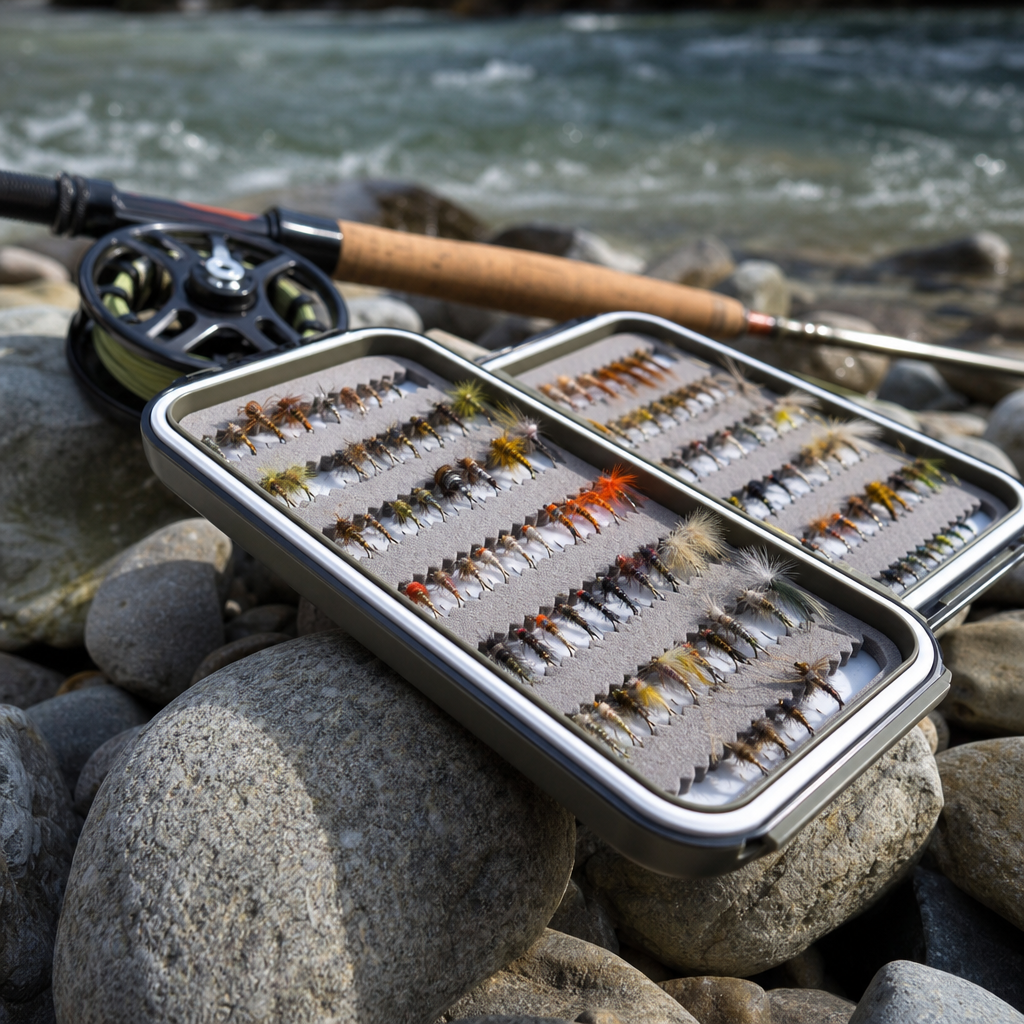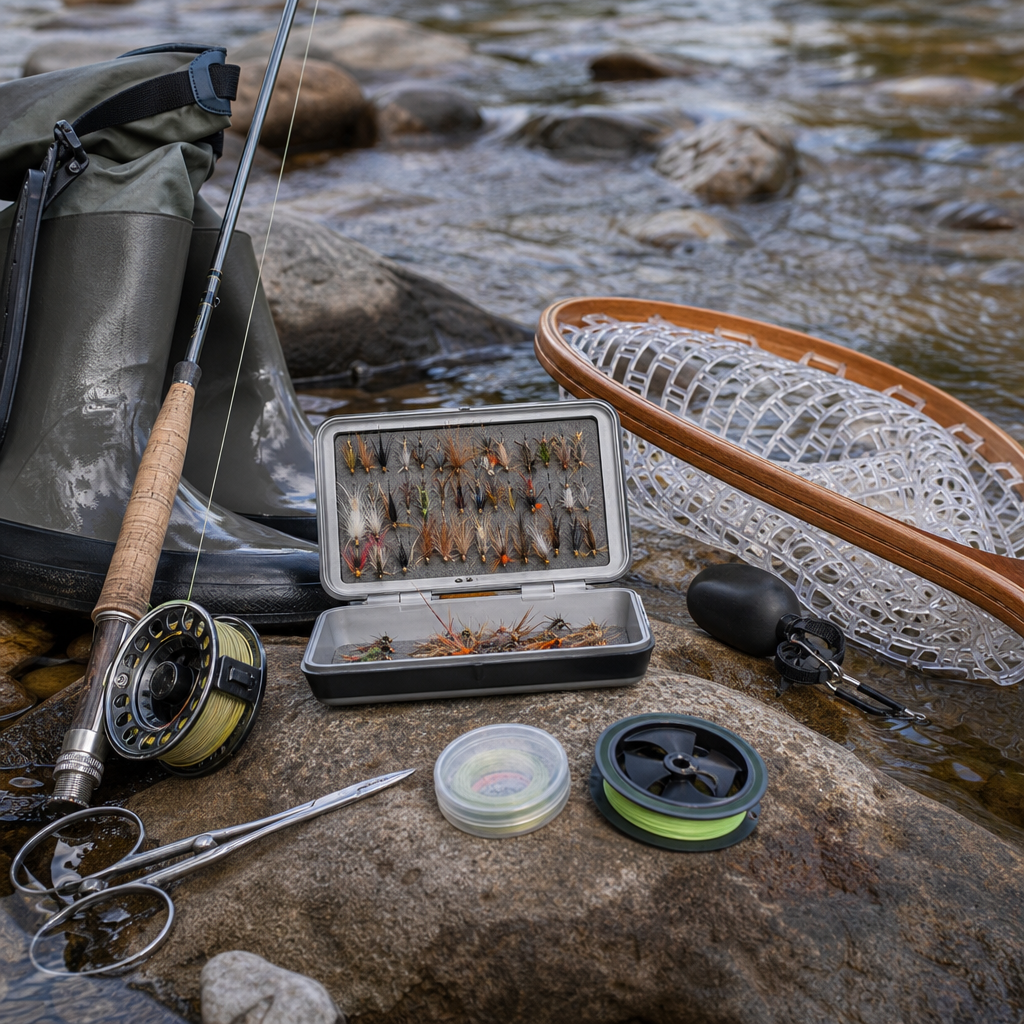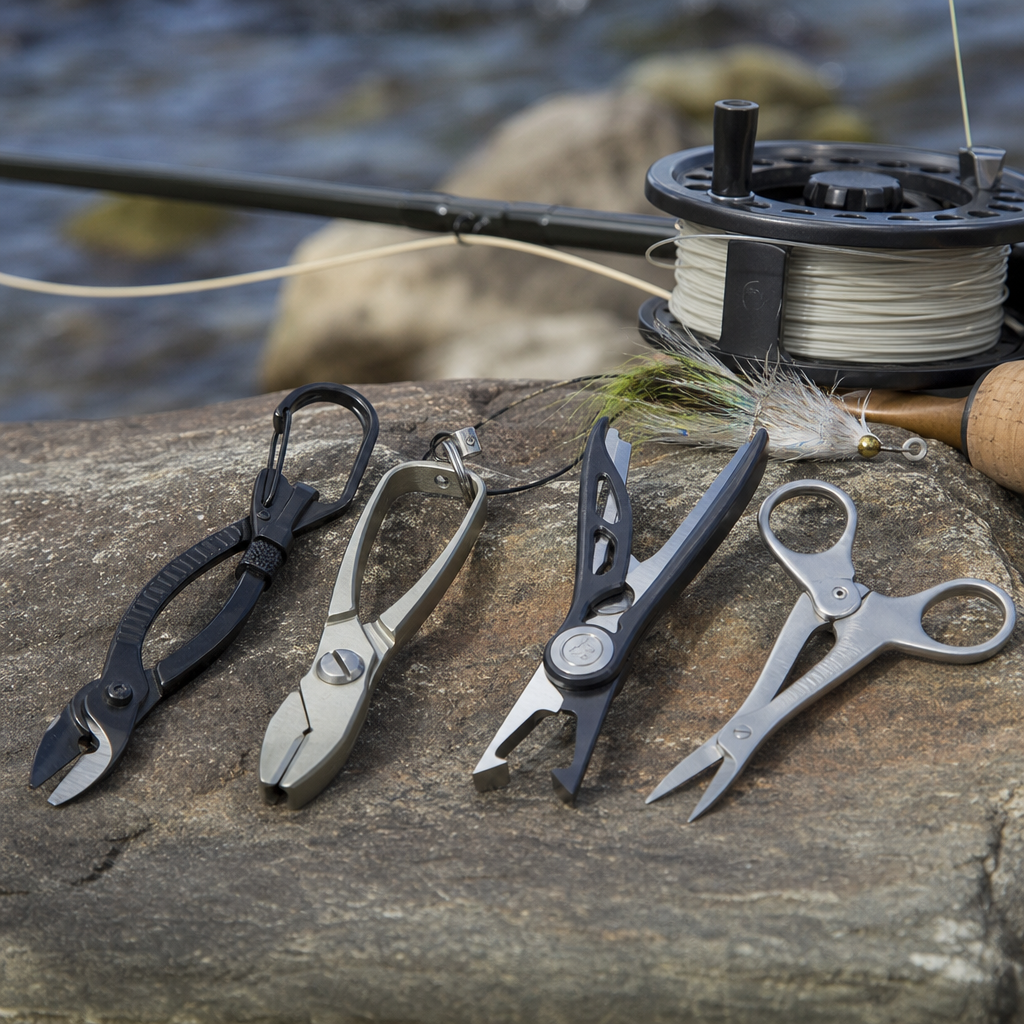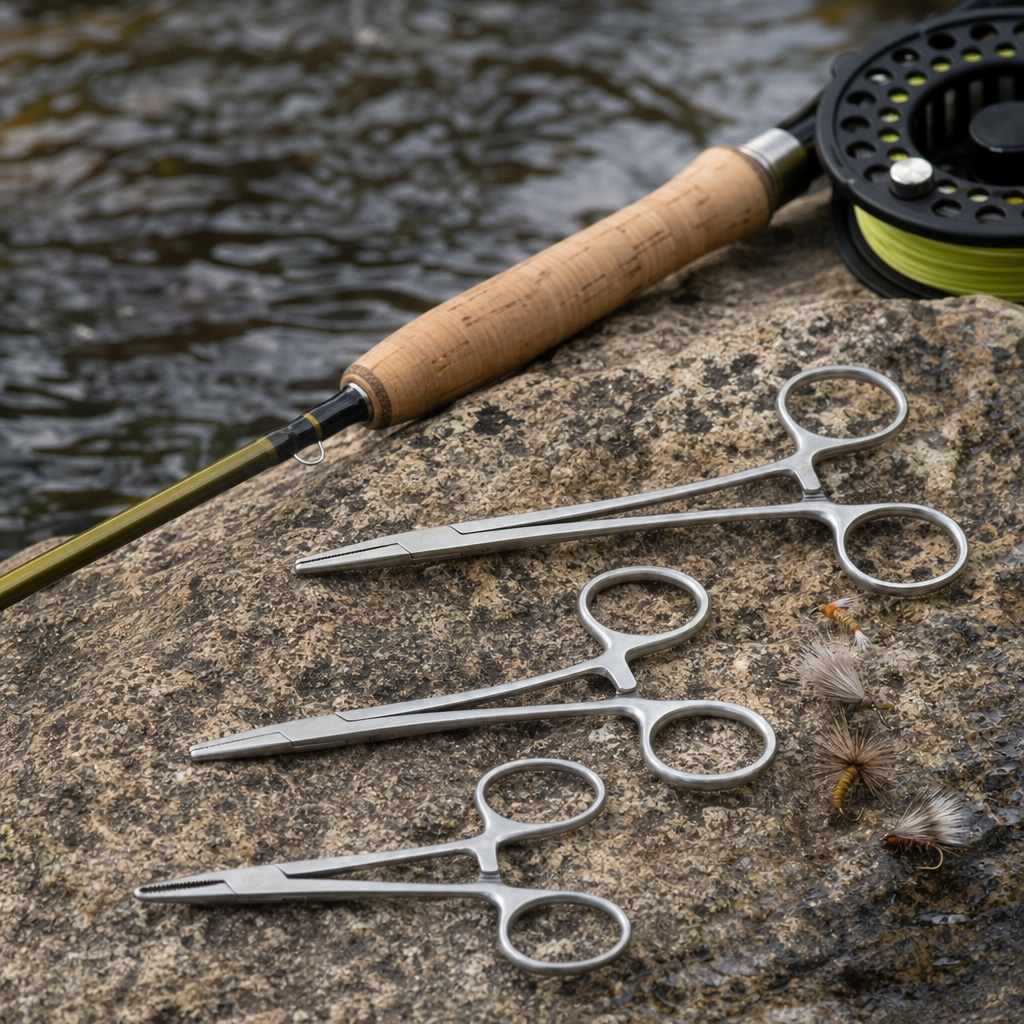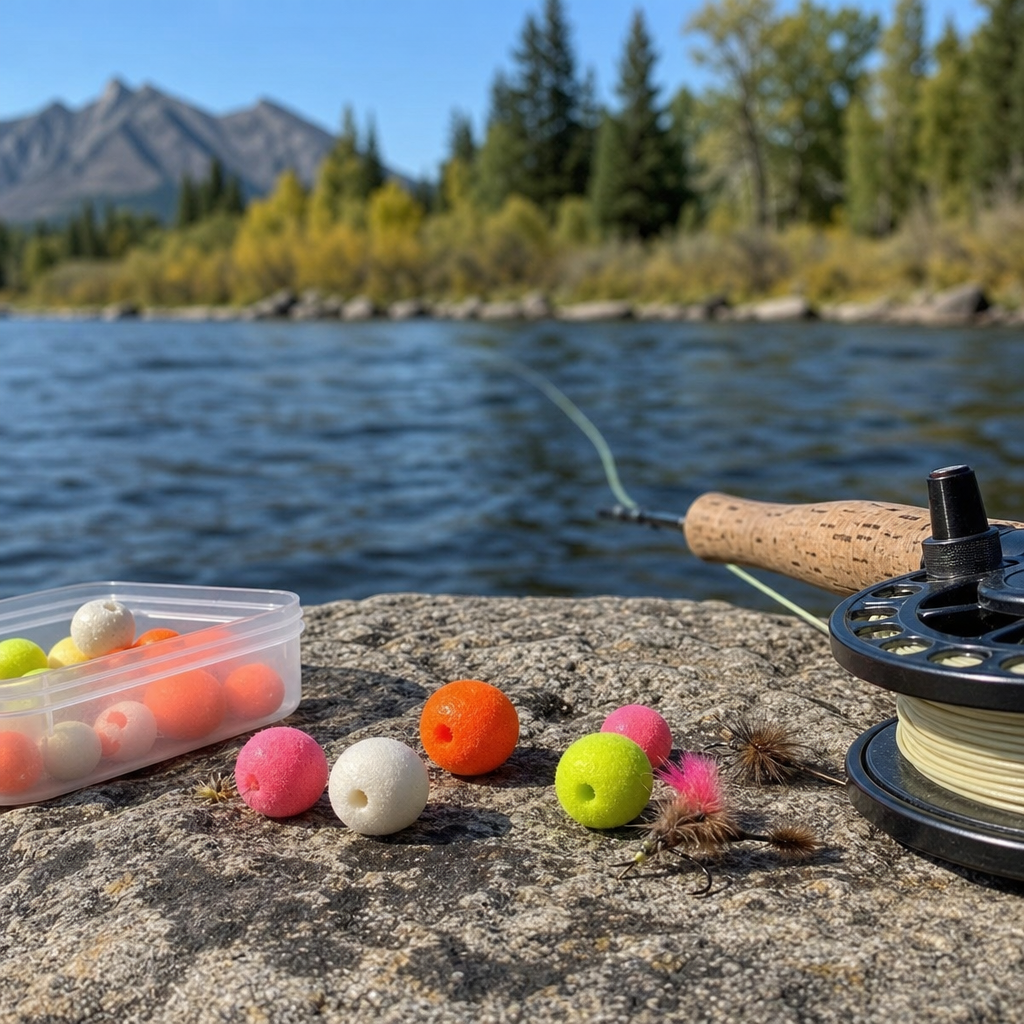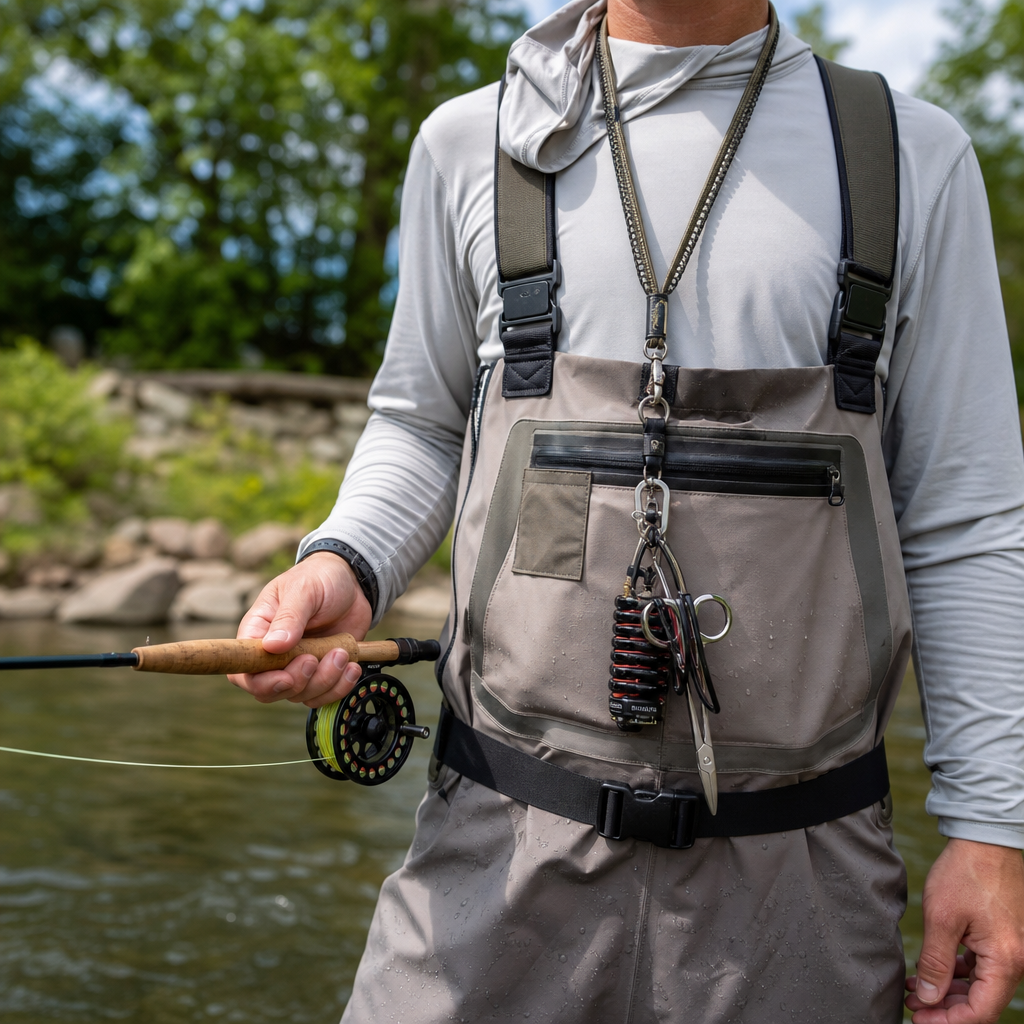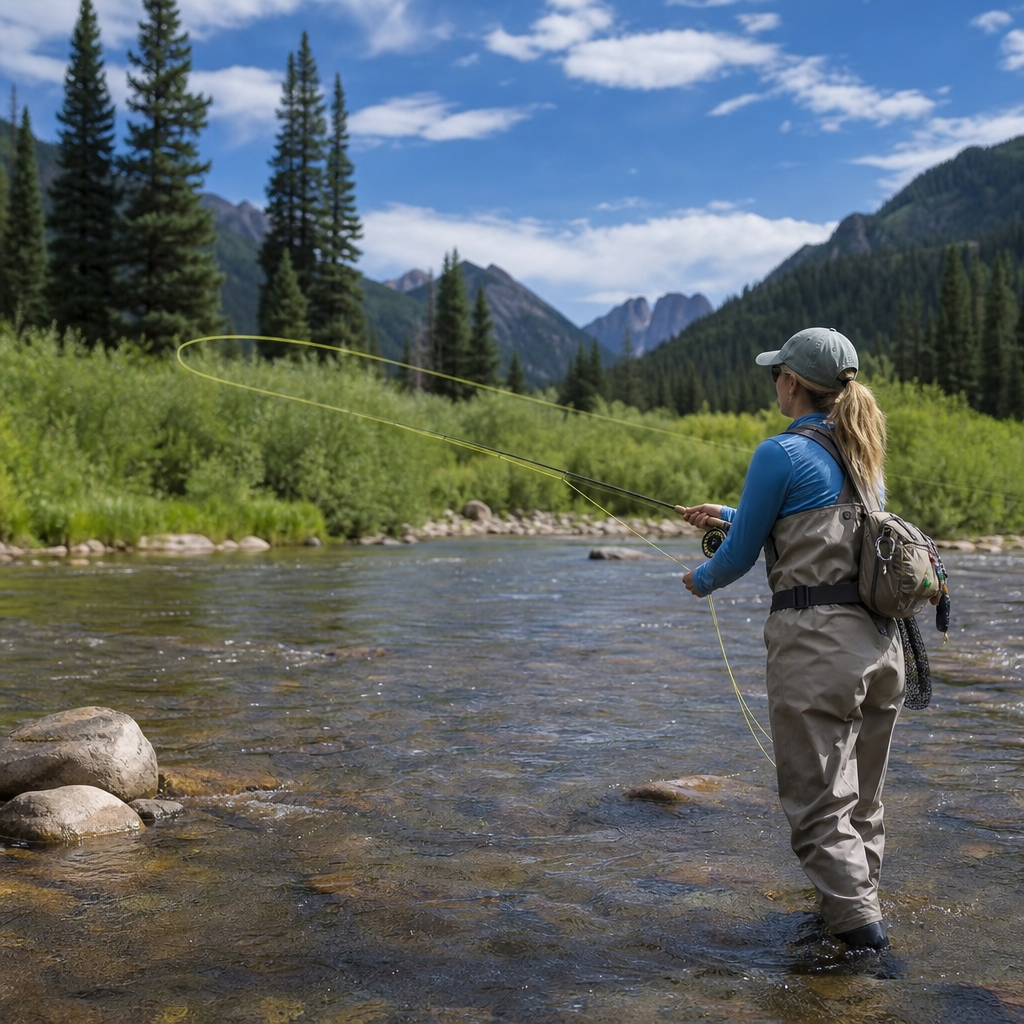
Choosing the best fly fishing destinations for beginners is not just about finding beautiful water; it is about matching new anglers with forgiving conditions, accessible instruction, and enough fish activity to build skill and confidence quickly. In fly fishing, a beginner-friendly destination usually means easy wading, short casting distances, visible fish habitat, reliable hatches or feeding windows, and a strong network of guides, fly shops, rental programs, and public access. That combination matters because the first few outings often determine whether someone stays with the sport. I have watched new anglers struggle on famous but technical rivers where wind, currents, crowds, and selective trout turned every cast into a lesson in frustration. I have also seen complete beginners land fish on smaller tailwaters, spring creeks, and alpine lakes where a simple roll cast and a well-presented dry fly were enough to create a memorable first day.
For readers exploring travel and destination reviews within the broader product reviews and recommendations category, this hub matters because destination choice affects every gear decision that follows. A beginner heading to Montana in July needs a different setup than someone learning in the Smoky Mountains, the English chalkstreams, or New Zealand’s stillwaters. Rod weight, line type, wader choice, boots, pack size, fly selection, and whether to hire a guide all depend on where you plan to fish. The best beginner fly fishing destinations also share practical advantages beyond the water itself: reasonable licensing systems, clear regulations, varied lodging, safe access points, and enough nearby services to keep a trip simple. This guide reviews what makes a destination good for new fly anglers, highlights standout regions, and explains how to choose a place that teaches the fundamentals instead of punishing inexperience.
What Makes a Fly Fishing Destination Beginner Friendly
The best beginner fly fishing destinations have five traits: manageable water, high fish density, straightforward regulations, access to instruction, and predictable seasonal conditions. Manageable water means rivers and lakes where reading the water is possible without years of experience. Think moderate current seams, defined riffle-pool runs, bank structure you can recognize, and wadable gravel bars instead of powerful freestone rivers with multiple conflicting currents. High fish density matters because beginners need feedback. Missing fish teaches less than seeing rises, getting follows, or feeling takes on nymphs under an indicator. Straightforward regulations reduce mistakes. Complicated fly-only stretches, rotating closures, and species-specific handling rules can overwhelm a first trip if a newcomer is still learning knots and casting.
Instruction is the biggest difference maker. Destinations with Orvis-endorsed guides, independent casting instructors, local Trout Unlimited chapters, park service education programs, or shop-hosted clinics create a soft landing for new anglers. I strongly favor places where a fly shop can outfit a traveler with leaders, tippet, local patterns, a river map, and up-to-date hatch notes in ten minutes. Predictable conditions also matter. Beginners do best when runoff, wind, water temperature spikes, and rapidly changing flows are less likely to erase an entire day. Tailwaters below dams, meadow streams, productive pond systems, and small to mid-sized rivers often offer this consistency. If you are planning a first fly fishing trip, prioritize fishability over prestige. A globally famous river is not automatically the right place to learn.
Top U.S. Fly Fishing Destinations for Beginners
Several U.S. regions consistently stand out as beginner-friendly because they combine public access, healthy fisheries, and robust travel infrastructure. Western North Carolina and East Tennessee are excellent starting points. The Great Smoky Mountains area gives beginners easy access to small streams where short casts, dry-dropper rigs, and basic pocket-water tactics work well. Gatlinburg and Bryson City support visiting anglers with guides, cabins, and fly shops. The learning curve is gentler here because fishable water is abundant, and a twelve- to twenty-foot cast is often enough. Nearby delayed-harvest streams in cooler months can provide especially fast action.
Montana’s Madison Valley and the broader Bozeman region are also strong choices, especially for anglers who want instruction and a wide menu of waters. While some sections of the Yellowstone system can challenge beginners, spring creeks, smaller tributaries, and guided float trips on forgiving stretches make this area highly approachable. Idaho’s Henry’s Fork can be technical during specific hatches, but nearby ponds, ranch lakes, and lower-pressure sections can work for first-timers. Colorado deserves a place on any shortlist because public access is extensive and towns like Buena Vista, Salida, and Glenwood Springs offer both warmwater and trout options. Beginners can learn indicator nymphing on the Arkansas, then switch to ponds or calmer side channels to practice dry flies without the stress of heavy currents. Pennsylvania’s limestone streams and central trout waters are underrated for new anglers because insect life is rich, access is often clear, and local clubs support education.
| Destination | Why it suits beginners | Best season | Common starter tactics |
|---|---|---|---|
| Great Smoky Mountains, TN/NC | Short casts, abundant public water, many guides | Spring and fall | Dry-dropper, small nymphs, pocket water |
| Bozeman and Madison Valley, MT | Strong guide network, varied waters, quality access | Summer through early fall | Indicator nymphing, hopper-dropper, floats |
| Arkansas River, CO | Accessible towns, long fishable season, public access | Late spring through fall | Nymph rigs, caddis dries, streamer basics |
| Central Pennsylvania | Productive trout streams, educational community, road access | Spring and autumn | Dry flies, euro nymph intro, small stream tactics |
Excellent International Options for First-Time Fly Anglers
International travel can be worthwhile for beginners if the destination reduces complexity instead of adding it. New Zealand is often associated with expert sight-fishing to large brown trout, and that reputation is deserved, but it also offers beginner-friendly stillwaters, lodge ponds, and guides who specialize in teaching fundamentals patiently. The key is to avoid building a first trip around technical backcountry stalking. In the United Kingdom, stocked trout fisheries, managed beats, and casting schools make England and Scotland very approachable. English chalkstreams are iconic, and while some beats are premium experiences, many fisheries provide structured instruction and controlled access that helps novices focus on presentation rather than logistics.
Patagonia in Argentina and Chile can be excellent for beginners when planned around lodge-supported lakes and moderate rivers rather than remote, weather-exposed expeditions. The advantage is not only fish quality but operational simplicity: transfers, meals, gear support, and bilingual guides are often included. In Canada, Alberta and British Columbia offer tremendous scenery and capable guide services, with stillwaters especially suitable for newcomers learning line control and retrieves. Slovenia’s Soca region attracts anglers for its emerald water and marble trout, yet some sections are better for experienced fishers due to clarity, cautionary fish behavior, and specialized local rules. A beginner can still succeed there with a guide, but it is less forgiving than many North American learning destinations. When choosing an international trip, ask one direct question: will I spend more time learning fly fishing skills, or learning travel systems and local regulations?
Freshwater Destination Types That Teach Skills Fast
Not every beginner should start on a river. In fact, some of the fastest learning happens on stillwater. Lakes, ponds, and reservoirs simplify current management, letting a newcomer focus on casting mechanics, retrieves, leader turnover, and recognizing takes. A stocked trout pond with room for backcasts can teach more in a morning than a difficult river can teach in a weekend. Chironomid fishing under an indicator, basic stripping with Woolly Buggers, and fishing balanced leeches are productive methods that produce clear feedback. Beginners can feel line tension, watch indicators, and repeat presentations without fighting changing currents.
Small streams are another excellent training ground because fish usually hold in obvious places: plunge pools, undercut banks, seams beside boulders, and shaded pockets. The casts are short, false casting is minimal, and stealth becomes intuitive. Tailwaters rank high for beginners when flows are stable. They often support consistent trout populations and year-round food sources, making fish behavior more predictable. Meadow streams and spring creeks can be wonderful but require nuance. Their gentle currents make drag visible, which is educational, though selective trout can punish sloppy presentations. Saltwater flats, by contrast, are usually not ideal first destinations unless the trip is framed as a casting school with occasional shots at fish. Wind, moving targets, and fast decisions can overwhelm a new angler. For a first trip, choose a destination type that isolates one or two skills at a time rather than demanding mastery of all of them.
How to Match Destinations With Gear, Budget, and Travel Style
Destination choice should drive tackle selection, not the other way around. For most beginner trout trips, a 9-foot 5-weight rod with a weight-forward floating line remains the most versatile setup. It works on rivers, ponds, and many mountain lakes. If you are visiting smaller Appalachian streams, a shorter 3-weight or 4-weight can be pleasant, but it should not be your only rod unless the trip is narrowly focused. In windy Western destinations, a 6-weight may help turn over hopper-dropper rigs and indicators more effectively. Waders are essential in cold tailwaters and shoulder-season mountain trips, while wet wading is often enough in midsummer freestone streams. Boots with dependable ankle support matter more than beginners expect; insecure footing ruins concentration and can turn a simple wade into a safety problem.
Budget planning should include licenses, access fees where applicable, flies, leaders, terminal tackle, guide gratuities, and travel time between waters. A guided half-day often offers better value than an unguided full day for a first trip because instruction compresses the learning curve. I recommend beginners book at least one guided session early in the trip, then spend later days practicing independently on similar water. Travelers who want simplicity should look for destinations where lodging sits within thirty minutes of multiple access points and a reputable shop. That layout reduces the hidden costs of fuel, shuttles, and lost fishing time. Families or mixed-interest groups may prefer towns like Bend, Asheville, or Livingston, where non-angling activities are strong. The best beginner destination is one that fits your budget without forcing you to cut the very services that make learning easier.
Seasonality, Safety, and Common Beginner Mistakes
Timing can make an average destination feel outstanding or make a great destination feel impossible. Spring often brings strong insect activity and active trout, but runoff in snow-fed Western systems can blow out rivers for weeks. Summer offers travel convenience and easier weather, yet water temperatures and crowds can create problems, especially on low-elevation streams. Fall is my favorite season for many beginners because conditions stabilize, fish feed heavily, and popular towns are slightly quieter. Winter can be productive on tailwaters and stocked fisheries, though cold hands and icy banks raise the difficulty. Before booking, check streamflow history through USGS gauges, water temperature reports, and state agency advisories.
Safety deserves equal weight with fishability. Beginners underestimate slick rocks, deep shelf drop-offs, changing dam releases, and afternoon storms in mountain terrain. Wear polarized glasses, carry a wading staff where current is strong, and know whether your destination has cell coverage. On guided trips, ask specifically about walk-and-wade intensity. A “beginner trip” in one region may still involve miles of uneven banks. Common mistakes include choosing destinations solely for fame, overpacking flies while ignoring footwear, practicing casting only after arrival, and fishing water too large for current skill level. Another frequent error is booking peak hatch periods with no instruction, then facing crowded banks and educated fish. Beginners learn faster in slightly less famous windows, on slightly less pressured water, with clear local advice. That is the pattern I have seen repeatedly across destination reviews and hosted trips.
The best fly fishing destinations for beginners share a simple promise: they make the sport understandable. They provide water that can be read, fish that respond often enough to teach, and support systems that remove friction from a first trip. Whether you choose Appalachian pocket water, a Colorado tailwater town, a Montana guide base, a managed U.K. fishery, or a lodge-supported lake in Patagonia, the goal is the same. You want a place where each hour reinforces a fundamental skill such as line control, mending, drift management, or fish fighting, rather than exposing every weakness at once.
As the hub for travel and destination reviews within a product reviews and recommendations framework, this guide should help you narrow your search before you buy gear, book lodging, or reserve guide days. Start with your desired trip style, budget, and season, then choose a destination type that matches your current ability. From there, use local fly shops, state agency reports, and guide services to refine access points, flies, and daily plans. If you are serious about enjoying fly fishing early, do not chase the most famous river first. Choose the most teachable destination, book one lesson, and build confidence on water that welcomes beginners.
Frequently Asked Questions
What makes a fly fishing destination good for beginners?
A beginner-friendly fly fishing destination is usually defined less by how famous it is and more by how forgiving it is. New anglers tend to learn faster on water that offers easy wading, manageable current, open casting space, and fish that are active enough to reward basic technique. Shorter casting distances are especially important because they let beginners focus on timing, line control, and presentation without the frustration of trying to reach distant fish. Places with clear seams, visible structure, and predictable holding water also help new anglers understand where fish are likely to be and why.
Another major factor is support. The best destinations for beginners often have a strong local fly fishing infrastructure, including guide services, fly shops, rental gear, beginner clinics, and public access points that are clearly marked and easy to reach. That support system shortens the learning curve dramatically. Instead of spending the day guessing what flies to use or where to stand, a beginner can get practical advice tailored to current conditions. Reliable fish activity matters too. A destination with steady hatches, regular feeding windows, or healthy populations of willing trout, panfish, or small bass gives beginners more chances to connect the dots between casting, drift, and strike detection. In short, the ideal beginner destination combines safe conditions, straightforward water, accessible instruction, and enough action to build confidence quickly.
Are rivers or lakes better for someone learning fly fishing for the first time?
Both can be excellent, but the better choice depends on what a beginner is trying to learn first. Rivers are often preferred for early instruction because they teach the core mechanics of fly fishing in a very visible way. A new angler can learn how current affects drift, how fish position behind rocks or along seams, and how small changes in presentation influence success. Gentle rivers and spring creeks with shallow edges, slow runs, and easy bank access can be especially beginner-friendly because they make it easier to read water and control a fly line at short range.
Lakes, on the other hand, can remove some of the complexity of moving water. That can be a big advantage for someone who feels overwhelmed by mending line, reading currents, or navigating slippery river bottoms. On a lake or pond, beginners can focus on casting, retrieving, and detecting takes without worrying as much about current drag. Warmwater lakes with bluegill, crappie, or bass are often outstanding learning environments because fish can be aggressive and willing to eat simple flies. Stillwaters also tend to offer more stable footing and easier access from shore or small boats.
For many beginners, the best overall path is to start where success is most likely. If a destination has a calm, productive lake with lots of accessible shoreline, that may be the ideal classroom. If it has a mellow river with open banks and abundant fish, that may be even better. The most important thing is not whether the water is moving or still, but whether the destination gives a beginner enough room, enough fish activity, and enough guidance to practice fundamental skills without constant frustration.
Should beginners hire a guide at a fly fishing destination?
In most cases, yes. Hiring a guide is one of the fastest and most cost-effective ways for a beginner to improve, especially when visiting a new destination. A good guide does far more than row a boat or lead someone to fish. They shorten the learning curve by teaching casting basics, knot selection, rigging, fly choice, water reading, wading safety, and fish handling in real time. That kind of hands-on instruction is incredibly valuable because it helps beginners avoid common mistakes before they become habits. Instead of spending hours wondering why fish are not eating, a beginner can get immediate feedback and make productive adjustments.
Guides are also especially useful at destinations with changing water levels, local insect hatches, or access rules that are not obvious to visitors. They know where beginners can fish comfortably, what sections are safest to wade, and which techniques are most likely to produce opportunities. On a truly beginner-focused trip, a guide can choose water with forgiving conditions and structure the day around skill building, not just numbers of fish. That means practicing short casts, learning line management, and developing confidence in hook sets and fish fighting.
For travelers on a budget, even booking a half-day trip early in the visit can make a major difference. The lessons learned can carry through the rest of the trip and make independent fishing far more enjoyable. Many destinations also offer group clinics, walk-and-wade instruction, or shop-sponsored beginner classes, which can be excellent lower-cost alternatives. While it is possible to learn without a guide, beginners usually get much more out of a destination when they have at least some professional local instruction.
What species are best for beginner fly anglers to target?
The best species for beginners are usually the ones that provide frequent chances, simple presentations, and clear feedback. Trout are the classic choice, and in many beginner-friendly destinations they are absolutely the right target, especially where streams are stocked or naturally productive and fish are accustomed to feeding in obvious lanes. Trout teach valuable fundamentals such as drag-free drift, line control, and delicate presentation. However, not all trout water is easy. Some famous trout destinations are beautiful but demanding, with spooky fish, technical hatches, and long casts. For a beginner, the best trout destinations are those with healthy fish populations, approachable water, and enough active fish to reward sound basics.
Warmwater species can be even better in some situations. Bluegill, sunfish, crappie, and small bass are often ideal for first-time fly anglers because they are aggressive, readily available, and willing to eat simple flies such as poppers, woolly buggers, and small nymphs. These species help beginners build confidence in casting, retrieving, and detecting strikes. They also offer more action in many easy-access ponds and lakes, where fish are often close to shore and conditions are less intimidating than on moving water.
If a destination offers beginner opportunities for species like cutthroat trout, rainbow trout, panfish, or smallmouth bass, those can be excellent choices. The key is to match the species to the learning environment. A fish that is abundant, catchable, and available in forgiving water is almost always better for a beginner than a prestigious species in technical conditions. Early success matters. Catching fish consistently helps new anglers stay engaged, learn faster, and build the confidence needed to eventually tackle more complex water and more selective fish.
What should beginners look for when choosing among fly fishing destinations?
Beginners should evaluate destinations based on fishability, access, and support rather than just scenery or reputation. Start by asking practical questions: Is the water easy to wade? Are there many public access points? Are fish typically caught at short to moderate distances? Does the area have fly shops, guides, gear rentals, and beginner lessons? A destination that scores well in these categories will usually provide a much better experience than a famous spot known mainly for expert-level fishing. Good beginner destinations often have a mix of simple water types, from gentle riffles and runs to lakes, ponds, or small streams where skills can be practiced in low-pressure conditions.
Seasonality also matters. Some destinations are far more beginner-friendly during certain months, when water flows are stable, insect activity is reliable, and weather is comfortable. Runoff, summer crowds, extreme heat, or low clear water can make otherwise excellent fisheries much harder for newcomers. It is smart to call local fly shops before booking a trip and ask specifically about beginner conditions, not just overall fishing quality. A destination can be productive for experts but frustrating for first-timers if fish are selective or access is complicated.
Finally, think about the full learning environment. The best destinations for beginners usually offer convenience and flexibility: nearby lodging, easy transportation to the water, options for guided and self-guided days, and enough variety that changing conditions do not ruin the trip. A place with multiple beginner-friendly rivers, ponds, or tailwaters gives new anglers room to adapt and continue learning. When a destination combines approachable fishing, dependable local knowledge, and frequent opportunities to practice the basics successfully, it becomes far more than a scenic vacation spot. It becomes a place where beginners can genuinely start building lasting fly fishing skills.