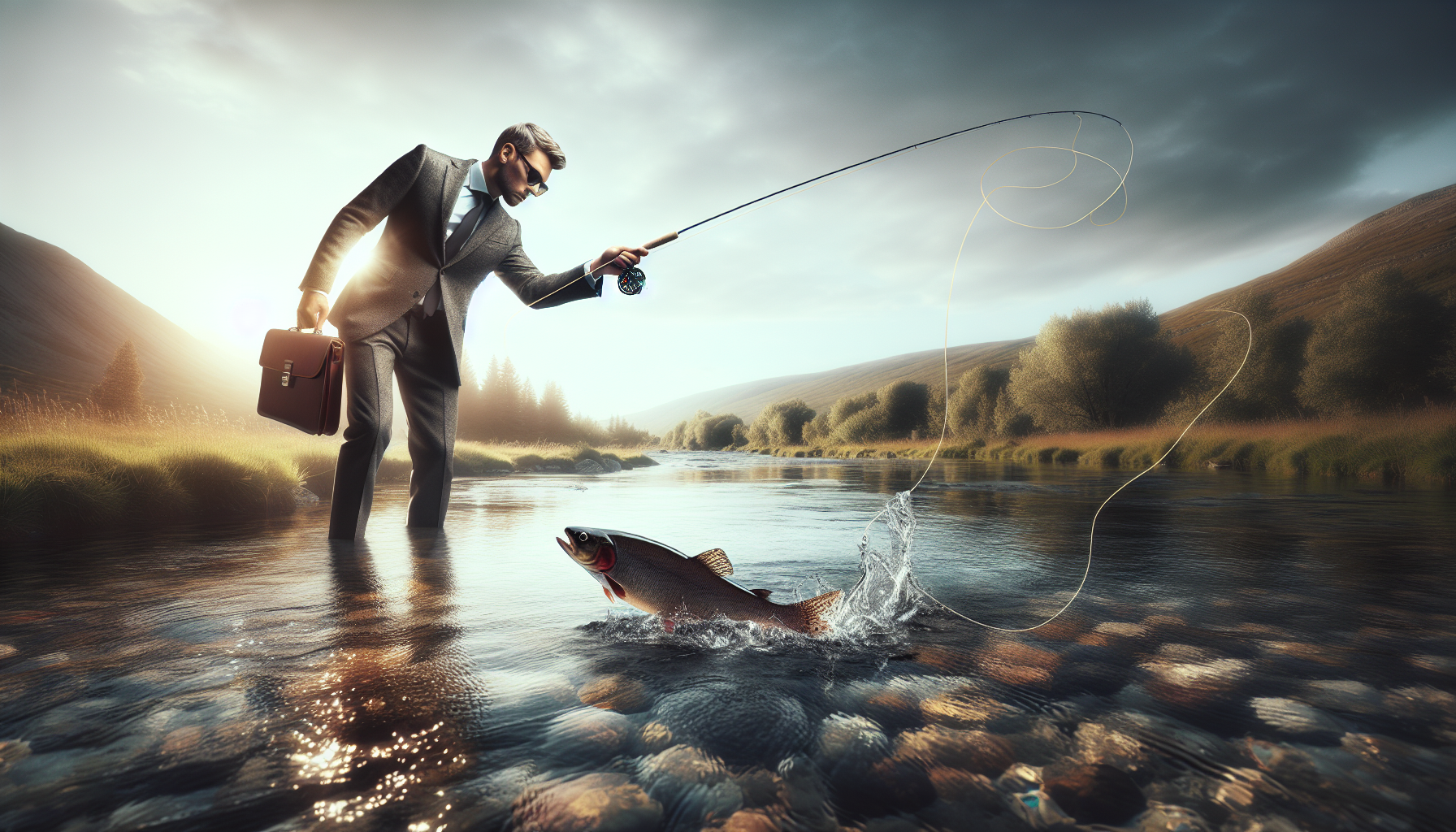
Catch and release is a fishing practice in which an angler returns a captured fish to the water rather than keeping it, and its role in environmental conservation depends on one central question: does release meaningfully reduce ecological harm while supporting healthy fisheries? In my work around freshwater management, I have seen the answer is yes, but only when catch and release is treated as a disciplined conservation tool rather than a feel-good ritual. The term itself sounds simple, yet it includes several distinct ideas: voluntary release by recreational anglers, mandatory release under regulations, and selective harvest, where some fish are kept within legal limits while larger breeders or sensitive species are returned. Environmental impact, the focus of this hub article, refers to how those choices affect fish survival, population structure, habitat quality, biodiversity, and the broader aquatic food web.
This matters because recreational fishing is enormous in scale. In the United States alone, tens of millions of anglers fish each year, according to the U.S. Fish and Wildlife Service, and similar participation rates exist across Canada, Europe, Australia, and parts of Latin America. When pressure is spread across lakes, rivers, estuaries, and nearshore marine systems, even small improvements in release survival can produce substantial conservation gains. Catch and release can protect spawning-age fish, reduce harvest on recovering stocks, and maintain the social and economic value of fisheries that might otherwise decline. At the same time, poor handling, warm-water stress, deep hooking, and long fight times can cause delayed mortality. A serious discussion of environmental conservation has to hold both truths at once.
As a hub page within conservation and ethics, this article maps the environmental impact of catch and release across the key issues anglers, fishery managers, and land stewards need to understand. It explains when catch and release helps, where it falls short, how it interacts with habitat conditions and regulation, and what best practices turn intention into measurable conservation outcomes. The core point is direct: catch and release is not automatically sustainable, but when grounded in fish biology, gear choice, seasonal awareness, and enforcement, it is one of the most practical ways to conserve fish populations while keeping people connected to aquatic ecosystems.
How Catch and Release Supports Fish Population Conservation
The most immediate environmental benefit of catch and release is reduced fishing mortality. If fewer fish are removed from the system, more remain to grow, reproduce, and contribute to future year classes. That is especially important for long-lived species that mature slowly, such as muskellunge, many trout in coldwater systems, tarpon, permit, and large breeding bass. In these fisheries, older fish often produce more eggs, better-quality eggs, or spawn over more seasons than younger fish. Protecting those age classes improves resilience. Managers sometimes call these individuals BOFFFFs, or big old fat fecund female fish, because their reproductive value is disproportionately high.
In practical terms, I have seen catch and release matter most on waters with heavy angling pressure and limited natural recruitment. A heavily fished smallmouth river, for example, can lose its top size classes quickly if every legal fish is kept. Once those larger fish are consistently released, the population often shows a broader size distribution within a few seasons, assuming habitat and forage remain adequate. The same pattern appears in trout tailwaters where stocking supplements wild production. Releasing fish does not create habitat, but it slows preventable losses and gives the system more biological breathing room.
Catch and release also allows managers to use fishing opportunity without fully closing a fishery. During rebuilding periods, full closures may be biologically necessary, but in many cases mandatory release seasons or slot limits can lower harvest while maintaining public support for conservation. That social element matters environmentally because engaged anglers often fund habitat projects through licenses, excise taxes, and conservation groups such as Trout Unlimited, Bonefish and Tarpon Trust, Ducks Unlimited, and local watershed associations. A fish population protected in law but abandoned in practice rarely gets the same long-term stewardship as one valued by active users.
Environmental Limits: Stress, Injury, and Delayed Mortality
Catch and release is beneficial only if released fish survive at high rates. Survival depends on species, water temperature, hook type, fight duration, air exposure, handling, and where the fish is hooked. Scientific studies regularly find low mortality in well-handled fish under favorable conditions, but that mortality is not zero. For some fisheries, even a five to ten percent release mortality rate becomes significant when catches are high. That is why conservation claims should focus on relative benefit rather than perfection. Releasing a fish usually reduces mortality compared with harvest, yet poor technique can erase much of that benefit.
Physiologically, the main problem is cumulative stress. During capture, fish build up lactate, deplete energy reserves, and experience acid-base imbalance. In warm water, dissolved oxygen is lower and recovery is harder. Species such as salmonids are particularly vulnerable when temperatures rise above preferred ranges. Many trout programs now encourage anglers to stop fishing during summer afternoons or avoid fishing entirely when river temperatures exceed roughly 68 degrees Fahrenheit, though thresholds vary by species and system. In marine environments, species brought up from depth may suffer barotrauma, where expanding gases affect buoyancy and internal organs. Release without recompression or venting knowledge can fail.
Hooking injury is the second major limit. Fish hooked in the jaw often survive, while those hooked in the gills, esophagus, or stomach face much higher mortality. Circle hooks reduce deep hooking in many bait fisheries, especially for species that tend to swallow natural bait. By contrast, treble hooks can increase injury and handling time, particularly on hard-fighting fish. I have watched mortality differences become obvious during volunteer monitoring events: fish landed quickly on appropriate tackle and kept in the water typically swam off strongly, while exhausted fish laid on hot decks or squeezed for photos often showed poor equilibrium on release.
| Factor | Lower environmental impact | Higher environmental impact |
|---|---|---|
| Hook type | Single barbless or circle hooks in suitable fisheries | Multiple trebles or bait rigs prone to deep hooking |
| Water conditions | Cool, well-oxygenated water | Warm water, low oxygen, algal stress |
| Fight time | Tackle matched to land fish efficiently | Undersized gear causing long exhaustion |
| Handling | Wet hands, rubber nets, minimal air exposure | Dry surfaces, gripping gills, long photo sessions |
| Release method | Gentle in-water recovery, depth tools where needed | Tossing fish back without stabilization |
Habitat, Biodiversity, and Food Web Effects
The environmental impact of catch and release goes beyond individual fish survival. When done effectively, it helps maintain population age structure, predator-prey relationships, and species interactions that shape whole aquatic ecosystems. Large predatory fish regulate forage abundance and behavior. Removing too many top predators can shift food webs, sometimes increasing smaller prey fish, altering zooplankton grazing, and contributing to water quality changes. In some lakes, balanced predation supports healthier panfish size structure and can influence vegetation indirectly through trophic cascades. Release practices that protect apex or near-apex fish can therefore have ecosystem effects, not just fishery effects.
Biodiversity benefits are most visible where multiple native species share habitat and one or more are under pressure from overharvest, fragmentation, or climate stress. In mixed river systems, releasing wild trout while allowing harvest of stocked put-and-take fish can reduce pressure on naturally reproducing populations. In estuaries, releasing overslot red drum or snook protects breeding adults that sustain recruitment across broad nursery habitats. In coldwater streams, mandatory release of threatened char or salmon can buy time while restoration addresses culverts, sedimentation, and thermal pollution. Catch and release is often not the final solution, but it is a protective measure that keeps populations from slipping further while larger conservation work proceeds.
There are, however, ecological exceptions. Releasing invasive species is usually counterproductive and may be illegal. In waters where nonnative snakehead, certain carp, or invasive trout threaten native fish, mandatory harvest or no-release rules may better serve conservation. Likewise, in severely degraded systems, release alone cannot offset habitat loss from dams, channelization, pollution, or dewatering. I have seen rivers with strict release culture still struggle because spawning gravel was embedded with fine sediment and summer flows were too low. Conservation outcomes improve when catch and release is integrated with riparian restoration, flow management, fish passage, and water quality enforcement under standards such as the Clean Water Act and regional fisheries plans.
Best Practices That Turn Release Into Real Conservation
If the goal is environmental conservation, anglers need methods that maximize post-release survival. The first rule is to fish with gear sized for the species and conditions. Light tackle may feel sporting, but when it prolongs the fight, it increases stress. The second rule is to choose hooks that match the method. Barbless single hooks are easier to remove and often reduce tissue damage; circle hooks are highly effective with natural bait because they tend to catch in the corner of the mouth. The third rule is to reduce air exposure. Research on salmonids and bass consistently shows that survival drops as air exposure increases, especially after exhaustive exercise.
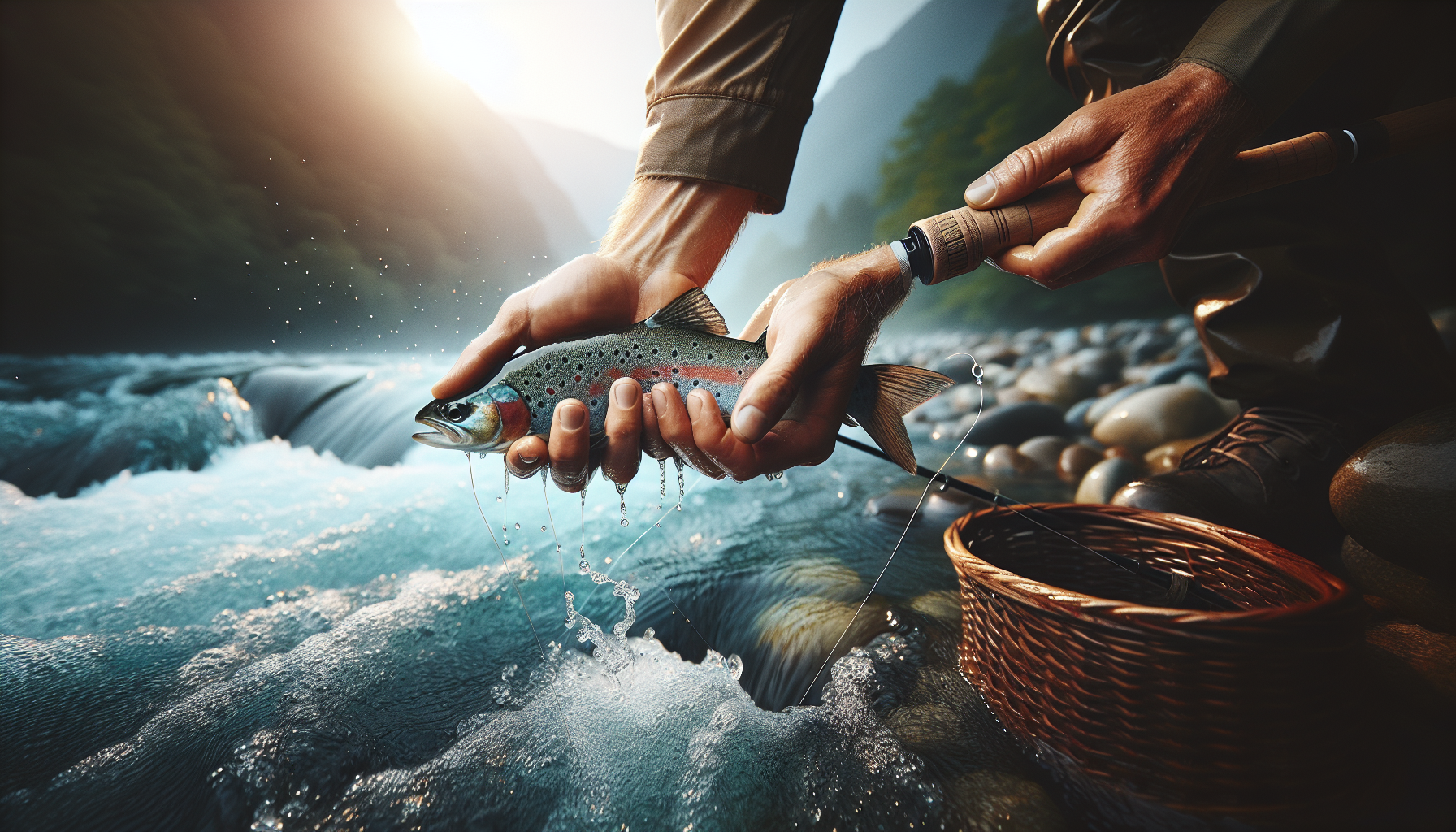
Good handling is straightforward. Keep the fish in the water when possible. Use knotless rubber landing nets rather than abrasive nylon mesh. Wet your hands before touching the fish to protect the mucus layer, which helps defend against infection. Support the body horizontally, especially for larger fish, rather than hanging it vertically by the jaw. Avoid contact with gills and eyes. If a hook is deeply embedded, cutting the line may be safer than aggressive removal. For fish caught from depth, use descending devices or other proven recompression tools where required. Several Gulf and Atlantic fisheries now strongly promote these devices because they improve survival of reef fish experiencing barotrauma.
Timing matters as much as handling. Avoid targeting heat-stressed fish during seasonal temperature spikes, spawning aggregations, or low-flow drought conditions. Many ethical anglers voluntarily stop when conditions are poor even before emergency closures are issued. That decision has measurable environmental value. On rivers I monitor, the difference between morning and late-afternoon summer temperature can determine whether catch and release is relatively safe or biologically costly. Conservation-minded fishing also means respecting closed areas, selective gear rules, and slot limits designed to protect brood stock. Catch and release works best when it is part of an informed system of restraint, not an excuse to fish carelessly every day of the year.
Policy, Education, and the Future of Sustainable Recreational Fisheries
Regulation turns catch and release from a personal ethic into a scalable conservation strategy. Fishery agencies use mandatory release, seasonal closures, protected slot limits, and gear restrictions to align angler behavior with stock status. The most effective policies are adaptive: they rely on creel surveys, telemetry, stock assessments, temperature monitoring, and mortality studies rather than tradition alone. For example, a catch-and-release trout stream may need temporary closure during extreme heat, while a recovering coastal fishery may combine release requirements with circle-hook mandates. These are not symbolic rules. They directly reduce total fishing mortality and protect vulnerable life stages.
Education is equally important because many environmental outcomes are determined on the bank or boat in the seconds after landing. Agencies, guides, retailers, and nonprofits increasingly teach evidence-based handling through signs, videos, and license materials. I have helped with angler workshops where simple demonstrations changed habits immediately: switching to rubber nets, pinching barbs, preplanning photos, and carrying thermometers. Those small operational choices often matter more than broad slogans. The future of sustainable recreational fisheries will depend on this practical literacy, especially as climate change warms waters, alters streamflow, expands hypoxic zones, and increases stress on already fragmented fish populations.
For conservation and ethics, the central lesson is clear. Catch and release can reduce harvest, protect breeding fish, support biodiversity, and keep people invested in waters worth restoring. It is most effective when paired with habitat protection, invasive species control, science-based regulation, and careful fish handling. It is least effective when anglers ignore temperature, use damaging gear, or assume every released fish survives. Treat catch and release as a conservation method with standards, not a slogan. If you fish, commit to those standards, support habitat work, and use every trip as a chance to leave the resource stronger than you found it.
Frequently Asked Questions
1. How does catch and release actually support environmental conservation?
Catch and release can support environmental conservation by reducing direct harvest pressure on fish populations, especially in waters where native species, slow-growing fish, or heavily targeted game fish are vulnerable to overremoval. When a fish is released in good condition, it has the opportunity to continue feeding, spawning, and contributing to the overall stability of the fishery. That matters because conservation is not just about keeping individual animals alive in the moment; it is about protecting breeding populations, preserving age structure, and maintaining ecological balance over time.
From a management perspective, catch and release can be especially useful in lakes, rivers, and streams where angling pressure is high. In these systems, allowing every legal fish to be kept may reduce the number of mature fish that are available to reproduce. Releasing fish can help retain larger and older individuals in the population, which is important because those fish often produce more eggs or stronger offspring than younger fish. In many freshwater systems, that reproductive value has direct conservation significance.
That said, catch and release is only environmentally beneficial when it is done properly and when survival rates after release are high. A fish that is deeply hooked, handled roughly, or fought to exhaustion may die later even if it swims away. This is why responsible catch and release should be understood as a disciplined practice backed by fish biology, not simply a symbolic gesture. Used correctly, it can reduce mortality, support sustainable recreation, and give fisheries managers a practical way to conserve fish populations without eliminating public access to angling.
2. Is catch and release always better for fish populations than keeping fish?
No, not always. Catch and release is often beneficial, but it is not automatically the best option in every fishery, for every species, or under every environmental condition. Conservation outcomes depend on what species is being caught, how resilient that species is to handling stress, the local water temperature, oxygen conditions, hook type, angler behavior, and the broader goals of fishery management. In some settings, limited harvest can be fully sustainable, while poor catch and release practices can still cause significant mortality.
For example, some fish species are relatively hardy and can survive release at high rates when handled correctly. Others are much more sensitive to stress, air exposure, or injury. During periods of extreme heat, low dissolved oxygen, or spawning activity, even normally resilient fish may have lower post-release survival. In those cases, repeatedly catching and releasing fish can create hidden mortality that is easy to underestimate. A fish does not need to die immediately at the surface for the event to have caused ecological harm.
There are also management situations where selective harvest is part of conservation. In certain waters, removing invasive fish can benefit native species. In other cases, harvest regulations are designed to maintain balanced population structure by allowing anglers to keep fish within a certain size range while protecting brood fish. So the real conservation question is not whether release is morally superior to harvest in all cases. It is whether a given practice reduces ecological harm and supports healthy fisheries under local conditions. The best answer usually comes from science-based regulations and informed angler behavior rather than slogans.
3. What are the biggest mistakes anglers make that reduce the conservation value of catch and release?
The biggest mistakes usually involve excessive stress, unnecessary injury, and poor fish handling. Many anglers mean well, but good intentions do not prevent damage if fish are played too long, touched with dry hands, dropped onto hard surfaces, squeezed around the body, or held out of the water for extended periods. These actions can remove protective slime, injure gills, damage internal organs, and increase the likelihood of delayed mortality after release. If catch and release is meant to be a conservation tool, minimizing those forms of damage is essential.
Deep hooking is another major problem. Fish that swallow bait are more likely to suffer serious internal injuries, which can sharply reduce survival. That is one reason many conservation-minded anglers use artificial lures or circle hooks in situations where bait fishing is common. Barbless hooks or flattened barbs can also make hook removal faster and less traumatic. Tackle choice matters as well. Gear that is too light may prolong the fight, leaving the fish exhausted and physiologically stressed before release, especially in warm water.
Environmental conditions are frequently overlooked. Catching fish during very warm weather can be especially harmful because warm water holds less oxygen, and stressed fish recover more slowly. In some fisheries, the most conservation-minded choice during heat waves or seasonal stress periods is to stop targeting certain species altogether. In practical terms, the conservation value of catch and release rises when anglers land fish quickly, keep them in the water as much as possible, avoid touching the gills, use proper tools for unhooking, and release fish only when they are upright and capable of swimming away strongly.
4. Does catch and release help preserve biodiversity and ecosystem health, or does it only benefit sport fishing?
When applied responsibly, catch and release can do more than support sport fishing; it can contribute to biodiversity protection and broader ecosystem health. Fish are not isolated recreational resources. They are part of food webs, nutrient cycles, predator-prey relationships, and habitat processes. Conserving fish populations helps maintain those ecological functions. In rivers and lakes where angling pressure is intense, reducing harvest through catch and release can help keep more fish in the system, which may support more stable community dynamics and stronger population resilience.
This is especially important where native fish face multiple pressures at once, such as habitat loss, warming water, pollution, dams, or competition from nonnative species. In those settings, reducing avoidable mortality from fishing can be one of the few management levers that can be changed quickly. Catch and release will not repair degraded habitat on its own, but it can complement larger conservation efforts by lowering one source of human-caused mortality while restoration work, flow improvements, or water-quality protections are underway.
At the same time, catch and release should not be overstated as a complete solution. Biodiversity conservation requires a systems view. Healthy riparian zones, adequate stream flow, spawning habitat, water quality, and effective regulation of invasive species often matter just as much as angling practices. Catch and release is most valuable when it is integrated into that larger framework. In other words, it helps preserve ecosystem health not because releasing one fish is a magical act, but because reducing repeated harvest pressure can strengthen conservation outcomes when paired with sound environmental management.
5. What are the best practices for making catch and release as humane and effective as possible?
The best practices are straightforward in principle but important in detail. First, use gear that allows you to land fish quickly and control them safely. Prolonged fights increase exhaustion and can impair recovery. Second, choose hooks and methods that reduce injury, such as barbless hooks where appropriate, single hooks instead of treble hooks in some fisheries, and circle hooks when fishing natural bait. Third, prepare before landing the fish. Have pliers, forceps, or a dehooking tool ready so the release process is efficient rather than improvised.
Once the fish is landed, keep it in the water whenever possible. If you need to handle it, wet your hands first and support the fish gently without squeezing. Avoid contact with the gills and eyes, and never place the fish on dry rocks, hot boat decks, or dirt. If a photo is taken, it should be quick, with the fish out of the water for only a few seconds. The general rule is simple: the less time out of water and the less unnecessary handling, the better the survival odds.
Release should also be thoughtful, not rushed. If the fish is disoriented, hold it upright in the current or in calm water until it regains balance and can swim away under its own power. Do not push it back and forth aggressively, as that can do more harm than good. Finally, pay attention to conditions. In very warm water, during seasonal closures, or in sensitive spawning periods, the most responsible practice may be to avoid targeting vulnerable species at all. Humane and effective catch and release is ultimately about reducing stress at every step so that release results in real survival, not just the appearance of mercy.