Using eco-friendly gear in fly fishing is no longer a niche preference; it is a practical way to reduce environmental impact while protecting the waters, fish, insects, and shorelines that make the sport possible. In fly fishing, gear includes everything from rods, reels, lines, leaders, flies, waders, boots, packs, nets, tippet spools, and floatants to the less glamorous items anglers carry, such as split shot, strike indicators, pliers, and packaging. Eco-friendly gear means equipment designed, sourced, used, and disposed of with lower harm to ecosystems than conventional alternatives. That can involve recycled or repairable materials, nontoxic components, durable construction, reduced packaging, and buying patterns that favor long service life over disposable convenience.
This matters because the environmental footprint of fly fishing is broader than many anglers assume. The obvious concerns are litter, lead shot, and monofilament left behind on banks. Less visible issues include petroleum-based fabrics, fluorinated water-repellent finishes, carbon-intensive shipping, boot soles that can transport invasive species, and cheap products that fail quickly and become waste. I have seen productive trout runs lined with clipped tippet, broken indicators, and rusting bait containers carried downstream from other users. Even when fly anglers practice catch and release carefully, gear choices can still create cumulative damage across heavily pressured watersheds.
Environmental impact in this context refers to the effect a product has across its life cycle: raw material extraction, manufacturing, transport, use, maintenance, and disposal. A durable aluminum reel that lasts twenty years can have a lower total impact than several bargain reels replaced every few seasons. A rubber net may be a better ecological choice than abrasive mesh because it reduces fish injury and lasts longer. Waders made with recycled face fabrics and solvent-free adhesives may cut chemical load, but only if they are repairable enough to stay in service. The central question is not which product looks greenest; it is which system of choosing and using gear leaves less damage behind.
As a conservation and ethics hub, this article covers the full environmental impact of eco-friendly fly fishing gear: material choices, fish-safe tools, packaging and waste, travel and maintenance, invasive species control, and how anglers can build a lower-impact kit without sacrificing performance. The goal is simple. If you understand where gear creates harm, you can make purchases and habits that protect fisheries while still fishing effectively.
What Makes Fly Fishing Gear Eco-Friendly
Eco-friendly fly fishing gear is defined by measurable attributes, not marketing slogans. The strongest indicators are durability, repairability, low-toxicity materials, reduced waste, and proven fish-safety benefits. In practice, I evaluate gear by asking five questions: How long will it last, can it be repaired, does it avoid harmful substances, does it reduce bycatch or fish injury, and what happens at the end of its life? If a product performs well on those points, it is usually a sound environmental choice even if it costs more upfront.
Material selection is the first filter. Recycled polyester in packs and outerwear can reduce virgin petroleum demand, though recycled content alone does not make a product low impact if it delaminates quickly. Aluminum, stainless steel, and high-quality composites often outperform cheap mixed plastics because they survive years of abrasion, moisture, and UV exposure. Natural materials used in flies can be sustainable when responsibly sourced, but they also carry tradeoffs involving land use, chemical tanning, and international transport. The right choice depends on lifespan, sourcing transparency, and function.
Chemistry matters as much as material. Water-repellent coatings, adhesives, and line dressings can contain substances with persistent environmental effects. Many brands now advertise PFAS-free durable water repellent finishes, a meaningful improvement because per- and polyfluoroalkyl substances persist in water and soil. Similarly, nontoxic split shot made from tin, tungsten, bismuth, or steel avoids the well-documented poisoning risk lead poses to birds and aquatic wildlife. In some regions, lead tackle restrictions already exist, and more are likely as evidence accumulates.
Performance still matters. Eco-friendly gear fails if it cannot do the job and causes anglers to buy replacements or fish less responsibly. Good environmental design should support practical use: boots that grip safely, line that casts cleanly, pliers that resist corrosion, and waders that can be patched. The best products combine lower impact with field reliability, because conservation gains disappear when gear becomes disposable.
Environmental Impact Across the Gear Life Cycle
To understand environmental impact, think in stages. Extraction and manufacturing create emissions, consume water and energy, and can release pollutants. Transport adds carbon, especially when components cross multiple countries before assembly. Use creates wear, microplastic shedding, chemical runoff from cleaners or coatings, and accidental loss of tackle. End of life determines whether items are repaired, recycled, landfilled, or left streamside. Looking across the full life cycle prevents simplistic conclusions.
A common example is fly line. Most fly lines are built around polymer coatings, often PVC or similar materials, plus lubricants and packaging. Premium lines can be expensive, but a line that remains supple and serviceable for many seasons usually has lower impact than several low-cost lines that crack, coil, and get discarded quickly. The environmental win comes from longevity, proper cleaning, and storage away from heat rather than from a single label claim.
Waders reveal another tradeoff. Breathable laminates improve comfort and safety, helping anglers fish colder water without overexertion, but multi-layer waterproof-breathable fabrics are complex to recycle. Their sustainability depends heavily on repair programs, seam durability, and replacement parts. I advise anglers to favor brands that sell patch kits, gravel guard replacements, and warranty repair services. The greenest wader is often the pair you can keep dry for eight seasons instead of replacing after two leaks and one torn seam.
Even small accessories deserve scrutiny. Foam strike indicators, disposable hand warmers, soft-plastic lure containers used for multi-species crossover kits, and cheap forceps all have short life cycles in many tackle bags. Replacing them with reusable indicators, refillable bottles, machined aluminum tools, and modular storage reduces waste immediately. These changes seem minor individually, but frequent anglers use them hundreds of times a year.
Choosing Lower-Impact Materials and Products
Some gear categories offer clear environmental advantages when you know what to look for. For terminal tackle, the strongest recommendation is straightforward: avoid lead. Lead split shot and weighted putty can be ingested by waterfowl and other wildlife, and fragments can persist in sediment. Tin and tungsten alternatives cost more but perform well. Tungsten is particularly effective because its density allows smaller profiles, which can improve drift and reduce snagging in some nymphing setups.
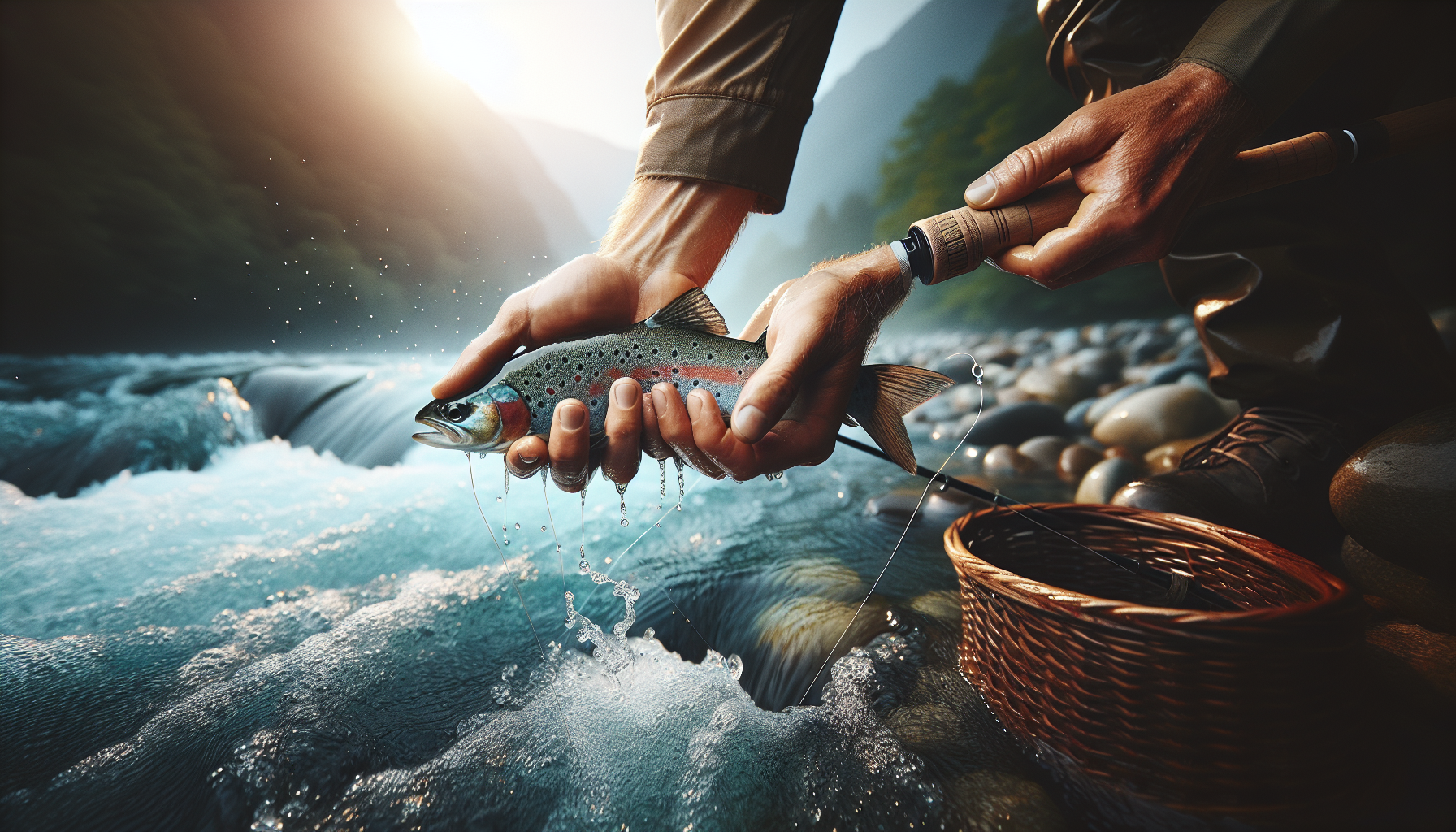
For nets, rubber or silicone-coated mesh is better than traditional knotted nylon from a fish-care standpoint. It protects slime, reduces fin abrasion, and is less likely to tangle around gills or hooks. A long-lasting composite or wooden frame from a repairable maker can remain in service for years. I have retired old nylon bags after seeing how much faster fish recover in soft rubber nets, especially in warm summer water where every second of handling matters.
Footwear deserves special attention because it links gear choice to invasive species control. Felt soles were long favored for traction, yet they can retain moisture and organic matter that help spread organisms such as didymo and New Zealand mudsnails. Several states have restricted or banned felt for this reason. Modern rubber soles, especially when paired with studs where legal and appropriate, offer strong traction with lower transfer risk and easier decontamination. The choice is not universal; slick freestone boulders still challenge rubber in some conditions. But from an environmental perspective, easy-to-clean soles are usually the safer baseline.
| Gear category | Lower-impact option | Main environmental benefit | Key tradeoff |
|---|---|---|---|
| Split shot | Tungsten, tin, bismuth | Avoids lead toxicity to wildlife | Higher cost |
| Landing net | Rubber or silicone mesh | Less fish injury, longer service life | Can be heavier |
| Boot soles | Rubber with removable studs | Lower invasive species transfer risk | Variable grip on algae-slick rocks |
| Outerwear and packs | Recycled fabrics, PFAS-free finishes | Reduced virgin inputs and persistent chemicals | Quality varies by brand |
| Tools | Repairable aluminum or stainless tools | Long lifespan, less frequent replacement | Higher upfront price |
When evaluating brands, prioritize transparent repair policies, spare parts availability, and plain-language material disclosures over broad sustainability claims. Third-party certifications can help, especially in apparel and textiles, but they do not replace durability testing and real use. Read warranty terms carefully. A repairable zipper, replaceable lace hardware, and available seam service often matter more than attractive packaging made from recycled paper.
Fish Welfare, Habitat Protection, and Responsible Use
Environmental impact is not only about what gear is made from. It is also about how gear affects fish and habitat during use. Barbless hooks, or hooks with pinched barbs, reduce handling time and tissue damage. They also make release faster when fishing small flies in cold hands or strong current. Hook style matters too: oversized streamers on hot water trout can prolong fights, while appropriately matched tackle shortens landing time and improves survival.
Nets, forceps, and storage systems influence fish welfare directly. A rubber net, hemostats that let you remove hooks quickly, and a chest pack layout that keeps tools immediately accessible all reduce air exposure. I have timed release sequences with clients and found that poor tool organization often adds more harmful seconds than hook choice alone. Eco-friendly gear, therefore, includes gear that supports efficient, low-stress fish handling.
Habitat protection starts underfoot. Wading staffs reduce falls that can crush redds, dislodge streambed insects, or prompt anglers to grab riparian vegetation for balance. Boot tread that sheds mud cleanly helps prevent bank erosion from repeated scraping. On stillwaters and warmwater rivers, anchors, drag chains, and push poles should be chosen and used to minimize scouring of vegetation beds. The most sustainable gear still causes damage if used carelessly in fragile habitat.
Line management is another overlooked issue. Monofilament and fluorocarbon left streamside can entangle birds, mammals, reptiles, and fish. Carrying a dedicated line waste container should be standard. Fluorocarbon offers abrasion resistance and sink rate advantages, but it persists for a long time in the environment, so preventing loss is critical. If you fish often, one small container clipped to a pack can keep hundreds of feet of discarded material out of a watershed each season.
Packaging, Maintenance, and End-of-Life Decisions
Much of fly fishing’s waste problem comes before gear ever touches the water. Flies in oversized plastic boxes, leaders sealed in multilayer sleeves, accessories attached to thick blister packs, and apparel shipped with excessive tags all add up. Choosing brands that minimize packaging is an easy win, especially for high-volume items like tippet, hooks, and strike indicators. In my own kits, bulk purchasing staples and consolidating orders has noticeably reduced both packaging waste and shipping frequency.
Maintenance is where sustainability becomes practical. Clean fly lines last longer when wiped free of grit. Waders last longer when dried thoroughly, stored loosely, and patched immediately. Reels corrode less when rinsed after brackish or salt exposure. Boot stitching lasts longer if mud is removed before it hardens. These habits are simple, but they delay replacement and preserve performance. Neglect is expensive environmentally because premature failure creates more manufacturing demand.
Repair should be normal, not exceptional. Aquaseal, seam tape patches, replacement laces, ferrule wax, reel service kits, and rod section replacements can extend life dramatically. Many premium rod companies offer single-section replacement, which keeps a broken tip from turning an entire rod into waste. Some outerwear and wader brands now run in-house repair centers, and that service should influence buying decisions as much as color, fit, or celebrity endorsements.
At the end of life, disposal options are imperfect but improving. Metal tools can often be recycled. Some monofilament can be processed through dedicated line recycling programs. Old fly lines may be repurposed for practice rigs, lanyards, or non-fishing utility ties, though eventually they still require disposal. The best strategy remains buying less, using gear longer, repairing early, and preventing loss in the field. Recycling helps, but it cannot compensate for a throwaway purchasing pattern.
Building a Practical Eco-Friendly Fly Fishing Kit
If you want a lower-impact setup without rebuilding your entire arsenal at once, start with the highest-value changes. Replace lead with tungsten or tin. Carry a line waste container. Switch to a rubber net. Choose rubber-soled boots that can be cleaned and dried thoroughly between waters. Buy one durable pair of forceps and maintain them. Patch waders immediately. These steps deliver meaningful environmental benefits without compromising fishing effectiveness.
Next, audit what you already own. The most sustainable rod, sling pack, or rain shell is often the one already in your closet if it still performs safely. Upgrade when a new purchase clearly reduces harm through repairability, lower-toxicity materials, or better fish protection. Avoid replacing working gear solely because a greener version appears on a product page. Consumption disguised as conservation is still consumption.
Finally, connect gear decisions to broader ethics. Support local shops that stock repair parts, organize river cleanups, and steer customers toward legal, fish-safe tackle. Follow decontamination protocols such as Check, Clean, Dry when moving between waters. Keep records of what fails in your kit and why; that information sharpens future purchases. Eco-friendly gear in fly fishing is not a one-time shopping list. It is a disciplined approach to reducing environmental impact across every trip, every season, and every watershed you touch. Review your kit, replace the most harmful items first, and fish in a way that leaves cleaner water and healthier fisheries behind.
Frequently Asked Questions
What does eco-friendly gear in fly fishing actually include?
Eco-friendly fly fishing gear includes much more than a rod made from recycled material. In practical terms, it covers nearly every item an angler uses on the water, from rods, reels, fly lines, leaders, tippet, and flies to waders, boots, nets, packs, and accessories such as floatant containers, strike indicators, split shot, forceps, and even the packaging those products arrive in. The core idea is that the gear is designed to reduce harm across its full life cycle, including how raw materials are sourced, how the item is manufactured, how long it lasts, whether it can be repaired, and what happens when it eventually wears out.
In fly fishing, this often means choosing products made with recycled or lower-impact materials, avoiding toxic substances where safer options exist, selecting durable equipment that will not need frequent replacement, and favoring brands that minimize excess plastic packaging. It can also mean looking for alternatives to gear that commonly creates pollution problems, such as lead split shot, disposable plastic accessories, and products that shed microplastics or break into small pieces in rivers and along banks. Many anglers also include fish-friendly design in the definition of eco-friendly gear. For example, rubber landing nets are often preferred over traditional coarse mesh nets because they are gentler on fish slime and fins, and barbless hooks can reduce handling stress and injury.
Eco-friendly gear is best understood as a system of choices rather than one perfect label. A reel that lasts twenty years may be a better environmental choice than a cheaper “green” reel that fails quickly. A pair of repairable waders can be more sustainable than a pair marketed as environmentally conscious but built to be replaced every season. In other words, eco-friendly fly fishing gear is not just about materials; it is about durability, repairability, responsible use, and reducing the amount of waste and contamination left behind in the places anglers care about most.
Why is switching to eco-friendly fly fishing gear important for rivers, fish, and aquatic insects?
Switching to eco-friendly gear matters because fly fishing depends on healthy ecosystems, and many conventional products can contribute to the exact problems anglers want to avoid. Rivers, streams, lakes, and wetlands are sensitive environments where even small amounts of pollution or discarded material can have outsized effects. Lost leaders, tippet, packaging, foam indicators, and fragments of soft plastics can persist in the environment, creating entanglement hazards for fish, birds, and other wildlife. Toxic materials, especially lead-based tackle, can be ingested by waterfowl and other animals, sometimes with fatal results. Chemical residues from certain gear treatments or maintenance products can also enter waterways if anglers are not careful about what they use and how they dispose of it.
Aquatic insects are especially important in this discussion because they are the foundation of much of fly fishing itself. Mayflies, caddisflies, stoneflies, midges, and other invertebrates are highly sensitive to water quality and habitat disruption. When anglers choose lower-impact products and reduce waste, they help protect the food base that supports trout, bass, panfish, and countless other species. Cleaner banks, less persistent litter, and fewer toxic materials in the water all contribute to stronger insect populations and healthier fish behavior over time.
There is also a shoreline and habitat protection element. Eco-friendly gear often includes products designed for longevity and lower breakage, which means fewer items abandoned or lost in the field. Better boot materials and tread choices may help reduce invasive species transport when combined with proper cleaning. Reusable storage systems and minimal packaging reduce the amount of trash generated during travel and at access sites. Taken together, these decisions support conservation in a very direct way. Anglers do not have to change everything overnight, but each swap toward safer, longer-lasting, less wasteful gear helps preserve the waters that make fly fishing possible.
How can I tell whether a fly fishing product is genuinely eco-friendly or just marketed that way?
The best way to evaluate a product is to look beyond vague terms like “green,” “eco,” or “sustainable” and focus on specific, verifiable details. A genuinely responsible product usually comes with clear information about materials, manufacturing practices, product lifespan, and end-of-life options. For example, a company might state that a pack is made from recycled polyester, that its waterproof coating avoids certain harmful chemicals, that the item is repairable, or that replacement parts are available. Those claims are much more meaningful than broad environmental language with no supporting detail.
Durability is one of the strongest indicators of true sustainability. In fly fishing, gear that performs well for years often has a lower environmental footprint than inexpensive products that need frequent replacement. Ask practical questions: Can the waders be patched? Can reel parts be serviced? Does the brand offer replacement net bags, boot laces, or buckle hardware? Is the fly line built to last through repeated use, or is it treated like a disposable item? Eco-friendly gear should not just be less harmful in theory; it should help reduce consumption in real life.
Packaging and company practices are also useful clues. Brands that are serious about environmental responsibility often reduce single-use plastics, simplify packaging, and publish information about sourcing, labor, factory standards, or take-back and repair programs. They may also be transparent about what they have not solved yet, which is often a good sign of credibility. Be cautious of products that emphasize one minor eco feature while ignoring major impacts. A cardboard hangtag does not make a heavily wasteful product sustainable. In short, the most trustworthy eco-friendly fly fishing gear is supported by specifics: safer materials, longer service life, repair options, thoughtful packaging, and transparent manufacturing standards.
What are the best eco-friendly gear changes a beginner fly angler can make first?
For beginners, the smartest approach is to start with simple, high-impact swaps rather than trying to replace every item at once. One of the most important first changes is to avoid lead whenever alternatives are available. Non-lead split shot and other weighted options can reduce the risk posed to birds and wildlife if tackle is lost or discarded. Another strong upgrade is using a rubber or silicone net instead of rough knotted mesh, since it is generally easier on fish and tends to reduce handling damage during catch-and-release fishing.
Beginners can also make a big difference by choosing durable basics and using them carefully. Buy a quality rod, reel, and pack that can last for many seasons instead of the cheapest option available if it is likely to fail quickly. Keep and organize tippet clippings rather than dropping them on the ground or in the water. Choose reusable containers where possible for items like floatant or streamside accessories. Pay attention to packaging when buying flies, leaders, indicators, and tools, and support brands that minimize waste. Even something as ordinary as bringing a small trash pouch for used leaders, snack wrappers, and broken indicators is an eco-friendly gear practice that has immediate value.
Waders and boots are another good area to think long term. A repairable pair of waders, properly cleaned and stored, can be a better environmental choice than multiple low-cost pairs replaced in quick succession. The same logic applies to boots, packs, and rain layers. Beginners should also learn maintenance habits early: rinse gear, dry it completely, patch minor damage, and inspect lines and leaders before they become litter. The most effective eco-friendly changes are often the ones that combine lower impact with better fishing habits. That means buying less, choosing better, maintaining what you own, and leaving no trace at the water’s edge.
Does eco-friendly fly fishing gear perform as well as conventional gear?
In most cases, yes. Eco-friendly gear can perform just as well as conventional gear, and sometimes better, especially when it is well designed and built for long-term use. The assumption that environmentally responsible gear requires major compromise is increasingly outdated. Many modern products made with recycled materials, lower-toxicity components, or repair-focused construction hold up extremely well in demanding fishing conditions. Performance in fly fishing depends on function, fit, durability, and reliability, not just on whether a product uses traditional materials.
That said, performance should always be judged item by item rather than by label. A high-quality eco-conscious wader from a reputable manufacturer may outperform a conventional budget model in comfort, seam durability, and repairability. A fish-friendly rubber landing net can improve catch-and-release handling without sacrificing usability. Non-lead weight alternatives may feel slightly different in some situations, but for many anglers they work perfectly well once incorporated into normal rigging. Likewise, durable packs, recycled-fabric outerwear, and responsibly made accessories can offer excellent streamside performance while reducing waste and unnecessary replacement.
The more useful question is not whether eco-friendly gear performs in the abstract, but whether it performs well enough for the way you fish. If you fish small mountain streams, large western rivers, stillwaters, saltwater flats, or local warmwater creeks, your needs will vary. The good news is that the market now offers environmentally better options in nearly every category. The key is to choose proven products from trusted brands, read real-world reviews, and prioritize longevity and repair support along with on-the-water function. In practice, the best eco-friendly gear is not gear that merely makes you feel responsible; it is gear that fishes hard, lasts a long time, and helps protect the waters you