Fly fishing is a cherished pastime for many outdoor enthusiasts, combining the tranquility of nature with the skill and patience needed to land that elusive catch. One of the foundational skills critical to becoming proficient in fly fishing is knot tying. A well-tied knot ensures that your line is reliable, and can be the difference between a successful outing and a disappointing day on the water. Among the many essential knots to master, the Perfection Loop stands out for its versatility, reliability, and ease of creation. The Perfection Loop is particularly valued for creating strong, reliable loops in your leader and tippet connections, which are crucial for presenting your fly effectively and securely. Whether you’re a seasoned angler or just beginning your fly fishing journey, mastering the Perfection Loop is a skill that will serve you well in various fishing scenarios.
Knot tying might seem daunting at first, especially with the vast array of knots available, each serving a distinctive purpose. However, with a bit of practice and understanding, these knots will become second nature, making your time on the water more enjoyable and productive. This guide aims to provide you with a comprehensive understanding of the Perfection Loop, covering its uses, advantages, step-by-step instructions on how to tie it, and practical tips to ensure your loops are as strong and reliable as possible.
By the end of this article, you’ll not only have a firm grasp of how to tie the Perfection Loop but also understand why it’s an essential knot for any fly fisherman’s repertoire. So, let’s dive into the world of the Perfection Loop and enhance your fly fishing skills.
The Importance of Loops in Fly Fishing
Before we delve into the specifics of the Perfection Loop, it’s essential to understand the role of loops in fly fishing. Loops are crucial for making secure connections between different sections of your fishing line, such as attaching the leader to the fly line, connecting tippets, or even adding a dropper fly. The loop-to-loop connection allows for quick and efficient changes, which can be a game-changer when you’re on the water and need to adapt to changing conditions or presentation requirements.
In fly fishing, having a strong, reliable loop ensures that your setup can withstand the forces and stresses it may encounter, from casting to the moment a fish takes the fly. A well-tied loop minimizes the risk of your line breaking at critical moments, giving you confidence in your setup and allowing you to focus on your technique and the environment around you.
Moreover, loops can help improve the presentation of your fly. A loop connection allows the fly to move more naturally in the water, mimicking the behavior of an actual insect or bait. This can be particularly useful when targeting wary or finicky fish that are more likely to scrutinize your fly before taking it. Achieving a natural presentation can significantly increase your chances of enticing a bite.
Now that we have established the importance of loops in fly fishing, let’s focus on the Perfection Loop and why it is considered one of the best knots for creating strong and reliable loops.
Why the Perfection Loop?
The Perfection Loop is renowned for several reasons, making it a preferred choice among fly fishermen. One of its primary advantages is its strength. This knot retains a high percentage of the line’s original strength, meaning that when properly tied, it creates a loop that can withstand the rigors of fly fishing without significant risk of breaking.
Additionally, the Perfection Loop is relatively easy to tie once you understand the steps, and it consistently creates a neat, compact loop. This neat profile can be crucial when casting, as it helps to reduce drag and ensures that your fly behaves as intended in the water. The compactness of the loop also means that it can easily pass through the guides of your rod, making it practical for various fishing situations.
Another significant advantage of the Perfection Loop is its versatility. It can be used to create loops in different types of fishing line, whether you’re working with a heavy leader material or a finer tippet. This versatility makes it a valuable addition to any angler’s knot-tying repertoire, as it can be relied upon in a wide range of scenarios.
Finally, the Perfection Loop is favored for its ability to lay flat. Unlike some other loop knots that can twist or deform under tension, the Perfection Loop remains stable and maintains its shape. This stability ensures that your fishing setup remains consistent and reliable, without unexpected changes in the loop that could affect your presentation or knot strength.

Step-by-Step Guide to Tying the Perfection Loop
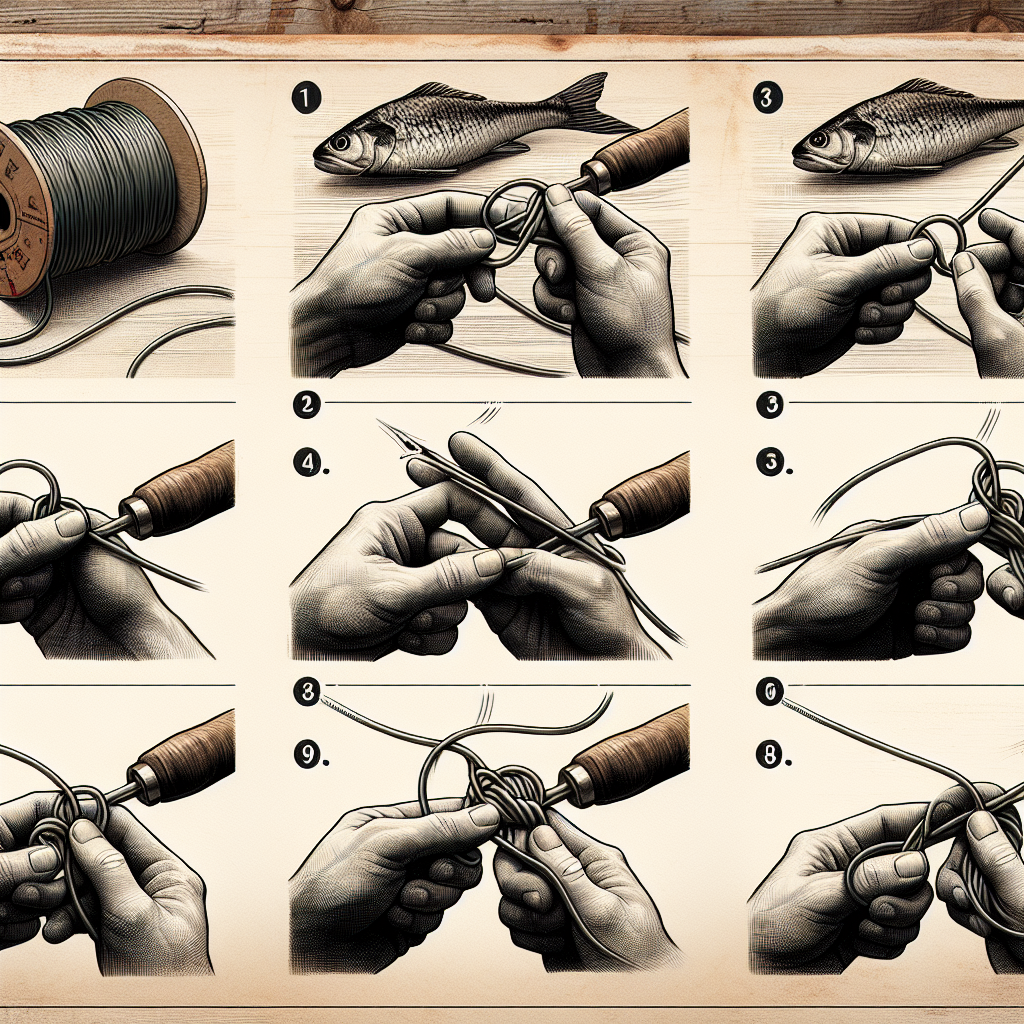
Now that we understand the advantages of the Perfection Loop, let’s go through a step-by-step guide on how to tie it. Follow these steps, and with a bit of practice, you’ll be able to tie this knot quickly and confidently.
- Create the Initial Loop: Start by taking the end of your line and forming a small loop. Pinch this loop between your thumb and forefinger, ensuring that the standing end of the line (the part connected to your reel) is on the left.
- Wrap and Form the Second Loop: Take the tag end of the line (the free end) and wrap it around the back of the initial loop to form a second loop behind the first. This second loop should cross over the standing end of the line.
- Thread the Tag End: Take the tag end and pass it between the two loops, coming up from beneath. This creates a figure-eight pattern with the loops and the line.
- Pull the Tag End Through: While holding the loops in place, take the tag end and pull it through the first loop. It’s essential to maintain tension and control over the loops to prevent them from collapsing.
- Set the Knot: Hold the tag end and the standing end of the line, and gently pull them in opposite directions to tighten the knot. As you do this, ensure that the loops remain neat and compact.
- Adjust and Trim: Once the knot is tight, adjust the size of the loop as needed. Finally, trim any excess tag end to complete the knot.
With these steps, you should now be able to tie a Perfection Loop. Practice is key, so take some time to get comfortable with the process, and soon you’ll be tying it with ease.
Practical Tips for Tying a Strong Perfection Loop
Tying the Perfection Loop correctly is crucial, but there are additional tips to ensure your loops are as strong and reliable as possible. Here are some practical tips to keep in mind:
- Use Quality Line: The strength of your knot is inherently tied to the quality of your fishing line. Make sure you’re using high-quality line that is appropriate for the type of fishing you are doing.
- Maintain Tension: When tying the Perfection Loop, maintain consistent tension throughout the process. This helps prevent the loops from collapsing or becoming uneven.
- Wet the Knot: Before tightening the knot, moisten it with water or saliva. This reduces friction and helps the knot tighten smoothly, preventing damage to the line.
- Practice Regularly: Like any skill, knot tying improves with practice. Spend time tying the Perfection Loop in various line types and diameters to build muscle memory and confidence.
- Inspect Your Knots: After tying a knot, inspect it carefully for any signs of weakness or deformity. If in doubt, retie the knot to ensure it is secure.
By following these tips, you can enhance the strength and reliability of your Perfection Loop, giving you greater confidence in your knots and overall fly fishing setup.
Common Mistakes to Avoid When Tying the Perfection Loop
Even experienced anglers can make mistakes when tying knots, and the Perfection Loop is no exception. Here are some common mistakes to watch out for:
- Incorrect Wraps: One of the most common errors is incorrect wrapping of the tag end around the initial loop. Ensure that the wraps are neat and follow the correct sequence.
- Uneven Loops: Uneven loops can compromise the knot’s strength and effectiveness. Take your time to make sure the loops are consistent and properly sized.
- Poorly Set Knots: Failing to properly set the knot can result in a weak connection. Always pull the standing and tag ends in opposite directions to ensure the knot is tight.
- Neglecting to Wet the Knot: Skipping the step of wetting the knot can cause friction damage to your line, weakening the knot. Always wet the knot before tightening.
- Overlooking Tag End Length: Leaving too much or too little tag end can affect the knot’s performance. Trim the tag end to a reasonable length to ensure a clean finish.
Avoiding these mistakes will help you tie stronger and more reliable Perfection Loops, improving your overall success in fly fishing.
Conclusion
The Perfection Loop is a fundamental knot in the world of fly fishing, known for its strength, reliability, and versatility. By mastering this knot, you can create strong, dependable loops that will serve you well in various fishing scenarios. Whether you’re connecting leaders, tippets, or droppers, the Perfection Loop offers a reliable solution that enhances your setup’s performance.
Remember, the key to successful knot tying is practice and attention to detail. Take the time to understand the steps involved in tying the Perfection Loop, and don’t be discouraged by initial challenges. With persistence, you’ll develop the confidence and skill needed to tie this knot quickly and effectively.
As you continue to hone your fly fishing skills, the Perfection Loop will become an invaluable tool in your arsenal. Its ability to create neat, strong loops that maintain their integrity under pressure will give you peace of mind on the water, allowing you to focus on the thrill of the catch. So, grab your line, practice tying the Perfection Loop, and get ready to enhance your fly fishing experience.