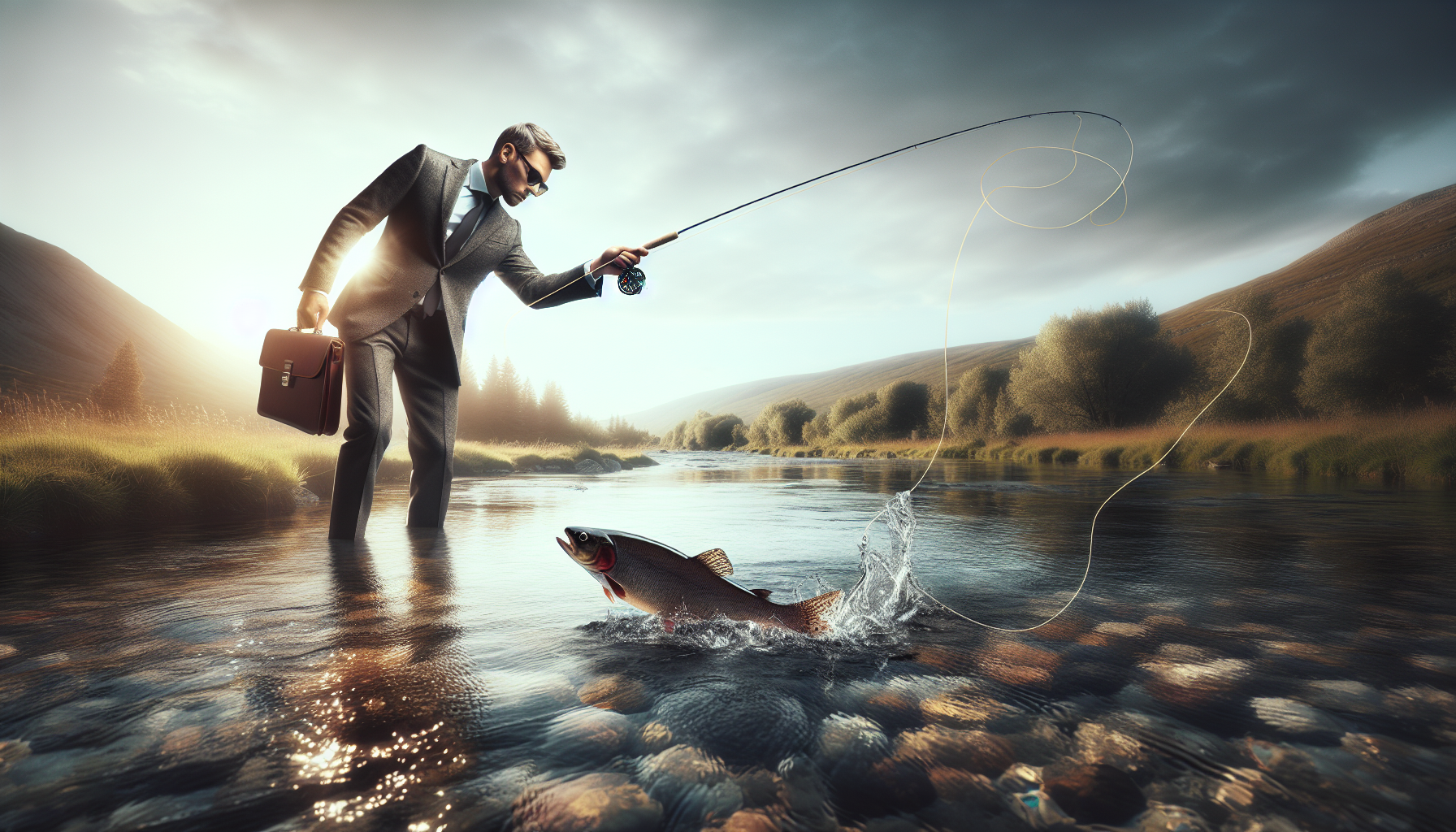
Fly fishing is often presented as the gentle face of angling, a method associated with clear rivers, selective casts, and a strong conservation culture. That reputation is partly deserved, but the full environmental impact of fly fishing on local wildlife is more complex. In practical terms, fly fishing affects fish, aquatic insects, birds, mammals, riparian habitat, and even water quality through a chain of direct and indirect pressures. Understanding those effects matters because many of the most popular trout streams, salmon rivers, and warmwater fisheries are also high-value ecosystems that support breeding wildlife, migration corridors, and fragile food webs.
Environmental impact, in this context, means the measurable effects that fly fishing activity has on living species and the habitats they depend on. Local wildlife includes target fish such as trout, grayling, bass, and salmon, but it also includes non-target species like otters, kingfishers, herons, amphibians, aquatic macroinvertebrates, and streamside nesting birds. A hub article on this subject needs to connect the major issues: catch-and-release survival, handling stress, wading disturbance, tackle pollution, invasive species transfer, crowding, habitat trampling, and the management practices that reduce harm. After years of working around heavily fished rivers and stillwaters, I have seen how small individual choices scale into meaningful ecological outcomes. A single angler may leave little trace, yet thousands of visits across a season can alter wildlife behavior and habitat condition in ways that managers cannot ignore.
This is why the impact of fly fishing on local wildlife deserves careful analysis rather than slogans. Fly fishing can support conservation through license revenue, advocacy, and habitat restoration, but it can also injure fish, disturb nesting areas, and spread aquatic hitchhikers when ethics do not match effort. The central question is not whether fly fishing is good or bad in the abstract. The real question is how, where, when, and under what rules it affects wildlife, and what responsible anglers can do to keep those effects low while preserving healthy fisheries.
How Fly Fishing Directly Affects Fish Health and Survival
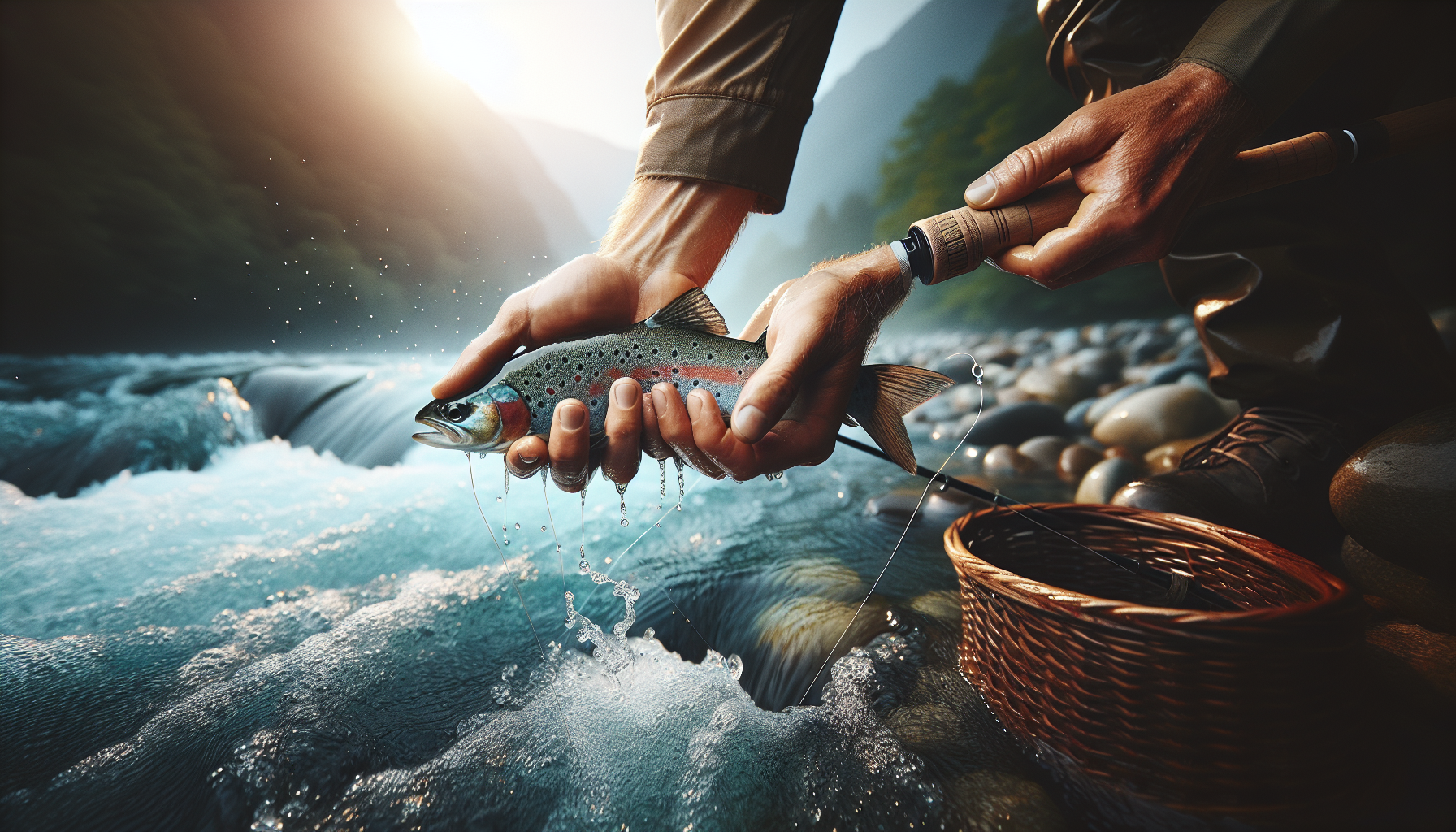
The most immediate wildlife impact of fly fishing falls on the fish being targeted. Even in catch-and-release fisheries, capture is a physiological stress event. A hooked fish experiences an acute stress response involving elevated cortisol, lactic acid buildup, and oxygen debt, especially during long fights or in warm water. Research on salmonids has shown that post-release mortality rises when water temperatures climb, because warmer water holds less dissolved oxygen while simultaneously increasing metabolic demand. That is why many trout managers impose afternoon closures or full seasonal restrictions during heat waves. Those policies are not symbolic; they are designed to reduce delayed mortality that may occur hours after release.
Hook placement is another critical factor. Flies tied on barbless hooks generally reduce handling time and tissue damage, especially when fish are released quickly without leaving the water. Deep hooking is less common in fly fishing than in bait fishing, but it still happens with small nymphs, streamers, or when fish take a fly aggressively. In my experience on stocked and wild trout rivers, anglers often underestimate the cumulative effect of repeated captures on the same fish in accessible runs. A fish that survives one encounter may still suffer sublethal impacts, including reduced feeding, increased susceptibility to disease, or lowered spawning success if captures are frequent.
Species differences matter. Trout and grayling are relatively sensitive to warm-water stress, while some warmwater species such as bass may recover better under certain conditions but can still suffer when removed from nests during spawning. Atlantic salmon and steelhead, particularly after long migratory movements, may be more vulnerable to handling errors than many anglers realize. Local regulations that limit seasons, mandate single hooks, or prohibit targeting fish on redds are built around these biological realities, not around abstract ethics.
Effects on Non-Target Wildlife in and Around Rivers
Fly fishing affects more than fish. Wading through shallow margins can disturb amphibians, crush fish eggs, displace juvenile fish, and damage spawning redds that may be nearly invisible under glare. On spring creeks and small freestone streams, I have seen anglers step directly through nursery habitat while trying to reach a casting lane. The damage may look minor in the moment, yet repeated foot traffic compacts substrate, dislodges invertebrates, and reduces cover used by fry and aquatic larvae.
Birds are also part of the equation. Riparian species such as dippers, sandpipers, ducks, and kingfishers use stream edges for feeding and nesting. Repeated human approach can flush birds from productive feeding zones or breeding territories during critical windows. Ground-nesting birds near stillwaters and braided rivers are especially vulnerable in peak fishing season, which often overlaps with nesting and chick-rearing. Mammals including beavers, otters, muskrats, and deer generally tolerate occasional anglers, but heavy traffic can alter movement patterns along banks and reduce use of preferred resting sites.
Tackle-related injury to wildlife is a less discussed but important issue. Lost leaders, tippet, split shot, and flies can entangle birds and mammals. Waterfowl may ingest lead shot where it remains legal, causing poisoning. Even synthetic fly-tying materials can persist in the environment if discarded. The impact is localized but real, particularly at popular access points where bank litter accumulates over time. Wildlife agencies have documented entanglement cases involving monofilament and ingestion incidents linked to small tackle components, which is why proper disposal and non-lead alternatives are increasingly emphasized.
Habitat Disturbance, Bank Erosion, and Aquatic Food Webs
One of the biggest environmental impacts of fly fishing on local wildlife comes from concentrated use of habitat rather than from the act of catching fish alone. Popular beats, parking pull-offs, and informal trails create erosion on banks, reduce streamside vegetation, and widen access corridors. Riparian plants stabilize soil, shade water, filter runoff, and provide insect input to streams. When they are trampled, the effects cascade: sediment increases, water warms more quickly, and fewer terrestrial insects fall into the channel to feed fish and other wildlife.
Aquatic insects are central to this story because they connect water quality, fish nutrition, and biodiversity. Mayflies, caddisflies, stoneflies, midges, and other macroinvertebrates are not just a fly angler’s hatch chart; they are indicators of ecological integrity. Frequent wading in shallow riffles can disturb larvae attached to rocks or living in the substrate. Individually, this disturbance is small, but on highly pressured stretches it can become chronic, particularly during low flows when fish and insects are concentrated in limited habitat. Photography staging, repeated crossings, and off-trail bank access all amplify the problem.
| Impact Area | Typical Cause | Wildlife Effect | Lower-Impact Practice |
|---|---|---|---|
| Fish stress | Long fights in warm water | Delayed mortality, reduced recovery | Fish during cool periods, shorten fight time |
| Spawning habitat | Wading through shallow gravel | Crushed eggs, disturbed redds | Avoid visible spawning areas and side channels |
| Bird and mammal disturbance | Repeated bank approach | Flushing, nest abandonment risk | Use established access points, keep distance |
| Tackle pollution | Lost tippet, lead, discarded flies | Entanglement and ingestion | Pack out waste, use non-lead tackle |
| Invasive spread | Wet waders, boots, nets, boats | Habitat degradation and native species loss | Clean, drain, dry gear after every trip |
Bank erosion deserves special attention because it often appears to be a land-management issue rather than a fishing issue. In reality, angler-created desire paths are a major source of localized damage. Once banks collapse or vegetation is lost, sediment can smother eggs, reduce visibility for visual feeders, and alter invertebrate communities. On small streams, a handful of heavily used entry points can reshape the channel edge within a few seasons. This is why well-designed access infrastructure, including hardened trails and designated entry spots, protects wildlife better than unrestricted access.
Invasive Species, Pollution, and Hidden Ecological Risks
Some of the most serious threats linked to fly fishing are not visible during a normal day on the water. Gear can transport invasive plants, invertebrates, pathogens, and algae between watersheds. Felt-soled boots were widely criticized for harboring moisture and organic material that can help move invasive organisms, and many jurisdictions restricted or banned them for that reason. The risk does not end with boot material. Nets, wading boots, boat carpets, anchor ropes, and damp fly boxes can all carry biological material if they are not cleaned and dried properly.
Pathogens deserve clear mention. Whirling disease, didymo, and other aquatic threats have shaped management decisions in numerous regions. Not every outbreak comes from anglers, but angler movement is a documented transmission pathway for some organisms. The standard recommendation to clean, drain, and dry equipment is simple because it works. On rivers with connected fisheries and heavy tourism, that routine is one of the most effective low-cost protections available for native fish and the wildlife community around them.
Chemical and material pollution are additional concerns. Sunscreens, insect repellents, fuel residues from drift boats or vehicle staging areas, and degraded plastics from lines and packaging can enter waterways, especially in small or slow-moving systems. These pollutants are usually diffuse rather than dramatic, but wildlife responds to cumulative exposure. Lead remains one of the clearest avoidable hazards where lead split shot or weighted materials are still in circulation. Many anglers have already shifted to tin, tungsten, or other alternatives, and that transition should continue because the ecological case is strong.
When Fly Fishing Supports Conservation Rather Than Harms It
A balanced assessment must recognize that fly fishing can produce substantial benefits for local wildlife when tied to sound management. License fees, stamps, guide permits, and excise-tax-supported programs often fund habitat restoration, access control, biological monitoring, and enforcement. Some of the healthiest trout and salmon waters I have worked around were protected in part because angler groups pushed for barrier removal, riparian planting, flow protection, and improved water quality standards. In those cases, the presence of an active fishing community increased political support for conservation that benefited far more than game fish.
Selective gear rules are one example of management reducing impact without closing a fishery entirely. Barbless hook regulations, seasonal spawning closures, fly-only stretches, and thermal refugia protections can lower mortality and disturbance while preserving recreational value. Catch-and-release is not harmless, but under the right conditions it can be compatible with strong populations. The key phrase is under the right conditions: cool water, fast releases, minimal handling, and restraint during sensitive periods. Conservation-minded fly fishing is therefore not defined by image or tradition. It is defined by compliance with evidence-based rules and a willingness to leave fish alone when conditions deteriorate.
Education also matters. Guides, clubs, shops, and conservation nonprofits often act as translators between science and behavior. When anglers learn how redds look, why water temperature matters, or how invasive species spread, they make better decisions. That is the most practical path forward for this environmental impact hub: connect ethics to ecology, and connect ecology to specific habits on the water.
Best Practices for Reducing the Impact of Fly Fishing on Local Wildlife
The most effective way to reduce harm is to focus on controllable actions. Fish during cooler parts of the day, carry a thermometer, and stop targeting coldwater species when temperatures reach stressful levels set by local agencies. Land fish quickly on appropriately sized tippet. Keep fish in the water while unhooking. Wet hands before contact, avoid squeezing, and skip hero shots that prolong air exposure. Do not target spawning fish or walk through gravel beds and side channels during reproduction periods.
Use established trails and entry points to limit bank damage. Pack out every piece of tippet and tackle. Replace lead components with non-toxic alternatives. Clean, inspect, and dry boots, nets, and boats after each trip, especially before moving between watersheds. Respect buffer distances around nesting birds, resting mammals, and sensitive vegetation. If a river is crowded, rotate water rather than repeatedly pressuring the same holding lies. On stillwaters, avoid trampling reed beds and marsh edges that shelter amphibians, fry, and waterfowl.
Finally, support management that is grounded in monitoring rather than assumption. Healthy fisheries depend on stream temperature data, redd counts, macroinvertebrate surveys, creel surveys, habitat assessments, and enforcement capacity. Anglers who want to protect wildlife should back these systems, not resist them. The impact of fly fishing on local wildlife is not fixed. It changes with pressure, climate, water quality, and human behavior, which means better choices can produce better outcomes.
Fly fishing has a real environmental footprint, but it is not inevitably destructive. Its effects on local wildlife depend on how fish are handled, how habitats are accessed, what materials are left behind, and whether anglers respect ecological limits. Direct stress on fish, disturbance to birds and amphibians, bank erosion, invasive species transfer, and tackle pollution are the main risks. The strongest protections are also clear: responsible timing, careful handling, non-toxic gear, clean equipment, and strict avoidance of sensitive habitat.
For a conservation and ethics hub, the central lesson is simple. Fly fishing should be judged by outcomes on the water, not by reputation. When anglers and managers use science-based practices, fisheries can coexist with thriving local wildlife and healthier habitat. When they ignore temperature, crowding, spawning areas, or invasive species protocols, harm expands quickly. Review your own approach, follow local regulations closely, and treat every trip as part of the broader environmental system you value.
Frequently Asked Questions
How does fly fishing directly affect fish populations and individual fish health?
Fly fishing can affect fish in ways that go well beyond whether a fish is harvested or released. Even in catch-and-release fisheries, the act of hooking, playing, handling, and releasing a fish creates measurable stress. Fish expend large amounts of energy during a fight, and that stress is intensified when water temperatures are high or dissolved oxygen levels are low. In those conditions, a fish may swim away after release but still suffer delayed mortality hours later. Hook placement also matters. Fish hooked in the mouth generally have better survival outcomes than fish hooked in the gills, throat, or eye area, where injuries can be severe and bleeding can be substantial.
Handling practices are another major factor. Dry hands, rough nets, squeezing, and extended air exposure can damage the protective slime coat that shields fish from infection and disease. Removing fish from the water for photos, especially repeatedly, increases stress and can reduce recovery success. Barbless hooks, shorter fight times, knotless rubber landing nets, and in-water releases are all widely recommended because they reduce these impacts without necessarily ending the fishing experience. On a population level, repeated angling pressure can also alter fish behavior, pushing fish into less optimal feeding or holding areas and making them more cautious, which can affect growth, reproduction, and seasonal movement patterns over time.
What impact does fly fishing have on aquatic insects and the broader stream food web?
Aquatic insects are central to the ecosystems where fly fishing takes place, and fly anglers interact with them more closely than many other anglers do. Because fly fishing often imitates insect hatches, anglers tend to wade through riffles, seams, and shallow margins where mayflies, caddisflies, stoneflies, and midges live, emerge, and reproduce. Repeated wading can disturb streambed gravels, crush insect larvae, and dislodge developing insects from the substrate. In heavily fished waters, particularly small rivers and spring creeks, this pressure can be meaningful because aquatic insects are not just fish food; they are a core part of nutrient cycling and a major food source for birds, amphibians, and other invertebrates.
The effects extend outward through the food web. When insect abundance or emergence timing is disrupted, fish feeding behavior can change, and species that rely on predictable hatches may also be affected. This does not mean fly fishing always causes major insect declines, but it does mean low-impact behavior matters. Avoiding unnecessary trampling in shallow spawning and insect-rich areas, entering the water carefully, and respecting seasonal closures can reduce harm. There is also an indirect benefit worth noting: many fly fishers become strong advocates for clean water and healthy insect populations because poor insect diversity is often an early sign of ecological decline. So while fly fishing can disturb aquatic invertebrates locally, responsible anglers can also become important defenders of the habitats those insects need.
Can fly fishing disturb birds, mammals, and other wildlife along rivers and lakes?
Yes, and this is one of the most overlooked parts of the discussion. Fly fishing usually takes place in riparian zones, which are some of the most biologically rich habitats in any watershed. Wading, walking banks, launching boats, casting near overhanging vegetation, and repeatedly moving through shoreline corridors can disturb nesting birds, waterfowl, amphibians, reptiles, and mammals. Birds that nest close to the water, including swallows, kingfishers, ducks, and some songbirds, may abandon nests or alter feeding activity when human presence becomes too frequent. Even if the disturbance seems minor to an angler, repeated interruptions during breeding season can reduce nesting success.
Mammals are affected as well. Otters, muskrats, beavers, deer, and small nocturnal species often use stream corridors as travel routes and feeding areas. Early-morning and late-evening fishing can overlap with peak wildlife activity, increasing disturbance at sensitive times. Lost tippet, leaders, hooks, and other gear also pose entanglement and ingestion risks to birds and mammals. Monofilament and synthetic line are especially problematic because they persist in the environment and can wrap around legs, wings, or beaks. Good stewardship means packing out every scrap of line, avoiding repeated intrusion into nesting or denning areas, and giving visible wildlife plenty of space. In many waters, the biggest wildlife benefit comes not from stopping fly fishing altogether, but from reducing repeated human disturbance in the most sensitive locations and seasons.
Does fly fishing contribute to habitat damage or water quality problems?
It can, especially when fishing pressure is concentrated or poorly managed. Riverbanks and lake edges are vulnerable to erosion, and frequent foot traffic can wear down vegetation that stabilizes soil and filters runoff. Once riparian plants are trampled or removed, banks may become more prone to collapse, sediment can enter the water more easily, and spawning gravels can become smothered. Sedimentation is a serious issue because it reduces habitat quality for fish eggs, aquatic insects, and bottom-dwelling organisms. Access paths, informal trails, and repeated entry points into the water often create the most visible damage over time.
Water quality concerns can also arise indirectly. Anglers moving between rivers, lakes, and tributaries may unintentionally spread invasive species, fish pathogens, or microscopic organisms on boots, nets, waders, boats, and other gear. This is one reason many agencies and conservation groups emphasize cleaning, draining, and drying equipment before entering a new waterbody. Materials matter too. Historically, lead-based tackle has been a concern in angling because of poisoning risks to wildlife, though fly fishing generally uses less lead than some other methods. Still, split shot and weighted materials should be chosen carefully and recovered when possible. The broad takeaway is that fly fishing is not automatically low-impact just because it appears quiet or traditional. Its environmental footprint depends heavily on where, when, and how it is practiced, and on whether anglers treat habitat protection as part of the sport itself.
Is fly fishing ultimately harmful or beneficial to local wildlife?
The most accurate answer is that it can be both. Fly fishing can harm local wildlife through fish stress, habitat trampling, disturbance to birds and mammals, accidental litter, and the spread of invasive species. Those impacts are real, and they become more significant when fishing pressure is high, regulations are weak, or anglers are careless. At the same time, fly fishing has a long connection to river conservation, native fish recovery, watershed restoration, and public support for clean water. Many habitat improvement projects, streambank stabilization efforts, barrier removals, and water-quality campaigns have been funded or supported by anglers and fly-fishing organizations. In that sense, the culture surrounding the sport can generate meaningful conservation benefits that extend well beyond fishing access.
Whether fly fishing is more harmful or more beneficial in a given place depends on management and behavior. Healthy outcomes are most likely when fisheries agencies use science-based regulations, when sensitive areas are seasonally protected, and when anglers adopt best practices such as minimizing air exposure, avoiding warm-water catch-and-release periods, staying out of spawning beds, packing out all gear, and disinfecting equipment between watersheds. The ideal view is not that fly fishing is automatically “good” because it is selective or aesthetically gentle, nor that it is inherently destructive. It is a recreational activity with real ecological effects, and those effects can be reduced substantially when anglers understand the full chain of impacts on fish, insects, wildlife, habitat, and water quality.