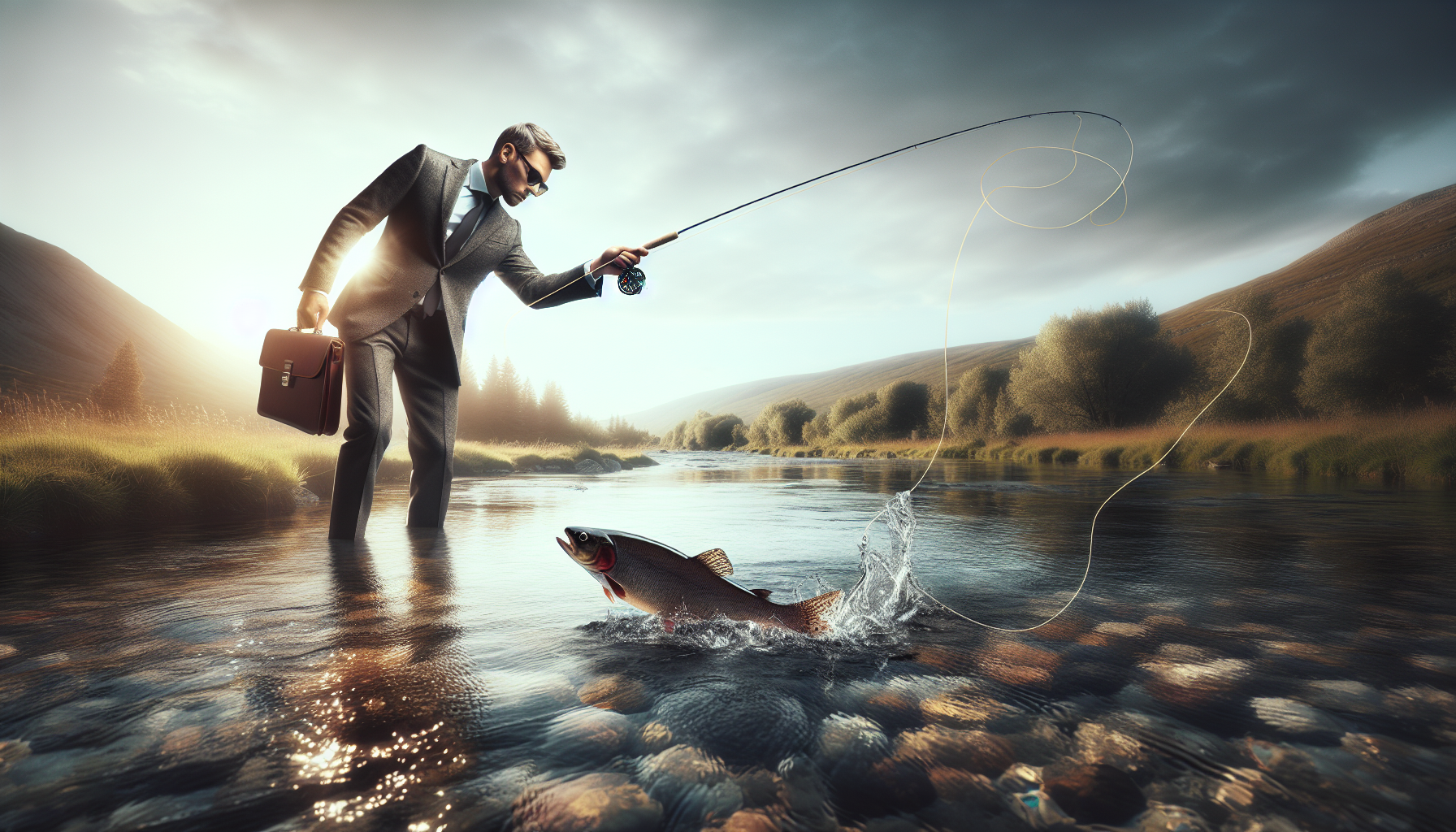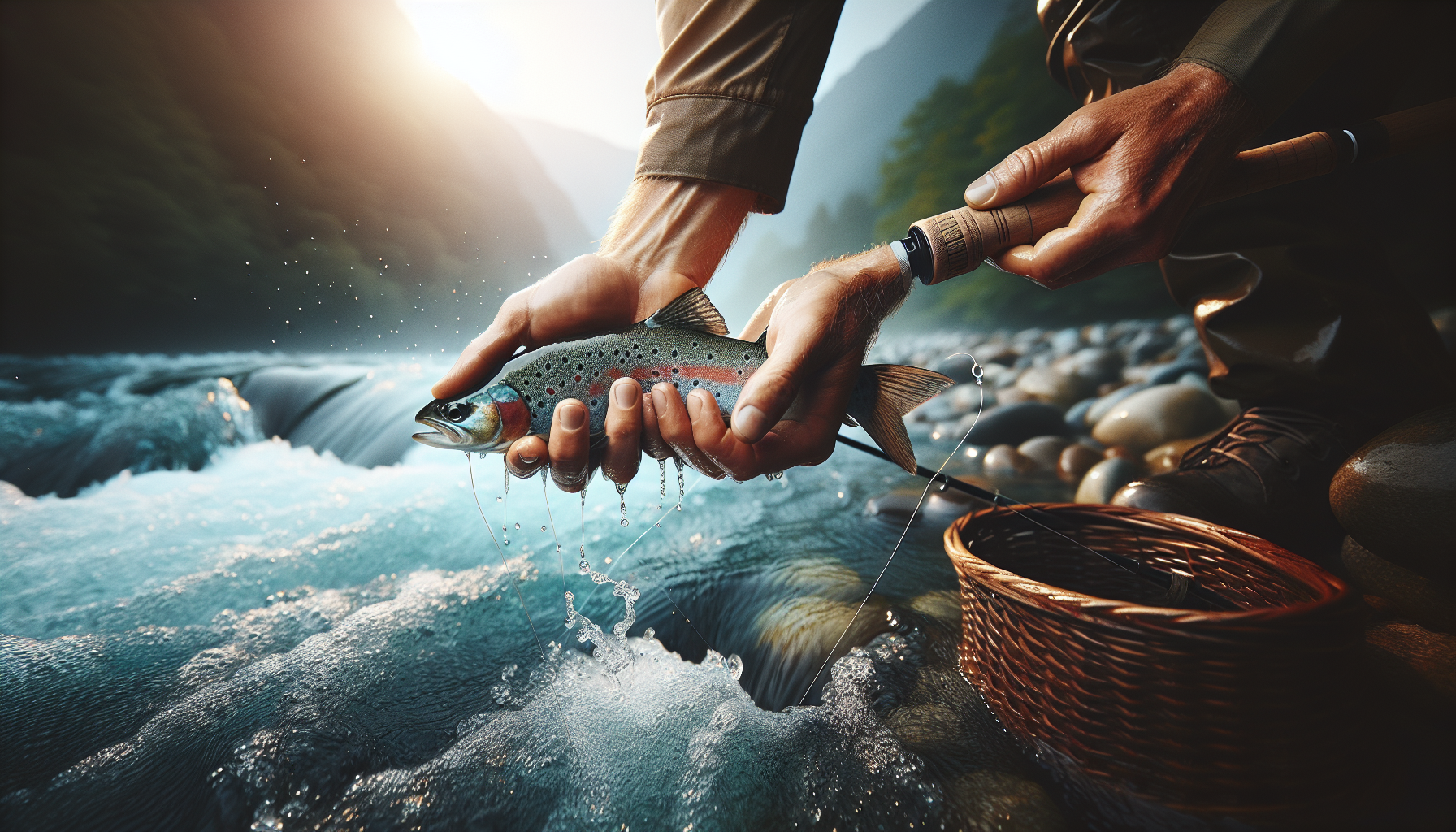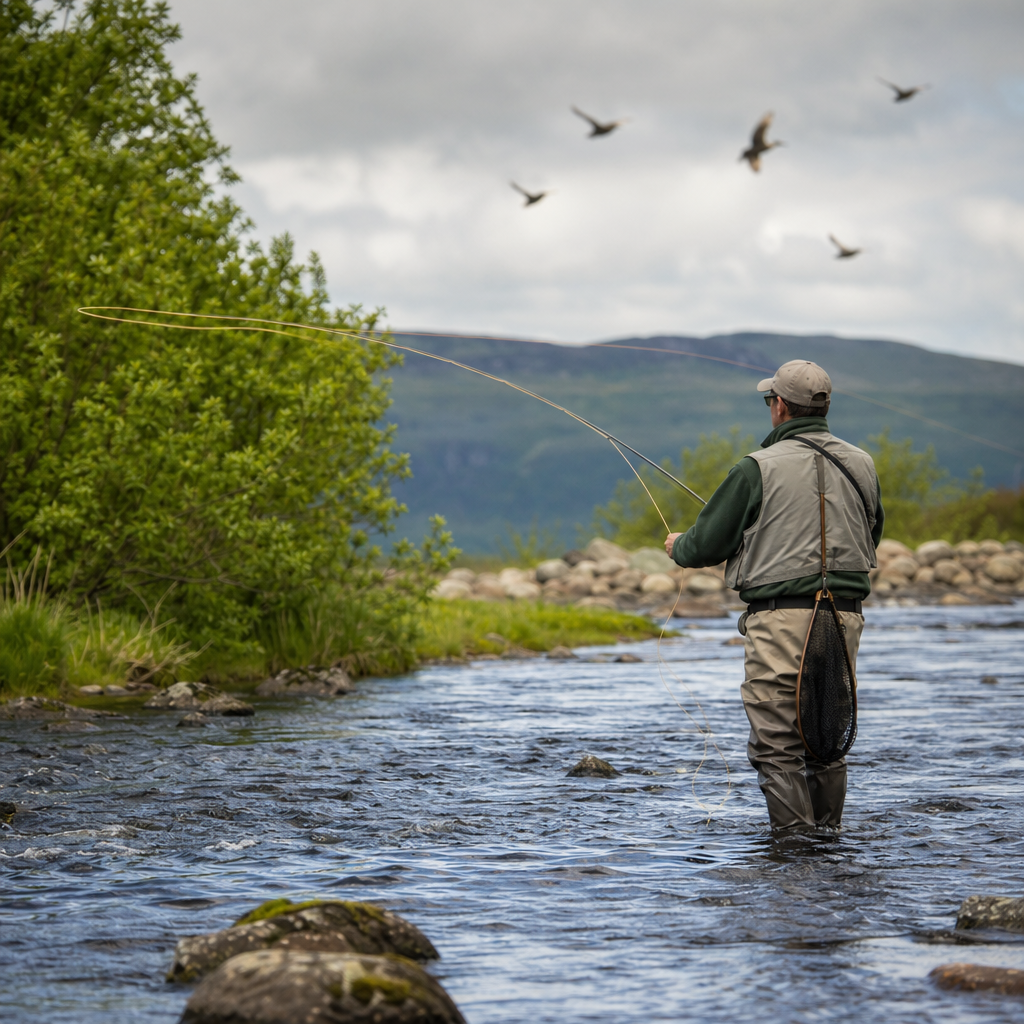
Fly fishing affects bird populations through habitat use, prey dynamics, discarded gear, shoreline disturbance, and conservation funding, making it a subject that belongs at the center of any serious wildlife protection discussion. In the conservation and ethics field, wildlife protection means safeguarding species, habitats, and ecological processes while allowing human recreation only when impacts stay within sustainable limits. As a hub topic, the relationship between fly fishing and birds matters because birds are visible indicators of stream health: dippers, kingfishers, herons, mergansers, ospreys, warblers, swallows, shorebirds, and waterfowl respond quickly to changes in water quality, insect abundance, riparian cover, and human presence. After years around trout rivers, salt marsh flats, and urban tailwaters, I have seen both sides clearly. Carefully managed fly fishing can coexist with thriving birdlife and even support restoration through license revenue, access easements, and angler advocacy. Poorly managed pressure, however, can displace nesting birds, leave monofilament that entangles wings and legs, trample reed margins, and alter the food web birds depend on. Understanding that full picture helps anglers make better choices and helps conservation groups prioritize practical protections.
Bird populations are not influenced by fly fishing in a single simple way. The impact depends on timing, location, target species, angler behavior, river regulations, and surrounding land use. A spring creek with fenced banks and seasonal closures creates very different outcomes than an unregulated urban pond or a heavily guided salmon river during nesting season. Key terms are worth defining. Riparian habitat is the vegetated corridor along rivers, lakes, and wetlands used by nesting and feeding birds. Disturbance means repeated human presence that changes bird behavior, such as flushing adults off nests or interrupting feeding. Bycatch, in this context, includes accidental hooking or snagging of birds and indirect harm from tackle debris. Trophic effects describe changes in the food chain, especially when fish stocking, insect reductions, or habitat simplification affect the prey birds need. This article serves as a wildlife protection hub by explaining direct and indirect effects, identifying highest-risk bird groups, outlining evidence-based mitigation, and connecting the issue to broader conservation ethics. For anglers, guides, land managers, and readers exploring related articles on nesting seasons, river etiquette, tackle disposal, habitat restoration, and access policy, this page provides the framework that ties those subjects together.
How Fly Fishing Directly Affects Birds
The most immediate impacts are physical injury, disturbance, and habitat damage at the water’s edge. Birds are accidentally hooked when they strike floating flies, grab hooked fish, or intercept drifting baitfish patterns. Gulls, terns, kingfishers, herons, cormorants, and raptors are most often involved because they hunt over water where lines are moving. Waterfowl can be snagged during back casts, especially on crowded stillwaters. In rehabilitation reports from North America, the United Kingdom, and Australia, fishing tackle consistently appears among common causes of bird entanglement. Monofilament is particularly dangerous because it is strong, nearly invisible, and often left in reeds, shrubs, or submerged branches where birds nest or roost. I have removed line from willow branches on trout streams that also held red-winged blackbird nests; the risk is obvious once you start looking for it.
Disturbance can be just as consequential as injury. Repeated wading through side channels may flush ground-nesting birds or force adults to spend less time incubating eggs. Bank anglers who cut through marsh edges can crush nests hidden in sedges. Boats on flats or drift boats along gravel bars can push feeding shorebirds and waterfowl off productive habitat. The biological cost is energy. Birds that repeatedly flee humans burn calories they need for migration, molt, breeding, or winter survival. During nesting season, brief disturbances can expose eggs and chicks to temperature stress or predators such as gulls, corvids, mink, and raccoons. The effect is strongest where fishing pressure overlaps with narrow habitat bottlenecks: island colonies, reed beds, gravel bars, estuary channels, and spring seeps. Wildlife protection therefore starts with understanding where birds are concentrated and when they are most vulnerable.
Indirect Effects Through Food Webs and Habitat Quality
Fly fishing also influences birds indirectly by changing the ecological systems they rely on. Many river birds feed on aquatic insects that emerge from clean, structurally diverse streams. When banks are eroded by unmanaged access trails, riparian shrubs are removed for casting lanes, or spawning gravels are compacted by excessive foot traffic, the insect community can shift. Fewer mayflies, caddisflies, stoneflies, and midges mean less food for swallows, warblers, flycatchers, dippers, and nestling passerines. Water quality problems often come from larger land-use pressures rather than anglers alone, but concentrated recreation can worsen already stressed systems by increasing sediment, litter, and shoreline vegetation loss.
Fish management decisions connected to angling can ripple upward to birds. Stocking nonnative trout may alter amphibian communities, small fish abundance, and invertebrate populations, changing prey availability for herons, grebes, and kingfishers. On the other hand, restoring native trout habitat frequently benefits birds because it protects colder water, reconnects floodplains, and preserves riparian cover. The lesson from field management is that wildlife protection cannot look at a single species in isolation. A river managed only for catch rates may produce short-term recreational success while degrading the broader habitat mosaic birds need. A river managed for ecological integrity usually supports both better bird diversity and more resilient fisheries over time. That is why many watershed plans now integrate fish passage, riparian planting, large woody debris, and seasonal closures rather than treating angling access as the only objective.
Which Bird Populations Face the Greatest Risk
Not all birds are affected equally. Species that nest on or near the ground are particularly vulnerable because anglers often move through the same low, open areas they use for nesting and feeding. Piping plovers, least terns, oystercatchers, lapwings, and other shorebirds can be displaced from beaches, bars, and estuarine flats by foot traffic. Reed-bed nesters, including rails, bitterns, and some ducks, face entanglement risks where line accumulates in emergent vegetation. Fish-eating birds such as ospreys, cormorants, pelicans, mergansers, and herons are more likely to interact directly with flies, hooked fish, or discarded tippet. Raptors that steal or scavenge fish can become entangled when they strike fish still connected to line.
Migratory birds deserve special attention because they depend on a chain of stopover sites. Disturbance at one heavily used estuary or tailwater may seem minor locally but can reduce the quality of a critical refueling area. Small energetic losses accumulate during migration. Colonial nesters are another high-risk group because disturbance affects many breeding pairs at once. One angler stepping onto a nesting island can flush dozens or hundreds of birds. In practical management, the highest-priority locations are not always the most famous fisheries; they are often side channels, backwaters, marsh fringes, and gravel bars that look unimportant to anglers but function as bird nurseries. Good signage, mapped closures, and guide education can prevent most conflicts before they happen.
Where Fly Fishing Supports Bird Conservation
It would be inaccurate to frame fly fishing only as a threat. In many places, anglers are among the strongest advocates for intact rivers, wetlands, and coastal flats, and birds benefit from those protections. Conservation groups tied to fisheries have funded streambank stabilization, culvert replacement, dam removal, invasive plant control, and riparian tree planting. Those projects increase nesting cover, improve insect production, cool water, and restore floodplain complexity that supports birdlife. License fees, excise taxes on equipment in some countries, and private fundraising also contribute to land acquisition and habitat management that would not happen otherwise.
I have seen bird diversity increase on rivers after fencing livestock out of banks, adding native willows, and reducing summer sediment loads through angler-supported partnerships. Dippers returned to one restored tributary only a few seasons after habitat work improved invertebrate abundance and stabilized riffles. On stillwaters, organized cleanup days remove line, hooks, and plastics that would otherwise injure coots, grebes, geese, and swans. Ethical fly fishing can also reduce some harms relative to other forms of recreation when anglers stay on designated paths, use barbless hooks, pack out line, and accept seasonal closures. The point is not that fly fishing is automatically good for birds. It is that angling communities can either be a source of cumulative damage or a meaningful conservation force, depending on standards, enforcement, and culture.
Best Practices for Wildlife Protection Around Fisheries
The most effective protections are simple, specific, and enforceable. Seasonal closures around breeding colonies work because they remove disturbance when birds are least able to absorb it. Buffer zones around gravel bars, reed margins, and nesting islands reduce flushing and trampling. Mandatory line disposal tubes at access points cut entanglement risk. Education matters when it is direct: signs should explain which birds are present, why an area is closed, and what anglers must do differently. Guide services and clubs should teach clients to avoid blind casting near bird rafts, never feed birds, never leave fish carcasses in high-use nesting areas, and report entangled wildlife to licensed rehabilitators rather than attempting risky amateur rescues.
| Risk | Common Scenario | Birds Most Affected | Best Mitigation |
|---|---|---|---|
| Line entanglement | Discarded tippet in reeds or trees | Waterfowl, herons, blackbirds, raptors | Pack out line, install disposal bins, organize cleanups |
| Nest disturbance | Wading or walking through bars and marsh edges | Shorebirds, ducks, terns, plovers | Seasonal closures, signed buffers, stay on paths |
| Accidental hooking | Bird strikes moving flies or hooked fish | Gulls, terns, kingfishers, ospreys | Avoid casting near feeding birds, use barbless hooks |
| Food web disruption | Habitat simplification or poor stocking policy | Dippers, swallows, herons, grebes | Manage for native habitat, monitor insects and birds |
Monitoring is the final piece. Managers should not assume that a regulation works without evidence. Breeding bird surveys, point counts, nest success studies, camera monitoring, and incident logs for entanglement all help identify whether angling pressure is compatible with local bird populations. On high-profile rivers, pairing fishery data with bird data is the best way to move beyond anecdotes. If a closure protects a colony without reducing overall angler satisfaction because access is shifted elsewhere, that is a successful conservation design. If a stocked fishery repeatedly causes cormorant and osprey hooking incidents, tackle rules and spatial restrictions may need revision. Wildlife protection is strongest when it is adaptive, measured, and responsive to real conditions rather than driven by ideology alone.
Building an Ethical Conservation Framework
For this wildlife protection hub, the core principle is coexistence through limits. Ethical fly fishing accepts that access is not unlimited, that sensitive habitat is not a casting platform, and that wildlife welfare includes unseen indirect effects as well as visible injuries. Anglers should plan trips with bird calendars in mind, especially during nesting and migration. Clubs should treat line disposal and disturbance avoidance as standard etiquette, not optional extras. Land managers should design access with boardwalks, marked entry points, and habitat buffers that steer people away from vulnerable areas without eliminating recreation entirely. Related topics under conservation and ethics, including catch-and-release mortality, fish handling, invasive species transfer, riparian restoration, and public-land stewardship, all connect back to this same idea: good fishing depends on healthy ecosystems, and healthy ecosystems depend on protecting more than fish.
The impact of fly fishing on bird populations is therefore neither trivial nor uniformly negative. It is a manageable conservation issue with clear mechanisms, proven risks, and practical solutions. When anglers remove litter, respect closures, support habitat restoration, and advocate for ecosystem-based fishery management, birds benefit alongside fisheries. When pressure is careless or regulations ignore nesting sites and shoreline ecology, birds pay the price first. Use this hub as a starting point for deeper action: review local access rules, learn the sensitive bird species on your waters, support restoration groups with measurable results, and make every trip leave less risk behind than you found. That is what wildlife protection looks like in practice, and it is how fly fishing can align with conservation rather than conflict with it.
Frequently Asked Questions
How does fly fishing affect bird populations in the first place?
Fly fishing can influence bird populations in several direct and indirect ways, which is why it deserves close attention in wildlife protection conversations. The most obvious connection is shared habitat. Anglers and birds often use the same river corridors, streambanks, lakeshores, estuaries, and wetlands. When fishing activity increases in these places, nesting, feeding, roosting, and migration stopover behavior can be disrupted, especially for species that are sensitive to repeated human presence. Ground-nesting birds, waterfowl, shorebirds, raptors, and insect-eating songbirds may all be affected depending on the season and location.
There is also an ecological connection through prey dynamics. Fly fishing targets fish, but fish and birds are part of the same food web. Changes in fish numbers, fish behavior, or aquatic insect availability can ripple outward to bird species that rely on those resources. For example, birds such as kingfishers, herons, mergansers, ospreys, and eagles depend on healthy fish populations, while swallows, flycatchers, and many riparian songbirds depend on aquatic insects that emerge from streams and rivers. If fishing pressure contributes to ecological stress in a waterbody, birds may feel those effects through reduced feeding opportunities or altered habitat quality.
Another major issue is discarded gear. Lost leaders, tippet material, hooks, and other tackle can injure or kill birds through entanglement or ingestion. Even a small amount of improperly discarded monofilament can wrap around legs, wings, or bills, leading to infection, impaired movement, starvation, or drowning. Hooks can become lodged in the mouth, throat, or digestive tract of birds that investigate bait, prey remains, or shiny debris. These hazards are preventable, but they remain one of the clearest ways recreation can harm wildlife.
Finally, the relationship is not entirely negative. In many regions, fly fishing communities contribute to habitat restoration, stream protection, invasive species control, water quality advocacy, and conservation funding through licenses, taxes, donations, and volunteer labor. That means the impact of fly fishing on birds is not a simple yes-or-no question. It depends on how, where, and when fishing takes place, and whether anglers and managers are keeping bird conservation at the center of recreational use.
Which bird species are most vulnerable to the impacts of fly fishing?
Birds are not affected equally. The most vulnerable species are typically those that depend heavily on shorelines, shallow water edges, riparian vegetation, gravel bars, reedbeds, or exposed nesting areas that anglers frequently access. Ground-nesting and low-nesting birds are especially at risk because repeated foot traffic can flush adults from nests, expose eggs or chicks to temperature stress, and increase predation by gulls, corvids, raccoons, foxes, or other opportunists. Species that nest on islands, sandbars, and open banks may be vulnerable even when anglers do not mean to approach nests directly, simply because disturbance changes adult behavior.
Waterbirds and waders can also be sensitive. Herons, egrets, bitterns, rails, ducks, geese, grebes, and shorebirds may abandon preferred feeding spots when human activity becomes too frequent or unpredictable. During breeding season, even short disturbances can reduce feeding efficiency or disrupt parental care. During migration and winter, birds often need to conserve energy, so repeated flushing from resting or feeding areas can have measurable cumulative costs. This matters particularly in wetlands, estuaries, and heavily used trout streams where recreation overlaps with critical seasonal habitat.
Fish-eating birds can face a different set of risks. Ospreys, kingfishers, cormorants, mergansers, loons, and eagles depend on aquatic systems that also attract anglers. They may be affected by fish population changes, altered fish behavior in highly pressured waters, and entanglement in fishing line. Scavenging birds such as gulls, ravens, and some raptors may be drawn to discarded fish remains or tackle, increasing the chance of ingestion injuries.
Songbirds deserve attention as well, particularly species associated with riparian corridors. Warblers, swallows, flycatchers, dippers, wrens, and other insect-dependent birds benefit from healthy emergent insect populations and intact streamside vegetation. If access trails, bank trampling, erosion, or vegetation loss reduce insect abundance or nesting cover, these birds can decline even though they are not the species people first think of in relation to fishing. In short, the birds most vulnerable to fly fishing impacts are usually those that are habitat specialists, disturbance-sensitive, or closely tied to aquatic food webs.
Is discarded fishing gear really a serious threat to birds?
Yes, discarded fishing gear is a serious and well-documented threat to birds, and it is one of the most preventable impacts associated with fly fishing and angling more broadly. Monofilament line, tippet, leader material, hooks, split shot, strike indicators, and other gear can remain in the environment for long periods. Birds may become entangled while walking through vegetation, swimming near snags, gathering nesting material, or investigating shiny objects. Entanglement can immobilize wings, tighten around legs, cut into tissue, or tether a bird to a branch or shoreline structure. Birds that escape initial entanglement often suffer long-term injuries that reduce their ability to feed, migrate, or avoid predators.
Hooks are equally dangerous. Birds can swallow hooks directly or become snagged externally. A swallowed hook may cause punctures, internal injury, infection, or starvation if the bird can no longer feed properly. External hooking can damage the bill, eyes, throat, feet, or wing membranes. Loons, waterfowl, gulls, cormorants, pelicans, herons, and raptors are among the birds frequently reported in tackle-related injury cases, but smaller birds can be harmed too. In some areas, lead tackle adds another layer of risk because ingested lead can cause poisoning in waterbirds and scavengers.
The reason this issue matters so much in conservation ethics is that it turns recreation into avoidable harm. Habitat effects can be complex and sometimes difficult to measure, but abandoned gear is a direct, obvious hazard. Wildlife protection principles are clear here: if a recreational activity leaves behind materials that maim or kill non-target species, that activity must be managed more responsibly. The good news is that solutions are straightforward. Anglers can pack out every scrap of line, use designated line recycling tubes, avoid leaving clipped material on the bank, retrieve snagged gear whenever safe, choose non-lead alternatives where possible, and report heavily littered areas to land managers. Education, signage, enforcement, and convenient disposal options all make a real difference.
In practical terms, one of the simplest ways to reduce bird mortality is to treat every piece of fishing material as a potential wildlife hazard. Responsible anglers already do this, and expanding that norm is one of the fastest, most effective ways to protect bird populations in popular fishing areas.
Can fly fishing ever support bird conservation instead of harming it?
It can, and in many places it already does, but only when recreation is managed within ecological limits. Fly fishing often creates a constituency that values clean water, intact floodplains, healthy insect communities, cold-water refuges, native fish, and protected stream corridors. Those same conditions support many bird species. When anglers advocate for river restoration, wetland protection, dam removal, erosion control, riparian planting, better land-use policies, or stricter pollution standards, birds benefit alongside fish. In that sense, fly fishing can become a gateway to broader conservation action rather than just a source of pressure on wildlife.
There is also a funding dimension. Fishing licenses, excise taxes on gear in some countries, membership dues, conservation donations, and volunteer labor can all help support habitat restoration and public land stewardship. Projects aimed at improving streambank stability, restoring native vegetation, reconnecting side channels, or removing invasive plants often improve breeding and foraging conditions for riparian birds, waterfowl, and insectivorous species. Conservation organizations with strong angler participation have played important roles in watershed-scale habitat work, and that work frequently produces benefits across the entire ecosystem.
That said, support for bird conservation is not automatic. Fly fishing helps birds only when anglers and managers are willing to accept restrictions where needed. Seasonal closures near nesting colonies, no-entry zones in sensitive marshes, limits on shoreline trampling, catch-and-release rules designed to reduce ecological stress, and strict anti-litter expectations are all part of meaningful stewardship. Without those guardrails, conservation rhetoric can become a substitute for actual protection.
The most credible position is a balanced one: fly fishing can contribute to bird conservation through advocacy, restoration, funding, and public engagement, but those benefits do not erase the need to reduce direct impacts. Recreation is compatible with wildlife protection only when bird habitat, ecological processes, and species welfare are treated as non-negotiable priorities rather than afterthoughts.
What are the best ways anglers and land managers can reduce harm to birds?
The most effective approach is a combination of responsible angling behavior and smart site management. For anglers, the basics matter enormously: stay on established access paths, avoid trampling streamside vegetation, give birds wide space during nesting and migration