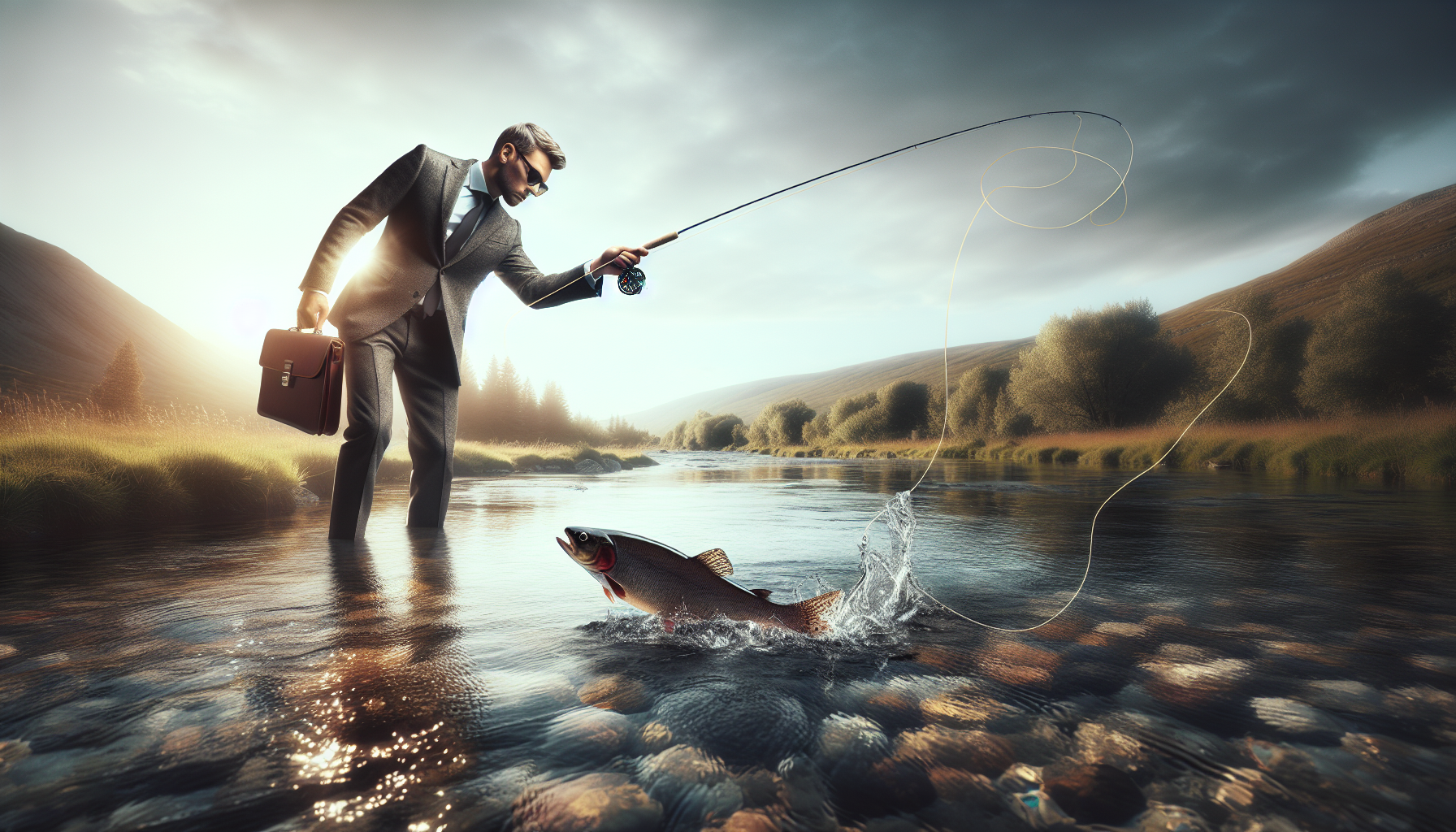
Fly fishing is changing because the rivers, estuaries, and flats that sustain it are under growing pressure from climate change, habitat loss, invasive species, crowding, and gear waste. The future of sustainable fly fishing depends on one central idea: anglers must catch fish in ways that protect fish populations, conserve aquatic ecosystems, and support communities that depend on healthy water. In practical terms, sustainable practices include careful handling, habitat stewardship, low-impact travel, responsible equipment choices, science-based harvest decisions, and ethical behavior on the water.
As someone who has spent years around trout streams, salt marshes, and guide operations, I have seen the difference between fishing that merely avoids obvious harm and fishing that actively improves a fishery. A sustainable fly angler thinks beyond the cast. They ask whether rising water temperature makes a trout fight too stressful, whether boot soles move invasive organisms between watersheds, whether a discarded leader will entangle wildlife, and whether a trip operator supports restoration or simply markets wilderness as a backdrop. Those questions matter because fly fishing is often framed as inherently gentle, yet the method is only as responsible as the choices behind it.
This topic matters now for biological, economic, and cultural reasons. Coldwater fisheries are especially vulnerable: trout and salmon are sensitive to temperature, dissolved oxygen, and sediment. Bonefish, permit, and tarpon depend on intact mangroves, seagrass, and tidal flow. According to fisheries agencies and conservation groups, habitat degradation remains one of the leading causes of fishery decline, while warming trends are shrinking suitable thermal habitat in many rivers. At the same time, angling supports guides, lodges, gear makers, public access campaigns, and rural economies. Sustainable fly fishing protects the resource base that makes all of that possible.
For a conservation and ethics hub, sustainable practices should be understood as a connected system rather than a checklist. Fish care affects post-release survival. Gear materials influence pollution and waste. Wading choices change bank erosion and spawning success. Travel decisions alter carbon impact and local economic benefit. Advocacy shapes streamflow policy, dam removal, wetland protection, and public access. The future of sustainable fly fishing will belong to anglers who connect these pieces and treat every outing as part recreation, part stewardship, and part long-term investment in living waters.
What sustainable fly fishing means in practice
Sustainable fly fishing means meeting present recreational needs without reducing the ability of future anglers, guides, and communities to enjoy healthy fisheries. In the field, that standard translates into minimizing mortality, reducing habitat disturbance, and supporting management decisions grounded in population data. Catch and release is part of the picture, but it is not the whole picture. Released fish can die from extended fight times, warm water stress, rough handling, and deep hooking. Conversely, in some waters, science-based harvest of abundant nonnative fish may benefit native species. Sustainability is not a slogan; it is context-specific management applied by informed anglers.
The most useful way to think about sustainable practices is by impact pathway. First is fish-level impact: hooking injury, exhaustion, air exposure, and disease transfer. Second is habitat-level impact: trampling redds, eroding banks, spreading invasives, and leaving monofilament or packaging behind. Third is system-level impact: carbon-intensive travel, poor guide standards, weak support for restoration, and indifference to regulation or access politics. When anglers improve each pathway, cumulative pressure drops. That is how heavily used fisheries remain resilient even as participation increases.
A sustainable hub page should also link conceptually to topics such as fish handling, invasive species prevention, leave-no-trace angling, ethical catch and release, low-impact gear, and conservation advocacy. Those subjects are not side issues; they are the operating manual for modern fly fishing. If an angler understands how these pieces fit together, they can make better decisions whether they are stalking carp in an urban canal, swinging flies for steelhead, or poling a skiff over a shallow flat.
Fish welfare and ethical catch-and-release standards
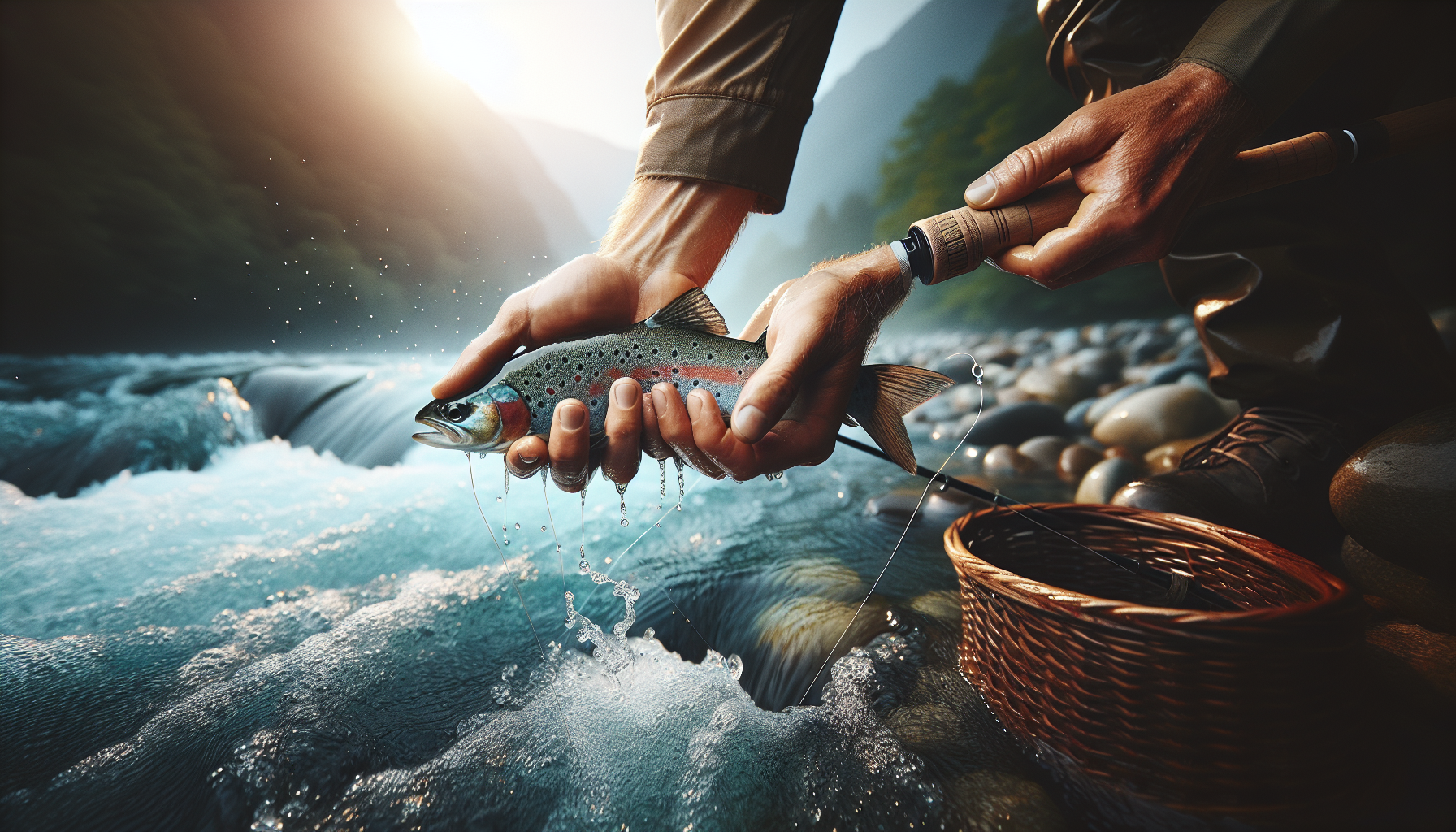
The clearest place to improve sustainability is fish handling. Studies across salmonids, black bass, and marine sport fish consistently show that post-release mortality rises when fish are played too long, exposed to air, or handled in warm water. Best practice is simple: use tackle strong enough to land fish quickly, keep the fish in the water whenever possible, wet your hands before contact, avoid squeezing the gill plate or abdomen, and release only when the fish can maintain equilibrium. Barbless hooks often reduce handling time and tissue damage, especially for anglers who release most fish.
Water temperature deserves special attention because it changes the ethics of the entire day. Trout become increasingly stressed as temperatures climb; many anglers and agencies use 68 degrees Fahrenheit as a practical caution point, with stricter cutoffs in some rivers depending on species and dissolved oxygen. I have cancelled afternoon sessions on famous summer trout water because the fishery needed rest more than I needed another client photo. That decision frustrates people in the moment, but it is exactly what sustainable fly fishing looks like when conditions are marginal.
Fight and handling choices vary by species. Tarpon need fast landing pressure and in-water revival boatside. Bonefish should never be dragged onto dry sand for glamour shots because that strips protective slime and damages tissue. Wild steelhead benefit from minimal contact and no beaching on rocks. In every case, the rule is to prioritize biological outcome over image capture. A good photo takes seconds. A compromised fish may lose the spawning opportunity that justified protection in the first place.
| Practice | Why it matters | Better choice |
|---|---|---|
| Long fights on light tippet | Increases exhaustion and lactate buildup | Use appropriately strong tippet and firm pressure |
| Air exposure for photos | Reduces recovery and raises mortality risk | Keep fish submerged; lift briefly only if necessary |
| Fishing warm trout water | Low oxygen compounds release stress | Stop early, target warmwater species, or move to cooler water |
| Dragging fish onto shore | Removes slime and causes physical injury | Land fish in soft current or with a rubber net |
| Using bait-like flies with deep hooking risk | Makes clean release harder | Match hook style and fly size to quick removal |
Protecting habitat from boots, boats, and bad habits
Healthy fish need healthy habitat, and anglers interact with habitat constantly. Wading through spawning areas can crush eggs hidden in redds, especially in tailwaters and clear gravel runs where trout reproduce. Learning to identify redds is a basic ethical skill: they often appear as lighter, cleaned gravel patches in suitable current. On spring creeks and small streams, repeatedly entering at the same bank can widen paths, increase erosion, and send fine sediment downstream. Sediment fills spaces between gravel, reducing oxygen flow to eggs and aquatic insects. Choosing durable access points and rotating entry locations lowers that impact.
Boat use also carries consequences. Anchoring on shallow vegetation, powering over seagrass flats, or beaching skiffs in sensitive marsh edges can damage habitat that juvenile fish rely on for food and cover. On western rivers, side channels and floodplain sloughs often serve as nurseries during high water; running propellers through them at low depth can fragment those areas. Responsible boaters respect idle zones, pole or wade on delicate flats, and avoid repeated passes that push wakes into eroding banks. Good fish habitat is usually fragile habitat.
Then there is contamination transfer. Felt soles were widely criticized for holding moisture and transporting invasive organisms between watersheds, and several jurisdictions restricted or banned them. The larger lesson is not about one boot material; it is about decontamination. Drying, brushing, and disinfecting waders, nets, and boots can help prevent the spread of didymo, whirling disease vectors, New Zealand mud snails, and invasive plant fragments. Sustainable fly fishing means thinking like a field biologist: whatever touched one river can affect the next river.
Gear choices, materials, and waste reduction
Fly fishing gear has a sustainability story most anglers underestimate. Conventional fly lines, leaders, tippet spools, and synthetic clothing rely heavily on plastics and petrochemical inputs. None of that automatically makes them irresponsible; durable products used for years usually outperform disposable alternatives. The problem is the volume of short-lived gear, packaging, and lost material entering the environment. Monofilament and fluorocarbon can persist for years, entangling birds, turtles, and mammals. Lead split shot and old toxic sink materials have poisoned waterfowl in some fisheries, which is why many anglers and regions have shifted toward tungsten or tin alternatives.
The best gear strategy is to buy less, buy better, maintain what you own, and choose repairable products. A high-quality wading jacket that lasts ten seasons has a lower footprint than three cheap jackets replaced every few years. Re-soling boots, replacing net bags, and repairing rods through manufacturer programs keeps material in use. Several respected outdoor brands now publish recycled content figures, chemical management policies, and repair options. Those policies do not make a company perfect, but they give anglers a basis for comparing claims with real operational commitments.
Packaging and terminal waste deserve special discipline. Keep a dedicated pocket for clipped tippet, carry out every leader scrap, and use line recycling bins where available. Organize flies so rusted hooks and foam scraps do not scatter in parking areas or camps. If you tie flies, think about sourcing feathers and fur legally and avoiding unnecessary exotic materials from questionable supply chains. Sustainable fly fishing does not require ascetic minimalism. It requires recognizing that every product choice has an upstream manufacturing footprint and a downstream disposal consequence.
Travel, guiding, and the economics of responsible angling
Travel is often the largest environmental cost in a fly fishing life, especially when destinations require flights, long transfers, and boat fuel. That does not mean destination fishing is incompatible with sustainability. It means anglers should weigh frequency, length of stay, and local benefit. One longer trip that supports a guide cooperative, conservation permit fees, and habitat restoration may have more value than several shorter, high-emission trips with little local reinvestment. The principle is efficiency and reciprocity: if you travel to a fishery, contribute to its long-term health.
Guide operations are central to the future of sustainable fly fishing because they shape angler behavior at scale. The best guides normalize fish-friendly handling, weather and temperature cutoffs, invasive-species cleaning, and respect for private property and local etiquette. They also distribute pressure by rotating beats, resting water, and avoiding repeated targeting of vulnerable spawners. I have worked with outfitters who cap photo time, retire stressed fish from the session, and brief every client on release protocols before the first cast. That professionalism protects the resource while improving the guest experience.
Economically, sustainable angling works when local communities see durable benefits from intact ecosystems. That is well established in places such as the Florida Keys, Belizean flats fisheries, and western trout towns where guides, lodges, restaurants, and shops depend on healthy habitat and public access. When fisheries collapse, those revenue chains weaken quickly. Anglers should favor businesses that hire local staff, follow science-based regulations, support watershed groups, and advocate for access without degrading the places that generate demand. Conservation is not separate from the business model; it is the business model.
Climate resilience, policy, and the angler’s stewardship role
The long-term future of sustainable fly fishing will be determined as much in watershed policy and climate adaptation as on the riverbank. Warmer streams, altered runoff timing, stronger floods, drought, wildfire sediment, and sea level rise are already changing fish distribution and seasonal access. Coldwater species are shifting upstream and into spring-fed refuges where available. Estuarine species depend increasingly on intact marsh and mangrove systems that buffer storms and maintain nursery habitat. Anglers who want resilient fisheries must support restoration that reconnects floodplains, removes obsolete dams, improves culverts, protects riparian shade, and secures environmental flows.
Public policy matters because many of the biggest threats sit beyond individual etiquette. A single angler can avoid stepping on redds, but only coordinated policy can reduce chronic sediment from poor land use, limit harmful water withdrawals, or fund watershed-scale restoration. Effective stewardship therefore includes license purchases, comments on management plans, donations to river trusts, volunteer monitoring, and support for organizations such as Trout Unlimited, Bonefish & Tarpon Trust, local watershed councils, and native fish societies. The most sustainable anglers fish with one hand and advocate with the other.
Looking ahead, technology will help, but values will decide. Better temperature data, satellite habitat mapping, electric outboards, cleaner materials, and improved fisheries monitoring can all reduce impact. Yet none of those tools matter if anglers insist on fishing stressed water, crowding vulnerable runs for social media proof, or treating conservation as someone else’s job. The future of sustainable fly fishing is not mysterious. It is a disciplined culture of restraint, observation, and contribution. Learn your waters, adjust to conditions, support credible conservation, and practice the kind of angling that leaves fish, habitat, and access stronger than you found them.
Frequently Asked Questions
What does sustainable fly fishing actually mean today?
Sustainable fly fishing means more than simply releasing fish after they are caught. Today, it refers to a full approach to angling that protects fish populations, reduces stress on aquatic ecosystems, and supports the long-term health of rivers, estuaries, lakes, and saltwater flats. In practice, that includes using techniques that minimize injury during the fight and release, avoiding fishing during periods of extreme water temperature or low flows, choosing gear that reduces mortality, and respecting seasonal closures and spawning areas. It also means thinking beyond the fish itself and recognizing that healthy fisheries depend on intact habitat, clean water, stable streambanks, functioning wetlands, and resilient food webs.
Modern sustainable fly fishing also includes the choices anglers make before and after a trip. Travel decisions, equipment purchases, and waste habits all matter. Selecting durable gear over disposable products, properly disposing of old leaders and tippet, and supporting brands, guides, and lodges that prioritize conservation are all part of the equation. Just as important, sustainable fly fishing includes a social dimension: anglers should help protect public access, respect local communities, avoid overcrowding sensitive fisheries, and contribute to stewardship efforts that benefit everyone who depends on healthy water. In short, sustainable fly fishing today is about catching fish in a way that leaves the resource stronger, or at minimum no worse, for the future.
How is climate change affecting the future of fly fishing?
Climate change is reshaping fly fishing in direct and visible ways. Warmer water temperatures can stress or kill coldwater species such as trout and salmon, especially during summer heat waves and drought conditions. Reduced snowpack, earlier runoff, prolonged low-water periods, stronger storms, and more erratic seasonal patterns all affect fish behavior, insect hatches, spawning success, and overall habitat quality. In estuaries and on saltwater flats, sea-level rise, warming oceans, shifting salinity, and storm damage can alter nursery habitat and change where game fish feed and migrate. These pressures make fisheries less predictable and often more fragile, which means anglers need to adapt their expectations and their practices.
The future of sustainable fly fishing will likely involve more responsive, science-based angling. Anglers may need to fish earlier in the day to avoid warm afternoon water, stop targeting vulnerable species during heat events, and follow temporary restrictions designed to reduce mortality. It also means paying closer attention to local conditions rather than assuming a fishery can handle the same pressure year after year. On a broader level, climate resilience will depend on habitat restoration projects such as reconnecting floodplains, protecting coldwater refuges, restoring wetlands, improving streamside shade, and removing barriers that prevent fish from reaching suitable habitat. Fly fishers who want the sport to endure will need to see conservation and climate adaptation not as side issues, but as central to the future of the sport.
What are the most important low-impact practices anglers should follow on the water?
The most important low-impact practices start with fish handling. Use tackle strong enough to land fish quickly, keep fish in the water as much as possible, wet your hands before touching them, avoid squeezing the body or gills, and use barbless or easily de-barbed hooks when appropriate. Limit hero shots and prolonged air exposure, especially in warm water or when targeting sensitive species. If a fish is deeply hooked or obviously exhausted, prioritizing a quick, careful release is far more important than getting a perfect photo. Anglers should also pay attention to where they walk and wade, avoiding redds, aquatic vegetation, fragile banks, and shallow nursery habitat that can be damaged underfoot.
Low-impact fishing also includes situational judgment. If water temperatures are dangerously high, if fish are stacked in thermal refuges, or if a system is under obvious stress from low water or spawning pressure, the most sustainable decision may be not to fish at all. Responsible anglers also pack out all waste, including clipped line, leaders, food wrappers, and broken gear. On crowded waters, low-impact behavior means giving others space, minimizing repeated pressure on small stretches of water, and not broadcasting sensitive locations that cannot withstand heavy traffic. Taken together, these habits reduce cumulative harm and help ensure that the fishery remains healthy enough to support both wildlife and future anglers.
Why do habitat stewardship and community support matter as much as catch-and-release?
Catch-and-release can reduce harvest pressure, but it does not solve the deeper problems facing fisheries if habitat is degraded. Fish need cold, clean, connected water; stable spawning areas; healthy invertebrate populations; floodplain function; and safe routes between feeding and breeding habitat. When streambanks erode, wetlands are drained, invasive species spread, estuaries are filled, or pollution increases, fish populations suffer no matter how carefully anglers release them. Habitat stewardship addresses these root causes. Projects such as riparian planting, barrier removal, culvert replacement, shoreline restoration, erosion control, and water-quality monitoring can create benefits that last far beyond a single season.
Community support matters because sustainable fisheries are tied to people as well as ecosystems. Local guides, outfitters, Indigenous communities, landowners, conservation groups, and small businesses often have a direct stake in healthy water. Supporting these communities through respectful travel, ethical spending, volunteer work, and advocacy helps build the long-term coalitions needed to protect access and restore habitat. It also encourages a stewardship ethic where anglers see themselves not just as users of the resource, but as contributors to its future. The most resilient fisheries are often those where conservation, local livelihoods, and recreation are aligned rather than competing against one another.
What can individual fly fishers do now to help shape a more sustainable future for the sport?
Individual anglers can make a meaningful difference by combining better on-the-water decisions with long-term conservation involvement. Start with personal practices: learn species-specific handling methods, monitor water temperatures, respect closures, avoid targeting fish during vulnerable periods, and choose durable, low-waste gear whenever possible. Replace disposable habits with more thoughtful ones by repairing equipment, recycling packaging where possible, and making sure old fly line, leaders, and tippet are collected and discarded properly. Even small decisions, repeated over time by many anglers, can reduce pressure on fisheries and lower the sport’s environmental footprint.
Beyond personal behavior, anglers can support a sustainable future by participating in habitat projects, joining watershed or conservation organizations, donating to science and restoration efforts, and speaking up for policies that protect water quality, public lands, and fish passage. They can also help by mentoring newer anglers in ethical practices, normalizing restraint instead of social-media-driven pressure, and choosing not to publicize fragile locations that may be damaged by sudden attention. The future of sustainable fly fishing will depend on anglers who understand that stewardship is part of the sport, not separate from it. The people who fish these waters are often the same people best positioned to notice problems early, advocate for solutions, and help ensure that healthy fisheries remain part of the landscape for generations to come.