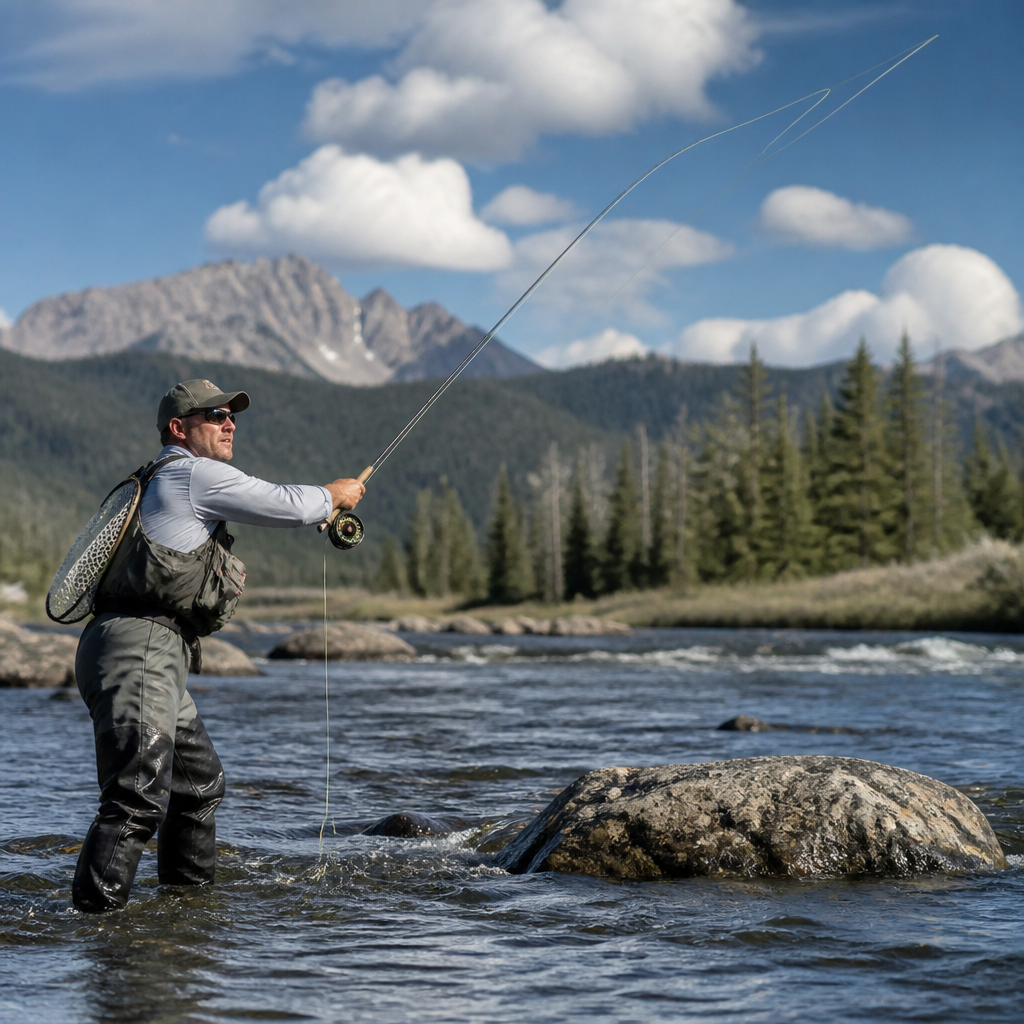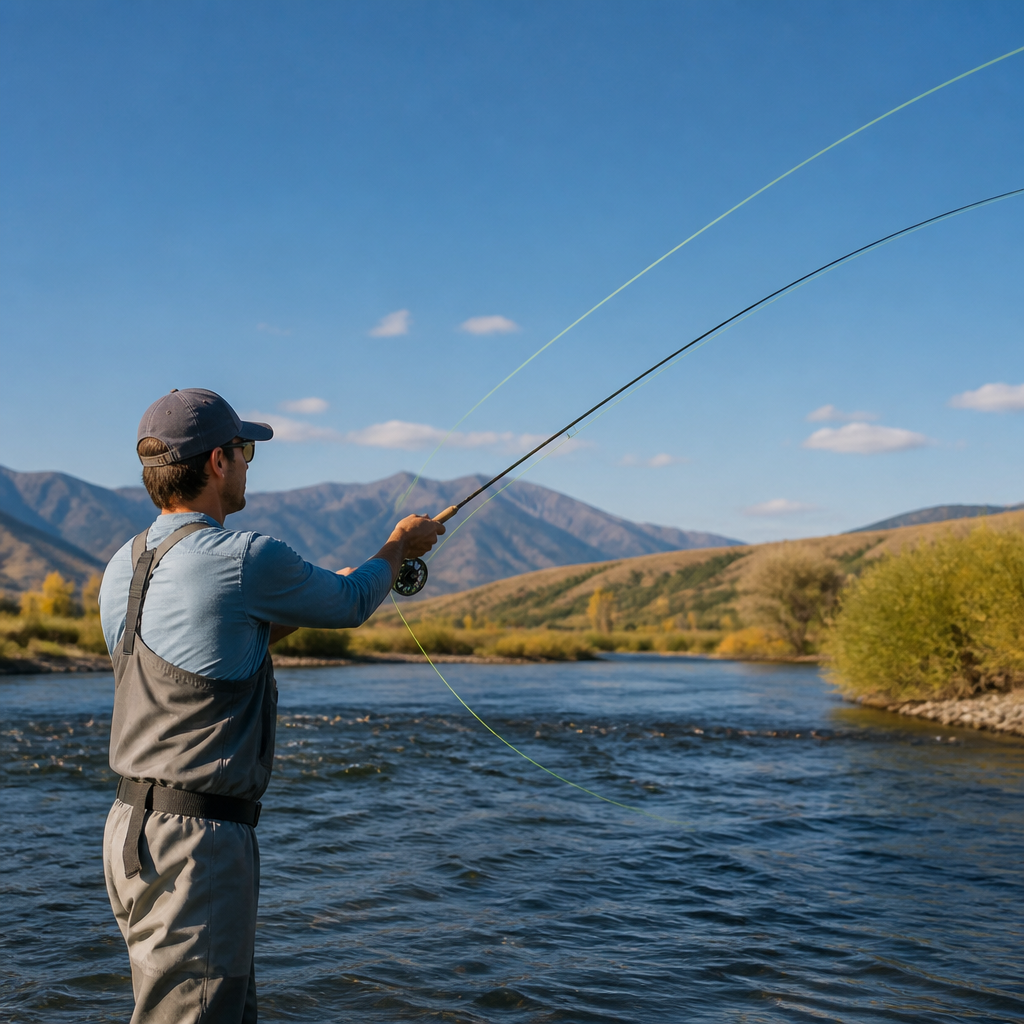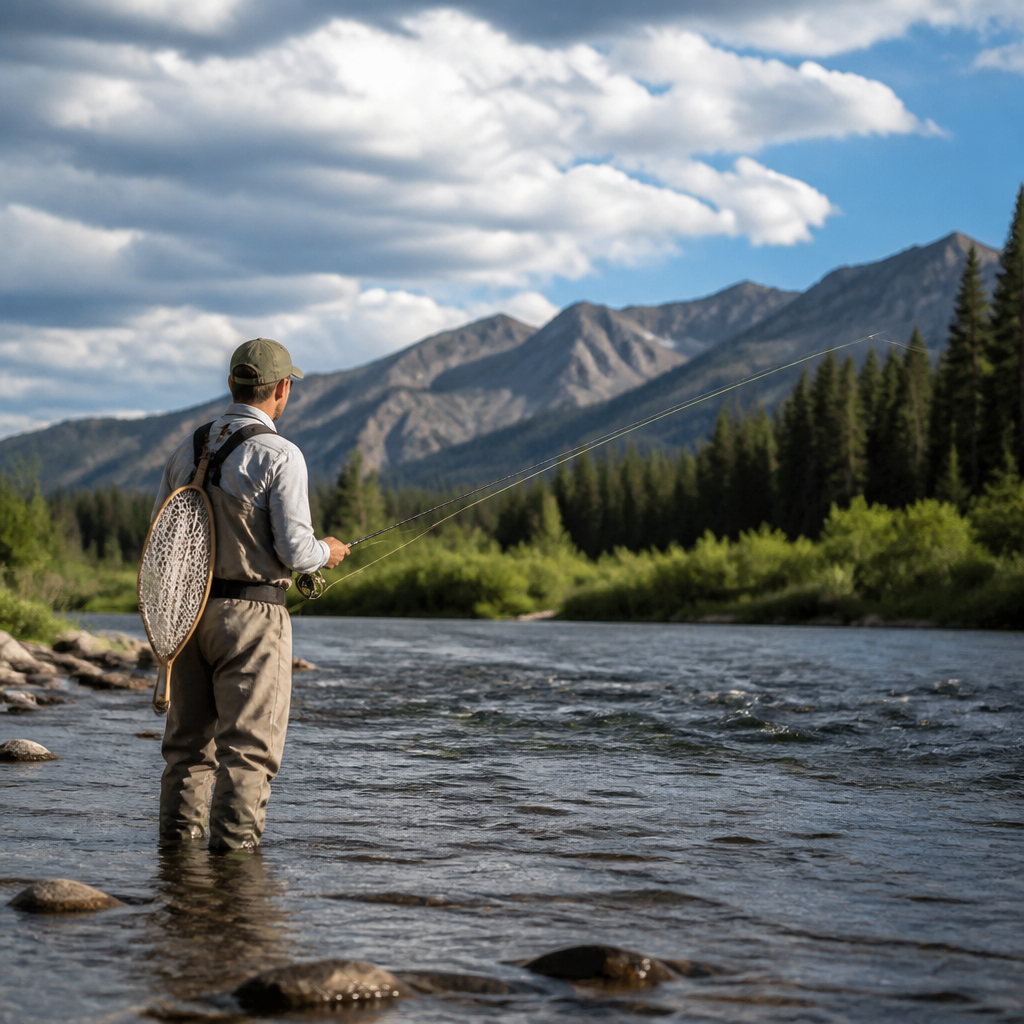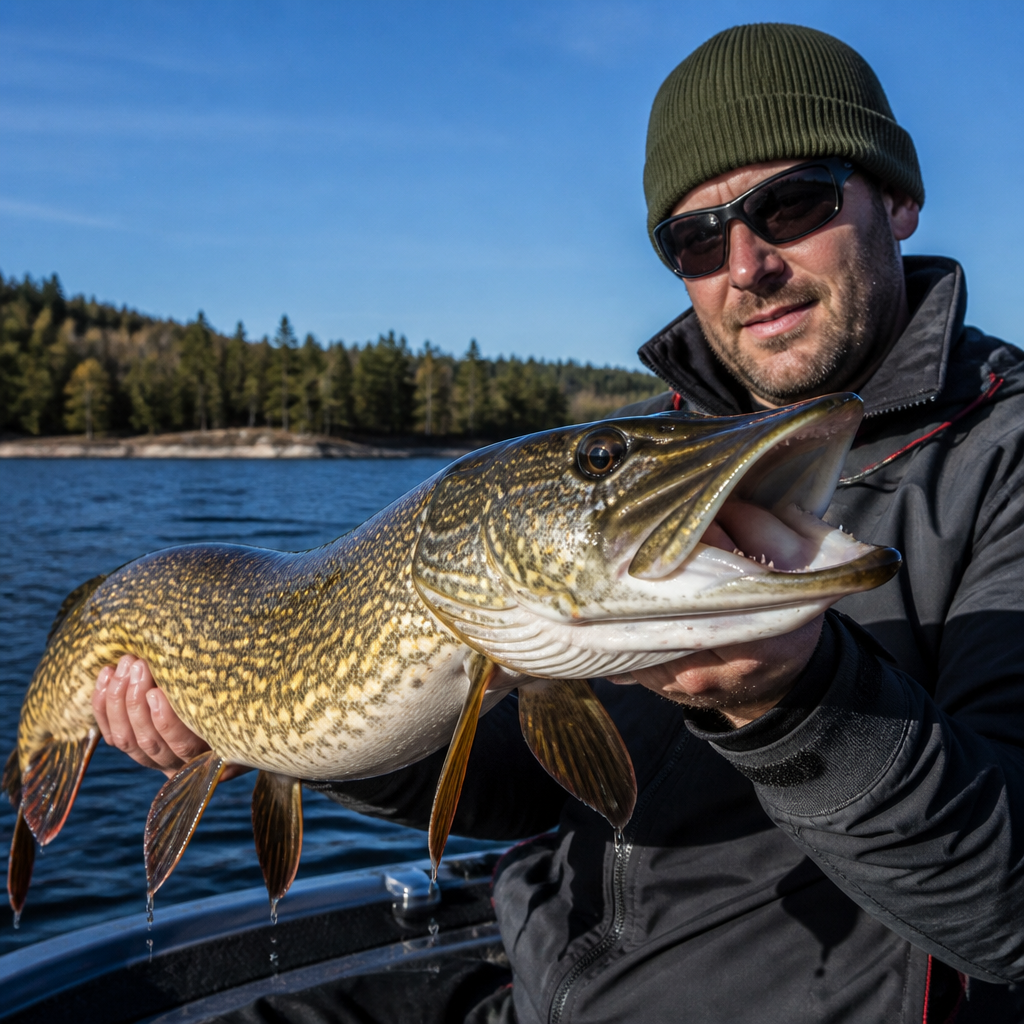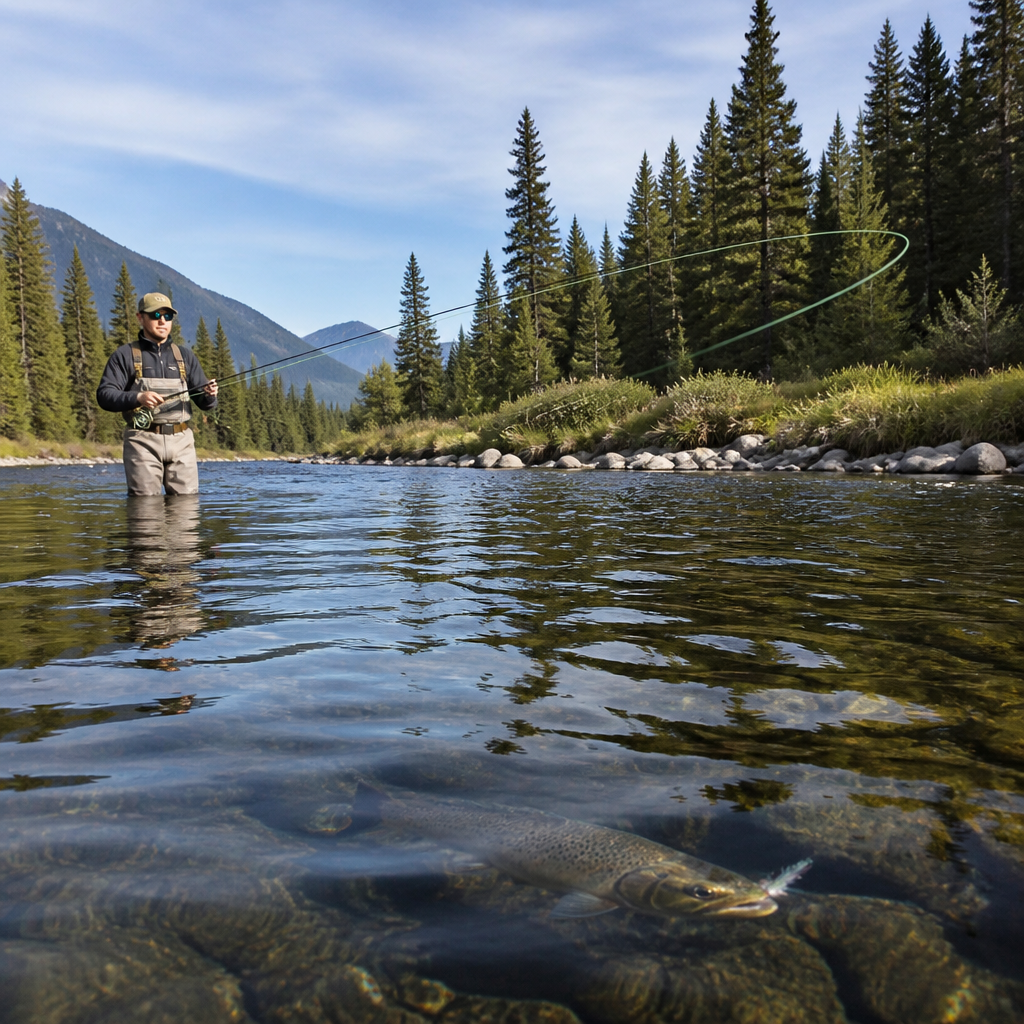
Streamer fishing with floating lines is one of the most versatile ways to cover water, imitate prey, and trigger predatory trout, bass, and other gamefish in rivers, lakes, and ponds. In practical terms, streamer fishing means presenting larger flies that suggest baitfish, leeches, sculpins, crayfish, or wounded forage, while a floating line is a fly line designed to stay on or near the surface, allowing the angler to control depth with leader length, fly weight, current seams, and retrieve speed rather than relying on a sinking head. This matters because many anglers assume streamers require heavy sink tips, yet in a wide range of conditions a floating line gives cleaner mends, quieter presentations, better line pickup, easier recasts, and far more precise control over how a fly swings, stalls, rises, and darts.
I have fished streamers from drift boats, on foot, and from stillwater banks for years, and the floating line remains my default starting point whenever fish are feeding in the upper water column, holding in moderate depth, or reacting to movement rather than hugging bottom. It excels in pocket water, riffle corners, grassy lake margins, undercut banks, logjams, and any situation where line management matters as much as fly depth. Because the line floats, you can mend upstream to slow a swing, stack mend to prolong a drift, or strip fast to make a pattern wake and slash. That combination of control and speed makes this approach the foundation of effective streamer fishing, especially for anglers building a dependable system they can adapt across seasons and species.
To fish streamers well with floating lines, you need to understand four linked variables: forage imitation, sink rate, angle of presentation, and retrieve cadence. Forage imitation means matching the broad shape, movement, and size of what predators expect to eat, not necessarily making an exact copy. Sink rate is controlled by the fly itself, split shot if legal and appropriate, leader design, and the tension created by current or retrieve speed. Presentation angle determines whether a streamer swings broadside, tracks straight, or drops before moving. Retrieve cadence is the rhythm that makes a fly look alive. Once those pieces make sense, streamer fishing stops feeling random and starts becoming deliberate, repeatable, and highly productive.
Why floating lines work so well for streamer fishing
A floating line works because it lets the fly do the sinking while the line remains easy to manipulate. That sounds simple, but it has major tactical benefits. In moving water, a floating line mends instantly, so you can reposition line belly and alter speed without pulling the fly unnaturally. In stillwater, it lands with less disturbance than many sinking systems and allows quick changes in retrieve direction, pauses, and line pickup. Most importantly, a floating line keeps you connected to the fly along a controllable path. You are not committed to one sink profile; you can fish weighted and unweighted streamers, short and long leaders, dead drifts and strips, all on the same setup.
This flexibility is especially valuable in sub-pillar streamer fishing situations where one piece of water contains multiple holding zones. Picture a freestone run with a shallow shelf, a midstream boulder seam, and a darker bucket near the tailout. With a sink-tip line, the near shelf may snag constantly while the tailout depth is perfect. With a floating line, you can cast the same fly, mend to drift it higher over the shelf, then throw a reach cast downstream and strip slower through the bucket so the streamer drops. The line stays manageable while the fly changes level. That is why experienced anglers often begin with a floating line even when fish might be several feet down.
Floating lines also increase efficiency. If fish show suddenly along a bank, around structure, or behind a cruising pod in a lake, you can pick up and recast immediately. There is no waiting for a full sinking head to surface, and less fatigue from repeatedly lifting dense line. Over a full day, that translates into more presentations, better concentration, and cleaner execution. For anglers exploring streamer fishing across trout rivers, warmwater ponds, and larger stillwaters, that efficiency makes the floating line not a compromise, but a core tool.
Tackle, leaders, and fly design for better control
The best setup depends on species and water size, but for trout streamer fishing with floating lines, a 5- to 7-weight rod covers most situations, with a true-to-weight line that turns over bulk without feeling clumsy at short range. For bass, pike, or larger articulated patterns, 7- to 9-weight gear is more practical. I prefer lines with a slightly aggressive front taper because they carry weighted streamers better and load quickly for one-shot casts at structure. A line with a long rear taper can be excellent from a boat or on open banks where carrying line matters, but in tight quarters quick-loading tapers usually outperform them.
Leader design is where many streamer anglers overcomplicate things. With floating lines, leaders should support turnover and depth control, not delicate dry-fly presentation. In rivers, a stout 7.5-foot leader tapered to 0X, 1X, or 2X is a standard starting point. For larger flies or stained water, a short leader of 4 to 6 feet often casts better and helps weighted patterns sink on a tighter connection. In lakes, a 9- to 12-foot leader can be useful with lightly weighted baitfish flies when fish cruise shallow flats and clear edges. Fluorocarbon sinks a bit faster and resists abrasion well; nylon is more buoyant and may help keep unweighted patterns higher. Both work if matched to the job.
Fly design determines action and sink profile more than most anglers realize. Coneheads, dumbbell eyes, bead-chain eyes, jig hooks, tungsten sculpin helmets, and lead or nonlead wraps all change how a streamer enters and moves through water. Materials matter too. Marabou breathes on the pause, rabbit strips pulse at slow speeds, bucktail holds profile in current, and synthetic fibers shed water and cast more easily. A Woolly Bugger remains a benchmark because it balances movement, simplicity, and adaptability. A Clouser Minnow is excellent when you need quick jigging action. Sculpzilla-style flies, Zoo Cougars, and modern articulated baitfish patterns shine when profile and wounded-swim action trigger larger fish.
| Situation | Recommended Leader | Fly Style | Main Reason |
|---|---|---|---|
| Shallow riffles and banks | 4 to 6 feet, 0X to 2X | Lightly weighted or unweighted streamer | Better turnover and less snagging |
| Moderate runs and seams | 7.5 feet, 1X to 3X | Conehead bugger or sculpin | Balanced depth and control |
| Deep slots with manageable current | 4 to 5 feet, 0X to 1X | Tungsten-head streamer | Faster sink on a floating line |
| Clear lake margins | 9 to 12 feet, 2X to 4X | Sparse baitfish pattern | Less spook, natural tracking |
Presentation angles, depth management, and retrieve strategies
Depth is the central challenge in streamer fishing with floating lines, and the solution is not always adding more weight. First control angle. A cast made across and slightly upstream gives the fly time to sink before it comes under tension, making it effective for deeper lanes. A cast straight across produces a broadside swing, ideal when fish want an easy target. A cast down and across keeps the fly higher and faster, often best over grass, wood, or shallow structure. In stillwater, count the fly down after the cast, then retrieve on a fixed line angle so you can repeat the productive depth exactly.
Mending is the overlooked depth tool. An upstream mend immediately after the cast introduces slack and buys sink time. A stack mend extends that benefit through conflicting currents. A downstream mend speeds the swing and lifts the fly. Because the line floats, every mend changes not just line shape but fly behavior. I often make one big upstream mend, let a conehead streamer drop beside a seam, then begin short strips as tension builds. The fly rises, kicks, and stalls repeatedly. Many strikes come at the transition point when the fish interprets that change as panic or escape.
Retrieve cadence should match water temperature, fish mood, and prey type. In cold water, slower strips with longer pauses usually outperform frantic motion because trout and smallmouth conserve energy. In warmer conditions, erratic strips can provoke reaction strikes, especially from fish guarding territory or chasing young-of-year baitfish. Three productive baseline retrieves are the crawl, the strip-pause, and the jerk-strip. The crawl is a slow hand-twist or tiny strips that keep a leech or sculpin alive-looking. The strip-pause uses one to three sharper pulls followed by a dead stop, excellent for marabou and rabbit patterns. The jerk-strip adds rod-tip pops to create wounded-baitfish flash and direction change.
Do not confuse speed with effectiveness. The best retrieve is the one that keeps the fly in front of fish at a believable pace. In rivers, that often means letting current supply much of the motion and using the line hand only to animate the fly. In lakes, where current does not help, consistency matters more. If a fish follows but does not eat, change one variable at a time: increase pause length, alter strip length, switch from weighted to unweighted, or present from a different angle so the fly crosses the fish’s field of view more naturally.
Reading water and targeting fish in rivers and stillwaters
Good streamer anglers are really good water readers. In rivers, predators choose places where food funnels, cover breaks their outline, and current allows efficient ambush. Start with undercut banks, logjams, depth transitions, boulder seams, tailouts, and soft pockets beside fast water. Big trout often slide surprisingly shallow to intercept minnows along edges early and late in the day, so do not immediately cast to the deepest center slot. Cover near water first, then progressively work farther lanes. This simple discipline catches fish and avoids lining the best targets.
Seasonal positioning matters. In spring runoff edges, trout frequently hold along softer flooded margins where juvenile fish and worms wash in. During summer low flows, shade, oxygen, and structure become more important, and dawn or evening windows can be best for larger streamer eats. In fall, aggressive fish often respond to broader profiles and faster movement as territorial behavior increases around spawning migrations, though responsible anglers avoid actively targeting fish on redds. Winter streamer fishing with floating lines remains viable in tailwaters and milder climates if you focus on slow inside seams, sunny banks, and subdued retrieves.
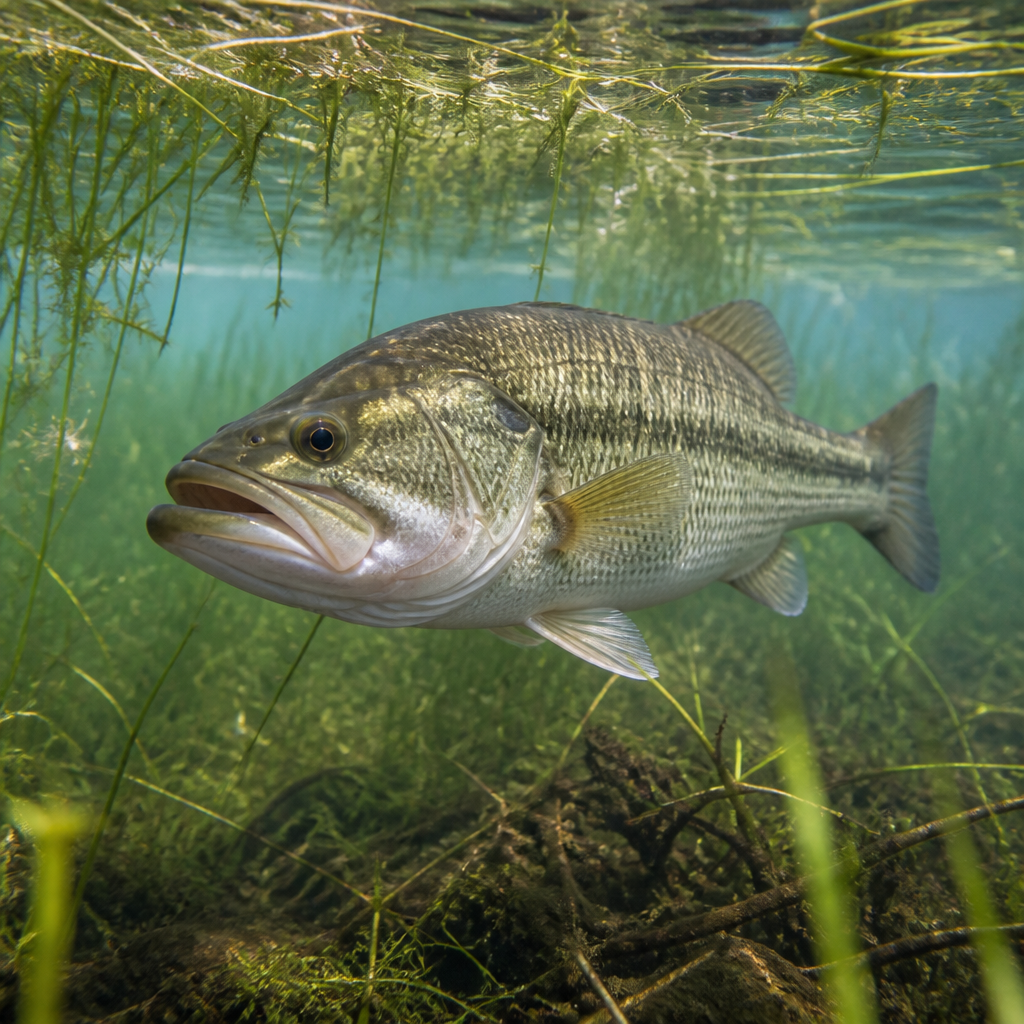
Stillwater streamer fishing rewards observation. Wind pushes plankton, which moves bait, which attracts predators. That chain makes windward banks, points, inflow zones, weed edges, drop-offs, and shoal margins high-percentage areas. A floating line is especially effective over emerging weeds because you can keep the line above the vegetation while the fly ticks just over the tops. If fish are cruising, cast ahead of the path and retrieve across the nose rather than directly at the fish. If they are corralling bait, use faster strips to imitate an escaping minnow. Polarized glasses, surface clues, and the ability to repeat depth counts are critical.
Best streamer patterns, common mistakes, and how to build a system
If you want a dependable starter box for streamer fishing with floating lines, build it around function instead of novelty. Carry baitfish profiles, sculpin patterns, leeches, and general attractors in a spread of sizes and weights. For trout, size 2 to 10 covers most needs; for bass and larger predators, size 1 to 2/0 is common. Productive staples include the Woolly Bugger, Clouser Minnow, Muddler Minnow, Zonker, Sculpzilla, Zoo Cougar, Slumpbuster, and articulated baitfish patterns tied with synthetic flash and natural movement. Olive, white, black, brown, and yellow cover most water colors and forage bases, with black especially effective in low light because it creates a strong silhouette.
The biggest mistakes are usually mechanical. Anglers fish too fast, cast too far, ignore near-bank structure, use leaders that are too long and limp for heavy flies, or fail to pause before stripping. Another common error is changing flies before changing presentation. If a good fish follows a streamer to your feet, that is useful information: the pattern probably has enough appeal to draw interest. First alter speed, direction, pause timing, or angle. Add a boatside turn or a final hang-down in current. Many fish eat at the end of the swing or during the figure-eight near shore because the fly suddenly changes direction.
To build a reliable system, standardize your starting plan. Begin each session with one confidence pattern, one leader length, and one baseline retrieve. Fish high-percentage water methodically, then adjust depth before changing profile and profile before changing color. Keep notes on water temperature, visibility, cloud cover, successful angles, and the point in the retrieve where strikes happen. Over time, patterns emerge. You will learn that certain rivers reward upstream mends and dead-drifts before strips, while certain lakes produce on long pauses over weed tops. That record turns streamer fishing from guesswork into a transferable skill.
Streamer fishing with floating lines gives anglers precise control, efficient coverage, and the ability to imitate prey in water where fish actually hunt. The method works because it combines visual simplicity with tactical depth: a floating line is easy to manage, but it lets you manipulate sink time, swing speed, and fly action in remarkably nuanced ways. When you match leader length to fly weight, present from the correct angle, and retrieve with intent, you can fish streamers effectively in shallow riffles, deep seams, lake edges, and complex structure without switching systems constantly.
The main takeaway is straightforward. Successful streamer fishing is not about random stripping or oversized flies; it is about managing depth, speed, and direction so the fly looks vulnerable. Start with proven patterns such as a Woolly Bugger, Clouser, or sculpin imitation, use a practical stout leader, and let the water tell you whether to mend, pause, crawl, or accelerate. Cover close water first, watch for follows, and treat each cast as feedback. If you want to improve your streamer fishing quickly, pick one floating-line setup, fish it deliberately for a full season, and refine your approach based on what fish show you.
Frequently Asked Questions
Why use a floating line for streamer fishing instead of a sink-tip or full-sinking line?
A floating line gives you exceptional control, which is why it remains such a powerful tool for streamer fishing in rivers, lakes, and ponds. While sinking lines are designed to achieve depth more quickly, a floating line lets you manage where the fly travels by adjusting leader length, fly weight, casting angle, current speed, mend placement, and retrieve pace. That flexibility is especially valuable when fish are feeding in shallow water, along banks, over weed beds, around wood, or across changing depths where a sinking line may hang up too often or pull the fly out of the strike zone too aggressively.
Another major advantage is presentation. With a floating line, you can keep more line off conflicting currents, mend easily, and slow or speed the swing with precision. That matters when you are trying to imitate wounded baitfish, sculpins, leeches, or crayfish in ways that look natural rather than mechanical. In many situations, predatory trout and bass are not holding on the bottom all day; they move into edges, shelves, seams, and structure where a streamer tracked just above them is easier to detect and attack. A floating line excels there.
It is also one of the best choices for anglers who want to cover water efficiently without constantly changing spools or lines. By simply changing streamer density, split shot, or leader setup, you can fish surprisingly shallow or moderately deep water. In short, a floating line is not a compromise. It is often the most versatile way to present streamers when depth control, line management, and adaptability matter more than simply getting as deep as possible.
How do you get streamers deeper when using a floating line?
Depth with a floating line comes from the entire system, not just the fly line itself. The first adjustment is fly selection. Heavier streamers tied with coneheads, dumbbell eyes, jig hooks, bead heads, or weighted underbodies will descend much faster than unweighted patterns. If you want a more subtle sink rate, choose a fly that uses absorbent materials and sparse construction rather than oversized buoyant synthetics. Even small differences in weight and profile can change how long a streamer stays in the feeding lane.
Leader design is the next piece. A shorter, stronger leader often turns over heavier flies better and helps maintain direct contact, while a longer leader can allow a fly to sink below the line more naturally in calmer water. Many anglers fishing streamers on floating lines use leaders shorter than their dry-fly setups, often in the 4- to 7-foot range, because turnover and control matter more than delicate presentation. If even more depth is needed, split shot placed above the fly can be very effective, especially in pocket water, deeper runs, or stillwater edges where the fish are holding below the surface.
Your casting angle and retrieve also control depth. Casting slightly upstream or across-current gives the fly time to sink before it swings tight. In lakes and ponds, counting the fly down after the cast is one of the simplest ways to target a specific depth. Mend early to reduce drag and let the streamer drop, then begin stripping once it reaches the zone you want. Slower strips, strategic pauses, and allowing the fly to swing under tension can all help it stay lower longer. If you combine weighted flies, smart leader choices, and patient line management, a floating line can effectively fish much deeper than many anglers expect.
What are the best streamer patterns to fish with floating lines?
The best patterns are the ones that match the available forage and work well at the depth you can realistically control with a floating line. Baitfish-style streamers are among the top choices because they cover a huge range of situations. Patterns such as Woolly Buggers, Zonkers, Sculpzillas, Clouser-style streamers, and various articulated minnows imitate everything from juvenile trout and dace to shiners and perch fry. In rivers, sculpin patterns are especially effective because many predatory trout key on bottom-oriented prey that make short, erratic movements. In lakes and ponds, longer baitfish profiles often shine when bass, trout, or panfish are hunting suspended or shoreline forage.
Leech and bugger-style flies are another staple with floating lines because they are easy to cast, move well at slow speeds, and fish effectively on the swing, strip, or dead drift. A black, olive, or brown Woolly Bugger remains one of the most reliable streamer patterns ever made for good reason. It can suggest a leech, baitfish, crayfish, dragonfly nymph, or simply something alive and vulnerable. That ambiguity is often an advantage, especially when fish are opportunistic rather than highly selective.
Crayfish and small jigging patterns can be excellent when targeting bass or trout feeding close to structure. However, with a floating line, it often pays to avoid patterns that are so heavy they become difficult to cast repeatedly. The most practical approach is to carry a spread of unweighted, lightly weighted, and moderately weighted streamers in natural colors like olive, black, brown, white, and tan, plus a few brighter attractor colors for dirty water or aggressive fish. If your patterns swim naturally, match the size of local forage, and remain fishable at the depth you need, they are good floating-line streamer patterns.
What retrieve techniques work best when streamer fishing with floating lines?
There is no single best retrieve, which is exactly why streamer fishing is so effective and so engaging. A floating line allows you to create a wide range of actions, from broad swimming strips to subtle twitches and controlled swings. The retrieve should match water temperature, species, forage behavior, and fish mood. In cold water, trout often respond better to slower strips, longer pauses, and presentations that keep the fly hovering or gliding in place. In warmer conditions, especially when bass or aggressive trout are active, faster and more erratic strips can trigger reaction strikes.
One of the most productive methods in rivers is to cast across or slightly downstream, allow the streamer to come under tension, and let it swing through the current seam before adding occasional strips. This combines current-driven movement with sudden bursts of speed, which can look like a fleeing or injured baitfish. Another highly effective tactic is the strip-pause retrieve. A few short pulls followed by a brief stall often causes the fly to drop, flutter, or pivot, and many strikes happen at that moment. Fish frequently attack when prey appears vulnerable rather than when it is moving at full speed.
In lakes and ponds, a count-down approach followed by a deliberate retrieve is often best. Try varying strip length, cadence, and pause duration until the fish tell you what they want. Long smooth pulls can imitate a cruising baitfish, while short sharp strips can suggest panic. Do not overlook hand-twist retrieves for leeches and smaller streamers when fish want a steady, subtle presentation. The key is to experiment with intent. If one speed or rhythm is not producing, change one variable at a time so you can identify the response. Successful streamer anglers are not just casting and stripping; they are constantly adjusting presentation to trigger the predatory instinct.
Where should you fish streamers with floating lines for trout, bass, and other gamefish?
Floating-line streamer fishing is at its best around structure, transitions, and ambush water. In rivers, focus on undercut banks, current seams, soft water beside faster flow, tailouts, pool heads, midstream boulders, logjams, and depth changes along gravel bars. These areas concentrate prey and give predators efficient feeding positions. Trout in particular often sit where they can dart a short distance to intercept food without expending much energy. A well-placed streamer worked past cover or across a seam can draw fish from farther away than smaller flies because it represents a substantial meal.
In lakes and ponds, target weed edges, drop-offs, points, inlets, submerged timber, docks, and windblown shorelines. Wind is often an ally because it pushes bait and creates broken surface light, making predators more confident. Early and late in the day, fish may move very shallow to hunt, which is a perfect situation for a floating line and a streamer presented parallel to shore or across likely lanes. Bass, trout, pickerel, and other warmwater or coolwater species often use the same structural logic: they want cover, access to forage, and an easy attack route.
Seasonal timing also matters. During higher water, fish may slide toward edges and softer holding water, making streamer presentations along banks especially productive. In fall, many predatory fish feed heavily on baitfish and become more willing to chase larger offerings. In spring, streamers can be excellent around spawning-adjacent zones, warming flats, and inflows where prey gathers. No matter the water type, look for places where prey gets funneled, trapped, or exposed. Floating lines shine in these situations because they let you fish tight to visible targets, manage drifts and swings cleanly, and keep the fly in the most likely strike window for as long as possible.