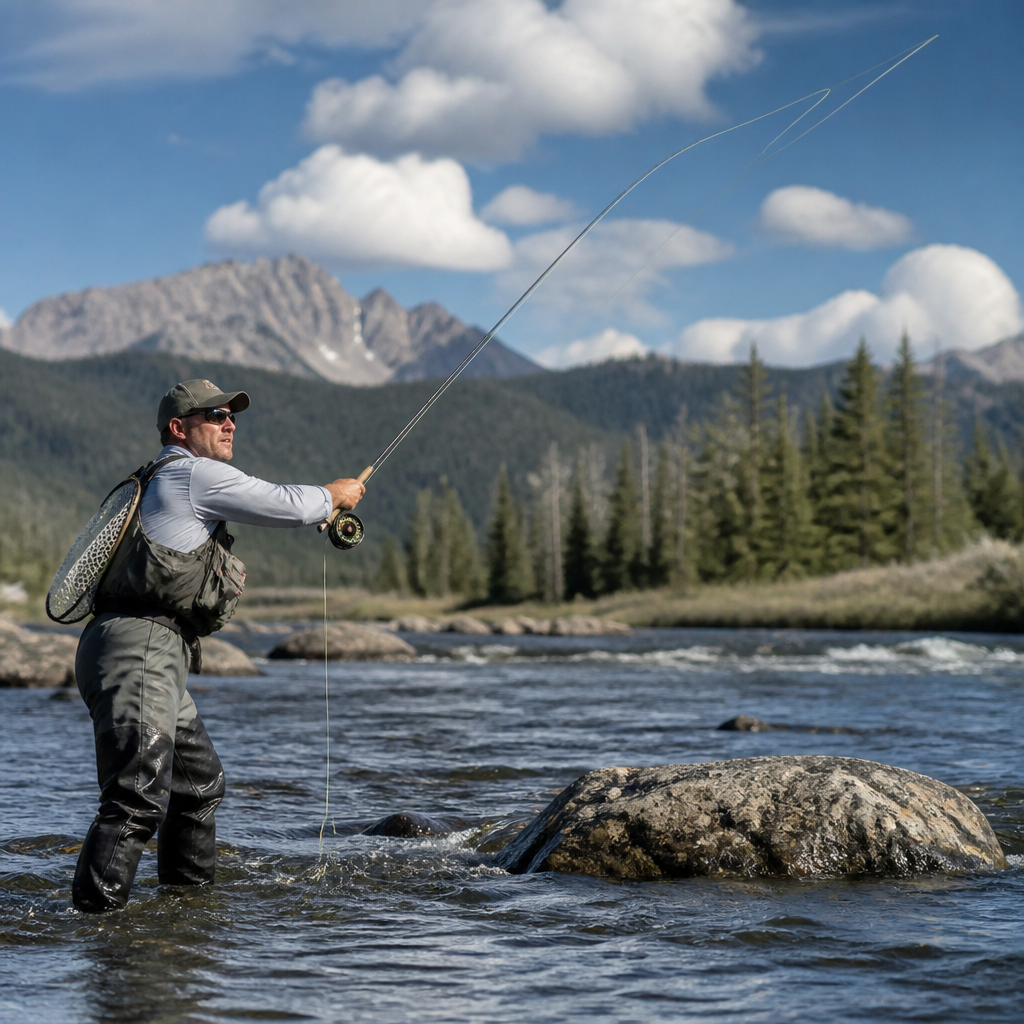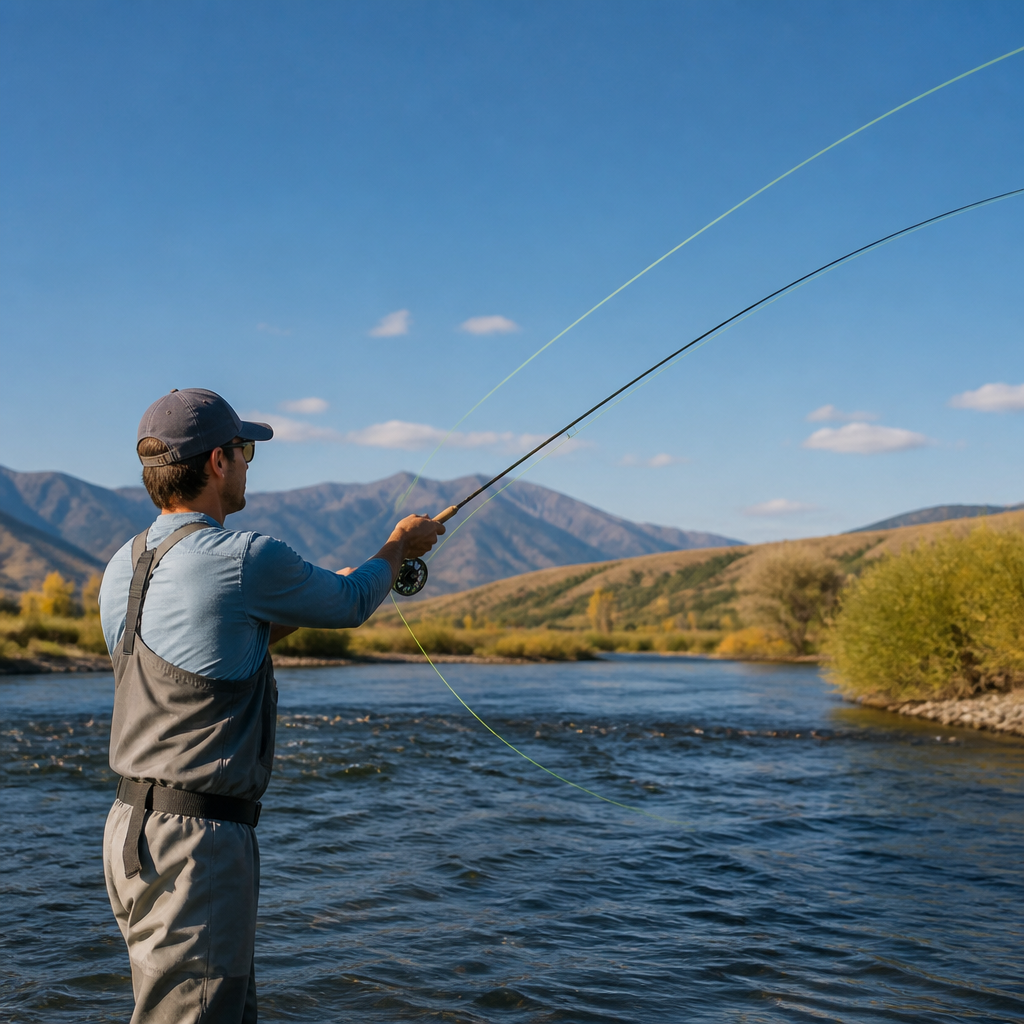
Streamer fishing in low water conditions demands precision, restraint, and a clear understanding of how fish behave when rivers shrink, clear, and warm. In simple terms, streamer fishing means presenting an artificial fly that imitates baitfish, leeches, sculpins, crayfish, or other substantial prey, usually with active retrieves or controlled swings. Low water conditions describe periods when streamflows fall below seasonal norms, exposing structure, tightening holding water, and making trout, bass, and other gamefish more cautious. I have spent many late-summer mornings watching fish slide off obvious banks, refuse oversized patterns, and only commit when the angle, sink rate, and speed matched the compressed river exactly.
This topic matters because low water changes almost every variable that makes streamer fishing effective. Depth is reduced, current seams soften, overhead cover becomes critical, and fish often feed in shorter windows. Anglers who apply standard high-water streamer tactics usually move fish less often and spook them more frequently. The solution is not to abandon streamers, but to adapt presentation, fly design, and timing. When done properly, streamer fishing in low water conditions can still produce aggressive eats, larger-than-average fish, and opportunities when dry flies or nymphs seem more obvious. It also teaches water reading at a high level, because every cast has to account for visibility, current speed, light, and fish positioning.
As a hub within techniques and strategies, this guide covers the core decisions that shape success with streamers in thin flows: where fish relocate, what gear helps, how fly selection changes, how to present with less disturbance, and when environmental stress should tell you to stop. The goal is practical competence, not theory alone. By the end, you should understand how to approach low, clear rivers with confidence, make better tactical choices, and connect this foundation to related skills such as reading structure, managing sink depth, and adjusting retrieves across seasons and species.
How Low Water Changes Fish Position and Feeding Behavior
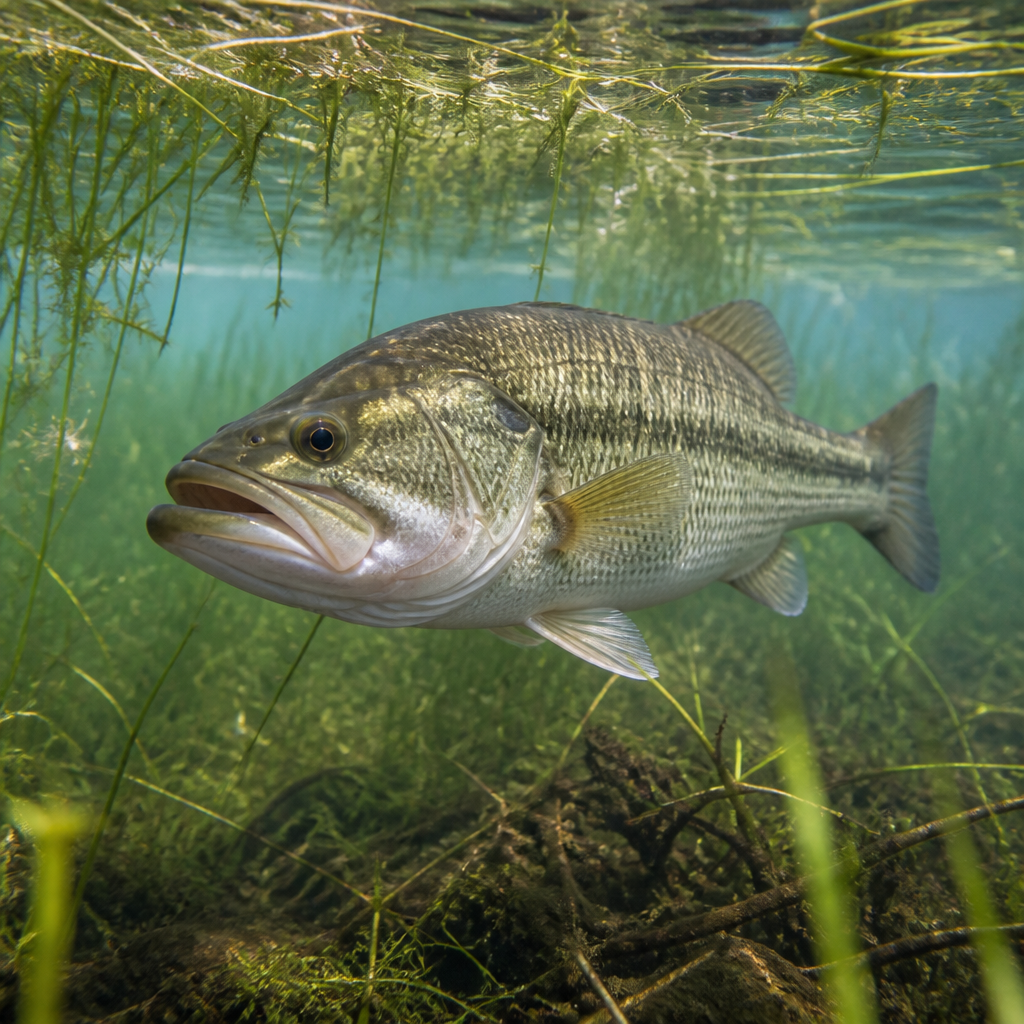
Low water compresses habitat. Trout that might roam broad shelves or midriver buckets during normal flows often slide into the deepest available lanes, undercut banks, shaded boulder pockets, wood, bridge shadow, and heads or tails of pools where oxygen remains stable. In freestone rivers, that often means shorter holding lies with direct access to depth and cover. In tailwaters, fish may stack along weed edges, drop-offs, or subtle depressions that are easy to overlook because the river appears uniform from the bank. Smallmouth bass behave similarly, favoring bedrock ledges, current breaks, submerged timber, and deeper runs adjacent to feeding shelves.
Feeding behavior also narrows. In low, clear water, fish see farther and assess flies longer, so they reject unnatural speed, oversized silhouettes, and heavy splashdowns. Yet they still eat streamers because calorie efficiency matters. A brown trout does not stop recognizing sculpins or juvenile trout simply because flows are low; it becomes selective about when to expose itself. Early morning, evening, overcast periods, and any slight stain or chop can dramatically improve odds. I have repeatedly seen fish ignore ten casts under direct sun, then move two feet to crush the same fly when a cloud bank softened the light. Low water often rewards timing as much as pattern choice.
Temperature and dissolved oxygen influence the equation further. As flows drop, water can warm rapidly, especially in meadow streams and lower river reaches. Trout may pin themselves near springs, inflows, riffle heads, and turbulent pocket water where oxygen is replenished. Warmwater species may remain active longer, but even bass can become position-oriented and less willing to chase far. In practice, streamer anglers should think in terms of energy economics: fish in low water want maximum food for minimum risk. Your presentation has to enter their reduced strike window naturally and without alarm.
Gear Adjustments That Improve Control and Reduce Disturbance
Tackle selection in low water is less about brute force and more about accuracy, line control, and subtle entry. For trout, a 4- to 6-weight rod is often more practical than a heavy streamer stick because shorter casts, lighter flies, and finer leaders become important. On larger rivers or when throwing articulated patterns, a 6-weight still offers authority, but the key is matching the tool to the scale of the water. For smallmouth, a 6- or 7-weight remains versatile. Moderate-fast to fast actions help with quick pickups and directional mends, while rods with responsive tips protect lighter tippets when fish eat near the bank at close range.
Lines matter greatly. In many low water scenarios, a floating line with a short sink tip or poly leader outperforms a full sinking line because it allows shallower tracking, easier pickups, and less hang-up around exposed rock and wood. Integrated sink-tip lines in the 3 to 7 foot range are especially useful on trout streams where one extra foot of depth can be the difference between moving fish and scraping bottom. Leaders are generally shorter than in dry-fly fishing, but they should not be needlessly thick. A 4- to 7-foot leader tapered to 2X, 3X, or 4X is common for trout; bass anglers may go stronger around cover. Fluorocarbon helps sink rate and abrasion resistance, though nylon can be preferable when you want a slightly higher ride.
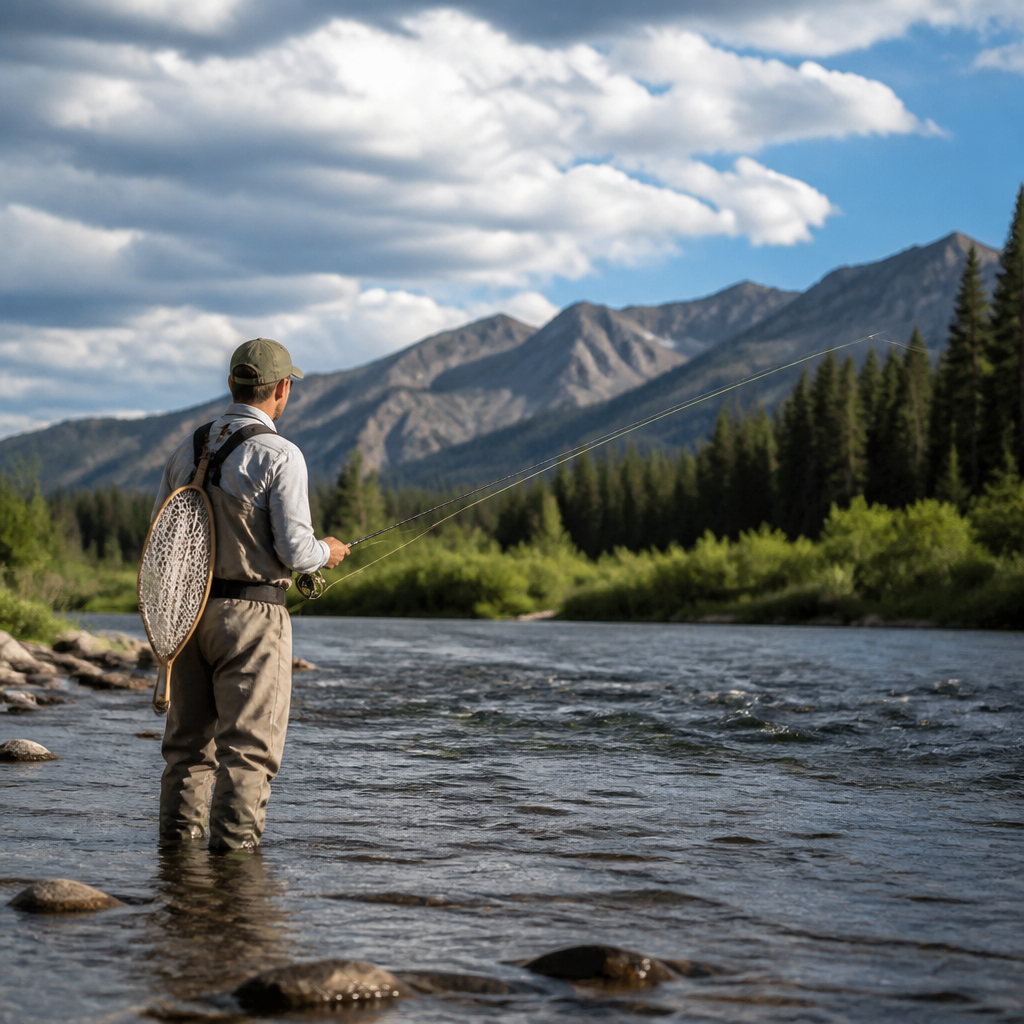
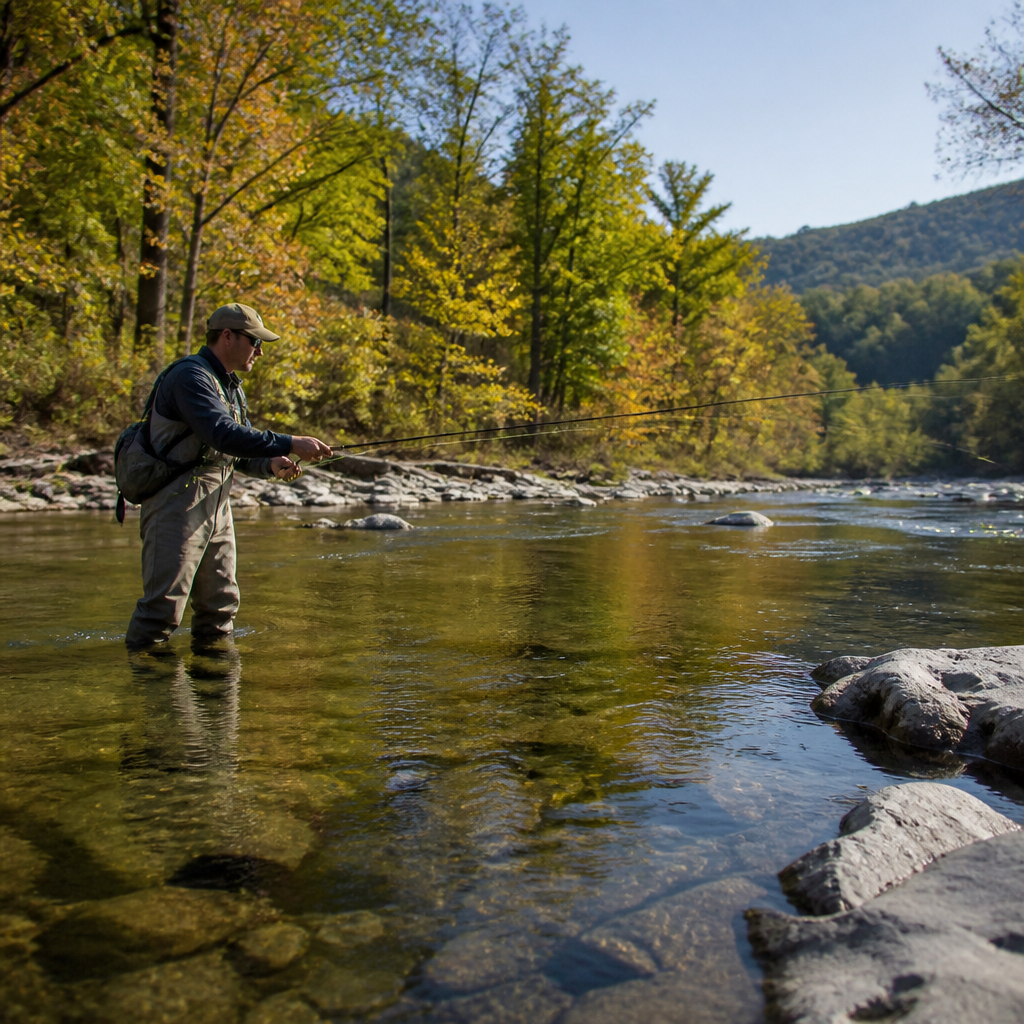
Polarized glasses, subdued clothing, and disciplined wading are not accessories; they are performance tools. In skinny water, the wrong boot step can send a pressure wave through the run before your first cast. I approach from downstream whenever possible, stay low, avoid skylining on gravel bars, and often fish from the bank rather than wading into the heart of the lie. A quality net with rubber mesh shortens handling time, and a thermometer is essential when targeting trout. Once temperatures approach stress thresholds, particularly around 68°F to 70°F, ethical decisions override tactical ones.
Choosing the Right Streamer for Size, Profile, and Sink Rate
The best streamer for low water conditions is usually smaller, slimmer, and more controllable than what you would fish during runoff or off-color flows. That does not mean tiny. It means proportionate. On many trout rivers, patterns from 2 to 4 inches cover most situations effectively. Sculpin imitations, sparse baitfish profiles, rabbit strip leeches, and lightly articulated streamers all have a place. Bulk without excessive weight often works better than dense, fast-dropping flies because fish may hold in only two to four feet of water. Natural colors such as olive, tan, black, white, and rusty brown are consistent producers, while a small hotspot can help in broken light.
Weighting style should match depth and current speed. Tungsten coneheads, bead-chain eyes, and unweighted patterns each solve different problems. In low, slow glides, an unweighted or lightly weighted fly lands quietly and stays in the strike zone longer without crashing into rocks. In short plunge pools or tight pocket water, a conehead can help the fly dip quickly beneath surface glare. Articulation increases movement at slower retrieves, but too much hinge can look exaggerated in clear water. Materials matter too. Marabou breathes at near-standstill speeds, rabbit strips push water and pulse naturally, and stacked deer hair sculpins create realistic silhouettes while suspending nicely on pauses.
| Condition | Best Fly Style | Typical Size | Why It Works |
|---|---|---|---|
| Clear shallow riffle edges | Sparse baitfish or leech | 2 to 3 inches | Soft entry and subtle movement avoid spooking fish |
| Deep pocket or undercut bank | Conehead sculpin | 3 to 4 inches | Gets down quickly into a short feeding lane |
| Evening low light pools | Articulated natural-tone streamer | 3 to 4 inches | Larger silhouette is easier for fish to track |
| Warmwater ledges and wood | Crayfish or baitfish pattern | 2.5 to 4 inches | Matches common forage and holds depth beside cover |
Forage matching is useful, but behavior matching is decisive. If juvenile dace are scattering near banks, a slim white-and-olive baitfish is logical. If sculpins dominate rocky bottoms, a broad-headed bottom-hugger makes more sense. However, in low water, the retrieve that resembles vulnerable prey often matters more than exact color. A fly that darts once, stalls, and drifts slightly can trigger a fish that would never chase a continuously stripped pattern. Successful streamer fishing is rarely about one magic pattern; it is about selecting a profile and weight that let you present naturally in compressed water.
Presentation Tactics: Casting Angles, Retrieves, and Water Reading
Presentation is where low water streamer fishing is won. The first rule is to reduce false casts and put the fly in from a non-threatening angle. Across-and-down presentations remain effective, but quartering casts, short upstream flips under cover, and parallel bank shots often produce more fish because they keep the fly in the lane longer and avoid lining the target. On small rivers, many of my best fish come from casting tight to grass edges or timber and moving the fly only a foot or two at first. Fish tucked under cover are often willing to eat immediately, but they rarely chase a fly ripped past them in skinny water.
Retrieve speed should be slower and more variable than many anglers expect. Think strip-pause, twitch-drift, or swing-and-hang rather than constant aggression. In low current, the pause is often the trigger because materials continue to breathe while the fly appears injured. For trout, short strips of 2 to 6 inches interspersed with one- to three-second pauses are a strong baseline. For bass, longer drags and bottom-oriented hops can be excellent around rocks and wood. Rod tip position also matters: keeping the tip low to the water improves contact, while raising it slightly can help the fly hover over snaggy substrate.
Water reading becomes hyper-specific in low flows. Productive lies are often measured in feet, not yards: the dark slot beside a midstream boulder, the seam entering a trough at the tail of a pool, the shaded cut below overhanging roots, or the pillow current in front of a log. One common mistake is fishing only the obvious deepest hole. Better fish frequently station on the first available edge near security cover because they can ambush prey without moving far. Cover water methodically, but do not rush. Two or three well-controlled casts from different angles usually reveal more than ten hurried presentations.
Seasonal Timing, Species Differences, and Ethical Limits
Season shapes how low water should be approached. In summer, low flows often coincide with bright light and elevated temperatures, so dawn and dusk become prime windows. In autumn, similar flows may fish much better all day because water cools, baitfish become active, and predatory trout feed more aggressively before winter. Winter low water calls for slower retrieves and smaller strike zones, while spring low water between storms can offer short but exceptional streamer periods if fish feel secure under cloud cover. Matching your schedule to environmental conditions is one of the highest-value adjustments an angler can make.
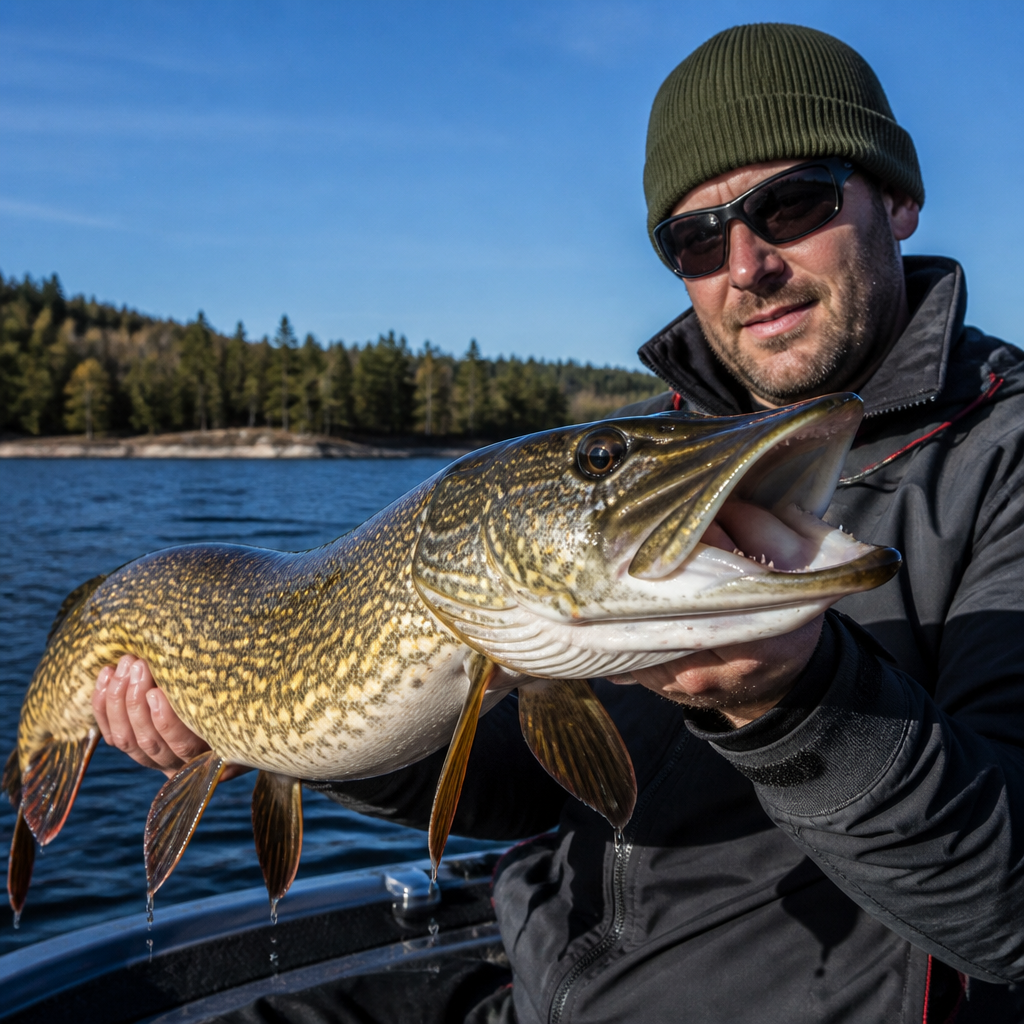
Species differences refine tactics further. Brown trout are classic low-water streamer targets because they use banks, wood, and undercuts efficiently and will eat larger prey despite clear conditions. Rainbow trout often respond better to cleaner current seams and more moderate retrieves. Smallmouth bass tolerate warmth better and commonly hold near boulders, ledges, and shade, where crawfish and baitfish patterns excel. Even within trout water, tailwaters and freestones fish differently. Tailwater trout may key on narrow depth bands and subtle current transitions, while freestone fish rely more on overhead cover and oxygen-rich structure.
Ethics are inseparable from strategy. If water temperatures are high, fish are visibly stressed, or local agencies recommend avoiding afternoon trout angling, streamer fishing should pause. Big fish caught on streamers fight hard, and low-oxygen water increases recovery time. Use barbless hooks when practical, fight fish efficiently, keep them in the water during release, and skip hero shots in hot conditions. Responsible anglers know that success is not measured only by fish moved or landed. Protecting the fishery ensures that streamer fishing remains productive when conditions improve. Review your local regulations, adjust your approach, and fish the right windows with intent.
Streamer fishing in low water conditions rewards anglers who trade noise for nuance. The fundamentals are clear: fish hold tighter to depth, shade, structure, and oxygen; smaller or slimmer flies often outperform oversized patterns; lighter line systems and careful wading reduce disturbance; and presentations must be controlled, quiet, and closely matched to the reduced strike window. Low water is not a reason to stop throwing streamers automatically. It is a signal to become more deliberate about where you cast, how fast you move the fly, and when you choose to fish.
As a hub for streamer fishing within techniques and strategies, this guide establishes the framework that supports every related topic, from sink-tip selection and streamer retrieves to reading undercut banks and targeting seasonal predators. If you apply these principles on the water, you will move more fish with fewer wasted casts and make better ethical decisions during stressful conditions. Start by choosing one low-water river or pond, downsize your approach, fish low-light periods, and focus on the best cover first. Then build from results, refine each variable, and let the conditions teach you.
Frequently Asked Questions
What changes about trout behavior when streamer fishing in low water conditions?
Low water changes almost everything about how trout position, feed, and react to pressure. As rivers drop, the amount of secure holding water shrinks, current seams become more defined, and fish are pushed into fewer areas that provide depth, oxygen, shade, and protection from predators. In clear, reduced flows, trout are typically more cautious because they can see better and are more exposed to birds, anglers, and sudden disturbances. That means they often slide into undercut banks, deeper buckets, plunge pools, shaded banks, logjams, boulder pockets, and any slot that gives them cover without forcing them to burn energy.
For streamer anglers, this usually means fewer reckless chases and more selective responses. In higher or off-color water, trout may move farther to eat because they feel hidden and opportunistic. In low water, they often inspect a fly more carefully and may only commit if it passes close to their holding lie at the right speed and angle. They are less willing to cross broad, shallow flats or abandon security for a poorly presented streamer. Larger fish, especially, tend to become even more location-dependent, feeding in short windows and favoring low-light periods such as early morning, evening, or overcast conditions.
The practical takeaway is that success comes from reading reduced habitat precisely. Instead of covering water quickly and expecting aggressive pursuit, focus on the best holding structure and make controlled, deliberate presentations. Keep false casting to a minimum, stay low, approach from downstream or from angles that preserve stealth, and assume the fish has a long time to evaluate your fly. In low water, understanding trout behavior is less about forcing reaction strikes and more about putting a believable meal in front of a fish that is alert, energy-conscious, and highly aware of risk.
What are the best streamer patterns, sizes, and colors for low, clear water?
In low, clear conditions, smaller and more natural streamer choices usually outperform oversized, loud patterns. That does not mean big flies never work, but the general rule is to scale down and refine the profile. Streamers in the two- to four-inch range are often ideal because they still suggest meaningful prey without overwhelming wary trout. Slender baitfish patterns, sparse sculpin imitations, small leeches, and lightly weighted crayfish flies can be especially effective. The key is matching the subdued mood of the river while still offering enough shape and motion to stand out.
Color matters as much as size. Natural tones tend to be strongest in clear water: olive, tan, white, gray, black, rust, and combinations that resemble juvenile trout, sculpins, dace, chubs, or leeches. Olive-and-white is a classic low-water baitfish palette because it remains visible without looking unnatural. Black can also be excellent, particularly in shade or low light, because it creates a distinct silhouette without excessive flash. In contrast, overly bright patterns with too much flash can spook fish in thin, transparent flows, especially on sunny days when trout get an extended look at the fly.
Sparsity is another major factor. A lightly dressed streamer with natural movement often looks far more convincing than a bulky fly that pushes too much water in a quiet river. Materials that breathe and pulse without requiring excessive retrieve speed are valuable because they allow the fly to remain alive during pauses, dead drifts, and subtle strips. Bead-chain, lightly weighted coneheads, or unweighted patterns are often preferable to heavily weighted flies because they land softer and can be fished through shallow holding lanes without constantly hanging bottom. If fish are following but not eating, first adjust size downward, then reduce flash, then slow and soften the presentation before changing everything else.
How should you present and retrieve streamers when water is low and trout are pressured?
Presentation is the heart of low-water streamer fishing. In these conditions, the most effective retrieve is often not the fastest or most aggressive, but the one that keeps the fly believable, controlled, and close to likely holding spots. Trout in reduced flows usually do not want to sprint across open water to crush a fly. Instead, they respond to streamers that enter their lane naturally and move with a restrained but convincing action. Short strips, longer pauses, gentle hand-twist retrieves, and subtle swings frequently outproduce hard, erratic ripping retrieves.
Angle and depth are critical. Casts slightly across and downstream can be excellent because they allow the fly to track broadside through a holding lane while maintaining tension and movement. Upstream or quartering presentations can also work well in tight pockets when you need a streamer to drift first and animate second. The goal is to show the fish something substantial without telegraphing danger. In low water, a fly that wakes aggressively, lands hard, or moves unnaturally fast often gets refused. A streamer that glides, pauses, and then subtly darts can look like vulnerable prey rather than an object being yanked by an angler.
It is also important to fish specific targets thoroughly instead of blindly covering long stretches. Focus on depth transitions, current soft spots beside structure, undercut edges, woody cover, plunge pool tails, and shaded slots. Make several quality presentations from different angles before moving on. Often the first cast is the most important, but the second or third can trigger a fish if the angle or speed improves. Maintain contact without overpowering the drift, and be ready for strikes on the pause, the swing, or the first movement after a stall. In low water, streamer fishing becomes a game of precision and timing rather than pure volume or aggression.
When is the best time of day to streamer fish during low water periods?
The best time of day in low water is usually when trout feel safest and water temperatures are most favorable. In many situations, that means early morning and late evening. During these windows, reduced light lowers the fish’s sense of exposure and allows them to move more confidently from cover to feed. Shadows are longer, surface glare is lower, and trout often become more willing to inspect and commit to a streamer. Overcast days can extend this feeding confidence significantly, sometimes turning the entire day into a productive streamer window.
Midday can be challenging in low, clear water, especially under bright sun. Fish often retreat deeper into structure, hold tighter to banks, or become reluctant to chase. That does not mean streamer fishing is impossible at noon, but it usually demands even more stealth, more exact casting, and a stronger focus on shaded water, depth, and cover. Sections with tree canopy, canyon walls, cut banks, or turbulent pocket water may remain viable when open flats and broad riffles feel lifeless. Wind can sometimes help by breaking up the surface and reducing visibility, but direct overhead sun on skinny clear water generally favors caution over aggression.
Temperature should guide your decisions as much as light. As flows drop, water can warm quickly, especially in summer. If temperatures are climbing into stressful ranges for trout, the most ethical and effective fishing often happens early, before the river heats up. In very warm conditions, it may be better to stop altogether rather than continue pressuring fish that are already under environmental stress. Low-water streamer success is not just about finding feeding windows; it is about recognizing when trout are physically able and willing to hunt. The best anglers treat timing as both a tactical advantage and a fish-care decision.
What are the biggest mistakes anglers make when streamer fishing in low water conditions?
The most common mistake is being too aggressive in every part of the approach. Anglers often wade too quickly, stand too high, cast too close without concealment, or throw flies that are too large, too bright, or too heavy for the conditions. In low water, fish have fewer places to hide and much more time to detect danger. A single careless step can send pressure waves through a run, and one sloppy cast can put down the best fish in the pool. Stealth is not optional when rivers are thin and clear; it is a primary tactic.
Another major error is fishing low water exactly like high water. Many anglers continue making long, fast strips through broad water when trout have already consolidated into the most protective structure available. They cover too much marginal water and not enough prime holding water. They also retrieve too quickly, assuming they need to trigger a reaction, when the fish actually need a slower, more precise presentation. In these conditions, your streamer should usually spend more time in the zone and less time racing between zones. Slowing down, simplifying the target list, and fishing each quality lie with purpose often produces immediate improvements.
A third mistake is ignoring fish stress and river health. Low water often coincides with warmer temperatures, lower oxygen levels, and increased crowding in available habitat. Trout may still eat, but they may also be more vulnerable after the fight. Responsible anglers monitor water temperature, shorten battles, use strong enough tackle to land fish efficiently, and avoid fishing entirely when conditions become unsafe. Finally, many people give up on streamers too quickly after a few follows or refusals. In low water, follows are useful information. They tell you trout are aware of the fly but not fully convinced. Small adjustments in size, silhouette, retrieve cadence, weight, or angle can turn a follower into an eater. The anglers who succeed most consistently are the ones who treat low-water streamer fishing as a technical, thoughtful discipline rather than a power-fishing exercise