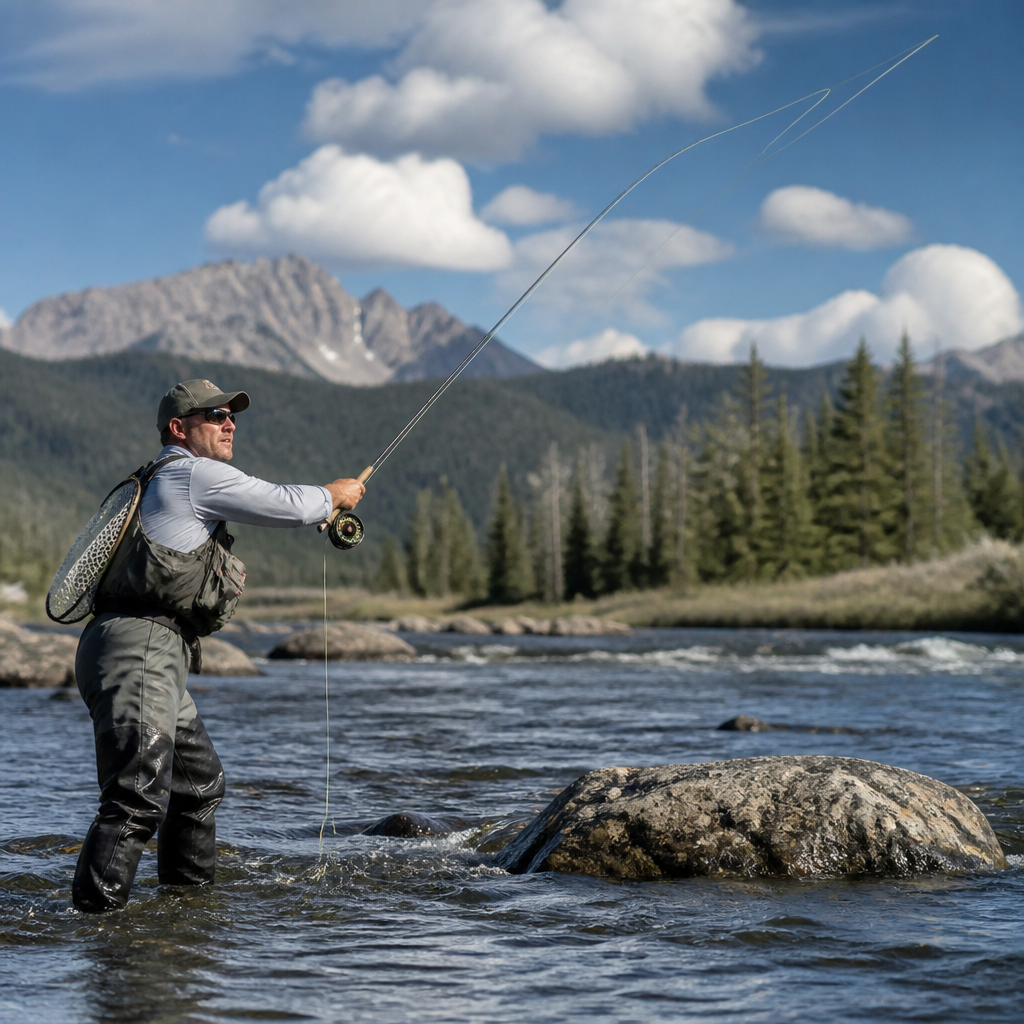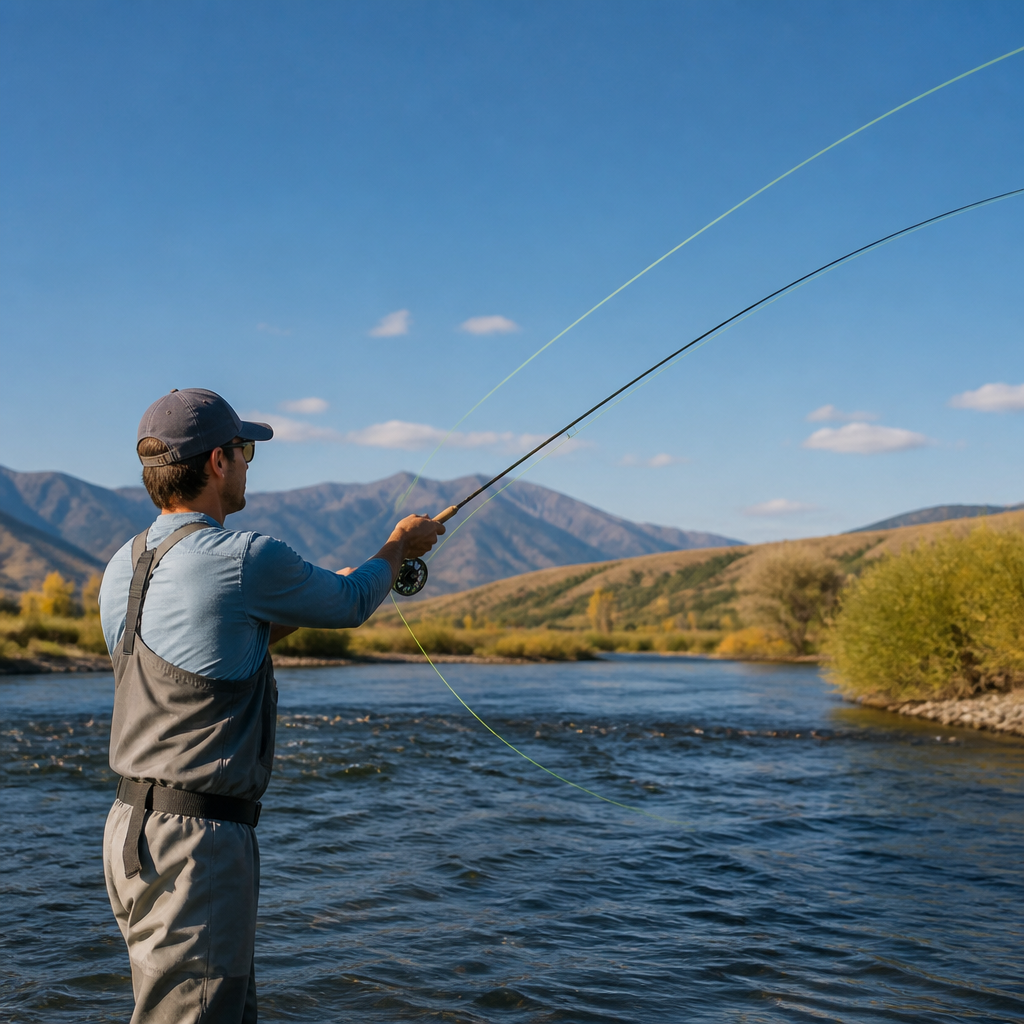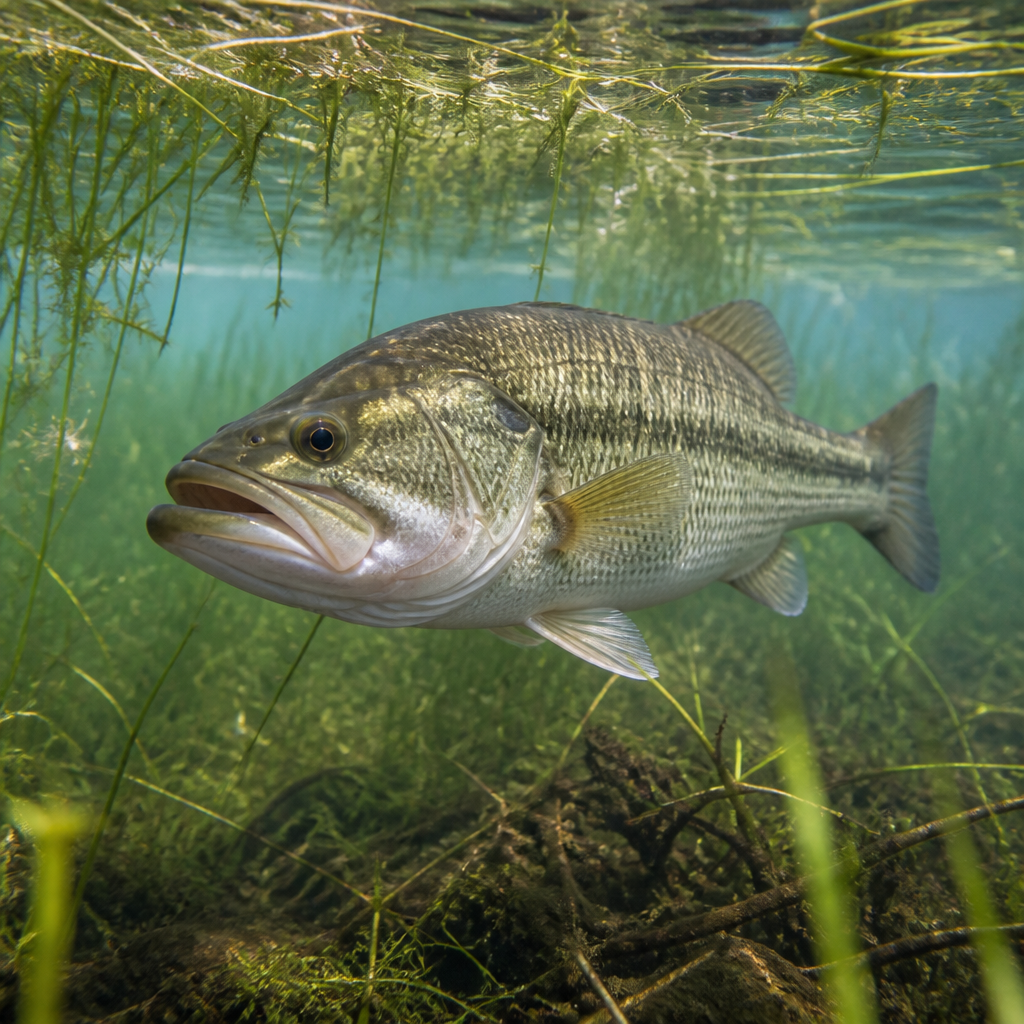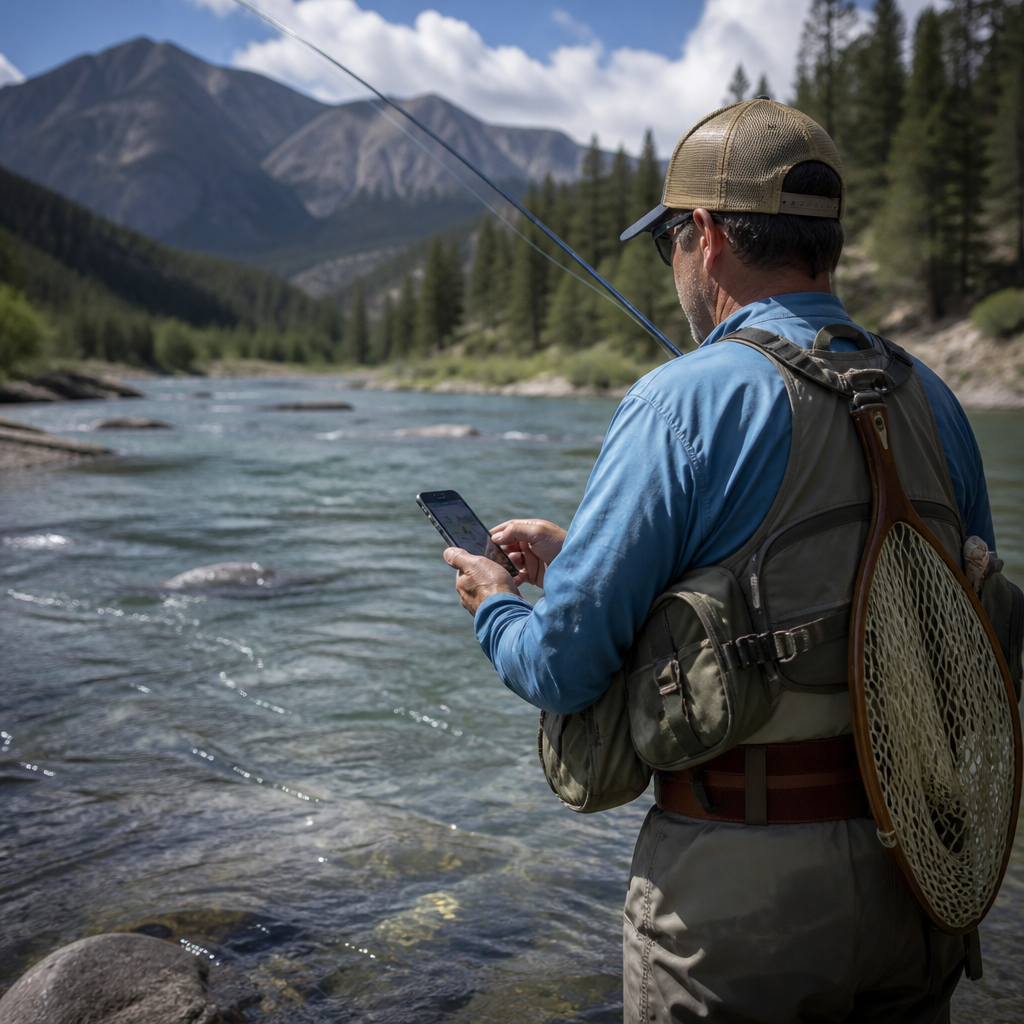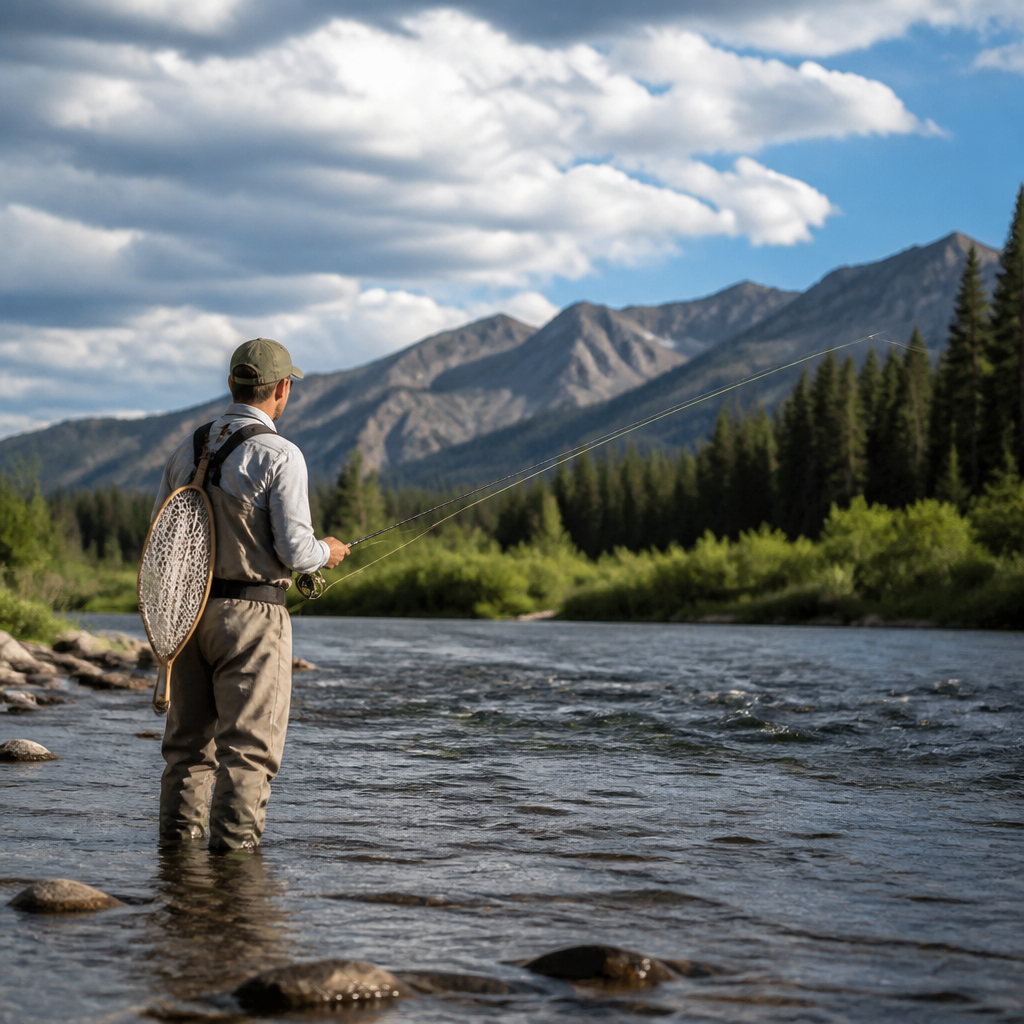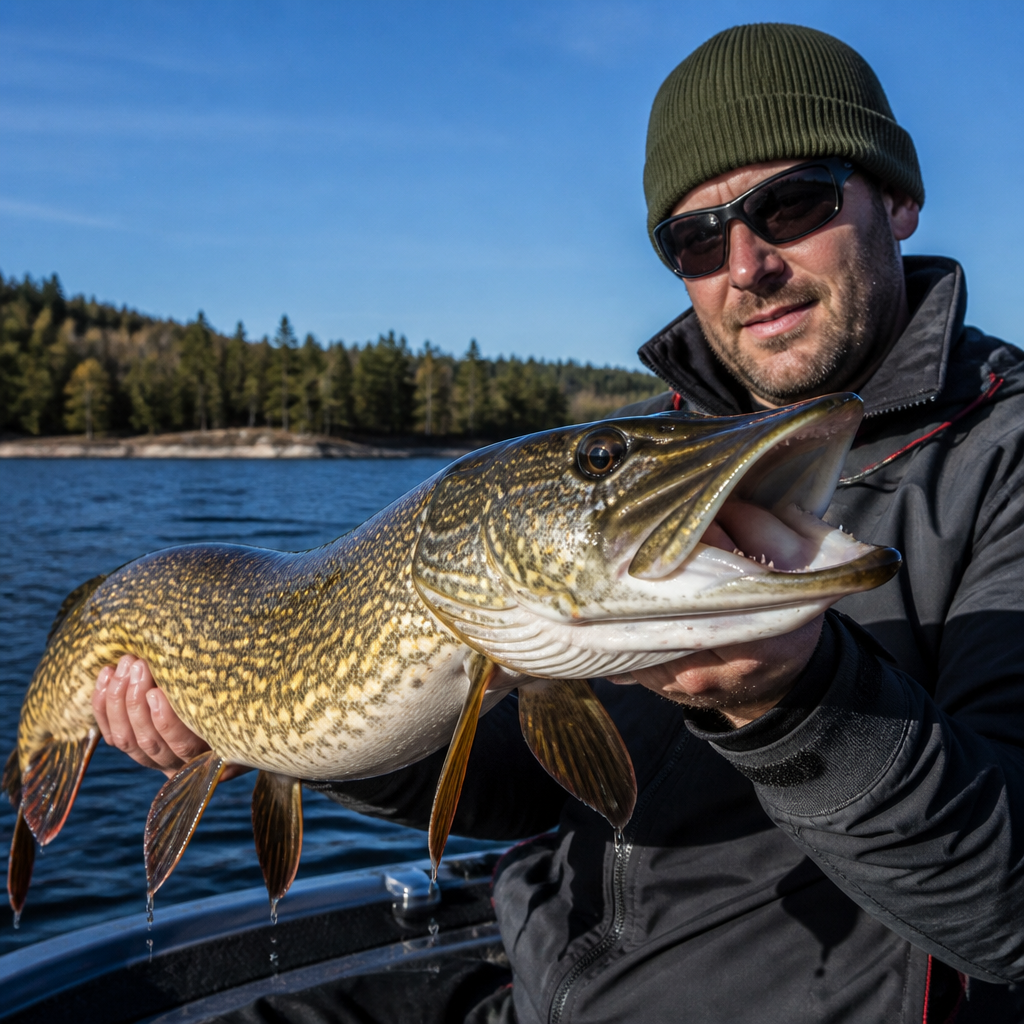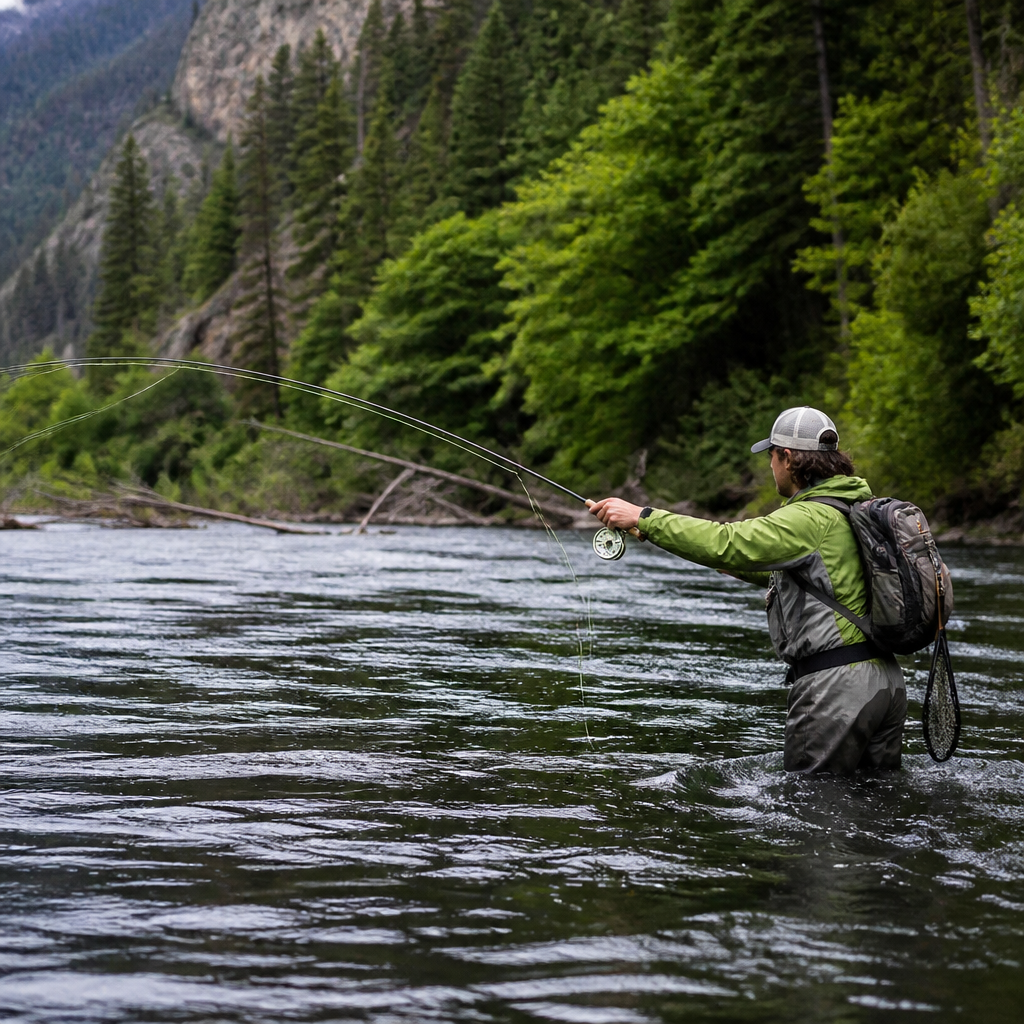
Streamer fishing in high water conditions is one of the most effective ways to move large trout, bass, and other predatory fish when rivers rise, currents speed up, and visibility drops. In practical terms, high water means flows above seasonal norms, often caused by rain, snowmelt, dam releases, or rapid runoff, while streamer fishing means presenting baitfish, leech, or sculpin-style flies with deliberate motion to trigger an aggressive response. I have fished these conditions on freestone rivers, tailwaters, and drift boat sections where a dry fly became nearly useless but a properly chosen streamer turned a difficult day into a productive one. This matters because high water changes fish location, feeding behavior, safety, tackle demands, and presentation angles more dramatically than almost any other river variable. Anglers who understand those changes catch fish consistently instead of simply casting harder. As a hub topic within techniques and strategies, streamer fishing deserves a broad, integrated view: fly selection, sink rates, line systems, reading structure, retrieve cadence, boat positioning, and fish handling all connect. High water is not just “normal fishing with more current.” It compresses holding water, increases energy costs for fish in main flow, reduces sight distance, and concentrates predators near banks, seams, eddies, and softer inside water. If you know where fish slide, how fast your fly must get down, and how to control a swing or strip in turbulent current, streamer fishing becomes systematic rather than guesswork.
At its core, streamer fishing in high water conditions works because elevated flows often dislodge forage and create short feeding windows where big fish prefer a calorie-dense meal over tiny insects. Trout that ignore midges in brown runoff may still attack a four-inch articulated streamer if it appears vulnerable and passes within a narrow strike lane. The same principle applies to smallmouth in swollen rivers and even to landlocked salmon or steelhead in select systems. Key terms matter here. A seam is the line where fast and slow currents meet. A slot is a defined travel lane between faster pushes. A streamer line may be floating, sink-tip, or full-sinking, each changing depth control. An articulated fly uses two connected hook shanks or sections to create more motion. Depth, angle, and speed are the controlling variables. Anglers often obsess over fly color first, but in dirty or fast water, getting the fly into fishable depth and keeping it there usually matters more. Because this article serves as a hub, it covers the decisions that sit beneath every streamer tactic, from matching sink rate to current speed to selecting a retrieve that fits water temperature and fish mood.
How high water changes fish behavior and location
The first rule of streamer fishing in high water conditions is simple: fish rarely stay where you caught them at normal flow. When discharge rises, current velocity in the middle of the river can become energetically expensive, so predatory fish shift to edges that offer shelter and access to food. I look first at flooded banks, soft water beside root wads, current seams below islands, back eddies, submerged grass edges, side channels, and the inside bend where current slows. Trout especially favor places where they can hold in reduced velocity and slide inches into a feeding lane. High water also narrows their strike window. In clear, low conditions a trout may move several feet to inspect a fly; in off-color, pushy water, it may only react when the streamer crosses almost directly in front of its face.
Water clarity and temperature shape these moves. Rising cold snowmelt can make fish sluggish even when flows look ideal, while warmer rain events often create stronger predatory responses. Visibility governs fly placement. In water with one foot of clarity, fish use lateral line detection and silhouette more than detailed visual inspection. That is why broad profiles, pulsating materials, and tight bank presentations outperform random casts to midriver current. During one spring blowout on a Western freestone, the middle channel looked inviting but produced nothing for hours. The productive pattern turned out to be repeated casts parallel to flooded willow banks in less than three feet of water, where brown trout pinned baitfish against the edge. High water rewards anglers who fish the “new river” created by the flood, not the channel they remember from summer.
Tackle systems that control depth, angle, and fly movement
Effective streamer fishing in high water conditions depends on tackle that reaches depth quickly and maintains connection through turbulent currents. A six-weight can handle many trout situations, but a seven-weight is often the better tool when throwing large articulated flies, split shot, or dense sink-tips all day. For bigger rivers, boat fishing, or trophy-class fish, eight-weights reduce casting fatigue and improve line control. Reels matter less for drag than for balancing the outfit and storing bulkier lines. The critical decision is the line system. Floating lines with weighted flies are useful in shallow margins and over wood because they lift and mend easily, but sink-tips dominate most high-water trout scenarios because they combine depth with manageable casting. Common sink-tip grains and sink rates vary by manufacturer, yet a short aggressive tip often fishes more effectively in fast, complex current than an extra-long one because it turns over big flies and gets down before drag pulls the fly upward.
Leader construction should stay short and purposeful. In heavy water, nine-foot trout leaders designed for dry flies are inefficient. I usually fish leaders between three and six feet from the end of the sink-tip, adjusting for fly weight and snag risk. Fluorocarbon in 0X to 3X is common for trout streamers because abrasion resistance matters around wood, rock, and fish teeth, while bass or pike setups may require heavier mono or wire. Rod action should be fast enough to drive bulky casts into wind and pick line up quickly for the next shot. Polarized glasses are not optional; they reveal current tongues, color changes, and submerged obstructions that determine casting angles. Wading staffs, studded boots, and inflatable life belts become legitimate safety gear when flows are high. High water is where many missed opportunities are tackle failures in disguise: the wrong line, too-long leader, or rod that cannot reposition quickly enough.
Fly selection for dirty, fast, and changing water
The best streamer patterns for high water combine visibility, profile, and movement. Fish do not need exact imitation during runoff; they need a target they can find and commit to. Sculpin patterns excel near bottom because broad heads and zonker strips push water and suggest a high-calorie prey item. Baitfish streamers shine in tailouts, side channels, and along flooded banks where minnows get displaced. Leech patterns remain underrated because they breathe at slow speed and keep fishing when cold water suppresses chase behavior. Articulated streamers such as Sex Dungeon, Circus Peanut, Drunk and Disorderly, and Double Deceiver style patterns have earned their reputation because they move convincingly at varied strip speeds and keep a larger profile without using excessively stiff materials. Color choice should track light and clarity: black, olive, and white are foundational; black creates a strong silhouette in stained water, olive imitates sculpins and juvenile trout, and white stands out as generic baitfish.
Flash has value, but moderation matters. In chocolate water, a bit of lateral flash or hot spotting can help fish locate the fly. In green or slightly stained water, too much flash can look unnatural and reduce follows from pressured trout. Weighting is equally important. Coneheads, dumbbell eyes, and composite heads made from spun materials alter both sink rate and action. A heavily weighted fly on a sink-tip can drop into snags too quickly in marginal bank water, while an unweighted articulated fly may hover perfectly and stay in the strike zone longer. I carry the same basic profile in multiple densities so I can adapt without changing the entire presentation concept. Size usually ranges from two to six inches for trout, larger for pike or musky, but local forage should guide the upper limit. During spring runoff, juvenile suckers, dace, sculpins, and washed-out baitfish often explain why larger streamers suddenly outperform standard nymphs.
Where to cast first and how to cover water efficiently
In high water, precise water selection beats maximum distance. Start with the closest soft edge and work outward. Fish holding along flooded grass, cutbanks, or woody structure can be literally rod-length away, and the first cast often has the best chance because the fish is unalerted. Casts should generally land upstream or across of the target lie so the fly sinks before entering the strike lane. Position matters as much as fly choice. From the bank, quartering downstream can maintain tension and create a broadside profile, but a straight-across cast often reaches better depth in tight edges. From a drift boat, the rower should slow above likely water and allow repeated short shots instead of racing through. Productive lanes in high water are compact, so multiple controlled presentations beat hero casts to the far bank.
| High-water feature | Why fish use it | Best presentation |
|---|---|---|
| Flooded bank | Reduced current, trapped baitfish, overhead cover | Cast parallel to edge, short strips, keep fly within one foot of bank |
| Seam beside heavy current | Energy savings with food delivery | Up-and-across cast, mend if floating system, let fly sink before strip |
| Back eddy | Slack water refuge, recirculating food | Short casts, varied retrieve, pause as fly crosses current reversal |
| Inside bend | Softer flow and depth transition | Fan casts from shallow to deep, medium strips near drop-off |
| Submerged wood or root wad | Current break and ambush cover | One aggressive cast tight to structure, then immediate control strips |
Covering water efficiently means thinking in lanes, not random fan casting. I divide a bank into near edge, mid seam, and deeper exit water, then fish each lane with one or two presentations before moving. If the river is truly high and dirty, ninety percent of your effort should stay in high-percentage holding water rather than classic runs that looked good at lower flows. Side channels can be exceptional because they combine concentrated fish with manageable current. Tailwaters below dams introduce another variable: fluctuating releases. Fish may reposition within minutes as generation changes, so watch bank markers, grass lines, and debris to read the trend. The most common mistake I see is anglers stripping too soon after the cast. In elevated flows, the fly often needs an extra second or two to achieve productive depth before the retrieve starts. That pause can be the difference between fishing above fish and fishing through them.
Retrieve styles, hook sets, and adapting through the day
Retrieve style should match water temperature, clarity, and fish mood. In cold runoff, slower strips punctuated by pauses often outperform a fast chase retrieve because trout may track but not commit unless the fly appears injured. In warmer high water, especially for smallmouth or aggressive browns, two or three sharp strips can trigger instinctive reaction strikes. The key is to build a repeatable cadence, then change one variable at a time. I usually begin with medium strips and a brief pause, then test slower, deeper swings, faster erratic bursts, or a hand-twist retrieve for leech patterns. A downstream swing can be deadly in broad seams because the current animates the fly while holding it in the zone. Conversely, tight bank shots often call for active strips to keep the streamer from snagging and to suggest panic.
Hook setting with streamers is a frequent failure point. Many anglers lift the rod like they are dry-fly fishing, which pulls the fly away or creates slack. A strip-set is the correct default: keep the rod low, pull line hard with the line hand, and only raise the rod after the fish is connected. This is especially important with heavy flies and sink-tips where slack develops quickly. Followed fish should not be considered random bad luck; they are information. A follow may indicate the fish wants a smaller profile, a longer pause, a broader swing, or a tighter line angle to the bank. Over a day, adaptation wins. If water clears from eighteen inches of visibility to three feet, you can often downsize or remove flash. If flows keep rising, move even shallower and closer to structure. Consistent streamer anglers treat each hour like a fresh data set. Keep notes on flow, clarity, productive banks, line grain, fly size, and retrieve cadence, because patterns repeat across rivers more often than many anglers realize.
Common mistakes, safety, and building a complete streamer approach
The biggest mistakes in streamer fishing in high water conditions are fishing too fast, standing in the wrong place, and assuming fish remain in classic low-water lies. Another major error is changing flies constantly before fixing depth or angle. If your streamer never enters the strike zone, color experiments are largely irrelevant. Poor boat positioning also ruins opportunities; if the craft drifts too close to the bank before the cast, the best fish are already alerted. Wading errors are more serious. High flows increase force exponentially, riverbeds shift, and soft edges can collapse undercut banks. If a crossing looks questionable, it is. Fish from shore, use a staff, unbuckle pack straps, and avoid wading above knee depth in powerful current unless you know the bottom intimately. No fish is worth a swim in runoff conditions.
To build a complete streamer system, think beyond one fly and one retrieve. Carry two line options, a small set of proven patterns in multiple sizes and weights, forceps strong enough for articulated hooks, and a net that handles fish quickly. Rotate presentations logically: edge first, seam second, deep slot third. When one fish shows itself, slow down and dissect the area because predators often stack in the same soft-water corridor during high flow. As a hub topic, streamer fishing connects to reading water, fly line selection, seasonal strategy, drift boat control, and fish behavior under changing hydrology. Mastering it gives you a method for days when insect hatches are sparse and river levels intimidate less prepared anglers. The payoff is not only more fish, but larger fish, because streamers consistently target apex feeders looking for a meaningful meal. Start with safe access, focus on soft edges, control depth before color, and fish each likely lane with intent. Do that consistently, and high water stops being a problem and starts becoming an advantage.
Frequently Asked Questions
What makes streamer fishing so effective in high water conditions?
Streamer fishing shines in high water because rising flows change how predatory fish feed, hold, and react. When rivers come up from rain, snowmelt, runoff, or dam releases, the current usually gets faster, the water often gets dirtier, and natural food sources become displaced. Baitfish, crayfish, leeches, and sculpins are pushed out of their normal cover, and bigger trout and bass know it. Instead of sipping small insects in gentle seams, they often shift into opportunistic feeding mode and look for larger, easier meals that provide more calories for less effort.
That is exactly what a streamer represents. A well-presented streamer suggests a fleeing baitfish, a tumbling sculpin, or another vulnerable prey item that stands out in reduced visibility. In high, stained water, fish are less likely to inspect a fly for a long time, which often makes them more willing to commit to a bold, moving target. Streamers also create vibration, profile, and movement that fish can detect even when they cannot see perfectly. In practical terms, that means you are offering something predators can locate and attack in conditions where tiny flies may be ignored or simply go unnoticed.
Another major reason streamers work so well is that high water concentrates fish into softer holding water near banks, behind structure, inside eddies, along flooded edges, and at current breaks. These are ideal ambush zones. A streamer swung, stripped, or dead-drifted through those lanes can trigger a reflexive strike from fish that are tucked in tight and waiting for food to wash by. If your goal is to move larger trout, bass, or other aggressive fish when the river is swollen and off-color, streamer fishing is often one of the most efficient and productive methods available.
Where should you target fish when rivers are high, fast, and stained?
In high water, the biggest adjustment is location. Fish usually stop holding in the same open runs, riffles, and mid-river lanes they use during normal flows because those places become too fast, too deep, or too energetically expensive. Instead, they slide into softer water where they can rest while still taking advantage of food being pushed downstream. The best places to target are often much closer to shore than anglers expect.
Start by focusing on current breaks. Look for seams along riverbanks, soft pockets behind boulders, back eddies, inside bends, side channels, flooded grass lines, logjams, root wads, bridge pilings, and any structure that interrupts heavy current. On freestone rivers especially, high water can create entirely new feeding lanes along the margins. Trout may sit inches from the bank under overhanging brush or in shallow flooded edges because that water is softer and full of dislodged food. Bass and other predatory fish often set up near wood, slow sloughs, or submerged cover where they can ambush prey without fighting the strongest flow.
Depth matters too, but not always in the way people assume. In muddy, fast conditions, fish are often less concerned with being deep and more concerned with finding a manageable current speed. A knee-deep bank seam can outproduce the deepest pool in the system if it offers shelter and a steady conveyor belt of food. Pay attention to water speed transitions, not just obvious depth changes. If you can place a streamer so it enters fast water briefly and then swings or strips into softer holding water, you are often putting the fly right through the strike zone.
One of the best habits in high water is to fish methodically and cover short targets thoroughly. Instead of bombing long casts into the middle of the river, make controlled presentations to every likely soft spot close to you. Fish may be stacked in very specific lies, and the most productive water is often the water many anglers walk past on their way to something that looks more traditional.
What streamer patterns, sizes, and colors work best when visibility drops?
In high water, your streamer choice should help fish find the fly quickly and commit decisively. That usually means prioritizing profile, motion, and visibility over delicate realism. Patterns that imitate sculpins, baitfish, leeches, and juvenile trout are all strong options because they represent substantial meals and match the kind of prey predators key on when flows are elevated. Effective high-water streamers often have materials that breathe and pulse, such as marabou, rabbit strips, soft hackles, and articulated bodies that create movement even at slow speeds.
Size is important, and in many cases bigger is better. High water is one of the best times to throw larger streamers because fish are looking for food they can detect and because a big meal is worth chasing. That said, size should still match the river and species. Large trout may respond well to articulated patterns in the three- to five-inch range, while smallmouth bass often crush similarly sized baitfish imitations around wood and current edges. If the river is very cold or visibility is poor but not completely blown out, downsizing slightly can sometimes help, especially if fish are holding tight and unwilling to move far.
Color selection should be based on water clarity and light conditions. In moderately stained water, black, olive, white, and combinations like olive-and-white or black-and-purple are reliable because they create contrast and remain visible. In dirtier water, darker flies often excel because they throw a stronger silhouette. Black is a classic for a reason. White can also be excellent when fish are feeding on disoriented baitfish, and brighter accents like chartreuse, yellow, or orange may help fish locate the fly in especially murky conditions. The key is not to overthink exact shades. Choose colors that create a clear outline, then focus on putting the fly where fish can find it.
Weight is another critical factor. Beadheads, coneheads, lead wraps, jig hooks, and sinking lines all help get the fly into the strike zone quickly, especially when current is strong. In some cases, however, an unweighted or lightly weighted streamer is better along flooded edges where fish are shallow and you want the fly to hover rather than plummet. The best streamer is the one that fishes at the right depth, in the right lane, with enough motion and profile to be noticed immediately.
How should you present and retrieve a streamer in high water?
Presentation in high water is rarely about speed for the sake of speed. It is about control, depth, and showing the fly in places where fish can intercept it without burning too much energy. The best retrieves usually imitate something vulnerable: a baitfish struggling in current, a sculpin darting and dropping, or a leech pulsing naturally through softer water. Your goal is to make the streamer look alive while keeping it in the strike zone as long as possible.
One productive approach is to cast slightly upstream or across-current, mend as needed, and let the fly sink before it begins to swing through softer holding water. This allows the streamer to reach fish that are pinned near the bottom or tight to structure. Once the fly comes under tension, you can add short strips, pauses, and subtle twitches. Many strikes happen as the fly changes direction, speeds up, or rises at the end of the swing. Another effective method is a down-and-across presentation combined with erratic strips that make the fly look like it is fleeing. That can be especially strong for aggressive trout and bass positioned along current edges.
In bank-side lies, short casts are often best. Drop the streamer tight to wood, undercuts, flooded grass, or soft seams and work it with compact, deliberate strips. In high water, fish often have only a small feeding window, so accuracy matters more than distance. If the water is very cold, slow down. Long pauses and gentle movements can outperform a fast retrieve because fish may not want to chase. If the water is warmer or the species is naturally more aggressive, a more animated retrieve can trigger reaction bites.
Depth control is the constant variable. If you are not ticking structure occasionally, hanging up now and then, or feeling the fly work through the lower part of the water column when fish are deep, you may be fishing too high. On the other hand, if fish are along newly flooded edges, too much weight can drag the fly below them. Adjust sink rate, fly weight, casting angle, and retrieve cadence until the streamer tracks naturally through likely holding water. In high flows, the anglers who catch most consistently are usually the ones who make repeated, small adjustments rather than relying on one standard retrieve.
What safety and gear considerations matter most when streamer fishing in high water?
High water can be incredibly productive, but it also demands respect. Safety should always come first because rivers that are only challenging at normal flows can become genuinely dangerous when water rises, current speeds increase, banks erode, and visibility drops. Wading is often the biggest risk. Even water that looks manageable can carry far more force than expected, especially on freestone rivers with uneven bottoms or on tailwaters affected by sudden releases. If there is any doubt, stay near shore, fish from safe gravel bars, or avoid wading entirely. No fish is worth being swept off your feet.
Before you fish, check flow gauges, weather forecasts, and dam-release schedules if applicable. Rising water can be