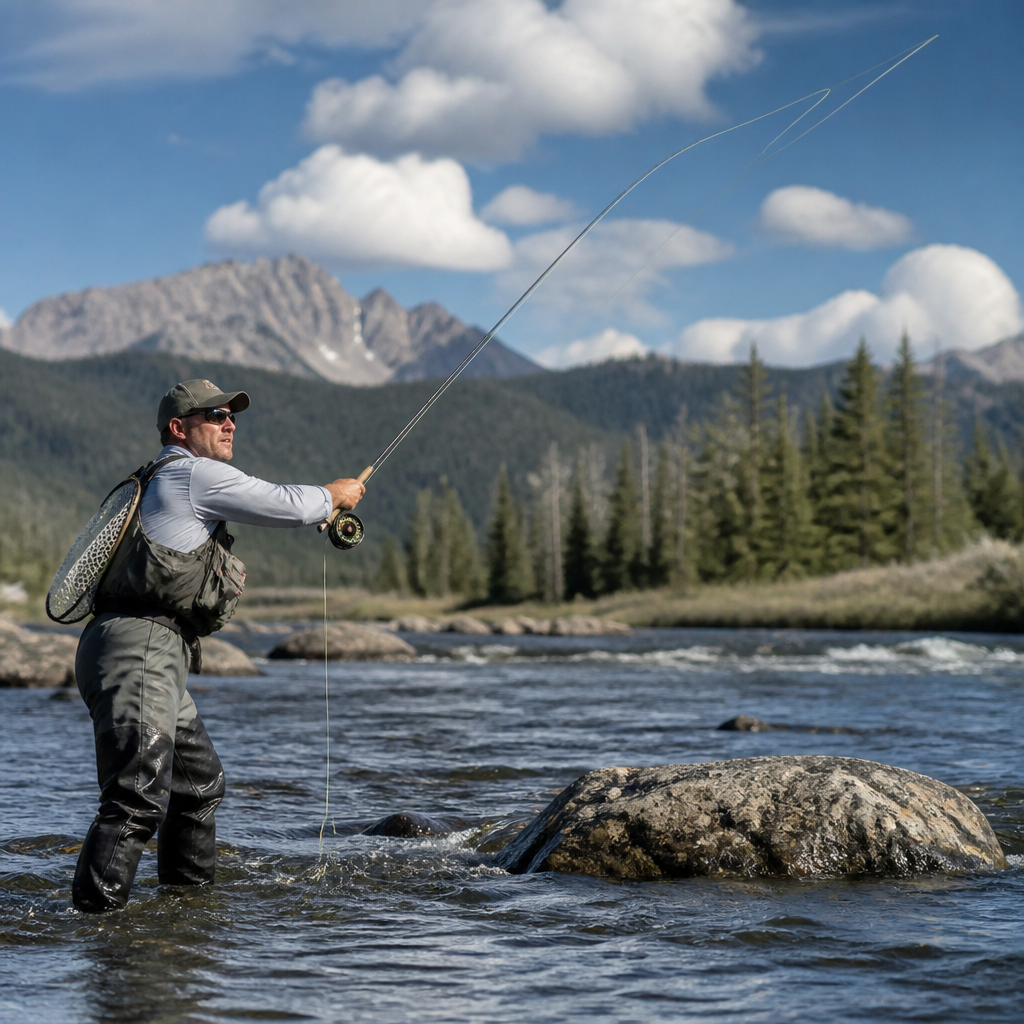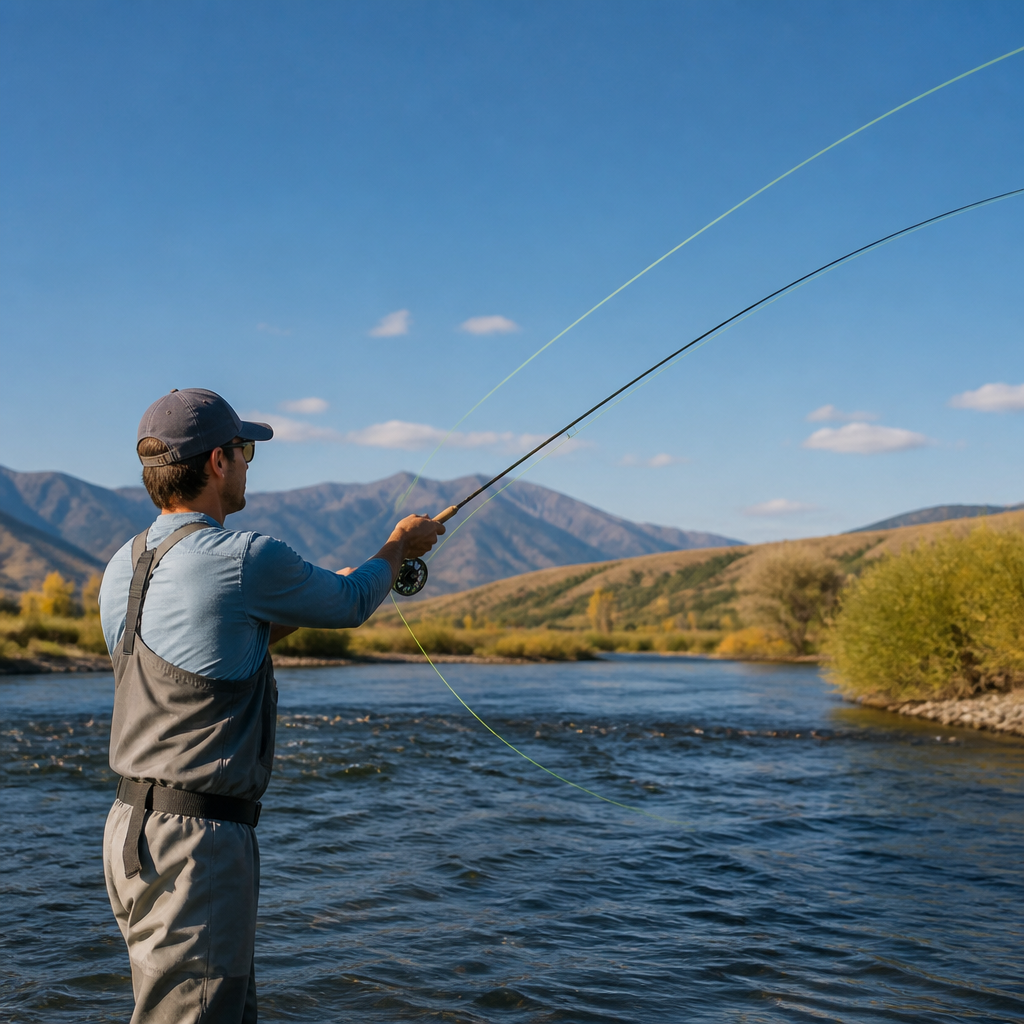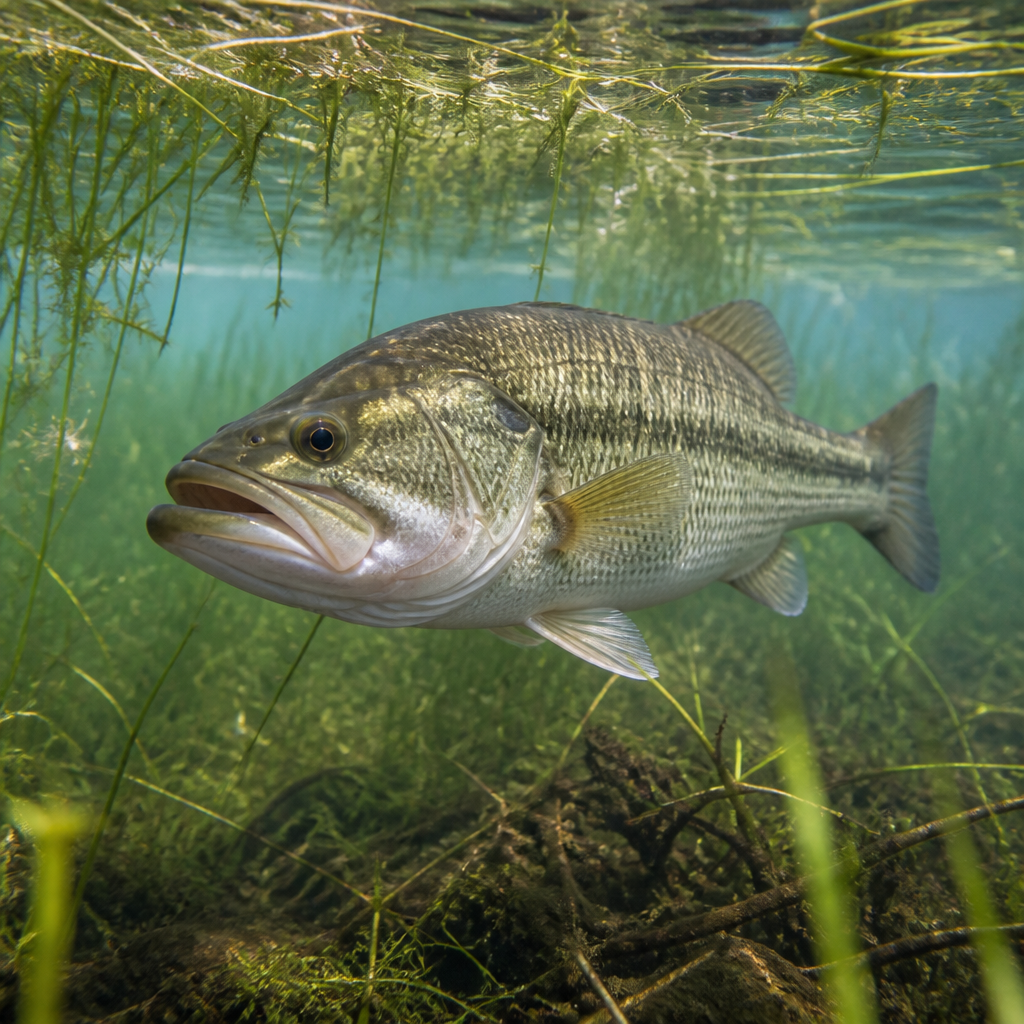
Matching streamer patterns to baitfish is the core skill that separates random streamer fishing from deliberate, repeatable success. In streamer fishing, a “streamer” is an artificial fly designed to imitate baitfish, leeches, sculpins, crayfish, or other larger prey, while “matching the hatch” shifts from copying insects to copying forage profile, movement, size, and vulnerability. I learned this lesson the hard way on rivers where trout ignored beautifully tied flies until the pattern finally matched what they were actually hunting. When anglers understand local forage and choose patterns that reflect it, they trigger predatory fish more consistently, cover water more efficiently, and make better decisions about line choice, retrieve, and presentation.
As a hub topic within techniques and strategies, streamer fishing deserves a broader definition than simply “casting big flies.” It includes reading predatory behavior, identifying baitfish species, selecting hook and shank styles, choosing weighted or unweighted designs, and adjusting retrieves to mimic injured, fleeing, suspended, or bottom-oriented prey. Brown trout, bass, pike, musky, and saltwater species all respond to streamers, but they do not all eat in the same way. A trout pinned to a cutbank often wants a narrow-profile sculpin or dace imitation swung near structure. Smallmouth on a rocky flat may respond better to a jigging minnow pattern. Pike usually demand bulk, flash, and pause-driven movement that stays visible in stained water.
The practical value of matching streamer patterns to baitfish is simple: predators make feeding decisions fast, usually based on a handful of signals. The most important are silhouette, length, contrast, swimming action, depth, and location. Color matters, but less than many anglers think. A six-inch white fly with convincing motion often outfishes an exact olive shade that swims poorly. Likewise, the right pattern in the wrong depth band fails even if it looks perfect in your hand. That is why experienced streamer anglers start with a forage-first approach. Before opening a fly box, they ask: What baitfish live here? How big are they today? Are they schooling in midwater, hugging bottom, or pushed into the shallows? Are predators feeding aggressively, or keying on wounded singles?
This article covers streamer fishing comprehensively as a sub-pillar hub. It explains how to identify common forage categories, how to map fly design to baitfish behavior, how to choose proven patterns, and how to adapt retrieve, tackle, and seasonal strategy. Use it as the central framework for every narrower subject in streamer fishing, from line systems and sink rates to species-specific retrieves and streamer color selection.
Understand the Forage Before You Choose the Fly
The first step in matching streamer patterns to baitfish is identifying what fish are eating in that water at that time. On trout rivers, common forage includes sculpins, dace, shiners, juvenile trout, whitefish fry, suckers, and leeches. In lakes, smelt, perch fry, shad, bluegill juveniles, and stocked rainbows may dominate. In warmwater, threadfin shad, minnows, sunfish, and crayfish often drive pattern choice. I rarely start by looking at fly color anymore. I start by turning over rocks, watching the shallows, checking seine samples where legal, and noting what predators regurgitate in the net. A single observation of two-inch translucent minnows can save hours of blind casting with oversized articulated patterns.
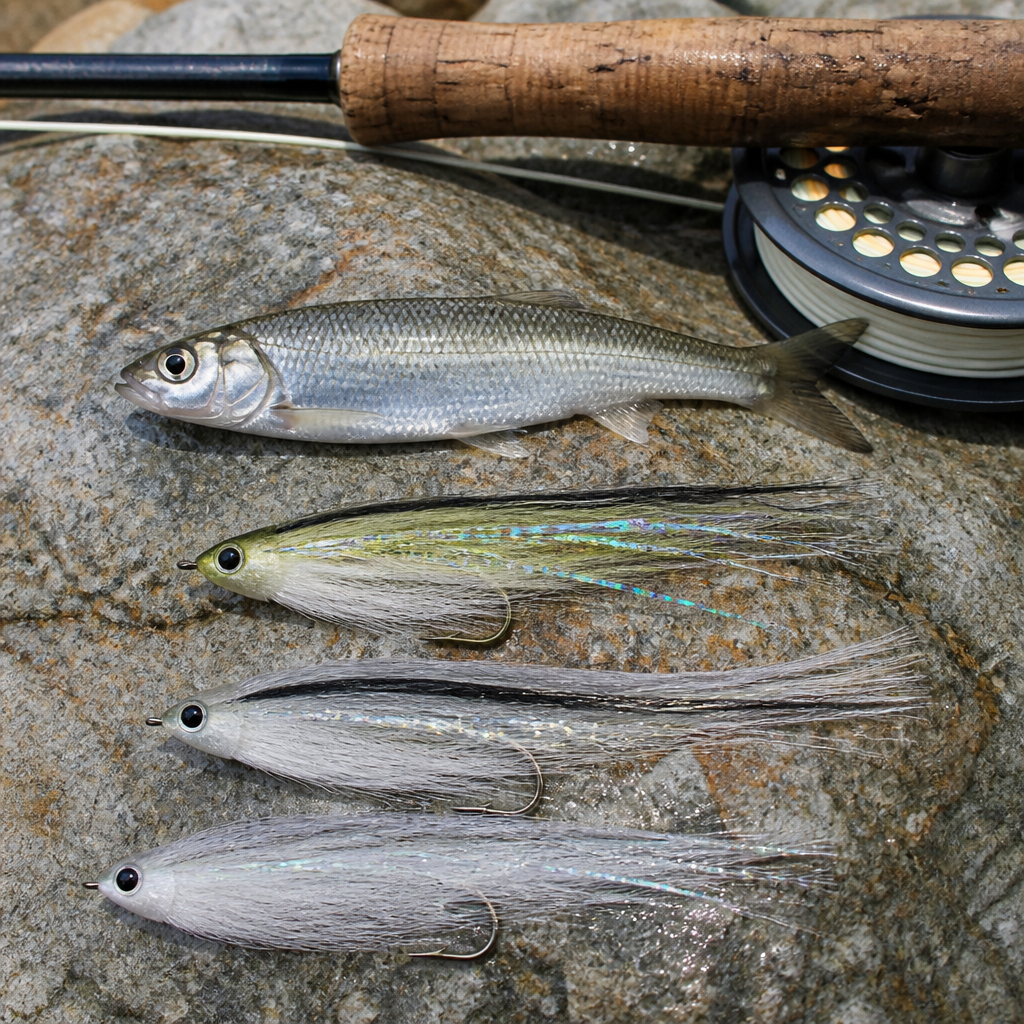
Profile matters because predators identify prey by shape faster than by fine detail. Sculpins are broad-headed, bottom-oriented, and pulse rather than glide. Dace and shiners are slim, silver-sided, and typically move in quick bursts through the middle of the water column. Juvenile trout have a deeper body and more stable swimming posture. Leeches are not baitfish, but they deserve inclusion because many “baitfish” presentations fail where a simple undulating leech pattern succeeds. If the fly’s shape does not resemble the available prey category, fish may follow but refuse. That refusal is useful information: it often means the retrieve or profile is close, but not convincing enough.
Size is usually the fastest adjustment that improves results. Predators often key on a narrow size window tied to seasonal forage. In spring runoff, trout may ambush three- to four-inch sculpins washed from banks. During fall, they may attack young-of-year baitfish around two inches long in soft edges. On reservoirs, striped bass may pin inch-and-a-half shad against the surface, making a bulky six-inch deceiver a poor match despite perfect color. When anglers ask what streamer size to use, the direct answer is this: match the average vulnerable baitfish size first, then scale up only when targeting larger individual fish or low-light reaction strikes.
How Streamer Design Mimics Baitfish Behavior
A streamer pattern is not just a visual imitation; it is a movement system. Materials, weighting, head design, articulation, and hook placement determine whether a fly darts, glides, jigs, hovers, or rides hook point up. Bucktail maintains shape and creates a lean profile ideal for smelt, shiners, and classic baitfish patterns. Marabou breathes at slow speed, making it deadly for cold water and suspended fish. Rabbit strips push water and undulate with a pronounced tail kick, which is why patterns like the Zonker and Bunny Leech remain so effective. Synthetics such as SF Blend, EP Fibers, and Congo Hair shed water, cast more easily at larger sizes, and allow wide profile without excessive weight.
Weight placement controls depth and attitude. Coneheads and dumbbell eyes create a jigging action and help imitate wounded minnows or bottom prey. Evenly distributed wire or bead-chain produces a gentler sink and more horizontal posture. Unweighted patterns excel in shallow water, over grass, or when fish are feeding upward. Articulated streamers increase movement and profile length without forcing a longer single hook shank that can reduce hookups. In my own boxes, I organize streamers less by color than by behavior: gliders, divers, jiggers, hoverers, and push-water flies. That system makes on-stream decisions faster because behavior usually matters more than brand-name pattern loyalty.
Hook style also affects imitation. Short shank, wide-gap hooks suit compact baitfish patterns and improve hookups on short strikes. Shanks paired with trailing hooks are useful for longer profiles, especially when matching slender baitfish beyond four inches. Weed guards, keel weighting, and platform heads become critical around timber, weeds, and riprap. If baitfish are holding near cover, the best imitation is the one you can fish where real prey lives without hanging up every cast.
| Forage Type | Key Traits | Best Streamer Features | Typical Presentation |
|---|---|---|---|
| Sculpin | Broad head, bottom hugging, short bursts | Wide head, weighted eyes, mottled colors | Strip-pause along bottom, banks, boulders |
| Shiner/Dace | Slim, silver flash, mid-column swimmer | Narrow profile, flash, sparse wing | Fast strips with direction change |
| Smelt/Shad | Translucent, schooling, open water | White/pearl body, lateral flash, light bulk | Steady retrieve, suspended depth control |
| Juvenile Trout/Perch | Deeper body, stronger silhouette | Articulated build, barred colors | Long pulls near structure and drop-offs |
| Leech | Undulating, slow, dark profile | Marabou or rabbit, minimal flash | Slow hand-twist or short strips |
Proven Streamer Patterns and When to Fish Them
Certain streamer patterns persist because they match forage categories well across many waters. The Woolly Bugger remains one of the most versatile flies ever tied because it can suggest leeches, sculpins, crayfish, and generic baitfish depending on color, weight, and retrieve. Olive and black Buggers are standards for trout and bass, while white versions can imitate small shad or minnows. The Muddler Minnow and its modern descendants excel when fish want a sculpin-like head and buoyant, pulsing profile. Zonkers produce exceptional swimming motion and remain a top choice when predators are tracking by lateral line as much as sight.
For slim baitfish, the Clouser Minnow is foundational. Its dumbbell eyes create a jigging action, the bucktail keeps a clean silhouette, and the hook rides point up, making it productive around rock and grass. Lefty’s Deceiver is another essential pattern for matching shiners, smelt, and other open-water forage because it maintains shape during faster retrieves and can be tied from sparse to bulky. Game Changers, Drunk and Disorderly-style patterns, and modern articulated synthetics offer lifelike movement and large profile with less casting fatigue than older waterlogged designs. They shine when targeting larger predators or when fish are willing to track a fly over distance.
Color selection should follow water clarity and forage impression rather than personal preference. In clear water, olive, tan, white, gray, and natural barred combinations usually outperform gaudy mixes unless you are intentionally provoking reaction strikes. In stained water, black, white, chartreuse, and contrast-rich patterns show up better. Black is especially effective because it creates a strong silhouette in low light and dirty flows. Pearl and silver flash are excellent for imitating pelagic baitfish, but too much flash in bright, clear, shallow water can reduce commitment. When in doubt, pick the right profile first, the right sink behavior second, and color third.
Presentation: Depth, Retrieve, and Angle Decide Everything
The best streamer pattern fails if it moves through the wrong lane. Depth control is the most undervalued skill in streamer fishing. Predators often hold near cover, current seams, drop-offs, weed edges, or shade lines, and they prefer to move short distances to intercept prey. That means fly line density, leader length, current speed, and retrieve cadence matter as much as pattern choice. A sink-tip on a river lets you keep a sculpin imitation near bottom without sacrificing line control, while a full sinking line on a lake helps maintain a smelt pattern at a consistent suspended depth. Floating lines with weighted flies are ideal for shallow banks and wood because they land softly and lift quickly.
Retrieve should copy not only how baitfish swim, but how vulnerable baitfish behave. Healthy minnows often travel smoothly and quickly. Injured baitfish dart, stall, and lose balance. Sculpins hop and settle. Leeches pulse continuously with little forward speed. I have found that trout frequently commit on the pause after one or two hard strips because the fly appears wounded and easy to kill. Smallmouth often favor a strip-strip-pause cadence near boulders. Pike commonly eat on long pulls followed by a suspended hang. If follows outnumber eats, change one variable at a time: speed, pause length, depth, or angle across current.
Angle is a strategic choice, not just a function of where you stand. Down-and-across swings keep flies broadside and visible, excellent for trout holding near current breaks. Quartering upstream presentations allow deeper entry and tighter contact when probing banks or ledges. Straight-across casts work well when baitfish are moving laterally along shorelines. On lakes and reservoirs, counting down a sinking line before beginning the retrieve is essential; without that discipline, anglers often fish far above the zone where baitfish and predators actually are.
Seasonal Strategy and Building a Streamer System
Season changes everything because baitfish behavior changes everything. In spring, runoff, wind, and warming edges displace forage and create ambush windows. Streamers that suggest sculpins, juvenile suckers, and washed-out minnows are especially effective near banks, tributary mouths, and flooded cover. Summer often pushes baitfish toward oxygen, shade, weeds, and depth, so early and late light become prime feeding windows. Fall is the classic streamer season for trout because aggression rises, juvenile fish are abundant, and larger browns defend territory while also hunting. Winter streamer fishing can still be excellent, but it demands slower retrieves, smaller average profiles, and marabou or rabbit patterns that move with minimal stripping.
A complete streamer system includes rods, lines, leaders, and fly organization built around forage categories. For trout, a 6- or 7-weight rod handles most modern streamers effectively; bigger rivers or heavier sink tips may justify an 8-weight. Warmwater and pike anglers often step up accordingly. Leaders are usually shorter and stouter than dry-fly leaders because turnover and direct contact matter more than delicacy. Fluorocarbon helps with abrasion and sink rate, though nylon remains useful with unweighted shallow presentations. Carry patterns by role: slim minnows, broad sculpins, leeches, bright attractors, and large articulated search flies. That layout mirrors how predatory fish actually feed and makes this subtopic easier to expand into specialized techniques, tackle systems, and species-specific tactics.
Matching streamer patterns to baitfish is ultimately about making smarter, evidence-based choices. Learn the forage, choose a fly that matches profile and behavior, fish it at the right depth, and adjust the retrieve until the imitation looks vulnerable. Do that consistently and streamer fishing becomes far less random. You will move more fish, convert more follows into eats, and understand why one pattern works while another fails. Start by surveying your home water’s forage, then build a streamer box around those prey forms instead of around trends. That single change will improve every trip.
Frequently Asked Questions
What does “matching streamer patterns to baitfish” actually mean in practical fishing terms?
In practical terms, matching streamer patterns to baitfish means choosing a fly that resembles the primary forage fish in the water closely enough that predatory fish recognize it as worth chasing or ambushing. Unlike dry fly fishing, where anglers often focus on exact insect species and life stages, streamer fishing is usually about matching a broader set of prey characteristics: profile, size, color, motion, and behavior. A trout, bass, or predatory species does not need your streamer to be a perfect artistic replica of a shiner, dace, sculpin, juvenile trout, or chub. It does need to look alive, vulnerable, and familiar within the conditions you are fishing.
The biggest shift is learning to think beyond the fly in your box and start thinking like a predator. Ask what fish are eating in that river, creek, or lake right now. Are they keying on slim, silver minnows in open current? Are they hugging the bottom and ambushing broad-headed sculpins? Are they feeding on young-of-the-year baitfish along weed edges? Once you identify the likely food source, you can choose a streamer pattern that mirrors the baitfish’s silhouette and swimming style. Long, sparse patterns often imitate fleeing minnows well, while bulkier, deer-hair or weighted flies can suggest sculpins, gobies, or crayfish that stay close to the bottom.
It also means matching vulnerability, which is often the most overlooked element. Predators do not always attack the healthiest, fastest prey. They often target disoriented, injured, isolated, or trapped baitfish. That is why a perfect baitfish shape paired with the wrong retrieve may fail, while a less exact pattern stripped or swung in a way that suggests panic suddenly gets crushed. Matching the baitfish is therefore not just a matter of appearance. It is a matter of presenting the fly so it behaves like the prey fish predators expect to catch in that specific environment.
Which baitfish characteristics matter most when choosing a streamer pattern?
The most important baitfish characteristics are profile, size, color, movement, and position in the water column. Profile is often the first thing predatory fish notice. A slender baitfish such as a shiner or dace creates a very different silhouette than a sculpin, goby, or juvenile perch. If the local forage is narrow and streamlined, a thin articulated minnow pattern may be a strong match. If the prey is stockier and bottom-oriented, a compact pattern with a wider head and more dive-oriented action usually makes more sense.
Size matters just as much, and many anglers miss fish simply by fishing streamers that are too large or too small for the forage base. If the river is full of two-inch fry and fingerlings, throwing a six-inch pattern may only appeal to the largest and most aggressive fish. Conversely, in systems where trout routinely feed on four- to six-inch baitfish, undersized streamers may not trigger the same predatory response. A good rule is to observe or sample the forage whenever possible and then select a fly that falls within the dominant prey range rather than defaulting to a favorite size.
Color should be approached intelligently rather than obsessively. Natural olive, gray, white, tan, and silver shades cover a huge amount of baitfish imitation. In clear water and bright conditions, subtle and translucent tones often outperform bold colors. In stained water, low light, or heavy cloud cover, stronger contrast can matter more than exact color fidelity. That may mean black, white, chartreuse, or combinations that stand out rather than disappear. Keep in mind that many predators respond to contrast, flash, and visibility at least as much as they respond to precise color matching.
Movement may be the deciding factor. Some baitfish dart and pause. Others wobble, glide, hover, or scoot near bottom structure. Your chosen streamer should have an action that supports the forage type you are imitating. Marabou, zonker strips, and soft synthetic materials excel when you want fluid, breathing motion. Stiffer materials can create a cleaner, more defined swimming track. Finally, position in the water column ties everything together. If the forage is suspended mid-column and your fly keeps dredging bottom, even a well-matched streamer may be ignored. The right imitation must not only look right, but also travel where predators expect to find that prey.
How can I tell what baitfish are present if I do not see them clearly?
You do not need to see baitfish perfectly to make smart streamer choices. Start by reading the water and the ecosystem. Different forage species favor different habitats. Sculpins and crayfish typically relate to rocks, ledges, and bottom structure. Minnows and juvenile baitfish often gather in softer edges, backwaters, weed lines, and seams with moderate current. In lakes and ponds, look around marinas, drop-offs, grass edges, and shallow flats during low-light periods. The setting itself often narrows the forage options dramatically.
Observation helps more than many anglers realize. Watch the shallows before you ever make a cast. Look for quick flashes, pods of tiny fish, nervous water, or predators pinning bait against banks. Polarized glasses can reveal far more than you would expect, especially when sunlight is behind you. If you see occasional silver flickers or the fast scattering of tiny fish near the surface, that points you toward slim baitfish imitations. If you do not see much surface activity but suspect ambush behavior around rocks and woody structure, broader bottom-hugging patterns become more logical.
You can also gather clues indirectly. Check local fish reports, talk with guides and fly shops, and pay attention to fish regurgitations or baitfish flushed near your feet while wading. If you land a fish and it spits up a partially digested minnow, that is excellent information. In some places, seasonal biology offers strong clues. Spring often brings fry, juvenile baitfish, and spawning-related forage movements. Fall can concentrate larger baitfish and trigger heavy predation. During times of high water, vulnerable bait gets displaced, and streamers that represent washed-out forage can be especially effective.
Most importantly, test intelligently rather than randomly. Carry a small selection that covers the major forage categories in your fishery: slim minnows, medium-profile baitfish, and bottom-oriented prey shapes. Fish each with intent and watch how predators respond. If follows increase on one shape but no eats occur, you may be close and need to adjust color, retrieve, or depth. The process of identifying baitfish is often iterative. Good streamer anglers piece together visual evidence, habitat clues, and fish behavior until a clear forage pattern emerges.
How should I adjust streamer size, color, and action for different water clarity and light conditions?
Water clarity and light conditions should directly influence how visible, believable, and easy to track your streamer is. In clear water, fish generally have more time to inspect the fly, so profile and natural appearance become more important. This is where moderate flash, subtle tones, and refined movement often excel. Olive-over-white, gray, tan, and lightly barred or mottled patterns can imitate a broad range of baitfish without appearing unnatural. In these conditions, overly gaudy patterns may still work, but they are often less consistent unless fish are specifically keyed into aggression rather than feeding.
In stained or off-color water, the equation changes. Fish rely more on contrast, silhouette, vibration, and short-range visibility. That is why black, white, chartreuse, yellow, and patterns with a bold lateral line or hot spot can outperform more realistic tying styles. Dark flies are especially effective because they throw a strong silhouette. Many anglers make the mistake of assuming dirty water always calls for bright colors, but often the better adjustment is stronger contrast and a larger profile that predators can locate more easily.
Size should also shift with conditions. In low, clear water, downsizing can make a streamer appear more natural and less threatening. A smaller fly may better match the forage and reduce refusals from fish that are cautious. In higher, darker water, upsizing helps your fly push more water and stand out. That does not mean you should automatically fish giant streamers every time visibility drops, but a modest increase in bulk or length can make a major difference in detectability.
Action and retrieve should match what fish can perceive. In bright, clear conditions, a more nuanced retrieve with pauses, subtle strips, and realistic tracking often works well because fish can follow and evaluate the fly. In murky water or low light, sharper strips, more displacement, and stronger pulsing materials can help predators lock in. The core principle is simple: the less fish can see, the more your pattern should emphasize visibility, silhouette, and feel. The more fish can see, the more your pattern should emphasize realism, proportion, and convincing movement.
What are the most common mistakes anglers make when trying to match streamer patterns to baitfish?
The most common mistake is focusing too narrowly on the fly itself while ignoring depth, angle, speed, and presentation. An angler may choose a streamer that looks almost identical to the local forage, yet fish it too fast, too high, or too uniformly. Predatory fish do not just respond to shape. They respond to opportunity. A streamer that enters the strike zone